


Today, many educators and parents strive to help children manage their feelings in a structured way. Understanding one’s inner world and mood is normal, yet it can be particularly overwhelming for young ones. By providing them with appropriate strategies, we can work together to reduce heightened emotional responses and promote relaxation during challenging moments.
Building a consistent framework for emotional support is essential. Teachers play a vital role in showing various methods to help children navigate their feelings, whether through interactive activities, calming visuals, or sensory aids. Keeping these strategies accessible allows kids to engage with them whenever needed. In just a few minutes, these techniques can transform an intense situation into one of comfort and clarity.


In childhood, behavioral development is crucial, and implementing relaxation techniques can provide a safety net. Simple exercises, including stretching, breathing, or even using tools like stress balls shaped like whales, can foster a sense of tranquility. Encouraging kids to label their feelings and check in with themselves regularly can also help them gain valuable insight into their emotional states.
After a particularly tough day, allowing time to unwind can work wonders. Strategies such as downloading calming apps or engaging in guided activities give them options to manage their feelings proactively. The goal is to create a toolbox that helps them navigate life’s ups and downs without resorting to negative behaviors, such as yelling or acting out.

4 – Promote Regulation Through Guided Peer Interaction

Utilize drawing activities to foster collaborative interactions among children. Once they start to create together, you’ll notice that it encourages engagement and enhances social skills. For instance, invite them to draw a shared picture where everyone contributes pieces of a larger scene. This approach not only builds teamwork but also serves as a valuable therapy tool to promote emotional connection.
Incorporate dance sessions that emphasize rhythm and movement. These dynamic activities allow children to express themselves physically, helping them to release nerve and tension. Consider organizing fun group dances where three or more kids collaborate. They’ll have a blast, and it cultivates a sense of belonging in the group. As they dance, remind them to focus on their breath and grounding, so they can maintain awareness of their body, which is crucial for proprioceptive regulation.
Engaging guided peer interactions can help children develop skills to manage their feelings. Activities like role-playing scenarios allow them to practice dealing with conflicts and emotions in a safe space. Encourage them to lean on each other, as, together, they can navigate their feelings. “Remember,” says one expert, “when they share their thoughts, they gain perspective, and the inability to manage emotions becomes less daunting.”
Consider adding a caring buddy system where each child is paired with a friend to engage in these activities. This creates a supportive dynamic where children feel secure expressing their emotions. Once they have that first experience, they’ll be more sure of themselves in similar situations.
For resources, check out items on Amazon like the “Drawing Together” kit or “Dance Party” games that encourage cooperative play. These tools support emotional regulation indirectly through fun, interactive learning.
The Role of Peer Support in Emotional Regulation
Teachers should recognize the importance of peer support in helping children manage their feelings. When children engage in group activities, they build a strong sense of community, which is vital for emotional development. For instance, using guided play with puppets allows children to express themselves and practice different emotional scenarios. This type of play can help them understand feelings better and learn to navigate their own emotional experiences.
Consistent interactions with peers can enable children to refine their emotional skills. A dynamic environment where children are encouraged to take part in breathing exercises or creative tasks helps them activate their parasympathetic nervous system. Here’s a practical example: setting aside time for kids to splash in a water table while discussing their feelings can be transformative. This allows them to take a step back and focus on something enjoyable while processing their emotions.
Using weighted blankets is another way to provide a calming effect during peer activities. These items can help children feel grounded and secure, reducing anxiety levels. For example, a child might feel more comfortable opening up during group discussions about feelings while cuddled under a weighted blanket. This consistency fosters emotional resilience amongst peers.
Throughout the school day, teachers can facilitate opportunities for children to pretend they are in various emotional situations. This can make a task feel lighter and allow kids to explore their feelings in a safe space. When children collaborate, they learn from one another, reinforcing the idea that everyone struggles with emotions at times. Encouraging this type of cooperative play is key to helping children build a toolkit for managing their feelings.
- Puppets for group role-playing: Amazon Puppets
- Weighted blankets for comfort: Amazon Weighted Blankets
- Water play tables for sensory experiences: Amazon Water Play Tables
Structured Group Activities for Emotional Learning
One effective way to enhance emotional understanding is through structured group activities. These interactions create a predictable environment where participants can engage in exercises designed to foster emotional integration. Consider using simple breathwork techniques, where a group can come together to practice deep breathing for a few minutes. This process not only calms the nervous system but also builds a sense of community as they share the experience.
Group games that incorporate elements of visualization can be powerful too. For instance, you can ask participants to imagine their feelings as pieces of colored paper floating in the air. They take turns sharing what these colors represent to them. This mode of expression is rarely used in everyday conversations, yet it enables a mature reflection on emotions that feels rewarding and safe.
In situations where a participant might feel unable to articulate their feelings, introducing a ‘feelings wheel’ can serve as a trigger for discussion. By identifying emotions visually, teens can make predictions about their responses and the responses of others. This integration of visual aids can spark deeper discussions and help everyone involved understand that feeling confused is a normal part of the emotional process.
For sensory engagement, consider using tools like stress relief balls or fidget toys that they can hold during discussions. These items work well for those who find it difficult to focus. They can squeeze or manipulate these objects while talking about sensitive topics, which helps them self-soothe and stay present in the moment. A great resource for these items is Amazon, where you can find options that fit various preferences.
Remember that the goal of these activities is not only to encourage emotional awareness but also to build healthy relationships among peers. Creating spaces where everyone feels safe to express themselves can lead to profound insights and a better understanding of one another.
Techniques for Facilitating Peer Conversations
Use a “Feelings Jar” to encourage kids to express their emotions. This could be a container filled with colorful beads or marbles that represent different feelings. When a child experiences a strong emotion, they can pick a bead that matches their feeling and then share it with others. It helps them recognize what they feel and opens up a pathway for dialogue. This technique works wonders throughout every interaction, helping children articulate emotions that are sometimes hard to express.
Another useful method is the “Emotional Table.” Set up a designated area where children can gather to check in with one another. Equip this space with tools like emotion cards or comfy seating that invites comfort and safety. Encourage kids to sit down, take a breath, and talk about their day. This will help them develop empathy as they learn to listen and understand each other’s feelings. It’s a simple yet effective way to promote meaningful conversations.
Lastly, “Empathy Splash” is an engaging activity where kids can share personal stories. Each child takes a moment to come up with a brief experience and, when it’s their turn, they can express it to the group. This technique nurtures a sense of community. The whole idea is to remind kids that they aren’t alone in their feelings and everyone goes through ups and downs. By fostering an environment where discussions are commonplace, you’re setting the stage for lasting relationships.
Strategies for Encouraging Empathy Among Peers
One effective way to encourage empathy among children is through music. Create a “team” activity where kids pick songs that resonate with their feelings. This sharing allows them to express what they are feeling and understand the emotions of their peers better. Music “provides” a platform for “deeply” connecting with one another. Consider using items like mood jars that kids can decorate and fill with colors representing their emotions. These jars are valuable tools for naming and validating feelings, making emotional expression more accessible.
Incorporating storytelling sessions around a “table” can also promote empathy. Encourage kids to tell stories about times they felt a certain way; this helps with “understanding” different perspectives. Use a “grounding” technique where those who share are given time to reflect on their’s experiences. This simple act allows children to practice “deeply” listening and recognizing the feelings of others, fostering a sense of community and support.
Physical activities can aid in relaxation and enhance emotional regulation. Engaging in “belly” breathing exercises helps children manage their emotions better. Products like yoga mats specifically designed for children can aid in guiding these relaxation exercises. The use of “bodys” movement, like dancing or stretching, can help kids physically express their emotions while syncing with the rhythm of “music.” Together, these methods not only promote a healthy recognition of feelings but also inspire positive behaviors towards one another.
Consider using items that encourage play and interaction while “seeking” to deepen emotional connections, such as cooperative board games or empathy-building card games. These activities can foster teamwork and help kids recognize their own “inability” to always understand others’ feelings, further enhancing their emotional intelligence.
Monitoring and Reflecting on Peer Interactions

Promoting individual development in children can be greatly enhanced by monitoring and reflecting on peer interactions. Teachers should encourage students to take breaks when they feel frustrated. For instance, a simple activity such as taking a few deep belly breaths or using a meditative straw to blow bubbles can be highly effective. This practice not only involves calming techniques but also adds a creative element to their playtime.
Additionally, dance breaks can serve as a fun way for children to reset their emotions. Since movement is a natural way to release pent-up energy, incorporating dance can significantly improve mood and social interaction. Teachers can point out examples of how moving together fosters a sense of community while also supporting emotional regulation.
Caregivers should consider practical tools that promote reflection, such as journals where kids can express their feelings about their interactions. This not only helps them articulate their emotions but also encourages them to think critically about their experiences with peers. Involving children in discussions about what makes them feel upset or happy during group activities can lead to valuable insights into their emotional landscape.
The goal is to help children develop enough awareness of their emotions and responses to others, making it easier for them to navigate challenging social situations. Whether it’s using calming activities, deep-breathing exercises, or fun, movement-based games, each example serves a purpose in enhancing emotional intelligence and peer relationships.
Questions and answers:
What are some effective calm down tools for children that can help them manage their emotions?
There are several tools that can assist children in regulating their emotions. Some popular options include sensory toys like stress balls and fidget spinners, which can provide tactile feedback and help focus their energy. Deep breathing exercises, such as using a visual aid like a glitter jar, can also help children calm down by focusing on their breathing and watching the glitter settle. Mindfulness activities, including guided imagery or simple meditation, can encourage relaxation. Additionally, engaging in creative activities such as drawing or painting offers an emotional outlet. Asking children to describe how they feel or to practice gratitude can also contribute positively to their emotional well-being.
How can parents integrate these calm down tools into their children’s daily routines?
Integrating calm down tools into daily routines can be done gradually and thoughtfully. Parents might consider setting aside time each day for mindfulness or breathing exercises, perhaps during morning routines or after school. Creating a designated calm-down space in the home where children can go to engage with these tools can be beneficial. This space might include items like art supplies, books, or calming music. Furthermore, discussions about emotions and feelings can be encouraged during family meals, helping children to articulate their feelings. Consistency is key; by regularly incorporating these practices, parents can help children develop a routine that normalizes emotional regulation.

What are some signs that a child might need calm down tools to help with their emotions?
Signs that a child may benefit from calm down tools include frequent outbursts of anger, heightened anxiety, or difficulty calming down after a stressful event. If a child often appears overwhelmed by their emotions or struggles to communicate how they feel, these could be important indicators. Other signs may include withdrawing from others, showing frustration with simple tasks, or expressing physical symptoms like headaches or stomachaches without a medical cause. Observing changes in behavior, such as increased irritability or difficulty in social situations, can also signal a need for additional support in managing emotions.
Are there specific calm down tools that work better for different age groups?
Yes, the effectiveness of calm down tools can vary greatly depending on a child’s age. For younger children, simple and tactile tools like playdough, sensory bins, or plush toys can be engaging and effective. As children grow older, tools that incorporate problem-solving or creativity, such as journaling or puzzles, can be more suitable. Teenagers may benefit from tools that promote autonomy, like apps for mindfulness or yoga, allowing them to explore self-regulation independently. Tailoring the tools to match developmental stages not only enhances their effectiveness but also encourages children to engage with them willingly.
How can teachers implement calm down tools in the classroom environment?
Teachers can implement calm down tools in the classroom by creating a specific ‘calm corner’ where students can go when they need to regulate their emotions. This area might contain items such as calming visuals, sensory supplies, and books focused on emotions. Teachers can also introduce short mindfulness breaks during the school day, allowing students to practice deep breathing or stretching. Additionally, by modeling emotional regulation and discussing feelings openly, teachers can create a supportive atmosphere that encourages students to use these tools. Regularly integrating calm down strategies into lessons can also help embed emotional literacy in the classroom culture.

Other Articles

Finding the Right Balance How to Manage Screen Time for All Age Groups

21 Comments
Comments are closed.


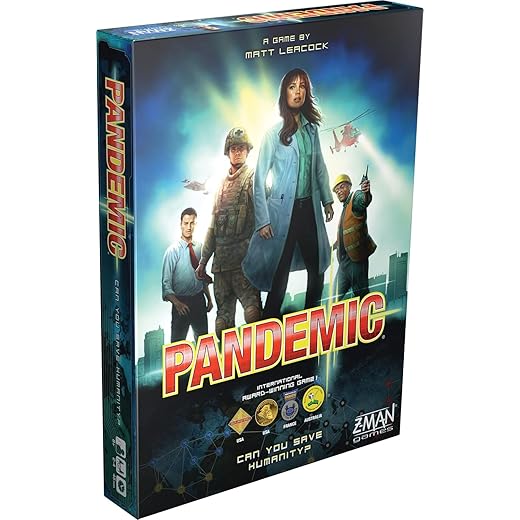
The colors are fantastic and the set pieces are well machined. I got this game to give my wife and I something to play cooperatively rather than competitively. Everyone plays on the same side – you either all win or all lose. To that end, it’s awesomely different.Quality:My wife was skeptical based on the product images she saw. When it arrived, however, we were blown away by the quality. The colors are fantastic and the set pieces are well machined. The disease cubes look so good they almost look like shiny candies on your game board. The board is solid. The cards are not flimsy. The game box provides sufficient protection and is thick enough to protect everything inside. Fantastic.Play:There is a lot of variety to this game. The inclusion of multiple roles, which you assign at random, creates a variety of play styles and strategy.The game also supports three difficulty modes (represented by the quantity of certain cards you mix into the deck). Once you get the hang of the rules, it’s fairly easy on the lowest difficulty level (until you get the hang of all the ways you can lose, however, you’ll find that you’ll only win about 75% of the time). Ratcheting up the difficulty satisfyingly makes the game more challenging. It’s not a given that you’ll win, which makes it more appealing for replayability.Maxing out the number of players also makes the game more difficult, because you have less rounds by which to complete your objectives and win the game.Fun:I’ve played this game with family and friends, and everyone immediately wants to play another round. That’s partly because it really takes playing a round to get the hang of the rules, but mostly because it is really different from the normal game. The cooperative aspect allows for a lot of group discussion, strategy, what-if scenarios, and so on. As soon as you’ve seen it in action – win or lose – you’ll want to play again just to see what happens if different decisions are made or different roles are selected.Long-term, I’m still addicted to this game. My wife no longer is, and only feels like playing it every once in a while. It’s still a welcome break from Settlers of Catan, which has been the game that I typically measure of my games against.Ease of play:There are a lot of rules to this game, which feels kind of overwhelming when you first play it. You absolutely do have to play at least a round to get the hang of the rules. Once you do, however, they don’t feel all that bad at all. I’ve actually played this game successfully with younger children (since it is cooperative, you can do most of the thinking for them, yet still make them feel like they contributed and made decisions). At least one of my friends has purchase the game for himself and his kids after playing with me.Summary:Overall, this game is different. The cooperative element alone is worth the price of admission. Stay for the fun and the challenge. And the build quality makes it feel like it will last a long time in your possession.
Simple but effective. This is a straightforward product- a plastic jar filled with cards, each card with a different emotion on it. I use it with my 4 and 7 year old to help with reading comprehension. We form two teams (one parent one child) and select a card to act out. The other team has to try to guess the emotion. While there are some simple emotions like happy, sad, angry, friendly, there are also emotions that don’t come up in our daily conversations like aggression, despondent, apathetic, delighted, enlightened… when they pick an emotion they are unfamiliar with we try to find a quick youtube video on it. After each round, we each try to give an example of when we felt that emotion. It takes about 15 minutes in total and the girls are begging to pick and talk about just one more card. We have seen them put this knowledge to use right away, using the emotions to describe character feelings after reading bedtime stories.
Great family activity. I’m a counselor with adults and kids… I use this game with my families. I mixed the words all together and use it both as an expression opportunity and a learning opportunity. Kids get to learn some new feelings words and families get to share their experiences, absolutely recommend! I like to bundle with the choices version to add a little extra fun.
Pandemic – in my opinion – is the best board game ever published. It takes just the right amount of time to play (30-60 minutes), is cooperative so everyone playing is a team trying to beat the game which makes the social dynamic more engaging than a competitive game, the mechanics are basic and easy to learn, and the game is different each time you play. I have yet to find another game that borders on so close to perfect as this one. It doesn’t even need the expansions (except for On the Brink – you have to get that just for the petri dishes for your disease cubes) which to me complicate an already precisely balanced game. I cannot praise this game enough, and everyone I’ve played it with has gone out and bought their own copies.
Best game EVER. Okay, to start out, I love love LOVE Pandemic! I admit it, I’m a bit competitive. I hate losing games. I’m generally fine with competitive games where the best strategist (or luckiest) wins, but I really dislike games (like Settlers of Catan) where some players can gang up on others. You pretty much don’t have a chance when every other player is specifically playing against YOU. Pandemic is fantastic because you cooperative with the other players and you all win or lose together. I just absolutely love sitting at the table talking about all our options and strategizing together.My son introduced me to Pandemic several months ago, and I was hooked. We’ve spent several afternoons/evenings playing again–and again–and again. On many occasions when I am home alone, I play all by myself (playing two roles), and we’ve also played four players on several occasions.With two players and four epidemics, we win every time. With five epidemics, we win about 70% of the time. We’ve tried six epidemics a couple times, but have not been able to beat that game yet. Still trying! Ugh! As you increase the number of players, the game gets more difficult. With four players we’ve only played with four epidemics, and we win probably a little over half the time. I honestly think it would be impossible with four players and six epidemics, but someone has probably proven me wrong.We’ve even discovered another way to lose the game, which is not listed in the rule book! It says you can lose by having too many outbreaks, running out of disease cubes, or running out of player cards. We’ve lost in all those lovely ways. However, a couple of times, we’ve had only a few outbreaks, had plenty of cubes of each color left, and plenty of player cards. Three diseases cured, with only one to go. One of those times, we’d even gotten through all the epidemics, so there were none left in the infection deck! We’ve got it made, right? Uh, no. Turns out we discarded too many of the same color city cards, and there were only four left total, including in our hands and in the player deck. Neither of us was the Scientist, so that was an automatic loss. This is a danger when you get dealt a nice hand at the beginning, say two or even three of the same color. You decide to collect those, so when you discard, you are discarding the other colors. If you happen to keep drawing you “discard” color and it takes too long to collect the color(s) you want, you’ve now discarded too many of the other color and you don’t have enough left at the end to cure the disease. Beware.We have also managed to lose the game on the very first turn. We were very unlucky drawing the infection cards when setting up the game: three on Karachi and Delhi, and two on Kolkata. Our first player did not have any way to get to that location to do even a little treating, and the first card drawn from the player deck was an epidemic. After resolving the epidemic, the first card drawn was Delhi, which caused a double outbreak (Delhi/Karachi) and put the third cube on Kolkata. The second card drawn was Kolkata, which was a triple outbreak (Kolkata/Delhi/Karachi) and lost us the game as there weren’t enough disease cubes. Yep, lost on the very first player card drawn and there was not a single thing we could do about it.One slight change we sometimes make in the game is to draw 10 cards at the beginning instead of 9. The first nine infect the cities, and the tenth is where we place our player pawns and the first research station. It adds a level of difficulty to the game to not always start in Atlanta. We were noticing before that we always seemed to get in trouble with black and red, and we believe it was because all our players started so close to blue and yellow so those cities were easy to get to and treat. Now that we can start anywhere on the board, blue and yellow have become equal opportunity killers.There are a few things it is easy to get wrong. When the infection rate moves up, it’s easy to forget to start drawing three cards (or four) since you’re so accustomed to the lower number. It’s also easy to forget to discard, not noticing that you have more than 7 cards in your hand. One scenario we’ve encountered a few times involves having 8 cards for literally a second. You meet another player on top of a research station, and share knowledge by pulling that city card from her. You now have 8 cards in your hand, but 5 of one color. Your very next action is going to be curing a disease, which will leave you with only 3 cards. But, before you cure that disease, you have 8 cards, so we think you have to discard one even though literally on your next action you will be discarding 5 cards. This is a little frustrating, but the rules specifically say that if you EVER (my emphasis) have more than 7 cards in your hand, you must discard (or play an event card).We were also a little confused by the role of the Researcher the first time we played. To be clear, when the Researcher shares knowledge, she and the other player must be on the same city, and the card can only go FROM the Researcher TO the other player (on either player’s turn, as an action). She cannot take a card from the other player (and they cannot give one to her), unless it matches the city they are sitting on.It is also extremely easy to forget to infect cities after resolving an epidemic. You’ve spent a bunch of time resolving, then strategizing based on where the board stands now, and you completely forget that you still have to infect before going to the next player.Lastly, you are not supposed to choose your roles. We played with one person who had played before, and he said they always choose which roles they want. I suppose you can play that way if you want, but the game would be far less interesting because people would probably tend to choose the same roles every time. The instructions say to shuffle the role cards and deal them to each player — that means they’re supposed to be random. It’s far more interesting and challenging when the roles change every time. A good part of the strategy is figuring out how to maximize the advantages that each role gives you in any given game.Pandemic is basically figuring out exactly how much effort you have to spend in each game sharing knowledge in order to cure diseases versus preventing outbreaks, all while maximizing the strategic use of whatever role you are playing. Spend too much time on one, and the other will get you. Sometimes you just have to say “oh well” and let an outbreak happen, even when you could have prevented it. It may just be more important to get to that one city in order to share knowledge than to get to the city where the outbreak is about to happen in order to prevent it. However we do try hard to prevent double outbreaks because things can get very bad very quickly when that happens.Okay I’ve rambled enough. If you’re on the edge, buy this game! It’s awesome. Every game is different and it never gets boring. It is equally fun with two or more players, although the more players, the more challenging it is. You can control the difficulty level by player with fewer or more epidemic cards. A+
Cheap Junk, popped in less than an hour. Bought these cause my stress ball at work was falling apart. Thought I could have one for work, home and a back up if needed. Within an hour of getting them one of them popped and sprayed the little balls everywhere. One thing I did not think about until I got them is that because there is liquid in them when you squeeze them they make a squishing sound. The more aggressively you squeeze the louder the sound is. And you can imagine what it sounds like your doing. That doesn’t work well in an office. I have been reserved in my use of the other two cause I don’t know if the one popped cause of a defect or cause they are just a crappy product. I’m waiting for the other two to pop. Have others ordered, may end up throwing these away. But I would not recommend these for houses with children or pets. I spent a bunch of time picking up all the balls that went everywhere and making sure my dogs didn’t eat any of them. They also get stickier the more you handle them, I’m assuming cheap rubber or whatever they are made of. And it covers your hands in it. I would stay clear of these balls!Update 11/27 – Another one just exploded all over everywhere. Safe to say the first one wasn’t defective. These balls are pure garbage. The buyer wanted me to return the others when I posted my first review of their garbage. Sure, I’ll take my time to return junk. I will be reporting them to Amazon, which I don’t think will matter cause they are ok selling this crap but also to the BBB. I usually have good luck with items on Amazon but these things are horrible. I will be throwing the third one away. Don’t need a third ticking time bomb.
It’s in the name. When we live in a world that moves very fast stability and peace of mind sometimes do not keep up. When I find myself overwhelmed or having difficultly focusing on a task and I need a reminder to ground myself I reach for the calm ball. Technology is so present in our lives and is very useful but can also be a source of frustration. Distancing myself from the devices and giving the call ball a shake allows me to reset. Simple phrases on the ball with more thorough suggestions in the booklet lead to coping skills to rise above any stressor. I enjoy mine and would buy one for a friend or lived one as a gift of love that keeps on giving. Thanks Calm Ball.
Great Bonding and Relaxing Activity. I purchased Draw With Mom (and Draw With Dad) three months ago, and pulled out Draw With Mom only last night with my 10-year old son. For our first assignment, I wasn’t sure if we were supposed to draw a “fantastical creature” each, or if my son had to draw across the spread first and then I add the legs and tail, but we went with the latter. Anyway, I’ve taken pictures of several examples of the book to show that some prompts suggest drawing across “both pages” whereas most do not, but you can be flexible. For the prompts to draw large spaces such as the playground, zoo, Candyland, desert island, etc., we will simply draw across both pages. As for the spreads that could go both ways (e.g. cake, video game character, grocery cart, etc.), we will most likely draw one each. I’m looking forward to drawing the next spread with my son again…hopefully tonight! 😀
Collaborative doodle book for all ages, fostering creativity, bonding, and memorable experiences. Title: A Creative and Joyful Journey for Two!Review:I recently discovered the joy of bonding and creating together with “Draw with Mom!: The Two-Person Doodle Book.” This delightful book has brought my mom and me closer than ever before, sparking our imagination and unleashing our inner artists.From the very first page, we were captivated by the charming illustrations and engaging prompts that encouraged us to collaborate and let our creativity flow. The book’s unique concept of two-person doodling is truly innovative and adds an exciting twist to our artistic endeavors.What I love most about this book is its versatility. Whether you’re an experienced artist or just starting out, “Draw with Mom!” caters to all skill levels. The prompts range from simple doodles to more intricate designs, allowing both beginners and seasoned artists to find their own rhythm.The book’s high-quality paper is a dream to draw on, and the spiral binding ensures that it lies flat, making it easy to work on together. The pages are thoughtfully designed, providing ample space for both of us to contribute our ideas and add our personal touches to each artwork.”Draw with Mom!” fosters a wonderful sense of collaboration and sparks conversations between us as we brainstorm, share our thoughts, and bring our imagination to life. It’s become a cherished bonding activity, creating lasting memories that we will treasure for years to come.As an added bonus, the book also includes helpful tips and techniques to enhance our artistic skills. These little nuggets of guidance have not only improved our drawings but also inspired us to explore new styles and techniques.Overall, “Draw with Mom!: The Two-Person Doodle Book” has exceeded our expectations, providing countless hours of fun, laughter, and creative exploration. It’s a fantastic way to strengthen the bond with your loved one while honing your artistic abilities. I highly recommend this book to anyone seeking a unique and joyful artistic experience together!
A Fun and High-Quality Set of Hand Puppets – Perfect for Kids. Great Variety and DetailThe set includes six adorable hand puppets: an elephant, tiger, parrot, giraffe, and monkey. Each puppet is beautifully designed with vibrant colors and intricate details. The animals’ facial expressions are cute and engaging, which makes them perfect for both playtime and educational activities.Soft and Durable MaterialThe puppets are made from soft, plush fabric that feels comfortable to wear. Despite the soft texture, they are quite durable and can handle the rough play typical of young children. The stitching is well-done, and they seem like they’ll hold up over time.Perfect for Interactive PlayThese hand puppets are an excellent tool for encouraging imaginative play and storytelling. My kids enjoy using them to create fun adventures, which helps develop their creativity and social skills. They are also a great way to bond as a family or engage in group activities with friends.Conclusion:Overall, this set of hand puppets is a fantastic purchase for parents and caregivers looking to add a fun and educational toy to their collection. The variety of animals and the high-quality craftsmanship make these puppets a worthwhile investment for kids.
Great idea, iffy execution. You have to shake it really hard for the dice to show face up, it often goes corner up. It is also not really transportation size unless you have a big purse/bag. I look forward to seeing this idea evolve. For now, its an awesome idea but needs work.
Perfect for kids with ADHD. We decided to try a kids’ weighted blanket for our child with ADHD to help with bedtime, and I’m so glad we did! It’s been a game-changer in helping him calm his body and settle down before sleep.✅ What We Love:Helps Calm and Relax: The gentle pressure from the blanket has been incredibly effective in helping our child relax before bedtime. He used to have trouble winding down after a busy day, but this weighted blanket has become part of his routine to help signal that it’s time to sleep.Perfect Weight for Kids: The weight is just right for a child, not too heavy or too light. It provides that comforting hug-like sensation that helps him feel secure and calm. We’ve noticed a significant improvement in how quickly he is able to fall asleep after using it.Improved Bedtime Routine: We use it for about 15-20 minutes before he gets into bed, and it really helps to calm his restlessness and hyperactivity. He often snuggles up with the blanket during his wind-down time, and we’ve seen a big difference in how easy it is for him to transition into sleep.Quality and Softness: The fabric is soft and cozy, making it perfect for bedtime. It’s breathable, so he doesn’t overheat, and it feels like a warm, comforting cocoon. The stitching and overall quality are top-notch, and it holds up well after several washes. It is a great value for the price.Great for Sensory Needs: For kids with sensory needs, the weighted blanket can be a wonderful tool for providing that deep pressure input. It has really helped our child feel more grounded and secure, which is so important for children with ADHD who often struggle with sensory overload.✅ Why It’s Perfect for Kids with ADHD:Supports Relaxation: Weighted blankets are known to help with anxiety, sensory processing issues, and sleep disturbances, which are common for kids with ADHD. This blanket has helped our child feel more focused and calm, which has made a big difference in his ability to fall asleep.Versatile: While we primarily use it for bedtime, it’s also great for quiet time during the day when he needs to calm down or focus on a task. The blanket’s soothing effect works well in various situations.⚠️ A Tiny Note:Adjusting to the Weight: It may take a little time for some kids to adjust to the feeling of the blanket. For us, it only took a few nights before our child was fully comfortable, but I know some kids may need more time to get used to it.Final Thoughts:This kids’ weighted blanket has been such a wonderful addition to our child’s bedtime routine. It’s been incredibly effective in helping him calm his body, reduce anxiety, and improve his sleep. If you have a child with ADHD or sensory needs, I highly recommend giving it a try. It’s a simple but powerful tool that has made a noticeable difference in our nightly routine.Highly recommend for any child who needs extra help relaxing before bed!
Creative Bonding at Its Best – A Wonderful Shared Experience. I bought Draw with Mom! (Two-dle Doodle, Book 2) for my 7-year-old son, and it’s been such a meaningful way for him and his mom to spend quality time together.The format is thoughtful and fun—each page is designed for two people to draw side by side, sparking laughter, creativity, and great conversation. It’s not just a drawing book—it’s an invitation to connect, be silly, and create memories.The prompts are playful and age-appropriate, and the book encourages both kids and parents to express themselves freely. Highly recommended for any parent and child looking to enjoy screen-free, creative time together. It’s been a joyful addition to our family routine.
Love it. Love this product! It has really helped me with feeling regulated and has such great suggestions on it. Even when I don’t necessarily want to do what it ends up saying, after I do it anyway I always feel better in some way. Would definitely recommend
Love. I used to make my own feeling words/cards and print them out, but found this item years ago and love it. Perfect! I’ve used the cards countless times with adult clients working through traumatic stress issues and it’s been invaluable.
great toy. I bought these for nephew and nieces and they love them. Even the older kids had fun playing with them. Great quality. Super cute!
Five Stars — A Worthy Buy. I purchased the Melissa & Doug Safari Buddies Hand Puppets Set of 6 for my little one and it has quickly become a favorite in our household. The set includes fun safari animals (elephant, tiger, parrot, giraffe, monkey, zebra) that are soft, cuddly and sized for both kids and adults.What I love:Great for imaginative play: My child loves putting on puppet shows and exploring different voices and stories with these characters.Quality build: The puppets are washable, made of durable fabric and hold up really well even with regular play.Amazon+1Versatile for ages: Although made for kids 2 +, they also fit my hand comfortably so I can join in the fun — perfect for bonding time.Value pack: A full set of six animals means we have multiple characters to mix and match, making playtime more varied and engaging.Bottom line:If you’re looking for a high-quality, engaging puppet set that encourages pretend-play, storytelling and creativity, this one delivers. My child uses it daily and it’s already added a lot of joy to our playtime. Definitely five stars!
Balls. My grandson really loved them. And so did my 1 yr old daughter.
Squishy, Colorful, Gimme that Sensory Relief. Bright and colorful. Squishy and not sticky. Think they are going to be a good size for smaller and larger hands, a nice medium size. I used these for gift baskets, and I am very pleased. I didn’t want to play with them, but I did squeeze one for test measure, and my senses were relieved for a moment. Unfortunately, I had to put it down, lol! I will keep one for myself next time!
Buena distribución de peso. La cobija me hubiera gustado encontrar una que fuera un poco más larga, Para un niño de 10 años queda corta, sin embargo compensa la buena distribución que tiene del peso, ya que tiene costuras que permiten que el niño se sienta cómodo y a gusto. La textura es lisa en su mayoría.
Perfect for us. My 4 year old has been struggling extremely bad with needed deep pressure input. His OT recommended we get him a weighted blanket. He absolutely loves this thing. It’s the perfect size for him!