


Overthinking can often cause a detrimental loop in your mind, leaving you feeling overwhelmed and anxious. Scientists have shown that this constant cycle of rational and irrational thoughts might engage the amygdala, which heightens stress levels and makes decision-making more complicated. If you find yourself regularly over-explaining situations or questioning your choices, you’re not alone. Many people struggle with a mindset that encourages excessive contemplation, especially when deadlines are approaching or critical decisions need to be made.
In this article, we will explore five effective strategies to eliminate the chaos of overthinking and create a more peaceful mindset. These methods are backed by both scientific research and practical insights. John, a high-performance coach, wrote about the importance of simplicity in thought processes, emphasizing that you must break free from the noise of incessant thinking. Whether it’s through meditation, redefining your approach to problem-solving, or simply allowing yourself to be okay with uncertainty, these techniques can help you gain control over your thoughts.
If you’re tired of the negative effects that overthinking can have on your life and wellbeing, then it’s time to make a change. By implementing these strategies, you’ll not only create space for more positive thinking but also enhance your overall productivity and clarity. So let’s dive into these practical solutions that can transform your mindset and guide you towards a more peaceful existence.
Practice Mindfulness Techniques

Mindfulness is a powerful method that can help eliminate the loops of overthinking that often lead to stress and anxiety. It’s known that practicing mindfulness techniques can improve the quality of our decisions and emotions, providing a clearer perspective on what truly matters. When we face anxiety or feel overwhelmed, it can be easy to get stuck in a cycle of negative thoughts. Instead of letting this loop control our minds, we should focus on grounding ourselves in the present moment.
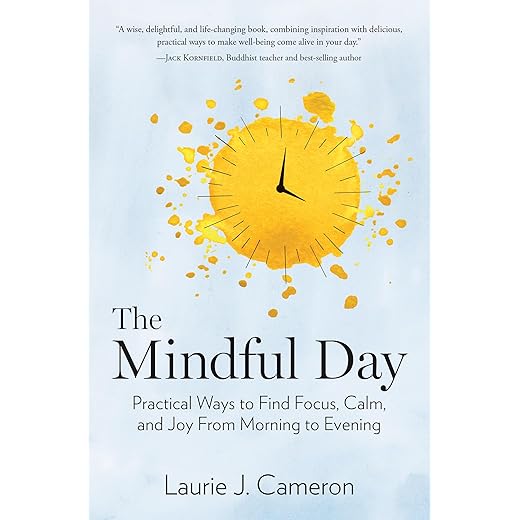
One simple strategy to practice mindfulness is the “body scan” method. This involves lying down comfortably and consciously scanning your body from head to toe, taking note of how each part feels. If you notice tension or discomfort, acknowledge those feelings without judgment. This practice not only helps to identify areas of stress but also facilitates emotional release, helping to break the cycle of overthinking. Resources like guided mindfulness meditation apps or books available on Amazon can support your journey, such as “The Mindful Day: Practical Ways to Find Focus, Calm, and Joy From Morning to Evening” book.
Sometimes, all it takes is a single moment of awareness to shift our perspective. By taking a few deep breaths and focusing on what’s happening around us–like the sounds or sensations we perceive–we can effectively tame our racing thoughts. For instance, when you find yourself in a thinking loop, consider taking a walk outside. Nature has a unique way of helping us feel grounded and still, reinforcing the changes we are trying to implement.
Over time, making mindfulness a part of your daily routine can significantly increase your ability to manage stress and anxiety. You don’t need to spend hours; even a few minutes set aside each day can create momentum towards a more peaceful mind. Remember that it’s easy to get caught up in life’s demands, but prioritizing these mindfulness moments can lead to remarkable changes in how you think and feel.
In summary, practicing mindfulness techniques doesn’t have to be a daunting task. Start with small steps, such as deep breathing or body scans, and gradually build upon those practices. You’ll believe in your ability to manage and tame those overwhelming thoughts, fostering a clearer, more peaceful mindset. For additional support, consider mindfulness tools like journals or stress relief products on Amazon, designed to complement your personal mindfulness journey.
Understanding Mindfulness and Its Benefits
Mindfulness is a powerful technique that can help you move forward in both your personal and professional life. When you practice mindfulness, you’re training your mind to focus on the present moment, rather than dwelling on past mistakes or worrying about future scenarios. This shift in focus can significantly weaken the grip of overthinking, allowing you to create a high-performance mindset.
For those frequently caught in a cycle of worry, the amygdala–the part of your brain that processes emotions–can become overstimulated. This can lead to an irrational mindset, making it harder to make effective decisions. Mindfulness offers proven techniques to tame this part of the brain, allowing you to regain control. For instance, simple breathing exercises or meditation can help slow your thoughts and keep you grounded.
When you’re working in a business environment, mindfulness skills can play a crucial role. They not only help you stay focused but also enable you to approach challenges with a clearer rational mind. By taking the time to stop and reflect, you can avoid impulsive decisions that may come from a place of reactive thinking. This is essential for finding personal and professional balance.
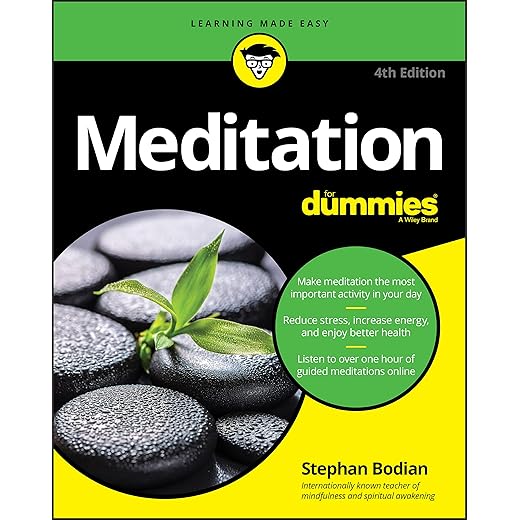
There are many resources available to help you start your mindfulness journey. For example, you might consider products like:
- Mindfulness Meditation For Dummies – A great resource for beginners.
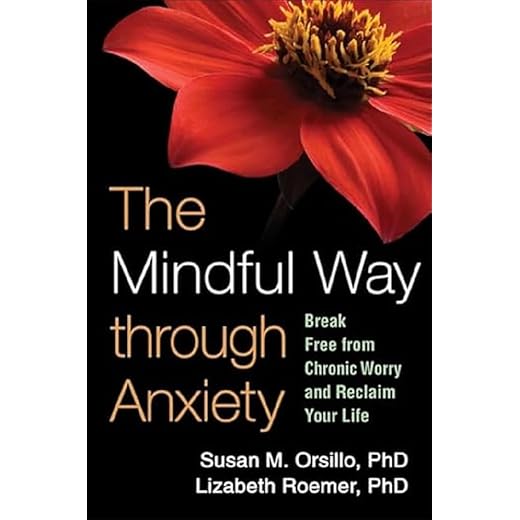
- The Mindful Way Through Anxiety – Offers a step-by-step approach.
- The Power of Now – A powerful book about living in the moment.
Finally, remember that mindfulness is not about perfection. It’s about progress. As you practice, you’ll find that you can finally enjoy the journey without getting stuck in your head. As you apply these techniques, you’ll be better prepared to tackle the biggest challenges and create a life filled with peace and purpose.

Simple Breathing Exercises to Calm the Mind
When you find yourself trapped in loops of overthinking, it’s likely that your mind is racing with worry. A simple, yet effective way to regain control is through conscious breathing exercises. These exercises not only serve as a step toward achieving peace of mind but also help ground you in the present moment. With a bit of practice, you’ll develop skills that make it easier to turn down the volume of your intrusive thoughts.
One popular technique is the 4-7-8 breathing method. To start, inhale deeply through your nose for four seconds, hold that breath for seven seconds, and then exhale slowly through your mouth for eight seconds. Repeat this cycle for three to five minutes. Studies show that this technique reduces anxiety and keeps your heart rate steady during stressful times. It’s a manageable habit that can be integrated into your daily routine, even if you only have a brief moment to spare.
Another effective strategy is the “apple breath” method. Imagine holding an apple in your hand–feel its smooth surface and smell its freshness. As you inhale, picture the apple’s scent filling your lungs, and as you exhale, visualize your worries dissipating. This method is good for staying focused and can be particularly helpful during moments when you feel nervous or overwhelmed.

To ensure long-term progress, consider incorporating these breathing exercises into your day-to-day life. There’s no need for complicated plans; just a few minutes spent on this concept can yield profound effects. Accepting that life comes with mistakes will also help you worry less. By integrating these exercises into your routine, you’ll not only be better equipped to manage stress but will also cultivate a greater sense of peace of mind.
For those looking to enhance their experience, products like essential oil diffusers can amplify the calming effects of your breathing exercises. Scents like lavender or chamomile can create a relaxing environment. You can find these on Amazon to help transform your space into a calming retreat.
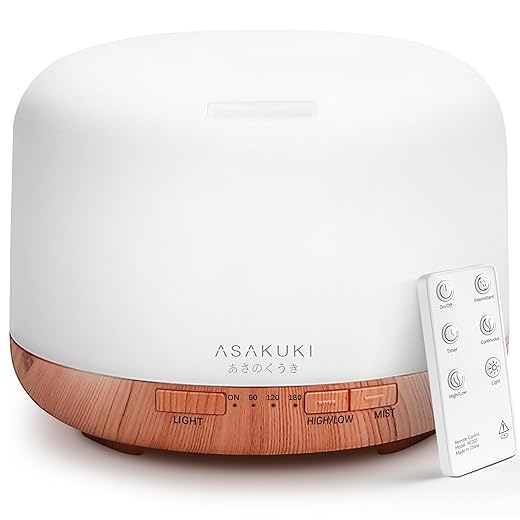
ASAKUKI Essential Oil Diffuser 500ml, Ultrasonic Aromatherapy Humidifier with Remote Control, 7 LED Colors, Timer & Auto-Off, Large Room Diffuser
Remember, the journey to peace of mind is ongoing and sometimes requires a little patience. Recognize the progress you make and give yourself credit for taking these necessary steps. By practicing these simple breathing techniques, you will likely notice a significant improvement in your overall mental well-being.
Incorporating Meditation into Your Daily Routine
Meditation is a powerful tool for tackling the worries that frequently arise in our busy lives. The embodiment of this practice can significantly enhance your well-being, offering a clear pathway to manage racing thoughts. It’s not as difficult as it may seem–once you begin to see it as a positive habit, it can become an invaluable part of your routine.
Start by setting aside a brief window each day for meditation. This doesn’t require elaborate equipment; sometimes, all you need is a comfortable apple cushion and a quiet space. Experienced meditators suggest that regular practice can turn your scattered thoughts into manageable goals. During this time, you can focus on what’s important, letting go of the common ruminations that can cause stress, especially when deadlines are approaching.
To make meditation a part of your daily life, consider using guided sessions or meditation apps available on platforms like Amazon. Products such as the “Headspace: Guide to Meditation” book or a premium subscription to a meditation app can refer you to exercises that encourage deeper awareness. Pair these with some calming essential oils, and you’ll create a serene environment that keeps distractions away.

Remember, meditation is not about emptying your mind but about gaining clarity. Notice what thoughts arise and learn to observe them without judgment. This process encourages self-awareness that can positively transform how you handle challenges at work or in personal life. Just like any new skill, consistency is key, so choose a time that feels right for you–whether that’s in the morning, during a lunch break, or as a way to wind down at night. The next time you start to feel overwhelmed, take a deep breath and remember that meditation can help you find peace of mind.
Challenge Negative Thoughts
Challenging negative thoughts is a crucial step in reducing overthinking and achieving peace of mind. When you’re caught in a loop of rumination, it’s essential to take a conscious approach to break free from these overwhelming scenarios. One effective technique is to practice mindfulness exercises that help you scan your thoughts objectively. By doing so, you can identify which thoughts are deeply rooted in negativity and which are simply fleeting. This awareness is the first step toward change.
Set a clear goal for yourself: Whenever a negative thought arises, take a moment to review it for logic and accuracy. Ask yourself, “Is there any solid evidence supporting this thought?” If the answer is no, then take active steps to eliminate that perspective. It can be helpful to replace such thoughts with more balanced ideas. For example, if you’re stressing about a deadline at work, rather than ruminating on the worst-case scenario, focus on actionable solutions. There’s always a possibility to manage the tasks more effectively.
Practicing this habit consistently can really transform the way we perceive our thoughts. Engaging in mindfulness practices, which are often associated with Buddhism, can clear the mind and bring more clarity into your daily decisions. Consider incorporating tools or books that support this journey. Products like “The Mindfulness Journal” or “Meditation for Beginners” available on Amazon can be deeply helpful in guiding your practice.

Rather than just pushing these thoughts away from yourself, understand their origin and challenge them. It may feel challenging initially, but with consistent practice, you will likely find that your mind becomes a more peaceful place. Remember, the goal is to cultivate a healthy and conscious mindset that supports your well-being, leaving little room for overwhelming thoughts.
Identifying Common Patterns of Overthinking

Overthinking is something that many people struggle with. It often manifests in various patterns that can be identified and addressed. Here, we will explore these common patterns and how they can lead to a cycle of worry, negatively impacting our well-being. Understanding these patterns is the first step in managing them.
One known pattern is the tendency to focus on intrusive thoughts. These thoughts can feel like persistent ants running around in your mind, making it hard to enjoy the moment. For instance, if someone made a brief comment at work, you might find yourself replaying that moment for hours, worrying about what they really meant. Breaking this cycle requires techniques that help you manage your thoughts effectively.

Another common pattern is naming your worries. Imagine you’re about to give a presentation. Instead of just feeling anxious, you might start listing all the negative outcomes in your head: forgetting your lines, making mistakes, or being judged by others. This worrying can make your anxiety even worse. By identifying these worries, you can take a step back and assess which ones are likely irrational and which are based on reality.
Experts suggest that adopting a more constructive approach helps beginners tackle overthinking. For example, rather than trying to eliminate every single worrying thought, it can be more helpful to reduce the time spent on them. Setting a timer for just a few minutes to allow yourself to think about those thoughts can prevent them from consuming hours of your day.
Here are some techniques you might find useful:
- Mindfulness Meditation: Regular practice can help you become more aware of your thoughts without judgement.
- Journaling: Writing down your worries can reduce mental noise, allowing you to see a clearer line between fact and feeling.
- Therapy: Talking through your thoughts with someone else can provide new perspectives and proven strategies.
Remember, overthinking is a common challenge, and you are not alone. With awareness and practice, you can learn to manage these patterns effectively. Focus on breaking the cycle, and you’ll likely feel a sense of relief and peace of mind. Enjoying the little things, like an apple or a beautiful day, becomes easier when you’re not caught in a loop of negative thinking.
Q&A:
What are some signs that I might be overthinking too much?
Overthinking can manifest in various ways. You may notice that you spend excessive time analyzing decisions, replaying past scenarios in your mind, or feeling paralyzed by the fear of making mistakes. Other signs might include difficulty concentrating, experiencing anxiety or frustration over minor issues, and feeling mentally exhausted after simple tasks. Recognizing these signs is the first step towards addressing overthinking.
Can you explain how mindfulness can help me stop overthinking?
Mindfulness encourages living in the present moment, allowing you to observe your thoughts without judgment. By practicing mindfulness, you can learn to acknowledge your thought patterns and recognize when you’re overthinking. Techniques such as meditation, focused breathing, and mindful observation help ground you in the now, reducing the mental noise that often accompanies overthinking. Consequently, you create space for more constructive thoughts and emotional clarity.
What role does exercise play in reducing overthinking?
Exercise is an excellent way to clear your mind and reduce stress. Physical activity releases endorphins, which can elevate your mood and improve your overall sense of well-being. Additionally, focusing on physical movements can distract you from ruminative thoughts. Whether it’s going for a run, practicing yoga, or participating in team sports, regular exercise helps shift your focus away from negative thought patterns, fostering a healthier mindset.
How can I develop a habit of journaling to combat overthinking?
Journaling serves as a powerful tool for processing thoughts and emotions. To create this habit, set aside a specific time each day to write. Start with simple prompts, like reflecting on your day, noting down what’s on your mind, or identifying what you’re grateful for. Over time, journaling can help you clarify your thoughts, recognize patterns in your overthinking, and provide a safe space for expressing emotions. As this becomes routine, you’ll likely find it easier to manage your thoughts.
Are there any specific techniques I can use to challenge my overthinking thoughts?
Yes, several techniques can help challenge and reshape your overthinking habits. One effective method is cognitive restructuring, where you identify negative thoughts and challenge their validity by asking yourself questions like, “What evidence do I have for this thought?” or “Is there a more positive way to view this situation?” Another technique is the “5-4-3-2-1” grounding exercise, which involves identifying 5 things you can see, 4 you can touch, 3 you can hear, 2 you can smell, and 1 you can taste. These methods can redirect your focus and help you confront irrational thoughts directly.

Other Articles


18 Comments
Comments are closed.


Most helpful in broadening mindfulness practice to calm anxiety. I’ve read lots of books about mindfulness, anxiety, and how to do it/deal with it. This book is a most comprehensive combination of the two subjects, dealing with the pitfalls and varied circumstances that make mindfulness less than effective when anxiety pulls out it’s full bag of tricks. The authors obviously have deep experience helping folks change their unwanted patterns. Mindfulness, I’ve found, can bring great calm and clarity when consistently practiced. This the authors support by thoroughly explaining the how our clever minds avoid what we fear even though it’s what we really want to do. They offer many examples in each chapter and exercises to help one experience each step of practicing consistent mindfulness. I recognized many of my own anxiety avoidance strategies and am finding the exercises very helpful in using mindfulness to become aware of them and find better alternative.
Highly Recommend this Book and the Headspace App. I began using the Headspace app, then bought the book. They are an excellent combination! The book compliments and explains in more detail than the app. I really have a great appreciation for both and would recommend both the Headspace app and the book! The stories/analogies Andy (author) shares beautifully illustrates the points he makes. It is a delightfully written book, very witty, interesting a a fast read. I have been using the app for about 40 days now. I am in the “anxiety” 30-day series currently and getting a lot out of it. Headspace mindfulness and meditation practice has really improved my mental health in just this short time. I am definitely a subscriber and look forward to doing other “packs,” like the one on stress. I’ve also used the meditation exercise on “sleep” to get back to sleep in the middle of the night and it has worked every time! What I have learned and began putting into practice from the app and book have truly changed my life!!! I highly recommend both this book and the Headspace app / Headspace.com, including subscribing after doing the unlimited, lifetime, free “Take-10″ – 10 Minutes a Day, 10-Day Free Trial” on the Headspace app on Google Play or Apple store…. I am actually in my 3rd reading of the book. I learn more each time I read through it (something I missed other reading) and it really helps “ground me” in my meditation practice while using the app each day…
Brilliant read for anyone, not just mindfulness gurus. Just read it and I cannot convey what an amazing book this is! I hoped it would be an interesting read because I’d heard the author speak at a Mindfulness summit, but had no idea that it would be truly life-changing. That sounds corny, but it’s not one of those self-help books that motivates you while you’re reading it, and then gets set aside once you forget about it. It is full of sensible, practical, and brilliant ideas. It is really well organized, but incredibly engaging. It’s written from a personal perspective, but I would say applicable to anyone’s own life. Definitely not just for mindfulness gurus, but for everyone. In fact I just bought 5 more copies for each member of my family (none of whom really know what mindfulness is). I’ve already marked pages I will go back to and re-read to reinforce the practices I learned from this book. Can’t say enough about it, but I’d read for yourself.
Accessible, joyful and practical. The practice of mindfulness, being present physically and mentally, is an ancient art that is slowly catching on in our modern society. What makes this book worth reading is the accessibility of “HOW” to bring mindfulness alive in a world of many distractions. The author brings such passion to her writing that I was fully sold on the value of her message. Ms. Cameron also starts each chapter with inspiring quotes. One that resonated with me in Chapter 11, is by the poet and philosopher Mark Nepo. “Our challenge each day is not to get dressed to face the world but to unglove ourselves so that the doorknob feels cold and the car handle feels wet and the kiss goodbye feels like the lips of another being, soft and unrepeatable.” This book helped me get in touch with the many joys available to me in life that are often masked by the veil of constant doing. Give yourself a gift; be the productive person AND live moment to moment. I encourage you to read this book.
A useful, practical guide for busy people. I truly LOVE this book! It is easy to read and filled with straightforward, kind and compassionate advice for adding mindful practices to your life. Without any pretension or preaching, the author provides helpful tips and tricks for taking that much needed pause to bring calm and focus to your day. The structure is really helpful, walking you through the key moments of the day and pointing out tips for each point in time. It provides a useful guide and easy way to start constructive habits. I also greatly appreciate the references to the research behind mindfulness practices. For me, understanding the “why” makes it easier to incorporate these practices into my day. I’ve already gained a couple great new habits and look forward to incorporating more! The author also includes great tips for building and sustaining new practices so that they will stick with you long after you finish reading.
10 minutes a day is all it takes :). Even though I am a Headspace app user for the last 2-3 years, the book added a lot of important and interesting detais to my knowledge about meditation. An easy to read book and the content is actually deeper, than most Headspace 10-15-20 minute blocks. In those blocks Andy always has some thoughts to share, which I sometime find a bit shallow (Sorry, but this is the truth). Not with the book though! Great metaphors, good examples, practical tips, and interesting points about his personal experiences – and most of all, a solid confirmation about the positive effect of meditation.I am really grateful for Andy and his mission, the “10 minute Headspace habit” can truly change someone’s life very positively. Especially in our ever-distracted world! Be mindful, and your experiences will deepen, so you will enjoy life at a different level!
a book. bought for somebody who was curious about meditation. They’ve spent a fortune on yoga pants and incense, but so far they haven’t thrown it at my head. I’m satisfied.
Really helpful. I worked my way through the whole book and it was really useful to gain new perspectives and helped me not get so lost in my thoughts. I also bought The Mindful Way Through Depression by different authors and this anxiety version was so much better, clearer, and more kind-hearted. I highly recommend trying this book. I felt more peaceful and grounded after working through it, which lasted a while. I’m needing to go back through it again, to continue my progress forward and relearn some things I have forgotten.My only negative is the section on developing your valued actions. I felt it could be revised and improved in future editions by the authors. It was okay, but it was less clear than the rest of the book and felt less well developed. It seemed there was a step missing between identifying values and then getting those into actions… Anyway, I still recommend the book to anyone experiencing anxiety and wanting to work through it.
A very good and easy-to-follow guide to meditation. I have read several books about meditation and none is as good as this one. It is well explained, easy to read, to-the-point and concise. It is an excellent read that explains what is meditation, mindfulness, their benefits and the way to practice them. I highly recommend it.For many years I have dedicated considerable effort to meditation, with no results that I can be proud of. However, since I was a child I became familiar with those concepts for having read Timothy Gallwey’s books (The Inner Game of Tenis, Golf, etc.). At that time books did not mention the term “mindfulness” as they do now, but I understood the existence of different levels of consciousness, which Gallwey referred to as “egos”, inside our minds. I learned that it was necessary to quiet one of those egos in order to perform better at sports. Quieting that ego was no easy task though, but it was possible with the help of certain mental tools that ended up astounding me when I could perform considerably better than expected, with no effort, much pleasure, as if by magic, as if the performance was done by someone else. Such result is what today is called “being in the zone”.But in spite of this, I could never show such results in other aspects of my life just by practicing meditation. Mindfulness and other techniques helped me in sports, but I cannot say that I had a similar success in my professional or personal life. Up until now, meditation has been to me just another chore.Puddicombe says in his book that he is concerned about some people considering it a chore, but I am concerned about his concern. The great majority of meditation instructors insist on the importance of routinely meditating, time and again for longer periods, in order to get some results, which not always show-up. In fact, there is a section in his book in which he narrates the experience of a monk that invested a long time to improve his patience, just to end up comically showing that he did not succeed. Evidently it is easy to end up practicing many long meditation sessions fruitlessly and that is when meditation becomes a chore.Being deeply aware of life’s simple and not-so-simple experiences (mindfulness) is something that can be intellectually understood and I do have had the opportunity to obtain its benefits in a few occasions, although more frequently in sports. But what is important is to be able to apply meditation and mindfulness concepts to our everyday lives. In other words, we need to be able to export mindfulness tools to our jobs and personal relations in such a way that we can keep a good balance among our performance, learning and enjoyment in every aspect of our lives. To explain these tools and the means to export them is what Puddicombe does so well.Puddicombe says that no book can give you the benefits of mindfulness just by reading it. In fact, that same statement is mentioned in an 80’s movie “The Razor’s Edge”, when a miner hands a book (The Upanishads) to the main character, a monk-to-be. But I do not completely agree. I do have the experience of having consciously read Thureau’s classic, “Walden”, and experienced a profound sense of acceptance of everything, that I am OK and that I do not need anything at all to continue being that way, only by reflecting about the writing and my own past experiences. Even so, I do agree that it must be easier to experience the benefits of mindfulness by practicing it.This is the best book I have read in this subject and made me want to come back to the practice, from a freshly new perspective. I have invested an important amount of time and money in books and apps and even so, I will try it again.
Great place to start. The author really wants you to know the “Why” of meditation. He gives countless examples and adds online resources. It really feels like your doing one on one mentorship. I’m glad to restart my meditation practice. Why did I ever quit ??
Great meditation book. Great book to give to people new to meditation.
10/10. I found this so helpful and relaxing to read. It includes so many helpful actions you can take and helps you become very mindful and aware. I must read it again.
Love love love this diffuser. Love love love this product. Love that it lights up and has a remote. Very sleek and functional. Great must quality and you can make it most more or less. So happy it has a timer and turns off if there is not enough water. Great value for your money. You can use any oil for the diffuser and the scent is prominent while using it. Highly recommend
Works great and looks nice. This diffuser works really well and is easy to use. It runs quietly, puts out a good amount of mist, and lasts a long time. I also like the simple designit looks nice in any room. Overall, very happy with the quality and performance.
Diffuser. It is so nice looking as well as good functioning. It’s nice you can control the mist because it can put out a lot of mist. If you were in a small room it could be used as a humidifier. Lots of choices with colors, bright or subdued. I feel it’s a quality product!
Straightforward good advice on how to begin meditation. A good introduction on how to apply meditation no matter your lifestyle. There are multiple techniques explained throughout the book. Examples of how to also squeeze quality mindfulness when things get hectic.
Great guide for beginners. This is an excellent book for anyone learning meditation. I didn’t really know how to do it, though I was familiar with the idea. This makes meditation feel approachable. The tone is clear, friendly, and practical, and it offers simple tools you can start using right away without feeling overwhelmed or intimidated. For a starting point, this beginner’s guide is perfect!
Very helpful. Easy to follow guide how to do medititation. It breaks it down from creating a space to, how to clear the mind. Great book for anyone wanting to know where to start and get the most of of meditation.