


Recognizing that you are in a toxic relationship can be incredibly hard. The human instinct often leads us to overlook the signs of negativity, even when they become glaringly obvious. Once you start to see the clear warning signs, it’s essential to take responsibility for your well-being and steer yourself towards a healthier path. Below, we will explore the mini signs that can indicate a relationship filled with verbal insults, neglect, and a general lack of respect.
It is important to remember that relationships should offer support and happiness, not pain and turmoil. When your partners engage in harmful behaviors or communicate in a way that diminishes your confidence, it becomes necessary to watch for patterns that suggest something is wrong. The idea is to prevent further harm and to empower yourself to leave, if required. Throughout this article, you will find practical steps to help you unearth those feelings of distress and to graciously let go of what no longer serves you.
As the author of this guide, I hope to provide clarity on these issues and offer you the tools to communicate your feelings effectively and with purpose. Dealing with toxic relationships demands courage, and understanding the signs is the first step toward freeing yourself from them. Remember, you deserve better than verbal push and pull, so let’s dive deeper into this topic and uncover ways to liberate yourself from those relationships that never fulfill their promise.
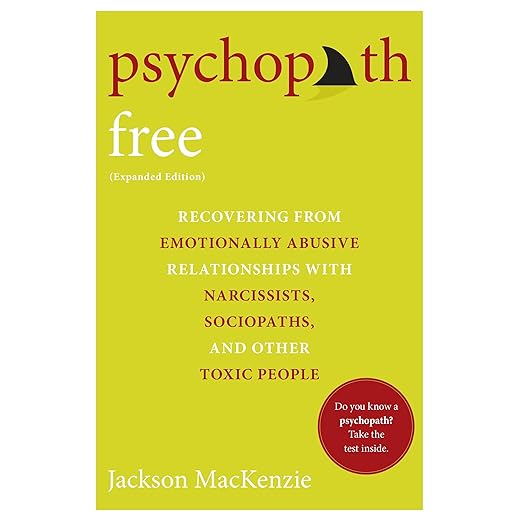
📘 Psychopath Free
Author: Jackson MacKenzie
What this book helps with:
Identifying emotionally abusive and manipulative partners, including narcissists and psychopaths.Why readers love it:
Clear explanations, real-life examples, and validation for people who feel confused or blamed after toxic relationships.Best for:
✔ Recovering from narcissistic abuse
✔ Understanding manipulation patterns
✔ Regaining self-worth after emotional traumaLack of Support

In any personal relationship, feeling supported is crucial for your emotional safety. A lack of support can create a cold environment where you’re questioning your worth. If your boyfriend, for example, does not encourage you in your personal goals or dismisses your interests, it might lead to severe feelings of isolation. The absence of a supportive partner keeps you at the edge of frustration instead of feeling secure and empowered.
When you’re in a relationship where you feel that your needs are not met, it becomes difficult to enjoy daily life. Identifying these behaviors is the first step toward recognizing that something is off. If you find that your attempts to share your thoughts or celebrate your achievements are met with indifference or even verbal criticism, you need to take a step back and assess your reality. This lack of support might be subtle, but over time, it adds up and can significantly affect your mental health.
True support includes respecting your autonomy and the privacy of your personal aspirations. A toxic relationship often features a partner who keeps you from exploring your interests or contacting friends, leading to a painful loss of connection with those who genuinely care about you. It’s essential to remember that anyone deserves a safe space to thrive. If you notice these signs in your relationship, consider seeking counseling to help navigate these complex emotions and potentially repair the situation.
Ultimately, a supportive relationship makes you feel valued and understood. If you’re feeling the opposite, take a step back and assess whether this relationship is meeting your needs. You might discover that it’s time to focus on relationships that genuinely uplift you and encourage your personal growth.
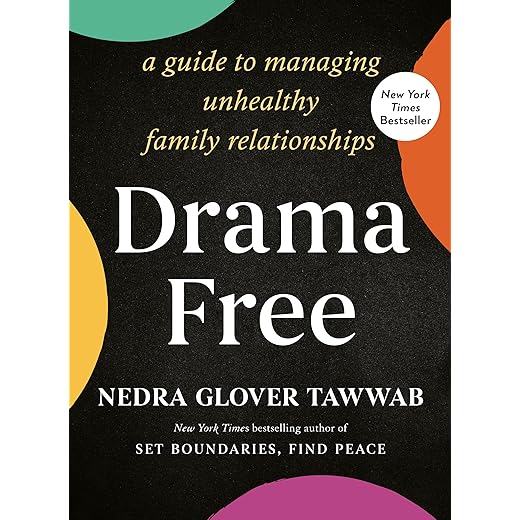
📙 Drama Free
Author: Nedra Glover Tawwab
What this book helps with:
Setting healthy boundaries and reducing emotional chaos in relationships.Why readers love it:
Straightforward, practical advice without guilt or blame.Best for:
✔ People stuck in emotionally draining relationships
✔ Learning to say no without guilt
✔ Family, romantic, and work relationships
Identifying Emotional Neglect in Your Relationship

Emotional neglect is one of those things that shouldn’t be ignored in a relationship. It often goes unnoticed until it becomes a severe issue. If you find your partner tends to withdraw from conversations or is unwilling to talk about important matters, you might be facing emotional neglect. This ongoing pattern can leave you feeling confused and uninvolved in the relationship.
Recognizing the signs of emotional neglect involves paying attention to how you feel after interactions with your partner. If you often feel bitter or upset, or if your partner frequently uses name-calling or manipulative tactics, it’s time to take a step back. This kind of behavior can severely impact your mental well-being, leading to issues that could have been avoided if addressed sooner.
Do you find yourself enjoying mini-gifts or surprises, yet they feel hollow? That’s a sign that something might be off. Emotional neglect doesn’t involve grand gestures; instead, it’s about the basics–consistent communication and emotional support. If your partner rarely texts you to check in or make an effort to share their feelings, they might be making you feel manipulated and less valued in the relationship.
Women, in particular, can often feel the impact of emotional neglect more acutely, especially if it stems from past experiences with selfish members of their family or friends. If you notice that your partner dismisses your concerns and their reaction tends to edge towards criticism rather than support, it’s clear that this is an issue requiring attention. Walk away from the idea that you have to fully admit to being unhappy. Give yourself the freedom to recognize your value in any relationship.
Once you identify emotional neglect, you have the chance to make changes. It’s essential to move from feeling manipulated to taking action. You deserve a relationship where every member involved contributes positively and where emotional issues are not ignored. If you’re feeling uncertain about whether your relationship is falling into this category, consider seeking out self-help books or tools available on platforms like Amazon.com to further explore these concepts.
📗 Gaslighting

Gaslighting: Recognize Manipulative and Emotionally Abusive People -- and Break Free
$13.42$19.99in stockAmazon.comI may earn a commission at no cost to you.Author: Stephanie Moulton Sarkis, PhD
What this book helps with:
Recognizing gaslighting and psychological manipulation.Why readers love it:
Explains complex emotional abuse in simple, empowering language.Best for:
✔ Victims of emotional manipulation
✔ People questioning their reality or memory
✔ Understanding covert abuse
The Impact of Unsupportive Partners on Your Mental Health
Being in a relationship with an unsupportive partner can sometimes feel like a heavy burden. The constant criticism and lack of respect can erode your self-esteem and mental well-being. When you are emotionally drawn to someone who is controlling or unwilling to care for your feelings, it leads both to ongoing stress and significant mental strain. Partners who complain, criticize, or fight often create a toxic environment that feels less secure and more hostile.
In situations like this, it’s essential to understand the effects these dynamics can have on your mental health. If you find yourself frequently feeling guilty for expressing your needs, this might signify a harmful relationship. Verbal violence, whether overt or subtle, can involve ongoing emotional manipulation that keeps one partner feeling like a hostage to the other’s demands. This emotional impact can make it very challenging to go out and maintain friendships, leading to a sense of isolation.
If you recognize these patterns, the next step is to seek help. You are not alone, and counselors can provide valuable support. Therapy can be extremely helpful in understanding the changes you need to make. It helps to identify whether you should stay in the relationship or take decisive action to protect your well-being. Exploring these feelings in a safe space can lead to a more secure emotional state.
Ultimately, both partners are responsible for the health of the relationship. Prioritizing mutual respect and proper care is key. If these factors are missing, it might be time to consider what you truly need. Remember, taking action to step away from an unsupportive partner can be the first thing you do to reclaim your happiness. Consider reaching for resources that aid emotional healing, such as self-help books available on Amazon that explain how to navigate unhealthy relationships and improve your self-worth.
📕 Stop Walking on Eggshells
Authors: Paul Mason, MS & Randi Kreger
What this book helps with:
Managing relationships involving extreme emotional volatility.Why readers love it:
Practical strategies for boundaries, communication, and self-protection.Best for:
✔ Partners of emotionally unpredictable people
✔ Long-term stressful relationships
✔ Regaining emotional stability

Recognizing Patterns of Criticism Instead of Encouragement
In any relationship, it’s essential to feel appreciated and supported. However, what happens when the constant feedback from your partner feels more like criticism than encouragement? This pattern can take a toll on your mental wellbeing and lead to suspicion and doubt. If you find yourself keeping a mental scorecard of critiques versus compliments, it might be time to reassess your relationship.
A partner who is consistently critical may steer conversations toward your flaws, making you feel unheard and uncared for. For instance, if they dismiss your achievements, saying “anyone could’ve done that,” it could indicate a deeper issue. When your attempts to share good news are met with negativity, it’s a specific sign that the dynamic is unhealthy. You should feel safe and comfortable within your relationship, not battling constant self-doubt.
Gaslighting is another tactic employed in toxic relationships, where your partner challenges your perception of truth. They might say things like, “You’re just too sensitive” or “That’s not how it happened,” creating inconsistency in what you believe to be real. This can leave you feeling confused and willing to ignore red flags, thinking maybe it’s just a phase.
On the other hand, if your partner provides gifts or gestures that seem meaningful but are followed by a string of criticisms, this can also be problematic. For example, receiving a thoughtful gift but then being chastised for not showing enough gratitude can be a way to manipulate your feelings. In this case, the gifts feel less like acts of kindness and more like attempts to build an emotional scorecard that they control.
To determine whether your relationship is toxic, reflect on the conversations you’ve had in the past. Ask yourself if there’s a good balance of support and criticism. Is your partner often unwilling to engage in topics that stimulate your interest, only to redirect the conversation back to what you might have done wrong? This inconsistency can hinder your ability to enjoy life freely.
If you recognize these patterns, it’s necessary to take a step back. Consider seeking advice from trusted friends or family members who can offer perspective from outside the relationship. You deserve a partner who appreciates you and builds you up, not one who leaves you feeling vulnerable and sold short.
📘 Toxic Relationship Recovery
Author: Jaime Mahler
What this book helps with:
Step-by-step healing after toxic or emotionally abusive relationships.Why readers love it:
Action-oriented, supportive, and easy to follow.Best for:
✔ Recently ended toxic relationships
✔ Emotional healing and closure
✔ Personal growth after abuse

How to Communicate Your Need for Support
Communicating your need for support in a relationship can feel daunting. It’s essential to keep in mind that your feelings and needs are valid. Start by identifying what areas you feel need addressing and approach the conversation with openness. Whenever you feel the urge to reach out, but fear is holding you back, remember that self-awareness is key. Acknowledge your feelings and the courage it takes to speak up. You must determine the right moment to engage in this sensitive discussion.
Consider using “I” statements to communicate your needs. For example, saying “I feel overwhelmed and really need help in managing my emotions” generally leads to a more constructive dialogue. This way, you avoid coming across as accusatory, which can keep the conversation calm and safe. Your partner may feel drawn to respond positively, as they’ll understand that you’re sharing from a place of honesty rather than frustration.
Setting the right tone is also necessary. You might suggest that both of you take a moment to breathe and reflect before diving into the conversation. This can help steer the discussion in a productive direction, rather than letting it become an argument that leaves you feeling like a hostage to your emotions. A helpful tip is to choose a time when both members are relaxed and open, as it can make the conversation feel less pressured. For instance, planning a casual evening or a long walk together can create an environment where both parties feel more willing to engage.
📕 Why Men Love Bitches
Author: Sherry Argov
What this book helps with:
Building confidence, self-respect, and strong boundaries in dating.Why readers love it:
Bold, empowering tone with practical dating insights.Best for:
✔ Women rebuilding confidence after toxic relationships
✔ Dating with boundaries
✔ Self-respect and independence

Asking questions can be a great way to steer the conversation. For instance, you could say, “How do you think we can tackle this together?” This opens the floor for collaboration rather than confrontation. Keeping the focus on teamwork fosters acceptance and willingness to support each other, rather than leading to humiliation or frustration.
Finally, if you notice a recurring pattern where you feel unsupported, don’t hesitate to address it. Your partner’s energy may seem off, or they may be preoccupied with their own issues. It’s crucial to communicate that every person deserves support, regardless of how busy life becomes. This approach not only strengthens your bond but also sets a precedent for future conversations, ensuring both of you feel comfortable seeking and offering help whenever necessary.
In summary, approach communication with a calm demeanor, choose your words wisely, and remember that it’s okay to ask for support. Use resources like self-help books or relationship guides available on platforms like Amazon to deepen your understanding and bolster your communication skills. These tools can provide millions of insights into maintaining healthy relationships and facilitate ongoing dialogues.
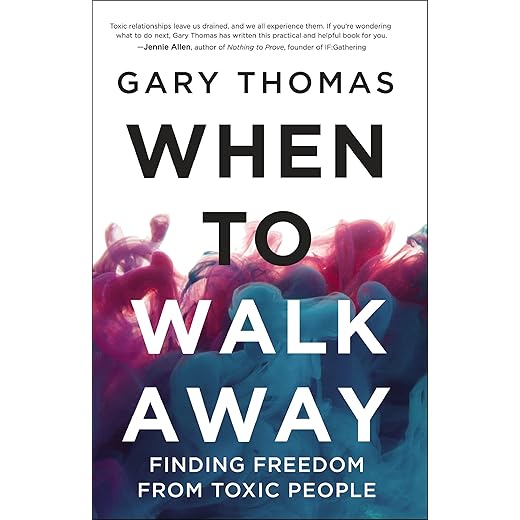
📙 When to Walk Away
Author: Gary L. Thomas
What this book helps with:
Knowing when it’s healthy to leave a relationship.Why readers love it:
Balanced, compassionate approach without pressure or judgment.Best for:
✔ People stuck in unhealthy relationships
✔ Decision-making clarity
✔ Emotional freedom
Taking Steps to Build a Supportive Network Outside the Relationship
Building a supportive network outside a toxic relationship is essential for your well-being. It’s important to create a whole community that uplifts you during tough times. Finding friends who genuinely care can make a significant difference in your emotional health. You deserve people who respect and understand you, rather than those who undermine your self-worth with sarcasm or name-calling.
As you attempt to strengthen your support system, consider reaching out to people with whom you have shared interests or past experiences. This could mean reconnecting with old friends or making new ones through hobby groups or community events in your town. Attend mini social gatherings or engage in specific activities that encourage openness and conversation. This way, you can avoid isolation, which often becomes a dangerous trap in toxic situations.
While building this network, be sure not to neglect your physical health as well. Engage in activities that promote well-being, like yoga or exercise, which can also manifest as a form of support. It’s easy to fall back into bad habits or emotional addiction without a strong support structure, so continually push yourself to make those connections.
In moments of conflict or emotional turmoil, you will want to surround yourself with those capable of providing you with constructive advice. The truth is, having a supportive group around you can serve as a strong tactic against the negativity that seems to manifest from your current situation. It’s vital to determine what you want from these relationships and always prioritize meaningful connections over shallow interactions.
📗 Codependent No More
Author: Melody Beattie
What this book helps with:
Breaking patterns of emotional dependence and people-pleasing.Why readers love it:
A classic that helps readers reclaim identity and independence.Best for:
✔ Codependency recovery
✔ Low self-esteem in relationships
✔ Emotional independence

Q&A:
What are the signs that indicate I might be in a toxic relationship?
Some signs that you may be in a toxic relationship include constant criticism, lack of trust, emotional manipulation, controlling behavior, feeling drained after interactions, and disrespect for your boundaries. It’s important to observe how these behaviors affect your mental and emotional well-being.
How can I distinguish between normal relationship issues and toxic behaviors?
Normal relationship challenges often involve disagreements and discussions that can be resolved through communication. In contrast, toxic behaviors are characterized by patterns of manipulation, dishonesty, or fear-mongering. If you frequently feel anxious, unsupported, or belittled, it’s a strong indicator that the relationship may be toxic.
What steps should I take if I realize I’m in a toxic relationship?
First, evaluate the relationship by identifying specific toxic behaviors. Next, consider discussing your concerns with your partner, but be prepared for various reactions. If things don’t improve, seek support from friends, family, or a professional therapist. Ultimately, prioritize your well-being and plan for a safe exit if necessary.
Are there specific emotional effects of being in a toxic relationship?
Yes, being in a toxic relationship can lead to a range of emotional effects, including anxiety, depression, low self-esteem, and feelings of isolation. Your mental health may deteriorate over time as trust erodes and negative patterns become entrenched. Paying attention to how the relationship affects your emotional state is vital for your well-being.
Can toxic relationships exist outside of romantic partnerships?
Absolutely. Toxic relationships can manifest in friendships, family dynamics, or work environments. Any relationship that involves manipulation, disrespect, or emotional harm can be considered toxic, regardless of the type of connection. It’s important to recognize these patterns wherever they may occur in your life.
What are some common signs that indicate I might be in a toxic relationship?
There are several warning signs that can help you identify a toxic relationship. One common indicator is constant criticism, where your partner frequently belittles your achievements or makes you feel inadequate. Another sign is manipulation, which can manifest as guilt-tripping or using your emotions against you. Isolation is also a red flag, where your partner may try to limit your contact with friends and family. Additionally, a lack of support for your personal goals and interests can signal toxicity. If you notice unhealthy communication patterns, such as yelling or stonewalling during disagreements, it can further validate your concerns. Lastly, any form of abuse, whether verbal, emotional, or physical, is a definitive sign that the relationship is toxic and must be addressed.
How can I safely exit a toxic relationship?
Exiting a toxic relationship requires careful consideration and planning to ensure your safety and emotional well-being. First, it is crucial to recognize and validate your feelings about the relationship. Once you are sure about your decision to leave, consider reaching out to trusted friends or family members for support; they can provide emotional backing during this challenging time. Create a safety plan that includes identifying a safe place to go if you need to leave quickly. Communicate your intentions clearly and firmly to your partner, if it is safe to do so, and avoid engaging in arguments that could escalate. If you feel threatened, it may be necessary to seek assistance from professionals, such as counselors or support groups, who can guide you through the process. Finally, focus on healing and rebuilding your life after the relationship ends, taking steps toward self-care and personal growth.

Other Articles


3 Comments
Comments are closed.


Informing. Easy read and understand what is being explained. I recommend thus book to alot of people.
Interesting book. A good read. Very educative and explain different forms of gaslighting.
Informative, accurate and worth more than the price. So before everyone jumped on the gaslighting train, I was already going back into psychology and group counseling to figure out some of the telltale signs that I was experiencing with some narcissists and manipulators. This truly hits on all the major points. And I wish I had found it years earlier.