


Is the back-to-school transition causing stress in your household? Discover practical tips for creating healthy routines for your kids before school begins that will transform chaotic mornings into calm, productive starts. Establishing effective morning rituals isn’t just about getting to school on time—it’s about setting up your children for academic success and emotional stability throughout the day. From consistent wake-up times to organizing school materials the night before, these straightforward strategies help reduce anxiety while promoting responsibility and independence.
Whether you’re dealing with sleepy teenagers or energetic first-graders, implementing these achievable steps during the final weeks of summer can make all the difference when classes resume. Learn how to create sustainable habits that stick, ensuring a smooth transition into the new school year for your entire family.
Starting the day with a structured morning approach is crucial. Adults should encourage their children to wake up at a consistent time, allowing them to adjust gradually to their new schedule. This practice not only fosters independence but also provides a sense of stability. Incorporating a simple stretching routine can help both teenagers and younger students to decompress and prepare for the day ahead.
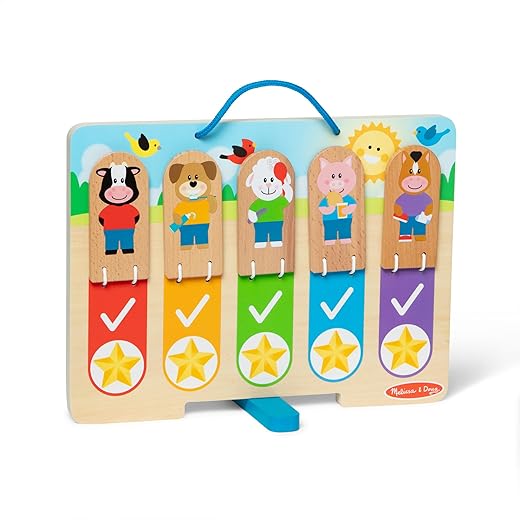


One effective way to maintain focus is to prioritize meals rich in whole grains and limited in processed foods. Caregivers can involve children in meal planning, which encourages gratitude and responsibility. Not only does preparing nutritious meals promote healthy eating habits, but it also strengthens the relationship between adults and students. This collaborative process can make the transition back to school smoother.
Flexibility is essential when establishing goals. Daily tasks should be regulated to accommodate a teenager’s changing interests and social concerns. They can benefit from a balance between structured activities and unstructured play. Regular check-ins can provide insights into their emotional well-being, ensuring that the entire experience is sustainable and enjoyable.
Establishing a Consistent Sleep Schedule


Start by setting a consistent wake-up time, even on weekends, to help regulate your child’s internal clock. Experts recommend a minimum of 9-11 hours of sleep for school-aged children, as this supports growth and overall well-being.
Establish clear expectations around bedtime. Create a schedule that includes winding down activities like reading or quiet play, which helps to decompress after the day’s activities. This not only prepares young minds for sleep but also reduces anxiety associated with the transition back to school.
Involve your family in the routine. When everyone adheres to the same sleep schedule, it creates a harmonious environment. Teachers often notice the difference in behavior and levels of concentration in those who get sufficient rest. A well-rested child is better equipped to handle school demands, especially when the new year begins.
Consider using sleep aids like blackout curtains or a white noise machine, which can be found on Amazon, to enhance the sleeping environment. These products help young ones to settle quickly and achieve deeper sleep, which is crucial for their development. Remember, a heart that’s at ease with a stable routine leads to a happier and healthier child.
Why Consistency Matters for Sleep
Establishing a consistent sleep schedule is crucial for young children. Having a chart outlining bedtimes can help manage their routines effectively. Aim for a specific time each night, ensuring they get enough rest for their developing minds and bodies. For instance, if a child needs to wake up at 7 AM, a bedtime of 8 PM to 9 PM usually works well, giving them a solid 10-12 hours of sleep.
In general, managing what kids do before bed is vital. Avoid watching screens for at least an hour before sleep, as the blue light can interfere with their ability to fall asleep. Instead, consider activities like reading or light aerobic exercises as part of their winding down process. This helps signal to their bodies that it’s time for rest.
Food choices also play a role. Limited intake of heavy or sugary snacks in the evening is advisable. Focus on protein-rich items like dairy or nuts, which can promote better sleep quality. Remember that poor dietary habits close to bedtime may lead to restless nights, affecting their overall feelings and performance during the day.
Parents and caregivers should spend time organizing a calming bedtime ritual. This may involve brushing teeth, reading a story, or discussing the day. These small things can significantly impact how quickly children drift off to sleep. Consistency in these actions will develop a sense of security, making them more likely to go to bed without fuss.
When making changes to sleep routines, it’s essential to introduce them gradually. Sudden adjustments may lead children to feel unsettled. For example, if you’re shifting their bedtime, consider moving it by 15 minutes every few days until you reach the desired time. This gradual approach allows for smoother transitions.
By prioritizing organization and managing their schedules around sleep, you lay a foundation for healthier habits. Tools like visual charts can support this process, making it easier for children to understand and accept their new bedtime routine. For those interested, products like sleep sound machines or night lights can be found on Amazon to enhance the sleeping environment.
How to Gradually Adjust Bedtime
Start by shifting bedtime earlier in small increments, around 15 minutes every few nights. This method helps the family adjust without overwhelming them. For example, if your child usually goes to bed at 9:00 PM, move it to 8:45 PM, then to 8:30 PM, and so on. This gradual approach allows mental and physical systems to adapt smoothly.
Begin to implement sleep-friendly food options during dinner. Serve grains like quinoa or brown rice along with nuts, which can promote better sleep. Make sure to limit screens at least an hour before bedtime to reduce stimulation and support a more restful night. Reading books or engaging in calming activities can really help adjust to the new routine.
Know that reinforcing this new schedule might take a little while, but the consequences are worth it. Consistency leads to normalizing bedtime, and soon it will feel natural. Discuss with your child the importance of enough rest and how it can lead to better focus and performance in school. Explaining it in simple words can help them understand and accept the change.
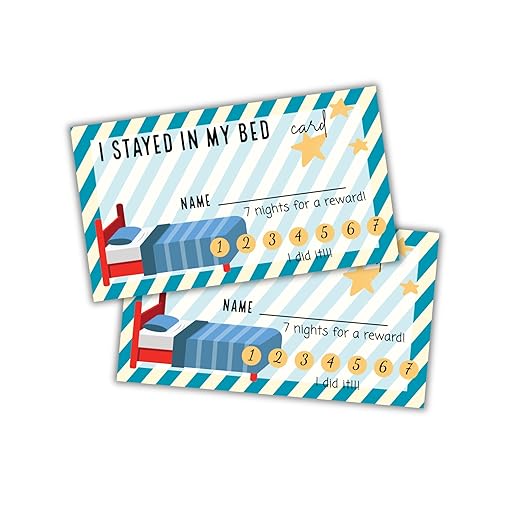
To handle concerns about adjusting, be patient and supportive. You might even create a reward system for sticking to the new sleep schedule. For example, a sticker chart can serve as reinforcement, encouraging your child to embrace the bedtime change positively. With time, they will really appreciate the benefits of a well-rested night.
For additional help, consider exploring bedtime-friendly products like the “Munchkin Sleep Trainer Clock” available on Amazon, which provides positive reinforcement and helps children learn when it’s time to sleep and wake up. This tool can be a fun way to make bedtime adjustments smoother.
Signs Your Child Needs More Sleep
If your child is showing signs of irritability or difficulty concentrating, it might be time to check their sleep levels. Children who aren’t getting enough rest can exhibit poor mood and lack of enthusiasm for activities they usually enjoy, like reading or playing outdoors. To support their well-being, ensure they are getting an adequate amount of sleep for their age group, as this is crucial for their development.
Look for physical cues as well. A child who is frequently yawning or rubbing their eyes may not be getting enough rest. This can affect their creativity, motivation, and overall performance during the day. It’s helpful to regulate their sleep schedule, making adjustments as needed to ensure they have consistent bedtime routines that include calm activities like a warm bath and reading before sleep.
Choosing the right foods can also play a role. Lean proteins, whole grains, and plenty of fruits and vegetables can provide the nutrients needed for sustained energy. Avoid heavy or sugary snacks close to bedtime, as they can disrupt sleep quality. For those more active, incorporating aerobic exercises during the day can exhaust their energy in a healthy way, promoting better sleep at night.
Family dynamics are important as well. If your family has a busy schedule, consider setting a regular bedtime that accommodates everyone’s needs. Caregivers should collaborate and communicate effectively about sleep routines to ensure consistency. Older siblings can help model this behavior, establishing a strong foundation for younger children to follow.
Remember, sleep is not just about resting; it’s a crucial process for growth and learning. Consider investing in quality bedding, such as the Zinus Green Tea Memory Foam Mattress available on Amazon, to enhance sleep comfort. Creating a tranquil environment in your child’s room, away from screens and distractions, will also foster better sleep practices in the long run.
Creating a Relaxing Bedtime Routine
To create a calming bedtime routine, start with a consistent schedule. Regular sleep patterns are crucial, especially for teenagers. Aim for a bedtime that allows for ample rest, ideally between 8-10 hours each night. Create a chart to track when they go to bed and when they wake up. This visual can make it easier for them to understand the importance of a good sleep cycle.
Involve your child in the process. Ask them what activities they find relaxing. Different children might enjoy reading a book, practicing mindfulness, or doing gentle stretches before sleep. Consider offering a calming product like a weighted blanket or a small diffuser with lavender essential oil. These can really help reduce night-time anxiety.
Make the transition to bed more enjoyable. Start winding down at least 30 minutes before sleep. You could set the mood with soft lighting or play some soothing music. Providing this structure helps signal that it’s time to relax. Communication is key–talk to your child about how they feel during the evening hours. They’re more likely to stick with a routine if they feel involved.
Additionally, consider introducing a “no screens” rule an hour before bedtime. The blue light from devices can disrupt sleep patterns. Instead, suggest an offline activity. Having this fresh routine not only makes bedtime smoother but also prepares them for a successful day at school. At Amazon, you can find sleep aids like sound machines or soft pajamas to enhance their night-time experience.
Activities to Wind Down Before Sleep
Creating a calming pre-sleep environment is key to improving sleep quality for children. One of the best ways to do this is by incorporating light stretching or yoga into their nighttime routine. Activities like yoga not only promote relaxation but also prepare both younger and older kids for a restful night. Check out options like the Kids Yoga Mat that encourages participation in gentle exercises.
Reading can also be an excellent way to wind down. Choose soothing stories or educational books related to their interests or academic themes. The calming nature of storytelling reduces stress, making it easier for children to transition to sleep. Consider books such as The Very Hungry Caterpillar to engage younger readers.
Limit exposure to screens and bright lights at least one hour before bed. Instead, create a cozy nook where they can unwind with a selection of snacks that won’t disrupt their sleep. Healthy options like yogurt or fruit can be good choices. Make sure to avoid any sugary treats or drinks that might have dyes, as they can lead to hyperactivity. Look for snack packs such as Annie’s Organic Bunny Fruit Snacks that are both nutritious and fun.
Prioritizing these activities at a normal time each evening will help your children understand the importance of winding down. When they encounter academic pressures, it’s crucial to provide them with meaningful breaks. This can prevent burnout from homework and increase their engagement in both schoolwork and home life. True relaxation before bed leads to better sleep, which in turn enhances their overall well-being.
Incorporating Screen-Free Time

Having designated screen-free time is crucial for your child’s development. It allows for a variety of activities that build foundational skills and fosters independence. Aim for at least one hour per day where screens are turned off, encouraging your child to explore new interests or hobbies instead.
Consider creating a weekly schedule filled with engaging activities. This can include outdoor play, reading, crafts, or board games. Here are some examples:
- Outdoor games such as frisbee, soccer, or tag.
- Arts and crafts, using simple supplies like colored paper and markers.
- Reading sessions, allowing your child to pick books they are excited about.
- Cooking or baking together, which can also teach valuable skills.
Intentional management of screen time can help alleviate common concerns about the risks of excessive device usage. When your family makes a conscious effort to prioritize non-screen activities, your child learns to enjoy independent play. This process not only opens up new avenues of creativity but also helps in developing problem-solving skills.
For teenagers, fostering a screen-free environment can be just as beneficial. Encourage them to join clubs, sports teams, or volunteer activities. This builds their confidence and social skills. Products like mindfulness journals or outdoor adventure kits can also promote screen-free engagement.
Creating a successful screen-free routine takes time and patience, but the rewards are a lifetime of healthy habits and an open-minded connection to the world. Embrace every small success along the way and stay adaptable to keep the process enjoyable for your child.
Setting a Calm Environment for Better Sleep
Create a peaceful sleep space that serves the entire family’s needs. Keep the bedroom well-organized and structured. A tidy environment can help reduce distractions that may interrupt sleep. Make sure to remove any electronic devices at least 30 minutes before bedtime to promote a more restful atmosphere.

Be intentional with bedtime routines. They should include regular activities like brushing teeth and reading together. Engaging in calming practices can enhance social-emotional stability for kids and prepare them mentally for sleep. Consider adding cozy elements, such as soft bedding or a nightlight, to the room to create a welcoming vibe.
Before sleep, ensure that the space is dark and cool. Use blackout curtains or shades that block out outside light. A comfortable temperature can significantly improve sleep quality. If necessary, employ a fan or white noise machine to help drown out distractions from outside noises.
Incorporating healthy snacks like fruit an hour before bedtime not only supports their diet but also contributes to a calming pre-sleep routine. Avoiding sugary snacks late in the evening will help them feel more relaxed. Maintain a consistent sleep schedule, keeping the transition to nighttime both flexible and structured, so they know what to expect each night.
Establishing these habits can yield long-lasting benefits. As they develop a positive association with their sleep environment, their overall sleep quality will improve. Resources like sleep masks or aromatherapy diffusers from Amazon can further enhance this calming experience. Selecting products that fit your family’s needs can promote better sleep beyond just going to bed early.
Questions and answers:
What are some good morning routines to help kids prepare for school?
A helpful morning routine can include several straightforward steps. Begin by setting a consistent wake-up time, giving your child enough time to wake up fully. After breakfast, encourage them to pack their school bag the night before, making sure they have everything they need. Establish a system for personal hygiene, like brushing teeth and getting dressed. You might also want to allocate some time for a brief discussion about the day ahead, helping your child feel more prepared and less anxious.
How can I encourage my kids to go to bed earlier before school starts?
To help your children transition to an earlier bedtime, start by gradually adjusting their sleep schedule about a week or two before school begins. Move their bedtime earlier by 15-30 minutes each night, so the change isn’t too abrupt. Create a calming bedtime routine that might include reading a book or having quiet time. Reduce screen time before bed, as the blue light emitted by devices can interfere with their ability to fall asleep. Making their bedroom a restful environment can also encourage them to sleep earlier and better.

What tips can I use to minimize stress for my kids before they start the school year?
To reduce stress, promote open communication about their feelings regarding the upcoming school year. Actively listen and validate their concerns. Consider arranging playdates or summer activities with classmates, which can make the transition smoother. Regular check-ins about school preparations can also help. Encourage positive discussions about returning to school, focusing on the exciting opportunities to learn and meet friends rather than potential worries.
How can I help my kids develop good organizational skills as they prepare for school?
Teaching organizational skills can begin with simple tasks. Use a calendar or planner to mark important dates, such as first days or holidays. Involve your child in creating a personalized checklist for their school supplies and homework assignments. Encourage them to maintain a clean workspace at home and to organize their backpack neatly. Reward their efforts when they demonstrate good organizational habits, helping them build confidence in this area.
What are some healthy breakfast ideas that can energize kids for school?
Breakfast is an important meal that can set the tone for the day. You can consider oatmeal topped with fruits, yogurt with granola, or whole-grain toast with avocado. Smoothies made from spinach, banana, and yogurt are also a great option. Try to include a balance of proteins, healthy fats, and whole grains to help keep energy levels stable throughout the morning. Allowing kids to choose their breakfast options can also make them more excited about eating in the morning.
What are some good strategies for getting kids to wake up earlier before school starts?
To help kids wake up earlier, try to gradually adjust their bedtime by moving it earlier each night by 15 minutes. Create a consistent sleep schedule, ensuring they go to bed and wake up at the same time every day, even on weekends. Make mornings more enjoyable by incorporating a fun wake-up routine, such as playing their favorite music or giving them a little extra time to engage in a preferred activity like reading or playing a game. Additionally, limit screen time before bed, as blue light can disrupt their sleep. This should help ease them into waking up earlier and make the transition smoother as school begins.


Other Articles


6 Comments
Comments are closed.


Update: love this company. Update on 5Jul2018-FANTASTIC CUSTOMER SERVICE (also, a solid product)So, I’m updating my original review (shown below). I should have done this a couple of months ago after I received a letter from Mella in response to my first review. After my original 3-star review with the “good and the bad,” Mella sent me a personalized letter thanking me for my review, apologizing for what I found frustrating, and averring that they were already working on incorporating some fixes to the next version. Honestly, I was shocked but super IMPRESSED that they took the time out to do this. I even showed my dad the letter (who had just launched some goods on Amazon himself), and told him that this is what customer service is all about. I meant to update this post at that time, but since I suck, I forgot. Anyway, we’ve been using the clock now for several months now, and even though it was a little louder than we expected, the clock itself is rock-solid with the features and performance. While my original review for 3 stars hinged on the volume, we have grown quite accustomed to it and it doesn’t bother our daughter one bit. I’m honestly so blown away by their customer service; a young start-up that takes the time to personally address my “concerns” when it would have been way easier to just ignore it is a great way to start out. Best of luck to Mella. You’ve made a great product.The GOOD:-super sleek design, very fetching-sturdy and well-made-multiple adjustable functions (sleep-wake light cycle, alarm, sound machine, night light)-multiple night lights-alarm sound options are greatThe BAD (and the reason for 3 stars instead of 5):= The sound function is incredibly loud. I know a lot of people exaggerate on reviews, but seriously. The sound-machine has three volume levels, and the lowest one can be heard down the hall (we listen to the “ocean” one). Maybe if this clock were on the other side of the room instead of the night-table by my daughter’s bed, it might be better…but it’s still audible through the door.= In a similar vein, the night-light brightness is not adjustable. The light options are great and soft and soothing, but honestly are too bright (in my medical opinion) to promote healthy somnolence when trying to put down a 4 year old who “isn’t sleepy yet.”= (Preface, this next point did not weigh-in for my rating, but is a suggestion for the “next model” if anyone from MELLA is looking in.) I wish there were an easy night-light button, so that when my kid wakes up in the middle of the night she could easily press it to get another 30 min or whatever of night light. As it is now, all the buttons are on the bottom of the clock. There are six buttons which are identical, but in the dark you can’t see what each are for.
Great Product to Foster Independence. Short version: We are very happy with this purchase and would highly recommend this product. We use it as intended for bedtime and “quiet time” (independent play in bedroom instead of nap time) for our three year old. Mella boasts many useful features and is easy to set up. Once you train your child on Mella’s cues, this product could give you back hours of sleep.Want more info? Read on. :)———-Update 2 (July 2025, after 4.5 yrs.): Mella is so well made that she’s still running perfectly! Just a side note. The Little Hippo company is very responsive to customers, which I’ve been so impressed by. I needed to call them about buying a different product of theirs, and their customer service was very cheerful and helpful. They listen to feedback and make alterations, if necessary. One of which is that the “playtime” yellow light that other reviews complain is able to be turned off easily now, or set to different lengths of time. They made that update before I bought our Mella. Also, the red light is actually red, not pink.Update (April 2024, after 3.5 years): Mella has continued working great! The product is still so helpful with our oldest child and now our middle child, who shares a room with our oldest. We have a child with high functioning autism, and Mella has been a lifesaver with that child’s anxiety regarding bedtime issues (when to stay in bed, wake up, get up, etc.). Mella is a staple in our home, and we’re going to buy another for our youngest child’s room now. I still highly recommend Mella!———Original Review:As expected, we needed to teach our child how to respond to Mella’s cues, but once he understood that and we reinforced our expectations through reward and consequence, our son stopped waking us up at ridiculously early hours in the morning. Training our pretty stubborn and resistant-to-change son to use Mella took around three weeks or so, but it has been so worth it. In addition to waking later, he has mostly stopped the middle of the night wakes, which is great! Mella is also such a nice clock to keep him in his room for his post-lunch quiet time. It works like a charm! In order for the transition to go smoothly, we started the Mella wake time close to the time he was already waking and then slowly and incrementally made that time later to our desired wake time. After that, we taught our son about the “play time” feature which automatically turns on for thirty minutes before the green light, if you select that feature.Our son went from waking us around 5:30 AM to now waking at 7:00 with Mella and then playing quietly and independently in his room until 7:30 AM. AAAND because we use the setting with a quiet light cue (turns green), sometimes our son is so busy that he doesn’t even notice and keeps playing, allowing us even more extra sleep (or extra time with baby).We recently were away from home and didn’t bring Mella, and boy, did we regret it! We didn’t realize how often our son wakes at night, but looks at Mella and goes back to sleep. It gives him security and fosters independence through the “okay to wake” cues. Without Mella, he runs to us in the dead of night desperately asking if it is morning time yet (can’t rely on daylight because of our latitude and gloomy climate). We will be buying an extra cord (since we affixed the provided cord to the wall for safety) so we can bring Mella with us on trips. You can buy an extra cord on LittleHippo’s website for around $7 after shipping.All of the features are very useful and set up is intuitive. You can choose from quite a few nightlight colors, and the set colors that Mella uses are yellow for play time and green for “okay to wake/leave room.” We personally use red at night because it is a more sleep-friendly color and we can say, “red means stay in bed.” Mella has both audible and visual (green light) alarms (you can select either), various sound machine-type white noise sounds, and nap time features, as well as a child lock. Our son would easily switch off the lock though, so we just put Mella out of reach.Our son loves that “Mella” (we call it by its product name) has a face and a personality of sorts. Mella is happy when awake, playful during playtime, and asleep during bedtime. It is an endearing little clock that our son loves. We plan on using it for years to come and changing the settings as our son’s needs change. Maybe he’ll eventually need an alarm to wake him up?It is important to note that although this clock comes with batteries, they are only present to save your settings in the case of the clock losing its power supply (power outage or unplugged). Because of all the features it boasts, Mella needs to be plugged in at all times to work. I found this was the case in the majority of “okay to wake” clocks. Because our son is very curious and will not leave electronics alone, we placed Mella on a floating shelf and covered the cord with a cord protector (see pics).We have no complaints about this clock, and are so thankful that it exists. Our only suggestion would be that LittleHippo consider making a wall mounted clock that can run on rechargeable batteries (charge via USB-type cable). It could attach to the wall via magnets so it’s easy to take down and recharge every couple/few days. Perhaps it could have a simpler design so that it doesn’t use as much energy to run?Thank you, LittleHippo, for such a quality product! You’ve made our lives so much easier. 🙂
Leí muchos comentarios de padres respecto a cómo había ayudado a sus hijos a dormir mejor, obviamente que esto no es algo que sucede como por arte de magia pero finalmente la rutinas siempre son importantes en el sueño.Mi hija de 4 años LO AMA! Y si ayudo a que durmiera mejor, algunas veces aún despierta en las noches y le cuesta conciliar el sueño, empezó a encender el ruido blanco ella sola si despertaba a media noche sin necesidad de que nosotros fuéramos a verla a su cuarto. Si bien no sucede siempre, que lo haga a veces ya es ganancia.También le ayudó mucho a entender cuando ya era hora de dormir porque “su reloj ya estaba dormido”Es muy fácil de programar encender y apagar la luz, alarma o ruido blanco incluso hasta para ella.En conclusión, vale totalmente la pena
Perfect for busy mornings. I really enjoyed this cookbook because it made breakfast feel easy and doable. Most recipes take just a few minutes, which is perfect for busy mornings. I liked the mix of smoothies, bowls, and heartier options, and the photos gave me ideas to try new things. The high-protein, low-sugar focus actually helped me avoid that mid-morning crash. A few recipes felt a bit repetitive, but overall it’s practical, tasty, and simple enough to stick with.
Very Good Stuff. This is a nice little breakfast cookbook. It is full of fun and interesting things to eat in the morning, it is well organized and designed, and the recipes are clear and easy to follow. The illustrations aren’t bad. A lot of books these days use AI art, which isn’t all bad. But some AI food photos have a ghastly palor. There were a small handful of photos like that in this book. But most of the photos were pretty good. Overall, this is a nice little book.
How to Increase the Protein in your Breakfast. The introductory material at the front of the book is clear and concise, leading nicely into the recipes that form the backbone of this book. Basically, you will be having a scoop of protein powder mixed with about half of what you eat in this book, which is primarily the smoothies, oatmeal bowls and some cooked options. For all the smoothies, which are Greek yogurt-based breakfast options, various nuts and fruits are added. Then you get the cooked egg meals, which are mostly oven-roasted frittatas made with different extras. There are pancakes too, except they don’t use wheat flour here. It is either oats or oat flour and a scoop of protein powder. The size of this protein scoop is not specified. I assume you use the scoop provided in the protein container, so it will be a large scoop to ensure a high-protein portion. That means these recipes will taste heavily of protein powder. The idea is to increase your protein intake and reduce your sugar consumption to improve your energy levels. I especially like the attitude that runs throughout. It encourages gradual changes to your diet, not a wholesale switchover.