


In preparing for the new academic term, it’s essential to mark specific days on the calendar that signal that exciting transition. This approach helps normalize the change and gets children ready for what’s coming. Rigid routines may trigger worries in some kids, while others might embrace the opportunity for new experiences. Cornell experts suggest that gradually introducing school supplies and new clothes can add a sense of familiarity, making the transition smoother.




It’s important to recognize that each child is unique in how they respond to this period. While some may seem ready and excited, others may still be grappling with anxieties and fears. Providing reassurance can be crucial in this process. Creating a balanced environment where they can discuss their worries openly fosters a supportive atmosphere, allowing them to express what they want or need. Practicing mindfulness techniques can also help manage stress during these times.
Many parents may not realize the significance of discussing school-related problems proactively. Setting realistic expectations for the upcoming term can better prepare children for potential challenges. Engaging them in conversations about what to expect and how to deal with changes can alleviate fears. Sharing stories from previous experiences might also reassure them that feeling anxious is a common part of transitioning, making it more manageable.
Understanding Back to School Anxiety in Children

Recognizing the signs of stress in teens can be the first step in helping them feel secure. Encourage your child to express their feelings about returning to a new environment. Open conversations can be incredibly helpful. Assure them that it’s normal to have worries and that others feel the same way.
As kids prepare to attend classes again, it’s important to acknowledge the challenges they face. Social dynamics, academic pressures, and the desire to fit in can be daunting. Sharing your own school experiences, especially if they were similar, can help your child feel less isolated. Let them know that there are ways to tackle these feelings effectively.
Establishing a routine the night before school starts can also be beneficial. Help your teen set up a schedule that allows enough flexibility to manage homework and relaxation. Consider utilizing services like carpooling, which can make the transition smoother and foster social connections.
Online resources can be a great tool for dealing with anxiety. Websites and apps offering mindfulness exercises can quickly provide relief from racing thoughts. Encourage your child to try yoga or breathing techniques that they can turn to whenever they feel overwhelmed.
If feelings of sadness or depression emerge, it might be necessary to seek guidance from professionals. Finding the right support can make a significant difference in your child’s well-being. Recommend thoughtful products such as journals or comforting items to provide security and help them navigate stressful moments.
Remember, preparing for a new school year is a process. With the right approach, your child can develop resilience, feel ready to embrace the challenges ahead, and even love some aspects of returning to school.
Common Signs of Anxiety in School-aged Kids
If you’ve noticed changes in your child as the new term approaches, it’s important to pay attention to their behavior. After all, anxiety can manifest in various ways. Common signs include physical symptoms, like stomach aches or headaches, which often come from the stress of approaching classes. Kids might also express worries about fitting in or performing well academically.
When talking about adjustments, some younger children may take longer to acclimate to new routines or environments. This is particularly true if they’re changing schools or facing a new class structure. Communication is key; encourage your child to express their thoughts and fears openly. Sometimes, just talking about what’s on their mind can ease some of the tension they’re feeling.
Older kids might show their unease differently. They may become more withdrawn or forget to complete their homework, as the mental load seems overwhelming. It’s also helpful to include items that promote comfort, like stress balls or fidget supplies, found easily on platforms like Amazon. Products such as the Stress Relief Fidget Toy Set or Weighted Blankets can greatly assist in creating a more relaxed environment.
If your child has expressed concerns about changes, suggest they develop a routine that slows down their daily pace. Simple organizational tools, like a stylish planner or packing their supplies the night before, can help them feel more secure. Remember, adjusting to the demands of school is a process, and kids will benefit from your support and understanding during these times.
Why Children Feel Anxious About Returning to School
Many kids feel jitters when the summer ends and a new academic year begins. To help ease these feelings, it’s important to acknowledge that this anxiety is natural. Kids often dread the unknown. They might worry about meeting new classmates or how they will perform in the new school year.
Some children develop anxiety when they think about leaving home. This is especially true if they’ve had a lot of fun or relaxing periods off. When a child is at home, they often feel safe and secure. Transitioning back into the busy environment of school can seem overwhelming. It’s crucial to reassure them that these feelings are normal and shared by many. You can print ideas or quotes about overcoming fear and create a positive atmosphere at home.
Consider setting a routine before school starts. Routine helps normalize the transition. Perhaps start with setting earlier bedtimes three days before classes begin. You can also plan a carpool with other families; this can make drop-offs feel less daunting and give children a sense of camaraderie. While waiting for the bus, share stories or jokes to lighten the mood and diffuse anxiety.
Some children may feel alone in their worries, but they’re not. Ensuring open communication can help them articulate what’s bothering them. Use simple questions like “What are you most excited about?” or “What do you wish would change?” This way, you direct the conversation towards positives while also addressing their concerns.
To help your child navigate these feelings, consider resources like children’s books about adjusting to school life or stress relief toys available on Amazon, such as fidget spinners or stress balls. These tools can assist in managing actual anxiety in a fun way, making them feel supported during this transition step.
Ultimately, helping your child understand that everyone has these feelings of anxiety at times will go a long way. School is a place where growth happens, and being part of it becomes easier with the right support. Each small step they take helps develop resilience, ensuring that when they tackle their school day, they can do so without fear.
The Role of Social Interactions in Anxiety Levels
Fostering social interactions is critical in helping children tackle feelings of separation and apprehension. Instead of avoiding social situations, encourage kids to engage with peers through casual get-togethers or group activities. This gradual exposure helps them understand what makes them feel nervous and allows them to learn effective coping mechanisms.
During lunch, when kids often feel stuck or isolated, consider introducing a special social circle. This can be a place where they feel comfortable sharing their thoughts. Knowing they have others to turn to can drastically reduce feelings of loneliness. Pairing this with open discussions about their experiences can be eye-opening, letting them see that feeling anxious is normal.
It’s also essential to recognize when children display obsessive or rigid behaviors. These traits can significantly heighten their stress levels. Finding manageable strategies to address these concerns, such as a routine that includes moments for relaxation and talk time, makes all the difference. Products like stress balls or calming coloring books from Amazon can provide tangible outlets for tension.
Consider stepping into their world by engaging with them online in safe and supervised settings. Children may feel more relaxed expressing themselves digitally before transitioning to face-to-face interactions. This gradual approach can turn socializing into a less daunting task. Over time, it becomes a special part of their daily routine, helping to ease the tension surrounding social interactions.
Practical Strategies to Reduce Anxiety
One way to tackle worries is to identify specific triggers. Write them down and sort through your thoughts. This will help you check what’s really bothering you. Instead of just thinking about the pressure to perform, consider creating a stuffed list of these concerns. This is always a good approach to sort things out before they grow.
It’s very important to attend to your feelings. If something makes you uneasy, take a moment to keep calm and breathe deeply. Doing breathing exercises or meditation can fuel a more relaxed state of mind. Products like the Mindfulness Jars can help especially if you struggle with being present.
Establish a routine that balances every aspect of your life. Having a set time for homework, play, and relaxation can provide stability. Even take regular breaks during study sessions to prevent burnout. A comfy bean bag chair can make your study environment inviting.
To resist the urge to spiral into negative thoughts, practice positive affirmations. Remind yourself that problems are normal and it’s okay to ask for help. Thinking about solutions rather than the worries can change your perspective.
Remember, if you find yourself still feeling overwhelmed, seeking professional treatments can be beneficial. A good partner like a therapist can help you navigate feelings. Regularly check in with them about your progress.
Every parent can identify signs of distress in their child, so be attentive to changes in behavior. Engage your child in open conversations. They may express worries about attending a new school or making friends. A valuable resource is the “How to Be a Friend” book, helping to ease social anxiety.
Above all, it’s crucial to be kind to yourself. Keep pushing through challenges, but remember to celebrate small victories. It’s likely that with patience, things will get better.
Creating a Routine Before School Starts
Start by establishing a consistent wake-up time to help your child transition smoothly into their new schedule. For example, if the first school bell rings at 8 AM, aim for a wake-up time of 7 AM or earlier. This allows enough minutes for breakfast, dressing, and a calm start. A well-balanced breakfast can set the right tone for the day. Consider using items like the Hamilton Beach Breakfast Sandwich Maker to create quick, nutritious meals.
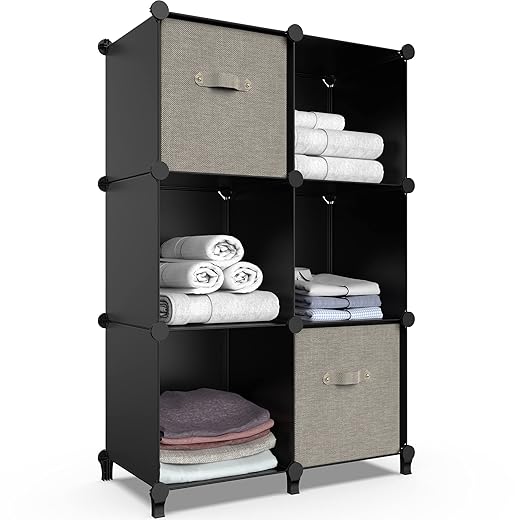
Next, involve your child in creating a checklist of daily tasks. This simple step can enhance their responsibility and keep them engaged. Programs that involve discussing evening preparations can turn mundane chores into fun activities. For instance, laying out clothes the night before or packing their backpacks together can ease morning stress. You might check out the QunyiCo Hanging Closet Organizer on Amazon to keep things tidy and visually clear.
In the evenings leading up to school, set aside a specific time to wind down and engage in academic activities together. Reading books like “Charlotte’s Web” or solving puzzles can provide positives and open up discussions about what they expect from the year ahead. Encourage kids to share their feelings and thoughts to promote emotional well-being–these simple interactions can make a major difference.
In preparation for carpooling or bus rides, consider role-playing different scenarios to help your child feel more comfortable. Stepping into the school routine can often require special treatments, especially for those who may be nervous. Emphasize that having friends nearby can make these experiences more enjoyable. Utilize resources available on Amazon, like “The First Day Jitters” book, to help them understand they’re not alone in feeling this way.
Finally, remember to celebrate little victories each day. Whether it’s completing homework or simply enjoying their first breakfast at school, recognizing these efforts can cultivate a positive mindset. Keeping a journal or creating a visual rewards chart can encourage them to track their progress in a fun way. Just remember, navigating this transition takes time, so be patient and supportive to create a welcoming atmosphere.
Using Positive Reinforcement Techniques
One effective method to help children navigate their anticipation is through positive reinforcement. This approach means highlighting and rewarding desired behaviors rather than focusing on the negatives. For instance, when a child shows enthusiasm or completes their homework, they should receive praise or a small reward. This can be as simple as stickers or extra playtime. This tactic encourages kids to engage more in academic tasks, making them feel more confident and less anxious as each school day approaches.

Before school starts, consider establishing a reward system. Create a chart where kids can see their progress visibly. For every achievement, like completing homework or participating in class, they earn points. Once they reach a certain number of points, offer a special treat, such as a fun outing or a new book. This visual representation of their accomplishments can be a strong source of motivation.
Modeling encourages positive outcomes. When kids watch their parents or teachers celebrating efforts and persistence, they learn to do the same. For example, if a child sees their peers being rewarded for good behavior, they’re likely to imitate that behavior. Remind them that it’s okay to feel jitters; many others do. Just showing up is a huge step in reducing separation anxiety.
Provide quick feedback for behaviors you want to see more often. If kids help organize their backpacks or prepare for lessons independently, compliment them immediately. This instant recognition helps them link their actions with positive experiences. Over time, these reinforced behaviors become more natural, leading to less anxiety during transitions.
Consider adding engaging products to their routine. For instance, a calming sensory toy or a motivating planner can help kids better manage their time and emotions. Check out products like the “Tangle Jr. Toy” for stress relief or “The Bullet Journal” for organization available on amazon.com. These tools not only redirect nervous energy but also aid in developing good habits that reflect academic success.
Questions and answers:
What are some common signs of back-to-school anxiety in children?
Back-to-school anxiety can manifest in various ways. Children might express worries about making new friends, handling academic pressures, or facing changes in their daily routine. Physical symptoms can include stomach aches, headaches, or changes in sleep patterns. Behavioral signs may involve withdrawal from activities they usually enjoy or increased irritability. Parents should pay attention to these signs, as they can indicate a child’s struggle with the anxiety surrounding the transition back to school.
How can parents help alleviate their child’s back-to-school anxiety?
One effective approach is to maintain open communication. Parents should encourage their children to share their feelings and concerns about school. Creating a consistent routine can also help, as children often feel more secure when they know what to expect each day. Practicing relaxation techniques, such as deep breathing or mindfulness exercises, can aid in reducing anxiety. Preparing for school together, such as organizing school supplies or discussing the schedule, can empower children and lessen uncertainty.

Are there specific relaxation techniques that children can use to manage anxiety?
There are several relaxation techniques suitable for children. Deep breathing exercises can be particularly helpful; guide your child to inhale deeply through the nose, hold for a few seconds, and exhale slowly through the mouth. Visualization is another technique; encourage your child to imagine a peaceful scene. Progressive muscle relaxation, where they tense and then relax different muscle groups, can also help reduce physical tension. Practicing these techniques regularly can enhance their effectiveness, especially before school starts.
What role does school environment play in a child’s anxiety levels?
The school environment significantly impacts children’s anxiety. Factors such as class size, teacher support, and the overall school culture contribute to how safe and comfortable students feel. A nurturing and supportive environment can reduce feelings of anxiety, whereas a high-pressure or unsupportive setting may exacerbate them. Schools that foster social connections among students and provide resources for mental health support can play a crucial role in helping children adapt and thrive in their educational journey.
What should parents do if their child’s anxiety persists despite efforts to help?
If a child’s anxiety continues despite parental support and relaxation techniques, it may be beneficial to seek the advice of a mental health professional. A child psychologist can provide tailored strategies and interventions designed to address specific needs. Parents should not hesitate to reach out for help, as professional guidance can offer valuable insights and resources that support both the child and the family in managing anxiety more effectively.

Other Articles


18 Comments
Comments are closed.


OT Recommended and Parents’ Favorite Yoga. It gets hot in Texas, but we need our son to get his energy out. His Occupational Therapist recommended this for working on his balance. The storytelling aspect of this program is the main hook, though. We also love the Super Yoga included because it makes yoga feel like a video game. As parents who never liked yoga, we have fun with this one.
so much fun. We needed to find movement we can do indoors during this pandemic, and Cosmic Kids Yoga has become our go-to. I knew the boys were into the stories that went with the moves, but yesterday when I found my son in the corner of his room meditating (!) I knew the other aspects of the show were catching on, too. The host is charming and fun and engaging, the stories are incorporated so well with the moves, and the bonus materials that help littles learn self regulation and emotional understanding, is so so good.
This is the best kids yoga out there. My kids and I love this program! They are doing yoga and practicing mindfulness while having fun! The host is amazing — her stories are so creative and she is very engaging. Highly recommend for some indoor recess or daily movement.
Emotional Regulation AT ITS BEST. I loved the visuals from this book! It breaks down what each sense does and how it helps ground ourselves providing much needed relaxation in moments of stress, anxiety, or when we just need a little more emotional regulation. I love that the characters of the book are REAL KIDS THAT ARE CULTRUALLY DIVERSE WITH REAL FEELINGS THAT NEED REAL OPTIONS to deal with their emotions. Life is meant to have a wide range of positive and negative emotions. Even when too excited, some kids, like mine, need coping skills and strategies! Author Dr. Melissa Boyd shared in detail how to just do manage in a safe, healthy, and easy to understand way for young minds. My son is 11 and loves ALL of Dr. Melissa Boyd’s books for good reason, they are meaningful and relatable. I love her books because they help me teach my autistic child about the world around him and that it is okay to have feelings, but it is also ok to know how to manage them. Grounding techniques using the senses is one of my favorite techniques as an adult with anxiety, but I never have seen a way to share this with my child until now. YOU NEED THIS BOOK IF YOU ARE A PARENT! TEACHERS NEED THIS BOOK! ALL LIBRARIES NEED THIS BOOK! Thanks Dr. Melissa Boyd for yet ANOTHER amazing book!
Using Your Senses. This book is great for kids to learn how to stay calm. It teaches them to use their 5 senses and that will help calm their mind and get it thinking of something else! Great and helpful book!
Creating calm. This book was a great read with my 2 year old. It was great going over the techniques with him.
Such a cool quiet time tool. This is such a cool quiet time open ended toy. I love the little designs you can make out of it. Its a neat tool for fine motor skills. Even if your little one only wants to take the pieces out(like mine) it helps them learn to use their hands and little fingers. It gets a lot of wear in my home, the little “straws” are always on the floor or scattered around our rooms but they clean very easily and do not retract from the look of it and do not get sticky easily. The value for the money is great as we get daily use out of this and it wasn’t expensive like other products of this type. So far it’s held up against a toddler with plenty of ideas of what the board should be, like pizza or a menu, so it’s durable.
Great quiet activity. I love to pack this in my bag as an activity for on the go. It’s slim so it doesn’t take up much space in any bag I’m carrying. My four kids (aged 2-7) all love it; I love it; it’s easy to wipe clean if it gets dirty out in public. It’s a fun, calm, quiet activity for all ages!
Fidgets for the kids. Students at every age like to have something in their hands. It is especially good for student with ADHD. It helps them choose an object and then come back and exchange it when they want .
Fidgetty. Bought for someone who needed something to do while studying. This fidget box helped them center while in some ways annoying anyone around them. Good size for handling
Great buy. Easy setup and a really cool look.the plastic clips keeps the organizer very sturdy, nice size the height is perfect for the bathroom. Very strong stable and the color is great. Only problem I ran into was the baskets wasnt included. But it specifically say (organizer baskets are not included).
Great quality and size. This was exactly what I expected. I didn’t realize it has lega, though, which is okay! In the past I had a similar cube system that I was able to turn around from vertical to horizontal pretty easily depending on where I wanted it when moving things around and the pieces were the same on every corner so it didn’t matter. If I want to change this one’s shape, I’ll have to take it apart and reassemble with legs in proper place. That’s not a big deal but it’s great overall! Good quality, perfect fit in the space I’m using it and was not too difficult to assemble! I recommend using body weight once it’s all together to push down on the joint sections all the way around to pop them all, all the way in for it to get tight!
Eh… okay. The joystick sticks a bit. Its interesting, but a bit lower quality than i expected. Not bad for the price. They put a sticker on the case and upon removal, it pulled the finish off the top of the case.
Helpful coping strategy. A helpful coping strategy for trichotillomania (compulsive hair pulling)
Yes you need this storage organizer. I got this for my closet and it fit perfectly for it. It’s really sturdy, easy to assemble and a good value for the price. Holes all lined up, looks great and the color matches my other furniture. It’s also scratch resistant too
Good fidgets. A very good way to keep your hands busy, everyone who’s seen it has wanted one of there own. Only note it that the joystick doesn’t quite feel right, like its a bit too big for an Xbox ps or switch like feel, and it doesn’t push down like an Xbox remote. Not super important, but if you game a lot it might make the product feel less pleasant. Other wise great fidget toy.
Donation. Great gift to send for children in need
Awesome. Great toys! My 4 yr old grandson loves them! Great price!!