


Understanding why kids lie is key to responding effectively. Often, these untruths aren’t acts of malice but a child’s way of navigating complicated social situations and peer expectations. When they fabricate stories or hide the truth, it’s frequently a signal that they are struggling with big emotions or a fear of not fitting in.
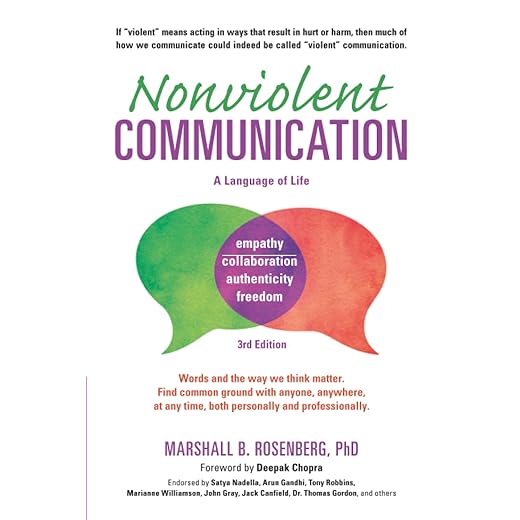

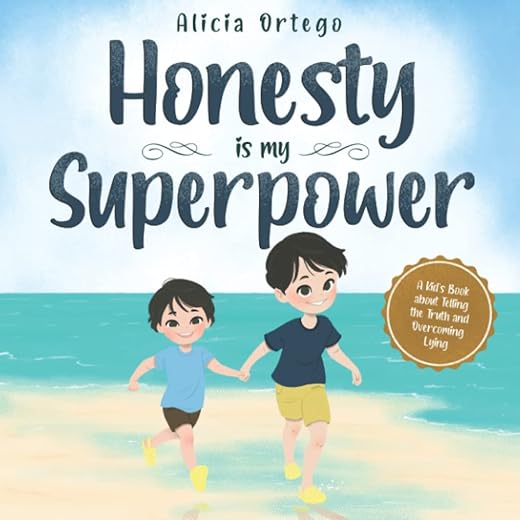
Quick responses to these moments can lead to misunderstandings. Rather than jumping to conclusions and saying “you’re lying,” it’s more appropriate to explore the context. Each situation presents an opportunity to teach valuable lessons about honesty, respect, and the consequences of dishonesty. Maybe they feel ashamed or worried, perhaps there’s fear of disappointing someone, or maybe it’s simply an attempt to protect themselves or their friends.
As adults, we shouldn’t shy away from tackling these conversations head-on. Taking the time to discuss the reality of truth and lies can foster a supportive environment. When children feel safe to express themselves without fear of excess criticism, they’re more likely to become open about their thoughts and actions. There’s nothing worrisome about a child experimenting with storytelling; instead, it can be a valuable educational moment.
Making sense of little ones’ tendency to twist the truth isn’t always straightforward. Here’s a crucial step: knowing that children are often seeking to navigate complex social dynamics. When they create stories or engage in cover-ups, it isn’t necessarily a sign of deceit, but rather a signal that they may be wrestling with their feelings or the expectations of their peers.
Quick responses to these moments can lead to misunderstandings. Rather than jumping to conclusions and saying “you’re lying,” it’s more appropriate to explore the context. Each situation presents an opportunity to teach valuable lessons about honesty, respect, and the consequences of dishonesty. Maybe they feel ashamed or worried, perhaps there’s fear of disappointing someone, or maybe it’s simply an attempt to protect themselves or their friends.
As adults, we shouldn’t shy away from tackling these conversations head-on. Taking the time to discuss the reality of truth and lies can foster a supportive environment. When children feel safe to express themselves without fear of excess criticism, they’re more likely to become open about their thoughts and actions. There’s nothing worrisome about a child experimenting with storytelling; instead, it can be a valuable educational moment.
Insights into Children’s Deceptive Behavior

Encouraging open communication within your family is crucial. When children feel comfortable sharing their thoughts, they are less likely to resort to tricky behaviors. For example, if you’ve noticed a pattern where your child feels scared to come forward about mistakes, it could be helpful to brush up on how to foster a supportive environment.
Modeling honesty and transparency in your own actions proves to be effective. Siblings often learn from each other, and showing that everyone makes mistakes can help children see that it’s okay to be honest. When children do their homework or engage in tasks at home, create scenarios that highlight the importance of discussing their challenges instead of avoiding them.
Paying attention to signs of fear in your child’s behavior can provide insights. If they’re scared of disappointing you or facing consequences, they might choose deception as a defense mechanism. It’s essential to validate their feelings, showing them that home is a safe space for expressing emotions. Involving the whole family in discussions about values can also nurture a sense of unity.
For instance, if a child lies about their homework, instead of punishment, use it as an opportunity to discuss what made them feel the need to hide the truth. Offering rewards, like a fun family game night or a new book, can also help reinforce positive behavior. Check out options on Amazon, such as board games or educational books that teach values while being engaging. The right tools can make a significant difference in how children approach honesty in various situations.
What Motivates Young Children to Lie?
When a little one feels caught in a situation, almost instinctively, lying can become a quick excuse. It often means they are trying to navigate the complexities of life. For many kids, the pressure of telling the truth can feel overwhelming, and they may choose deception as a way to avoid conflict, especially when they sense their family will react negatively. It’s essential to pause and realize that this behavior is often not malicious but rather a reflection of their developmental stage.
Many young ones start lying as a way to explore boundaries and understand right from wrong. The support of family plays a crucial role in this. Modeling honesty and discussing feelings can be great ways to help them learn what’s okay. For instance, if a child spills juice on the floor, addressing the situation together, rather than reacting harshly, encourages them to speak openly about their actions. This approach fosters a safe space where honesty becomes more valued than immediate perfection.
It’s important to note that even small lies can carry significant meanings in a child’s world. While they might seem trivial, these fabrications often reflect deeper feelings. For example, if they say they were not involved in a mess they created, it could stem from anxiety about disappointing their caregiver. Creating an environment that celebrates honesty, even when mistakes happen, strengthens their emotional resilience.
Children often develop behaviors based on what they see in their surroundings. When adults model integrity and discuss the consequences of dishonesty openly, they become more adept at discerning right from wrong over time. Products, such as storytelling games or educational toys, available on platforms like Amazon, often help children learn about honesty through interactive play. Look for options that encourage cooperative storytelling and ethical choices, proving that learning can be both fun and meaningful!
In life, the ability to communicate feelings effectively is essential. By nurturing a child’s understanding of honesty and integrity, it becomes less of a struggle to get them to open up. It’s all about balancing support and guidance while fostering an atmosphere where honesty is celebrated and deceit is understood as a learning opportunity.
How Does Developmental Stage Affect Lying?
At different developmental stages, the way children approach deception changes significantly. In early childhood, for instance, they often engage in fabrication as a part of their imaginative play. They may not fully understand their intentions, as they’re simply exploring their creativity. They might say they have an imaginary friend who gets them out of trouble, often thinking it’s a cool way to explain a situation.
As they transition into adolescence, the dynamics shift. Teenagers become more aware of social pressures and how others perceive them. They might lie to avoid troubling situations or accusations that can lead to significant consequences. Sometimes, it feels easier to create an untruth than face the reality of a situation. This need to fit in can lead them to prioritize truth-telling less, especially when they think a lie will make them appear cooler to their peers.
Moreover, during these stages, a child’s reaction to being caught can vary widely. While younger children might be scared and admit to their actions, teenagers may deflect blame or maintain their story. This reaction often hinges on their fear of disappointing their parents or losing social status. It’s essential to remain open with them, allowing discussions about why they felt the need to deceive and helping them answer the questions on honesty and accountability.
When you encounter these situations, remember that explaining the importance of being truthful without sounding accusatory can be pivotal. Adopting a calm tone while discussing such topics may encourage them to express themselves more freely. As each stage has its nuances, knowing how to connect with them will facilitate better communication regarding honesty and trust.
Recognizing Honest Intentions vs. Deceptive Tactics
To effectively manage situations involving honesty and dishonesty, it’s crucial to understand what drives these behaviors. When children seek to mislead, they often do so for a variety of emotional reasons. Recognizing their intentions is essential. They may feel cornered or anxious about consequences. On the other hand, if they demonstrate a clear desire for truth-telling, it suggests a willingness to be open with you.
Throughout different stages of development, especially as they begin to enter older age groups, tactics can shift. Younger age groups might lie to gain attention or avoid reprimands, while older children may formulate more complex strategies to navigate social dynamics. For instance, if a child feels that they’ll be punished, they might choose to create elaborate stories to handle their fears.
- Type of Deception: Simple Lies – These often occur during early childhood. A child might state that they have completed a task they’ve forgotten about.
- Type of Deception: Complex Lies – Older children might construct detailed narratives to fit in with peers, demonstrating a need for acceptance.
- Type of Deception: White Lies – Sometimes, they might downplay the truth to protect your feelings or avoid causing distress.
Emotional intelligence is vital. Knowing how to recognize when genuine feelings motivate their words versus when there’s a strategy to evade consequences makes a difference. If a child feels they are seen as being wrong or disrespectful, it can lead to dishonesty as a self-preserving tactic.
Repairing trust requires patience. Engage them in conversations about their emotions and the importance of honesty. Products like self-help books for children on Amazon can aid in exploring these themes. For example, “The Berenstain Bears Tell the Truth” can help stimulate discussions about truth and trust. Building this dialogue lays the groundwork for an environment where they feel safe to express their feelings openly.
Always approach the topic with concern and understanding. Keeping lines of communication open encourages truth-telling throughout your relationship. With time and effort, you’ll foster an atmosphere where honesty is valued and respected, allowing emotions to flow freely without fear of harsh consequences.
Parental Responses: How to Address Dishonesty
Start by validating your child’s feelings when they’ve strayed from the truth. This creates a safe space for sharing without fear of harsh judgment. Acknowledge that sometimes, they might feel pressure or concern about a situation, which led to their dishonesty.
It’s effective to ask open-ended questions to understand why the untruth happened. For example, instead of demanding answers, ask, “What were you feeling when that occurred?” This encourages your child to express themselves more freely and places emphasis on emotional understanding. It can also reveal underlying issues that need addressing.
Provide moral guidance as a step towards building trust. You can say, “We all make mistakes, and it’s important to learn from them. The truth helps us grow.” This frames honesty as a positive value, rather than merely a rule to follow.
Your reaction is crucial; instead of expressing anger, try discussing the topic calmly. This sets a tone where changes can happen gradually. For instance, if your child told a fib about homework, use it as an opportunity to talk about feelings of being overwhelmed or the fear of disappointing you.
Furthermore, offer strategies for handling similar situations in the future. You might suggest, “If you’re having trouble with schoolwork, you can come to me instead of hiding the truth. We can solve it together.” This encourages a proactive approach to honesty.
- Consider books like “The Boy Who Cried Wolf” to illustrate consequences of dishonesty.
- Provide tools such as a journal for your child to write their feelings, which can be found on Amazon.
Remember, the goal isn’t to simply punish but to guide. Building a healthy line of communication will help your child feel secure and supported. By using everyday situations as teaching moments, you not only address the issue but also strengthen your relationship.
Establishing Trust: Preventing Future Lies
Start by creating an environment where open communication is valued. Encourage your child to share feelings and thoughts without fear of punishment. This is a cool way to foster trust. When a child knows that their feelings are heard, they are less likely to feel the need to hide the truth.
When addressing any situation, use questions that connect. For instance, instead of pointing fingers, say, “I noticed something, can you explain what happened?” This response helps in avoiding a defensive reaction, promoting honesty instead of frustration. Remember, everyone has a tricky moment; it’s how we navigate those that matter.
Be a role model. If you consistently demonstrate honesty in your actions, your child will be more likely to mimic that behavior. For example, when shopping at Amazon, show how you are choosing products like the Kid’s Book on Integrity, discussing your choices openly. This isn’t just about products; it’s about instilling values.
Utilize visual reminders in your home that promote integrity. A simple poster with tips like “Always tell the truth” or a fun chart showing the stages of honesty can influence positively. If you’re in Washington, schools may even provide resources that help teachers discuss honesty. Use these opportunities as a way to reinforce the importance of trust at home.
When your child is caught in a lie, ask questions that allow them to reflect. Something like, “What were you wishing would happen instead?” can open a deeper dialogue. This not only explains the behavior but also strengthens the connection between you two. This way, you are helping them evolve rather than feel disrespected.
Ultimately, making truth-telling an appropriate response requires patience and consistency. Set reminders for yourself too; honesty is an ongoing practice, and everyone can improve. Remember, addressing the issue when it arises will help prevent future dishonesty. It’s all about building a safe space for your child where they feel loved and understood.
Questions and answers:
What are some common reasons why children lie?
Children may lie for various reasons, including a desire to avoid punishment, the need for attention, or simply to test the boundaries of acceptable behavior. Lies can also stem from a child’s imagination, as they may create stories to entertain themselves or others. Additionally, anxiety about how a parent or teacher will react can lead children to fabricate stories to protect themselves.
How does a child’s age influence their tendency to lie?
As children grow, their understanding of truth and deception evolves. Younger children, typically under the age of five, may not fully grasp the concept of lying and often blur the lines between reality and fantasy. As they reach school age, they begin to understand the social implications of lying and may deceive to avoid negative consequences or gain approval from peers. Teenagers are more likely to lie for reasons related to autonomy or privacy.
What impact does parenting style have on a child’s honesty?
Parenting styles play a significant role in shaping a child’s attitude towards honesty. Authoritative parents, who encourage open communication and set clear expectations, tend to raise children who are more likely to be honest. In contrast, overly strict or punitive parenting may lead children to lie as a way to avoid harsh consequences. Additionally, parents who model honesty and transparency in their own behavior are more likely to instill those values in their children.
How can parents encourage honesty in their children?
To promote honesty, parents should create an environment where children feel safe to express themselves without fear of severe repercussions. This can include praising truthful behavior, discussing the importance of honesty, and addressing any lies with calmness and understanding instead of anger. Open dialogue about lying and its consequences helps children understand the impact of their words and decisions.
What should parents do if they discover their child has lied?
When parents discover that their child has lied, it is important to approach the situation thoughtfully. Instead of reacting with anger, they should calmly discuss the lie, exploring the reasons behind it and the feelings that may have prompted it. Encouraging the child to express their thoughts while reinforcing the value of honesty can help prevent future deceit. It’s also helpful to ensure that the child understands the consequences of their actions to promote accountability.
Why do children lie?
Children might lie for various reasons including fear of punishment, desire for attention, or an attempt to fit in with peers. They may also lie to protect someone’s feelings or to create an imaginary world. Understanding these motivations can help adults respond more effectively to a child’s behavior.


