


In the relentless pace of modern life, the parent-child relationship is often relegated to the background, overshadowed by busy schedules, digital distractions, and the day-to-day demands of parenting. Yet, this foundational bond is the single most critical factor in a child’s emotional security, self-esteem, and future well-being. Fortunately, strengthening your parent-child relationship isn’t about grand gestures or perfect parenting; it’s built through consistent, small, intentional moments of connection. This guide is dedicated to providing practical tips that any parent or caregiver can implement to nurture trust, improve communication, and build a deeper, more resilient bond with their child.



Start by letting your little one take the lead during playtime. This gentle approach fosters a sense of autonomy and encourages open communication. During these moments, you can assist in making decisions and guiding their choices, reinforcing their confidence in a supportive environment.
Whether you’re at the park or preparing a meal together at home, prioritize quality interaction. It’s critical to be present and engaged, as these shared experiences are foundational. A toddler learns values and emotional regulation in these safe spaces, which can improve their social skills and strengthen familial ties.
A common mistake is viewing childhood bonding as rigid. In reality, it evolves with the years. Tune into your child’s interests and worries; knowing them as a unique person, rather than simply your child, helps create a more profound connection. At times, this may require you to question your own parenting style and adapt to different needs as they grow.
Reinforcement of positive behaviors is also a key element. Celebrate achievements, regardless of size. This not only builds self-esteem but also deepens your relationship. In stressful times, the main focus should be on maintaining an open line of communication, ensuring they feel safe discussing any anxiety or fear. A secure attachment during these stages is vital in their emotional development.

Prioritize Quality Time Together

Set a dedicated family dinner time every week, which serves as a focal point for your household’s routine. This time, free from phones and distractions, creates an environment for honest conversations. Invite your children to share their thoughts about their week, academic challenges, or even what they learned at school. When they express themselves, you build deeper connections and understanding.
Consider engaging in activities that require everyone’s effort, such as cooking meals together. This not only helps in structuring your time but also teaches valuable lessons in cooperation and responsibility. Programs like family cooking classes can often be found online, providing fun and learning opportunities that benefit everyone in the family. For instance, a cooking gadget like the Instant Pot, available on Amazon, can make meal preparation enjoyable and efficient.
Make it a habit to schedule regular outings or game nights. For example, board games can stimulate learning and critical thinking while providing a safe space to strengthen relationships. Through these shared experiences, you diminish the chances of negative habits and arguments that can arise from boredom or misunderstandings. Remember, the key is to keep it honest and open, allowing each member to learn and grow throughout the process.
Finally, encourage your children to voice their preferences when planning activities. This inclusion not only validates their opinions but also helps them feel valued. It’s about creating an environment where everyone can thrive and find joy in spending time together. By prioritizing these moments, you support both academic and social development and lay down the groundwork for lasting, positive connections.
Choosing Activities That Interest Your Child
To foster a deep connection, you should choose activities that resonate with your child’s interests. This means taking the time to understand what excites them. For instance, if your child enjoys art, consider getting them a set of colored markers and a sketchbook, available on Amazon. Engaging in creative activities allows for mutual moments of expression and understanding.
Sometimes, you might find it challenging to choose the right activities. It’s critical to avoid judging their preferences based on your own. Instead, confide in your child about what they love and don’t love. By allowing them to take the initiative, you create a safe space for open communication. This cycle of letting them express their desires and feelings will reinforce their confidence in your relationship.
Socializing is another important area. Activities that promote social interaction help in building links with peers. Consider enrolling them in community centers, where they can meet other kids who share similar interests. This not only aids in making friends but teaches valuable life skills as well. You’ll find that these experiences go a long way in making your child feel secure and well-rounded.
| Activity | Product Suggestion | Link |
|---|---|---|
| Art & Crafts | Colorless Markers Set | View Product |
| Outdoor Sports | Kids Soccer Ball | View Product |
| Building & Construction | LEGO Classic Set | View Product |
Dealing with technology and media can be tricky. You should guide them towards educational games or programs, rather than letting them get lost in screens. Look for interactive learning tools that promote critical thinking. Remember, it’s your responsibility to balance their time in front of screens with real-world activities that foster social skills.
By focusing on their interests, you not only nurture their passions but also create secure and happy memories together. With a little effort in understanding what makes them tick, you’ll notice a profound difference in your relationship. There’s no need to go overboard; even simple moments can mean the world to your child when shared together.
Setting a Regular Family Time Schedule
Creating a regular family time schedule can work wonders for strengthening relationships. Aim for at least three dedicated times each week where screens are turned off and everyone engages in activities together. For example, Thursday evenings could be reserved for board games or cooking together. This routine not only allows for shared experiences but also opens avenues for mutual dialogue.
Parenthood comes with unique challenges, especially when dealing with teenagers. Mine sometimes prefer their screens over family time, but it’s crucial to create environments where everyone feels loved and comfortable. Introduce activities that are age-appropriate–such as movie nights with a theme or outdoor adventures–to keep your daughter and other family members interested. Acknowledging their struggles is essential; letting them express themselves while participating in family events can foster stronger connections.
Stability in routines brings comfort. Designate a specific day for family activities so everyone knows what to expect. Whether it’s a Saturday hike or a morning breakfast together, consistency can be like medicine for strained relationships. If teenagers see that this time is as important as their social plans, they might engage more willingly. Remind them that family moments can be the highlight of their week, an escape from the negativity of daily pressures.
Consider incorporating fun projects or crafts from Amazon such as the Klutz Make Your Own Bath Bombs or even a Family Charades Game to keep things exciting. This not only stimulates creativity but also provides an enjoyable way to tune in with each other. Ultimately, the goal is to cherish these moments–creating lasting memories that go beyond the infinity of trendy gadgets and screens.
Trying out new routines while celebrating the old can help reinforce the family unit. Remember, you’re not just enforcing a schedule; you’re nurturing a sense of belonging and creating cherished memories that will last throughout the ages.
Utilizing Technology to Connect Remotely
Video calls, such as those through Zoom or Skype, could be a fantastic way for loved ones to stay connected. Plan regular video dinner dates where you share meals together, even if you’re miles apart. This intentional act doesn’t just fill stomachs; it nourishes relationships. Over time, you could create a structure that your family can embrace, just as you might with a favorite book or routine.
In addition to video chats, consider online learning activities like virtual museum tours or science experiments. These opportunities not only spark curiosity but also facilitate bonding time filled with shared experiences. Websites like Outschool offer classes that encourage friendships among kids, making it easier for parents to nurture connections outside of the home. Exploring Amazon could lead you to educational kits that ignite your child’s enthusiasm for learning and keep their brain engaged.
For parents seeking comfort during financially tight times, subscription services like KiwiCo send monthly activity boxes directly to your home. These projects can prove crucial for maintaining interaction and shared learning without the pressure of going out. The question of balancing hobbies and responsibilities becomes simpler, as the activities can be done together at home while also being fun and educational.
Utilizing platforms like Discord allows your children to connect with friends under your guidance, providing a safe space for them to engage in games or discussions. This approach could enhance their feelings of friendship while promoting digital literacy. It’s important to share your opinions and involve your children in these decisions; they will feel more understood and valued in the process.
In essence, embracing technology thoughtfully opens up a world of opportunities to stay close to your loved ones, no matter the distance. Making these connections intentional can lead to richer relationships that won’t fade with time, creating new memories as you navigate through this digital landscape together.
Practice Active Listening
To strengthen connections with your child, always practice active listening. This method involves more than just hearing their words; it requires you to focus on their emotions and thoughts. When they share experiences, think about how you can acknowledge their feelings. For instance, if your child talks about a small problem at school, use a physical or verbal cue to show you’re engaged.
Consider setting aside five critical minutes each day dedicated to listening. During this time, turn off distractions. Look your child in the eye and let them speak without interruption. You might find that many moments of their day matter greatly to them, and your undivided attention promotes trust and openness.
Sometimes, doing simple activities together can create a structure where conversations flourish. Whether it’s cooking, playing, or just living life, these moments provide a greater chance for them to express themselves. For example, using a product like a family board game can stimulate dialogue and laughter, which are essential for strengthening relationships.
Understanding what your child wants to share equips you to respond appropriately. After they have spoken, reflect back what you’ve heard. Say something like, “I know it’s tough when things don’t go as planned.” This not only shows you were listening but also demonstrates you care about their feelings.
Years passed, and moments shared where you acknowledge their thoughts will leave lasting impacts. Active listening is always a two-way street, and it’s important to know that your child feels heard, even in small conversations. Such practices lead to deeper connections as they grow and develop into their own selves.
Techniques for Improving Listening Skills
Start by creating routines that encourage open dialogue. Set aside a specific time each day for talking with your children. This dedicated activity can help everyone feel more comfortable sharing their thoughts and feelings. For instance, during dinner, ask questions about their day while you savor a refreshing meal, like the Instant Pot DUO Plus 60, which makes cooking easy and fun.
Be attentive and avoid distractions when your child is speaking. If your phone pings or the TV is on, switch them off to show that you’re genuinely interested in what they have to say. This simple action speaks volumes about your commitment to understanding their needs. Remember, this habit helps reinforce good behaviors and emotional expression.
- Encourage your infant to express emotions through fun toys like the Fisher-Price Laugh & Learn Treats Learn & Go, which can influence their communication skills.
- Respond to your child’s feelings, even if you think they’re a mistake. Saying something like, “I can see this made you upset, yeah?” shows you care, and they will appreciate your understanding.
- Create boundaries that allow them to express themselves safely. Let them know it’s okay to talk about their feelings, no matter the situation.
Utilize your own experiences in parenthood to guide discussions. Share financial lessons to teach responsibility and decision-making, like the benefits of saving or spending wisely. This not only improves listening skills but also fosters a deeper connection through shared stories.
Finally, thank your children for sharing with you. A simple “thank you for telling me that” validates their emotions and encourages them to keep communicating. This appreciation often motivates them to be more open in future conversations.
Creating a Safe Space for Open Conversation
Start by establishing a designated area in your home where conversations can naturally flow. This space should feel welcoming and comfortable, encouraging children to share their thoughts openly. According to experts, being intentional about this environment lays the foundation for healthy communication. For example, consider using soft seating or calming colors to promote relaxation.

Children thrive on stability, and knowing they have a safe place allows them to express their feelings. When they share, make sure to actively listen. This means tuning in to their words without distractions from media or other interruptions. It’s essential that they feel understood and valued during these times. You might also join them in discussions about their day, which can help reinforce the importance of sharing experiences.
Consider providing tools that can facilitate these conversations. For instance, journals or guided conversation cards can prompt deeper discussions. Items like the “The Parenting Journal: A Guide for Parents” found on amazon.com can help parents and children explore thoughts together. It’s great for learning, especially as toddlers grow older, requiring more nuanced dialogue.
When children feel safe to express themselves, they learn to tackle difficult emotions without falling apart. This skill is vital as they navigate societal pressures as they grow. Remember that building this communication requires ongoing effort; regular check-ins can foster a consistent practice. Also, feel free to share your own feelings, modeling vulnerability and authenticity, which can lead to a greater understanding.
Above all, your role as a parent is to encourage and support these conversations. Check out resources like understood.org for additional strategies on nurturing effective communication. It’s beneficial for both you and your children, creating a healthier familial relationship over time.
Responding to Emotions Effectively

When toddlers express negative feelings, it’s crucial for you to respond with warmth and understanding. Focus on acknowledging their emotions with verbal affirmations like, “I see you’re upset.” This simple feedback shows that you understand their emotional state and encourages them to express themselves openly.
Engage in one-on-one activities where you can give your child your full attention. This could be playing a favorite game or reading together. The different settings allow you to explore emotions in various contexts. For instance, during playtime, you might say, “It’s okay to be frustrated when things don’t go right,” helping them learn that it’s normal to experience a range of feelings.
Establishing clear rules provides a boundary, while also allowing children the choice to express their emotions. Let them know that showing feelings is part of being human. You can integrate educational games from Amazon, like “Feelings Flannel Board” where toddlers can learn about emotions through fun activities that reinforce the same supportive environment you wish to create at home.
Ensure that your efforts to show empathy are consistent. For instance, when setting up a warm environment, remind them of the difference between acceptable and unacceptable behaviors, gently guiding them back on track. Providing such structure helps them understand the rules while still feeling supported in their emotional journey.
Remember, building a strong relationship where your child feels safe to express themselves takes time. With persistent efforts, soon they will learn to manage their reactions and develop a deeper understanding of their emotional landscape. Embrace this journey together and watch how their emotional intelligence flourishes.
Questions and answers:
What are some practical ways to improve communication with my child?
Improving communication with your child can involve several practical strategies. One way is to establish a routine where you spend time talking without distractions, like during dinner or before bedtime. Encourage open dialogue by asking open-ended questions that require more than a yes or no answer. It’s also helpful to actively listen to your child’s thoughts and feelings, showing that you value their opinions. Additionally, using age-appropriate language and being patient during conversations can create a comfortable environment for sharing. Consistency is key, so make these communication times a regular occurrence.
How can I help my child feel more secure in our relationship?
Building security in your relationship with your child involves a combination of love, trust, and predictability. Make sure to express your love and affection regularly through words and actions. Create a stable environment by maintaining consistent routines and boundaries, which can help your child understand what to expect. Additionally, be available for them, both physically and emotionally, when they need support or guidance. Encourage them to share their feelings and reassure them that it is okay to make mistakes. This promotes a sense of safety and encourages a stronger bond.
What activities can strengthen the bond between me and my child?
Engaging in activities together can significantly strengthen your bond. Consider participating in hobbies that both you and your child enjoy, such as cooking, gardening, or playing sports. Family game nights can also be a fun way to connect, as they encourage teamwork and laughter. Volunteering together for a cause you both care about can create a shared purpose and enrich your relationship. Additionally, simple outings like going for walks, visiting parks, or exploring nature can provide quality time for conversation and connection. The key is to choose activities that promote interaction and enjoyment.
How do I handle conflicts with my child while maintaining a strong bond?
Conflicts are a natural part of any relationship, including between parents and children. To handle conflicts effectively, approach disagreements with empathy and a willingness to listen. Start by acknowledging your child’s feelings and perspectives, even if you disagree with them. Try to remain calm and avoid escalating the situation with anger or frustration. Focus on resolving the issue together, rather than placing blame. One effective method is to use “I” statements to express how you feel without making your child defensive. For example, instead of saying, “You never listen,” try saying, “I feel unheard when we’re discussing things.” This promotes understanding and cooperation in finding a solution.
Why is spending quality time with my child so important for our relationship?
Spending quality time with your child is fundamental for building and maintaining a strong relationship. It allows you to create shared memories and experiences that can deepen your connection. Quality time also provides opportunities for open communication, where children feel more comfortable sharing their thoughts and feelings. This time together fosters trust and understanding, reinforcing the feeling that you are present and available in their lives. It also helps children develop social and emotional skills by observing how you interact, resolve problems, and express love. Ultimately, these moments can make a lasting impact on your child’s happiness and self-esteem.

Other Articles


18 Comments
Comments are closed.


Awesome game to bring family together. I got introduced to this game when it was called “Settlers of Catan” over 7 years ago now. Its an awesome family game. The game by itself can accommodate 4 players. If you buy the expansion set, you can have up to 6 players total.Depending on how you play (fast or chit chat, fun) a game can go from 30 mins to 2 hours. But I tell you, the ones we enjoy the most are the ones that take a long time because they are the challenging ones.The game is interesting because you arrange the hexagonal pieces differently for each game, so each game is different. ON top of that, you place numbers on it (from 2 to 12) so when a dice is rolled, if you have a city or house around it, then you get that resource. There are 5 resources that you need to Build things – such as Road, house, cities, and each item may have points associated with it. You need 10 points to win the game. For example, a house is 1 point, but a city is 2 points – but you cannot build 5 cities. Each time dice is rolled, and if you get that resource, you can save it later – we allowed hiding the resource card (put face down), so you can keep your strategy a secret and its up to others to figure out what you may be planning. If you do not get the resources you need, you can trade when its your turn – but you must trade before the roll of the dice (I think).We play this as a family including 4 and 5 year olds that have now grown up and are masters of this game… The game needs to be played with strategic focus, but dont underestimate the 4 or 5 year olds after they have played this game a few times.We have worn out the old game board, and so purchased this one.. Its one of those things that we do when family gets together.Overall, this is an awesome game.
Excellent classic game that everyone should try. Me and my husband enjoy playing board games and we were not new to Catan, in fact, it has been one of our favorite games since we got into the board game world. We already owned the “Settlers” and “Rivals” versions of Catan and when we learned of the Black Friday deals on board games, we decided it was the time to have our own version of this game as well (especially since we used to play with some friends and their copy, so us recently moving into another city also played as a factor to buy it).As for the game itself, Catan offers a great balance between strategy and competitive gameplay. While luck is almost always a factor in boardgames and Catan is not the exception (dice rolling involved), the game feels more guided and affected by your strategy and decisions rather than by luck, which is good, since this makes the game more compelling and adds weight to the decisions that you make throughout the game. There is also a trading component that allows you to interact with the other players, which is great for stirring some fun arguments and debates. While this game has a competitive approach, it doesn’t pit the players against each others through direct confrontation (which is welcomed if you are not looking for an aggressive game where everyone ends up mad at each other), it plays more like a race in which you need to focus on your strategy while keeping watch of the opponents and overall it is extremely fun. It has simple enough mechanics for beginners, but they are also very compelling for more experienced players, specially when you start to play with the randomized board map. It is not a surprise that this is still regarded as a classic game even though it came out a long time ago.The materials and details of the cards, boards and pieces are excellent. It is worth mentioning that one of the “settlement” wood pieces was chipped when we opened the box. While this didn’t affect the use or gameplay experience and understanding that there are errors expected in manufacturing processes, we still decided to send a note to the customer service address provided by the game developers (not through Amazon) and they responded very quickly and efficiently, and within a week or so we received a replacement piece on the mail, so extra points to the customer service.Even if you are not looking to get deep into the board game community, Catan is a must if you enjoy playing games with friends or family. And even if you plan to further try more games, most likely you will always be glad to revisit this wonderful game.
Kids can cook. The author has a list of simple things that kids can do to make cooking easier – such as washing their hands, getting out materials and preparing ingredients that will make it easier to cook.The terms chop and dice are explained, along with how to mince garlic and peel fruits and vegetables. The terms mix, stir fry, bake and boil are also explained and there are pictures that help to show what the terms mean.The measuring terms liquid and dry measure are explained, along with safety measures for using knives, stovetops and ovens.An interesting footnote – there are directions on how to read an ingredient list on a can, emphasizing that sugar is also corn syrup, and that there is less sugar in a product if sugar is at the end of a list of ingredients and more sugar if it is at the beginning.Bean and cheese quesadillas are the first recipe with only a few ingredients, they are fried in a pan and they are easy for a child to make.A salad using feta cheese, olives, cucumber, lettuce and tomatoes is next, it even includes a dressing recipe with olive oil, lemon juice, oregano and salt that is easy to make. This recipe is a little harder than the quesadilla recipe.Kids can cook veggies 3 ways – by roasting them, boiling them and microwaving, the roasting is the most involved as it requires chopping and using the oven while the microwaving is the easiest.There is a recipe for tabbouleh that requires measuring, dicing and straining and an easy recipe for pita chips to go along with it.There are some fun pasta recipes that may require adult assistance, and a fun pizza recipe that requires making homemade pizza dough and measuring toppings and cheese.Your child will enjoy making chicken nuggets and shakshuka for dinner with adult supervision !Enjoy!
Grand daughter was thrilled. Fun recipes and great photos
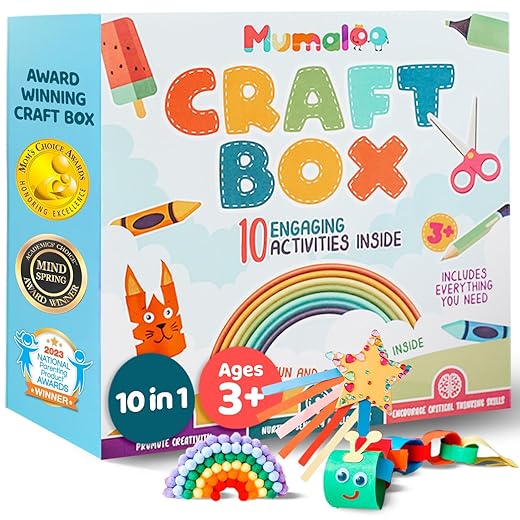
Love this activity craft! Step by Step Kid Friendly Instructions. The media could not be loaded. Thank you mumaloo for this cute, fun, educational, mess free craft & activity kit! My daughter was so excited to dig in as soon as she saw it.I love that each craft is wrapped individually & that each one comes with step by step easy kid friendly instructions to follow.craft kit, kids activities, educational craft, mess-free crafts, kid-friendly crafts, DIY activities for kids, fun learning, step-by-step instructions, creative play, children’s craft kits, hands-on learning, activity kit for kids, parenting tools, crafting with kids
Best board game ever. Hands down one of the best board games ever. So many different strategies can be used. Attractive design. Takes a little bit to learn so don’t expect the first time to be easy or make complete sense but by the end, you will ‘get it’. Challenging for intense folks and fun for the laid back ones. A little bit of luck mixes with communication skills and strategy. Love it! Actually bought this one for a friend’s family.
Perfect for Busy Moms + Creative Kids. This craft box was such a hit with both of my kids! My 5-year-old son had a blast putting the activities together, and even my 2-year-old daughter joined in—she loved decorating the rainbow and making the wand. The activities were super engaging, with a great mix for both boys and girls.As a busy mom, I really appreciated how everything was prepped and ready to go—no searching for supplies or complicated setup. We just opened the box and got started. It made for an easy, mess-free afternoon full of creativity. Highly recommend for ages 2–7!
Arrived damaged so cannot gift it. Damaged
I recommend! Great game for friends, women’s ministry etc. the questions get deep. Oh man! This is really good. I’ve used it at some of the women’s ministry events and it’s such a good way to get to know people on a deeper level. We did like speed rounds. I’d definitely recommend.
Perfect for independent creativity. We’ve now purchased two of these boxes because our four-year-old absolutely adores them! Each box comes with ten individual projects, and everything you need is included. The packets have both written and visual instructions, which makes it easy for my daughter to follow along and create her own magic almost entirely on her own. My daughter enjoys veering off of the structured directions to create her own original work, and that is a lot of fun for her too! The projects are quick to put together, relatively mess-free, and so much fun, perfect for keeping her engaged. We love displaying the finished creations around our playroom and can’t wait for the next box to arrive! (Note not all crafts pictured from same box, but just some favorites).
Quality and Fun. Perfect for beginner soccer players! The ball comes deflated. It was easy to pump with the included tools. We haven’t had any issues with air and therefore haven’t had the need to re-fill the ball in over two months worth of practices/games. It’s durable and works great for my five-year-old! We were definitely seeking something cost effective so this is a great value for the price.
Cute family game. A fun game for family. Gave it as a present to my son and family. They love games. Great present for a stocking stuffer.
Perfect for families. Many laughs for our family – from age 4 to age 65 – was a hit for us all!
LOVE THESE. This game is great quality, super fun, very intentional. I love that it makes you think and get to learn your friend deeper. Very fun but insightful questions. Definitely full points for functionality and you can take your time with the questions.I got them to get to know those im close to better outside of school, work and relationships. Gives you a moment to slow down and enjoy your time with someoneWould make a great gift for sure.
Meaningful and Fun—A Hit With Everyone. I bought this deck for Friendsgiving, and it was a hit. It kept the conversation meaningful, and we all learned new things about each other. We were all between the ages of 45-50.
Toys for Tots gift. I purchased these as a gift for Toys for Tots. They look a nice texture & the pump comes with it. I won’t see the child who ultimately receives this gift, but I feel happy about giving a quality appearing gift.
So Fun. Super cute and fun game to play with the family! We played with 16 people and it was so fun! Super easy to learn for littles! Great quality! We get lots of laughs from this game!
Great for Christmas gift to be mailed. I bought these soccer balls to put in the Christmas boxes that the charitable organization Samaritan’s Purse delivers to underprivileged children all over the world. The ball and air pump only took about half of the floor space in the shoebox and left plenty of room to add other items to it.