


The development of empathy in children is far more than teaching simple kindness; it is a fundamental pillar of human connection, emotional intelligence, and social competence. In today’s interconnected world, fostering this crucial ability from an early age is not just beneficial—it is essential for raising resilient, compassionate, and successful individuals. Empathy, the capacity to understand and share the feelings of another, forms the bedrock of healthy relationships, effective communication, and positive conflict resolution.
This critical skill doesn’t simply appear overnight. It is a complex, developmental journey that evolves from early emotional contagion in infancy to sophisticated perspective-taking in adolescence. For parents, educators, and caregivers, understanding the stages of empathy development in children provides a vital roadmap. By implementing intentional strategies and creating a nurturing environment, we can actively cultivate this skill, laying the groundwork for a child’s lifelong emotional health, academic success, and ability to contribute meaningfully to society.

Encouraging the growth of empathy can start early in life and is essential for fostering strong social connections. Offer children opportunities to discuss emotions and share their feelings; these discussions might take place in a classroom, during playdates, or even at home with siblings. When a child feels a little down, it’s crucial to help them articulate their emotions. A teacher or a trusted adult can provide the right conditions, empowering them to explore different perspectives.
Reading age-appropriate books about friendship and justice can significantly contribute to this emotional development. Stories can introduce scenarios where characters face challenges, allowing children to reflect on feelings of those in various situations. For example, during a birthday celebration, a child might feel upset if a friend is left out, which presents an excellent opportunity for discussions about how to comfort others and recognize their emotions. Remember, the components of empathy build over time, and it may take months for some children to fully mature in their understanding.
Be mindful that empathy isn’t just about feeling; it’s about acting. Encourage children to express their emotions and guide them in assessing how they might react in different contexts. This active learning helps turn a moment of discomfort into a lesson in emotional intelligence. Reinforce that empathy is another way to connect deeply with people and understand the world around them, leading to a more compassionate community.
Stages of Empathy Development in Children
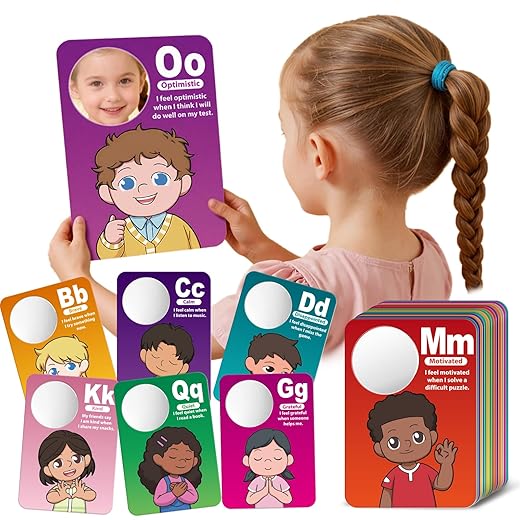
Students should start by recognizing their own emotions, which is an awesome foundation for becoming compassionate individuals. For instance, engaging with simple projects, like drawing feelings on paper or using emotion cards, helps kids identify what they feel. This recognition usually takes place within the first few months of life, setting the stage for deeper emotional understanding.
As they grow, typically around ages three to five, scenarios like role-playing can foster empathy. Bringing them into real-life situations, such as talking about how a friend feels when they lose a toy, helps little ones project their thoughts into others’ experiences. This stage is crucial, as their brains begin to connect their feelings to the needs of those around them.
By the time students reach school age, usually around six to eight years, the ability to understand complex emotions starts to emerge. At this stage, they should be encouraged to discuss their feelings and consider how their actions may hurt others. Educators can provide advice about handling sensitive issues, like bullying, which teaches children to be more understanding and supportive of their peers.
Teenagers often grapple with stereotypes that could hinder their empathetic growth. It’s essential to guide them through discussions about teamwork and shared experiences. Engaging in community service projects can be an awesome way for teens to connect with those different from themselves, encouraging a compassionate mindset and a better understanding of others’ emotions.
In conclusion, by providing supportive environments and thoughtful activities, caregivers and educators can significantly enhance kids’ empathetic skills. It’ll take time and patience, but nurturing these emotions leads to healthier interactions and relationships in the future.
Recognizing Emotions: The First Step
To help a toddler recognize emotions, start by using storytelling techniques. Read books like “The Feelings Book” by Todd Parr, which provides a great opportunity to discuss different feelings in a friendly way. Stories can create a small window into various emotional states, making it easier for your little one to understand and relate.
When playing, you can gamify the experience. Create scenarios where your child has to identify feelings through role-play with friends. This interactive approach not only makes learning fun but also lets them express themselves socially. Maybe act out a situation where a friend feels sad, and ask your toddler, “What can we do?” This reinforces the importance of empathy through practical application.
Research shows that children as young as three can start identifying emotions. It’s totally possible to build a strong foundation in emotional intelligence by reinforcing these skills at home. Using simple language and relatable conditions encourages toddlers to communicate what they feel. School settings also play an important role in further developing these skills, as they expose kids to a range of emotional situations.
Don’t underestimate the impact of family discussions. At dinner time, try asking about their day. If they mention a small conflict with a friend, ask how it made them feel. This gives them the chance to reflect on their emotions and those of others, naturally nurturing empathy. You’ve got the power to shape how they understand and interact emotionally with the world around them!
Understanding Perspectives: Beyond Personal Experience
To cultivate a sense of empathy in young minds, it begins with active engagement. Parents and educators can play a significant role by facilitating discussions around feelings and different experiences. For example, storytelling can be an effective tool. Choose books like “The Family Book” by Todd Parr or “Last Stop on Market Street” by Matt de la Peña, which provide a range of perspectives and emotions that help children relate to others. This interaction with diverse narratives is often a strong driver for developing empathy.
During early developmental years, children are likely to mirror the emotional responses of those around them. This mimicry takes place during everyday moments and can significantly impact their understanding of others’ feelings. Research shows that infants as young as 6 months can sense emotional cues, so it’s essential to model emotional regulation and adaptive responses in front of them. Parents should please take moments to acknowledge their feelings and help them articulate their needs as well.
Language is a powerful tool in this development. Encouraging children to express feelings using specific words can help them understand and connect better with others. For instance, asking questions like “How would you feel if someone hurt you?” prompts children to think critically about consequences and emotions. Leaders in the field recommend using phrases that guide children toward reflection, such as “What do you think they felt?” This type of reflection comes in handy as they engage with classmates or family members.
Giving children opportunities to participate in role-playing can also enhance their empathetic abilities. For example, having them act out scenarios where they help a friend or resolve a conflict can be incredibly beneficial. Products like “Who’s Feeling What?” encourage collaborative play and emotional awareness, fostering stronger connections among peers. By allowing children to experience different roles, they not only gain insights into others’ feelings but also learn active listening and conflict resolution techniques.
Ultimately, the journey of building empathy is multifaceted and requires consistent effort. Regular, thoughtful interaction, along with exposure to different perspectives, plays an essential role in nurturing these abilities. Keep in mind that this is a gradual process; patience and continual encouragement will help children grow into more compassionate individuals as they navigate the world around them.
Responding to Emotions: The Role of Reactions
To effectively promote emotional growth in kids, observing and responding appropriately to their feelings is essential. Parents and caregivers should recognize that reactions play a pivotal role in shaping emotional development. It takes a thoughtful approach to provide feedback that helps build a sophisticated understanding of emotions over time.
One crucial recommendation is to validate a child’s feelings. When a kid expresses sadness or frustration, acknowledging that these feelings are normal can help them feel understood. For example, saying, “I can see you’re upset, it’s okay to feel that way,” encourages a healthy dialogue. This builds a bridge between their emotions and a shared understanding of experiences.
Studies suggest that kids who receive consistent responses from adults tend to develop healthier friendships. They learn to regulate their emotions more effectively, fostering a deeper connection with peers. For instance, a book like “The Whole-Brain Child” provides strategies for parents to respond in ways that nurture emotional intelligence.
Moreover, using role-playing or games can be an engaging way to help children practice empathy. These activities should introduce scenarios that require emotional responses, which allows them to view different perspectives. Fancy toys or board games that emphasize teamwork can also promote cooperation and emotional regulation among friends.
For parents looking for tools, consider products available on Amazon like emotion recognition cards or interactive storytelling kits. These items can help kids articulate their feelings and respond to others’ emotions, thus practicing empathy through play.
Overall, by taking these steps, caregivers not only support emotional learning but also privilege children with skills essential for developing strong, lasting relationships in the future.
Practical Activities to Foster Empathy
One effective step to nurture empathy is role-playing different situations. This activity allows little ones to explore diverse perspectives, enabling them to naturally connect with the feelings of others. For example, a role-playing game where they act as a nurse and a patient can broaden their understanding and compassion for those who experience health challenges.
Reading books that focus on positive interactions and the emotions of characters is another great way. Choose stories that showcase diverse cultures and experiences, such as “All Are Welcome” by Alexandra Penfold, which promotes inclusivity in a school setting. Studies show that storytelling can enhance emotional intelligence, allowing kids to better understand feelings and reactions.
During the pandemic, many families turned to mail packages to maintain connections. Encourage kids to write letters or create care packages for friends or family members. This simple interaction can make a big difference, allowing them to experience joy while thinking of others and improving their empathy.
Additionally, participating in community service projects is a notable advice. Schools often organize events where students can engage with the community, helping those in need. This real-world experience establishes a solid foundation for understanding different situations and the diverse backgrounds people come from.
For parents seeking tools, consider products on platforms like Amazon that focus on emotional development. Books like “The Invisible Boy” by Trudy Ludwig can guide discussions about feelings and friendships. By using these resources, caregivers can actively participate in fostering a more compassionate mindset in children.
Storytelling as a Tool for Understanding
Storytelling is a profound method for enhancing social awareness in young minds. It allows kids to connect with diverse experiences and characters, fostering empathy within them. A therapist might suggest using simple stories that resonate with family dynamics or include relatable topics like having a brother or sister. This connection helps children understand others’ feelings better.
When picking books, select those with components that explain different emotions and social scenarios. For example, titles like “The Rabbit Listened” or “One Family” offer amazing insights into relationships and emotions. Research shows that listening to stories can be less intimidating, making it easier for children to explore complex themes while enjoying the narrative. They learn to express their thoughts, knowing that these topics are safe to discuss.
Using storytelling packages, such as guided reading sets or narrative play kits available on platforms like Amazon, can enrich their understanding. You might find products like “Story Starters for Kid Beginners” that help them create their own narratives, allowing a personalized insight into their feelings. These tools support mental health by promoting positive discussions about emotions and social situations.
With many creative ways to weave storytelling into daily life, it isn’t a disadvantage to incorporate it regularly. The act of sharing tales around the family table or during bedtime becomes a routine that nurtures emotional development. As you engage in these practices, you’re paving the way for your child to develop a rich, empathetic worldview.
Questions and answers:
What are some signs that children are developing empathy?
Children often show signs of developing empathy through their interactions with others. For example, they may offer comfort to a friend who is upset or express concern when they see someone in distress. Younger children might imitate the emotions of others, like crying when they see someone else crying. As they grow, they can articulate their feelings and recognize the emotions of those around them, indicating a deeper understanding of empathy.
How can parents encourage empathetic behavior in their children?
Parents can encourage empathy by modeling empathetic behavior themselves. This can include discussing feelings openly and demonstrating compassion in everyday situations. Reading books that highlight various emotions and situations can also be helpful, as well as encouraging children to think about how others might feel in different scenarios. Engaging in community service or volunteering can further bridge their understanding of empathy in a broader context.
At what age do children typically start to show empathetic behavior?
Empathy begins to emerge in young children around 2 years of age when they start to recognize emotions and respond accordingly. By the age of 3 to 4, they can often express concern for others and share in their feelings. As children develop, their ability to understand complex emotions and empathize with others continues to grow, typically becoming more nuanced between the ages of 6 and 12.
Can empathy be taught, or is it an innate ability?
Empathy is a combination of innate ability and learned behavior. While some children may naturally exhibit more empathetic tendencies, environmental factors play a significant role in its development. Parents, educators, and the social environment help shape how empathy is expressed. Through modeling, reinforcement, and positive experiences, empathy can be nurtured and cultivated in children.
What role does play have in helping children develop empathy?
Play is crucial for the development of empathy as it allows children to explore different perspectives and emotions. Through role-playing and cooperative games, children learn to navigate social interactions, understand others’ feelings, and practice empathy in a safe environment. Such activities promote cooperation and negotiation, helping children grasp the importance of considering others’ viewpoints.
How can parents encourage their children to develop empathy from a young age?
Parents can play a significant role in helping their children cultivate empathy by creating a supportive and nurturing environment. Engaging in open conversations about feelings and emotions is a good starting point. Encouraging children to express themselves and share their thoughts about how others may feel in different situations can also foster understanding. Role-playing scenarios where children can practice responding to others’ emotions can be beneficial. Additionally, demonstrating empathetic behavior as a parent can serve as a powerful example for children to follow. Activities such as volunteering or helping others can provide real-life opportunities for children to see empathy in action.


