


In a world that often fosters dependency, raising children with confidence and self-reliance is one of the greatest gifts we can give them. It’s about nurturing an “I can do it” attitude from a young age. This guide explores practical strategies to empower your child, build their resilience, and help them navigate life’s challenges with inner strength and capability.

Encouraging your kids to become self-sufficient starts with letting them handle small issues themselves. This means allowing them to make decisions and sometimes even face disappointment. In close-knit environments, parents often feel the urge to shield their offspring from ever encountering failure. However, every child needs to experience the real world, acknowledging that mistakes and setbacks are part of life. The resolution lies in finding that balance between guidance and cultivation of their capable nature.
One crucial aspect involves fostering an attitude towards monetary responsibility. Teach them the importance of budgeting and saving. Let them manage a small allowance or savings account to grasp the value of money and its implications on their lives. By doing so, they not only learn about assets but also develop a strong sense of independence. Additionally, ensuring that children have friends nearby who also value self-reliance helps reinforce these lessons.
In a climate enveloped in attachment, parents often fear their little ones will fail to secure their future if not constantly monitored. Yet, the truth is, children are remarkably resilient when given the right tools. Teaching them to evaluate situations and make informed choices empowers them to overcome obstacles in real-time. This is not solely about their current circumstances; it enables them to thrive in all areas of their lives one day. Instilling such traits at an early age is the foundation upon which capable adults are built.
Key Strategies for Encouraging Independence

One effective approach is to implement a consistent routine at home. For instance, assigning specific chores like making the bed or tidying up toys can help instill a sense of responsibility. Establishing a bedtime routine allows children to know what to expect and manage their activities independently. Products like “My Chore Chart” from Amazon can assist in tracking chores effectively.
Another strategy is to provide opportunities for small, manageable risks. Allowing children to prepare simple meals, like a peanut butter sandwich or yogurt with fruit, gives them a sense of accomplishment and builds their agency. The use of child-friendly kitchen tools, such as the “Kids Cooking Set” available on Amazon, can make this process safer and more enjoyable.
Setting appropriate allowances is also crucial. Giving children a small amount of money to manage teaches them about budgeting and making choices. For example, they might decide to save for a new toy or spend it on something small that they want right away. It’s essential to discuss goals related to spending and saving to enhance their understanding of financial responsibility.
While fostering independence, it is important to strike a balance. While you want your kids to be self-reliant, it’s natural for them to seek guidance on certain matters. Avoid making the mistake of stepping in too quickly to resolve conflicts. Instead, encourage them to articulate their feelings and explore solutions independently. You might be surprised at what they can accomplish with just a little time and encouragement!
Overall, these methods promote skill development and enhance the chances of children successfully managing tasks independently. Engaging in these practices regularly helps set the stage for future independence, leading to well-adjusted youngsters ready to face the world with confidence.
Setting Age-Appropriate Tasks
Start by giving your child a few small chores that suit their age. Assigning tasks like sorting socks or helping with setting the table provides both a sense of responsibility and a taste of independence. These simple actions can build a foundation for more complex tasks later, like cooking pasta or organizing their room.
When your child reaches a stage where they can express their preferences, ask whether they’d like to help with grocery shopping or meal planning. This not only teaches them about balanced health but also involves them in the decision-making process, fostering a sense of privilege. For example, let them choose between various healthy snack options, and encourage them to look for items on the shelf themselves.
As children progress, introduce slightly more challenging responsibilities. A 10-year-old might be ready to complete homework independently or manage their bedtime routine without reminders. This can lead to success later in life, as they learn to navigate tasks on their own. Consider giving your son or daughter the task of reminding a younger sibling to finish their chores; this promotes leadership skills and confidence.
Don’t forget the importance of praise when they complete tasks. A simple “great job” or “I knew you could do it” goes a long way. Besides encouragement, you should also emphasize that not every task will be perfect–it’s okay to make mistakes. This resolution is crucial for their learning process.
Consider age-appropriate tools to help them succeed. For example, a colorful chore chart can motivate a child to check off completed tasks. On Amazon, you can find various options like reward stickers or visual schedules that can be tailored to their interests.
A supportive environment nurtures independence. Don’t hover; instead, provide guidance when necessary. Celebrate their kind gestures toward friends and family as they find success through teamwork. This not only enriches their social interactions but also lays the groundwork for becoming truly independent individuals.
Allowing Natural Consequences
Let your kids learn through real-life experiences. If your child forgets their lunch, let them feel the impact of that mistake. It’s a chance for them to think critically and find solutions, such as asking a friend for sharing or figuring out what to do on that day. In this scenario, you’re not only teaching them about responsibility but also enhancing their problem-solving skills.
Encourage them to handle conflicts with close friends by themselves. When issues arise during a sleepover, stand back and watch. They will have to jump in and figure it out, which is a very effective way to build confidence. Just be close enough to provide support if necessary, while allowing them to navigate the situation independently.

- Consider products like the Kids’ Problem Solving Game, which promotes decision-making.
- Books such as “Mistakes Were Made (But Not by Me)” offer great lessons on handling errors.
It’s essential to find a balance between stepping in and allowing kids the freedom to make mistakes. Every situation is an opportunity for growth–whether they leave their shoes out and step on them later, or they forget to pack their sports gear. These moments are priceless in developing self-reliance.
When children experience natural consequences, they become more prepared for life’s larger challenges. The expectation that you’ll always be there to solve their problems will hold them back. Trust them to figure things out and build their own resilience, which is possible with your guidance from a distance.
Listen to their experiences, validate their feelings, and help them process what happened. This involvement provides valuable insight while maintaining their independence. By creating opportunities where kids must rely on themselves, you’re setting a foundation for them to thrive.
Creating a Supportive Environment
Encourage problem-solving by allowing your child to tackle challenges on their own. For instance, if they face a conflict with friends, guide them to explore possible resolutions rather than stepping in immediately. This skill is essential in enabling them to manage their relationships effectively.
Make sure to prepare them for various circumstances. If a friend invites them over for a sleepover, discuss what they might want to bring along, like their favorite pasta or board games. This not only builds excitement but also enhances their ability to express preferences and needs.
Set curfews that are reasonable and reflect their maturity. Regularly discussing the reasons behind these rules helps them understand the importance of responsibility. For example, if they stay out later than agreed upon, use it as a point to show how managing time is necessary for balancing fun and commitments.
Work together to share household duties, making chores a part of daily life. When children assist in meal preparations, they feel empowered and learn valuable skills. Products like a kid-friendly kitchen gadget can make cooking fun, teaching them with less strain. Look for items on Amazon, like the “Kids Cooking Set,” that can enhance their experience.
Finally, recognize their efforts, no matter how small. This builds a supportive environment that nurtures independence. Encourage them to become leaders among their peers and reiterate that making mistakes is part of growth. The right environment makes a world of difference in their journey toward self-reliance.
Promoting Decision-Making Skills
Start by using everyday situations to teach decision-making. Allow your kids to choose between two options, such as selecting their clothes or picking a snack. This simple practice helps them identify what they need and want, turning small choices into opportunities for independence. Encourage them to think through the consequences of each option. This develops their mental skills and builds confidence.
Involving children in monetary decisions is another effective way to develop these abilities. When shopping, give them a small budget and let them decide how to spend it on toys or snacks. This activity not only helps them manage money but also teaches them the importance of prioritizing their desires. They’ll learn to assess the value of items and make choices that align with their goals.
Provide situations where they might struggle a bit, as this fosters resilience. For instance, if they face a problem with their toys, guide them to think of possible solutions rather than directly offering help. Ask questions like, “What do you think you should do next?” or “What else could work?” This encourages them to analyze situations and come up with their own resolutions. Praise their efforts and make sure they know it’s okay to make mistakes, reinforcing their desire to try again.
Always focus on reinforcing their ability to make decisions at home. Create an environment where their thoughts and opinions are valued. For example, during family meetings, involve them in discussions about plans or activities. Let them express their ideas freely, fostering a sense of pride in their contributions. This will help them understand that their voice matters, further enhancing their independence.
Building Confidence Through Real-Life Experiences
Encourage your child to participate in a sleepover. This simple activity can be a significant step in the journey toward independence. It allows them to engage in social situations, make decisions, and navigate new environments without constant parental support. Here, they learn to be problem solvers, a process that builds their overall confidence and autonomy.
Besides sleepovers, consider planning small tasks that your child can handle independently, such as cooking a simple meal. This not only fulfills basic needs but also teaches valuable life skills. When children are given the chance to think for themselves and execute plans, they develop into more independent thinkers. Expect some mess-ups along the way; it’s all part of the learning process.
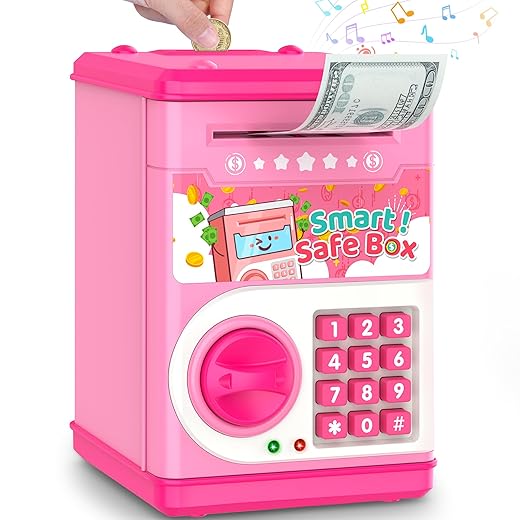
To further cultivate this independence, set achievable goals. For instance, if they want to save for a toy they like, guide them to create a plan. Discussing saving strategies can also enhance their financial literacy. Products like piggy banks or savings jars from Amazon can be a fun way for them to visualize their goals.
Incorporate real-world challenges into their daily routine. For example, ask them to select groceries during a family shop. This enhances decision-making skills while also teaching them to be responsible shoppers. Those moments can significantly enrich their social skills and bring a sense of achievement that remains with them throughout life.
Always remember that building independence is a gradual process. Celebrate small wins to boost their self-esteem and encourage them to keep pushing ahead. Making real-life experiences an integral part of their upbringing will set a solid foundation for their future.
Encouraging Participation in Problem Solving
Involve kids directly in solving tasks that arise in daily life. When an issue comes up, ask your child how they would approach it. This gives them a chance to express their thoughts and feelings, which is critical for their development. For instance, if the family is facing a budget issue, invite your child to work with you on a simple budget spreadsheet. This activity teaches them about finances and decision-making while keeping them engaged in the process.
Set goals together that need collective effort to achieve. Present ongoing projects or events, such as planning a family outing, and let your children have a say in the planning. By doing this, you teach them the importance of teamwork and the action required to reach a common objective. They should understand that every small effort can pour into achieving a goal without taking away from their responsibility. Keeping constant communication helps them feel valued in the process.
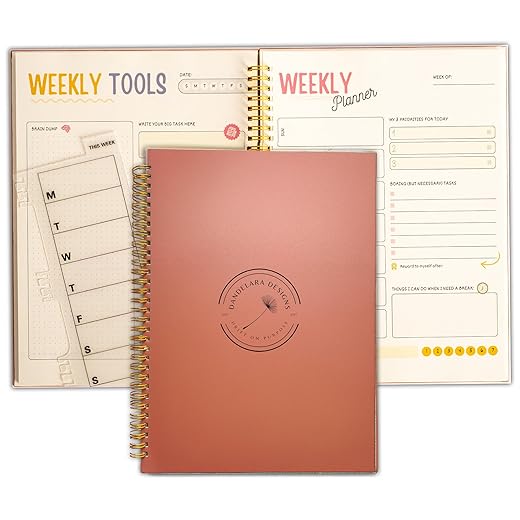
Working through daily dilemmas together, like organizing their chores or negotiating curfews, sets a foundation for lifelong problem-solving skills. This provides kids a chance to address issues rather than avoid them. Use products that promote organization and planning, such as chore charts or visual planners available on sites like Amazon. These tools encourage autonomy and give children a clear framework to work within.
Give them the chance to handle activities and problems alone, gradually stepping back as they grow more confident. Encouraging self-sufficiency fosters resilience and prepares them for life beyond family dynamics. This process not only builds their self-esteem but also empowers them to tackle future challenges with a proactive mindset.
Celebrating Small Achievements
Recognizing small accomplishments is vital. It means you’re encouraging your young ones to feel proud of themselves. For example, after your child learns to cook a simple meal, celebrate that moment. It shows them that every skill deserves recognition, no matter how small it may seem.
When kids tackle daily tasks, like making their bed or completing a homework assignment, it’s crucial for you to acknowledge it. This approach fosters positive feelings about responsibility and allows them to manage expectations. They won’t just see these tasks as chores; they’ll perceive them as skills that contribute to their independence.
However, if issues arise, it’s essential to discuss and find solutions together. This way, they learn how to fight through challenges and make better decisions in the future. Encourage them to choose how they want to celebrate–be it a fun family dinner or a small treat. This not only makes them feel recognized but also builds their confidence.
You can also incorporate tools from sites like Amazon, such as a kids’ cooking set or a personalized reward chart. These items can help them visualize their progress and feel accomplished as they check off their completed tasks. Each small step matters, and it’s your job to help them see that every bit of effort is worth celebrating.
Questions and answers:
What are some practical ways to encourage my child to become more self-reliant?
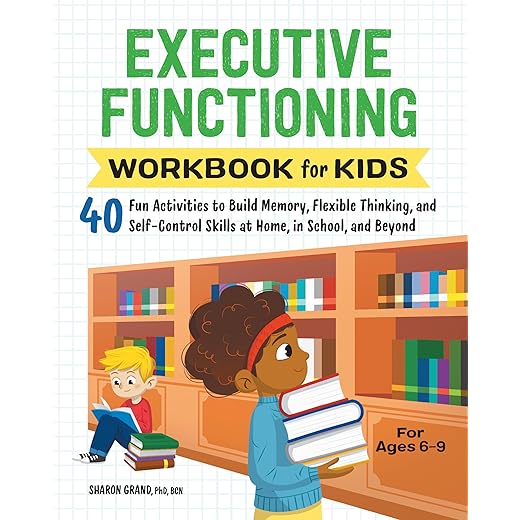
Start by giving your child age-appropriate tasks that they can manage independently. For instance, younger children can help with simple chores like setting the table or dressing themselves, while older children can take on responsibilities like managing their homework schedule or preparing simple meals. Gradually increase the complexity of these tasks as they gain confidence. It’s also important to step back and allow them to solve their own problems, offering guidance only when necessary. This builds their problem-solving skills and self-assurance.
How can I help my child build confidence in social situations?
Encourage your child to participate in group activities, like team sports, clubs, or community service. These environments provide opportunities for social interaction and teamwork, which can enhance confidence. Role-playing different social scenarios at home can also prepare them for real-life interactions. Praising their efforts and providing positive feedback during these experiences reinforces their social skills and helps them feel more comfortable in various settings.
At what age should I start teaching my child self-reliance?
Children can start developing self-reliance from a young age. Even toddlers can be taught basic skills like putting away toys or choosing their clothes. As they grow, gradually introduce more responsibilities appropriate for their age. The key is to ensure that the expectations match their developmental stage, gradually increasing them to promote independence without overwhelming them. This process can continue into their teenage years, adapting to their changing capabilities and needs.
What mistakes should I avoid while trying to raise independent children?
A common mistake is taking over tasks when children struggle. It’s crucial to allow them to face challenges and learn from their mistakes rather than stepping in immediately. This can stifle their independence and self-confidence. It’s also important to avoid being overly critical when they fail, as this can create a fear of trying new things. Instead, focus on encouragement and constructive feedback that promotes a growth mindset.
How can I balance encouraging independence without making my child feel abandoned?
Finding a balance involves providing support while allowing for independence. Make sure your child knows you are available to help, but encourage them to try things on their own first. Use open communication to reassure them that your role is to guide, not to do things for them. Celebrate their achievements, no matter how small, to reinforce their sense of accomplishment while letting them know you are proud of their efforts.


