


Childhood anxiety is more than just occasional worry—it’s a complex emotional state that can deeply affect a young person’s daily life, learning, and development. Understanding anxiety in children symptoms is the first critical step for any parent, educator, or caregiver seeking to provide effective support. From persistent fears and physical complaints to avoidance behaviors and sleep disturbances, these signs can be subtle and easily misunderstood. This guide aims to demystify childhood anxiety, offering clear insights into its common manifestations and practical strategies to foster resilience, open communication, and a sense of safety for the child.





When facing challenges at home or in schools, it’s crucial for parents to notice early signs that might indicate distress in their children. If your little one often struggles with stomachaches, trouble sleeping, or changes in behaviour, it’s time to take a step back and assess the situation. Many kids experience anxiety, especially during the hectic mornings or when tackling math assignments. Recognizing these symptoms can be the first step toward helping them feel more comfortable.
It’s important to remember that some children may be more susceptible to stress because of their unique needs. For instance, kids facing academic pressure might struggle more with daily tasks. They might not express their feelings directly, yet parents should remain vigilant and open to discussing any worries. Changing daily routines, even slightly, can greatly help ease their anxieties.
Several effective approaches can be implemented at home. Encourage your child to talk about their feelings and give them the comfort they need. It’s well documented that a supportive environment can significantly mitigate the effects of anxiety. Additionally, maintaining a consistent policy around homework and playtime can make a big difference. With the right support and understanding, you can help your child navigate their feelings and face the world with more confidence.
Identifying Symptoms of Anxiety in Children

It’s crucial to recognize the signs that may indicate a deeper issue with your little one. If your child expresses excessive worry, especially about school, social interactions, or daily activities, it might be time to take appropriate next steps. Watch for signals such as persistent irritability or recurrent tantrums over seemingly minor events.
In the morning, if getting ready for school becomes a struggle, this could be a signal that your child is experiencing significant stress. Observe if they are avoiding certain tasks or situations. Engaging in these behaviors often reflects a deeper concern and should not be overlooked. Some kids may also complain of stomachaches or headaches, which can be physical manifestations of emotional distress.
If you find that these symptoms persist or become more pronounced, consider reaching out to a health care provider. It’s important to prepare for the discussion with specific examples of behavior changes. They can help guide you towards effective solutions, which may include behavioral strategies, lifestyle changes, or even medications if necessary.
Monitoring interests is another way to gauge your child’s emotional state. A sudden lack of interest in activities they once enjoyed, or a deep withdrawal from peers, can signal a need for support. Establish a policy of open communication, making sure your child knows it’s okay to share their feelings without fear of judgment.
For additional resources, products like the “Calm Puzzle” or “Mindfulness Cards for Kids” available on Amazon can help kids engage with their feelings in a more positive way. Remember, the goal is to find effective methods that fit your child’s unique needs. The next steps you take could make a significant difference in their well-being.
Common Behavioral Signs to Watch For
Observe for signs of avoidance in your little ones, particularly in social settings. If they seem to refuse attending specific events or activities, like birthday parties or school functions, it may indicate deeper worries. Rather than dismissing these behaviors, take them seriously as they reflect a child’s internal struggles.
Excessive complaints about aches or pains can also hint at emotional distress. If your child frequently mentions feeling unwell, especially before school or social engagements, this may be a sign they’re grappling with something deeper. Keeping a log of these complaints can help identify patterns associated with their worries.
An interest in empathy can vary widely among kids. Some may show an enhanced understanding of others’ feelings, while others may withdraw and not engage. Noticing differences in how they interact in the classroom can provide insights into their emotional state. Those who find it difficult to face their peers or express themselves might be grappling with unspoken fears.
Recognizing early signs in behaviors is crucial. If a child’s fear escalates to the point where it interferes with daily activities, such as attending school, seeking professional advice may be necessary. In some cases, realizing the need for medications might be essential. Products like stress balls or calming sensory toys available on Amazon can also help manage their anxiety in the moment.
Encourage your child to talk about their worries. Creating a supportive environment fosters open conversations, enabling them to express their feelings. If your child has specific fears, gently guide discussions around these topics to help them confront and manage their emotions. Books that target emotional understanding or relaxation methods can be beneficial tools.
By focusing on these behaviors and fostering a healthy dialogue, you can assist your little ones in navigating their emotional landscape more effectively. Early recognition and intervention can significantly improve their quality of life.
Physical Symptoms That Indicate Anxiety
Spotting physical signs that may suggest your kid is feeling stressed can be crucial for providing support. Headaches, stomachaches, and fatigue are common indicators. If you’ve noticed your child complaining more than usual about such discomforts, it might be time to get ready to explore their emotional state. These symptoms often arise from stressful situations like homework deadlines or upcoming events.
When kids are younger, they sometimes express their fear through physical means instead of words. For instance, if your child suddenly avoids school or extracurricular activities, it’s likely a signal that something’s wrong. Checking in with them and encouraging clarity about their feelings can help. For older kids, physical manifestations can include muscle tension or difficulty sleeping, especially during significant life changes or exams.
Several effective therapies can address these concerns, including mindfulness exercises or simple breathing techniques. In some cases, talking to a healthcare provider about available options, such as medication or therapy, may be beneficial. Always look for what feels comfortable for your child, ensuring an environment where they can share their thoughts without judgment.
Consider products that might ease discomfort, like stress relief toys or calming sound machines available on Amazon. These items can be perfect for creating a serene space at home. Additionally, resources like guided relaxation apps provide handy tools right from your mobile device to aid in managing stressful moments.
Recognizing Anxiety in Different Age Groups
Understanding how different age groups are affected can help parents take the necessary steps to support their kids. With younger kids, symptoms often manifest as irritability or trouble sleeping. They might express discomfort through physical complaints like headaches or stomachaches. If your little one is reluctant to play with friends or shows reluctance to meet new people, it could be a sign that they need extra comfort.
- Look for changes in attendance at school or during activities.
- If mornings become chaotic due to feelings of dread about the day ahead, consider addressing this directly.
As kids grow older, the signs may evolve. Teenagers, for example, often face pressure to perform well in tests or meet expectations from peers and parents. Look for behaviors like withdrawing from activities they once enjoyed or expressing pessimism about the future. It’s important to foster open conversations about their interests and feelings.
- Encourage your teen to share what’s bothering them rather than bottling up emotions.
- Support their involvement in positive activities that can alleviate stress.
For both age groups, it’s vital to recognize potential red flags related to severe feelings. Any talk of suicide among young people should be taken seriously. Engaging in proactive treatments like counseling sessions or mindfulness practices can be crucial for emotional support.
To help manage stress, consider products available on Amazon, such as:
- Stress Relief Essential Oil Diffuser – for a calming environment.
- Relaxation Coloring Book – a creative outlet for teens and kids alike.
- Weighted Blanket – helpful for comfort during sleep.
Supporting your kids through these challenges requires patience and understanding. By meeting their needs and encouraging open communication, you create a safe space for them to express themselves and get the support they need to thrive.
Exploring the Causes of Anxiety Disorders in Children
The first step in addressing emotional struggles in young ones is to discuss the various factors that contribute to feelings of distress. It’s essential to think about the environment surrounding kids. For instance, schoolwork can be a significant stressor. If the academic demands are very high, children may feel overwhelmed. This stress can lead to a feeling of being unsafe or threatened, especially during those early mornings when they face the pressures of a new day.
Another crucial element to consider is the impact of close relationships. If they’re experiencing turmoil at home, or if friendships are rocky, it can result in emotional turmoil. According to recent studies, kids who have supportive relationships are better equipped to handle life’s challenges. Conversely, if they feel isolated, it may lead down a path toward disorders that could increase the risk of issues like thoughts of suicide.
Many youngsters first experience these troubling feelings during critical stages of development. For example, January often marks a new beginning for schoolwork, and as students are expected to perform at higher levels, those who struggle may feel the weight of failure. When they perceive school as a threat instead of an opportunity, this can exacerbate their emotional condition, creating a cycle that is difficult to break.
Parents should remain vigilant for signs of distress. They will benefit from seeking available resources like counseling or engaging with educational materials aimed at helping kids manage their feelings. Books on emotional health, such as “The Worry Workbook for Kids” available on Amazon, can provide practical strategies that may ease anxiety symptoms in a child-friendly format.
By understanding these factors, guardians can help children navigate their emotions more effectively, ensuring they cultivate a healthy mindset as they grow and face future challenges.
Impact of Family Dynamics on Child Anxiety
To create a supportive environment, take time each week to check in with your child. When they seem withdrawn, it may be helpful to ask specific questions rather than general ones. You might say, “What was the best part of your day?” This encourages them to express themselves and share their feelings. Listening actively can often turn their complaints into meaningful conversations about their daily experiences.
Being aware of how family interactions affect emotional well-being is essential. If you notice that conversations often take a negative turn, try countering this with positive reinforcement. Celebrate small improvements in their behavior. Let’s place importance on special moments, like family game nights or movie time, which can strengthen bonds and provide a sense of security.
Encourage your child to engage in sensory activities that promote relaxation. For instance, tactile experiences like playing with stress balls or assembling puzzles can easily turn a stressful day into a productive one. When tasks feel overwhelming, remind them that it’s okay to take breaks. This approach can help them cope more effectively with their daily challenges.
Also, consider involving a buddy system; pairing your child with a sibling or a friend for certain activities can ease feelings of isolation. You’re allowing them to share tasks and responsibilities, making difficult situations feel less daunting. This strategy not only fosters cooperation but also teaches them how to handle collaboration positively.
Lastly, remember that your emotional expressions significantly influence your child’s perceptions. You need to model resilience and a healthy way of dealing with stress. When they see you managing tasks calmly, even in tough times, they’ll learn to approach their own challenges differently, ultimately enhancing their overall mental well-being.
Role of Environmental Stressors
To support your little one, consider creating a calm environment. Simple tools such as noise machines or soft lighting can significantly ease tension during bedtime. For instance, a white noise machine, like the Yogasleep Dohm Classic, can help drown out distractions, making it easier for your child to fall asleep.
Environmental factors play a crucial role in a child’s emotional state. If your home is cluttered or chaotic, it can lead to feelings of overwhelm. Therefore, maintaining a tidy and organized space is essential. Engage your child in this process; it can be a great opportunity for bonding and teaching responsibility. You can find storage solutions, like the Sterilite Stackable Storage Boxes, on platforms like Amazon to help manage clutter effectively.
Social environments also matter. If you’re dealing with an anxious child, avoid exposing them to extreme situations that might provoke unnecessary stress. Encourage gradual exposure instead; think of it as a gentle introduction to various settings. For example, if your child finds new social situations daunting, consider small playdates before larger gatherings.
Sometimes, reassurance from parents is the best remedy. When your little one feels anxious, remind them that it’s normal to feel unsure in new situations. A good book, such as “The Little Engine That Could,” can help convey this message wonderfully. It illustrates the value of perseverance and positive thinking.
If the stress seems extreme, consulting healthcare providers for potential medications is a wise decision, but always consider it as a last resort. Many childhood emotional challenges can be addressed with simple lifestyle adjustments. Tools like mindfulness apps, such as Headspace for Kids, provide breathing exercises that are often helpful. These solutions can help manage racing thoughts and physical symptoms like nausea.
In conclusion, carefully evaluating environmental factors is vital in addressing emotional health. These strategies are not exhaustive but are certainly worth considering. Remember, small changes can lead to significant improvements in a child’s overall well-being.
Genetic Factors and Their Influence
Genetic factors play a significant role in how a young person feels and reacts to scary situations. For many, this can manifest as intense fears or even physical symptoms like nausea. It’s important for caregivers to recognize these tendencies early, as they can help understand the real needs of the child. Good communication is key; talking about their feelings can create clarity around what’s happening.
Research suggests that children with a family history of anxiety or depression may have a higher likelihood of experiencing similar issues themselves. Although genes are not the only determinant, they do work alongside environmental factors to shape reactions. For instance, if a parent has a tendency to worry, a child might adopt the same coping mechanisms, often feeling alone in their fears. They’ll need support to develop better skills to deal with stress.
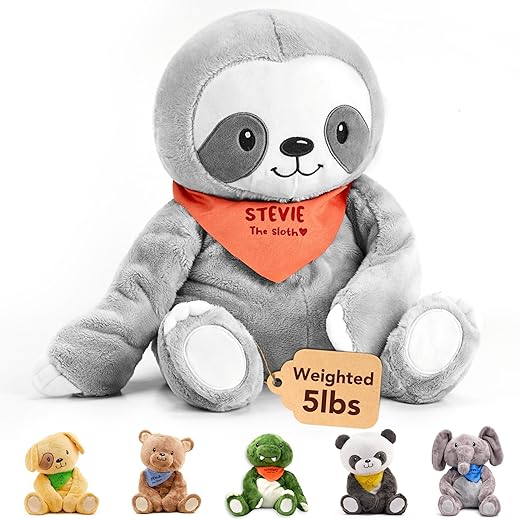
Calming products can be especially beneficial. For example, weighted blankets or comfort items such as stuffed animals can help create a soothing environment. Here are a few products available on Amazon that parents might consider:
It’s also helpful to teach kids skills that can interfere with negative thoughts. Techniques like deep breathing or visualization can be real game-changers. Although these strategies may take practice, they can lead to a notable change in how your child approaches their fears. Emphasize resilience and remind them that it’s okay to ask for help when things feel overwhelming.
Questions and answers:
What are the common symptoms of anxiety in children?
Anxiety in children can manifest in various ways. Common symptoms include excessive worry about different aspects of life, such as school performance or social interactions. They may also experience physical signs like stomachaches or headaches, changes in appetite, and sleep disturbances. Behavioral changes may be noticeable, such as becoming more withdrawn, avoiding social situations, or having outbursts of anger or frustration. It’s important for parents to observe these behaviors, as they often indicate that a child is struggling with anxiety.
What causes anxiety in children?
Anxiety in children can arise from multiple factors. Genetics play a role, as children with a family history of anxiety disorders may be more prone to developing similar issues. Environmental factors, such as experiencing trauma or chronic stress, can also contribute. Additionally, parenting styles and the general atmosphere in the household can influence a child’s emotional well-being. For instance, overly critical or anxious parents may inadvertently pass on anxiety to their children through learned behaviors.

How can parents help their anxious child?
Parents can play a significant role in helping their anxious children by creating a supportive environment. Encouraging open discussions about feelings and emotions is a key strategy. Parents can teach relaxation techniques, such as deep breathing or mindfulness, to help children manage anxiety when it arises. Seeking professional help, such as therapy, can also be beneficial. Consistent routines and predictable structures can provide a sense of security, which might alleviate some anxiety symptoms. Engaging in positive activities together can strengthen the bond and make children feel more secure.
Are there any effective coping strategies for children with anxiety?
Yes, there are various coping strategies that can be effective for children experiencing anxiety. One approach is to use cognitive-behavioral techniques, which can help children identify and challenge anxious thoughts. Encouraging physical activity can also relieve anxiety by promoting the release of endorphins. Creative outlets like drawing, writing, or playing music can help manage emotions. Additionally, teaching problem-solving skills can empower children to address their worries more effectively, instilling confidence and resilience.
When should a parent seek professional help for their child’s anxiety?
Parents should consider seeking professional help if their child’s anxiety symptoms persist, worsen, or begin to interfere with daily life. This includes impacting school performance, social relationships, or overall well-being. If a child expresses fears that seem overwhelming or experiences panic attacks, it is advisable to consult a mental health professional. Early intervention can lead to more positive outcomes, helping the child develop coping strategies and regain a sense of normalcy in their life.
What are the common symptoms of anxiety in children?
Children may exhibit a variety of symptoms when they are experiencing anxiety. These can include excessive worry about various aspects of life, such as school performance or social interactions. Physical signs may manifest as stomachaches, headaches, or other unexplained pains. Emotional symptoms can include irritability, restlessness, or crying. Some children may also avoid situations that make them feel anxious, like going to school or participating in social events. It’s important for parents to observe these behaviors and understand that they are not just normal childhood fears but may indicate a deeper issue that needs attention.
What strategies can parents use to help their anxious child?
Parents can take several approaches to support their anxious child. Firstly, creating a safe and open environment for children to express their feelings is crucial. Encouraging dialogue about their worries can help them feel understood. Practicing relaxation techniques, such as deep breathing or mindfulness exercises, can also be beneficial in managing anxiety symptoms. Establishing a consistent daily routine may provide a sense of stability and predictability, which can reduce anxiety. It’s also valuable to seek professional help if anxiety significantly interferes with the child’s daily life, as therapists can provide guidance tailored to specific situations. Engaging with school staff to develop strategies that support the child in a school setting can also make a difference.


Other Articles


18 Comments
Comments are closed.


Must have tool for all parents. I have a 7 year old daughter with anxiety and sensory processing issues. We’ve been using this book for less than a week now and it started helping her immediately. She loves this book and can’t wait to read it and go thru all the workbook type activities in it. It’s a must have for all parents. All kids have anxiety, but it can be hard to recognize it in kids. This will get your kids to start talking openly about their fears and they will appreciate you for helping them.
Parent/Educator Review. I have worked with children for years that experience or display anxiety. I am mostly working on helping them identify coping tools and in play therapy. Until my own child was displaying anxiety around the tween years…then everything changed. I purchased this book as a recommendation from another school counselor. I was shocked at how quickly my child took to this book. The first night he asked to keep reading it and the second night told me they looked forward to reading the “anxiety help book” all day. It was as if they were relieved that we could openly talk about it and identify what it was. I had, for years been trying to talk about emotions and self regulation tools but I was being shut down by them immediately. Maybe its the way the book is presented with interactive activities and relatable scenarios? There are activities which engage kids in understanding their anxiety and helping or deal with those strong emotions. This was a huge help and good bonding experience for us. I look forward to sharing this amazing resource with other professionals and parents of 8-13 year old children.
The best). If you’re looking for the perfect plush toy for your child, Stevie The Sloth is an amazing choice! My kid absolutely loves this adorable sloth. Its soft, cozy fabric and 5lb weighted filling create a gentle hugging effect, helping kids feel safe and relaxed.This plush buddy has become an everyday essential:🧸 A cozy companion for bedtime – helps kids unwind and fall asleep faster.📖 A comfy pillow for reading – perfect for snuggling up with a book.🎒 The best travel buddy – easy to take on the go for extra comfort.This isn’t just a stuffed animal—it’s a source of calm and comfort. Sometimes, all a child needs for happiness is a warm hug from their favorite plush friend!
Perfect for Relaxation and Focus. These stress balls are a simple but effective tool for relieving tension and keeping my hands busy during the day. They have just the right amount of firmness — soft enough to squeeze comfortably but firm enough to provide resistance that actually helps with stress relief.I use them while working at my desk, during meetings, or even while watching TV. They’re also great for improving hand strength and flexibility. The material feels durable and doesn’t lose its shape even after a lot of use.Overall, they’re a fun, affordable way to manage stress, stay focused, and even get a little hand exercise. Definitely a great buy!
The Cutest Book for Your Anxious Little Ones. I got this book after a particularly difficult morning with my son. He’s always been anxious, since he was a toddler — now 8 yo. I looked through it before showing him and was so pleasantly surprised.There are activities that allow them (and you) to visualize their feelings in a way that, otherwise would be difficult or impossible to explain for kids & even some adults.They provide exercises for particular situations and a lot of visuals to aid in comprehension of something thats intangible.My son skimmed through the book and I could see his mind working, when I asked him what he thought he said it looked fun and that he hasn’t heard of some of the things he came across.If you’re on the fence, it won’t hurt to get it and have it as a tool if or when you need it. This is a great guide for us as parents and our little anxious babes to help them cope. I have dealt with anxiety my whole life and I really think something like this would have been SO beneficial — if only for someone to show they acknowledged my struggles and wanted to help. The reassurance alone will mean a lot to your child.
A Wonderful Aromatherapy Experience. I recently purchased the ASAKUKI Essential Oils Set, and I couldn’t be happier with my decision! This set includes a fantastic variety of essential oils that cater to different moods and needs. Each bottle is filled with high-quality oil that has a rich aroma, perfect for diffusing or using in DIY projects.The packaging is both elegant and practical, making it a great gift option. I particularly love the lavender and eucalyptus oils; they create a calming atmosphere in my home. The scents are long-lasting, and a little goes a long way!I also appreciate the dropper design, which allows for easy dispensing without making a mess. Overall, this essential oils set has enhanced my relaxation routine and added a lovely touch to my living space. Highly recommend it to anyone looking to explore the world of essential oils!
The scents is amazing 👏. The package is cute . The product is amazing. I will definitely try it again.
Love My Dexter Plush Toy. I love my weighted stuff toy, Dexter! He’s very cute! The plush is lush, the weight is great! I appreciate that the extremities are also weighted! He’s the perfect size too!SUGGESTION: make a version of this toy that offers a heartbeat and/or the sound of a sleeping, snoring dog, that would be awesome! 👍
A firm cube of coping. Are you a student or employed? Are a human who sometimes gets bored or frustrated, or someone who benefits from a fidget? Do you like to have something in your hand while you’re thinking or talking? This sensory squeeze cube is wonderful! The translucent clear blue color is entrancing and soothing, and the solidity of this particular squish is very satisfying! (For an even bigger, firmer squish, try their NeeDoh IceBerg.) My Nice Cube has had a place of honor on my desk, within easy reach, and has been in daily use for several months; It looks and feels like new! It hasn’t leaked or developed any cracks, breaks, or punctures; like Mary Poppins, it’s practically perfect in every way.
Great sound machine. Great sound machine! I have purchased 3 for the kids. The first 2 for the older kids have lasted well over a year with no issues. Just purchased another for the youngest transitioning to her own bedroom, same quality as the first 2. Variety of sounds, easy to use timer, sound adjustable from very soft to super loud and the light is optional but not too bright. Have and would purchase again!
Attractive and useful. Good quality. Good weight. I have them in my therapy office and clients appreciate them. Help soothe stress and anxiousness. Easy to wipe off between clients
Highly recommend sleep has never been better. Impressed highly recommend! My sleep has never been better! I love that it remembers the volume and the sound I last picked. Highly recommend. Runs on electric which is great vs batteries. Timer goes for max of 4 hours but when I wake up for my usual bathroom run I’ll turn it back on buttons are easy to feel and find in the dark. It can also run consistently which I may try as well. You have to find the right sound for you. LOL the first night the white noise one actually kept waking me up vs the industrial fan noise. Only thing I don’t like is the small LED light when it’s on as it lights up my room and I like it super dark, but I guess I could put electrical tape over it.
Perfect Desk Companion for Fidgety Hands. I absolutely love the Schylling NeeDoh Nice Cube. I tend to get fidgety while working or waiting for something to finish loading on my computer, and this cube has become the perfect little stress reliever in between typing sessions.I am a grown man and I love it lol.The texture and resistance feel amazing — firm enough to give satisfying feedback but soft enough to squeeze comfortably for long periods. It’s surprisingly durable too; after a few weeks of constant use, it still looks and feels brand new.What I Liked:Great texture — solid yet squishy and relaxingPerfect for focus or fidgeting at a deskFeels high-quality and durableWhat Could Be Better:Honestly, nothing major — it’s a simple product done rightIt has never cracked but I dont go to extreme with it. It gets fuzz on it but Im sure you can run it under water to get it off it seams easily cleanable. I would watch out if you have a dog that likes to chew things as they might REALLY enjoy this lolIf you’re the type who likes to keep your hands busy while thinking or working, the NeeDoh Nice Cube is fantastic. It’s simple, fun, and surprisingly satisfying.
A real comfort. Adorable, well-made, soft and the perfectly weighted for cuddling. This plush friend helped a little six year old struggling to sleep in her own room to feel comfortable and safe. I’m so happy with this purchase!
Great for Arthritis Relief — My Grandma’s Favorite Squish Cube. My grandma has arthritis, and this NeeDoh Nice Cube has been amazing for her hands. She’s used it for over two years to help with stiffness and pain, and it’s become one of her favorite tools for relief. The texture and resistance are just right — soft but solid enough to give her fingers a gentle workout. I recently got her a replacement after the bottom wore down from so much use. That just shows how much she loved it! Overall, it’s a great product for anyone needing a soothing, squishy stress reliever.
Peaceful Sleep. A friend used a sound machine while a group of us were on vacay together which prompted me to want one since I don’t sleep well in a completely quiet room. I found this one on Amazon & chose it for the easy touch buttons on top, the night light, size, cost, great for travel & the variety of sounds. I was excited when it arrived and have been using it ever since. The sounds are wonderfully peaceful. I like it so much that I’m ordering 4 more for gifts.
Pleasantly surprised- nice quality. Excellent quality and like the motivational saying on each stress ball. Would order again
Amazing Essential Oil Blends for Relaxation and Daily Wellness. The media could not be loaded. I’m really impressed with the ASAKUKI essential oil blends. Each scent is unique, clean, and long-lasting without feeling too strong. The “Calm Mind,” “Sweet Dreams,” and “Relaxing” blends are perfect for creating a peaceful atmosphere at night, while the “Happy” and “Immunity” blends make the room feel fresh and uplifting during the day. They work great in both my diffuser and humidifier, and the aroma spreads quickly throughout the room. This kit is a wonderful choice for aromatherapy, relaxation, and making the home smell amazing. Excellent quality for the price.