


For caring parents, there is no more vital task than building a deep, secure, and trusting bond with their child. The foundation of this bond is attachment style—a powerful, invisible blueprint that shapes how a child connects with their caregivers, manages emotions, and builds relationships for life. Understanding and supporting different attachment styles in children is not just a theoretical concept from psychology textbooks; it is a practical, essential skill for any parent seeking to nurture their child’s emotional well-being.

Engaging with your little one on an emotional level is fundamental. A study highlights that forming secure bonds promotes healthier psychological development from birth. When caregivers exhibit consistent responsiveness, children feel safe and attached, leading to an overall positive dynamic in their emotional and social lives.

Being aware of different attachment forms can significantly influence your approach. For instance, children may display avoidant behavior, where they seem indifferent to their caregivers’ presence. This often provokes sadness and frustration in adults who aim to nurture these young minds. By conducting interviews with caregivers who have experienced similar challenges, it becomes evident that fostering empathy and understanding is crucial for a child’s emotional health.
It’s important to notice how children express their feelings, even when these forms of expression are externalising or internalising. When faced with traumatic situations, they may withdraw or act out. Acknowledge these signs, as they serve as a roadmap to gain insight into their inner world. While it’s okay to feel overwhelmed, remember that creating a safe room – both physically and emotionally – can help them articulate their experiences, driving them toward a healthier emotional landscape.
Understanding Attachment Styles in Children
Almost every child displays distinct relational patterns that can greatly influence their emotional health. Identifying these patterns can provide clarity in how to nurture their development. For instance, a child with a secure bond often shows strong empathy, which promotes healthy relationships throughout life.
In a setting where a child feels challenged, the presence of supportive caregivers can significantly increase their emotional resilience. Caregivers should regularly review their interactions with the child, noting how these moments reflect the child’s behavior. For example, a child with ADHD may require more structured placements to thrive better.
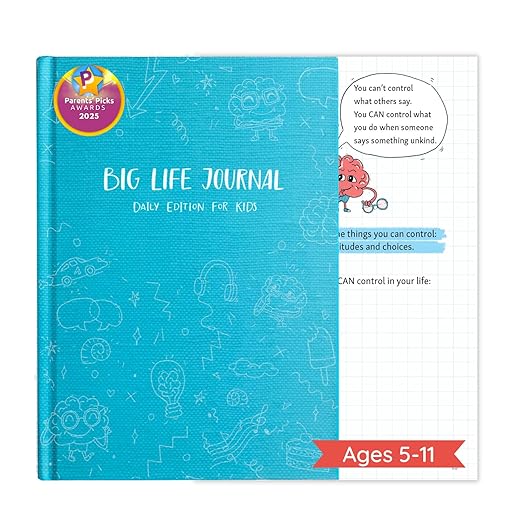
To assist in this journey, look for tools that can enhance understanding. Products like guided journals or emotion cards can be excellent resources. Search for “emotion cards for kids” on Amazon, and you’ll find various options that help children express feelings well. Consider items like the Emotion Cards for Kids or the Guided Journals for Children that can help improve emotional awareness.
A path to healthier emotional development may also involve experiences that cultivate a sense of amae, which is a feeling of dependence and trust. These can be simple interactions like storytelling or playtime. Activities such as reading “Mary Had a Little Lamb” can inspire connection while boosting well-being.
Finally, maintaining a consistent presence helps prevent feelings of loneliness. Secure attachments can vary through the years as children grow, but their need for understanding remains constant. Parents must stay vigilant, recognizing when their child might feel alone or unsupported. Through this attentiveness, a child’s journey can be enriched, steering them towards healthier relationships and increased emotional stability.
What Are the Different Attachment Styles?

Understanding the various styles of emotional bonds that develop between kids and their caregivers is essential. The most recognized types include secure, anxious, avoidant, and disorganized attachment. Securely attached children tend to feel safe and supported, exhibiting confidence while exploring their environment. This period of security is crucial for healthy development.
In contrast, anxious attachment refers to children who often worry about their caregivers’ availability. These kids may display overt signs of distress when separated from their mothers. Solomon and Ainsworth’s research highlights how these early interactions set the foundation for future relationships.
Avoidant attachment is characterized by a child who prefers to stay private, often seeming indifferent to a caregiver’s departure or return. It’s thought that these kids have learned to suppress their affective needs, believing nobody will respond to their cries. Reducing this distance requires caregivers to become more observant of their child’s emotional cues.
Disorganized attachment involves a mix of behaviors, showing confusion or fear towards the caregiver. This style often emerges in environments where there are conflicting messages. By collaborating with professionals and understanding key factors in these dynamics, caregivers can adjust their responses, fostering healthier bonds.
Additionally, products such as Parenting Science provide excellent insights on how to nurture secure attachments. Books like Healing the Child Within also offer strategies for addressing disorganized attachment, ensuring that every child receives the supportive environment they deserve.
How Attachment Styles Develop in Early Childhood
To foster healthy emotional bonds, it’s crucial to prioritize safety in your child’s environment from infancy. When a child feels secure, they are more likely to form stable relationships. On the contrary, maltreated children often show disorganized attachment, leading to difficult social interactions. Providing consistent affection and responsiveness can mitigate this situation.
Research highlights that the infant-mother connection plays a pivotal role in shaping a child’s mind. If caregiving is nurturing and reliable, children develop a sense of friendliness. However, when taken in isolation or treated unpredictably, they may adopt self-protective behaviors that hinder their social development. For instance, those demonstrating symptoms of disorganized attachment might cluster behaviors reminiscent of PTSD syndrome, resulting in confusion when relating to others.
Monographs on attachment theory indicate that early interactions can better prepare your child for future relationships. For example, if your baby received loving care in Sapporo, they’re likely to exhibit greater openness toward others. On platforms like Amazon, you can find various parenting books that delve deep into these aspects, such as “The Heart of Parenting” or “Safe Attachment Techniques,” which can further enrich your understanding.
Different things in a child’s environment, like stable routines and consistent caregivers, are essential. These elements not only enhance the emotional connection, but also encourage your child to express their feelings freely. Thus, even in challenging situations, fostering an atmosphere of security will always lead to healthier attachment outcomes.
The Impact of Caregiver Behaviors on Attachment
Assessing caregiver interactions is vital. These behaviors directly influence a child’s emotional development. Professionals have examined how sensitive responses to a child’s needs, such as hunger or comfort, can strengthen emotional bonds. For example, regularly checking in on a sleeping child and offering soothing words can reinforce trust. In contrast, an insensitive reaction, like a rebuff when a child seeks comfort, may disrupt this process.
Children exhibiting preoccupied or externalising behaviors often have unmet needs reflected in their interactions. An insensitive caregiver might miss the mark, leading to more disruptive behaviors in the child. For instance, a child who feels ignored may act out, which can be misinterpreted as challenging behavior rather than a call for help. Understanding these connections can aid caregivers in responding appropriately.
Various factors contribute to a child’s attachment subtype. For instance, those with caregivers who display abusive tendencies may develop insecure bonds, impacting their future relationships. It’s essential for caregivers to engage in self-reflection and ask questions about their approach. Are they being overly critical? Are they okay with giving affection? Such inquiries can help them adapt better, fostering a healthier environment.
To enhance positive attachment, caregivers might consider products like sensory toys from Amazon, which encourage interaction and support emotional regulation. Items designed for bonding activities can significantly benefit both caregiver and child. Overall, recognizing the nuances in caregiver behavior leads to a broader understanding of how to nurture secure attachments.
Identifying Your Child’s Attachment Style
Focus on observing your child’s behaviors during specific settings. Take note of how they react to separations and reunions with their mothers. An intense desire for closeness or independence can signal different attachment patterns. For instance, a child who becomes extremely distressed at the idea of separation may indicate an insecure attachment style.
Pay attention to their communication style. In Cleveland, many professionals suggest that children often express their attachment through verbal and non-verbal communications. If a child consistently seeks reassurance, it may be a sign of anxious attachment. Conversely, if they show little concern for proximity, they might exhibit avoidant characteristics.
Periods of distress can be painful, but they also provide insight. For example, a child might need time to adjust after a change, like being adopted or transitioning to a new school. This adjustment can reflect underlying attachment processes. An effective placement is to create a safe environment where these feelings can be openly discussed in English.
Here is a table summarizing common attachment models based on various behaviors observed:
| Attachment Style | Behavioral Characteristics | Suggested Support Strategies |
|---|---|---|
| Secure | Comfortable with closeness and independence | Encourage and affirm their feelings |
| Insecure-Anxious | Clingy, seeks constant reassurance | Provide consistent support and presence |
| Insecure-Avoidant | Avoids closeness, appears indifferent | Gently encourage emotional expression |
Understanding these styles can greatly improve functioning within the family. As you observe these behaviors, modify your approach to nurture your child’s emotional health. Feel free to explore related products on Amazon, such as therapy books or games designed to enhance communication between parents and kids.
Fostering a clear understanding and awareness of your child’s attachment style will gain deeper connections and provide a healthier emotional environment in which they can thrive.
Signs of Secure Attachment in Children
A child demonstrating secure attachment typically shows comfort in exploring their environment while being attentive to their caregiver. This balance consists of a healthy blend of independence and a sense of security, allowing the child to venture out and discover new things. For example, during play, a secure child may glance back at their parent for reassurance, indicating a level of trust and readiness to return if needed.

When a caregiver leaves the room, a secure child may express some mild distress, but is likely to calm down quickly upon their return. Parents can observe how their little one responds to this temporary separation. If the child seems relieved and quickly goes back to play, it suggests a secure attachment. Conversely, excessive clinginess and difficulty calming down could indicate insecurities. Understanding these reactions is crucial for caregivers in nurturing their child’s emotional balance.
Siblings can also play a significant role in a child’s attachment development. Children with secure bonds often demonstrate empathy and cooperation during interactions with their brothers or sisters. A supportive home environment, where parents are attentive to their child’s needs and aware of prior experiences, fosters these positive sibling dynamics. Psychologist Mary Ainsworth emphasized in her studies that patterns of connection deeply influence emotional growth.
Self-soothing techniques are often more refined among securely attached children, as they have learned to manage their emotions effectively. Consistent routines and positive reinforcement from caregivers can enhance these skills. Taking a minute to acknowledge feelings, validate experiences, and reinforce a child’s autonomy can lead to lasting benefits. Techniques that promote emotional intelligence will cost less in terms of future behavioral issues in the long run.
To further support this growth, parents can utilize resources available online, such as books and activities found on platforms like Amazon. For instance, “The Whole-Brain Child” by Daniel J. Siegel offers insights into nurturing emotional awareness. Such references are invaluable in understanding the underlying principles of secure bond development and applying practical steps in everyday interactions.
Recognizing Anxious Attachment Behaviors
Pay attention to a child’s reluctance to separate from caregivers, as this can indicate anxious tendencies. Many times, mothers will notice their child clinging or becoming upset during transitions. These behaviors often stem from a history of feeling uncertain about their caregiver’s availability during distressing circumstances.
Furthermore, children exhibiting anxious behaviors may require repeated reassurance. For instance, they might ask their parent to stay in the room longer at bedtime, demonstrating a lesser sense of security in a structured environment. It’s vital to establish a consistent routine to help them feel safer. Consider spending five extra minutes during winding down times to talk or read stories, thereby reinforcing their sense of safety.

When encountering anxious behaviors, look for signs of disorganization. Some kids may experience chaos in their emotional world, leading to three common reactions: crying, lying about their feelings, or showing aggression towards peers. Teaching them coping strategies can help immensely. Include simple breathing exercises, which you can practice together.
- Purchase calming products, such as night lights or sensory toys on Amazon, that promote relaxation.
- Books like “The Kissing Hand” by Audrey Penn can also help in establishing a sense of belonging.
- Structured schedules are essential; consider a visual calendar so they can anticipate changes.
Children like Joseph, maltreated or raised in unsupportive institutions, may demonstrate greater anxious traits. You might observe them turning to excessive friendliness or becoming overly attached to specific adults. Be patient and address these behaviors by reinforcing their connections in healthy ways. Through this process, they’ll learn to trust others gradually, reducing anxiety over time.
Remember, consistency in your responses is key. Whenever responses to their anxiety are structured and caring, it contributes positively to their emotional development and reduces the risk of long-term issues related to anxious attachment.
Indicators of Avoidant Attachment Patterns
New research highlights specific signs of avoidant attachment in kids, helping caregivers identify the needs of their loved ones. One primary indicator is a noticeable difficulty in expressing emotions. Children who tend to be aloof often struggle to openly share feelings, making it tricky for parents to gauge their emotional state. If a child frequently avoids eye contact or withdraws during moments of affection, this could signal an avoidant pattern.
Another key sign is the inclination to spend more time alone. Such children may express a preference for solitary activities over engaging with peers or family. This behavior often marks a period when they feel unsafe or uncared for, leading to practices that prioritize independence over connection. It’s essential for caregivers to understand that this inclination is not merely a phase but can be rooted in earlier experiences of neglect or inconsistency.
Local studies demonstrate a marked likelihood that kids with avoidant attachment are also less enthusiastic about exploring new environments, both socially and physically. A child who clings to familiar settings may avoid interactions, which can result in a reduced capacity for forming secure relationships. Experts recommend a coded approach when dealing with communication–gently prompting children to express their needs without forcing interaction, thus allowing gradual improvement.
Instances of children displaying overly compliant behaviors can also be noteworthy. This indicates an exaggerated attempt to avoid conflict or rejection. They might agree to things without showing genuine interest, reflecting a desire to keep their caregivers pleased rather than genuinely engaged. Coaches, educators, or local practitioners often advocate for the inclusion of imaginative play, which can help bridge the gap between emotional expression and connection.
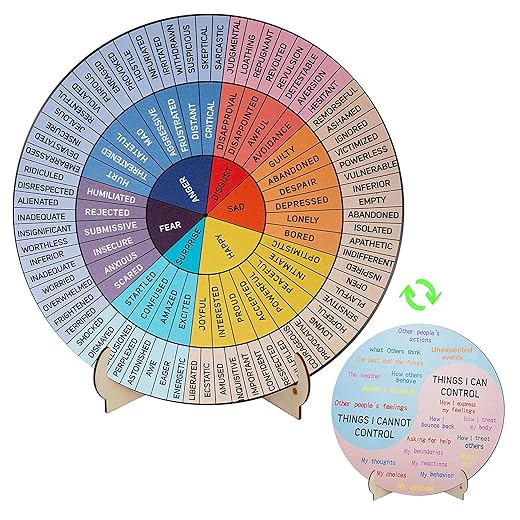
Behrens, a notable child psychologist, suggests the implementation of structured routines and positive reinforcement as a guideline to build trust and foster connections in these cases. Creating a safe environment where feelings are acknowledged can significantly enhance a child’s emotional well-being. For example, consider items like the “Feelings Wheel” or “Social Skills Board Game” available on Amazon to encourage open communication during playtime.
In considering biological factors, the child’s temperament may also play a significant role in these patterns. Coded behaviors often reflect innate responses that, if understood correctly, can lead to tailored strategies for enhancing relational dynamics. Investing time and effort into understanding these avoidant patterns may not only foster security in children but also promote healthier relationships as they grow. With an estimated billion children worldwide, recognizing these indicators offers a powerful opportunity for improvement in developing strong emotional foundations during childhood.
Questions and answers:
What are the main attachment styles children can develop, and how can I recognize them?
There are four primary attachment styles that children typically develop: secure, anxious, avoidant, and disorganized. A child with a secure attachment usually feels comfortable exploring their environment and seeks comfort from their caregiver when needed. Signs of an anxious attachment include clinginess and excessive worry about being abandoned. Avoidant children may seem independent and prefer not to rely on others, often avoiding emotional closeness. A disorganized attachment often shows mixed behaviors and confusion about relationships, indicating a lack of clear attachment strategies. Observing your child’s behaviors in different situations can help you identify their attachment style.
How can parents support their child’s attachment development effectively?
Supporting a child’s attachment involves creating a safe and nurturing environment. Parents can achieve this by consistently responding to their child’s needs, both emotional and physical. It’s beneficial to engage in regular communication, encouraging the child to express their feelings. Additionally, spending quality time together and showing affection reinforces their sense of security. Understanding your child’s specific attachment style can guide your approach, tailoring your responses to meet their unique needs and helping them develop healthier relationships.
What are the long-term implications of a child’s attachment style on their adult relationships?
The attachment style formed in childhood can significantly influence an individual’s adult relationships. Securely attached individuals tend to have healthier, more fulfilling relationships with better communication skills. In contrast, those with anxious attachment may struggle with trust and fear of abandonment, while those with avoidant attachment might find it difficult to form close connections. Disorganized attachment can lead to instability in relationships and difficulty in managing emotions. Understanding these patterns can help individuals work through attachment issues in adulthood and strive for healthier connections.
Can a child’s attachment style change over time, and if so, how can parents facilitate this change?
Yes, a child’s attachment style can change, especially as they grow and develop new relationships. Positive experiences, such as stable caregiving and supportive environments, can foster a shift toward a more secure attachment. Parents can facilitate this change by providing consistent love and support, validating their child’s emotions, and helping them build trust in others. Engaging in open conversations about feelings and encouraging healthy interactions with peers can also contribute to developing more adaptive attachment behaviors.

Other Articles


15 Comments
Comments are closed.


Democracy–not anarchy–in child rearing. Be loving but firm.Parents talk too much. Replace talk with action.The freedom to wave one’s hand stops a few inches from where another’s nose begins.Those are some of the lessons I had learned in the 70s when rearing my children to be civilized, considerate and compassionate. The world came to their doors, breaking the boundaries which my protective arms wanted to hold fast. I learned from Deirkurs to let that world enter my children’s world naturally, without my changing its rules. I learned from Dreikurs that daily life could be a lot simpler and manageable if we, parents, did not complicate it with over-doing and over-talking.Therefore, if you do not eat at mealtime, I will not put more food in front of you an hour or two later.If you bicker with your siblings to get my attention, I will remove myself from the situation so you can solve your problems on your own.But if you are a bully, the world will not permit you to join it ranks. You will be banned from civilized activities.I only say something once. The next time, without words (not even repeat for emphasis), I will act. (i.e., drive away without you if you are not ready, remove you from the room, take away your plate of food, put away the toy you’re breaking, will not take you along on the next family trip.)If you make noise in public places, you encroach on rights of others around you. If you kick the seat of the passenger sitting in front of you, you encroach on the physical space and body of another. I will only tell you once, but if you continue, I will ask the recipient of your inconsiderate behavior to tell you to stop. It’s between you and that stranger, and you’d better learn that your mom will not stand up for your right to be obnoxious.I would have hated it if my husband pointed to another woman and said, “Why can’t your hair look like hers?” Yet we set up siblings against one another with daily comparisons that inevitably create competition. Avoiding such minute comparisons was the #1 rule I instructed a babysitter. None was ever allowed to tell a child to wash her hands as her sister has done, or to keep his room neat has his brother’s.Dreikurs offers many practical lessons to apply to individual children and to dealing with them as a pack, all stem from his basic theory of democracy, not anarchy, recognizing others’ rights and treat them all with dignity. That includes ourselves, parents, who must be taken seriously and be listened to and treated with respect.Thirty years later, I must say that Dreikurs’ approach is still a great success. It had been extremely successful in my family.Talia Carner, author,Puppet Child and China Doll
Be prepared to take a good hard look at yourself and examine your motives for certain parenting actions. Great book. I’ve read way too many child rearing, parenting books, and Dreikurs turns out to be right about a lot of the topics he covers. I initially got huffy about some of his “hands off” approaches, but then I had to face the fact that my babies are growing up, and I am not doing them any favors by hovering around them and trying to protect them from everything, all the time. That really wasn’t about loving them, it was about making myself feel better by making myself indispensable. I won’t be around forever, and for better or for worse, my kids will have to grow up and cope with their own lives. We are all more relaxed, and happier since I’ve read this book. I can’t believe how well my kids have been able to handle normal adverse events in their daily lives.Bottom line: keeping your kids helpless and dependent (below their appropriate functioning level for their age and stage) is not loving, it’s unhealthy.He also does a great job of discussing birth order and roles in families. It’s frightening, how easy it is to label kids at an early age, and how much of a negative impact this has on them. It’s really hard to step back and let them become who they really are without projecting, promoting, protecting, professing, etc..etc..all “for their own good.” I realized that my primary job was to keep the kids safe, fed, and loved, and then stay out of their way. I spend more time now just enjoying the people they are, rather than trying to “shape” them. We have boundaries, we have rules. I don’t mean to imply that I have adopted a state of anarchy in the home. I’m still the mom. However, I don’t micromanage them so much anymore, and I am pleasantly surprised at how well they are capable of functioning on their own.Example: My son had to get glasses when he started kindergarten. I thought I was going to have to remind (nag, beg, plead, threaten) him to wear his glasses. He wore them off and on for a couple of days, and I strained not to hassle him about them. He wore them in the car a couple of times and remarked how much better he could see things (like construction machines), and how he felt less queasy. He wore them to watch cartoons. After two weeks he wears them all the time, he cleans them carefully, he sets them on his night table when he goes to bed so he can put them on first thing in the morning. I couldn’t believe it.I plan to read his book on marriage next.
Much more than what I expected. Eye-opening, relationship saving. My psychiatrist pretty much made me order this book even though in my mind I was dead set against, thinking it was going to be a waste of time, perfectly convinced I knew everything about myself and whatever kind of “attached” I was.Whoa.Was I wrong.And I hate to be wrong. Thanks, Dr. D.General Information: This book is an easy read. It’s not that stuff you need to be a rocket-scientist to figure out – in layman terms it briefs you on the broader different styles of attachment: secure, anxious and avoidant. The book helps you determine what kind of attachment styles you have via reading examples of others attachment styles and there are also some quizzes if you’re still not sure, all of which I found useful. I really liked that the authors presented examples of scenarios of attachment styles and encouraged the reader to read through the scenarios and guess the kind of attachment styles that were presented based on the knowledge we had already been given in the earlier part of the book. I find that a helpful way to learn.Given that I was not into reading this in the first place – the fact that it was light reading, interesting and at times fun – made me very attuned to what this book had to say. I agree it wasn’t super in-depth but I don’t fault this book for that because if it was super in depth I would have not even read it. My psychiatrist knows what the heck she is talking about and she choose this book for a reason – so I have zero complaints. I think she was even impressed with how much I was able to take away after reading it in one day.Personal Information:This book taught me a lot about myself. With women, I have anxious attachments – stemming from an unpredictable childhood. I pretty much tend to gravitate toward any one who acts maternal with me and cling to her. This isn’t necessarily about romantic attachment for me, it spelled out a lot of patterns with all the people I have in my life: from friends, family members, partners and even my doctors.I had started to notice that I was feeling unsettled in my relationship with my fiance. I was getting annoyed at everything he did. Little things, like the way he chewed. I would get annoyed when he would text me and completely ignore him for hours at a time. Until I read this book, I didn’t realize the problem was me and that with men I have a very avoidant attachment style. I was able to take the criticism to heart without feeling persecuted because the book doesn’t make you feel that way even though avoidants can come off as very very harsh and cruel and indifferent.I’m now able to communicate more effectively, recognize my own patterns of behavior, identify that I am responsible for my own actions and feelings and now I feel a real sense of control and independence because I have that knowledge. I have that security. I can reciprocate with my fiance now and not be so dismissive of him and I’m able to be a bit more open without feeling that he’s trying to stop me from being my own person or that he’s suffocating me.I highly recommend this book. If you want to delve super deep into this attachment thing – some other reviewers mentioned additions and alternatives but I wouldn’t. I am a very learned person, a very intelligent person and I didn’t need anything more in depth than this book to help me to start to recognize patterns that needed to change. I think this book is best served to people who can admit where they are on the attachment continuum. I happen to be at a place in my life now, thanks to my psychiatrist and therapist, where I am able to let my guard down a bit and accept things that are difficult for me to accept.. Maybe even just six months ago I wouldn’t have been ready to admit this. But given my ability to be ready and my desire to make things right in my life now that I have a child – I didn’t need a guide book to tell me how to figure out the things I needed to do to fix the areas that needed work in my life regarding my attachment styles.I disagree with the reviews that claim this book doesn’t offer us any insight as to why we are the way we are and what we can do about it. Several times this book mentions the theories of infant and other kinds of attachments but does say that it’s not the purpose of this book to delve into that. That’s good enough for me. I was able to discern from the minimal but powerful examples they give of the attachment styles of infants to their caregivers to know why I am the way I am and I wrote a whole essay about it to share with my psychiatrist…. thanks to this book.As for what we can do about it – this was also something I didn’t need a road map for. This is going to sound pretty darn simplistic but maybe that’s just because it is. Kind of just do the opposite of what you’re doing….???? That is how this has been working for me, anyway. But of course, I relied on the examples in the book to help direct my behavior without needing a “HOW TO” direction stamped across the page. You rely on your intuition. You rely on your knowledge. You rely on your empathy and most of all you rely on your willingness to enact change.The examples in this book were definitely not apples to apples with how I am with my fiance – but it was enough of an eye-opening experience for me to say to myself: “Oh geez….. I do things like this all the time and this is how my fiance must feel. He’s just reacting to my avoidance. If I start to try to be less avoidant and give him a little bit more security by acknowledging him maybe he won’t feel so frustrated or taken advantage of or hurt.”And that’s what I started to do. I started to recognize the behaviors I have that are avoidant and started to replace them with more healthy behaviors. At first this wasn’t easy. I felt like I was losing a part of myself by giving in to him but then I realized that’s silly and I went back to the book for guidance and reassurance and that’s when I decided to feel more secure and in control. I’m far more independent by making the right, healthy choices for our relationship than I am being a slave to my fear of dependency. I really feel empowered by this and I thank the authors for putting this out there in a way that isn’t complicated but that is so very helpful.
cela m’a ouvert les yeux sur de nouvelles façons de penser en tant que parent.le livre est également écrit avec tant d’exemples réels.
⭐⭐⭐⭐⭐ Review: Scientoy Fidget Toy Set – The Ultimate Sensory Experience. I recently purchased the Scientoy Fidget Toy Set, and I must say, it has exceeded all my expectations! This incredible set of 35 sensory toys is a game-changer for anyone looking to relieve stress and anxiety, whether you’re a child or an adult. Here’s why I believe this set deserves a full 5-star rating:Comprehensive and Diverse SelectionThe variety in this set is astounding. With 35 different fidget toys, there is something for everyone. From stretchy strings and squishy balls to intricate puzzles and motion timers, each piece offers a unique sensory experience. This diversity ensures that there’s always a new way to engage and calm the mind.High-Quality MaterialsOne of the first things I noticed was the superior quality of these toys. Each piece is made from durable, non-toxic materials, ensuring they can withstand extensive use without showing signs of wear and tear. This is especially important for kids who might be rougher with their toys.Perfect for Various NeedsWhether you have ADD, OCD, or autism, or you’re simply looking to alleviate stress and anxiety, these toys are incredibly effective. They provide excellent sensory stimulation that can help improve focus and concentration. The motion timer, in particular, is a favorite of mine – it’s mesmerizing to watch and incredibly soothing.Ideal for Educational SettingsThis set is perfect for classroom rewards or as a tool to help children manage their emotions and stay focused. The toys are engaging and fun, making them a great addition to any educational environment.Beautifully PackagedThe set comes in a lovely gift box, making it an excellent present for birthdays, holidays, or any special occasion. The presentation is top-notch, and it adds an extra touch of excitement when unwrapping the package.Outstanding ValueConsidering the number and quality of toys included, this set offers exceptional value for the price. It’s an affordable way to access a wide range of sensory tools that cater to different preferences and needs.ConclusionOverall, the Scientoy Fidget Toy Set is a fantastic investment for anyone seeking effective sensory toys. Its variety, quality, and thoughtful design make it a must-have for families, educators, and individuals looking to enhance their focus and reduce anxiety. I couldn’t be happier with this purchase, and I highly recommend it to anyone in need of a comprehensive sensory toy set. This product truly deserves its 5-star rating!
This book should be Required Reading. This book explains a lot in very few pages. It lays out attachment theory clearly and concisely, giving examples to help you understand the theory but doesn’t drone on and on. The theory it lays out seems to be very fundamental to human relationships & is something I will bear in mind.
Durable. My students love these. They’ve held up over a year so far and despite being dropped several times, they have not broken.
Eye-Opening and Insightful — A Must-Read for Relationships. This book is incredibly insightful for understanding adult attachment styles and how they affect relationships. It breaks down the science in a clear, relatable way and provides practical advice for finding and maintaining healthy love. I’ve gained a lot of self-awareness and tools for better communication and connection. Highly recommend for anyone looking to improve their romantic relationships.
Figdets. I bought two of these for my speech therapy office. They have a good variety and keep my clients engaged during their sessions. Can really help to regulate and calm kids as well. I even find myself using them sometimes.
A Calming, Supportive Guide to Surviving Holiday Stress—Especially for the Avoidant. Holidays are a crazy time. You have a million more parties to attend, and entertaining in your own home brings on a special kind of stress. We have all experienced it. For avoidant individuals, when emotions run high anyway and family dynamics are off the charts, they need help coping with it all. The author of Avoidant Attachment Style has published a holiday version just in time. The book not only identifies who an avoidant individual is but also gives the reader an idea of how to take the pressure off them and help them realize they don’t have to be perfect. And her ideas on learning to be vulnerable and building on it were fantastic. I love the holidays, but at times get stressed out. I learned several ways to deal with it while reading this book. This book won’t solve all the problems, but it will make the holidays better for you
Buy em’. We LOVE these. The colors are bright & kiddo has fun watching them all do different things. They represent feelings well & I find them worth the money given they’ve survived a threenager😆
Awesome. Love thisBeautiful. Well madeKids love it
A Beautiful, Healing Guide—Made Even More Powerful Through a Holiday Lens. This book is one of those rare reads that feels less like information and more like a conversation you didn’t realize you desperately needed. The Holiday Edition adds a layer of warmth, reflection, and honesty that makes the message truly land—especially if the holiday season tends to stir up equal parts joy, pressure, nostalgia, and emotional landmines.What I loved most is the tone: gentle, encouraging, and deeply empathetic without ever feeling preachy. Instead of offering rigid rules or quick-fix advice, the author invites you to grow through small, intentional moments. She acknowledges how complicated connection can feel—especially for those who lean toward avoidant attachment or have learned to protect themselves through emotional distance. But instead of labeling that as a flaw, she reframes it as a learned response… and something that can be softened with practice.This book doesn’t tell you to become a different person. It helps you become more you—more grounded, more connected, and more able to participate in relationships without abandoning yourself or burning out. The examples are relatable and practical: setting boundaries without guilt, expressing care without overextending, creating connection without performance. It feels doable, not overwhelming.By the final chapter, I didn’t feel lectured—I felt understood. And hopeful.If you’ve ever walked into a holiday gathering already bracing yourself emotionally… if you’ve ever felt torn between wanting closeness and needing space… or if you’re simply ready to break old patterns and show up more authentically—this book is a gift.It reminds us that:✨ Connection doesn’t have to cost your peace.✨ Growth happens in tiny steps, not grand gestures.✨ You can love people without losing yourself.✨ And you are already worthy of belonging—exactly as you are.This is the kind of book you’ll want to revisit every season—not because you forgot it, but because you’ll want to see just how far you’ve come.Highly recommend.
Awesome. Great toys! My 4 yr old grandson loves them! Great price!!
Help for the holidays. I find “Avoidant Attachment Style” by Molly Summers to be especially helpful this time of year. The holiday edition speaks directly to how family gatherings and social pressure can bring up old emotions. A thoughtful, supportive read.