


Every parent has faced a moment when a child’s emotions spiral out of control: a furious meltdown in the grocery store, bitter tears over a broken toy, or paralyzing anxiety about a new situation. Helping children manage intense emotions is not about stopping the feelings—which are a natural and healthy part of being human—but about equipping them with the tools to navigate those feelings safely and constructively. This critical skill, known as emotional regulation, is the cornerstone of resilience, healthy relationships, and lifelong mental well-being.



When a little one experiences intense feelings, the best approach is not to eliminate those feelings but to be present for them. Parents and caregivers should embrace the role of guides rather than problem solvers. Instead of asking how to fix a situation, think about how to support their emotional journey. Acknowledging their emotions and helping them articulate what they feel can be tremendously beneficial.
Self-regulation starts with modeling behaviors that help manage reactions to stress or frustration. For instance, when a child throws a tantrum, instead of blocking their expression, show them age-appropriate ways to cope. Keeping calm and communicating can teach them strategies to express themselves in a socially acceptable manner. Coaches often emphasize the importance of training oneself in these skills to effectively assist someone else.
Encourage exploration of emotions by elaborating on what they might mean. Use colors or stories relatable to a child’s age to illustrate feelings and possible responses. Rather than just telling them to calm down, demonstrate patience and understanding. This mindset reinforces healthy emotional development, making it easier for your little one to navigate similar challenges in the future.
Understanding Children’s Emotions
Recognize that every child experiences emotions differently. When children express feelings, it’s important to validate their emotions without necessarily trying to change or fix them. For instance, rather than saying “don’t worry,” acknowledge their feelings by saying “it’s okay to feel sad about losing that favorite toy.” This warmth encourages them to express themselves openly.
Using play can be a helpful way to connect with younger children. Engage in interactive playtime, like driving a toy truck around together. This type of interaction builds trust and allows them to share their feelings in a fun, easy manner. Encourage them to share stories about their day, which helps in understanding what’s appropriate to say in difficult moments.
As children get older, their emotional expressions become more complex. Start incorporating tools that help them record their feelings, like a journal or fun audio recordings of their thoughts. This practice not only aids in processing emotions but also helps them develop essential skills in emotional communication. Such activities can help keep track of their emotional journey.
Every child benefits from warm, supportive environments where they feel safe to express themselves. Nothing replaces the power of presence when it comes to navigating their emotional world. Your consistent and warm interactions will have a lasting impact.
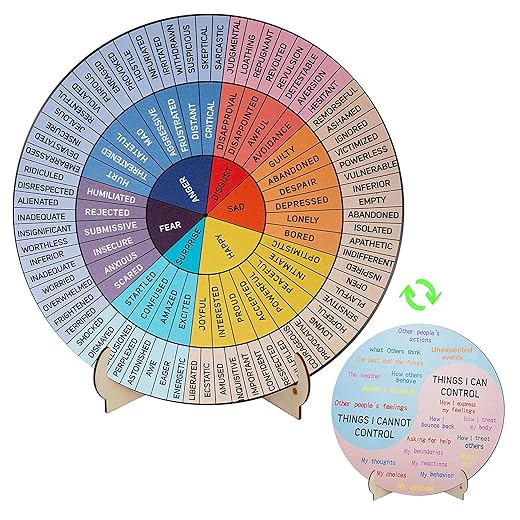
If you’re looking for resources to assist in this journey, consider items like the “Feelings Wheel” or emotion-themed plush toys available on Amazon. These tools can enhance understanding and make discussions about feelings much easier.
What Are Big Emotions?
Understanding those intense feelings is crucial for effective handling. Kids may express deep emotions during various activities. You’re not alone in noticing that some days simply feel stuffed with stimuli. Emotions can feel overwhelming, particularly when they’re immediate and out of control.
Teaching children to recognize and articulate their feelings is a vital skill. Reading books about emotions can help with this, allowing them to see characters deal with similar situations. Interactive readings encourage them to reflect on their own feelings. For example, books like “The Color Monster” provide a great way to start discussions about different moods.
Patience is key when working with emotional responses. Sometimes, kids won’t know how to express what they feel. Taking small, breaking steps during conversations can make a real difference. Encourage them to communicate, whether it’s through words, drawings, or even recordings. This openness helps them process their experiences in a natural way.
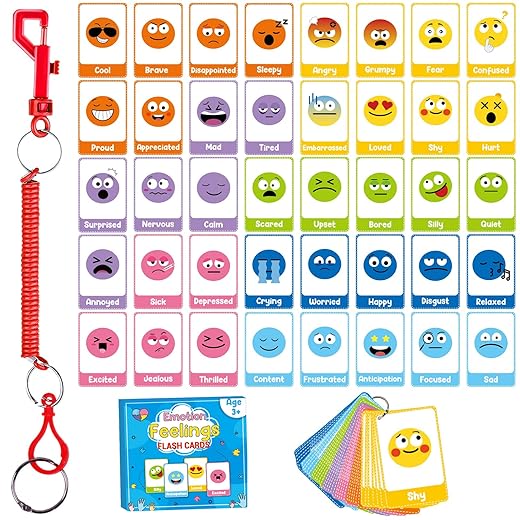
Engaging with activities, such as art or music, offers additional outlets for these feelings. Providing tools like emotion cards or stress balls can also support emotional regulation. Remember that there’s no exact method; each child learns at their own pace. Just like learning any new skill, practice makes it easier over time.
Socially, sharing experiences with peers can enhance emotional understanding. Group activities designed around teamwork can teach compassion and patience, essential for navigating complex feelings. Overall, fostering these skills from an early age gives them the tools to handle life’s ups and downs, creating a more emotionally resilient adult.
Why Kids Have Intense Feelings
It’s important to know that intense feelings, such as anger or sadness, often come from a child’s social environment. They might feel distressing emotions because of changes happening around them or interpersonal conflicts with peers. This is okay; it’s a normal part of growing up. To help, begin by validating their emotions and showing understanding. Instead of dismissing the feelings, acknowledge them. Saying, “I see that you’re upset; that’s a big feeling!” goes a long way in providing a sense of safety.
When kids express emotions, they’re communicating a need or experiencing something overwhelming. Some might have difficulty articulating their thoughts, which can lead to frustration. It’s crucial to think about what they might be feeling and to encourage expression without judgment. Here are some tips for creating an open environment:
- Listen actively: Give them your full attention and show that you care about what they’re saying.
- Validate feelings: Regardless of whether the situation seems trivial to you, it’s significant to them.
- Teach coping strategies: Introduce calming tools like stress balls or coloring books, which you can find on Amazon.
- Encourage peer interaction: Organize playdates where they can socialize in a supportive setting.
Understand that the difference between how children process emotions and how adults do can be vast. For example, a minor inconvenience for an adult, like losing a favorite toy, can feel like a catastrophe for a child. Be patient, and remind them that it’s okay to feel overwhelmed sometimes. Supporting them in understanding their emotions can lead to better emotional regulation in the long run. When they see that these feelings are valid, they become more able to express themselves in a healthy way.
Remember, every child is unique. Some may take longer to navigate these feelings than others. What’s most important is to provide a calm presence. As parents or guardians, you’re working with them, not against them, to foster a greater understanding of their own emotional landscape.
Recognizing Triggers in Your Child
To effectively identify what causes your child to feel overwhelmed, pay attention to their behavior in various situations. For instance, if they become frustrated when doing homework, it may be linked to specific subjects or tasks. A study on adolescent emotions suggests that understanding these triggers allows parents to give necessary support. Encourage them to express their feelings clearly, so you can teach them how to navigate these challenges.
Consider keeping a journal of incidents over the months. This can help you draw connections between events and emotional responses. For example, if your child feels nervous in social settings, it might be because they hear others gossiping or feel judged. Recognizing these patterns will benefit both you and your child in the long run.
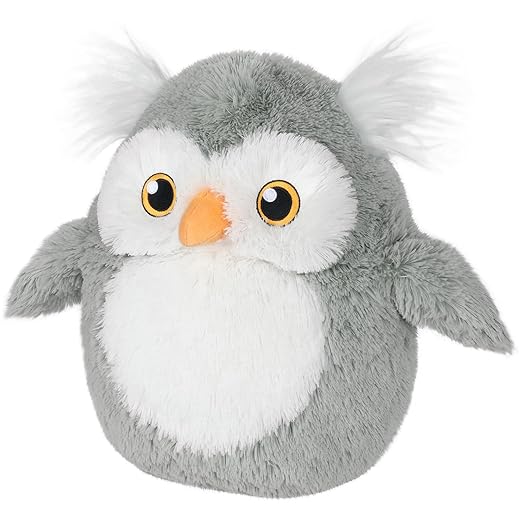
When they experience anger or frustration, it’s crucial to give them space to process those emotions. Stuffed animals, such as the popular Cozy Owl Plush from Amazon, can provide comfort and allow children to feel secure during these moments. They aren’t just toys; they serve as emotional support for your child to manage their in-built fears.
Additionally, praise their efforts when they express emotions instead of bottling them up. This teaches resilience and reinforces that it’s okay to feel scared, frustrated, or nervous. It matters that everyone in your child’s life understands this concept; it can create a community of support that benefits them profoundly.
Practical Strategies for Parents
Start by helping your child during moments when they are feeling overwhelmed. Keep a cozy chair in their room where they can sit and breathe deeply. This space can be a calm retreat when they need to collect themselves. You might suggest that they think of their favorite place or memory while sitting there.
Creating recordings of soothing sounds or favorite stories can be effective during tough times. Have your child listen to these recordings when they are experiencing strong emotions at school or home. This can help bring a sense of normalcy and calmness in stressful situations.
Encourage your child to express how they are feeling by asking specific questions. For example, “What color do you think your emotions would be right now?” This strategy can help them identify their emotions and communicate better. When they open up, it boosts the relationship between you and them, allowing for deeper understanding.
Doing activities together that require teamwork, like building a puzzle or doing a craft, lets them channel their feelings into something constructive. If hitting or other aggressive behaviors happen, calmly redirect their energy into these positive interactions insted of reprimanding them. It’s normal for children to have such moments; how you respond will help them cope better.
Lastly, practicing mindfulness techniques together can also be beneficial. Simple breathing exercises or using apps designed for emotional regulation can guide both you and your child towards a shared sense of calm. Look for products, like the Mindful Kids book on Amazon, that suggest specific strategies for mindfulness exercises.
How to Validate Your Child’s Feelings
One effective way to validate your child’s feelings is through active listening. When they express themselves, give them your full attention. Acknowledge their emotions without judgment or shame. You might say, “I see that you feel upset about this. It’s okay to feel that way.” This immediate response helps them know that their feelings matter.
Consider being their coach in emotional matters. Just like in sports, where a coach provides support and guidance, you can help your little one navigate their feelings. Encourage them to express what they’re going through and remind them that it’s normal. For example, if your child feels anxious before a social event, reassure them, “You’re not alone; even friends feel nervous sometimes.”
Incorporate activities into your daily routine that promote emotional expression. Long walks in the park or simply talking about the weather can open up conversations. You can ask, “How has your day been? What’s on your mind?” These interactions foster a space for them to share anything they might be holding back.
A study highlighted that children need to learn how to identify and manage their feelings. By providing time for you both to reflect on their experiences, you’re helping them develop the tools necessary for understanding emotions. You might say, “It’s okay to be sad sometimes. Do you want to talk about what happened?”
Always remember, you’re their favorite person to turn to. Be a safe haven where they can express whatever is bothering them without fear of judgment. By doing so, you’re laying down the groundwork for healthier emotional development.
- Emotion Cards for Kids – Helps children label feelings.
- Therapeutic Play Dough – Great for fidgeting and calming down.
- Mindfulness Activity Book – Encourages emotional awareness.
Techniques for Calm Communication

Start by using simple verbal cues that resonate with toddlers and young children. Songs can help express feelings and soothe nerves. For instance, creating a calming song or using popular children’s tunes to convey emotions can immediately ease a tense situation. This method offers a playful way to communicate while developing emotional intelligence.
When children feel overwhelmed, direct eye contact can be a powerful tool. Coaches often suggest that maintaining eye contact helps convey empathy and understanding. This simple act allows children to feel seen and heard, fostering a connection. Instead of reacting impulsively, teaching ourselves to stay calm can model appropriate responses for them, encouraging similar behavior.
Feedback is crucial when navigating emotional landscapes. Offer reasonable suggestions to children about what they can do to cope with their feelings. For example, if a child is nervous about a new experience, saying, “Let’s take deep breaths together,” can create a pattern of calmness. This response teaches children that there are constructive ways to handle challenges.
Developing a language around emotions can help both ourselves and children articulate their feelings better. Words like “frustrated,” “happy,” or “scared” provide a foundation for discussing complex emotions. Remember, there’s power in communication, especially when we teach kids how to express and manage their feelings effectively.
| Product | Link |
|---|---|
| Calming Essential Oil Diffuser | View on Amazon |
| Children’s Emotion Cards | View on Amazon |
| Breathing Exercises for Kids Book | View on Amazon |
As we navigate these scenarios, remember it’s hard at times, but developing these communication techniques can enhance emotional resilience. Slow down, teach children the importance of sharing their feelings, and observe how their understanding deepens over time.
Questions and answers:
How can I help my child manage strong emotions without trying to fix their feelings?
One key way to support your child is by simply being present and listening to them. Allow them to express their emotions fully without interruption. Acknowledge what they are feeling by saying things like, “I can see you’re upset,” or “It’s okay to feel sad.” This validation helps them understand that it’s normal to experience big feelings. Instead of jumping in with solutions, ask open-ended questions that encourage them to explore their emotions further, such as “What do you think made you feel this way?” This fosters emotional awareness and gives them the tools to understand their feelings.
Why is it important for parents to not always try to fix their child’s emotions?
It’s crucial because fixing emotions can lead children to feel that their feelings are wrong or that they should not express them. When parents intervene excessively, children may not learn how to manage their own emotions or develop coping tools. By allowing them to experience and navigate their feelings, children learn resilience and how to process emotions in a healthy way. This can lead to better emotional regulation as they grow older, fostering independence and self-confidence in their emotional experiences.
What are some practical strategies I can use to help my child express their feelings?
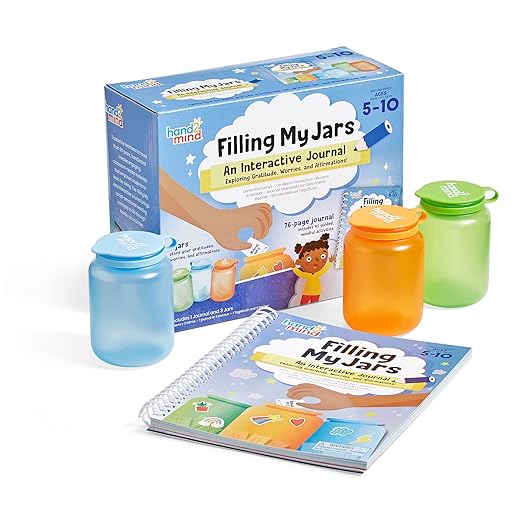
One practical strategy is to create a safe space for your child to talk about their emotions. This can be a designated time each day where they know they can express themselves without judgment. Encourage them to use art or play to express how they feel, as younger children may find it easier to convey feelings through creative outlets. You can also model emotional expression by sharing your feelings with them, demonstrating that it’s okay to talk about emotions openly. Encourage journaling or storytelling as outlets for them to convey their experiences and feelings.
How can I tell if my child is struggling with big emotions?
Watch for changes in their behavior, such as increased tantrums, withdrawal, or unexpected outbursts. They may also exhibit physical symptoms like headaches or stomach aches when they’re overwhelmed. Pay attention if they have trouble sleeping or show signs of anxiety. If they express feelings of sadness or frustration frequently, it’s a sign they might be struggling. Engaging them in conversation can often help uncover what they are experiencing, allowing you to provide the needed support.
What role should parents play in teaching emotional regulation to their children?
Parents should act as guides rather than fixers. This involves teaching children about different emotions and helping them label what they’re feeling. You can show them healthy ways to cope, such as deep breathing, counting to ten, or discussing their feelings with someone. By modeling healthy emotional responses, you demonstrate how to handle difficult feelings in constructive ways. It’s about equipping them with the tools to work through their emotions on their own while knowing they have your support when they need it.

Other Articles

Should Your Romantic Partner Also Be Your Best Friend?

12 Comments
Comments are closed.


Exploring Emotions with The Color Monster. The media could not be loaded. “The Color Monster” series by Anna Llenas. This enchanting collection of books takes toddlers on an unforgettable journey through the kaleidoscope of feelings, fostering a deeper understanding and connection with their emotional landscape.In each installment, the Color Monster embarks on a new adventure, unraveling the mysteries of joy, sadness, anger, and more. Through whimsical illustrations and relatable storytelling, young readers are invited to explore the nuances of each emotion, learning that feelings come in all shapes and colors.What sets these books apart is their gentle approach to emotional intelligence. Rather than shying away from big emotions, “The Color Monster” embraces them, teaching children that it’s natural and healthy to experience a wide range of feelings. By personifying emotions as colorful creatures, the books offer a tangible way for toddlers to identify and express their own emotions.But the magic of “The Color Monster” doesn’t stop there. With each turn of the page, children learn valuable coping strategies for managing their emotions. Whether it’s taking a deep breath to calm down or seeking comfort from a friend, the books empower young readers to navigate life’s ups and downs with confidence and resilience.As a parent, I appreciate the thoughtful approach to emotional literacy in these books. They provide a springboard for meaningful conversations about feelings, helping children develop the language and skills they need to express themselves in healthy ways.In summary, “The Color Monster” series is a treasure trove of wisdom and wonder, offering children a playful yet profound way to explore their emotions. With its vibrant illustrations, heartfelt storytelling, and empowering messages, it’s a must-have addition to any child’s bookshelf.
Nephew and niece approved. My nephew (4) and niece (2) love stuffed animals, and I like to add to their collection with these available items. They know what owls are from their trips to the zoo and from alphabet books. That said, they both aren’t the most receptive towards owl toys or cartoon-like owls. I decided to get this on a whim as my nephew asked if I had more stuffies for him. My niece was the one to open the package, and she was skeptical at first in its deflated state. She was all over it once it fluffed up a bit.It’s a pretty big pillow in person and my nephew and niece both share this when they take a nap.
Cute owl stuffy, not a “plush pillow”. This is a soft little cute owl. It is about the size of a ruler, it is not a “plush pillow” as described. I didn’t expect it to be, but it does say that. It’s a good price for what it is, a basic little owl.
Grandson loved it. It was as described and soft and plush.
Vivid and engaging. My students absolutely loved this beautiful book. Its high quality and vibrant colors truly captured their attention, making it an engaging read. The illustrations are not only eye-catching but also complement the narrative perfectly, sparking curiosity and encouraging discussions among the students. It’s wonderful to see how a well-crafted book can inspire young readers and foster a love for literature!
Perfect for Relaxation and Focus. These stress balls are a simple but effective tool for relieving tension and keeping my hands busy during the day. They have just the right amount of firmness — soft enough to squeeze comfortably but firm enough to provide resistance that actually helps with stress relief.I use them while working at my desk, during meetings, or even while watching TV. They’re also great for improving hand strength and flexibility. The material feels durable and doesn’t lose its shape even after a lot of use.Overall, they’re a fun, affordable way to manage stress, stay focused, and even get a little hand exercise. Definitely a great buy!
good size for font for easy reading. easy to read size of font and good size of product for ease of use in therapy with clientsfolds flat for easy moving and storing if not on display and stand is made of same lightweight wood as the wheelwheel has second side of control vs what is not in control of a person that is also useful in therapy
Great animation and lessons for kids. Perfect animation for kids. I really liked the way the portrayed the emotions. Simple and clear for their ages and cognitive abilities.
Attractive and useful. Good quality. Good weight. I have them in my therapy office and clients appreciate them. Help soothe stress and anxiousness. Easy to wipe off between clients
Conversation Starter With Real Presence. I bought the Feelings Wheel Therapy Office Decor, and it’s been an instant conversation piece. Everyone comments on how cool it is to see a feelings wheel that’s this substantial instead of a flimsy printout.I think it’s real wood—or at least it looks and feels as durable and beautiful as if it were. The colors are rich, the print is clear, and it has enough weight to read as intentional decor, not just a clinical tool.Two thumbs up.
Size, quality and presentation. Great presentation, quality, design and size.
Pleasantly surprised- nice quality. Excellent quality and like the motivational saying on each stress ball. Would order again