


Friendships, like every aspect of life, go through different seasons. It’s essential to be aware of the connections that become imbalanced over time. When you notice that you are the one consistently reaching out, making plans, or addressing issues, it may be time to reevaluate the situation. Understanding whether your friendship is one-sided can help you avoid potential misunderstandings and unhealthy dynamics that could weigh heavily on your overall health and well-being.

Many people are afraid to confront these difficult feelings, fearing that doing so might lead to the ending of a relationship they value. However, acknowledging the signs early can provide a chance for growth and adjustment. A psychologist might tell you that empathy and communication are critical in addressing these concerns. After all, healthy friendships should be based on mutual respect and support, not a one-sided effort.
Every relationship has its challenges, but some may involve an unequal distribution of love and effort. If you feel that you are the only one investing in the friendship while your friend seems indifferent or disengaged, you might benefit from evaluating your priorities and goals. This simple reflection can offer clarity on whether to confront your friend and ask if there is a shared commitment to maintaining the friendship, or if it’s time to free yourself from an unhealthy connection that no longer serves you.
Recognizing a One-Sided Friendship
Recognizing a one-sided friendship can be challenging, especially if you are committed to the relationship. According to Eisenberg, one of the clear signs of an imbalanced connection is when the engagement feels more like a one-way street. If you find yourself doing most of the talking or reaching out to your friend without receiving equal attention, it’s time to reevaluate.
Consider the dynamics of your conversations. Do you often feel like you’re the only one interested in sharing perspectives or discussing life events? If your friend frequently makes excuses for not being available or seems uninterested during your interactions, it could signify underlying concerns. This imbalance can lead to emotional issues that impact your overall well-being.
It’s essential to focus on how both parties contribute to the friendship. If you feel like you’re always the one making plans while your friend is passive or unresponsive, you might want to think about what you’re really getting from the relationship. Allowing yourself to handle these concerns directly can lead to a healthier understanding of your friendship.
- Are you always the one initiating conversations?
- Does your friend often cancel plans with little notice?
- Is there a lack of mutual sharing or support during tough situations?
If these issues resonate with you, take this opportunity to reevaluate whether it’s worth letting this friendship continue. Like romantic relationships, friendships should be rooted in balanced effort. As Eisenberg explains, actively looking for signs can change your perspective on the relationship.
In some cases, taking a step back might be the best solution. This doesn’t mean a breakup is necessary, but rather a chance to reconsider the overall balance. The goal is to create two-way connections where everyone feels valued and supported. Remember, it’s not about pointing fingers but understanding each other’s perspectives and fostering engagement.
Do You Often Initiate Conversations?
In any friendship, the effort to establish communication should ideally be a two-way street. If you find yourself frequently being the one to start the conversation, it might be time to consider the dynamics at play. A relationship where one person always reaches out can manifest feelings of being emotionally invested without equal reciprocation. This can lead to unhealthy situations, where misunderstandings and concerns arise, and ultimately, you could feel like you’re losing out on a balanced friendship.
It’s crucial to understand who’s really engaging in the friendship. If you’re the one initiating calls or messages each week, you may be working harder than your friend. This imbalance can be draining and may lead to feelings of frustration. In such situations, it might be beneficial to reflect on what the friendship brings to your life. Are you getting the same level of understanding in return? Think about the last time your friend reached out to you. Without mutual effort, connections can feel superficial.
Research shows that friendships, like any relationship, should develop naturally. If your friend isn’t showing willingness to communicate, it may be worth addressing. Articles on friendship dynamics often recommend open discussions about feelings and expectations. Talk with your friend about your concerns, and you might be surprised at their perspective and willingness to improve the relationship.
To help facilitate more balanced communication, consider tools like the Amazon Echo Dot, which can remind you of important dates or encourage spontaneous conversations. No more waiting week after week for your friend’s call! Understanding the essence of your friendship can make a significant difference. Remember, it’s all about nurturing connections that make you feel valued and understood.
Is Emotional Support Lacking?

In friendships, emotional support is crucial for building strong connections. If you’ve started to notice that someone in your life isn’t providing the support you need, it might be time to reevaluate the relationship. Often, people are invested in friendships, yet when you find yourself constantly giving without receiving, it’s a sign of imbalance. This can lead to negative feelings and make it difficult to hold on to the friendship longer.
Ask yourself if you feel respected and supported. Do you always have to initiate conversations or plans? If someone cancels on you often or doesn’t show interest in your life, this is a red flag. According to Eisenberg’s articles on friendships, it’s important to recognize when you are the only one making the effort. It is not just about keeping the relationship alive; it’s about fostering a space where both friends feel valued and understood.
Consider looking at the situation from a different perspective. Think about how you would feel if the roles were reversed. Would you want to be in a friendship where you feel free to cancel plans or share your struggles? If the answer is no, then it may be time to set some boundaries. Healthy friendships require mutual investment, and if you notice a lack of emotional support, it might be time to evaluate how your friendships are impacting your life.
Remember, knowing when to move on or hold on is part of life. Friendships can go through various phases, and it’s essential to resolve any issues as they arise. Don’t hesitate to find the emotional support you need, whether from friends or professionals. Your well-being is important, and you deserve friendships that are open, supportive, and equally invested.
Are Plans Frequently Cancelled or Ignored?
When it comes to friendships, the time we invest is often a reflection of how much we value those connections. If you find that plans with a friend are frequently cancelled or ignored, it might be time to address the situation. In any relationship, mutual effort is essential; if you’ve been making plans but feel that the other party isn’t as available or invested, it could signal a one-sided friendship. Consider whether they are truly respecting your time and feelings.
It’s important to recognize that everyone has busy lives, and sometimes things come up. However, if cancelling becomes a regular occurrence, it may be a sign that the emotional attachment isn’t as strong on their end. You should ask yourself: “Do they actually value our friendship?” or “Am I chasing after someone who isn’t making the same effort?” If the answer is leaning towards the latter, then it’s worth re-evaluating the dynamics of your relationship.
When someone consistently cancels plans, it can lead to feelings of disappointment and frustration. This isn’t just about scheduling; it’s about how you feel as a friend. If you’re finding it difficult to connect or are always the one initiating contact, it’s natural to feel undervalued. Reaching out might feel like chasing, but you should express your emotions and expectations openly. Having that conversation may be an opportunity to clarify where both parties stand. It’s better to address these feelings before they lead to resentment.
Ultimately, friendships should be fulfilling and supportive. When both friends are invested and make an effort, it can enhance both lives. If you’re noticing a pattern of disregard, don’t hesitate to give yourself the space to focus on relationships that are more mutually beneficial. Remember, life is too short to chase after those who aren’t willing to invest in you as a friend. Prioritize your well-being and surround yourself with those who respect and value you.
How Your Friendships Make You Feel
When you spend time with someone, it’s essential to reflect on how it makes you feel emotionally. Are you leaving the interaction feeling uplifted and fulfilled, or do you often sense a feeling of being unsupported? Engaging with a friend should ideally boost your confidence and leave you with a positive outlook. If you often feel less than good after these meetings, it’s worth reevaluating the nature of your friendship.
Think about the quantity of time you spend together. Are you the one repeatedly initiating plans, or does your friend also make an effort to maintain the relationship? For example, Kendra might take the time to reach out and organize activities, which shows she values your bond. On the other hand, if you find yourself alone on the street while they make excuses to avoid spending time, that’s a sign that something may not be right.

Healthy friendships thrive on good communication and mutual effort. If your interactions leave you feeling emotionally diminished, a good step is to open the conversation. This helps both parties to express their feelings and prioritize what they want from the relationship. Hafeez, a licensed therapist, emphasizes the importance of accurate communication in relationships. Taking these steps can help your friendship become more fulfilling and engaging.
Remember, it’s completely appropriate to reevaluate your friendships. Over time, your needs may change, and that’s okay. If someone seems absent or emotionally unavailable, consider whether they are still the right person to have in your life. Finding a friends who are rooting for you and can effectively support your growth is key to maintaining a healthy balance. If you want to create a better atmosphere, look for products on Amazon such as mood-boosting candles or engaging games that foster interaction, bringing you both closer together.
Assessing Communication Patterns
When evaluating your friendships, it’s essential to look at the communication patterns between you and the other person. Strong communication often indicates a healthy relationship, while one-sided interactions may leave you feeling drained. For instance, if you find yourself constantly pursuing your friend to initiate conversations, it might be a sign that the balance isn’t quite right. Kendra, a therapist, explains that open communication is a key factor in maintaining quality friendships.

Sometimes, people overlook subtle signs that their relationship dynamics have changed. If you notice that your conversations have become less engaging or that the other person is less responsive, this could indicate diminished interest in the friendship. Hafeez, a psychologist, emphasizes that recognizing these patterns is crucial for self-care. It’s important not to take these interactions for granted; being proactive can prevent feelings of resentment from building up.
The theory of codependency can help you understand whether you are overly invested in maintaining this friendship. If you’re constantly chasing after the other person for emotional support or validation, it may be time to reassess. Consider how you feel after each interaction. Are you left feeling energized and valued, or are you feeling exhausted and unimportant? Next time you engage with them, ask yourself if the contents of your conversations reflect a mutual desire to connect or if it feels like you’re putting in all the effort.
As you reflect on these aspects, you might also discover that some friendships serve specific roles in your life, similar to a trip you take for a season. While they may not remain as strong over time, it’s essential to recognize that not all connections are meant to last forever. Therefore, if this friendship leaves you feeling unfulfilled, it might be beneficial to create some space for yourself. By doing so, you can open up to new relationships that align better with your needs. Remember, friendship should be about love, support, and equal investment from both sides.
Is There Imbalance in Texting and Calling?

In friendships, the quantity of communication can reveal a lot about the dynamics at play. Studies show that an understanding of how often we text or call can help us identify whether the relationship is mutually satisfying. If you find yourself initiating contact more often than your friend, it might be time to take a step back and evaluate the energy being put into the relationship.
Think about the ways you and your friend communicate. Are you always the one reaching out, or does your friend occasionally ask how you’re doing? If texting and calling becomes overly one-sided, feelings of dissatisfaction can creep in. It’s important to know that effective communication includes both parties being willing to initiate contact. Leaving the conversation to just one person can lead to frustration and even emotional fatigue.
For instance, if your friend doesn’t seem to remember your birthday or doesn’t prioritize your emotional needs, it might be a sign that the love you give isn’t reciprocated. Addressing these changes early can help you manage your expectations. For self-care, take steps to maintain your happiness, whether that means discussing your feelings with your friend or focusing on other supportive relationships.
Consider the following key points to assess your communication balance:
- Who initiates contact more often?
- Does the other person make an effort to check in on you?
- Are both of you willing to adapt your communication styles?
Understanding this balance is crucial. If your friend continues to put minimal effort into your relationship, it could be an indicator of an imbalance that affects personal satisfaction. It’s about knowing when to let go of unimportant ties and when to invest energy in relationships that uplift you. Maintaining a healthy friendship means both parties should feel valued and supported.
If this resonates with you, it might be helpful to explore more about relationships. For additional resources, consider products such as books on friendship dynamics or self-care journals available on Amazon. These tools can guide you through the process of reevaluating important friendships in your life.
Q&A:
What are some signs that indicate a friendship might be one-sided?
Several signs can suggest a one-sided friendship. For example, if you often feel like you are the only one reaching out to make plans or initiate conversations, it may indicate that your friend is not equally invested. Additionally, if your friend consistently prioritizes their other commitments over spending time with you or rarely shows interest in your life and experiences, these can be strong indicators. Often, one-sided friendships lack emotional reciprocity, where one person feels drained and unfulfilled while the other seems indifferent.
How can I address the issues in my friendship if I suspect it’s one-sided?
Addressing concerns about a one-sided friendship can be challenging but necessary for your emotional health. Start by reflecting on your feelings and specific instances that have made you feel unappreciated or neglected. Then, consider having an honest conversation with your friend. Share your feelings and experiences without placing blame. Use “I” statements, such as “I feel hurt when…” to express your emotions openly. This approach can help your friend understand your perspective and may open the door to improving the relationship. Be prepared for various responses; they might not realize their behavior was affecting you, and a genuine discussion can lead to positive changes.
What should I do if my friend does not respond positively to my concerns about our friendship?
If your friend does not respond positively to your concerns, it can be disheartening. First, give them some time to process what you’ve shared. Reactions can vary, and they may need space to reflect. If their response remains dismissive or defensive, it may be a sign to reevaluate the relationship’s value in your life. Consider whether this friendship contributes positively to your well-being or if it drains your energy instead. It’s okay to take a step back and focus on relationships that reciprocate your efforts and contribute to your happiness.
How can I protect myself emotionally if I find myself in a one-sided friendship?
Protecting yourself emotionally in a one-sided friendship involves setting clear boundaries and prioritizing your own needs. Start by recognizing your worth and what you expect from a friendship. If your current relationship is causing you to feel undervalued, limit the time and energy you invest in it. Surround yourself with supportive friends who appreciate and reciprocate your efforts. Engaging in activities that bring you joy and fulfillment can also help shift your focus away from a toxic friendship. Remember, it’s okay to walk away from relationships that do not serve you and to prioritize connections that uplift you.

Other Articles

9 Practical Strategies for Dealing with a Narcissistic Parent’s Behavior

10 Comments
Comments are closed.


Great To Approach Attachment Style. I enjoyed this workbook. I was able to take “myself” and look at myself as a whole, human nature, what it entails and what and why I respond to others the way I do. Thank you for creating a space to learn.
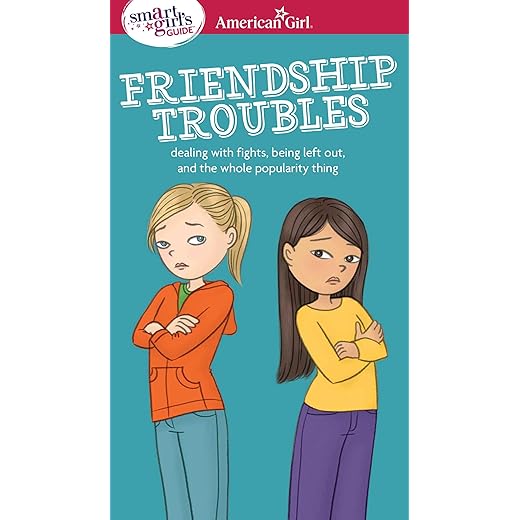
Great tool. Fifth grade is where as a parent I saw many changes and what was ‘once friends with approach’ really started to change and friendships became more complicated. Navigating friendships can be difficult at any age, but especially when you reach the age where the rules change, people change and you change. This book does a great job discussing this as well works as a great discussion aid when talking with your child. I found this book to be very informative and helpful.
Great book for all girls 7 and above. Great book. Read it to my lower elementary child.
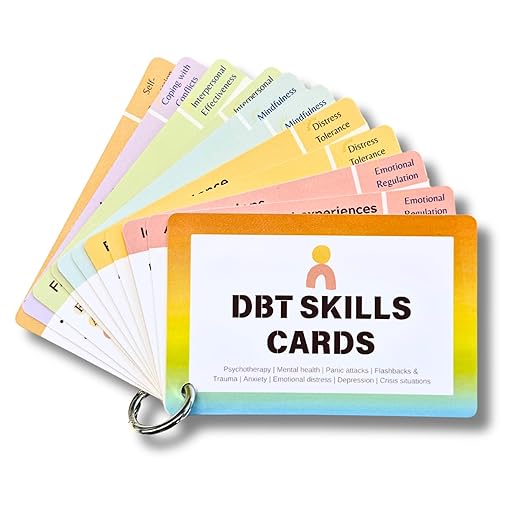
So few cards – very disappointed. I was very disappointed. The flashcards are very bare bones. I was surprised by how few there were because it looked like there were more in the picture. I didn’t feel it was worth $12 at all.
Powerful Read For ALL of Us. This morning our book group discussed The Next Conversation: Argue Less, Talk More by Jefferson Fisher.As a leadership coach, I’m always looking for communication tools that don’t just sound good… but work. Jefferson Fisher’s explosive popularity on social platforms intrigued me—could his short-form insights survive the jump to a full-length book? The answer – Yes.What Sticks OutFisher organizes his framework into a memorable three-part system:• Say it with control – manage your emotions• Say it with confidence – express your needs clearly• Say it to connect – prioritize connection over “winning”Real-World, Everyday ApplicationThis isn’t leadership jargon. Fisher draws from courtroom scenes and personal life to surface simple, usable strategies—like the power of a well-timed pause or replacing “you” with “I” statements to reduce defensiveness.Speak Less, Connect MoreOne of the book’s most powerful insights: more words often devalue your message. Silence and clarity can be your strongest communicative tools.Why This Matters for Leadership• Empowers Calm, Purposeful Communication: Leaders often find themselves in emotionally charged rooms. Fisher gives tools to stay present, grounded, and effective.• Helps Avoid Win-Lose Traps: Arguments don’t build trust—intentional connection does. This book reorients communication toward lasting relationships.• Accessible Across Roles: Whether you’re mentoring a team, negotiating conflict, or just seeking more harmony at home—Fisher’s language and style land with clarity and warmth.The Next Conversation is a must-read for anyone who communicates—leaders, coaches, parents, partners alike. Its simplicity is its strength: no fluff, tangible tools, and a deeply human heart.#PeopleAlways #CommunicateWell
Great set of helpful DBT Skills cards to keep in purse or backpack. This is a really great set of DBT Skills cards to keep in my purse or backpack. They are very nicely laminated and very sturdy so they will last a long time. There are 20 of the most commonly used DBT skills in 4 categories. I, personally, have a poor memory, especially when my anxiety is really high, so these cards will be really handy for me to have with me to reference when I need a bit of help. They are easy to use. I can just flip through them and they have the category in the top right hand corner and the skill at the top of the card. They are a good size, not too big and not too small, so they are easy to read. Great deal for the price. I will definitely get some good use out of these. I highly recommend for anyone that uses DBT Skills.
Great book for girls. Granddaughters share in car & at school w friends. Appealing to kids & adults. Questions inspire good discussions.
Good skills to use in your mental health recovery. These cards are perfect for me as this is the type of thing we use in my group therapy. I can carry the cards with me as a reminder of the skills I’ve learned and refer back to them whenever I’m in need of a recharge. They come with a ring making it easy to find what you’re looking for. Something I think could be improved is the quality of the cards. They’re printed well but only on coated cardstock. I think they would be more durable if they had been made of plastic.
A Must Read. Critical reading for anyone thinking and speaking: to anyone, family, children, strangers, colleagues, EVERYONE, even yourself. All means all. It gives you the words to say in pretty much any situation in order to benefit all involved. It will give you more confidence. If everyone read this book we would have peace in this world. We would SEE the person we are speaking to. We wouldn’t take things personally, less pessimistic, less accusatory, more kind, professional….from the least to the greatest. Jefferson has wisdom beyond his years. I wish I could take one of his college courses, but this book was an eyeopener for me. I feel more confident when going into a difficult situation or greeting a stranger. A must read for middle and high schoolers. Purchased both hardcopy and audible. Will definitely listen to it again and read to highlight and absorb.
Great book. Great book! Well written and easy to follow. Good examples and keeps the reader interested. Provides very useful information on how to communicate in almost any situation, especially difficult or tense conversations. Author seems knowledgeable and well spoken, while not talking above the reader. I really appreciate the information and have applied it in my daily life.