

In today’s world, the situation of family dysfunction can often seem normal, leaving many individuals trapped in cycles they didn’t know how to break. Such toxic dynamics, whether they stem from abusive patterns or systemic influences, can perpetuate issues that lead to anxiety and conflict. This article aims to provide helpful tips for finding your way out of these struggles and toward a healthier family environment.




Understanding the complexities of family dynamics requires not only awareness of our own choices but also an examination of the roles we play within our familial systems. As we learn to recognize the blurred lines between supportive relationships and those that are toxic, we can start to establish good practices that foster belonging and healthy communication. By employing tools such as genograms, we can visualize and respond to the patterns that have shaped our experiences and relationships.
For those who may feel like they don’t belong or have had experiences where their voices were silenced, knowing that change is possible is empowering. Through the process of reading, reflecting, and engaging in conversations about these issues, we can alter our understanding and begin to navigate toward a healthier family structure. This journey may involve uncomfortable feedback and the need to confront our alter-ego – the parts of ourselves that perpetuate dysfunction. However, as we embrace the next steps in this learning experience, the possibility of breaking free from these cycles becomes more attainable.
Understanding Family Dysfunction
Family dysfunction can be a significant challenge for many people, especially in today’s fast-paced culture. These issues often come from various sources and can affect how family members interact with one another. Understanding the underlying feelings and pressures that contribute to dysfunction is crucial in breaking the cycle and fostering a healthier family dynamic.

Experts in psychology suggest that one way to begin identifying family dysfunction is by creating a genogram. This tool allows individuals to visually map out relationships, highlighting both broken and healthy connections within the family. By doing this, people can better understand where dysfunction may have developed and the roles each member plays. For example, you might notice an elder family member who often feels stressed and lost, and help them find a reliable support group. This is a step towards building trust and reducing the pressures they feel.
Different families have unique ways of celebrating or dealing with significant events, which often go unnoticed until a crisis arises. Sometimes, roots of dysfunction lie in how feelings have been expressed or suppressed over generations. This unconscious behavior can lead to patterns that leave many feeling like they are living an alter-ego of who they truly are. It’s essential to recognize that breaking this cycle requires professional support or tools that allow for deep reflection and honest communication.
When people begin to address family dysfunction, they often find that it’s not only about leaving the broken patterns behind but actively engaging in creating new, healthier interactions. Utilizing resources such as self-help books or therapy sessions can offer valuable insights. For example, items like “The Family Table: Recipes and Moments from a Nomadic Life” could be a great addition to exploring shared family experiences, while also encouraging celebratory moments together instead of focusing only on conflicts.
Understanding family dysfunction involves looking at how feelings are expressed, pressures are felt, and ultimately how these factors develop across generations. By taking steps to foster trust, improve communication, and engage with the family in a professional context, you can begin to celebrate the same moments while creating a new future together.
The Roots of Dysfunctional Behavior
Dysfunctional behavior often stems from deeply rooted issues within families and communities. When we look at the cycle of dysfunction, it’s clear that many individuals are just repeating patterns that they learned from previous generations. Realizing this connection is essential for healing. A genogram can help visualize these patterns, showing how our personal histories tie back into our current situations. Whether we take responsibility for this cycle or leave it unchallenged can significantly affect our well-being.
In many cultures, caregivers are expected to prioritize the needs of others, which often leads to the development of traits like being a people-pleaser. This can result in feeling drained and neglecting one’s own emotional health. The ratio of care to neglect in a family setting plays a crucial role in this dynamic. Honoring both the needs of the caregivers and the children is vital for breaking the cycle. It takes mutual support to create an environment where positivity can flourish.
Psychologist Roffman suggests that it’s important to reflect on what dysfunction means in our own lives. Many have discovered that addressing their alter-ego–those parts of us that are affected by tension, toxicity, and broken ties–can lead to much-needed healing. This may involve seeking treatment or engaging in activities that nurture our emotional well-being. By acknowledging our situations and the responsibilities we carry, we can begin the next stage of our journey toward a healthier family environment.
For those looking to support their healing process, consider exploring resources on Amazon. Products like self-help books, therapy journals, or family activity kits can provide valuable insights and practical tools to facilitate change. Remember, whatever method you choose, prioritizing care for oneself and honoring each person’s journey is the foundation upon which healthier families and communities are built.
Signs You Are in a Dysfunctional Family
Understanding the signs of a dysfunctional family can be the first step towards a healthier life. Often, family dynamics become problematic without anyone really noticing. You might find your father or mother exhibiting manipulative behaviors that add tension, creating an unbalanced atmosphere. The anger that brews in such environments can become normalized, leading you to believe that these feelings are just part of family life.
Many times, you might notice that responsibility falls unfairly on certain children while others lean on them, leaving individuals feeling drained and overwhelmed. When one person is pushed to take care of everyone else, it hampers their ability to prioritize self-care and establish healthy boundaries. In a stable family setting, these roles should be shared equally, but in dysfunctional setups, they often get distorted.
Therapists often explain that intergenerational behaviors can shape your understanding of what is normal in relationships. If you find yourself caught in patterns of harmful choices, it may be because you hadn’t seen how to interact in a healthier manner. It’s understandable to feel unsure about how to break these cycles. Perhaps you’ve decided to reach out for help, which is a positive choice that can lead to a better understanding of your own needs.
Psychologists point out that recognizing these red flags is crucial. Your attachment style, formed in childhood, can dictate how you interact with others for the rest of your life. If your family celebrated achievements but not emotional connections, it may be time to reevaluate what you want from your relationships. Products like journals for self-reflection or books on emotional intelligence available on Amazon can be helpful tools to start this journey.
In summary, recognizing the signs of a dysfunctional family is the first step towards healing. By understanding these behaviors and making conscious choices to change them, you can work towards a healthier and more balanced family life. Remember, the effort to establish better patterns not only benefits you but can also help future generations break free from intergenerational dysfunction.
The Impact of Dysfunction on Personal Development
Dysfunctional families can have a significant impact on personal development, especially during childhood. When children grow up in environments filled with chaos and abusive behaviors, they often struggle to establish healthy connections later in life. It’s crucial to recognize these patterns early and understand how they can affect one’s emotional growth.
There are five essential areas where dysfunction can hinder development. Firstly, children learn to identify and manage their emotions in challenging situations. If they are exposed to repeated cycles of negativity, they may struggle with anxiety and other mental health issues as adults. Secondly, the ability to establish harmonious relationships might be weakened. Instead of fostering connections, some may find it weird or difficult to take steps toward building trust with others.
Moreover, those who lacked positive feedback during childhood may face failures in adulthood. They can perpetuate the cycles of dysfunction they experienced, thinking that they aren’t worthy of love or support. This heavy emotional burden often leads to a lifelong struggle with self-esteem. For instance, Roffman’s guide on overcoming familial conflict offers a roadmap for those willing to break free from these patterns.
Additionally, learning how to identify dysfunctional behaviors is an essential part of personal growth. By recognizing how their past has shaped their present, individuals can better understand whether they are repeating old stories or moving towards healthier paths. Some useful resources, such as those available on Amazon, like “The Dance of Anger” by Harriet Lerner or “Healing the Child Within” by Charles L. Whitfield, can provide vital insights into breaking these cycles.
Ultimately, everyone has the power to shift their thinking towards growth and harmony. By establishing healthy connections and learning from past situations, individuals can foster personal development and escape the shadows of their upbringing. This journey may be challenging, but with willingness and the right guidance, it leads to a more fulfilling life.
Self-Reflection and Awareness
Self-reflection is a vital step in breaking the cycle of family dysfunction. Often, we unconsciously engage in behaviors that contribute to a toxic environment. By recognizing these patterns, we can start to address the core problems that have silently thrived within our families.
It’s crucial to be aware of our own feelings and reactions. For instance, if a conversation with family members leaves us feeling stressed or helpless, it is a sign that boundaries may be necessary. A professor once mentioned that understanding our unique character traits can greatly enhance our well-being and help us navigate family dynamics more effectively. By taking a step back, we can assess our role and how we may have contributed to toxic interactions.
The importance of self-awareness cannot be overstated. When we lean into our experiences, we discover the reasons behind our behaviors. Sometimes we took actions that seemed selfish or reactive because we felt overwhelmed or neglected. This insight is crucial for changing the narrative of our family story.
- Consider journaling your thoughts to facilitate self-reflection.
- Engage in therapy or treatment to process your feelings with the guidance of experts.
- Practice positive affirmations to counteract negativity.
Before moving forward, it’s vital to acknowledge the unpredictability of family dynamics. Relationships with our parents or siblings can shape our behavior and feelings immensely. Fathers and mothers alike can contribute to toxicity; thus, understanding their experiences helps us not only to be aware of our own faults but also to approach them with empathy.
By setting clear boundaries, we can protect ourselves from the risk of falling back into destructive patterns. Remember, it’s okay to prioritize your mental health without feeling guilty. Just because our family dynamics are complex does not mean we cannot cultivate positivity and well-being in our lives.
Many resources on platforms like Amazon can aid in this journey, such as self-help books and mindfulness journals that encourage self-reflection. Products like “The Power of Now” by Eckhart Tolle or mindfulness guides can be invaluable tools in this process.
Ultimately, breaking the cycle of family dysfunction requires a commitment to understanding ourselves and our unique roles within the family. This journey of self-discovery, though challenging, can lead to healthier, more fulfilling relationships.
Your Role in Family Dynamic
Understanding your role in your family’s dynamics is the first step in breaking the cycle of dysfunction. Each family member plays a part in the overall balance, whether that’s being the caretaker, the scapegoat, or perhaps the peacekeeper. These roles are often seen over generations, leading to behavior patterns that are difficult to change. As you move into adulthood, it becomes essential to identify which role you play and how it affects your relationships.
Finding the right way to adapt to these familial ties can sometimes feel overwhelming. You may find yourself avoiding conflict, feeling anxiety about family gatherings, or wanting to maintain certain boundaries while still feeling a strong sense of belonging. It’s important to understand that these emotions are common and that you’re not alone in navigating this cycle of relationships.
People often become unconsciously attached to their roles due to fear of change or a lack of knowledge about the dynamics at play. A psychologist can help you understand these complexities and assist you in making an exodus from negative patterns. This shift might involve spending time with communities that foster better relationships, updating your approach to family interactions, or learning to manage your behaviors that perpetuate dysfunction. For instance, using self-help books or journals available on Amazon may provide you with helpful insights. Look for titles like “The Family Whisperer“ or “Healing the Family Heart” to get started.
On your journey to healing, it’s crucial to acknowledge and communicate your feelings. Having an open dialogue about your role can lead to breakthroughs and better understanding. As you begin to alter your behavior, keep in mind the importance of maintaining balance within your relationships. It may take time and effort, but with the right tools and support, you can become a healthier part of your family’s narrative. Remember, you’re not just breaking a cycle; you’re paving the way for a better future for the generations to come.
Journaling as a Tool for Self-Discovery
Journaling can be a crucial step in breaking the cycle of family dysfunction. It offers a way for individuals to connect with their thoughts and emotions, creating a healthy environment for self-discovery. This introspective practice helps people become more aware of the conflicts within their family ties and the unpredictability that often comes with these relationships.
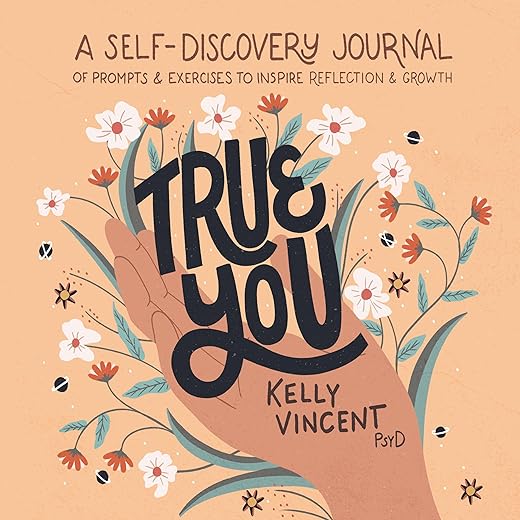
Each moment spent writing down feelings and experiences allows individuals to distance themselves from the chaos of daily life. It’s a time to think about what they truly want and to recognize the patterns that lead to unhealthy behaviors. In this context, journaling serves as a foundation for fostering personal growth and well-being.
For caregivers and parents, journaling can also be a way to reflect on their experiences with children. As they navigate the tricky stages of development, writing can help them articulate their thoughts and communicate more effectively with their children. This practice can help cultivate a healthy environment that nurtures character growth.
Consider using tools like the journals available on Amazon. These can offer prompts that guide users through their self-reflection. Whether it’s a guided journal, a blank notebook, or a specialized workbook, having the right tools makes it easier to stay committed to the practice.
We’ve all had moments where we felt overwhelmed by our emotions. Journaling creates an outlet for these feelings, allowing individuals to find clarity between conflicting emotions. By making this practice a part of their routine, people are likely to experience significant shifts in how they relate to themselves and others.
In summary, writing can be a powerful tool for fostering self-discovery and enhancing communication skills. By engaging with this practice, individuals may begin to understand themselves better, leading to healthier relationships and a more fulfilling life. Remember, every step forward counts, and the worth of journaling lies in the journey of self-exploration it offers.
Setting Boundaries

Setting boundaries is a crucial step in breaking the cycle of family dysfunction. Toxicity often thrives in environments where boundaries are blurred or nonexistent. By identifying and establishing clear limits, you can create healthier interactions not just for yourself, but for all family members involved. This process may take time and requires patience, especially in intergenerational families where patterns of dysfunction have been passed down through older generations.
In many cases, establishing boundaries can be tricky. It requires a deep understanding of the roles individuals play within the family dynamic and the conflicts that may arise from those roles. For example, a parent struggling with addiction might have a blurred line of authority, influencing how children respond and perceive their own role in the family. By choosing to set respectful limits, you can help everyone involved feel a sense of belonging and clarity in their interactions.
The importance of boundaries cannot be overstated; they are essential for fostering harmony and minimizing conflict. By taking the steps to establish these limits, you not only protect your own emotional health but also help others to understand what is acceptable behavior. For instance, if you have family members who tend to joke about sensitive topics like racism or past mistakes, a firm boundary can guide them towards more respectful conversations, thus setting the tone for a healthier family environment.
To effectively set these boundaries, consider using tips published in self-help resources such as “Boundaries: When to Say Yes, How to Say No” by Dr. Henry Cloud. This book provides insights that can help you decide which behaviors to avoid and how to respond when boundaries are crossed. Remember, setting boundaries is a part of life that allows you to maintain your identity without sacrificing who you are for the sake of others.
As you embark on this journey, it’s essential to be slow and methodical in your approach. Start small, and gradually work toward establishing more significant boundaries as you gain confidence. This will help prevent the unpredictability that can come from abrupt changes and ensure that family members can adjust to your new approach. By taking these steps, you will not only alter the patterns of the past but also pave the way for a healthier future, where every member can thrive.
Q&A:
What are the first steps to identify family dysfunction?
The first step in identifying family dysfunction is to observe interactions among family members. Look for patterns of communication, conflict resolution, and emotional responses. Noticing recurring negative behaviors or communication styles, such as criticism, avoidance, or hostility, can be a strong indicator that dysfunction exists. It may also be helpful to keep track of specific incidents that highlight misunderstandings or unresolved conflicts. Journaling about these incidents can provide clarity.
How can families create a safe space for open communication?
Creating a safe space for communication involves establishing trust and vulnerability within the family unit. Begin by setting aside dedicated time for family discussions, ensuring that everyone feels heard without judgment. Encourage each member to express their thoughts and feelings openly, and practice active listening to validate their experiences. Setting ground rules for discussions, such as no interruptions or personal attacks, can also help maintain a respectful atmosphere. It’s important to acknowledge that some topics may be sensitive and to approach them with care and empathy.

What role does therapy play in breaking the cycle of family dysfunction?
Therapy can play a significant role in addressing family dysfunction by providing a neutral space for family members to express their feelings and concerns. A therapist can facilitate discussions that might be too difficult to have alone and offer guidance on healthier communication and behavior patterns. Through various therapeutic techniques, families can explore their dynamics, uncover underlying issues, and work collaboratively toward solutions. Regular sessions can also reinforce commitment to change and help family members hold each other accountable.
How can individuals set boundaries to improve family relationships?
Setting boundaries is crucial for maintaining healthy family relationships. Individuals can start by clearly identifying what behaviors are unacceptable and what they need from their family members. Communicate these boundaries directly and calmly, explaining the reasons behind them. It’s also helpful to be consistent in enforcing these boundaries; if they are crossed, it’s important to address the issue promptly. Additionally, practicing self-care and self-respect can empower individuals to maintain their boundaries without guilt, promoting healthier family dynamics in the long run.

Other Articles


15 Comments
Comments are closed.


Inspirational and beautiful. I was so excited for this book to arrive in the mail! I am new to journaling and it felt a little overwhelming at first but this book is the perfect intro into journaling and I am actually excited to write in it each day! The prompts are so inspiring and give me a chance to really think about myself. The illustrations are beautiful as well. I will definitely be purchasing more as gifts.
Use this journal if you’re feeling stuck in your life. I sincerely loved this journal! My therapist recommended I do a self-discovery journal because I was feeling stuck and lost in my life. I was attracted to this one initially because of the beautiful illustrations but after reading the reviews I felt like this was what I needed. And it was! Being in quarantine, I had a lot of time to work on this and ended up finishing it in 4 days. I looked forward to it everyday and would just write for hours, or until I felt like I needed to give myself a break.This journal helped me find my confidence. It made me realize what is important to me and what I want out of this life. More importantly, it helped me realize that I have the power to do what I want with my life and that I need to make myself happy before I can make anyone else happy.I’ve recommended it to my friend and my boyfriend (although this journal is targeted towards women specifically which is my only criticism) and they are both finding it helpful.The prompts are well thought out and comprehensive.Thank you for this journal!!!
I WISH I KNEW ABOUT THIS BEFORE I TOOK THE EXAM THE FIRST TIME. I love how this study guide is structured! Its great to carry around! It’s like my buddy! It’s not overwhelming with information and it’s easy on the eyes both on the front cover and with the material inside. This study guide encourages you and makes you do your own type of scavenger hunt on the theories and creating your formulation which has been great in solidifying my knowledge on FT Theories. Additionally, it lines up exactly with how the AMFTRB ranks/ scores the exam with the different domains. I definitely recommend. I bought my best friend a copy of it as well. Hopefully I’ll remember to update this after I take the exam this next time.UPDATE: I PASSED THE EXAM AND WELL OVER THE MINIMUM NEEDED! I officially have my L! In order to see the results you must put the work in. I used multiple other books to help gain more understanding of the material (Gehart and Goldrick books). I definitely continue to highly recommend. GOOD LUCK TO ALL.
I LOVE this journal. Around Christmas time I was looking for a gift for a family member and stumbled upon this. I thought this was the perfect gift for a teen so I decided to get it and even got a copy for myself. I am 22 and definitely in need of self discovery. I have been on my self discovery journey for a few years and lately had been feeling stuck. This journal is filled with thought provoking questions that is perfect for any age. It helped me organize my thoughts and everything I’ve discovered about myself over the past few years. I am still not done with it but I always look forward to writing every day. You can take your time with this journal and truly learn a lot about yourself. If you’re looking for a self discovery journal this is an amazing one to start with!! One thing I really love is that each section opens with an inspiring quote (and they’re not cheesy!!) that I still go back and read even when im not on that section. Highly recommend this journal! 🙂
This book should be required reading in high schools; an absolute must-read for everyone. Disclaimer: I received an advance copy of this book as part of the launch team, but I was not required to write a positive review. My thoughts are my own.I wish I had the words to adequately express how much this book has helped me in my journey towards finding true peace and empowerment within myself.I grew up in a very enmeshed family where boundaries were completely non-existent. My impulse to do whatever I could to please everyone, and to try to be everything to everyone, was ingrained in me since birth. I gave pieces of myself away every day, and as I got older, I realized that I was empty. I had nothing left to give; but somehow, I just kept on giving.Around eighteen years old, I had an epiphany when I learned what ‘codependency’ and ‘boundaries’ were. It hit me like a ton of bricks: I needed boundaries in my life. This was terrifying to me, because even just the thought of saying ‘no’ to people would leave me with feelings of excruciating guilt and anxiety. I imagined it would be unbearable.I started to collect every book I could find on the subject of codependency and boundaries; and although I learned many new and enlightening things about these subjects, I still kept reverting back to old patterns. I had an understanding of codependency, and I knew I needed to start setting boundaries, but I still couldn’t figure out how to do it.Last year, I discovered Nedra on Instagram. Every one of her posts were so on point. It was like, all this time, the lightbulb was dangling over my head, but her words finally switched it ON. I was ecstatic when I learned she was writing a book. I thought, “Well, if her book is anything like these posts, that is what I need!”. I signed up to be a part of the book’s launch team, and that was one of the best decisions I’ve made for myself in a very long time.The reason ‘Set Boundaries, Find Peace’ has been so much more helpful to me than all the other books I’ve read on boundaries, is that it is so clear and direct – which is exactly what Nedra explains you have to be when setting boundaries. The way the chapters are organized is very clean and simple, and the exercises really challenge you to connect with yourself, and get to the heart of the matter you’re trying to work through. She emphasizes pushing through the feelings of guilt, and explains so concisely how guilt can trick us into believing we’re doing something wrong simply by saying ‘no’, or asking for help.On page 252, she says, “Remember: there is no such thing as guilt-free boundary setting. If you want to minimize (not eliminate) guilt, change the way you think about the process. Stop thinking about boundaries as mean or wrong; start to believe they’re a nonnegotiable part of healthy relationships, as well as a self-care and wellness practice.”She also gives you the exact words to use when setting a certain boundary, and she doesn’t leave anything to ambiguity. Not only does she include examples of real life scenarios where certain boundaries are necessary, she tells you precisely how to go about setting these boundaries in your own life. This is what every other book I’d read before was lacking. This is where the other books fell short. Nedra doesn’t just give you the tools; she tells you, clearly and directly, how to use them.I am so grateful that I got to be a part of this book’s launch team, and even though I wish this book existed years ago, I am so grateful that it exists in the world now.Give yourself one of the greatest gifts you ever could, and read this book. While I was reading it, there were times I had to put it down for a couple of days and really face some hard truths, but this is how we grow; this is how we ultimately find peace. We push through the tough stuff, and come out on the other side feeling more empowered than we ever thought possible; and this book will guide you through it, every step of the way.
Great for work with families. I use this book all the time in counseling sessions with the families I work with. There are lots of applicable exercises and worksheets, and often the questions posed in the book will start really important conversations within the families.
Perfect resource for treating families. Very easy to digest and comprehend. I found that the book touches on many of the issues I come across when treating families. Love love love this book
A Powerful and Insightful Guide to Personal Growth. “The Mountain Is You” by Brianna Wiest is an incredibly powerful and transformative book that delves into the depths of self-sabotage and empowers readers to embark on a journey of self-mastery. This book is a treasure trove of wisdom, offering profound insights and practical guidance to overcome self-destructive patterns and embrace personal growth. Here’s why I believe “The Mountain Is You” is a must-read:Pros:Deep Self-Reflection: The author takes readers on a journey of self-discovery, encouraging us to confront our self-sabotaging behaviors and beliefs. The book offers powerful questions and exercises that foster deep self-reflection and introspection.Empowering Perspective Shifts: “The Mountain Is You” challenges conventional beliefs and societal expectations, urging us to redefine success, happiness, and self-worth on our own terms. It empowers readers to embrace their uniqueness and discover their true potential.Practical Strategies: The book doesn’t just delve into theory; it provides practical strategies to overcome self-sabotage and cultivate self-mastery. From setting healthy boundaries to developing self-compassion, the actionable advice is transformative.Clear and Engaging Writing: Brianna Wiest’s writing style is clear, engaging, and filled with empathy. The book feels like a supportive conversation with a wise mentor, making it easy to connect with the content.Inspiring Quotes: “The Mountain Is You” is adorned with insightful quotes that resonate deeply, motivating readers to highlight and return to them for daily inspiration.Holistic Approach: The book takes a holistic approach to personal growth, recognizing the importance of mental, emotional, and spiritual well-being. It emphasizes self-care and the significance of self-awareness in the journey towards self-mastery.Cons:Triggering Content: While the book offers tremendous personal growth potential, some individuals may find certain chapters or exercises triggering. Readers should approach the content with self-compassion and seek support if needed.Requires Open-Mindedness: “The Mountain Is You” challenges conventional mindsets, which may require readers to approach the book with an open mind and willingness to embrace change.In conclusion, “The Mountain Is You: Transforming Self-Sabotage Into Self-Mastery” is an exceptional book that has the potential to change lives. Brianna Wiest’s insights and wisdom inspire profound self-reflection and foster growth in a compassionate and empowering way. While some content may be triggering for some readers and requires an open mind, the book’s transformational impact is undeniable. If you’re seeking a guide to navigate self-sabotage and unlock your true potential, “The Mountain Is You” is a gem that empowers you to step into self-mastery and embrace a fulfilling and authentic life!
The best study book. This book is probably the reason I passed my exam on the first try. I spent a lot of time combing through the theories, looking for my own definitions, and drawing out the differences between the theories and ideas in the book. The practice test was also very helpful to do on my own, and to practice with a friend. The back of the book also has all of the main definitions you would need, so if you can’t find something, it gives answers. I pretty much exclusively used this book, the AAMFT code of ethics, and old class notes to study and I was very happy with the result. My advice would be to take your time with this book and do a deep dive into it rather than buying like 2-3 different study books.
Good study book. Great tool. The media could not be loaded. These book has been incredibly helpful. It is easy to read, very comprehensive, and includes practice exams and rationales that enhance understanding. The structured format and detailed content make it an excellent resource for thorough preparation.
no problems. No issues. Order was fine.
It tells you exactly how to set boundaries. I’ve read a lot of self-help/therapy books, and this is in my top 3. It is extremely detailed but also easy and interesting to read. Every form of boundary problem is very clearly explained, and it includes tons of real-life, applicable examples of what to say in specific situations. She also offers really strong reasons to implement boundaries that will resound if this is something you struggle with. So many books explain WHY you need to do something but not HOW. This book covers both.
It’s a recommendation. This book is good. It really helps for self growth. Helping to stop doubting yourself and really breaks down what could be going on with you. And what’s stopping you.
Loved. Loved this book! It gave me a lot to think about. Now I got some work to do. Time to get over that mountain!
The title doesn’t do the book justice. Wonderful read. Self help is a page turn away. I was recommended this book by an amazing therapist of mine. I’ve read it and learned that the “impossible” IS possible. I’ve done the work along with the knowledge of it and the title does speak for itself. I’m living a “set boundaries, find peace” life each day and it is wonderful. Others ask about the peace I have and I’m sure to let them know about this work of art along with The Language of Letting Go by Melody Beattie.