


Attachment styles are a fundamental aspect of human connections, shaping the way we interact with others and influencing the dynamics of our relationships. Understanding these styles can provide valuable insights into both our behaviors and those of our partners. This article will illustrate the importance of recognizing attachment-related traits, leading to more fulfilling and positive partnerships. Once we are able to identify our own attachment styles, we can begin to see how they impact our ability to trust and connect with others.
Research suggests that there are four primary attachment styles: secure, anxious, avoidant, and disorganized. Each of these styles presents unique characteristics that affect how individuals react in relationships. For example, securely attached individuals often show a strong ability to provide support and help in managing their partner’s needs, while those with anxious attachment may frequently feel the need to cling to their partners for reassurance. Understanding these examples can help us navigate our interactions and foster a stronger, more trusting connection.
The work of psychologists like Hazan has further posited that our attachment styles are deeply rooted in childhood experiences, which can either enhance or hinder our emotional independence as adults. As we explore these attachment patterns, we will also discuss the role of counseling in managing attachment-related challenges and the importance of being patient with ourselves and our partners. In a world where relationships can often leave us feeling tired and anxious, learning how to create space for understanding and support can lead to lasting success and deeper intimacy.
The Impact on Communication and Conflict

Understanding how attachment styles influence communication is crucial for fostering healthy relationships. When individuals identify their attachment style, they gain valuable insights into their behaviors and reactions. For instance, securely attached people are generally more empathetic and better at navigating conflicts, while those with anxious or avoidant styles may struggle with seeking affection or maintaining connections. This difference in approach can cause confusing moments during times of stress, as their responses might not always align with their partner’s needs.
In relationships, communication often takes the form of verbal and non-verbal exchanges that are influenced by each person’s upbringing and attachment-related experiences. For example, someone who is used to dependency might feel threatened by their partner’s need for space, leading to heightened tensions. Clients sometimes express that they don’t understand why they feel a certain way, highlighting the importance of addressing these patterns before they escalate into more severe conflicts.
Communication styles can also directly influence overall happiness in relationships. Couples who practice effective communication exercises often see stronger bonds. These exercises can include making a list of feelings or situations that trigger discomfort and discussing them openly. This fosters a sense of safety and understanding, enhancing the emotional connection between partners. For example, couples can use resources, such as the book “The Seven Principles for Making Marriage Work” available on Amazon, to guide their discussions.

The Seven Principles for Making Marriage Work: A Practical Guide from the Country's Foremost Relationship Expert
Ultimately, being aware of how attachment styles impact interactions allows partners to adjust their expectations and responses. The more each person understands themselves and their partner’s unique style, the more they can strengthen their relationship’s foundation. To do this effectively, having reliable support, whether through therapy or self-help resources, can be a true superpower in mitigating pain and confusion in communication.
In times of conflict, it’s essential to remember that hurt feelings don’t have to dictate the future of the relationship. By developing new communication skills and modifying approaches based on attachment styles, couples can learn how to effectively address their issues without repeating past mistakes. So, if you’re really interested in enhancing your relationship dynamic, consider exploring products that focus on communication and emotional intelligence, like journals or workshops, available on platforms like Amazon.
Identifying Your Attachment Style
Identifying your attachment style can jump-start your journey toward happier and healthier relationships. Understanding how you and your partner respond to affection and conflicts is crucial. There are three primary attachment styles: secure, anxious, and avoidant. Knowing which one describes you can offer valuable insights into your relationship dynamics.
Take a moment to reflect on your past interactions and relationships. Think about how you feel when you’re physically close to someone–do you feel secure and valued, or do you get tired of too much closeness? Individual therapy sessions can also help you explore these feelings further. Discussing your thoughts can lead to a deeper understanding of where you might have learned these patterns, whether from parents or caregivers.
Being aware of your attachment style might help you recognize why you react certain ways during disagreements or when stress builds up. For instance, those with insecure styles might become anxious and seek constant reassurance, while avoidant types might pull away. This understanding can guide you in building healthier boundaries in your relationships, allowing you to accept both your needs and those of your partner.
Consider using resources, like books or guides, to help you navigate your attachment style. Some popular items on Amazon include “Attached: The New Science of Adult Attachment” and “Hold Me Tight: Seven Conversations for a Lifetime of Love.” These can provide practical advice for couples looking to develop a more caring connection, even if they’re feeling stressed or overwhelmed.
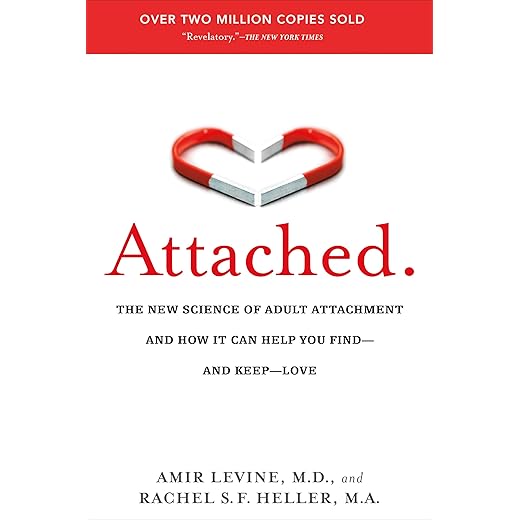
Attached: The New Science of Adult Attachment and How It Can Help You Find--and Keep--Love
Once you identify your attachment style, you can start to implement changes. Recognizing the patterns in your responses allows for a more proactive approach to your relationships. Focus on building positive habits together, fostering a deeper sense of affection and happiness. This journey toward understanding is not necessarily easy, but with patience and care, it can lead to fulfilling connections.
How Secure Attachments Foster Healthy Dialogue
In the world of psychology, the theory of attachment styles describes how early relationships shape our interactions later in life. Secure attachments are fundamental in fostering a comfortable and loving environment, which leads to healthier dialogues. When individuals feel loved and valued, they are more likely to engage in open and honest conversations, allowing for emotional ease. They don’t worry excessively about the responses of others, which could lead them to overanalyze every word said in a discussion.
For those with secure attachments, the fear of conflict is minimized. They perceive dialogue as a form of collaboration rather than a hostile confrontation. This perspective could ease tensions and lead to resolving events that often cause anxiety in relationships. On the contrary, individuals with anxious-avoidant or disorganized attachment styles might struggle. They may avoid conversations altogether or find themselves reacting inconsistently, creating a cycle of misunderstanding.
Active engagement in dialogue is essential. Individuals with secure attachments prioritize healthy communication rules. They actively listen and empathize, making their partners feel valued. In contrast, those who have developed anxious or avoidant tendencies often struggle with self-regulating emotions during discussions. This dynamic could leave their partners feeling worried or unloved when conversations become bothersome or challenging.
For anyone looking to improve their communication skills, understanding attachment styles is worth reading up on. There are numerous resources available, from books to professional therapists who specialize in relationship dynamics. Consider exploring some popular titles on Amazon for further assistance. Once you begin integrating these ideas, you might just find yourself more comfortable in your relationships and feeling healthier overall.
By focusing on these sections of relationship psychology, you could develop a deeper understanding of how secure attachments affect dialogue, making your relationships both healthier and more fulfilling.
Addressing Miscommunication in Anxious Attachments
Understanding the dynamics of anxious attachments is crucial for nurturing healthy partnerships. Anxious individuals often find themselves stressed and worried, especially during moments of miscommunication. Recently, it’s been observed that these behaviors can lead to misattunement between partners, causing rifts that are hard to navigate. When discussing these challenges, it’s important to recognize that fear of abandonment can shape one’s reactions and responses in relationships.
One common difficulty is that anxious individuals tend to withdraw when faced with perceived rejection or aloofness from their partners. This withdrawal can create a cycle of misunderstandings, where the anxious partner feels abandoned, while the other person might be merely preoccupied with their own issues. To address this miscommunication, it is essential to prioritize open dialogue. For example, practicing active listening can help bridge the gap between anxious and fearful-avoidant styles of attachment.
Parents and caregivers play a pivotal role in the development of these attachment styles. Mary Ainsworth’s studies highlight the influences of early experiences in the nursery on adult relationships. When caregivers are responsive and present, children are more likely to grow into secure adults who find happiness in their partnerships. On the other hand, inconsistent responses can lead to anxious-avoidant tendencies, making it difficult to maintain emotional connections later in life.
To manage these communication difficulties, consider adopting specific strategies:
- Be clear and direct about your feelings and needs.
- Avoid dramatic assumptions about your partner’s intentions.
- Focus on creating a supportive environment where both partners can express themselves without fear of judgment.
- Engage in regular check-ins to understand each other’s emotional states.
By offering these tools, you can help dissolve the walls of misunderstanding and nurture a more secure emotional climate in your relationships. Remember, addressing miscommunication takes work, but with a dedicated focus on healthy interactions, you can build a partnership that thrives despite the challenges posed by anxious attachments.
Challenges Faced by Avoidant Individuals in Conflict Resolution
Avoidant individuals often experience significant challenges when it comes to conflict resolution. These challenges arise from their distinct personality traits, which are shaped during their early years by parents or caregivers. The approach that avoidant people take towards conflict can lead to unhealthy patterns, where they might separate themselves emotionally from discussions that require deep connection and openness.

During their journey into adulthood, avoidant individuals frequently struggle with a lack of trust in others. This insecurity fosters a high level of stress when faced with conflict. They may worry that engaging too deeply in discussions could lead to abandonment or rejection, which creates a major barrier in building strong bonds. Consequently, they often choose to withdraw or create space, hoping to break free from uncomfortable situations. This tendency can be counterproductive, as it limits their ability to connect effectively with others.
The importance of addressing these challenges is clear. Counseling can guide avoidant adults towards improving their conflict resolution skills. Workbooks designed for self-growth can also be beneficial. They often include exercises that help individuals gradually work through their emotions, facilitating a healthier approach to conflict. For instance, resources like “The Avoidant Personality Workbook” available on Amazon can provide structured frameworks for overcoming these hurdles. Such tools help in cultivating awareness and understanding, prompting avoidant individuals to confront their hidden needs rather than shy away from them.
By learning to tolerate discomfort in conversations and recognizing the worth of healthy relationships, avoidant individuals can make significant strides. They begin to appreciate the importance of seeking approval from themselves rather than relying on external validation. As they delve deeper into their emotional needs, they may find themselves transforming their avoidance into more fulfilling connections.
Strategies for Enhancing Communication Across Attachment Styles
Understanding the distinct attachment styles–such as anxious-avoidant and secure–is crucial for fostering healthy relationships. Parents and caregivers play a significant role in shaping these styles, and their influence continues throughout our lives. By focusing on the rules of effective communication, individuals can learn to navigate the challenges that arise when different attachment styles interact.
One effective strategy is mindfulness, which helps individuals stay present during conversations. This awareness allows people to address their anxieties and fears related to abandonment without withdrawing or becoming defensive. Practicing mindfulness exercises, such as focused breathing or visualization, can be beneficial for those who may feel hurt or overwhelmed in discussions. These techniques have been covered by therapists and can be incorporated into daily routines to enhance emotional regulation.
Another important aspect is to foster an environment of understanding and support. Individuals should take the time to engage in open dialogues about their feelings and attachment triggers. For instance, discussing a recent episode where one partner felt insecure can turn into a valuable learning experience for both. By reading about each other’s emotional responses and backgrounds, people can gain insights into each other’s needs, creating a framework for future interactions.
Cognitive-behavioral strategies also prove useful in enhancing communication. Engaging in exercises that test one’s perceptions and beliefs can lead to more constructive conversations. It’s vital to keep in mind that the goal is not to change the other person but to gain a deeper understanding of what influences their behaviors. Tools like workbooks and guided journals, available on platforms like Amazon, can aid in this process by providing structured prompts to facilitate discussions.
Ultimately, fostering high levels of willingness to communicate and support each other builds healthier relationships. Don’t underestimate the power of these distinct sections of discussion that focus on not only addressing problems but also celebrating progress together. By combining these effective strategies, people can create resilient connections that endure and thrive, irrespective of their attachment styles.
Q&A:
What are the different types of attachment styles mentioned in the article?
The article outlines four primary attachment styles: secure, anxious, avoidant, and disorganized. A secure attachment style is characterized by comfort in intimacy and trusting relationships. Anxious attachment involves a strong desire for closeness but with a fear of abandonment. Avoidant attachment leads to emotional distance and reluctance to rely on others. Lastly, disorganized attachment often stems from trauma or inconsistent caregiving, resulting in confusion in relationships. Understanding these styles helps individuals recognize patterns in their relationships.
How do attachment styles affect romantic relationships?
Attachment styles play a significant role in how individuals connect with their partners. For example, a person with a secure attachment is likely to engage in healthy communication and establish trust. In contrast, someone with an anxious attachment may create tension due to their need for constant reassurance. Meanwhile, avoidant individuals might struggle with intimacy and may pull away when things get too close. Understanding one’s attachment style can help in identifying potential conflicts and improving relationship dynamics.
Can attachment styles change over time, and what might influence those changes?
Attachment styles can change due to various factors such as life experiences, therapy, and significant relationships. A person who identifies with an anxious or avoidant style might develop a more secure attachment as they engage in positive relationships or receive therapy that addresses their fears. Important life events, such as becoming a parent or experiencing a healthy long-term relationship, can also contribute to these changes. Acknowledging and working on one’s attachment style can lead to healthier interactions in the future.
What steps can someone take to improve their attachment style?
Improving one’s attachment style often involves self-reflection and conscious effort. Individuals are encouraged to explore their feelings and patterns in relationships by journaling or talking with a therapist. Being aware of triggers that lead to anxiety or avoidance can help in managing those responses. Additionally, practicing open communication with partners and building trust gradually can strengthen relationships. Support groups or workshops focused on relationships may also provide valuable insights and strategies for developing healthier attachment patterns.

Other Articles

Recognizing 8 Key Signs That Indicate Emotional Maturity in Your Life
Transform Your Life with Four Simple Steps to Create a New Identity

6 Comments
Comments are closed.


Much more than what I expected. Eye-opening, relationship saving. My psychiatrist pretty much made me order this book even though in my mind I was dead set against, thinking it was going to be a waste of time, perfectly convinced I knew everything about myself and whatever kind of “attached” I was.Whoa.Was I wrong.And I hate to be wrong. Thanks, Dr. D.General Information: This book is an easy read. It’s not that stuff you need to be a rocket-scientist to figure out – in layman terms it briefs you on the broader different styles of attachment: secure, anxious and avoidant. The book helps you determine what kind of attachment styles you have via reading examples of others attachment styles and there are also some quizzes if you’re still not sure, all of which I found useful. I really liked that the authors presented examples of scenarios of attachment styles and encouraged the reader to read through the scenarios and guess the kind of attachment styles that were presented based on the knowledge we had already been given in the earlier part of the book. I find that a helpful way to learn.Given that I was not into reading this in the first place – the fact that it was light reading, interesting and at times fun – made me very attuned to what this book had to say. I agree it wasn’t super in-depth but I don’t fault this book for that because if it was super in depth I would have not even read it. My psychiatrist knows what the heck she is talking about and she choose this book for a reason – so I have zero complaints. I think she was even impressed with how much I was able to take away after reading it in one day.Personal Information:This book taught me a lot about myself. With women, I have anxious attachments – stemming from an unpredictable childhood. I pretty much tend to gravitate toward any one who acts maternal with me and cling to her. This isn’t necessarily about romantic attachment for me, it spelled out a lot of patterns with all the people I have in my life: from friends, family members, partners and even my doctors.I had started to notice that I was feeling unsettled in my relationship with my fiance. I was getting annoyed at everything he did. Little things, like the way he chewed. I would get annoyed when he would text me and completely ignore him for hours at a time. Until I read this book, I didn’t realize the problem was me and that with men I have a very avoidant attachment style. I was able to take the criticism to heart without feeling persecuted because the book doesn’t make you feel that way even though avoidants can come off as very very harsh and cruel and indifferent.I’m now able to communicate more effectively, recognize my own patterns of behavior, identify that I am responsible for my own actions and feelings and now I feel a real sense of control and independence because I have that knowledge. I have that security. I can reciprocate with my fiance now and not be so dismissive of him and I’m able to be a bit more open without feeling that he’s trying to stop me from being my own person or that he’s suffocating me.I highly recommend this book. If you want to delve super deep into this attachment thing – some other reviewers mentioned additions and alternatives but I wouldn’t. I am a very learned person, a very intelligent person and I didn’t need anything more in depth than this book to help me to start to recognize patterns that needed to change. I think this book is best served to people who can admit where they are on the attachment continuum. I happen to be at a place in my life now, thanks to my psychiatrist and therapist, where I am able to let my guard down a bit and accept things that are difficult for me to accept.. Maybe even just six months ago I wouldn’t have been ready to admit this. But given my ability to be ready and my desire to make things right in my life now that I have a child – I didn’t need a guide book to tell me how to figure out the things I needed to do to fix the areas that needed work in my life regarding my attachment styles.I disagree with the reviews that claim this book doesn’t offer us any insight as to why we are the way we are and what we can do about it. Several times this book mentions the theories of infant and other kinds of attachments but does say that it’s not the purpose of this book to delve into that. That’s good enough for me. I was able to discern from the minimal but powerful examples they give of the attachment styles of infants to their caregivers to know why I am the way I am and I wrote a whole essay about it to share with my psychiatrist…. thanks to this book.As for what we can do about it – this was also something I didn’t need a road map for. This is going to sound pretty darn simplistic but maybe that’s just because it is. Kind of just do the opposite of what you’re doing….???? That is how this has been working for me, anyway. But of course, I relied on the examples in the book to help direct my behavior without needing a “HOW TO” direction stamped across the page. You rely on your intuition. You rely on your knowledge. You rely on your empathy and most of all you rely on your willingness to enact change.The examples in this book were definitely not apples to apples with how I am with my fiance – but it was enough of an eye-opening experience for me to say to myself: “Oh geez….. I do things like this all the time and this is how my fiance must feel. He’s just reacting to my avoidance. If I start to try to be less avoidant and give him a little bit more security by acknowledging him maybe he won’t feel so frustrated or taken advantage of or hurt.”And that’s what I started to do. I started to recognize the behaviors I have that are avoidant and started to replace them with more healthy behaviors. At first this wasn’t easy. I felt like I was losing a part of myself by giving in to him but then I realized that’s silly and I went back to the book for guidance and reassurance and that’s when I decided to feel more secure and in control. I’m far more independent by making the right, healthy choices for our relationship than I am being a slave to my fear of dependency. I really feel empowered by this and I thank the authors for putting this out there in a way that isn’t complicated but that is so very helpful.
great book. I’ll admit it. I am totally attached to _Attached_. But, not in an unhealthy way, really. I’ve read my fair share of books on relationships (including textbooks during my clinical training as a therapist), and I can honestly say that this book provides the most elegant framework for organizing, explaining, and rescuing relationship problems that I’ve seen.It clearly delivers on the hope that the authors have for this book:“We hope that you will use the relationship wisdom distilled in this book, from more than two decades of research, to find happiness in your romantic connections and to soar in all aspects of your life. If you follow the attachment principles we have outlined, you will be actively giving yourself the best shot at finding—and keeping—a deeply gratifying love, instead of leaving one of the most important aspects of your life to chance!” (pp. 272-273)Based on the science of attachment, the book looks at the three basic types of attachment: avoidant, anxious, and secure. In a nutshell: if you’re avoidant, relationships feel like a threat to your independence; if you’re anxious, relationships feel like a lifeline that is going to be yanked away from you at any moment; if you’re secure, relationships provide you with peace of mind. Early on, the book helps you determine your style of attachment, and the style of your partner as well.After helping to determine attachment styles, the book takes a closer look at how these three different attachment styles present themselves in everyday life, and when they are most likely to clash. Not surprisingly, the most clash-likely relationship is between a person with an avoidant style of attachment and one with an anxious style. (Can we say distancer and pursuer?) The authors provide both insight and hope for helping avoiding the needless suffering often accompanying this attachment style mis-match:“People have very different capacities for intimacy. And when one person’s need for closeness is met with another person’s need for independence and distance, a lot of unhappiness ensues. By being cognizant of this fact, both of you can navigate your way better in the dating world to find someone with intimacy needs similar to your own (if you are unattached) or reach an entirely new understanding about your differing needs in an existing relationship—a first and necessary step toward steering it in a more secure direction.” (p. 270)The book provides tools and communication strategies that use attachment principles to help you avoid the traps of mismatched relationships (and/or help you free yourself and survive one you may have fallen into), and shows you how to focus your energies on building secure relationships. Even if you’re not the secure type (only about 50% of people are), it still is possible to be in a secure relationship—it just takes a good mix of self-awareness and ongoing work. Think of this book as the guidebook for doing that work.The cherry on top of this deliciously satisfying book comes in the form of the authors’ simple, but profound, summary of the key essentials for finding and keeping (secure) love:***Your attachment needs are legitimate.***You shouldn’t feel bad for depending on the person you are closet to—it is part of your genetic makeup.***A relationship, from an attachment perspective, should make you feel more self-confident and give you peace of mind. If it doesn’t, this is a wake up call!***And, above all, remain true to your authentic self—playing games will only distance you from your ultimate goal of finding happiness, be it with your current partner or with someone else. (p. 272)_Attached_ should seriously be required reading for anyone who has been, is, wants to be, or will be in a relationship. Yep, it is that good. And, so can be your relationships if you take this book to heart!
Interesante punto de vista, claro, práctico y con muchos ejemplos que te ayudan a entender mejor la teoría.Me gusta que se basa mucho en estudios científicos y no en la opinión de una persona.
Amazing book for anyone interested in marriage and long relationships. Wow! Absolutely loved this book I must say.When I got this book, I wasnt sure Id love it. I know many people recommended it but after reading the negative reviews I was a tiny bit hesitant. But I am so GLAD I bit the bullet.I recommend this for anyone interested in having a long lasting relationship and many years of a beautiful marriage, either one you are currently in or one you want in the future. These truly do seem the keys to make most marriages last for sure. Even the ways conflict is handled is EXACTLY what I been asking for and EXACTLY what I wanted to see. This is the way conflict should be handled.Another pro: the book exercises are very helpful. After reading the questions and surveys I found them extremely helpful in identifying the core issues or positives in a marriage. People don’t realize you are A TEAM when you are married. Its YOU 2 first, and this book preaches that.Also the 7 principles themselves I found to be very true and reading the studies as examples were quite helpful. I also appreciate how the book provides practical examples and tips on HOW to bring up certain topics, what to say, what to do in certain marital situations.The only complaint I have about this book is it doesnt seem to go into too much when to truly call it quits in a marriage. I absolutely agree that in most cases people call it quits far too early and people end what could have been such a beautiful thing for silly reasons that can be resolved or learn to co-exist peacefully, but I will say in some fairly rare situations there are times where a marriage simply wont work. I wish the book delved into that a bit more of what are the signs that your marriage really needs to end. But I would say that is a fairly rare case and again MOST of the time it can be improved with many of the exercises and points made in the bookMy other gripe is that the pages are so thin that it doesnt withstand the wrath of my highlighter! I wish it was a tiny bit thicker because I have to be very gentle with how I highlight so it doesnt bleed through… and trust me, I highlighted A TON in this book.So helpful
A book full of wisdom and insights, will benefit all types of relationships. I wanted to become a better man for my then fiancé (now wife) before we got married. It was one of my goals to improve myself in many different aspects so I can help me help us. I wanted to become more patient and understanding as well as a better communicator. We’ve been together since high school and it wasn’t always rainbows and sunshine, but we’ve managed to overcome those years of immaturity and useless bickers, and now have been on our growth journey. I found this book while browsing Reddit and am very happy to have it in hand. It has helped me tremendously and paints a better picture that marriage, or any relationship, takes a lot of work, belief, and togetherness. It’s not your journey, my journey, but a “our journey”. I’ve embraced the “Create Shared Meaning” principle and have been creating small traditions with her since we’ve gotten married. I go out of my way to do random picnics at the park, stop at a new and interesting place, eat foods from different cultures with her and it’s been fun. We’re both able to share new experiences together and that’s what creates that inside joke that strengthens our bond. I’m very happy that she’s receptive and has started reading this book with me for 30 minutes before we go to sleep (and I don’t mind repeating it either since I gain new insights each go-round). Overall, folks, I highly recommend this book. It will not only improve your intimate relationships, but also any other platonic or familial ones. I take what I learn from this book and apply it to my friends and family too, and it helps me become a better man all around.
Masterpiece – Proven steps to marriage success. I have read many books on marriage and meet with couples to mentor them in their marriage. I have found no better secular book to lay out how to invest in marriages that set the marriage up for success. I highly recommend this book!