

In many relationships, communication can often become a silent battleground where resentment and contempt grow, leading to significant misunderstandings and emotional turmoil. Couples may find themselves trapped in a cycle of constant miscommunication, leaving them feeling worse and struggling to navigate their partnership. To transform this dynamic, it is crucial to recognize the powerful role that effective communication plays in fostering a successful relationship.



The key to enhancing dialogue lies in understanding various communication styles and ensuring that both partners are assertive yet empathetic. Strategies drawn from experts such as Markman and Sillars emphasize the importance of honest clarification and active listening, helping each partner to appropriately express their intentions and feelings. By implementing these strategies, couples can build a solid foundation for their conversations, facilitating a deeper level of understanding and reducing the likelihood of emotional disconnect.
As explored in both medical and psychological literature, the changes we make in our communication patterns can lead to profound improvements in relationship satisfaction. From strategies that encourage repetition of emotional check-ins to approaches like the “take-home” techniques developed by leaders in this field, partners can benefit from tools designed to enhance both their individual and collective emotional intelligence. By prioritizing these efforts, couples can cultivate an environment where open conversation flourishes, transforming potential conflicts into powerful moments of connection.
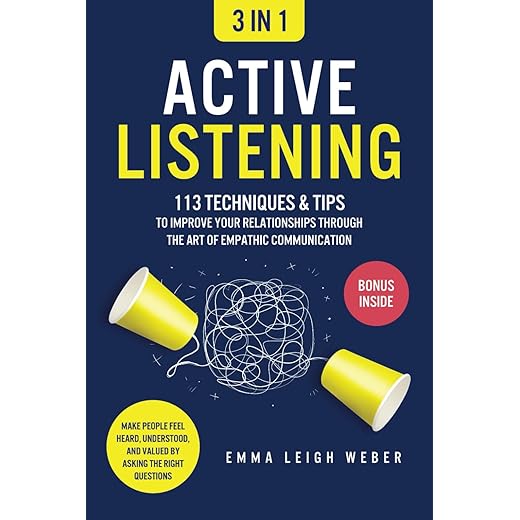
Active Listening Techniques
Active listening is a vital skill that fosters transparency and understanding in relationships, whether they are between couples or in organizational contexts. To practice this technique, participants must be genuinely engaged, waiting to hear every detail without distractions. This means putting away phones, turning off the TV, and focusing entirely on the person speaking.
One effective strategy recommended by experts like Adham and Mollen includes validation. This involves acknowledging the speaker’s feelings and thoughts, no matter how challenging or different they might be from your own. For example, instead of responding with sarcasm or a dismissive comment, you might say, “I understand this is tough for you,” which can help prevent resentment from building up.
Additionally, participants should actively reflect on what the other person is saying. This can be done by rephrasing their words to ensure understanding. For instance, if your partner expresses frustration about a situation, you might respond with, “What I’m hearing is that you feel overwhelmed and that’s affecting your ability to solve problems. Is that correct?” This kind of empathy not only fosters connection but also builds a foundation for resolving differences together.
Lastly, it’s crucial to remember that communication is a two-way street. While it’s important to express needs, it’s equally vital to understand others’ perspectives. Acknowledging these differences can inspire deeper connections and enhance your overall communication skills. By using these active listening techniques, you can create an environment of understanding, ensuring that both partners feel heard and valued in any relationship.
How to Show You Are Listening
Effective communication is essential in any relationship, and showing that you are genuinely listening can make a significant difference in your interactions. To fully engage with someone, start by eliminating barriers that might lead to misunderstandings. It’s crucial to avoid behaviors like stonewalling or using sarcasm, as these can create unspoken tensions. Instead, maintain a tone that is warm and open.
One of the best ways to show you are listening is by actively identifying and addressing the other person’s concerns. For instance, if someone is sharing their worries about finances, don’t just nod and say “uh-huh.” Instead, take the time to outline their concerns, which demonstrates that you value their feelings. A simple response like, “I understand that this is a significant issue for you,” can help build a stronger bond. This level of communication requires emotional intelligence, which plays a vital role in effective interactions.
Consider setting a comfortable environment when you want to communicate. Whether it’s a cozy evening at home or a casual chat over coffee, the right setting can influence the tone of the conversation significantly. For example, if you’re discussing something personal, choosing a quiet space can facilitate a more satisfying dialogue. Also, remember to limit distractions. Putting away your phone shows that you are genuinely engaged with them, which can lead to deeper conversations.
Moreover, take the time to reflect back what you have heard. This technique can help you clarify and confirm your understanding. Phrases like “So what you’re saying is…” can not only validate their feelings but also lead to a more honest discussion. By doing this, you help them feel heard and respected, which can reduce any feelings of rejection they might anticipate.
Additionally, embracing patience is key. Sometimes, people need time to articulate their thoughts or feelings, especially when they might face fears or concerns. The academic field has shown that when individuals feel confident in their ability to communicate, it creates a better overall experience for both parties involved. Therefore, starting conversations by asking open-ended questions can encourage them to express themselves fully.
Ultimately, showing that you are listening involves a mix of verbal and non-verbal cues. Whether you’re a manager discussing project concerns with your team or a friend helping someone navigate life’s challenges, the goal remains the same: creating a space where everyone feels comfortable to communicate. If you wish to enhance your listening skills further, consider tools such as guided journals or academic resources available on sites like Amazon, which can provide great insights into effective communication techniques.
Avoiding Interruptions While Speaking
Effective communication in relationships is crucial for success and fulfillment. One way to enhance this communication is by avoiding interruptions while speaking. Interruptions can create unnecessary challenges and often lead to misunderstandings. This process involves actively listening and waiting for your partner to finish their thoughts, allowing for a more productive conversation.
When you wait to respond, it shows respect and a genuine interest in connecting with the other person. For instance, consider a conversation about finances. If one partner discusses their concerns and the other interjects with aggressive comments, it can quickly escalate into arguments and resentment. However, by enhancing your tone and allowing for clarification, both members can feel heard and develop a healthier dynamic.
Distractions can undermine the effectiveness of your conversation. It’s easy to get sidetracked by notifications or background noise. To combat this, find a quiet space to talk and consider minimizing external sources of distraction. This ensures that both partners can fully engage, even when discussing difficult topics like finances or relationship challenges.
For teenagers, modeling this behavior is particularly important. They often look to their parents and guardians for communication cues. A therapist can help families identify patterns of defensiveness and guide them through the process of enhancing their communication skills. Positive changes in this area can create a supportive and understanding environment, which ultimately leads to stronger connections.
By focusing on avoiding interruptions, you’ll find that conversations become more fulfilling. Not only do you foster a space for healthy discussions, but you also build trust and understanding in your relationships. The next time you start a conversation, remember to wait and truly listen–this small change can have a significant impact.
Validating Feelings During Conversations
Validating feelings is a powerful strategy that can significantly enhance communication in any partnership. Experts suggest that when we take the time to acknowledge the emotions of our partners, it creates a supportive environment that fosters healthy interactions. This approach helps both members of the couple feel understood and valued, reducing unnecessary defensiveness during discussions.
One effective way to validate feelings is by actively listening and showing appropriate posture that demonstrates engagement. For instance, leaning slightly forward and maintaining eye contact can signal that you are genuinely interested in what your partner is saying. While doing this, think about the messages you are sending and how they align with the topic at hand. Using verbal affirmations, such as “I understand how you feel,” raises confidence and encourages open dialogue.
In many conversations, people often fear rejection, which can lead to heightened sensitivity. By offering a safe space for expressing emotions, you can significantly lower the level of anxiety. This is particularly important in early stages of a relationship, where anxiety might be higher. A couple can practice strategies like repeating back what they hear, which not only shows active listening but also reinforces the conversation’s core messages. For example, you might say, “It sounds like you’re really stressed about your job right now,” which validates their feelings and invites them to share more.
In addition to these techniques, browsing resources like positivepsychology.com can provide further insights into managing emotions during conversations. They offer a variety of strategies that anyone can implement, whether they’re looking for medical advice on stress management or ways to enhance their emotional intelligence. Utilizing these strategies consistently leads to stronger partnerships and healthier interactions throughout your relationship.
Ultimately, validating feelings is about empathy and understanding. It’s a practice that helps everyone involved feel more connected and less isolated, which is key to thriving relationships. By implementing these practical tips and being mindful of your responses, you’ll likely see positive changes in your communication style, making it easier to tackle even the most challenging topics together.
Reflecting Back What You Hear
In any relationship, effective communication is key. One powerful technique that can enhance conversations is “reflecting back what you hear.” This approach, advocated by experts like Marshall Rosenberg, helps both parties feel understood and valued. It’s an easy way to show you’re actively listening while providing reassurance that their thoughts and feelings are acknowledged.
Reflective listening involves summarizing or paraphrasing what the other person has said. This technique invites your partner into a more open dialogue and encourages them to share more deeply. For instance, if someone expresses frustration due to a misunderstanding at work, you might say, “It sounds like you felt undermined and are seeking more clarity from your employee.” This type of response not only adds to the conversation but also strengthens the trust in your connection.
To further emphasize this technique, consider the potential benefits it offers. By outlining their concerns and reflecting them back, you provide your partner with an additional tool for navigating heated arguments. This is especially important when tackling unspoken issues or negative feelings that frequently emerge during discussions.
Additionally, reflecting back can transform confrontations into constructive conversations. It allows for the exploration of specific feelings without criticizing the other person. By starting with affirmations rather than criticisms, you set a positive tone. For instance, you might say, “I hear you’re worried about our finances; let’s talk about how we can manage them better together.” This not only masterfully redirects the conversation but also fosters a more harmonious setting.
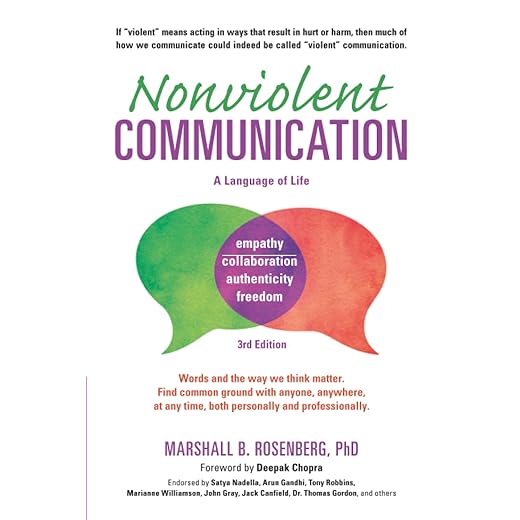
Incorporating this technique isn’t just useful in personal relationships; it’s also effective in professional settings. Employees who feel heard are likely to perform better and communicate more openly. Books on Amazon, like “Nonviolent Communication” by Rosenberg, offer insightful guidance on mastering this art. Consider downloading resources that explain this technique thoroughly–like those from Zikri or Rhoades. They can provide you with both informational and practical approaches for weaving reflective listening into your daily interactions.
In summary, reflecting back what you hear is a simple yet profound way to engage in meaningful conversations. By practicing this technique, you can transform arguments into discussions that encourage understanding and connection. So the next time you face a challenging conversation, remember: actively listening and reflecting might just be the key to strengthening your relationship.
Using “I” Statements

In relationships, using “I” statements can significantly enhance communication between partners. This approach allows individuals to express their feelings and thoughts without placing blame or making hasty assumptions that might lead to defensiveness. For instance, rather than saying, “You never listen to me,” one might say, “I feel unheard when my thoughts are not acknowledged.” This small change in wording can transform a passive complaint into a strong expression of personal needs, making it easier for the listener to respond with empathy.
Psychologists, including experts like Markman, recommend incorporating “I” statements early in conversations to navigate conflicts effectively. Couples who communicate their emotions clearly are better equipped to manage misunderstandings. For example, instead of making sarcastic digs, a partner can say, “I feel frustrated when my ideas are dismissed.” This not only strengthens the partnership but also fosters a safer emotional space for both individuals.
Abekah and Adham, both experienced therapists, emphasize the importance of awareness regarding oneself and their partner’s feelings. By actively listening and avoiding defensive reactions, couples can develop a more profound connection. This approach encourages a team mentality where both partners participate in resolving issues together, rather than as adversaries.
Using “I” statements also helps in addressing personal fears and anxieties, allowing individuals to express themselves without feeling exposed. For instance, one might say, “I worry that we are drifting apart” rather than making the partner feel guilty with “You don’t care about our relationship.” This technique promotes understanding and can elicit meaningful conversations that lead to growth.
For those looking to improve their communication skills, various resources and services are available on platforms like Amazon. Books on relationship communication or specific guides on using “I” statements can provide valuable insights. Tools like “The 5 Love Languages” or “Nonviolent Communication” can help partners strengthen their ability to express themselves effectively. Investing in these resources can be a significant step towards a fulfilling partnership.
How to Frame Your Thoughts Positively
In relationships, the way we communicate greatly affects our connection with each other. One of the most effective ways to enhance communication is by focusing on positive phrasing. This approach not only helps in solving problems but also inspires both partners to seek improvement in their interactions. When you frame your thoughts positively, you create a “bluesky” atmosphere that promotes open dialogue and deeper understanding.
Early in any discussion, it’s essential to show a level of clarity. Using positive language can help avoid defensiveness, making it easier for both partners to navigate through challenging topics. For example, instead of saying, “You never help around the house,” try framing it as, “I would really appreciate your help with chores.” This simple shift can make a significant difference in how your partner feels and reacts. The theory of active listening suggests that each partner should not only express themselves but also pay attention to the nonverbal cues from the listener.
Engaging in positive communication also aids in addressing personal issues. For instance, discussing feelings of sadness or conflict can be daunting, but preparing specific points and approaching the conversation with positivity can lead to a fruitful resolution. Using examples, such as “Jennifer and Abekah have found that discussing their feelings early each week helps them tackle unresolved issues,” demonstrates how proactive communication can lead to long-term benefits.
Everyone has their reasons for feeling the way they do, and it’s important to validate those feelings while aiming for constructive dialogue. By incorporating positive thoughts into your conversations, you lay the groundwork for a healthier relationship. Whether you’re dealing with everyday problems or more significant issues, remember that framing your thoughts with positivity can transform your interactions. Invest in tools, such as communication books found on Amazon like “Crucial Conversations” or “The Seven Principles for Making Marriage Work,” which can guide you through the process of developing better communication skills.
Examples of Effective “I” Statements

Using “I” statements can be a powerful tool in enhancing communication, especially in relationships. This technique allows participants to express their feelings and thoughts without sounding accusatory. For example, instead of saying, “You never listen to me,” one might say, “I feel unheard when my opinions are not acknowledged.” This approach places the focus on personal feelings rather than dominating the conversation with aggression.
Consider the scenario where Lara feels frustrated during corporate meetings. Rather than letting fear dictate her responses, she could utilize a “I” statement: “I feel overwhelmed when suggestions are dismissed.” By expressing her emotions actively, she opens the door for a constructive dialogue instead of avoiding the problem. This shift can lead to resolution and better understanding among partners or team members.
Jennifer, during heated discussions, may notice passive-aggressive behaviors from her colleagues. Instead of retaliating with contempt, she might say, “I get confused by the tone when disagreements arise.” This helps to manage the situation more effectively, encouraging open listening and clarification of intentions. By outlining feelings without blaming others, participants can address the matters at hand without escalating conflict.
The golden rule for using “I” statements effectively is to maintain an open line of communication throughout all interactions. Whether in academic settings or everyday life, the practical application of this technique fosters an environment where all voices are heard, making it easier to engage in problem-solving. Regular check-ins can also ensure that everyone feels valued, helping manage any potential heated exchanges before they arise.
Incorporating effective “I” statements into your communication toolkit can dramatically improve the quality of interactions you have with your partners. For practical examples, consider products such as “Nonviolent Communication: A Language of Life” available on Amazon.com, which can provide deeper insights into this communication style and help you actively work on your skills.
Q&A:
How can I improve communication with my partner?
Improving communication with your partner can be achieved through several strategies. First, prioritize active listening. This means giving your full attention when your partner speaks and acknowledging their feelings. Next, express your thoughts clearly and honestly. Use “I” statements to convey how you feel without placing blame. Scheduling regular check-ins can also help; these meetings create a safe space for both partners to share their thoughts. Finally, practice empathy by trying to understand your partner’s perspective, even if you don’t agree with it. This can strengthen your emotional connection and lead to more constructive conversations.

What role does non-verbal communication play in relationships?
Non-verbal communication is a significant aspect of how partners interact. It includes gestures, facial expressions, posture, and eye contact. These signals can convey emotions and reactions that words might not fully express. For instance, maintaining eye contact shows attentiveness and sincerity, while crossed arms might suggest defensiveness or discomfort. Being aware of these non-verbal cues can help partners better understand each other’s feelings and intentions. It’s important to align your verbal and non-verbal messages to avoid misunderstandings. If your body language contradicts what you’re saying, it can create confusion and doubt.
How can we create a safe space for open communication?
Creating a safe space for open communication is key to any healthy relationship. To start, establish ground rules for discussions, such as no interruptions and no personal attacks. It’s essential that both partners feel respected and valued while talking. Choose a comfortable environment where both individuals feel at ease. Make an effort to validate each other’s feelings, even if you don’t fully understand them. This helps in building trust and encourages openness. Regularly check in with each other to reinforce this safe space, and be willing to revisit and adjust your approach as needed.
What strategies can we use to handle disagreements constructively?
Handling disagreements in a constructive manner is important for maintaining a healthy relationship. One effective strategy is to focus on the issue at hand rather than attacking your partner. Using “I” statements can help express your feelings without seeming accusatory. It’s also beneficial to take breaks during heated moments to cool down and reflect. When you revisit the disagreement, approach it with a collaborative mindset, aiming to find a solution that satisfies both parties. Additionally, practicing forgiveness and letting go of grudges can help move the conversation forward positively, preventing past issues from resurfacing.
How can we use technology to improve our communication?
Technology can be a useful tool for enhancing communication in relationships. Consider utilizing messaging apps to send thoughtful notes or reminders to each other throughout the day. Video calls can help maintain connections, especially if you are in a long-distance relationship. Schedule virtual date nights to spend quality time together. Additionally, using shared calendars can keep both partners informed about each other’s schedules and commitments. However, it’s crucial to balance screen time with face-to-face interactions, as nothing can replace the depth of in-person communication. Always strive to use technology in a way that strengthens your bond rather than detracting from it.
What are some practical techniques to improve communication in relationships?
Improving communication in relationships can take various forms. Here are seven practical techniques: 1. **Active Listening**: Pay full attention to your partner, acknowledge their feelings, and refrain from interrupting. 2. **Use “I” Statements**: Instead of saying “You never listen,” try “I feel unheard when you look at your phone.” This reduces defensiveness. 3. **Setting Aside Time**: Regularly schedule time to talk without distractions. This ensures both partners feel valued. 4. **Non-Verbal Communication**: Pay attention to body language, eye contact, and tone. These non-verbal cues often express more than words. 5. **Stay Calm During Disagreements**: Take a break if emotions run high. This helps to prevent saying things that could hurt your partner. 6. **Ask Open-Ended Questions**: This encourages deeper conversations. For example, instead of asking “Did you have a good day?” ask “What was the best part of your day?” 7. **Be Honest and Transparent**: Share your feelings and thoughts openly. Transparency fosters trust and understanding in a relationship.

Other Articles


9 Practical Strategies for Dealing with a Narcissistic Parent’s Behavior
13 Comments
Comments are closed.


Basic & intuitive & deep – extremely valuable. Yeah so chapter 1: we have feelings because we have needs… yes of course but … who ever thinks about this. Book is full of intuitive & basic things that aren’t obvious until pointed out. It’s like a human user manual. Of course, everything we do is communication & we only exist in existence with others so effective communication is the backbone of human existence. This book reads like a negotiation text book & should be required reading in law school. I’m an attorney. I wish we’d read this in the first year of law school. It’s applicable to all communication & reads also like a spiritual guidebook. I’m very much into those too. You can’t really separate high vibration living in terms of professional vs personal … to quote a very cool Los Angeles pastor I once negotiated a lease deal with: “you is who you is.” And who we are always comes down to how we made others feel. Our success as humans in every way depends on this. They may not remember what you said or did, but they always remember how you made them feel. At the core of this concept is how we communicate, and that stems from how we feel. I realized recently in a difficult personal relationship that I should just shut up & work inside myself if I’m feeling triggered. If you ever communicate with others … and wish for your relationships or your results to be more satisfying, this is a very valuable read. My brother recommended it to me over breakfast. He’s a good honest man with very open and authentic communication. I understand I’ve struggled in this area, tending to circle around inside myself, isolate or run, so I finally got around to picking up this gem.
Communicating Honestly and Receiving Empathetically – we NEED this book right now. Are you a violent communicator?Though this book does not pose this question directly, it is a question that I’ve had to reflect on while reading this book. And I haven’t really liked what I’ve been forced to admit – that many of the ways we communicate in our everyday life take from the well-being of others.Marshall Rosenberg’s Nonviolent Communication has caused me to reflect deeply on how I use communication in my day to day life, and the ways in which we can either give life to others or take it away. Every time that we communicate with others, we can either build deeper understanding, connection, and compassion, or we can simply ignore them or worse, create further disconnection and less understanding.Marshall makes clear his ultimate goal, which is largely reflected in this book. “What I want in my life is compassion, a flow between myself and others based on a mutual giving from the heart.” Practically, Marshall outlines the tenets of Nonviolent Communication, a system he developed as a counselor and spent his career teaching all over the world. At its core, Nonviolent Communication is about communicating honestly and receiving empathetically, a way of communicating that “leads us to give from the heart.” Underneath each aspect of nonviolent communication is four key components: observations, feelings, needs, and requests. In his estimation, all frustration and anger is about unfulfilled need, and therefore our communication should be about getting to the core of those needs. Though it sounds simple, this is profoundly difficult; most of us are unaware of the needs we truly have, and communicating those needs is incredibly difficult, even in close relationships.While some of it can read as touchy-feely or robotic language, I’ve found this book to be both challenging and inspiring. On a practical level, I’ve found Rosenberg’s work to resonate deeply with me at a time where I feel few people are heard or really communicate fully and honestly what they think, both in public and in private. Secondly, as someone who studies Communication, I see significant overlap with Rosenberg’s suggestions with significant realms of Communication scholarship that suggests to me that this is much more than some counselor’s idealistic approach to being in the world. True, there has been no empirical research done on this, but I think there are still deep truths and practical tips that could help anyone and everyone communicate in ways that enrich the lives of others.In the end, I encourage you to read this book. For those that want 30,000 feet, skim through it and you’ll be better for its overarching ideas. For those that want in-depth tips, Rosenberg is clear and precise in showing you how to implement the language. And if you read this and don’t like it, leave a comment and tell me about it so we can dialogue more about it. I know for me, I’m better for reading this book, and I think I’ll show up for others better too.
There’s a basic framework to NVC: observe without evaluation, feeling, need, request. I got this on Audible a couple weeks ago and was pleasantly surprised with the quality of the book…so I bought it on kindle, too! I listened to the entire book within a day or so, and I started implementing the techniques on the first day! It made it so much easier to figure out what I really wanted out of sticky relationship situations, communicate in a way that is in line with my values, and not feel so bad if I receive venom in return (though usually these techniques nip the issues in the bud). The author’s narration is perfect. A lot of the information seems intuitive…yet it does take work! – because, sadly, many if not most of us grow up in an environment with distorted social constructs, violence, and trauma. It takes a bit of “un-learningI have read dozens of “self-help” books and other resources on psychology, mental health, and relationships. Some of these were woo-woo fluff which missed the point, others were more specific to certain types of conflicts…..really they all say the same things from different perspectives… Rosenberg’s “Nonviolent Communication: A language of life” is one of the books that stands on a shelf of its own, and one that I will surely revisit over time. The book lays things out clearly and simply (comprehensively). It’s refreshingly un-biased. It provides practical tips and examples of how to execute NVC so that everyone’s needs get met and we move toward harmony/real connection. There’s a basic framework to NVC: observe without evaluation, feeling, need, request. NVZ is hard work, but it’s a valuable skill!Nonviolent Communication is a great resource for anyone new to non-violent communication. I think this book is also an excellent “refresher” book for those Jedis out there who want to brush up on their communication skills while working on emotional intelligence and self-awareness. If you’ve ever been stuck in a victim/bully situation, co-dependency, any form of interpersonal abuse or trauma…or not – I think most if not all people can benefit from reading this book! – then you may find the information in this book to be healing and empowering (also humbling). Best wishes for your process of building a peaceful life, relationships, and personal autonomy 🙂
Workbook is a tool, helpful, guiding. I like the different exercises in the book and the knowledge wedged in between. We all use communication in our day today with coworkers, friends, family, partners, supervisors, and the tools in this book definitely help to strengthen the communication all around. It’s definitely a tool and workbook that anyone can get useful information out of.
Awesome Communication Book. I bought this book, not knowing what to expect, but I always go by the reviews, even though people perceive things differently. This book was straight to the point, gives examples for how to best communicate with certain words being omitted from conversations. The font is easy to read and it’s only 109 pages. I read it in four nights. I could’ve read through it probably in two nights, but I like to highlight areas that apply to myself, general relationship, and my boyfriend. So I used three different highlighters. I bought one for myself and one for my boyfriend, hoping that I can help him learn to express his feelings and emotions rather than shut down for weeks at a time. I would recommend this book to anyone. It’s so easy to understand, and so down to earth. I’m actually going to buy another book from the same author. And also the workbook that goes along with this book review. I do love self improvement books because there’s always room for growth, but I must say this is one of the best books I’ve ever read . I don’t usually leave reviews but if your partner is willing to work together to better your relationship or any relationship for that matter, this is your book. Good luck to you.
Really good book for people pleasers!! Shift the way you express your feelings. This book truly helped me unlock the piece that I have been missing when feeling my emotions and communicating them without making someone feel attacked. Truly appreciate the direct and candid language used. It helped me see the formula and I finally feel like I am communicating authentically like an adult as supposed to using the formula I have always known as a kid. I’m 33 years old and am finally feel like I am being seen and am able to set boundaries. Highly recommend this book to women specifically who tend to be too accommodating and people pleasers.
Life lessons make you stronger. This book works well if both parties go in to this with an open mind and no reserve.it helps to fix and rebuild the relationship
Well written. Easy to understand and follow. The author clearly explains things in this book in a sometimes humorous way. Written in plain English, opposed to scientifically, I found the points in the book easy to grasp and hold onto. Not only that, the information is extremely helpful and pertains to not only intimate partnerships but other relationships with people. Its worth the read for everyone! I will be suggesting this book to family and friends.
⭐️⭐️⭐️⭐️⭐️ (5/5). This book has been such a fun and helpful tool for my fiancé and me! It’s full of simple conversation starters that led to some great talks—some deep, some just for fun. It’s not super intense or time-consuming, which made it easy to pick up whenever.If you’re engaged and want to grow your communication without feeling like you’re doing homework, this is a great pick. Light, meaningful, and perfect for pre-wedding prep!
Some good stuff inside. I got this for my husband. I can’t say how well it has worked, but he did read it. Like any relationship we have rough patches, we don’t listen to each other or we don’t communicate. I know my husband doesn’t like getting relationship books, because it means we have to do work on ourselves. So, in that strange way, this book helps.
Great Pillars of Communication. This was a great little read. Easy to digest and enjoy. I had read some of the reviews that said the author wrote a lot of listening. And they complained about it. My guess is their communication problems might be because they haven’t learned that lesson? Listen. Bento teaches how to listen. If we learn how to listen more with curiosity and less judgment, the world would be a better place. Great action steps with the 12-day communication challenge. I really enjoyed it. If you are needing a deep, intellectual dive in how the cerebral cortex works in communication- this is not the book. If you want to learn how to listen, understand, respond, and respect others in conversation, I highly recommend!
Great book! 📕 HIGHLY RECOMMEND IT! ❤️. Love this book. I chose one of the (Used, like new) ones & it did come with a big stain all over the front which was disappointing considering what they labeled it as (like new) but the inside pages were like new so I’m happy. Also half of the stain on the outside wiped off with a Lysol wipe so they easily could have cleaned the book up some but that’s not Amazon’s fault but the person who was reselling it through this page. Anyway it has very useful information in this book. I’m so happy I was able to get it for an affordable price. It’s a great book. I love workbooks because I learn better hands on instead of just reading and trying to retain the info. Most people have some unhealed trauma or unhealthy habits that we picked up throughout life so self help workbooks are great. We all could use some work on ourselves.This gives practical and easy to understand help. It makes you think and helps you work towards healing yourself and communicating with others better. Communication is key. 🔑 When we work to heal ourselves and we end up healthier and better we will attract healthier friends and partners. I realized that the reason I attract Ted toxic manipulative men is because they could see my vulnerabilities & seen me as an easy target to use and manipulate. So healing is important because once we love ourselves and learn how to have boundaries and communicate skills we will no longer let people treat us like that and we will give off a different aura and vibe and people will no longer see us as a target or someone that can easily be used and manipulated. That’s why I think healing is so important. Highly recommend this and other self help work books.
Overall good points for improvement. Abby presents some very good and important concepts to improve one’s reflective listening. The only thing that detracts from her work here is excessive repetition worth no advancing examples or guidance. Each chapter from 2 on is quite redundant.