


Healthy boundaries are crucial in parent-adult child relationships, ultimately establishing a foundation for mutual respect and understanding. These boundaries allow individuals to operate within their personal space while still fostering a strong connection, essential for navigating the complexities of family dynamics. By exploring the significance of boundaries, we can gain insights into how the parent-child relationship can thrive, even as children grow into adulthood and expectations evolve.
Living together under one roof often blurs the lines of independence and dependence, creating a delicate balance that must be navigated with care. When boundaries are not clearly defined, it can lead to unresolved traumas and emotional distress, which may inhibit growth and positive interaction within the household. Taking the time to actively engage in conversations about these limits can be a powerful step forward in improving relationships, allowing both parents and adult children to express their needs and expectations freely.
During times of change, such as after a significant life event or when testing new boundaries, having the right tools and insights can make all the difference. Counselling can serve as a platform for families to discuss their feelings openly, allowing everyone to understand their roles and contributions to the relationship. This journey towards establishing boundaries is not only a chance for personal growth but also a means of gifting emotional stability to each family member, ensuring that everyone feels valued and understood.
Understanding the Importance of Boundaries

Establishing healthy boundaries is essential for the well-being of both parents and adult children. These boundaries help to create a safe emotional space where both parties can express their feelings and experiences without fear of judgement. When you set clear boundaries, you empower yourself and those around you to operate in a way that promotes mutual respect and understanding.
🧠 Adult Children of Emotionally Immature Parents
by Lindsay C. Gibson, PsyD
Category: Family Psychology
Best for: Understanding unresolved parent–child dynamics

Adult Children of Emotionally Immature Parents: How to Heal from Distant, Rejecting, or Self-Involved Parents
Description:
This book explains how emotional immaturity in parents affects adult children and offers tools to establish healthier boundaries without cutting off the relationship.
Why it fits this article:
✔ Directly addresses parent–adult child relationships
✔ Validates emotional experiences
✔ Focuses on growth, not blame
For instance, strong boundaries can help you engage more effectively with your parents or adult children. When communication flows freely, you have the opportunity to share insights and support one another. Here, empathy plays a crucial role. By understanding each other’s emotions, you can create a more harmonious relationship. This week, take the time to reflect on how you can establish or reinforce these boundaries in your lives.
Remember that having boundaries doesn’t mean distancing yourself. Instead, they allow you to play an active role in each other’s lives while maintaining your individuality. Once you respect personal space, both you and your partner will likely feel more empowered to grow. For example, consider using resources like books on emotional management or journals for self-reflection to guide you in your journey towards better communication and boundary-setting.
📓 Family Communication Journal
Category: Journaling · Emotional Wellness
Best for: Clarifying needs before difficult conversations
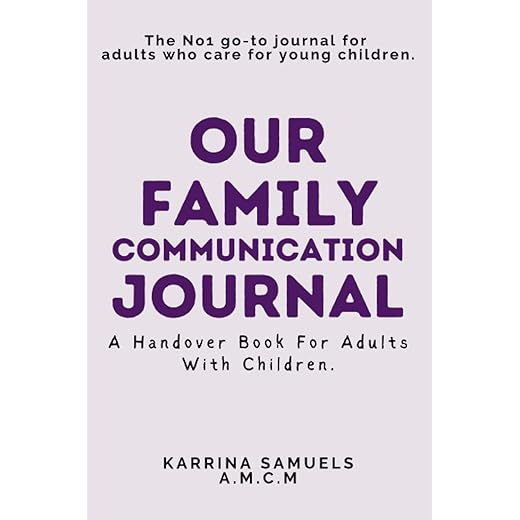
Our Family Communication Journal
Description:
A guided journal designed to help adults reflect on family relationships, emotional triggers, and unspoken expectations. Ideal for preparing conversations about independence, respect, and shared space.
Why it fits this article:
✔ Supports emotional boundaries
✔ Encourages self-awareness before family talks
✔ Reduces reactive communication
As Dora, an inspiring mother, once said, “Boundaries are radical acts of self-care.” By setting these boundaries, you could enjoy more meaningful memories and interactions. This process may not always be easy, and through a professional’s guidance, you will be ready to handle difficult conversations. In the end, these small changes could lead to more fulfilling relationships and a deeper understanding of each other.
So, take the time this year to reflect, express your needs, and grow stronger together. Start with small steps, check in with each other, and celebrate the journey you’re both on. Empower yourself to believe in the potential of your relationships!
What are Healthy Boundaries?
Healthy boundaries are essential for fostering positive relationships between parents and adult children. They create a framework that allows everyone to understand their roles and expectations within the household. When both parents and children recognize the importance of these boundaries, they can dive into their interactions without the worry of favoritism or overstepping limits. This approach helps prevent issues that may stem from misunderstandings and ensures that everyone feels valued and respected.
Consider the concept of self-managing your relationships. Just as you would in any friendship, healthy boundaries require effort from both sides. Engaging in open conversations about expectations is crucial. For instance, when a child returns home for an event, discussing the living arrangements and shared responsibilities can prevent tension and make the experience smoother. By listening to each other’s needs and desires, you can encourage a growth-oriented atmosphere.
Therapists often recommend establishing boundaries as a means of overcoming past issues and shifting toward healthier dynamics. Those relationships can significantly benefit from regular check-ins. When you talk about how each party feels, you build a platform to share memories and experiences, reinforcing the connection between loved ones. Remember, it’s not just the act of setting boundaries that matters; it’s the continuous effort to respect and maintain them.
🛋️ Family Therapy Workbook
Category: Counseling Tools · Self-Help
Best for: Guided boundary discussions

The Family Therapy Workbook: 96 Guided Interventions To Help Families Connect, Cope, and Heal
Description:
A structured workbook often used in family or individual therapy to explore roles, expectations, and communication patterns between parents and adult children.
Why it fits this article:
✔ Encourages respectful dialogue
✔ Useful during life transitions (moving back home, caregiving)
✔ Helps reset unhealthy dynamics
Maintaining healthy boundaries also involves considering the individual needs of each family member. For example, if you have daughters who value their privacy, it’s helpful to slightly adjust your approach. This does not mean compromising your relationship; rather, it enables everyone to navigate their lives with confidence. Self-care and self-awareness are essential elements to consider as you establish these boundaries. Tools like journals or planners available on Amazon can serve as guides to help you stay organized in your efforts.
To truly drive the point home, remember that healthy boundaries are not about creating walls but rather about defining the space where love, understanding, and respect can flourish. They allow for individual growth while ensuring that the relationship remains strong and interconnected. So, take time to talk things out, establish your limits, and enjoy the journey together.
How Boundaries Enhance Communication
Establishing healthy boundaries within a household can profoundly impact communication and strengthen relationships between parents and adult children. Boundaries are not just rules; they are shared terms of engagement that help individuals feel safe and understood. When these boundaries are respected, conversations become more fulfilling, allowing room for empathy and recognition of each other’s feelings.
In therapy sessions, therapists often emphasize the importance of balanced communication. They advise families to explore their roles and establish what each party needs to feel secure and loved. This delicate process involves recognising the independence of adult children while still nurturing a close relationship. It’s such a valuable chance for growth when both sides openly communicate their feelings and expectations.
For instance, a weekly check-in can be a great way to handle delicate topics. During these sessions, families can discuss what’s been happening in their lives, share successes, or talk through challenges. This practice not only builds trust but also allows both mothers and kids to rebel against misunderstandings in a constructive manner. An example of a useful product for such sessions might be a journal like the “The Five Minute Journal,” which encourages reflection and promotes open dialogue.
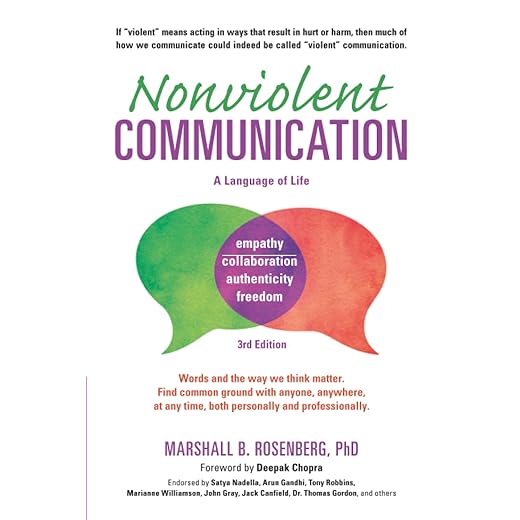
📗 Nonviolent Communication
by Marshall B. Rosenberg
Category: Communication · Relationships
Best for: Boundary conversations without conflict
Description:
A well-known guide on expressing needs and limits clearly without blame or escalation. Especially helpful for emotionally charged family conversations.
Why it fits this article:
✔ Improves parent–child dialogue
✔ Reduces defensiveness
✔ Encourages empathy and clarity
Ultimately, establishing boundaries helps every member of the family feel their healthiest. With boundaries firmly in place, family members can foster a mindset of care and support, knowing that love comes from understanding and respect. Companies like Amazon offer numerous journals, conversation starters, and self-help books that guide families on this path, such as “Nonviolent Communication” by Marshall B. Rosenberg. These resources can be beneficial in facilitating deeper communication and creating a safe space where everyone feels valued.
Healthy boundaries bring involvement and trust into the relationship, allowing both parents and adult children to explore what truly matters to them. By choosing to prioritize these interactions, families can create an environment that promotes love and understanding for years to come.
🗓️ Weekly Planner for Shared Living
Category: Organization · Family Life
Best for: Time & responsibility boundaries
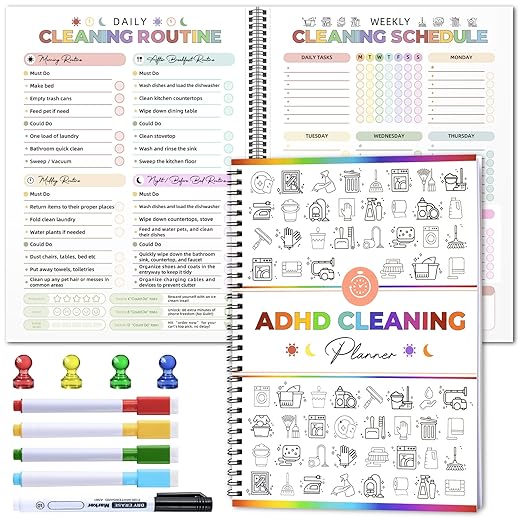
Adhd Cleaning Planner - Reusable Adhd Cleaning and Organizing Planner Daily Weekly Monthly Cleaning Schedule and Checklist ADHD Planners for Adults Women...
Description:
A planner designed to help manage shared schedules, responsibilities, and personal time when parents and adult children live together.
Why it fits this article:
✔ Prevents resentment over unspoken expectations
✔ Clarifies shared vs personal time
✔ Supports respectful cohabitation
The Role of Personal Space in Family Dynamics
Personal space is a crucial aspect of family dynamics that can significantly impact relationships between parents and adult children. Over the years, families often face challenges that require effective management of emotions and boundaries. For instance, during family gatherings like Thanksgiving or birthday parties, conflicts may arise that stem from differing opinions and past disagreements. Finding a way to navigate these situations is essential for maintaining a healthy family dynamic.
Many individuals consider creating personal space as a gift–a way to allow each family member to grow independently while still staying connected. This may involve having weekly activities where family members can engage independently, such as participating in a yoga class or going on a solo hike. Parents might learn to step back, allowing their adult children to create their own memories and experiences, which can lead to a fuller understanding of each other’s lives.
In some cases, families may benefit from counselling after facing particularly difficult disagreements. A professional can help participants navigate the complex emotions involved and promote healing. This non-hierarchical approach allows each individual to express their thoughts and feelings, fostering a sense of equality and respect. For instance, a family could consider setting aside time each month for open discussions, where everyone can look back on milestones and share their experiences without judgment.
Ultimately, personal space in family dynamics is not just about physical distance; it’s about building meaningful connections while allowing for individuality. Creating a balance where loved ones can thrive independently will significantly contribute to the long-term strength of the family bond. Whether through online platforms or in-person gatherings, families that embrace this concept are likely to find successful paths to connection and understanding.
If you’re looking to enhance your family dynamics, consider items from Amazon that can promote personal space, such as noise-cancelling headphones, self-care books, or even indoor plants that can help create a calming environment. These small gestures can be a significant step toward ensuring that every family member has the space they need to flourish.
🎧 Noise-Cancelling Headphones
Category: Self-Care · Personal Space
Best for: Physical & sensory boundaries at home

Beats Studio Pro-Premium Wireless Over-Ear Headphones- Up to 40-Hour Battery Life, Active Noise Cancelling, USB-C Lossless Audio, Apple & Android Compatible-...
Description:
A practical tool for adult children or parents living under the same roof. Helps create personal space, reduce overstimulation, and support emotional regulation.
Why it fits this article:
✔ Supports physical boundaries
✔ Reduces household tension
✔ Encourages respectful independence
Identifying Signs of Boundary Issues
Identifying signs of boundary issues is essential for everyone who wants to maintain healthy relationships, particularly between parents and adult children. Boundaries are the guidelines we establish to define how we connect with others. When these boundaries are blurred, it creates challenges that can impact feelings of safety and respect. It’s important to think about the environments we’re in and how they may influence our interactions.
One common sign of boundary issues is a lack of consistency in communication. If conversations feel one-sided or if one party is always making sacrifices, it might be time to reassess the balance. For example, if a parent constantly calls to offer advice without considering their adult child’s thoughts, it can lead to frustration. In a healthy relationship, open dialogue is encouraged, where both sides actively engage and feel heard.
Another indicator is when individuals feel overwhelmed by demands or requests. When a parent requires too much from their child, or vice versa, it often stems from unspoken rules that have been established over the years. These traditional expectations can lead to feelings of resentment. To avoid such feelings, everyone should feel valued and have the space to express their needs. Encouraging empathy and understanding can help in navigating these complexities.
Addressing these signs requires effort and the willingness to engage in a deep and meaningful process. Therapists often advise taking the time each week to reflect and discuss these issues openly. This practice not only helps in identifying existing boundary problems but also fosters stronger connections over time.
Ultimately, maintaining healthy boundaries is a practical guide for everyone involved. It reminds individuals of the importance of considering each other’s feelings and establishing a non-hierarchical relationship. By doing so, you are more likely to return to a place of mutual respect and understanding, which is essential for nurturing a positive family dynamic.
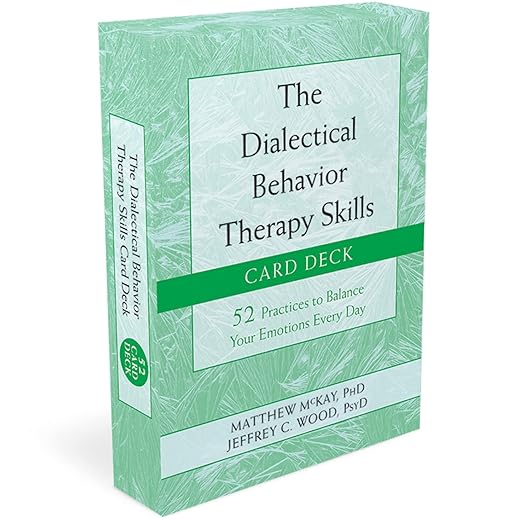
🧘 Emotional Regulation Cards
Category: Emotional Wellness · Mindfulness
Best for: Managing emotional triggers in family settings
Description:
A card deck with prompts and grounding exercises to help regulate emotions before or after difficult family interactions.
Why it fits this article:
✔ Helps during boundary testing
✔ Reduces emotional overload
✔ Encourages calm responses
Types of Boundaries to Establish
Establishing healthy boundaries is essential for fulfilling relationships between parents and adult children. As individuals step into adulthood, the dynamics change, necessitating a new approach towards their interactions. Healthy boundaries enable loved ones to maintain their independence while still fostering deep connections. Here are some types of boundaries that can help improve these relationships:
- Emotional Boundaries: It’s important to protect your emotional space. Parents should respect their adult children’s feelings and decisions without imposing traditional expectations. Encourage open communication where both parties feel safe to express their joys and pains.
- Time Boundaries: Setting aside time for meet-ups and quality activities is crucial, but it’s equally important to have personal time. Adults should feel free to manage their schedules as they see fit, without guilt or pressure from parents. This encourages a mindset that respects each other’s commitments.
- Physical Boundaries: Space is essential for fostering a healthy relationship. Both parents and adult children should feel comfortable discussing and managing physical space–whether it’s a visit to each other’s homes or just having time alone. This space helps individuals recharge and allows deeper connections when they do come together.
- Financial Boundaries: When adult children begin to manage their finances, parents must avoid overstepping. It’s great to offer tools or advice but better to let them handle their financial decisions to nurture independence. Respecting these boundaries prevents potential conflicts and fosters trust.
- Digital Boundaries: In our online world, understanding each other’s comfort levels with technology is key. Discuss privacy settings, social media interactions, and communication preferences actively to avoid misunderstandings. These digital tools can help keep the relationship fulfilling and modern.
Each type of boundary may require a collaborative effort, as both sides need to be willing to adapt. Through this journey, parents and children can build a relationship that balances independence with the love and support that comes from their familial ties. Remember, establishing boundaries is not about shutting each other out, but rather creating a healthy space where everyone feels respected and loved.
In conclusion, setting effective boundaries allows for a more rewarding relationship between parents and adult-adult children. These boundaries help individuals navigate their roles and responsibilities while enjoying their lives fully. By encouraging a mutual understanding, everyone can step forward towards deeper connections filled with joy, balancing personal independence and familial values.
Emotional Boundaries: Protecting Feelings
When it comes to building strong relationships between parents and adult children, emotional boundaries play a crucial role. These boundaries ensure that feelings are respected and valued, allowing both parties to share their emotions without fear of judgment or conflict. It’s essential to create a safe space where everyone feels loved and worth it, encouraging open discussions about what is important to them. For instance, in a family dynamic, when Lisa talks about her feelings, everyone should be ready to listen and engage without making her feel poor or undervalued.
Often, relationships face inevitable challenges. Conflicts arise due to misunderstandings or differences in emotional needs. One effective way to manage these issues is by actively working on emotional management tools together. For example, teams can benefit from therapeutic practices where parties can express their thoughts and feelings. Therapy, whether professional or informal, can provide a platform to explore these emotions in a constructive manner. If they take the time to dive deep into their stories and pains, they can emerge with a better understanding of each other’s perspectives.
Creating emotional boundaries also involves recognizing when to step back and allow someone to handle their own feelings. If adult children feel overwhelmed, it’s important for parents to respect that space while still being close enough to provide support when necessary. This balance can lead to joyful interactions and meaningful conversations. The relationship between parents and their adult kids can be a complex web of interactions, but when both parties commit to clean communication, they set the stage for resilience.
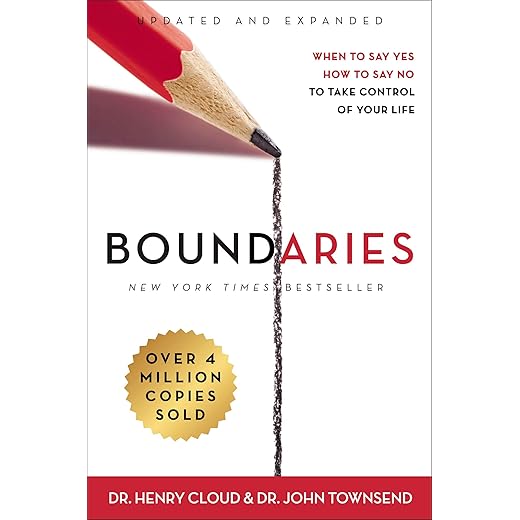
To help navigate these waters, consider exploring tools like self-help books or apps that focus on emotional intelligence and boundaries. Products available on platforms like Amazon can serve as great resources. For example, “Boundaries: When to Say Yes, How to Say No to Take Control of Your Life” by Dr. Henry Cloud can be a great read. Additionally, journaling prompts can help them outline their feelings clearly and safely, allowing for better management of daily emotional challenges.
📘 Boundaries
by Dr. Henry Cloud & Dr. John Townsend
Category: Family Relationships · Psychology
Best for: Parent–adult child boundaries
Description:
A classic guide on how to establish healthy emotional, financial, and relational boundaries with parents and family members. Especially useful for adults who struggle with guilt, obligation, or over-involvement in family dynamics.
Why it fits this article:
✔ Helps redefine parent–child roles in adulthood
✔ Clear examples of family boundary conflicts
✔ Practical language without clinical overload
In New York, many individuals are successfully overcoming boundaries-related issues through counseling. This type of professional guidance can lead to a transformation in relationships, helping both parents and adult children feel more respected and valued. Remember, maintaining healthy boundaries isn’t just about setting rules; it’s about nurturing a relationship filled with mutual respect and understanding.
Q&A:
What does it mean to have healthy boundaries between parents and adult children?
Healthy boundaries refer to the limits and rules set by both parents and adult children that define how they interact with each other. These boundaries help ensure that each party respects the other’s autonomy, privacy, and emotional space. It’s about finding a balance where both can express their needs and expectations without overstepping personal limits, fostering mutual respect and understanding in their relationship.
How can parents establish boundaries with their adult children?
Parents can establish boundaries by clearly communicating their needs and expectations. This can involve having open discussions about topics such as financial support, personal space, and times they wish to spend together versus apart. It’s important for parents to listen to their adult children as well, creating a dialogue that allows both sides to express their thoughts. Setting boundaries might also include limiting unsolicited advice and allowing their children to make their own decisions.
Why is it important for adult children to set boundaries with their parents?
Adult children need to set boundaries to maintain their independence and personal growth. By establishing limits, they can protect their own emotional well-being and avoid feelings of guilt or obligation that might arise from excessive parental influence. This helps them cultivate their identity as adults, make their own life choices, and develop healthy relationships outside of their family.
What are some common challenges faced when trying to maintain boundaries between parents and adult children?
Common challenges include emotional pushback, such as guilt or fear of disappointing each other. Parents may struggle with letting go of control, while adult children might feel defensive when asserting their needs. Miscommunication can also arise, leading to misunderstandings about the intentions behind certain actions or words. Building trust and developing effective communication strategies are key to overcoming these obstacles.
How can parents and adult children improve their relationship through boundaries?
Improving the relationship can be achieved by engaging in open and respectful conversations about expectations and desires. Both parties can benefit from discussing their feelings and experiences, which builds empathy and understanding. Regularly checking in on these boundaries and being willing to adjust them as needed can also strengthen the relationship. Ultimately, the goal is to ensure that both parents and adult children feel heard, valued, and respected.
Why are healthy boundaries important between parents and adult children?
Healthy boundaries between parents and adult children are important because they help establish a respectful and balanced relationship. These boundaries allow each party to have their own space and autonomy, which can prevent feelings of suffocation or resentment. When boundaries are respected, communication improves and conflicts can be resolved more effectively. Additionally, having clear limits can help adult children develop their independence and identity while still maintaining a supportive connection with their parents.

Other Articles


12 Comments
Comments are closed.


Great for work with families. I use this book all the time in counseling sessions with the families I work with. There are lots of applicable exercises and worksheets, and often the questions posed in the book will start really important conversations within the families.
Perfect resource for treating families. Very easy to digest and comprehend. I found that the book touches on many of the issues I come across when treating families. Love love love this book
no problems. No issues. Order was fine.
Incredibly Helpful and Validating Book. Adult Children of Emotionally Immature Parents is a transformative and compassionate guide for those who grew up with emotionally unavailable or self-centered parents. Dr. Lindsay Gibson, a clinical psychologist, offers clear insights into how emotionally immature parenting can leave lasting scars, such as feelings of neglect, confusion, and low self-worth. She identifies four types of emotionally immature parents—emotional, driven, passive, and rejecting—and provides practical strategies for healing, including setting boundaries and recognizing emotionally mature relationships.The book is structured with clarity, making complex psychological concepts accessible. It includes real-life examples and exercises that help readers understand their experiences and begin the journey toward emotional recovery. Dr. Gibson’s empathetic approach empowers readers to reclaim their emotional well-being and build healthier relationships.Whether you’re seeking to understand your past or improve your current relationships, this book offers valuable tools for healing and growth.
Total Game Changer If You Have ADHD And Get Overwhelmed By Cleaning You House. The media could not be loaded. I have had ADHD since I was 12. I have always been one that starts multiple tasks and never finishes not one of them. I absolutely love cleaning planner!!! It breaks everything down Task by task and it gives you a cleaning schedule to follow to help you keep on track and not overstimulated by starting multiple projects at a time and never finishing them. I like that it comes with a lamination cover sheet to where you can mark tasks off as you complete them. This has been a game changer for me to make sure that all of my cleaning gets done for the week and that it doesn’t overwhelm me. I think of it kind of like a game. It has morning routines after noon routines midday routines night routines. It breaks down weekly cleaning monthly cleaning quarterly cleaning yearly cleaning schedules to help ensure that your house is clean all year round. It’s excellent it’s the perfect size The print is not small at all. It also gives you you a list of cleaning supplies that you’ll need to do all of the cleaning that you need to do. The functionality of this for me has helped me maintain a clean house and makes it fun and easy for me to stay on task and to get things done!!! I do not feel overwhelmed by the tasks that I have to do The price of this product is So affordable. The book itself is bound together so that it does not tear easily the front and back are cardboard. If you have ADHD like I do And you feel overwhelmed by having to clean then this book is for you
Best Consumer Audio Headset. Hands Down. I have owned multiple pairs of these over the last decade and I think that speaks to their value. Way more pros than cons but I’ll list them all in my eyes.Pros: these are super comfortable and fit even over my big ear. I love that type of fit and refuse to wear a pair of headphones that cannot cover my ears. The sound is superb and can get as loud as you need it. They are light enough to wear for a few hours and not have any kind of head/ear fatigue. They connect so easily to any of my apple devices and switching back and forth is quick as well. I love the noise cancelling settings as I can close myself off when I’m laying in bed while easily being able to switch to hearing outside noise if I’m at the gym or in public and need to know what’s going on. Battery life is also awesome and they charge fast if you’re in a pinch.Cons: there really aren’t many but the main one for me has simply been durability. They fold in on eachother to make transport easier. But that’s also the problem. That hinge is beyond easy to break if you were to drop them or sit on them or have them in a bag where a lot of weight would be placed on them. The two easiest solutions are either 1. To never put them in a bag and leave them around your neck whenever possible on the move. Or 2. Invest in a HARD case to store them in if you plan to take them to gym/work/travel.
Absolutely love this, not disappointed. Absolutely what I was looking for and would recommend this for anyone who needs a little help with pre written daily, seasonal, monthly etc. home tasks. You also have the option to create your own schedules and lists which are a plus! I would recommend you add additional clear protection sheets either to purchase separately or add in four instead of two!
Clarity on concept of narcissism. A page-turner! This book was so helpful for me to understand the dynamics in my family. Presented in a very scholarly way (sighting scholarly references) but very easy to read and understand. Completely with relevant but brief examples.This breaks down the concept of narcissism into a completely neutral and helpful way to process the information. Healing and wonderfully organized.
BEST HEADPHONES EVER. I LOVE these headphones. The sound quality is AMAZING! I can switch between noise-cancelling and transparent sound, which is a game changer for when I am at the gym and start yapping. The color is stunnnnning! Super easy to connect and every time I turn on my phone, it automatically connects. The battery life lasts me so long, I only have to charge every 5 days or so, and I use them for a couple hours a day at the gym. They are not too big and obnoxious, and the style is sleek and classy. I literally love them so much. They are so nice that my boyfriend got a pair since he loves them too! Best headphones on the market in my opinion.
Comfortable and sound amazing. These are very comfortable headphones that deliver high quality sound. The noise cancellation works great. I honestly can’t hear anything but my music even when around others who talk loudly. They connect quickly and easily to iPhone, Nintendo Switch, or anything else. This is my second pair. Not because the other broke my wife just wanted to get me a new pair. I have had the others for almost 10 years and they still work great. Only thing that wears out are the foam ear pieces but you can buy replacements for less than $10.00. Anyone who loves music would and likes over ear headphones would like these. There is a button in the left side to play, pause, and adjust volume. The charge lasts for several hours and charging is quick. This model uses usb-c which is very convenient.
Must Read – Don’t Ignore. This is a MUST READ for anyone who was or suspects they were raised by an immature parent. Gibson is spot on in analyzing the behaviors and explaining the trauma children of immature parents have experienced. She helps readers unravel the mystery in their own behaviors and provides insight and tools for change. Five stars plus!!!!
Organizationally Yours…. I’m so relieved that I’ve finally found a “system” that works for me!I battle severe ADHD and paralysis, and being a visual person, this is exactly what I need. Following the outlines, I’m able to manage my time at home between my family and household upkeep.The book is not bulky, but yet it is colorful enough that I don’t lose it.If you have issues staying organized, or knowing what task to start and how, you need this.Great product!