


Self-sabotage is a complex phenomenon that often stems from underlying emotional struggles and experiences. Many people unknowingly engage in behaviors that hinder their growth and well-being, turning away from opportunities for self-actualization and fulfillment. This avoidance can manifest through procrastination, self-talk that reinforces feelings of being undeserving, or even in the way one responds to daily criticism. Such patterns create a troubling link between personal ambitions and the actions we take–or fail to take.
The roots of self-sabotage can often be traced back to early experiences and the settings in which we were raised. Academic pressures, family dynamics, and social interactions profoundly shape how we respond to intimacy, kindness, and even our own goals. Understanding these profiles of behavior requires a conscious effort to gain awareness and to implement sound strategies against thoughts that lead to self-defeating behavior. For instance, thought-stopping techniques can help individuals redirect their focus toward more positive daily affirmations.
Incorporating a structured plan for personal wellness often proves beneficial in breaking the cycle of self-sabotage. By maintaining a journal to reflect on emotions and reactions, individuals can increase their awareness of patterns that may prevent them from achieving their goals. This act of reflection can be particularly powerful for those who are passionate about personal growth and protecting their mental health. Overall, whether you are aware of your self-sabotaging behaviors or are just beginning to explore them, the journey toward understanding and overcoming these challenges is pivotal in paving the way for a more fulfilling life.

Identifying the Roots of Self-Sabotage

Understanding self-sabotage starts with recognizing its roots. Often, self-sabotaging behaviors stem from deep-seated beliefs about inadequacy. For instance, perfectionism can play a significant role, where individuals, especially those with perfectionist tendencies, feel the need to achieve excellence. This constant pressure often leads to procrastination or other harmful actions to avoid the challenges of failure.
To tackle this, it’s essential to explore what triggers these behaviors. You may find it helpful to select a journal where you can document moments when you feel yourself undermined by self-doubt. Here, you can write about instances when you avoided intimacy or committed to a cause only to backtrack later. By reflecting on and thinking through these experiences, you can start to see a pattern that might reveal emotional challenges you face.
Counterintuitively, believing that stopping or slowing down will lead to failure can result in burnout and ultimately lead to self-sabotage. An article worth reading on this topic emphasizes how social feedback can reinforce this cycle. For example, if you hear criticism, you may feel tempted to retreat into self-effacing behavior rather than seek constructive advice from a partner or friend.

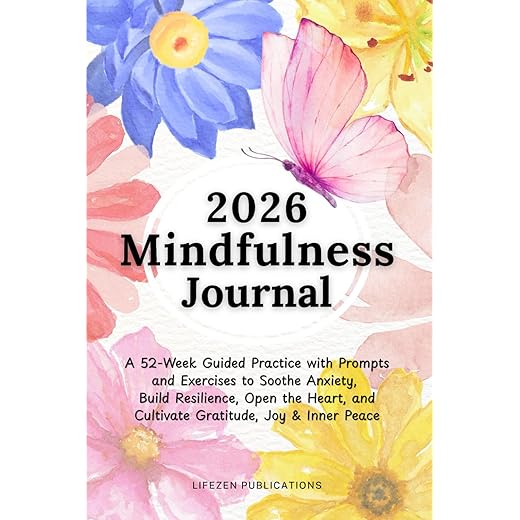
To combat these issues, it’s helpful to identify good coping mechanisms. Instead of measuring your worth against someone else’s excellence, focus on your own progress. Examples of effective tools are stress-relief products like adult coloring books or mindfulness journals available on Amazon that encourage thoughtful reflection. These tools can assist you in consciously deciding to address the underlying issues rather than allow them to dictate your actions.
By taking these steps and getting close to understanding your triggers, you can start to shift the narrative. Remember, identifying the roots of self-sabotage is a challenging yet empowering journey, one that requires commitment and honesty with oneself.
Psychological Triggers Behind Self-Sabotage
Self-sabotage is often rooted in underlying psychological issues that many people may not recognize at first. These triggers can emerge during moments of stress, leading us to behave in ways that hinder our growth and wellness. For instance, individuals may find themselves caught in a cycle of self-loathing, making choices that are destructive rather than constructive. This can clearly be illustrated through the example of addiction–some individuals turn to substances like drugs during tough times, which prevents them from developing healthier coping mechanisms.
The process of identifying these psychological triggers is not always straightforward. It takes a conscious effort and a certain level of awareness to delve deeper into our minds and understand the factors contributing to self-sabotage. Most people, whether it be women or men, experience moments of self-doubt where their expectations clash with reality, leading to feelings of depression or anxiety. Self-care during these times becomes crucial as it helps to combat the subtle but damaging patterns that frequently report themselves in our lives.
During this journey of self-discovery, it’s important to recognize that our needs and triggers should be addressed with compassion and understanding. For example, setting up a support system can be an invaluable resource. Healthy habits, such as regular exercise or meditation, contribute to personal growth and can help prevent relapse into self-destructive behaviors. Books on self-improvement available on Amazon, like “Atomic Habits” by James Clear, can offer strategies to foster this growth, tapping into the true ability to prioritize wellness.

In conclusion, understanding the psychological triggers behind self-sabotage is a vital step in the journey toward a healthier self. By identifying these triggers and developing a proactive approach to challenges, we can shift our mindset away from sabotage, creating a more fulfilling life experience. The journey might be difficult, but the rewards of personal growth are well worth the effort.
The Role of Negative Self-Talk
Negative self-talk can be a powerful force that undermines our ability to achieve our goals. Many times, we don’t even recognize this damaging pattern in our thinking. For instance, if you are afraid of failing at a task, you might engage in self-loathing thoughts that diminish your confidence. This negativity is often rooted in long-standing fears and insecurities that manifest every week, making it hard to stay on track.
People who struggle with negative self-talk might report feeling less empowered and more disengaged from their goals. They may criticize themselves harshly, often leading to a vicious cycle of self-doubt. It’s essential to understand the reasons behind this pattern. For example, someone who is apprehensive about public speaking might think, “I’ll never be good enough,” which can discourage them from even attempting the activity.
To combat negative self-talk, it’s helpful to follow a few recommendations:
- Track your thoughts: Keep a journal of negative self-talk moments to understand their frequency and triggers.
- Challenge those thoughts: Ask yourself, “What evidence do I have to support this?” Acknowledging the truth can help shift your mindset.
- Replace negativity with positivity: For each negative thought, try to create a positive affirmation. Instead of saying, “I can’t do this,” say, “I am ready to take on this challenge.”

Tools such as guided journals and self-help books can promote positive thinking patterns. You might consider looking at well-reviewed products on Amazon, like “The Daily Stoic Journal” or “The Self-Love Workbook,” which can help empower you on your path toward self-improvement. These resources guide you in tackling negative thinking while encouraging a healthier mindset.

Daily Stoic: A Daily Journal: On Meditation, Stoicism, Wisdom and Philosophy to Improve Your Life
In conclusion, being aware of the forms that negative self-talk can take is the first step in overcoming it. Each time you challenge those damaging thoughts, you take a powerful step toward disengaging from self-sabotage and moving toward a more empowered self. Don’t be afraid to seek help and tools that support your journey. Your future selves will thank you for it.

Fear of Success vs. Fear of Failure
Understanding fear is crucial to overcoming self-sabotage. Fear of success and fear of failure are two deep-seated feelings that often fuel destructive patterns in our lives. While many people think of fear as simply avoiding failure, it’s essential to recognize that the fear of success can hold just as much power. This fear may stem from self-doubt or feelings of unworthiness. Today, let’s dive into how these fears can affect your personality and your overall fulfillment in life.
The fear of failure is a well-documented phenomenon. It can be so overwhelming that it stops people from pursuing their goals altogether. It causes a form of thinking that becomes self-defeating. Critics might suggest that this is just an excuse; however, it often comes from early experiences where failure was met with harsh criticism. People might think they’re not good enough or that they will always disappoint others. In contrast, the fear of success may seem counterintuitive, but it can manifest from a belief that achieving great things will lead to unwanted attention or increased expectations.
Overcoming these fears takes daily practice and a commitment to self-care. One effective way to address these issues is through journaling. Write down your thoughts and feelings about success and failure. Allow yourself to explore why some accomplishments feel daunting. Engage in self-talk that promotes kindness rather than self-effacing doubts. When you continue to challenge your distorted beliefs, you can create a space for more confidence to grow.
Sometimes, it helps to seek guidance from others who have successfully navigated these waters. Their advice can provide insight and motivation to stay focused on your goals. There are many resources available today, including books and courses on personal development. Consider exploring experimental tools for self-improvement, such as journals or guides on overcoming self-doubt.
The journey towards living a fulfilled life isn’t easy, but understanding the balance between fear of success and fear of failure can lead to lasting change. Embrace the idea that success is just as valid a fear as failure. By confronting these feelings with awareness and active strategies, you can free yourself from the chains of self-sabotage and step into a brighter, more accomplished future!
How Childhood Experiences Shape Adult Behavior
Childhood experiences play a crucial role in shaping the patterns of behavior we exhibit as adults. Often, the ways we respond to challenges or setbacks are rooted in early interactions. If, as children, we faced criticism or abuse, our minds may begin to believe that we are less capable than others, leading to unhealthy perfectionism and the fear of failure. This trail of thought can make us avoid taking necessary risks, ultimately hindering our ability to achieve our goals.
Research indicates that various experiences during formative years can significantly contribute to personality development. For instance, children who frequently received negative feedback may grow into adults who struggle with self-worth and feel compelled to prove themselves. Such individuals may find it hard to embrace their true selves and instead adopt reckless behaviors to avoid feelings of inadequacy. Therapists often report that these early experiences are key reasons behind the self-sabotaging actions we take in adulthood.
As adults, it is vital to continue learning about ourselves. By tracking our behaviors and understanding their origins, we can consciously choose different paths. For instance, rather than staying in a place of fear or feeling overly critical of our efforts, we can work with a therapist to redefine our purpose and embrace our imperfections. This journey toward self-acceptance, though hard, is essential for overall well-being. It encourages us to focus on our strengths rather than our perceived flaws.
Videos that explore these concepts can also provide valuable insights. They often showcase real-life examples and stories to confirm that we are not alone in our struggles. Such resources empower us to overcome our past and stay motivated toward healthier behaviors, reminding us that it’s never too late to start anew. By believing in our capacity for change, we can create a life that reflects our true desires and aspirations.
Recognizing Personal Self-Sabotaging Behaviors
Understanding self-sabotaging behaviors is a true step towards improving your personal well-being. These behaviors often operate at an unconscious level, making it difficult to recognize them at first. They can manifest in various areas of life, including our relationships, professional endeavors, and personal goals. For example, many people struggle with perfectionism, setting unrealistically high standards for themselves, which can lead to burnout instead of excellence.
To help identify these behaviors, consider using worksheets designed for self-reflection. Journaling is also a proven method that allows you to surface your thoughts and feelings. By writing down your experiences, you will likely uncover self-destructive patterns that have been sabotaging your progress. Articles by experts, such as Barbara’s insights on resistance, can provide constructive advice on overcoming mental blocks and fostering compassion towards yourself.

Here’s the thing: many believe that self-sabotage is purely a personal flaw, but it can also be influenced by social dynamics. Close relationships often play a role in our beliefs and behaviors, either encouraging us to grow or pulling us into a damaging cycle of doubt and dissonance. It’s essential to tell yourself that it’s okay to seek help, whether from a partner or a professional. This support can guide you in building healthier habits and promoting better overall well-being.
For those looking for resources to further understand and combat self-sabotage, consider exploring books or tools on platforms like Amazon. Products that delve into personal development, like “The Gifts of Imperfection” or “The Subtle Art of Not Giving a F*ck,” can inspire you to change your beliefs and attitudes. By focusing on constructive growth, you will not only benefit your own life but also enhance your relationships with others. Remember, recognizing self-sabotaging behaviors is the first step to overcoming them.

Amazon.com: The Subtle Art of Not Giving a F*ck: A Counterintuitive Approach to Living a Good Life (Audible Audio Edition): Mark Manson, Roger Wayne, Harper:...
Common Signs of Self-Sabotage in Daily Life
Understanding self-sabotage can help you recognize the patterns in your everyday life that may be holding you back. You might not be aware, but everyone experiences moments when their self-perception doesn’t align with their desires. For instance, if you’re always striving for perfectionism, you might find yourself feeling stressed when a project doesn’t go perfectly. This can result in procrastination or even giving up altogether, as you are afraid of not being liked or accepted.
Here are some common signs of self-sabotage: If you frequently seek out unhealthy attachments, it may stem from a fear of feeling truly connected. When you embrace self-effacing behaviors, you may discourage yourself from celebrating your achievements, believing you don’t deserve it. This dissonance in your feelings can affect your emotional well-being and lead to dysregulation.
It’s very well understood that sometimes, your deepest fears can manifest in your actions. For example, you may avoid taking risks in areas where you feel passionate, like a creative project, because you’re afraid of failure. Instead of allowing the fear to stay, encouraging your healthier selves can help you foster a better understanding of your triggers and work towards overcoming them.
To support your self-growth journey, consider downloading resources that promote healthy habits or reading books that address these topics. Amazon offers great titles like “The Gifts of Imperfection” by Brené Brown and “Atomic Habits” by James Clear, which can help you develop lasting changes. Remember, being kind to yourself and acknowledging those small victories can create a significant shift in your self-perception. Ultimately, embracing your authentic self can lead to a more fulfilling life.

The Gifts of Imperfection: 10th Anniversary Edition: Features a new foreword and brand-new tools
Assessing Your Habits and Mindsets
Understanding self-sabotage begins with assessing your habits and mindsets. This exploration can allow you to identify the underlying beliefs that may impact your daily behaviors. Often, these habits are formed early in life and are based on the beliefs we adopt from our environment. A helpful way to start is by keeping a journal. The contents of this journal can help you measure your actions and feelings, and celebrate the small victories you achieve over time.
When you start exploring your emotions, you may encounter some social avoidance patterns. Individuals often engage in these behaviors when they fear the adverse effects of failure or judgment. By reflecting on these feelings, you can begin to understand what drives your self-sabotage. It’s important to allow yourself a safe space to confront these emotions without believing that they define your worth.
It can be beneficial to select a personalized resource, such as guided mindfulness journals or self-help books, that encourage you to track your progress. For example, the “The Five Minute Journal” from Amazon could be a great tool. Its simple prompts can help you stay focused on what you truly desire in your life while minimizing harmful dissonance between your beliefs and actions.
In navigating life’s difficulties, remembering that self-sabotaging behaviors are often a result of a mismatch between your true desires and current actions is crucial. By addressing these patterns early, you can exert control over your future. Don’t miss the opportunity to build a happier, healthier mindset. Believe in your ability to change, and you will see meaningful results in your life.
Q&A:
What is self-sabotage and why do people engage in it?
Self-sabotage refers to behaviors and thought patterns that undermine an individual’s goals and well-being. People may engage in self-sabotage for various reasons, including fear of failure or success, low self-esteem, or unresolved emotional issues. When individuals set ambitious goals, feelings of anxiety or inadequacy can lead them to create barriers that prevent them from achieving those goals. These behaviors often act as a defense mechanism to protect against potential disappointment or discomfort.
Can you give examples of common self-sabotaging behaviors?
Certainly! Common self-sabotaging behaviors include procrastination, negative self-talk, perfectionism, and choosing unhealthy relationships. For instance, someone might delay starting a project out of fear that their work won’t meet their standards, leading to missed deadlines. Similarly, individuals may dismiss compliments or downplay their achievements, reinforcing a negative self-image and limiting their potential.
How can understanding the root causes of self-sabotage help in overcoming it?
Understanding the root causes allows individuals to pinpoint the specific fears or beliefs driving their self-sabotaging behaviors. By identifying these triggers, one can begin to challenge and reframe negative thoughts. This process often involves self-reflection and possibly working with a therapist. Recognizing these patterns is the first step toward making positive changes and reducing the likelihood of falling into the same traps in the future.
What strategies can be employed to overcome self-sabotage?
Several strategies can be helpful in overcoming self-sabotage. Setting realistic goals and breaking them into smaller, actionable steps can reduce the feelings of being overwhelmed. Additionally, practicing self-compassion by treating oneself kindly in moments of failure or setback can promote a healthier mindset. Creating a support network, whether through friends, family, or professional help, can also provide encouragement and accountability, making it easier to stay on track.
Is it possible to completely eliminate self-sabotaging behavior?
While it may be challenging to completely eliminate self-sabotaging behavior, it is certainly possible to manage and reduce its frequency. Awareness and proactive strategies can help individuals recognize and counteract these behaviors. The goal is not perfection but progress. By continually working on self-awareness and implementing coping mechanisms, individuals can create healthier patterns that lead to greater success and fulfillment.
What are the common signs of self-sabotage?
Self-sabotage can manifest in various ways. Common signs include procrastination, where individuals delay tasks that are crucial for their success. Another sign is negative self-talk, which involves harsh criticism of one’s abilities or potential. People may also engage in self-destructive behaviors, such as substance abuse or toxic relationships, that hinder their growth. Additionally, setting unrealistic goals can lead to feelings of failure, reinforcing a cycle of self-sabotage. Recognizing these patterns is the first step towards overcoming them.

Other Articles


Transform Your Life with Four Simple Steps to Create a New Identity
15 Comments
Comments are closed.


A Book that Changed My Life. -I originally bought this book in May of 2011. I can’t remember exactly why it spoke to me, but I know I was looking for self esteem boosting books. I think maybe the title resonated because I realized I was having some trouble with perfectionism. Accepting mistakes, compassion for myself, forgiving myself, but also pushing forward to being a better person, a better worker, friend, girlfriend, etc. It resonates today because I see how much of a perfectionist I can be, and how much trouble I am having forgiving myself for past mistakes, and trying not to label myself because of them. I am having trouble sufficiently feeling the guilt enough to change, letting that feeling in, but then forgiving myself, and not letting those behaviors define who I am as a person.How did the book address this?-I think these quotes from the book really get to the heart of the message: “Perfectionism is, at its core, about trying to earn approval and acceptance…. Healthy striving is self-focused–How can I improve? Perfectionism is other-focused–What will they think?… Perfectionism is addictive because when we invariably do experience shame, judgment, and blame, we often believe it’s because we weren’t perfect enough. So rather than questioning the faulty logic of perfectionism, we become even more entrenched in our quest to live, look, and do everything just right.” Brown, Brene (2010-09-20). The Gifts of Imperfection (p. 56-57). Hazelden. Kindle Edition.-What I got from this is that perfectionism tricks us into thinking we have it all: we can feel connected and invulnerable and in control. BUT, it is ultimately unsatisfying because it #1) it is a lie. We aren’t in control or invulnerable, or perfect. And #2) it requires us to change who we are — and the connection we most desire is a connection based on being truly known by another person. So in order to feel connected AND known, we have to accept the reality that we are imperfect, and we are vulnerable, and we are not in control.-And while connection is obviously a huge source of joy, Brene also talks about the other kinds of joy that perfectionism halts in its tracks: meaningful work, enjoyable hobbies, creative endeavors, etc. Again, because perfectionism tries to give us a sense of control, and thereby tries to prevent the possibility of loss, we often don’t even try to have joyful things, or we deny the level of joy something is giving us in order to feel less hurt when it leaves.-And the book has a lot of great suggestions as to ways get past the feelings of inadequacy perfectionism is rooted in, and also ways to lean into the vulnerability of imperfection. Another great topic the book covered (and that it alerted me to) was the importance of shame as a barrier to self acceptance and love and joy. (But as you will see below, I really recommend its sister book for more on this piece). And I love Brene’s emphasis on authenticity as a goal. It is fascinating and inspiring.Where I still don’t feel resolution:-One of the things she mentions to get when you are feeling shame is getting connected, sharing your story. But I have a few concerns about that:-She doesn’t explain in detail WHO has earned the right to hear your story and HOW to cultivate those friendships. If you are reading the book is stands to reason that you may very well not have those friendships. If you are cultivating your authenticity and dealing with feelings of inadequacy, you may have surrounded yourself with inauthentic and judgmental people because of your need for approval from these types.-Even if you are at some stage where you have a few compassionate and caring friends (which I do feel lucky enough to have), it requires them to always be open to your shame at the moment you need them without regard to the “stuff” they bring to the day. If you are feeling shame about X today, and so are they, your attempt at connection may trigger their shame even deeper and they will “imperfectly” push you away. I wanted her to talk more about those situations. It is great when you can have an empathetic ear to listen, and it feels amazing, but even with the world’s best friends, you cannot always expect that will be available to you whenever you need it.-And then even if you catch your friends on a day where they are feeling great, or can be present to your needs and your shame, what if you are a “gusher,” and you are at the beginning stages of dealing with your inadequacy issues, and you feel shame “a lot”? You can become an emotional drain to them, and push them away. I wanted some more information about self-soothing in shame situations, or how to manage connecting with friends in those moments.I am still not sure how I am going to be able integrate this intellectual understanding into a daily practice. When I do something “wrong”, especially something I have done wrong a hundred times before, will I be able to lean into the guilt, instead of the shame? Will I be able to lean into the vulnerability? Will I be able to be present to the vulnerability around me?I know a big part of this is simply practice. And finding strategies that resonate. But the first step for me is an intellectual understanding, and this is certainly worth reading if that is something that is important to you.Supplementary Materials:-I Thought It Was Just Me (but it isn’t): Telling the Truth About Perfectionism, Inadequacy, and Power: Brene’s other book. Really great book about shame – I didn’t know how important shame was until I read this, but trust me, it is very important and taught me a TON.-Emotional Freedom: Liberate Yourself from Negative Emotions and Transform Your Life:talks about the “gusher”, but you can get the quick version in this article in the huffington post website called: Judith Orloff MD: Are You an Emotional Gusher? (Amazon won’t let me post the link, but searching should easily pull it up)
Why kindness is not just for how you treat other people. This is one of those books that I want to buy a case of and just hand out at opportune times. Like high school graduation, new jobs, babies, bad weeks, etc. It’s really that useful.It’s a brief little book, packed with a lot of observations and data, but not a lot of prescriptive advice. Brown lays out what she’s found from her research and lets you think about how to apply it to your life. I appreciate that she said what she had to say and then stopped. So many times I feel like books, especially in the self-help/non-fiction category, stretch beyond what they actually have to say and end up being repetitive. This is a little book full of ideas, as my highlighting testifies.There is so much I want to excerpt because Brown is excellent at pithy and thought-provoking statements.”It was clear from the data that we cannot give our children what we don’t have. Where we are on our journey of living and loving with our whole hearts is a much stronger indicator of parenting success than anything we can learn from how-to books.””Shame hates it when we reach out and tell our story. It hates having words wrapped around it–it can’t survive being shared. Shame loves secrecy. The most dangerous thing to do after a shaming experience is hide or bury our story. When we bury our story, the shame metastasizes.””Until we can receive with an open heart, we are never really giving with an open heart. When we attach judgment to receiving help, we knowingly or unknowingly attach judgment to giving help.”(Yes, I needed to read the thing about asking for help this week.)This is not a perfect book — I wanted more numbers, more quantification, and possibly slightly less religion-as-a-requirement, but those are just my biases.I do love that Brown is very personal and honest about her revelation that there is not a right way to be, just a way that leads to more emotional resiliency and seems to be associate with happier people. I like that this book is not about what you must do right now, but rather has lots of chapters on behavior that is helpful to the soul, and behavior that contributes to feeling bad.Read if: You struggle with shame, or imposter syndrome, or feeling like you are not worth everything you have been given. If you are secretly faking it all the time in your heart, this is a good book to read.Skip if: You feel like you are already living in a good balance with yourself, and you are already pretty good at self-forgiveness. Also skip if you are allergic to self-help books.Also read: No, just read this one. You’ll thank me.
Brene Covers so many things in this book that it deserves at least a few reads to digest everything. After a research on how “Whole-hearted” people live, she found out that these people had a certain perspective on life and embraced a few practices regularly that made a huge change in how open they were to life.After finishing this book, I picked up quite a few distinctions worth applying.When you feel shame, the reflex that is conditioned in our society, heck even more conditioned in INDIAN society is to be embarrassed. Shame can come from so many angles, but so many of us are strangled by our introverted world views that we do not give enough credit to ourselves as being people who DESERVE to feel. When you feel shame, DON’T HIDE, instead, open up!There’s chapters on cultivating authenticity, being more compassionate towards our own selves and giving ourselves the love and acceptance we deserve.To anyone who’s looking to read a book, this book is rated #1 on Self Esteem, even though I believe Nathaniel Branden’s works are better in that department, but this book EXCELS. It is definitely worth a read and a re read and it will bring a different courageous angle to the way you see life. It did to mine when I thought, what’s wrong with singing in public. I tried, I sucked and I laughed about it hahaAt the end of every chapter, there’s suggestions on how to apply the lesson called DIG deep, get inspired and get going. They offer valuable suggestions on how to use the info and other books and authors that cover the topics in detailsDefinitely worth a read.
A Great Go-To Book. Having read Mr. Tanner’s work on Stoicism, which I thoroughly enjoyed, I was pleased to see another work in that vein of a different sort. This work is classified as a book of stoic quotations, the wisdom arranged as a reference book.Having had a challenging summer, I found it incredibly useful to be able to look through the book as my thoughts warranted. Feeling angry? Cicero had something to say about that. Not sure how to deal with all the unexpected obstacles life seems to love handing your way? Seneca has your back.One of the books that I feel has most influenced my life is Meditations, by Marcus Aurelius. I was pleased to find many of my favorite passages here, and look forward to referencing it daily – and whenever life getting extraordinarily challenging!
Stoicism in life. I first learned about stoicism back in college. I took an introductory course of western philosophy and it was one of the subjects. What I thought was interesting was that Stoicism is like a philosophical religion. It is not just a way of observing the world; it is a method of living it. The introduction to this book was essentially what I learned in my one course in school. The book is a collection of quotes by various stoic philosophers. Interestingly, it is divided into various sections that are labeled as seasons. They are meant to represent the various emotions throughout the year and the quotes are meant to correspond with them. The book reminds me a lot of the Dhammapada or the Daodejing because they are quotes meant to help people and instill the ideology of the practice. While stoicism, does not have the poetic flare of the aforementioned books, there is still wisdom in its teaching. In the end, I would recommend it because for anyone interested in stoicism but does not want to put that much effort into research then this is a good alternative.
Love this book. This book was recommended by Amazon from another purchase I made, so I thought I would give it a try to see what it was about. I had the option of ordering the Kindle version or the paperback version and I chose the paperback since I would rather have a book in my hands! I am so happy that I order the paperback, especially with this book because it is one that I would love to share with others. The quotes in the book are relatable and applicable to many situations today as when they were written, which gives truth to the phrase that some things never change. The struggles of individuals have been going on for centuries and the philosophers in the Daily Stoic resonate in a powerful way. Marcus Aurelius has instantly become my favorite philosopher since his writings are threads in my life.I recommend this book for inspiration!
Super helpful to reduce stress! My go-to gift for family and friends I care about. I have been using my journal for a week now and it has been super helpful. The prompts and daily questions help me take time to reflect on myself, my goals, aspirations, concerns, and bring peace to my mind. Free journaling or writing has never been easy for me, I find it overwhelming to not have a direction. However, the guiding questions are specific and have helped me get into the practice of journaling every day. I keep the journal on my nightstand and only need 5 minutes a day to complete the questions. While it may seem very little time, these 5 minutes of journaling have helped feel less stressed and have allowed me to calm my mind. I have already bought 3 journals for my friends and family as gifts. This will be my go-to gift from now on for those I care about because it will help them take care of their mental health and wellbeing. I love it and plan to buy one every year to continue this practice.
I’m enjoying these prompts. As soon as I hit the order confirmation button, I thought I’d probably just wasted my money. I had the same thought when I received the book, but I’ve been using it daily ever since and am enjoying the prompts and believe they are actually helping my stress levels. Not only do the prompts help me identify and reduce my stressors, they are helping me to see ways to help myself in various areas of my life. I’m currently on week 9 and I feel so much happier and less stressed. Much cheaper and less time consuming than the counselor I was considering seeing. Most of the prompts can be answered in just a few minutes but occasionally one will hit a nerve and I find myself writing (and solving my issues) for 30 minutes or more. I’m so glad I purchased this journal. It really is helpful.
Exciting book. I highly enjoyed this book, full of meaning and sometimes philosophical discussions. What I liked the most were the case studies. All of them are very exciting and full of lessons we all can learn from. Actually the author opens the book with one. I can’t recommend this book enough. Not to be missed.
Refreshing, Honest, and Actually Helpful. This book is a game changer. It cuts through the usual self help fluff and gets straight to the point with raw honesty and real life truth. The author challenges the idea that we need to be positive all the time and explains how choosing what truly matters while letting go of the rest leads to a more meaningful life. The writing is bold, funny and brutally real which kept me engaged from start to finish. If you are tired of cliché advice and want something practical that actually sticks with you then this book is worth reading. Five stars.
Easy to use. Very easy and colorful journal to use and the prompts are very easy to answer.
Worth your time. Great read, I think Mark brings in a lot of thought provoking, introspective questions. The book is a little intense but I believe thats the point. Its important to learn where to spend your time and energy in life and Mark tells us how to do that through this book. Excited to read more from this author as this is the first of his books I’ve tried.
Can’t wait to start writing. This book is for 2026. How can I give it 5 stars when it is still 2025?First, I can based on a thorough preview of this journal. I’m not the journaling type, but this book will make it is for me to slow down and reflect. The prompts for each month and each week, as I review them, already have me thinking. Ava has provided an excellent, usable format that I look forward to using through out the new year.Second, while I have benefited from several of Ava’s books, her “The Acceptance and Commitment Therapy Workbook” played a vital part, along with meeting with a therapist, in dealing with issues that had plagued me for over 40 years. I read and re-read and then read again this one (in fact, I’m due to review it again). Interacting with this book has given me great confidence in this author. I expect to feel the same way as I progress through this journal. I’ve found every thing that she writes to be useful.Also, especially if you are newer to mindful practice, don’t neglect to download the bonus guided meditations that Ava offers early in the journal. I’ve grabbed them and I’m using them already : )Thanks for your work, Ava! I’m already looking forward to 2027’s journal!
A Nice Reflective Journal. This is a very nice reflection journal, with positive prompts and colorful imagery. I particularly liked the celestial graphics and the font used throughout. There’s plenty of space and lines to document your entries. The book cover is very whimsical and colorful, too. Overall, a great journal to use for this upcoming year.
I liked it. I liked this journal it was well written and had great prompts and help. I do like you can start whenever but i got to it late in the year which was a bummer. Overall it was good.I received a free copy of this book via Booksprout and am voluntarily leaving a review.