


In a world where many individuals seek to implement positive changes in their lives, understanding the science of habit loops becomes crucial. Each week, countless participants embark on various journeys, such as new diets or fitness routines, only to find themselves struggling to stay committed. In many instances, the missing link is the knowledge of how habits truly work, as outlined by Charles Duhigg in his groundbreaking work. By breaking down the phases of habit formation, we can start to see why some changes are more successful than others.



The process of forming a habit typically involves three core components: triggers, behaviors, and rewards. These elements exist in a contextual framework where the appropriate triggers can elicit specific behaviors we want to adopt. Without understanding these interactions, individuals often find themselves repeating negative behaviors without realizing their detrimental effects. This is where having a deeper grasp of behavioral science becomes invaluable, helping to shift our actions toward more beneficial outcomes.
For those who want to make lasting changes, it’s essential to cultivate a positive mindset and develop routines that support these goals. For example, dedicating just five minutes each evening to reflect on accomplishments can help in reinforcing positive behaviors while combating feelings of boredom or excessive stress. By practicing these sessions repetitively, individuals can better associate their evening routine with mental success, which can lead to further positive results. The journey of habit formation is not one taken alone; it requires ongoing understanding, support, and a willingness to adapt as needed.
Breaking Down the Habit Loop
To truly grasp the concept of habit loops, we must first understand their nature. James Clear’s theory revolves around a cycle comprised of cues, routines, and rewards that ultimately shape our behaviors. Each time we repeat a task, we are reinforcing this loop in our minds. Having the right mindset can make a significant difference, especially when you are trying to identify and modify your habits.
For those looking for a personalised approach, utilizing a habit tracker can be incredibly valuable. This tool allows you to monitor your progress consistently over time. You might choose to pick a specific 5-minute task each day as a warm-up to build momentum. Despite the initial challenges, staying consistent with these small tasks can lead to greater gains, making the habit easier to stick with over a longer period.
Maintenance of good habits requires a final push and a constant reminder of your goals. Engaging with a supportive group or having meetings with accountability partners can give you the motivation needed to stay on track. For instance, consider using products like habit-tracking journals available on Amazon to visualize your progress. These journals often come with prompts designed to keep you focused and help highlight the valuable processes you are building.
When you think about sticking with a new habit, remember that identifying triggers is crucial. These cues can be physical locations, times of day, or even emotional states that activate your routine. Finding alternatives that might fit better into your lifestyle can ensure you remain dedicated to the changes you want to see. Your journey is not just about initiating habits; it’s about building a lasting transformation that permeates your entire lifestyle.
In summary, the process of breaking down the habit loop involves understanding its components, tracking your progress, and adapting your strategies. Ultimately, by thinking critically about your habits and the factors that influence them, you can effectively modify your behavior to align with your goals and values. The key is to stay engaged and make incremental changes that will last.
What Are the Three Components of a Habit Loop?
Understanding the three components of a habit loop is crucial for anyone looking to make lasting changes in their life. The habit loop begins with a cue, the trigger that initiates the behavior. For instance, in the morning, your stomach might rumble when you’re hungry, signaling it’s time for breakfast. This cue can vary from person to person–some may wake up and feel the urge for a warm cup of coffee, while others might be inclined towards a water bottle to aid their hydration.
The second part of the habit loop is the routine, which is the behavior itself. This is where psychological factors come into play. When people feel overwhelmed or face burnout due to excessive tasks, they may switch to habits that provide immediate gratification, such as unhealthy snacks or binge-watching shows. Whether these behaviors lead to fitness improvements or weight gain often depends on how they are perceived emotionally. For example, Charles Duhigg talks about how certain patterns can arise during social situations, like meetings where unhealthy snacks are always available, leading to randomised snacking habits over time.
The final component is the reward, which reinforces the loop. This could be the feeling of satisfaction you get from completing a challenging task or simply enjoying your morning coffee. Yuan’s studies indicate that positive emotions associated with rewards can significantly impact performance, encouraging individuals to repeat the behavior. To break or form new habits, individuals need to understand these components clearly and create a plan that effectively targets each one.
| Habit Loop Component | Description | Example |
|---|---|---|
| Cue | Trigger that initiates the habit | Feeling hungry in the morning |
| Routine | The behavior that follows the cue | Making a healthy breakfast |
| Reward | Positive feedback from the behavior | Satisfaction from a nutritious meal |
In conclusion, understanding the habit loop components–cue, routine, and reward–provides the framework for anyone looking to change their behaviors. The key to effective improvement is in identifying these elements and being mindful of how they interact in daily life. By doing so, you’re one step closer to forming habits that lead to sustainable change.
Identifying Your Current Habits: How to Conduct a Habit Audit
Conducting a habit audit is a simple yet powerful way to understand your current behaviors and actions. This process gives you an opportunity to identify the habits that either help you thrive or keep you stuck. To get started, gather some tools that can assist you in this journey. Apps like Habitica or Todoist can help you track your habits and projects effectively.
Begin by noting down your daily actions. Think about the specific habits you often engage in, such as your shopping routines or how you wind down after work. You could even create a sample chart that covers various areas of your life–work, health, and social activities. This method, developed by habit expert James Clear, is straightforward and manageable.
As you fill in your chart, you might notice some habits that seem unclear or invisible. These are the ones you might not even think about, like scrolling through your phone before bed or slipping into late-night snacking. These internal behaviors can lead to more significant issues down the line, so it’s essential to identify them.
Once you have a clear picture of your habits, it’s time to evaluate their effects. Which habits give you positive benefits? Which ones lead to trouble or make your day harder? Perhaps you’ve tried to maintain a gym routine but find yourself relying on an easy excuse to skip it. By assessing your habits on a level from one to three, you can prioritize which ones to change first.
Remember, the goal of this audit isn’t to punish yourself for bad habits, but to create lasting positive change. If you find something that you want to change, think about the actions or tools you can implement to help facilitate that transition. Maybe it’s a new planner that helps you organize your daily activities or a motivational book that keeps you inspired during tough times. Keeping your focus on manageable steps will dramatically improve your chances of success.
Exploring the Cue: What Triggers Your Habits?
Understanding the cues that trigger our habits is crucial to creating lasting changes in our behavior. Often, you may find yourself repeating actions without even realizing it. For instance, when you walk into your kitchen and feel the urge to grab a snack, that moment is driven by an environmental cue. This is where your mindset and emotions come into play. Your brain is hardwired to respond to specific triggers, and recognizing these can help you replace negative habits with more productive ones.
Research by experts like Neal emphasizes the importance of identifying what triggers your habitual behaviors. You might have tried various methods to change your habits without success. The answer often lies in focusing on the cues around you. For example, if you notice how excessive media consumption affects your mood, you can create a plan to limit your screen time and opt for healthier activities instead. This shift can free up time and energy for more rewarding tasks.
Consider the levels of your environment: Sometimes, it’s not just about internal factors but also about the external influences that shape your routine. For instance, if you’re constantly surrounded by people who encourage unhealthy habits, it might affect your behavior negatively. Therefore, evaluating and adjusting your surroundings is necessary to foster positive changes. Simple actions like rearranging your workspace or decluttering your home can set a new tone for your daily routine.
Here’s a quick list of common cues you may encounter:
- Time of day – Certain hours may trigger specific behaviors.
- Emotional state – Stress or boredom often leads to habitual responses.
- People around you – The presence of friends or family can influence your choices.
- Location – Entering a specific environment can prompt certain habits.
In conclusion, understanding and identifying cues is the first step toward transforming your habits. With practice and mindfulness, the changes you make can lead to a more fulfilling lifestyle. If you’re looking for products that can aid your journey, consider checking out items like habit trackers or apps on Amazon that help manage your behaviors effectively, such as planners or motivation journals.
Finding the Routine: Analyzing Your Behavior Patterns
Understanding your behavior patterns is essential for forming effective habit loops. Once you notice how various actions led to particular outcomes, you can make more informed decisions about your daily routines. For example, you might have felt burnt out during a busy week at work due to excessive media consumption. Therefore, identifying the triggers behind your behavior is the first step in achieving lasting change.
In his book, Duhigg emphasizes that understanding the loops that drive your habits is key. If you often reach for a snack while watching TV, this tiny action can slip into a more problematic routine. However, by analyzing your patterns, you can insert health-promoting nudges, like having your favorite fruits at the door of your refrigerator instead of junk food. This not only creates a motivational environment but also leads to better decisions without relying on willpower alone.
During the process of finding a routine that works for you, make a list of behavioral patterns you want to change. This could include fitness goals or reducing screen time. Each week, set aside a few hours to track your progress and notice any shifts. You might decide to take a short walk instead of binge-watching shows, which kicks off a healthy habit loop. To assist you, consider products on Amazon that can support your journey–like fitness trackers or mindfulness journals. These tools can reinforce your commitment and help you stay accountable.
As you continue to analyze your behavior, remember that you’re wired for improvement. Each step taken towards positive change, no matter how tiny, contributes to your overall well-being. Relying on motivational messages and surrounding yourself with practitioners who understand this nature of forming habits can propel you forward. You’ll feel the benefits behind your efforts, and those results will make you proud. So let’s get started–unlock your potential!
Establishing a Reward: How to Reinforce Positive Changes
When it comes to forming new habits, establishing a reward system is crucial. It refers to how we can make positive changes stick in our everyday lives. Research by Charles Duhigg highlights that a well-defined reward can significantly affect our behaviour, motivating us to repeat the desired actions. A reward sets a pattern that our brains crave, especially when we’re trying to achieve specific goals.
Think about it: when you track your progress and see measurable results, it can feel satisfying. This feeling reinforces your new habit. For example, if you’re trying to eat healthier, rewarding yourself with a small treat, like a pack of healthy nibbles, after a week of good choices makes the process more enjoyable. Using alternative rewards can also help you avoid boredom. Whether it’s a new book or a relaxing bath, giving yourself something to look forward to creates a positive mindset.
It’s important to align your rewards with your goals. For instance, if your goal is to improve your physical fitness, items like resistance bands or yoga mats available on Amazon can act as tangible rewards that motivate you. These physical manifestations of your achievements help build an emotional connection to your new behaviours, making them feel valuable in the long run.
Moreover, autonomy plays a crucial role in how we experience rewards. When we get to choose our own rewards, we feel more in control, which goes a long way in motivating change. The existing science on habit formation suggests that when individuals feel they have agency in their choices, they are more likely to stick with them. Therefore, practice tracking your habits and finding rewards that satisfy your emotions, and as you do, you will find changes becoming easier to sustain.
Strategies for Replacing Unwanted Habits with Positive Ones
Replacing unwanted habits with positive ones requires a thoughtful approach. It often begins with understanding the habit loop: a cue that triggers a routine, followed by a reward. To create lasting change, it’s essential to identify the cues and rewards associated with the behavior you wish to change. For instance, if your current routine includes shopping online for unnecessary items, you might find that boredom is your cue. Instead, consider switching to a more positive activity, like walking. Not only does this engage your body physically, but it also helps clear your mental state.
We’ve found that clients typically respond better when they have a clear plan. Creating new routines that incorporate your favorite activities makes the process easier and more enjoyable. If you enjoy reading, for example, perhaps dedicate a specific time each week to engage with your favorite book instead of scrolling through social media. This not only replaces a negative habit but also enriches your life in other ways.
It’s important to remember that change doesn’t happen overnight. You may experience temporary setbacks as you transition. However, by repeatedly focusing on your new routine, staying consistent can dramatically alter your relationship with old habits. There might be times where you hit a wall, but keep reminding yourself of the end goal. Experiment with different routines until you find one that feels effortless. For instance, if walking is your new activity, try involving a friend or joining a walking group to enhance motivation.
Additionally, employing visual cues can help reinforce positive changes. Create a checklist or calendar to mark your progress. This will not only keep you accountable, but it will also provide motivation as you see the effects of your efforts. When clients engage with their progress, it becomes easier for them to stay focused. Consider items such as habit tracking journals available on Amazon. These tools can help you stay on the path of personal growth and improvement.
In conclusion, replacing unwanted habits with positive ones is a journey that requires intention and commitment. By understanding your triggers and finding enjoyable alternatives, you can create positive shifts in your life. Remember, the key is to stay persistent and be open to adjusting your strategies until you find what works best for you!
Q&A:
What are habit loops and how do they work?
Habit loops consist of three primary components: cue, routine, and reward. The cue serves as a trigger for the habit, prompting the brain to initiate a specific behavior, or routine. This is followed by the reward, which reinforces the behavior, making it more likely to be repeated in the future. Over time, this cycle becomes automatic, leading to the formation of a habit.
Can you explain how understanding habit loops can help in making lasting changes?
By comprehending the structure of habit loops, individuals can identify and modify their existing routines. For instance, if someone wants to quit a negative habit, they need to recognize their cue and consider a different routine that satisfies the same craving or need. This knowledge empowers people to replace unwanted behaviors with positive ones, fostering meaningful and lasting changes in their lives.
What role does reinforcement play in establishing a habit loop?
Reinforcement is a crucial part of habit formation. After completing a routine, the brain receives a reward, creating a positive association with that behavior. This makes it more likely that the behavior will be repeated. Reinforcement can occur in various forms, such as physical rewards, emotional satisfaction, or social acknowledgment, helping solidify the habit over time.
What strategies can be used to break a negative habit loop?
To break a negative habit loop, one should first identify the cue that triggers the habit. Once the cue is recognized, it’s beneficial to alter the routine associated with it. For example, if stress triggers unhealthy eating, one might replace food with a stress-relief activity, such as a short walk or meditation. Moreover, finding a new reward that satisfies the underlying need can help reinforce the new, healthier behavior.
How can individuals create new habit loops to support positive behavior change?
Creating new habit loops involves consciously selecting cues, routines, and rewards. To start, choose a specific cue that will trigger the desired behavior, such as setting a specific time of day. Next, establish a routine that aligns with the target behavior, such as exercising or practicing a skill. Finally, incorporate a rewarding element that makes the new habit enjoyable, such as listening to music during the routine. Consistently practicing this loop can lead to the formation of a new, positive habit.
What are habit loops, and how do they work?
Habit loops consist of three key components: the cue, the routine, and the reward. The cue is a trigger that initiates the habit, such as a specific time of day, an emotional state, or an environmental factor. Once the cue is recognized, the routine follows, which is the behavior itself—like exercising, snacking, or checking social media. Finally, the reward comes after the routine, providing a sense of satisfaction or pleasure that reinforces the behavior. Over time, this cycle becomes automatic, making the habit easier to repeat without conscious thought. Understanding this loop is crucial for anyone looking to change their habits.
How can one use the concept of habit loops to create lasting change in their life?
To create lasting change using habit loops, it’s effective to first identify the habits you want to change or build. Begin by recognizing the cues that trigger your current habits. Once identified, you can modify your routines while keeping the same cues, replacing negative habits with positive ones. For example, if you habitually reach for junk food after work (cue), you might replace that routine with going for a walk or preparing a healthy snack instead. It’s also important to establish a clear reward to reinforce the new behavior. This might be a feeling of accomplishment, increased energy, or even a small treat. By being consistent and adjusting as necessary, making sustainable changes becomes achievable over time.

Other Articles

Tips for Building Strong Friendships and Creating Meaningful Connections

9 Comments
Comments are closed.


Love it. Absolutely love this book. Creative yet easy recipes, beautiful pictures and well written. Ir seriously expanded my breakfast routine
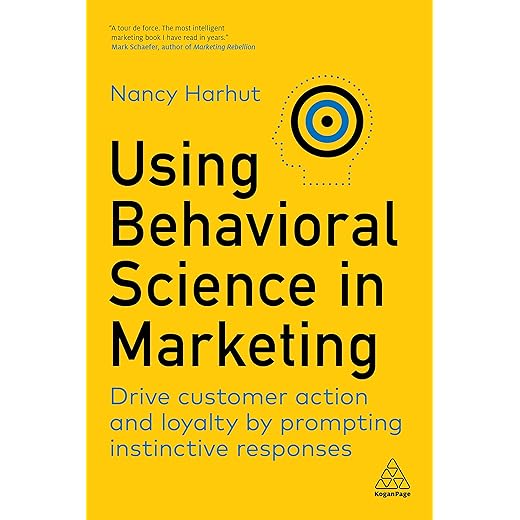
Actionable, Interesting, Insightful, and Awesome. As a life-long, passionate marketer who enjoys staying current with the latest marketing/branding/communications trends, best practices, and perspectives I have read so many marketing books over the years. I can genuinely say that this book is right up there as one of the very best marketing books I have read during my 20+ years in advertising and marketing.I am fascinated with the role psychology, emotions, and behaviorial sciences play in marketing and decision making. This awesome book is so actionable, incredibly interesting, insightful, and awesome. I always looked forward to reading it at lunch and in bed at night.After just the first couple of chapters, I was already implementing concepts into my agency’s marketing messaging and executions. This book is also equal parts marketing book and handbook; as I will keep it handy and keep refering to this valuable handbook itself and all my margin notes throughout.I could not recommend this book more!
A Must-Read for Marketers Looking to Elevate Their Strategies. Using Behavioral Science in Marketing by Nancy Harhut is an absolute game-changer! As someone deeply invested in the art and science of marketing, I found this book to be an incredible resource packed with actionable insights.Nancy has a gift for breaking down complex behavioral science principles into easy-to-understand strategies that you can immediately apply to your campaigns. Her examples are compelling, and the tips she shares are grounded in research, making them both practical and effective.Whether you’re trying to craft the perfect email subject line, influence customer decision-making, or simply understand what makes people say “yes,” this book delivers value on every page.Highly recommend for marketers, entrepreneurs, and anyone looking to make their messaging more impactful. I’m already applying some of her strategies, and the results have been impressive!
Cute cookbook. We gave this along with a waffle iron for a shower gift – very cute! Cookbook has great photos and good variety of recipes.
This book upped my morning meal. Great recopies to make breakfast more enjoyable. Some are easy to make ahead and reheat!
The book every Marketer needs. One of my all-time favorite marketing books. The case studies, the structure, the science. It covers all the essentials for understanding how to hone in on behavioral science to boost Marketing performance. Buy it. Keep it next to your desk. Every marketer needs this book.
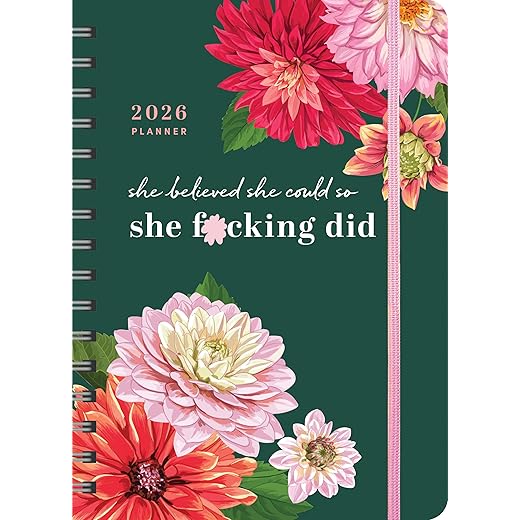
Amazing planner. Love this planner! It’s the perfect blend of sarcasm and professional floral motif.
Best calendar. I buy this every year and it is always a must have! Motivation daily calendar! Keeps me organized for the whole year and I love the stickers to the hard cover!
LOVE THIS PLANNER. I absolutely love this planner. This is my 3rd year using it. I love all the space there is for daily, there is monthly, the stickers in the back are so funny and true. There are little comments on some of the dates and an encouraging message every month. It is so real! Great quality. I love it!