


Life-changing injuries can affect every aspect of a person’s physical, emotional, and social well-being. Beyond the immediate trauma, the long-term impact often includes ongoing medical care, lifestyle adjustments, and a complex recovery process that extends far beyond the initial injury. Understanding these challenges is essential for patients, families, and caregivers navigating the road to healing.
In this article, we explore the impact of life-changing injuries, from physical limitations and psychological effects to rehabilitation and long-term recovery strategies. You’ll gain practical recovery insights, learn what influences healing outcomes, and discover how proper support, therapy, and adaptive tools can help individuals rebuild independence and quality of life after a serious injury.
Life-changing injuries can shift the very foundation of our daily lives, leading to a profound adjustment process. These injuries do not only affect our physical health but also challenge our emotional well-being and personal relationships. As you begin this journey of recovery, it’s crucial to reflect on how these challenges can mean both personal growth and a need for meaningful connections with family and friends. Instead of seeing these experiences as labels of limitation, we can choose to explore the ways they can lead us toward a deeper understanding of ourselves.
Navigating the recovery process can often feel overwhelming, with frustrations quickly arising in the face of new realities. However, embracing this journey allows us to connect with our true selves and discover creative pathways to healing. You’ll find support in the relationships you build, which can actually enhance your emotional resilience and lead to stronger connections with those who share similar experiences. The ability to decide on these meaningful adjustments is vital; it can transform obstacles into opportunities for growth.
As you look ahead, remember that sustained improvement is possible, but it requires patience and commitment. Each step, whether big or small, is a part of the recovery journey that deserves recognition. By having a supportive partner and reflecting on your daily choices, you can begin to navigate the complexities of injury recovery. With the right mindset and resources, every individual has the potential to lead a fulfilling life beyond the injuries you’ve sustained, growing stronger in the process.
The Personal Journey of Adjustment
Life can change in an instant, and sometimes, an injury can significantly alter your path. When faced with such events, the journey of adjustment becomes critical. Many people find themselves feeling disoriented and uncertain about the future. It’s essential to understand that even though your previous life roles may feel gone, this is merely a space for reconstruction and rediscovery.
During this healing process, connecting with others who have faced similar challenges can be invaluable. They can help you navigate the emotional and physical limitations that your injury may have imposed. Parenthood, for instance, might seem daunting when you are adjusting to new realities, but there are ways to find joy and fulfillment in your evolving roles. It’s important to remember that resilience will guide you through the darkest evenings, helping you to move toward a brighter tomorrow.
Sometimes it helps to talk about your feelings, whether it’s in a support group or even just with friends. When people stare or ask questions, it can feel overwhelming, but these interactions often lead to deeper connections. Instead of avoiding these moments, consider them opportunities to show your strength and how much you’ve grown. Believe that you can overcome the challenges, and you’ll find answers in the most unexpected of places.

After an injury, many find that adjusting their lifestyle can lead to discovering new passions. It does require time, and each week may feel like a new hurdle. Yet, every small success is a step toward a better version of yourself. This journey can certainly seem long and uncertain–after all, change is never easy. However, by investing in items that support your recovery, like specialized rehabilitation equipment or mindfulness books found on Amazon, you can help facilitate this transition. For example, tools like foam rollers or yoga mats can aid in physical rehabilitation, while journals can provide a therapeutic outlet for your thoughts.


Ultimately, the connections you build through this journey will show you that you are not alone. You might even find that the limitations once felt hold the potential for new beginnings. Each moment spent rebuilding your life will lead to rediscovered joy and a more resilient self. Even when the future feels uncertain, trust that you’re moving toward something better.
Recognizing the New Normal: What It Means for Daily Life

After experiencing a life-changing injury, many individuals face the challenge of redefining their daily lives. This journey involves acknowledging a new normal that may feel unusual at first. For someone like Brian, a once-active person, adjusting meant understanding that his previous habits and preferences wouldn’t carry over in the same way. He had to embrace a variety of adjustments, often connected to his family and relationships.
One key aspect of recognizing this new normal is accepting the changes in behaviors and routines. For instance, activities that were once automatic may now require a greater level of planning. Brian found himself needing to reassess how he spent his time, and it became crucial to prioritize what truly mattered to him. He discovered creative ways to connect with his spouse and children, ensuring that their bond remained strong, even when physical limitations presented obstacles.
- Investing in adaptive tools: Items like ergonomic kitchen gadgets or easy-grip utensils could assist in meal preparation.
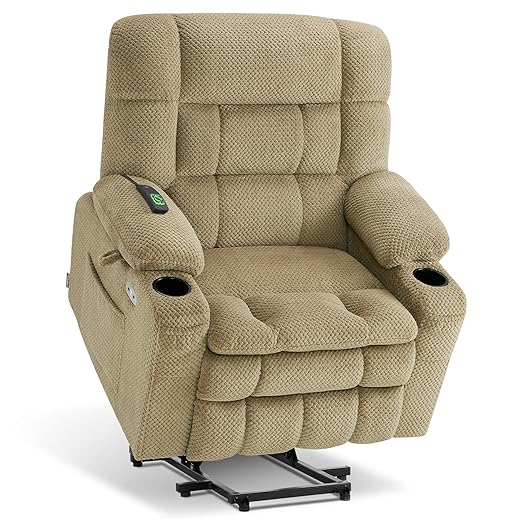
- Finding comfort: Cushioned seating options, like those available on Amazon, became essential for long hours at home.
- Staying active: Resistance bands or adaptive exercise equipment helped maintain physical health.

Feeling stuck is a common experience during recovery, as individuals navigate the changes that come with their injuries. It’s important to find a path that allows for personal growth. For some, this can be achieved through reclaiming hobbies and interests. Brian, for example, once found joy in painting. He began to explore this passion again by allowing himself to create without strict expectations.
These moments of creativity can serve as a powerful trigger for positive feelings, opening doors to new experiences. Rather than focusing solely on what was lost, he started to shift his narrative towards what he could still achieve. This shift is crucial for maintaining a healthy mindset and ensuring that life continues to feel meaningful and fulfilling.
In many cases, the impact of a life-changing injury extends beyond the individual to their family. It requires open dialogue and a willingness to redefine roles within the household. Brian’s family spent time together not only in the pursuit of new activities but also in supporting each other through the emotional challenges that arose. Through this connection, they were able to adapt as a unit, creating a home environment that prioritizes understanding and resilience.
Ultimately, recognizing the new normal is a process that should encourage acceptance and openness. It’s about learning to navigate life’s unpredictability while still fostering joy and connection. By investing in supportive products and prioritizing quality time with loved ones, individuals can discover new ways to thrive, allowing them to say goodbye to the old routines while welcoming the unique opportunities the new normal presents.
Emotional Resilience: Coping with Psychological Challenges
Life-changing injuries often leave a significant emotional impact, but the journey through recovery can also present meaningful opportunities for growth. When you face an injury, it isn’t just about the physical healing; you’ll find that emotional resilience becomes essential. This resilience is about rebuilding ourselves and reclaiming our sense of normalcy, regardless of the challenges we face.
One common frustration for someone dealing with injury is the emotional disconnection that can occur. When our bodies change, so do our interactions with the world around us. You might find that previous interests leave you feeling grounded or that your career paths change significantly. In these moments, exploring your thoughts is vital. Talking about your emotions connects you with others who can relate, and sharing this space can provide support and understanding.
For additional support in managing stress, anxiety, and emotional challenges during recovery, consider exploring mindfulness practices and guided meditations at Mindful.org — a trusted resource for evidence-based tips, daily mindfulness exercises, and practical guidance on staying present and calm throughout your healing journey.

As you journey through recovery, remember that you’re not alone. Others have faced similar obstacles and found ways to navigate their emotions creatively. The essence of rebuilding is that it doesn’t have to happen overnight. Take your time, and remember that what matters is not just the outcome but the steps you take to reclaim your life. Keep moving, keep talking, and know that every little effort you make has value in your healing process.
Talking through emotions is a critical part of recovery, but not everyone has access to in-person counseling or support groups. In these cases, online therapy platforms like Calmerry can help connect individuals with licensed therapists experienced in depression, trauma, and life transitions. Calmerry offers flexible, confidential sessions that allow people to receive professional emotional support while adapting to life after a serious injury.

Calmerry’s online therapy platform
Building a Support Network: Involving Family and Friends
When faced with life-changing injuries, building a support network can be one of the most valuable tools for recovery. Studies show that having a circle of family and friends can significantly aid in processing grief and navigating the challenges associated with physical or emotional loss. It’s natural to feel nervous and even disconnected during this difficult time, but letting others in can lead to healing.
Involving loved ones allows you to share your feelings and explore different ways to cope. Whether it’s through meditation sessions to promote self-awareness or engaging in shared hobbies, these activities can help strengthen your connections. Kids can benefit too; involving them in your journey can not only facilitate their understanding but also foster a sense of togetherness. Parents might find that exploring these activities together creates a supportive environment for open conversations about feelings and challenges.
It’s essential to consider the balance between seeking help and giving space. Friends who care will often reach out, but sometimes you might need to call on them to offer their support. You might want to think about different tools to help keep these relationships strong. For example, products like journals can allow for quiet reflection, while games and activities can bring family together during tough times. Check out options like “The Five Minute Journal” or “Exploding Kittens” on Amazon to find something that works for you.
While building this network, remember that the feeling of loss can ebb and flow. Some days will be easier than others, but having a support system in place will certainly make it easier to process these feelings. Being open to exploring these connections, even when it feels challenging, can lead to deeper bonds and enrich your recovery journey. You’re not alone in this, and thanks to the support of those around you, navigating the world after an injury can become a little less daunting.
While family and friends play a vital role, they cannot replace professional mental health care. For individuals who feel overwhelmed, isolated, or unsure how to process emotional changes after an injury, services like Calmerry provide access to licensed therapists who can support long-term emotional recovery in a structured and safe environment.
Setting Realistic Goals: Navigating Limitations
When dealing with life-changing injuries and the possibility of disability, it’s crucial to set realistic goals. This journey can feel overwhelming and, at times, you might feel very disoriented, unsure of where to start. However, taking small steps can help you navigate through this transition. It’s essential to recognize that your unique situation will define the core goals you want to achieve.
For instance, if you’ve lost some mobility, it may seem daunting to think about getting back to your normal level of activity. However, joining a supportive group or engaging with family members can provide the motivation you need. An example could be participating in a two-minute exercise routine designed for your specific needs. During this time, you can notice improvements and feel a sense of accomplishment.
Support from family and friends plays a vital role in your recovery process. For those whose lives have been drastically altered, self-awareness can help in setting achievable goals. Think about everyday activities you may have taken for granted. Rediscovering these tasks may take time and patience, but the journey can lead to rewarding opportunities. Incorporating a diet that aligns with your health requirements can also strengthen your resilience, making it easier to overcome challenges.
It’s important to understand that limitations can trigger different emotions. You may feel stuck at times, but remember that these feelings are normal. The key is to learn something from each experience, no matter how small. For example, you might find joy in spending time with kids or exploring new hobbies that fit your current abilities. By focusing on what you can do, you can quickly build a sense of fulfillment.
To move forward effectively, always remember that you are not alone in this journey. Many individuals have faced similar challenges and emerged stronger. Approaching recovery with a positive mindset and clear goals can help you navigate your limitations, ensuring that you never lose sight of the life you want to live.
Physical Recovery: Steps to Rehabilitation
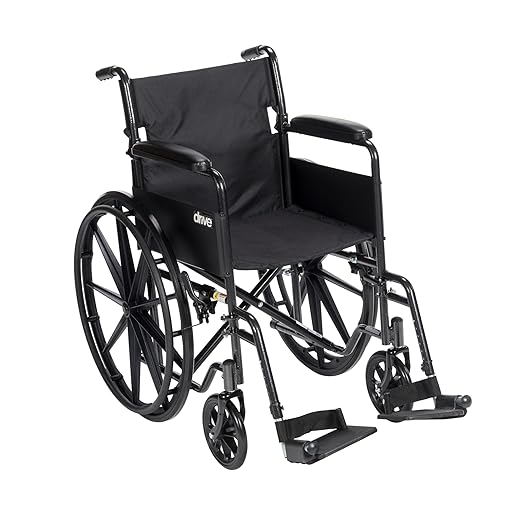
Recovery from a life-changing injury can be a difficult journey, but understanding the steps to rehabilitation can help you transition smoothly. It’s essential to recognize that the recovery process is dynamic, involving both physical and emotional shifts. These can be times of grief, especially if you’ve had to adjust to using a wheelchair or a prosthetic for the first time. However, staying connected to loved ones–like your spouse or close friends–can energize you and help maintain strong relationships during this process.
Initially, you’ll find that taking small but significant steps is key. Focusing on daily tasks, like performing simple movements, can allow you to rebuild your strength gradually. For instance, you might start by practicing basic exercises while seated in your wheelchair, which can help with the reconstruction of muscles and improve your overall level of mobility. Additionally, incorporating meditation into your routine can help you manage the emotional aspects of recovery, such as viewing your progress positively and addressing any feelings of disconnection you might be facing.
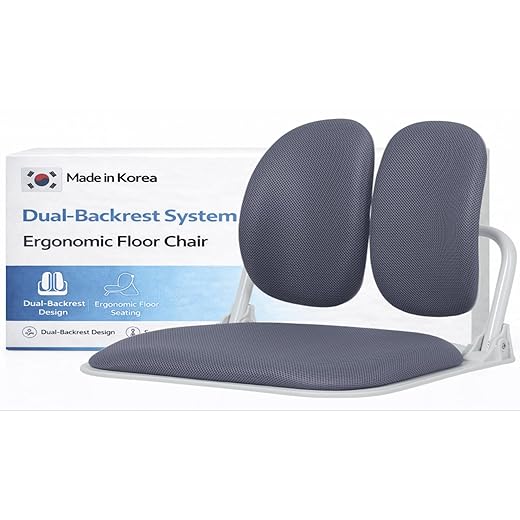
As you become more aware of your preferences, remember that it’s okay to leave behind old habits that don’t serve you anymore. It’s all about prioritizing your new needs and adapting them to suit this stage of your life. Some people find that creating a dedicated space at home for rehabilitation activities helps in focusing their energy and maintaining motivation. You’ll likely come across various products on Amazon, like resistance bands or ergonomic seating options, designed to support physical recovery. These products can significantly enhance your rehabilitation journey by allowing you to exercise comfortably and effectively.
In summary, your recovery journey is not just about physical adjustments; it also involves an emotional shift that defines your new lifestyle. Some aspects might be challenging, but by developing healthy connections with others and staying committed to the rehabilitation process, you’ll find a way to thrive in your new reality. Remember, the aim is to recover fully while embracing the dynamic nature of life after an injury.
Q&A:
What types of life-changing injuries are most commonly discussed in relation to recovery?
Life-changing injuries often include severe traumatic injuries such as spinal cord injuries, traumatic brain injuries, amputations, and complex fractures. These injuries can drastically alter a person’s lifestyle and abilities, leading to long-term rehabilitation needs. Understanding the specific type of injury is crucial as each type has its unique recovery challenges and time frames. Spinal cord injuries may require extensive physical therapy and adaptive technology, while amputees might focus on prosthetics and learning new mobility techniques.
How do life-changing injuries affect a person’s mental health during the recovery process?
The mental health impact of life-changing injuries can be significant. Many individuals experience feelings of depression, anxiety, or PTSD due to the trauma of the injury and the subsequent challenges they face. The loss of physical abilities or independence can lead to grief and frustration. Access to mental health support and counseling is vital during recovery, as these resources can help individuals process their emotions, adjust to changes, and develop coping strategies to improve their overall well-being.
What role does rehabilitation play in the recovery from serious injuries?
Rehabilitation is a fundamental part of recovering from serious injuries. It typically involves a multidisciplinary team of healthcare professionals, including physical therapists, occupational therapists, and psychologists. The goal of rehabilitation is to help individuals regain as much functionality as possible while adapting to any permanent changes. Programs may include exercises to improve strength and mobility, occupational training for daily living skills, and psychological support to assist with emotional adjustment. The intensity and duration of rehabilitation can vary widely depending on the nature of the injury.
What financial considerations should individuals think about after sustaining a life-changing injury?
Following a life-changing injury, individuals may face substantial financial burdens due to medical expenses, rehabilitation costs, and potential loss of income. It is important for victims and their families to assess their financial situation and explore options such as health insurance benefits, disability benefits, and assistance programs. Consulting with a financial advisor or legal professional can provide insights into managing these aspects effectively and ensuring that individuals receive the support they need during their recovery.
How can family and friends support someone recovering from a life-changing injury?
Support from family and friends is crucial during recovery from a life-changing injury. Emotional support, practical assistance, and social engagement can significantly enhance the recovery experience. Family members should encourage open communication, help with daily tasks, and assist in coordinating medical appointments. It’s also important for loved ones to be patient and understanding as the individual copes with their physical and emotional challenges. Engaging in conversations about their feelings, encouraging participation in social activities, and being present can foster a positive environment for healing.

Other Articles


15 Comments
Comments are closed.


Motivational delight in words and images. This is NOT the typical self help book. The author becomes your confidant as you read, and she is your dear friend at the end. Delightfully written and illustrated, this is the perfect book for reflection, insight and motivation. Whether your projects are personal or professional, the journal provides easy to follow steps for any stage of a project, including motivational exercises. If you want help for getting started, remaining motivated, or staying focused–this is YOUR book! Especially geared toward the young, creative, and entrepreneurial, this self help book is my new choice for birthday and graduation presents. Thoughtful, eye-catching, and rewarding.
This was well worth it for our needs. My daughter had surgery for peroneal tendon subluxation, and is unable to be weight bearing for a minimum of 6-8 weeks. If you’ve ever had to use crutches for an extended period of time, then you know of the pain and discomfort that comes with using them ALL day. Crutches really hurt for long distances, and are very slow. They also aren’t always stable it the ground is wet, uneven, or limited space. Having this chair has allowed us to shop, go to the farmers market, go on walks, not have to worry about parking far away etc. This really is a great chair. It is very sturdy and comfortable. It does take up a fair amount of trunk space, but it fits in my Honda civic and is easy enough to get it in and out. The foot rests come off and on very easily. I like that my daughter can wheel herself in it, in addition to being pushed. She is tall (5’10, and about 160 lbs) and finds it to be very comfortable, easy to get in and out of, and not too narrow (of course she is young, flexible, has good upper arm strength and the use of one good leg). I can’t accurately say how this would feel for someone with multiple mobility issues or who is confined to it for very long and extended periods of time, but I will say that she sat in it for a 3+ hours straight at a ballet and felt fine. For us, who will be using it temporarily, it has been well worth it. Renting a wheelchair for 6 weeks would have cost at least the same if not more than buying this wheelchair, and now we have it if we ever need it again. Her best friend’s grandma will be having knee surgery soon and we will lend it to them. Also, depending on you injury, you can buy the other type of foot/leg rest that extends for this model, which is fantastic. We have been using this wheelchair as needed now for over a month, I can say it has definitely been worth it for us. AND, you could always donate it once you no longer need it which is a nice thing to do. It would have not cost you more than a short term rental would have, and you could help someone else in need who might not have otherwise been able to afford the expense of a rental for themselves. win win
Brought me a more positive outlook. Are you someone who does not have time to journal but wants to bring a more positive and grateful mindset everyday. Then this is for you. Try it!It really only takes 5 minutes. You can time it. It has two parts a morning section and night section. The morning has three entries and night has two entries to fill in. There are weekly challenges that show up on the pages that are fun but not too time consuming.For me I did it as the first thing in the morning BEFORE touching my phone. At night I was less strict and did it whenever it fit in my night schedule. My piece of advice is you can do it however you want as long as you do it everyday no matter if it’s a good day or a bad day.Personally it was a slow change, it was hard for me to come up with things to write but after two weeks I started to see my day differently. It was more positive and I felt more grateful for things. I noticed things in my day that should write down. Took time to enjoy them. There is a entry that says “what would make today great”. That for me was the hardest. I did not know what I could do that would make that day great. But it brought me more in tune with myself for that day and what I needed. Sometimes I wrote things down in that section and did not do them, other times I made sure to do all the things. It taught me a deeper more authentic version of self care. Doing things you need to do to feel better, more centered, happy etc. For example instead of “ go to the gym” it’s” if I move my body today” or instead of “ I will clean the kitchen today” it’s “ I will spend x amount of time cleaning my space today. It’s a small commitment to yourself for that day. It made me more kind to myself. Not an chore or something to dread doing. But a small commitment to better yourself. I know I read somewhere that’s you should be 1% better everyday and I believe this helps you do that.Good luck!In terms of quality it great. The cover, the pages the color. All great. Just like it’s pictured. However mine did start to fall apart after a couple months. I think this would make a great gift to yourself or someone else.As with most things if you don’t take it seriously ot can’t make the commitment it won’t help you.
Great purchase, sturdy, stable, easy to assemble and use. Recently fractured my tibial plateau, was put in full metal leg brace from ankle to mid- thigh with no bend. Was told I could absolutely not put any weight on leg for 4-6 weeks. Tried using crutches and that was not working for me. Took a chance and ordered this chair, it was a God-sent. It’s easy to use on hard floors and carpet (takes a little more effort but not bad at all). Was assembled in less than 20 minutes with ease. Very sturdy and comfortable. I’m about 5’8, 215 pounds and it’s just the right size. Folds up easily for car travel and the breaks hold it very steady for getting in and out. Fits through all my standard doorways (bedroom and bathroom)and I can turn direction very easily. Am now confident I can follow doctor’s orders and keep the weight off my leg.
High quality, super useful. I recently incorporated these resistance bands into my workout routine, and I’m beyond impressed with their quality and adaptability. Whether you’re a seasoned weightlifter or just starting out, these bands are a game-changer.The bands are made from high-quality, durable materials that feels both sturdy and flexible. They show no signs of wear even after several intense sessions. The resistance levels are clearly marked, and the elasticity remains consistent, which is a testament to their excellent construction.I love how seamlessly they integrate into traditional weightlifting programs. I’ve used them for pull-up assistance, which has significantly improved my form and endurance. Beyond that, they’re fantastic for adding variable resistance to bench presses, deadlifts, and squats. They make progressive overload easy to achieve and provide an extra challenge to muscle groups that might otherwise plateau.These bands are also perfect for warm-ups, mobility work, and targeting stabilizing muscles. They’re lightweight and portable, making them great for home gyms or travel. The different resistance levels ensure they’re suitable for beginners and advanced lifters alike.These resistance bands have elevated my workouts in ways I didn’t anticipate. The quality is top-notch, and their adaptability makes them a valuable tool for anyone serious about fitness. Highly recommended!
🦋 A SELF-CARE JOURNALING LOVERS STAPLE 🦋. i have been eyeing this beautiful guided journal for some time now, along with a slew of other ban.do products. ban.do can’t be beat when it comes to stylish, functional stationery and home aesthetics! this journal in particular is jam-packed with all sorts of motivational content, such as writing prompts, tips for wellness and mental health, self-care journaling sections, etc. you’re also going to ADORE the art and typographics in this gorgeously designed book and journal!it also doubles as a super trendy coffee table book, i often use it as a prop in my pinterest flat-lays of planning gear & stationery accessories. search “studio brittany” on pinterest for one of the most organized and detailed aesthetic planning boards that i am super proud of, you’ll find this journal steals the show!
Amazing price and quality. Got this so I would have it for a family member who was going to be visiting me. Wasn’t sure what to expect, given the price, but I thought it would only be used on a limited basis. I was incredibly shocked. It is extremely well made and sturdy. It’s not too heavy and easily folds, so it can be put in the back of a car. It’s easy to use and has a smooth ride. Phenomenal deal for a very high quality.Item.
Surprised by the quality and effectiveness. Does exactly what its supposed to do.It firm, its Foam and it rolls.Also works great to roll out your back muscles as wellto give yourself your own back massage in hard to reach places.Im a big dude and it held up to my abuse. Easily worth the money. Buy one and you’ll likely never need another.
Great beginner exercise resistance bands. I started strength training earlier this year as a complete novice. I didn’t want to spend tons of money so I bought these which are a great value and have made my strength training exercise routine easy to do in the comfort of my home office. There are a number of bands of different resistance to mix up the kinds of strength training one can do. There is no excessive smell and they seem very good quality based upon my use of them for the past 7 months. I also appreciate the color variety so that I automatically know which band to use for different exercises now without thinking about it.
Life-changing journaling tool. This journal has really helped me stay focused and positive. Taking just five minutes a day to write has made a noticeable difference in my mindset and daily routine. Easy to use and very well designed, I’m really happy with it. Good value for money.
Great motivational journal. The media could not be loaded. Love this journal! It is a guided motivational journal that has helped me achieve my goals.
Firm, Effective, and Great Quality. This foam roller is excellent quality and exactly what I was looking for. It’s firm enough to really work out sore muscles but still comfortable to use, and it holds its shape well without denting. The size is perfect for full back and leg rolling, and it feels sturdy and durable. Whether for stretching, recovery, or everyday use, this roller gets the job done and is a great addition to any routine.
Strength & Conditioning Background: Recommend. I have a background in strength and conditioning and have sat though “teachings” on the best foam rollers. However, I’m cheap, but still picky. Quality and reviews seemed well enough for me to try this with the price, I was not disappointed. Gives just enough firmness that doesn’t feel like a rock. Able to get it where I need it and works so well. A good width to use as an exercise source (squeeze between my knees or knees and elbows for core movements)!However, it was a little longer than I personally prefer, but that’s great for gym owners! More bank for your buck, just cut it in half and now you have two!!
Nice & Durable. Excellent quality bands. Very thick and durable. These are great for physical therapy or for upgrading your skill set when it comes to calisthenics. Would definitely recommend and would buy again.
Worth the price. I purchased this journal after reading The Miracle Morning, and it has been a wonderful addition to my daily routine. I was looking for something simple and intentional to help me focus on gratitude and positivity without feeling overwhelming, and this journal fits that perfectly.The Five Minute Journal is thoughtfully designed and very easy to stick with. It truly only takes a few minutes in the morning and evening, which makes it realistic to use every day. The prompts are meaningful and help shift my mindset toward gratitude, intention, and reflection without feeling repetitive. It encourages mindfulness in a gentle, approachable way.The quality is excellent. The pages are well made with thick paper, the layout is clean and calming, and it feels durable enough for daily use. It also makes the process feel special, not just like another notebook.Overall, this journal is an incredible value for the impact it has. It’s helped me be more present, positive, and consistent with my mindset practice. If you’ve read The Miracle Morning or are looking for an easy way to build a daily gratitude habit, I highly recommend this journal.