

In a world where identity is often shaped by the expectations of others, many people find themselves feeling unfulfilled. The ambitions that once seemed crystal clear can become murky over the years, leaving us to question the very essence of our identity. This article is designed to assist you in transforming your life by developing a true understanding of yourself. By following our four-step guide, you will learn how to break down the barriers that hold you back and display a more authentic version of who you are.
It’s common for individuals, especially those fresh out of college, to feel reserved about their aspirations. Medical disorders, self-critical habits, and societal pressures can create gaps in our self-confidence and hinder our ability to aim for the life we truly desire. However, with the right mindset and a willingness to work through these challenges, anyone can redefine their narrative. A quick review of your outlook on life can reveal significant insights that help you build a stronger identity.
Transforming your identity isn’t merely an exercise in self-reflection; it’s a deliberate plan of action. By exploring the thoughts and beliefs that underpin your current identity, you can uncover the weight of the roles you have assumed over time. The process involves not only understanding what these roles mean to you but also finding ways to develop new habits that align with your goals. This transformative journey will equip you with the tools required to display your new self to the world, ultimately leading to a more fulfilling life.

Understand Your Current Self

Understanding your current self is the first step to transforming your identity. It requires knowing not only your strengths but also your weaknesses. When you think about what truly defines you, it’s easy to get lost among the common labels and societal expectations. Start by identifying three core areas: your beliefs, your values, and your behavior. These elements lay the foundation for who you are.
To dive deeper, consider what self-worth means to you. Are there unmet ambitions or dreams that tug at your heart? Reflecting on your college years or past career choices can provide insight into your journey. Have you ever thought about how your behaviors align with your values? This process may feel pretty overwhelming, but remember, learning about yourself is a natural part of personal development. Aidan, a friend of mine, once said that treating yourself with kindness is essential for developing confidence.

Make a list of your favorite qualities and behaviors that you see in someone you admire. What are the values they uphold? By identifying these traits, you can begin to mold your own personality. Consider examples such as setting boundaries or supporting others in their endeavors. These actions not only reflect integrity but also solidify your ambitions.
Sometimes, it helps to visualize your current self alongside the person you aspire to be. Are there aspects of your thoughts or characteristics that feel missing? Taking the time to really think about who you are and who you want to become shows a commitment to your transformation. It leads to a deeper level of self-understanding that paves the way for growth.
Here are a few tools to aid your exploration:
- Journals for self-reflection
- Personal development workbooks
- Guided meditation books

By engaging in this process, you’ve already made the first step toward a renewed identity. Embrace the journey and remember, understanding yourself is the key to unlocking your true potential.

Identify Your Values and Beliefs
Identifying your values and beliefs is a crucial step in building a new identity. This process often involves focusing on what truly matters to you and understanding how these elements affect your life. Start by reflecting on your experiences and stories, including those shared by friends or family. These narratives can provide valuable insights into your core beliefs.
When you’re trying to figure out your values, it might help to incorporate reading into your routine. Books and articles can expose you to different ideas and philosophies, showing you the common characteristics of those who love life and support others. This practice can actually reduce stress, as you begin to face your self-critical thoughts and shift towards a more positive narrative.
It’s essential to remember that your values are unique to you and can evolve over time. During this journey of self-discovery, you may find yourself pretty confused by the multitude of choices in front of you. However, true wisdom comes from reviewing your thoughts and behaviors. What do you wish for? What do you stand for? These questions are vital in finding meaning in your life.

Think about the strategies that have benefited you in the past. They might involve improving habits like journaling or meditation, both of which have been shown to help clarify values. It’s natural to get down on yourself sometimes, but remember that improvement is possible. By focusing on your values, you’ll build a stronger identity that can withstand the challenges of life.
Consider items that can support you in this journey, like journals for writing down your reflections or books that inspire you to think deeper, available on Amazon. Look for products that resonate with your newfound understanding of self–tools that help you incorporate your values into daily practices will serve you well. In the end, the process of identifying your values can lead to a richer, more fulfilling life.
Assess Your Strengths and Weaknesses
Building a new identity requires a deep understanding of your strengths and weaknesses. To start this essential process, take a moment to think about what makes you unique. Each of us has certain areas where we excel and others where we may feel lacking. This isn’t a bad thing; in fact, recognizing these aspects can be incredibly helpful!
Consider setting aside a few minutes each day for reflection. You might want to keep a journal to track your thoughts. This habit can mean the difference between feeling stuck and moving forward. How do you feel about your current behaviors? It’s not uncommon to display certain behaviors that may be overly critical or negative because of long-held beliefs. Reading books on personal development can be a great way to gain new insights. For example, you could explore resources on platforms like Amazon such as “The 7 Habits of Highly Effective People” or “Atomic Habits.” These writings provide useful feedback on how to improve your daily routines.


The 7 Habits of Highly Effective People: 30th Anniversary Edition (The Covey Habits Series)
When assessing your strengths, think about the things that make you feel alive and healthy. What activities make you feel like a million bucks? Some might find purpose in their careers, while others may feel fulfilled in creative endeavors. It’s essential to imagine a life filled with activities that support the new identity you’ve started building. Conversely, identifying weaknesses is critical too. This might be related to a skill you’ve never developed or a habit you’ve gone too far in. Remember, the goal isn’t to criticize yourself but to gather knowledge on areas that need improvement.
To help illustrate this process, here’s a quick table outlining common strengths and weaknesses you might recognize in yourself:
| Strengths | Weaknesses |
|---|---|
| Strong communication skills | Lacking confidence in public speaking |
| Creative problem solver | Overly critical of self |
| Empathetic listener | Difficulty setting boundaries |
| Resilient under pressure | Procrastination tendencies |
As you go through this assessment, remember that growth is a journey. Sometimes the feedback from caregivers or friends can guide you toward areas you hadn’t previously considered. Use this valuable input to propel your identity forward. Embrace the challenge of building your best self! With time and reflection, you’ll identify ways to move past what’s been holding you back. You have the power to change your life, one habit at a time.
Recognize Patterns in Your Behavior
To build a new identity, it’s essential to recognize the patterns in your behavior that affect your daily life. This process involves looking at various aspects of your career, relationships, and personal habits. Timothy Sinek often emphasizes the importance of understanding your core personality traits and how they influence your outlook. By doing so, anyone can reframe their thoughts and experiences toward a more positive direction.
Take a moment to explore how your daily routines, both at home and at work, shape your identity. For example, if you find yourself often engaging in a non-productive workout routine, consider what drives this behavior. Is it the need for affection? Or perhaps a common habit that you stick with, even if it no longer serves you? Addressing such questions brings clarity to your thought processes.
Engage in activities that support mental resilience, such as meditating or pursuing hobbies that you are passionate about. By putting your attention on these activities, you develop a higher quality of experience that can change your outlook. There are many resources available on platforms like Amazon, such as informational books or guided meditation apps, that can assist you in this journey.
When asked how you can maintain these changes, think about creating a feedback loop. Reflect on the changes you’ve noticed over time and document these experiences. If you notice positive patterns, consider sticking to them. If something isn’t working, address it and reframe your approach. Recognizing these patterns can be a game-changer and supports building a more fulfilling life.
Define Your Ideal Identity
Defining your ideal identity is a crucial step in transforming your life. It’s the time to stand still and contemplate what you truly want to achieve. Think about the different layers of your identity: personal, professional, and social. Ask yourself, what type of person do you want to be in five days, weeks, or even years? You might find it helpful to write down names or ideas that represent your desired self. This visual aid can serve as a powerful tool to keep you focused.

The Power of Habit: Why We Do What We Do in Life and Business
It’s natural to have negative thoughts during this process, as we often think about what we might lose or how we are lacking in certain areas. However, Aidan in our community has shown us that the key is to embrace strengths-based strategies. Instead of focusing on issues, try treating yourself with care and understanding. For instance, if you’re stuck in professional development, consider pursuing resources like “The Power of Habit” or “Start with Why” by Simon Sinek. These books can help you improve your outlook and outcomes.

Start with Why: How Great Leaders Inspire Everyone to Take Action
As you think through your ideal identity, identify what enables you to stick with this vision. Whether it’s daily affirmations, a healthy routine, or working with a mentor, these elements can make all the difference. Use everyday events and interactions as opportunities to practice this new identity. Remember, it doesn’t have to be grand changes; sometimes, small actions lead to significant improvements. The journey of defining your ideal self is about understanding where you stand today and taking steps to elevate yourself to new levels.
As you embark on this journey, keep in mind that it’s okay to take the time you need. Everyone has different timelines and paths. What matters is your commitment to this process and your willingness to adapt along the way. If you find yourself struggling, consider reaching out for professional help, whether from a coach or a therapist. They can aid you in creating strategies that resonate with your personal objectives and help you sustain the changes you’re making.
Visualize Your Future Self
Visualizing your future self is a powerful technique that can significantly impact your journey to building a new identity. Once you understand the core concept, you can reframe your outlook on life and the events that you want to accomplish. It’s about creating a meaningful plan that enables you to focus on being the best version of yourself.
Start by choosing a quiet space to get comfortable. Grab a journal, which can act as a nice source of reminders for your progress. Write down everything you aspire to become. This could include professional goals like graduating from college, or personal achievements such as improving your health. The important point here is to include a variety of aspects that contribute to your overall well-being.
- Think about the feelings you want to experience.
- Visualize the events that lead to those feelings.
- Consider the level of contentment you wish to achieve.
Sometimes, we can get confused about our goals, especially when the journey seems long and complicated. This is where visualization comes in handy. Once you establish a clear view of your future self, you can start making more informed choices that align with that vision. Ask yourself, “What actions am I taking today that will lead to the result I want tomorrow?”
Improving yourself requires consistent effort and reflection. You may find that your views will differ over time as you learn and grow. Keeping a journal can help you track this evolution, allowing you to understand your progress at a deeper level. By reflecting on what you’ve written, you will gain valuable insights that actually drive you closer to your goals.
In the end, visualization serves as a powerful reminder of what you are working towards. It goes beyond mere daydreaming; it empowers you to take actionable steps. For example, if you want to enhance your skills in writing, consider tools available on Amazon, like “The Elements of Style” to guide you or a planner to keep you organized. These resources can lead to the meaningful changes you aspire to achieve.
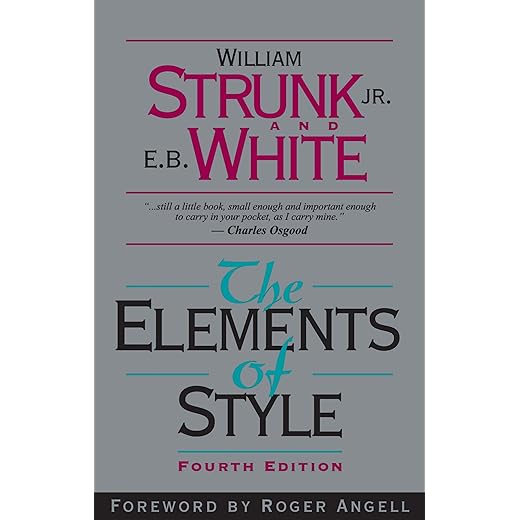
Your journey to becoming your future self is a process, but with determination and consistent effort, you can transform your life today. Take that first step in visualizing who you want to be, and let every little improvement guide you along the way!
Q&A:
What are the key steps to building a new identity as described in the article?
The article outlines a four-step process to help individuals create a new identity. The first step involves self-reflection to understand current beliefs and values. The second step encourages setting clear goals for the new identity. Researching and gathering inspiration from role models is the third step. Finally, the fourth step is about taking actionable steps towards embodying the new identity by adopting new habits and mindsets.
How can self-reflection help in transforming one’s identity?
Self-reflection is a fundamental practice in the process of transforming one’s identity. It allows individuals to examine their current life circumstances, beliefs, and habits. By doing so, they can identify which aspects they want to change and which values they want to uphold. This introspection serves as a foundation for building a new identity, as it clarifies what the individual truly wants to achieve and the person they aspire to become.
What kind of goals should I set when building a new identity?
Goals set for building a new identity should be specific, measurable, and achievable. They should reflect the qualities and traits you wish to embody. For example, if you want to be seen as more confident, a goal might be to practice public speaking regularly or to engage in activities that push you out of your comfort zone. It’s important that these goals align with your values and what you truly desire in life, as this will help maintain motivation throughout the transformation process.
Can you provide examples of how to adopt new habits that reflect a new identity?
Adopting new habits involves integrating daily practices that align with your desired identity. For instance, if you’re aiming to be more health-conscious, you might start meal planning every week, exercising regularly, or learning to cook nutritious meals. If you are transitioning into a leadership role, you could begin reading books on leadership, attending workshops, or networking with mentors in your field. Consistent repetition of these new habits will gradually reinforce your new identity.
Why is it important to find role models during this process?
Finding role models can provide inspiration and guidance while building a new identity. Role models demonstrate the traits and behaviors that you aspire to embody. Their journeys can offer valuable insights into the struggles and strategies they experienced in their transformation. Learning from their successes and challenges can motivate you to persist through your own process of change, while also offering practical examples of how to navigate potential obstacles.
What are the main steps you should follow to create a new identity?
The article outlines four key steps to build a new identity. First, you need to reflect on your current self and identify the aspects you want to change. The second step involves setting specific goals that align with the new identity you desire. Next, take actionable steps towards achieving these goals, which may include developing new habits or learning new skills. Finally, it emphasizes the importance of self-reflection and adjustment along the way, allowing you to fine-tune your approach based on your progress and experiences.

Other Articles


Exploring Attachment Styles and Their Influence on Relationship Dynamics
14 Comments
Comments are closed.


Habit formation, change, use and abuse (and some fun stories). New York Times investigative reporter Charles Duhigg has assembled a compelling set of stories about the overarching influence habit plays in our lives, its neurological underpinnings, how habits develop, how they may be altered, and how they may be used to undermine us. Duhigg’s curiosity leads him to variegated and interesting applications of the concept of habit formation, from Tony Dungy’s quest for a super bowl ring to the selling of Pepsodent, a milestone in advertising history.These stories of corporate manipulation are among Duhigg’s most persuasive. Most appalling was his story of an Iowa housewife who married early and accomplished little, except that she was adept at gambling. Her humdrum life became rewarding when she was able to order comped suites for friends’ weddings because Harrah’s valued her patronage so highly. Her anxiety was always relieved when she sat down at the black jack table. Harrah’s casino showered her with personal attention. Even after she went bankrupt, Harrah’s continued to call, making offers of benefits she could not refuse. Finally, after many hard knocks, she was given a second chance when her parents left a nice inheritance. Of course, she continued to answer Harrah’s calls (they got upset when she declined to come) and gambled the inheritance away.Then there is Boutique Target, spending vast sums to find statistical changes in spending patterns when women get pregnant. Once identified as a likely pregnancy (when her receipts show increased purchases of lotions, expanded waist pants, etc.), a woman begins to receive relevant discount offers, subtly hidden within coupon books. Pregnant women are “a gold mine,” leading to infant, child, and family expenditures worth thousands. The Boutique is going to be sure they get their share of the action. Like Harrah’s, they take advantage of customer habit to influence purchases to their benefit.To the good, Duhigg recounts the story of a young man named Travis whose drug-addicted parents taught him none of the social skills required for success or even for holding down a menial job. He was a bright kid who knew that when the house was clean, that meant mom and dad had switched from heroin to meth and things were about to get seriously out of control. Travis dropped out of school, failed at McDonald’s, then got a break when he was hired as a barista at Starbucks.It seems that Starbucks had determined that world domination was based on convincing large numbers of people to pay four dollars a throw for a cup of coffee. This meant not only the addition of special nutrients such as heavy cream and sugary Italian flavoring, but also the emphatic recognition of the customer’s personal value to the outlet. Starbucks taught its baristas to show care and consideration for customers. Travis took fifty hours of in-house courses, equivalent of a college semester, learning habits of positive customer relations. He wrote out and memorized the LATTE method: Listen to the customer. Acknowledge their complaint. Take action by solving the problem. Explain why the problem occurred. Travis paid attention. At age 26, he managed two Starbucks outlets, had no debt and a 401K. Travis had been socialized by a corporation.The first third of the book deals with habit formation (cue, craving, routine, reward) and an appendix tells the reader how to change habits. The program is a bit reductive and sounds like cognitive behavioral therapy by another name, which it pretty much is. Nuances of interpersonal differences, the effects of various psychological states and diagnoses, the limits imposed by life circumstance, these are not factors that Duhigg treats in detail.To his credit, Duhigg deals with higher functions than the simple changing of unconscious processes, like changing a pattern of cookie eating in the afternoon (a rather facile but helpful piece about his own habit change). His discussion of the success of Alcoholics Anonymous includes speculations that belief is sometimes necessary to overcome a life-long, pervasive habit, such as alcohol addiction. It is insufficient to deal with the physical addiction and to replace the habit with a new routine (e.g., calling a sponsor or going to a meeting instead of a bar).The application of a belief that things can get better has been shown to assist addicts who suffer stress or temptation. Duhigg points out that when the chips were down, Tony Dungy’s football team failed to apply the positive habits that had taken them to the playoffs. They failed to believe that the habits would work in the clutch. After Dungy lost a son, the team thereafter came together for his sake and won the Superbowl. Duhigg attributes the win to belief. It seems equally likely that this success came from increased motivation and affiliation among team members rallying around their beloved coach.In my experience, clients often change when they embrace values more important to them than the rewards of a self-destructive habit. Rather than drinking, the client chooses to establish habits consistent with enhancing a child’s life. A four-decade smoker stops cold turkey when his new love demands kissing sweet breath. It is the researcher’s job to perform the experiments necessary to establish such a point. Duhigg, as a reporter, has done a yeoman’s job of ferreting out the available findings and interviewing the authors. He cannot be held responsible for what social science has not yet ascertained.What Duhigg does best is to spin a fine story, from Paul O’Neill turning Alcoa around by concentrating on habits of safety to the seeming exclusion of everything else (he knew that establishment of habits of safe production would lead to habits of efficient production), to the story of Travis’s socialization at Starbucks. If he goes a bit far afield by shoe horning the Montgomery bus boycott into a story of habit change, so what? It’s still a fun story and well worth reading. The world may not change, but lots of people will be better off for having read this book.
Now I Understand How to Create Lasting Change. Following a prologue in which a subject transforms utterly transforms herself, Duhigg lays out the structure of the book. “Part One: The Habits of Individuals” is broken into three chapters.Chapter 1, “The Habit Loop” describes the (wait for it…) the habit loop, which is the foundation for everything that follows. This is a 3-step process, in which a cue triggers a routine which is reinforced by a reward. Duhigg does a great job of describing the science that describes this pattern, and the science which explains it, without making the information so dry that you can’t absorb it.Chapter 2, “The Craving Brain,” examines individuals who suffered neurological damage and the impact that habits had on their ability to perform various functions and routines. This chapter had heart: imagining the daily lives of these individuals and their caregivers brought some real drama to the study of how habits operate in our brains. The point of the chapter was basically that habits are surprisingly delicate, to use Duhigg’s term, and can be easily disrupted, with the right information.Chapter 3, “The Golden Rule of Habit Change: Why Transformation Occurs” focused on the coaching career of of NFL coach Tony Dungy, and how he used his understanding of habits to transform the Tampa Bay Buccaneers and the Indiana Colts. The Golden Rule is You can’t extinguish a bad habit, you can only change it. Midway through Chapter 3 Duhigg breaks away from NFL to consider Alcoholics Anonymous. If Chapter 2 is the heart of Part One, then Chapter 3 is the soul: both AA and Dungy’s football program achieve their greatest success when the people operating under their respective guidance both arrive at belief in something greater than the individual. Duhigg shares more than that in this chapter, but there is a ton of information in this chapter about how habits can be disrupted to make way for more positive patterns.In Chapter 4, “Keystone Habits, Or the Ballad of Paul O’Neill: Which Habits Matter Most,” Duhigg offers Paul O’Neill of Alcoa to illustrate how altering a single habit in an organization (albeit in a highly focused and disciplined manner) can transform the total organization.Chapter 5, “Starbucks and the Habit of Success,” opens with a powerful story of a young man who was raised by drug addicts, and his subsequent struggles to maintain his employment. His pattern of failure changed when he went to work at Starbucks. This chapter discusses the importance of willpower and its limitations, how willpower can be strengthened, and planning for success.Chapter 6, “The Power of a Crisis,” uses the examples of doctor error in a Rhode Island hospital, which Duhigg asserts was made inevitable by the toxic atmosphere in the workplace, and a fire in King’s Cross Station, London, which was made inevitable by strictly observed divisions of labor, to provide opportunities for transforming the cultures of those two organizations into something stronger and more effective than could have been created as Paul O’Neill did, just by sheer force of leadership.Chapter 7, “How Target Knows What You Want Before You Do” is probably the most widely read section of the book, as it was excerpted by the New York Times (Duhigg’s employer) and Forbes, among others. It’s readable and informative, and fairly creepy in disclosing how much information we unwittingly distribute about ourselves, and how unlikely we are to curtail the activities that make it possible for Target to know a woman is pregnant before any of her immediate family members do.Several reviewers have described these sections as “filler,” but I found that they addressed complaints common to people who claim to want to change their habits but lack willpower, and provided guideposts to an attentive reader for what qualities set one up for success. I did not find these sections to be filler, but powerful illustrations of how a thorough understanding of the mechanisms behind habits can provide the tools for large scale change, and a discussion of the nature of personal responsibility. Although the sections were more directly addressing corporate bodies, the information was driven by the individuals within those organizations and therefore applicable to me and my own private attempts to alter my habits.Part Three was an interesting summing up. Chapter 8, “Saddleback Church and the Montgomery Bus Boycott” addressed the components that made those movements (if one can call a mega-church a movement) successful. The Montgomery Bus Boycott, particularly, was really interesting: we celebrate Rosa Parks’s heroism, deservedly, but the fact is, several other individuals had made similar stands without sparking the Civil Rights Movement. Duhigg’s explanation for why Parks had the right stuff to make it happen makes for informative reading (the short version being, Parks was a genuinely nice and widely connected member of Montgomery society).Chapter 9, “The Neurology of Free Will: Are We Responsible for Our Habits?” puts all the preceding information in perspective. It contrasts Brian Thomas, an Englishman who killed his wife while sleepwalking, with Angie Bachmann, a compulsive gambler who lost many hundreds of thousands of dollars. He describes the neurology of sleepwalking activity and of a compulsive activity such as gambling (or drinking, or binge eating) and concludes that habits are under are control and can be altered, which argues for self-awareness and personal responsibility.The information provided in the body of the book was enough for me to understand how to create a road map for how to change my habits, but Duhigg did provide a digest of the material in his Appendix, “A Reader’s Guide to Using These Ideas.” Overall, I found this book to be both readable and powerful, and I look forward to implementing what I’ve learned to further my own goals.
A MASTER book of other books. THIS IS THE GREATEST BOOK EVER PUBLISHED IN THE LAST 10 YEARS!!!If I could give this book 10 stars, I would! This book beats many other books. This book is so exciting to read that I read it three times! The beginning of the book said it extremely well — This book is about an unique kind of leadership that has the natural recurring pattern of inspiring, influencing and affecting people. It is about a very small group of leaders that achieve disproportionate amount of influences in their industries/areas compare to other leaders. The most prominent example is, of course, Steve Jobs who displayed a recurring pattern of changing one industry after another.(Of all the books that study Steve Jobs, this is probably the best one although it is not a book on Jobs’ biography. However, this book offers the best angle to understand his motivation and influence.)The core of this book is about the kind of WHYs that a special kind of leaders has that enable them to have the natural recurring pattern of inspiring, influencing and changing people and industries. The prime examples of this kind of leaders quoted in this book are Steve Jobs, Martin Luther King, Jr., and the Wright Brothers.This book is revolutionary. All the top business schools should reevaluate their curriculum based on this book! All the top business consultants should reconsider their theories and recommendations based on this book! All the writers on leadership should read this book and revise their theories! All political leaders in the world should read this book! All board of directors of corporations should read this book and learn how to select the next CEOs! …This book can be considered the MASTER book to be read before reading books like “From Good to Great”, “Stall Points”, “The Innovator’s Dilemma” and the follow-on books, “Crossing the Chasm” …The central theme of this book is WHY — the essence, the core, the purpose of a person’s life, of leadership, and the starting point of a corporation. Without the clarity of this WHY, the life of a person, the leadership, and the products and services offered by a corporation are all fuzzy and treated as commodities. This is so very true. Look around us: Though we (persons, organizations and corporations) are special in some ways, yet we are almost all commodities — except the very few that display the recurring pattern of major changes and influences such as Jobs, Apple and Google. These are the ones that have the clarity of WHY and the discipline of diligently and strictly enforcing their HOWs (principles, methods, criteria) in producing the WHATs (behaviors, products and services).There are three views of WHY + HOW + WHAT presented in this book:1. Looking from the top — the WHY in the center, the HOW in the middle and the WHAT in the outer layer form a GOLDEN CIRCLE.2. Looking from the side — the WHY at the top layer, the HOW in the middle layer and the WHAT in the bottom layer form a cone.3. Viewing in three dimensions — with the external world attached to the base of WHAT, the whole thing is a megaphone for the leader or corporation to sound out its WHY.These views are wonderful ways for us to look at leadership, to understand the life cycle of a corporation, and summarily see why companies thrived and why they died. These views can even be applied to our personal lives.Of course, this book has some blemishes. But these defects do not distract from its greatness.1. The grammar is terrible. The whole book should be reviewed by a competent editor.2. The WHYs are not strictly examined and evaluated. This book treats all WHYs from leaders, entrepreneurs and corporations as equal when in fact they are not. Probably most of the WHYs are the rewording of WHATs in disguise. Maybe a lot of WHYs are re-branded HOWs. Perhaps only a small number of WHYs can have the recurring pattern of inspiration and influence. I hope the future editions of this book can elucidate this point.3. The HOWs gets much less treatment than the WHYs and WHATs in the book. It would be great if this topic is covered in more detail.4. Maybe 60% of this book is about corporations and not on leadership as claimed in the beginning of the book. I hope the author can focus more on the recurring pattern of inspiration and influence of leadership.5. Not everything stated in this book is correct. The points discussed in this book about Jobs and Apple are good examples. Please read “Inside Apple” and Jobs biographies for more correct views on Jobs and Apple.At the first reading, the book seems repetitious. The WHY, HOW and WHAT get repeated over and over. However, on the 2nd and 3rd reading, this apparent repetition disappears and you can see the different points that the author was trying to emphasize.I would like to recommend some future topics or books for Simon Sinek:a) Qualify and rank levels of WHYs — not all WHYs are equal. Probably some are top-notch while most are mediocre. Also, tell us how to construct best kinds of WHYs.b) Compare the WHYs to big tech companies, the WHYs of big Wall Street firms (if they have any???) and the WHYs of big retail companies.c) Compare the WHYs of big empires in historyd) Compare the WHYs of nations in WWI and WWIIe) Compare the WHYs of great leaders in historyf) Compare the WHYs of great geniusesg) Consider how WHYs can be incorporated into Teachers’ College (Ed College). It is the teachers who educate our future generations. They need to be thoroughly immersed in the understanding of The Golden Circle, The Cone and The Megaphone.h) Consider how WHYs can be incorporated into the K-12 and the college educationg) Consider how WHYs can be incorporated into and how HOWs can be enforced in our political systems. We have far too many politicians and not enough true leadersi) Consider how WHYs can be incorporated into our law schools. Our lawyers really need a strong dose of treatment.In summary, this book is dynamic. It’s a dynamite! It’s the best book I have read in the last 10 years!
If you wish to lead and inspire people, build a great company and/or spread a worthwhile idea, then you must read this book. Brilliant Book.I recently read a book that had a simple message that basically could be told in half a page worth of words – and as it happens it actually was. But then the author kept on going and going and going and filled up a book in excess of 200 pages just on the very same idea seen from different angles and with different examples.In truth I found that book was boring indeed and found I’m, not a subscriber of a book that basically has just one idea.Now, Simon Sinek’s book “ Start With Why” is actually also about just one idea and like the other book that one idea is really told in less than half a page worth of words and yet this book too extends beyond 200 pages. But this book I loved. It’s a brilliant book indeed. Yes, possibly a little too labored and long at times, but with speed-reading, you are soon past those passages and back into the great stuff again.The difference is that the book uses so many great explorations of the importance and the applications of his idea. It brings anecdotes and references to stories of successful companies from their usage their “why” and how they turned not so successful when they swayed away from their “why”.The idea is greatly exemplified in the book by references to Apple and Steve Jobs, to Richard Branson and Virgin, to Helb Kelleher and SoutWest Airlines, to Bill Gates and Microsoft, Walt Disney and Disney, Martin Luther King and “I have a dream”, Howard Schultz and Starbucks, Michael Dell and Dell Computer and several more.You probably already know the stories of what happened to the companies when Steve Jobs left Apple (was ousted), when Howard Schultz left Starbucks and Michael Dell left Dell Computer – and then you probably know how these companies started to perform again once they came back.It contains great lessons for the rest of us who hold aspirations of leadership and entrepreneurial success and who are trying to build businesses. In other words this book is a great book along the lines of the best books on Mission and Visions. In addition, however, it also spells of the how and shows the importance of the people behind the visionary leader who have been instrumental in making the how work out for the companies – like Steve Wozniak of Apple and Steve Ballmer of Microsoft just to name two of them.Then there’s the “what” – which honestly I didn’t focus on too much when reading the book – or was it because the book didn’t focus much on it either? Either way, the why is the important and the interesting part (great to have a good “how” along the way too – as even I have experienced in at least one of my previous companies).There’s much more I could say about this book, but then I would rather just say: “Just go get it and read it for yourself”.Too much valuable stuff in there for you not to read it. Especially if you wish to lead people and/or if you wish to build a grand company, cause or spread a worthwhile idea.In closing, however, I must say, I also love the brutally honest way Simon Sinek shares his thoughts. He even calls Bill Gates a social misfit (but have no doubt, retains utmost respect for him and his brilliance).Mikkel Pitzner, Serial Entrepreneur, multiple best-selling author and author of forthcoming book: “The Automated Millionaire”.
Great workbook to journal the DYL experience. Fantastic accompaniment to the Designing Your Life book. I found the workbook to be essential beyond the “try stuff exercises”. Many of the resources are found on the website, but I think having the workbook is a nice way to journal the experience offered through the DYL book.
Highly recommended. Great complement to the book. I highly recommend this book AND workbook to literally everyone. It helps you learn about your likes/dislikes and strengths/ weaknesses to give you better options at work and in life.
A great supplement tool to the original book if you want to change your life. The workbook is an additional tool to the “Designing Your Life” book, which is a great book if you want to change your life. I work with midlife clients who wish to change their life before it is too late. This book is an excellent tool for individuals to evaluate their lives and determine what they want. I am sure the course on which the book is based is even more helpful.
لسى ما قريته بس الجوده حلوه مره والكاتب سايمون يعني اكيد الكتاب رهيب وفيه رسومات بالكتاب حبيت مره
Finally a journal for a creative! Lovely and original. As a creative and visual person, I find the My Self-Reflection and Coloring Journal incredibly fulfilling. It blends thought-provoking questions with beautiful coloring pages that help me unwind and express myself. Each day, I celebrate small victories through this journal, enhancing my mindfulness and stress relief. The original designs cater perfectly to my artistic side. This journal is a must-have for anyone seeking a creative way to explore inner peace and emotional well-being.
love it. lots of self reflections quotes. thanks
I absolutely love this book!It is well written, clear and incredibly helpful to understand ourselves, and how our brain works.I use this new knowledge every day.Thank you.
The 7 Habits of Highly Effective People. A very good book! It’s full of practical wisdom and timeless lessons for both personal and professional growth. Definitely worth reading more than once!
7 Habits is one of the best book I ave continuously studying for the past 25 years. This book has been so applicable to my personal quest to become a better person.
Will help instill goodness. This was given as a gift for someone who took a class with this book as the subject.They said the book is great and helped them immensely. It is recommended to everyone to read. Will foster goodness within one’s life.