


The question of whether a romantic partner should also be your best friend is one that many people ponder. While some may argue that it is essential for a deep and lasting relationship, others believe that it’s possible to have a successful romance without friendship being at the forefront.

Having your partner as your best friend can lead to a stronger emotional bond. Sharing interests, confiding in each other, and enjoying each other’s company can enhance intimacy and trust. Communication becomes easier, and you are likely to feel more supported during tough times.
However, it’s also important to maintain boundaries. Sometimes, relying too heavily on your partner for all your emotional needs can create imbalance. Having other friendships outside of your romantic relationship is crucial for personal growth and social support.
Ultimately, the key lies in finding a balance that works for both partners. Open communication about needs and expectations can help navigate this delicate relationship dynamic. Whether your partner is your best friend or not, mutual respect and understanding should always be at the core of your relationship.
Relying on one person for both roles is more unusual than you might think

Essential Insights
- The definitions of “friend” and “romantic partner” share common traits.
- Recent studies investigated whether individuals often categorize their romantic partner as their best friend.
- A mere 14 percent of individuals spontaneously identify their romantic partner as their best friend.
- Considering one individual as both a partner and best friend is associated with greater companionship fulfillment, though it may provide less social support.
- Research indicates that couples who successfully navigate these dual roles often have stronger emotional bonds and report higher satisfaction in both friendship and romantic aspects of their relationship.
- However, it’s essential for partners to maintain separate friendships and social networks to ensure a balanced support system.
- Communication plays a critical role in sustaining both friendship and romantic dynamics within a relationship.
Take a moment and think: Who do you consider to be your closest friend?
Did you picture your college roommate? A colleague you formed a bond with years ago? Or perhaps your romantic partner came to mind?
Interestingly, it is uncommon for individuals to recall their romantic partner when posed with this question (Pennington and colleagues, 2025), even among those in satisfying relationships. Recent research delves into the intriguing relationship between romantic partnerships and best friendships, highlighting the dynamics when these roles converge in a single individual. Understanding these dynamics can help individuals navigate their relationships more effectively, ensuring that both romantic love and friendship are nurtured.
Romantic Partners Versus Friends
The distinction between friendships and romantic engagements is generally perceived as straightforward; however, there are nuances that can blur these lines. The primary difference is that friendships are commonly non-romantic, while romantic relationships typically involve a sexual aspect. While this differentiation serves well most of the time, it can falter in scenarios where romantic couples do not share sexual intimacy or when friends are intimate with each other (often referred to as friends with benefits). Essentially, this is a broad categorization that has its exceptions.
Moreover, friendships and romantic partnerships possess significant similarities. Both can serve as vital sources of companionship and emotional closeness, as we may seek support or share joyful news with either type of relationship, confiding in them about personal matters with the expectation that they genuinely care.
The overlap in attributes that define “friends” and “romantic partners” might clarify why roughly two-thirds of romantic relationships reportedly begin from a foundation of friendship (Stinson and colleagues, 2022). This foundation often provides a deeper level of trust and understanding, which can enhance the romantic relationship. Many people find that shared interests and mutual support are common threads that strengthen both friendships and romantic ties, promoting long-lasting bonds. However, the transition from friendship to romance may also lead to complications, such as fear of losing the friendship if the romantic aspect does not work out. Therefore, navigating the shift between these two types of relationships requires clear communication and a mutual understanding of each other’s feelings.
Your Best Friend Doesn’t Have to Be Your Partner
In the realm of friendships, the closest bond is that of a best friend. We allocate more time to them, update them with news sooner, share our secrets more openly, and generally develop a deeper connection compared to other friends. Best friends might even refer to each other explicitly as such, denoting their mutual affection.
If a person’s best friend is not their romantic partner and they do have a committed romantic relationship, they might enjoy a broader circle of close connections. This can be beneficial according to the convoy model of social relationships (Antonucci and colleagues, 2014), which posits that an individual’s close network—referred to as their convoy—provides crucial support and companionship throughout life.
Combining the roles of “best friend” and “romantic partner” might lead to a smaller pool of individuals to rely on during challenging periods. In contrast, having a best friend outside of a romantic relationship can provide diverse perspectives and emotional resources, enhancing resilience in tough times. Furthermore, friendships can foster a sense of independence, allowing individuals to maintain their identity outside of their romantic partnerships, which is vital for personal growth and fulfilling relationships.
Moreover, engaging with a variety of friends helps develop social skills and provides opportunities for shared experiences that enrich one’s life. It can also mitigate the pressure that may arise from expectations placed on a romantic partner to fulfill all emotional needs. By cultivating strong friendships alongside romantic connections, individuals can achieve a well-rounded support system that enhances overall well-being.
It’s Rare for Romantic Partners to Be People’s Best Friends
A recent study examined the responses from approximately 900 individuals in relationships, who were part of a larger representative sample from the U.S. friendship research (Pennington and colleagues, 2025). Findings indicated that only about a third characterized their romantic partner as a “friend,” with roughly half of these individuals considering their partner to be their “best friend” (14 percent).
In queries about their friends, more than 60 percent of those in romantic relationships did not include their partner among their friends (Pennington and colleagues, 2025). What factors make it more likely for someone to name their romantic partner as their best friend?
- Being unmarried. Contrary to expectations, married individuals showed a lower tendency to view their romantic partner as their best friend.
- Being older. With increasing age came a higher likelihood of designating a romantic partner as a best friend, with a 4 to 5 percent increase for every additional decade of age.
- Being less wealthy. Financial analyses indicated a relationship between income and the perception of a romantic partner as a best friend, with an almost 3 percent decrease in this identification for every $10,000 increase in income.
Additional factors that may influence the perception of a romantic partner as a best friend include the quality of communication and emotional support within the relationship. Couples who engage in open, honest, and frequent discussions often report a closer friendship with their partners. Moreover, shared interests and activities can strengthen the bond, as couples who enjoy hobbies together often see each other as best friends.
Social support from the partner is also a significant factor; individuals who feel supported emotionally and practically by their romantic partner are more likely to regard them as their best friend. Furthermore, relationship satisfaction plays a crucial role—those who are more content in their relationships tend to identify their partners as best friends more frequently, highlighting the importance of emotional connection and mutual respect in friendship dynamics.
The Social Experience of Best Friends as Romantic Partners
Though uncommon, those who classify their romantic partner as their best friend often find it easier to meet their companionship expectations (Pennington and colleagues, 2025). This conclusion arises from an analysis that accounted for age, type of relationship (married or unmarried), and income levels. Curiously, these same analyses imply that social support might be more challenging to secure when one’s partner also holds the title of best friend. Additionally, the dynamic between best friends in a romantic context can lead to heightened emotional intimacy, which can foster deeper connections. However, the overlapping roles of friendship and romance may complicate conflict resolution, as personal histories and shared memories can influence how disagreements are navigated. Thus, while the bond of friendship can enhance mutual understanding and empathy, it can also lead to expectations that may not always align with the realities of a romantic relationship.
Too Many People, Too Little Time

Building relationships takes time and commitment. When resources like time and energy are limited, having a romantic partner who also acts as a best friend can be an efficient means of organizing one’s social life. One individual can satisfy multiple emotional needs.
Nevertheless, as the findings suggest, this setup might present some drawbacks, particularly when social support is needed (Pennington and colleagues, 2025). Distributing your emotional needs between both a partner and a distinct best friend could offer broader avenues for advice, more chances for open discussions, and reduce the risk of overwhelming a single person with your concerns. In this context, having more connections may essentially lead to greater satisfaction.
Q&A:
Can a romantic relationship thrive without friendship?
Yes, a romantic relationship can survive without a strong friendship base, but it may lack depth and understanding. Romantic love often includes passion and chemistry that can sustain a relationship for a while. However, as the initial excitement fades, partners may find themselves struggling to connect on a deeper level. Friendship helps build emotional intimacy and trust, which are important for long-term satisfaction in a relationship.
What are the benefits of having your partner as your best friend?
Having your partner as your best friend can enhance your relationship significantly. This dynamic allows for open communication, as both partners feel safe sharing their thoughts and feelings. It also builds a strong foundation of mutual respect and understanding, making it easier to resolve conflicts. Additionally, sharing interests and spending quality time together can lead to greater companionship and happiness, enhancing both the romantic and friendship aspects of the relationship.
How can I tell if my romantic partner is also my best friend?
To determine if your romantic partner is also your best friend, consider how comfortable you feel sharing personal thoughts and feelings with them. Do you enjoy spending time together, even without the romantic context? A best friend supports you, celebrates your successes, and comforts you in tough times. If your partner fulfills these roles and you have fun together, it’s likely you share a strong friendship alongside your romantic connection.
What challenges might arise if my partner is not my best friend?
If your partner is not your best friend, you might face several challenges. Communication can become strained, leading to misunderstandings or unresolved issues. Without a strong friendship, emotional support may be lacking, which can result in feelings of isolation. Also, you might struggle to find common interests or activities to enjoy together, impacting the overall connection in the relationship. These challenges can create distance over time if not addressed.
Is it possible for a romantic relationship to transition into a friendship later on?
Yes, it is possible for a romantic relationship to transition into a friendship, though it may require time and effort. After a breakup, both partners need to process their feelings and establish boundaries. Open communication is essential during this transition. Remaining friends can be beneficial if both individuals are comfortable and desire to maintain a connection, but it’s critical to ensure that both parties are on the same page about their relationship status.

Other Articles


6 Comments
Comments are closed.


Great Conversation Starter. Are you looking for an interesting way to connect with your partner? The Couple Connect card deck is a perfect way to get to know a new partner or to reconnect with a long-term partner. Created by a Psychologist, the game includes cards in multiple categories with prompts to engage you in conversation that can be thoughtful and deep. The cards make you think and process your life in a fun way while gaining a better understanding and perspective of yourself and your partner’s thoughts, ideas, and feelings. I also really like how the box is set up with dividers as well. It’s easy to identify cards you have already discussed, ones you have skipped, and the ones left to do. The only change I made to the dividers was to put the “to do” cards behind the divider instead of in front as suggested. Give this card deck a try if you want to deepen your relationship with your partner.
A good conversation starter for akward people. Okay, this “game” was designed by a doctor to bring families closer together. Having cancer is honestly boring af, so I decided to play a game with my household. It was a nice break from caregivers and work. We laughed and learned new things about each outer.I’m pretty sure my sister is an imposter now, because her answer to the conversation starter “When I don’t feel good about something I see or hear I can…” wasn’t “listen to my little sister sing.”I really like the layout and design of the “game” itself. The seporators for questions already asked, skipped or favorited is pretty cool. With so many cards, its nice that we wont be repeating the question. Definitely gonna play this once a week if only to check in with my family.Also, purchasing sponsors meals and plants trees, putting people and planet over profit.
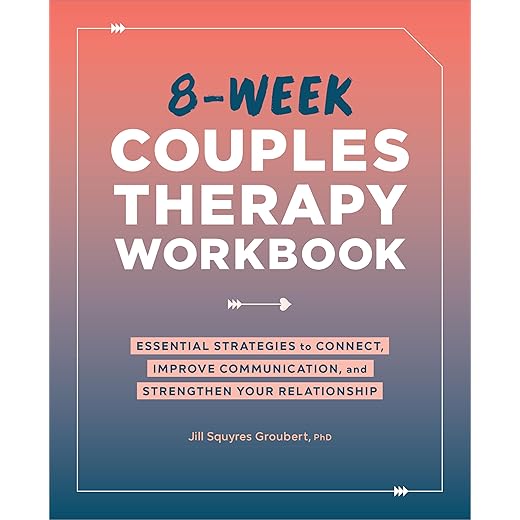
I cannot say enough good about this book. This book has been absolutely the best book to work on communication with my partner. It allows you to talk about hot topics that would be in every relationship in a safe way. it allows/helps you to communicate your perspective on hot topics without the conversation turning into an argument. It has helped us talk about things we have avoided for years and I felt 90% of the exercises in this book were relatable. While it didn’t solve world peace in our relationship, it has been monumental and helping us communicate and hear each other’s perspectives on things we disagree on. I would recommend this for premarital counseling as well as anybody just trying to Grow closer. Even if your partner is not willing to do the book with you, I think this would be a tremendous help to any relationship.
Great book for couples must read. This book is very helpful for couples that are going through a difficult time in their marriage. It helped my daughter and her husband get back together after two months of separation. I would recommend this book for anybody. Let’s have a marriage problems or relationship problems.
GREAT CONVERSATION STARTER. These card are great conversation starters. The questions and or prompting.., really cause you to think outside of the box. Definitely, brings you and your significant other closer together.
Lovely book. I bought this for a family member who is struggling right now. The book is very pretty, and the spiral binding allows it to lay flat. It seems to cover many topics and has worksheets for “homework” assignments. My family member was very pleased with the gift and looks forward to applying its principles.