

In the complex world of relationships, there are times when even the strongest bonds begin to fray. Many readers may have found themselves frustrated, stuck in a cycle of negative emotions and silent struggles. Knowing how to turn the tide can seem overwhelming, but it is essential to remember that seeking help and adopting new behaviours is a significant sign of strength, not weakness. The picture painted by these challenges may appear grim, but it doesn’t have to define your marriage.


Long-term relationships go through various phases, and the turbulence can affect not only the couple but also their children. It takes a great deal of pride to admit when things aren’t working, yet this moment can be the catalyst for rebuilding. Successful partnerships are not built without effort, and having the right strategies can truly make a difference. There are effective ways to measure improvement and take actionable steps toward a healthier relationship, even in the darkest times.
This article aims to provide concrete exercises and actionable advice for those seeking to salvage their marriages. Through understanding and improving communication, couples can learn to navigate their emotional landscapes together. The journey may seem daunting, but it is okay to have struggles. By taking the right steps, you and your partner can move beyond the silence and start fostering a more connected, emotionally resilient relationship. Let’s explore how to turn your marriage around and strengthen your bond for years to come.
Understanding the Impact of Addiction on Relationships

Addiction becomes a significant issue that can absolutely challenge the core of any relationship. It is essential to consider how addiction affects not only the individual but also their loved ones. Holding onto hope can be difficult when everyday behaviours are dictating decisions that push partners apart. Rather than neglecting the problem, it is crucial to address it head-on.
When a person struggles with addiction, the emotional dynamics at home can shift dramatically. This issue requires sound methods of intervention and support. Exploring available assistance, including therapy and support groups, can guide couples through the tumultuous journey of recovery. For instance, reading self-help books or watching informative videos about addiction recovery can create a shared understanding that strengthens the bond.
It’s okay to feel concerned and overwhelmed, but considering action is the first step towards healing. Ideas such as setting boundaries or seeking couples therapy have worked for many. These decisions not only improve attitudes towards one another but also foster a lifelong commitment to the relationship. For example, products like “The Recovery Book” or “Codependent No More” available on Amazon can provide valuable advice. Such tools can help you and your partner navigate through tough times and find effective strategies for coping.
Ultimately, the path to saving your marriage requires an open dialogue. Taking the time to address issues together, including the impact of addiction, will turn your relationship towards recovery. Remember, seeking help is not a sign of weakness; it shows a commitment to improving the life you share together. Every step taken towards healing is a step closer to a stronger, more resilient relationship.
Recognizing Signs of Addiction in Your Partner
Understanding the signs of addiction in your spouse can be a difficult and sensitive matter, especially when your marriage has been battered by stress and negative behavior. It’s essential not only to recognize these signs but also to know how to respond with empathy and support. Common indicators may include behavioral changes that seem out of character, such as increased isolation or frequent stonewalling during conversations.
When someone you deeply care about begins to withdraw, it does not simply affect you; it impacts the quality of your relationship. It’s important to seek out therapist-approved strategies to approach this issue. According to Gottman’s principles of healthy relationships, focusing on appreciations and positive communication can help improve the situation significantly. For example, instead of expressing rage, try to discuss your concerns by highlighting moments when your spouse seemed happy and engaged before the addiction took hold.
In some cases, individuals may use substances or behaviors to cope with difficult circumstances or stress, making it all the more crucial for you to identify these patterns. Support from counselors may also be helpful for you as a couple; they can provide a safe space to share feelings and develop mutual understanding. If the signs of addiction have worsened, including severe mood swings or neglecting responsibilities, it may be time to encourage your spouse to seek professional help.
In your journey to improve your marriage, it’s also vital to create a supportive atmosphere. Regularly checking in with one another can foster a sense of companionship that is essential in tough times. For instance, you might find resources on Amazon, such as self-help books like “The Recovery Book” or guides on building healthier relationships. Remember to stay focused on the goal–finding a way to live a happier and healthier life together.
Lastly, recognize that the path to healing does not happen overnight, and it’s possible that challenges will arise. However, with mutual commitment and sincere effort, your marriage can transform beyond its current challenges, leaving behind a stronger bond that can withstand life’s trials.
How Addiction Alters Communication Patterns
Addiction often creates a complex web of struggles that severely impacts communication in marriages. When one partner is dealing with an addiction, their behaviours can shift dramatically. This change can lead to a feeling of disconnection and silence within the relationship. For example, they may be less inclined to share their thoughts or feelings, which can leave the other partner feeling isolated and confused.
This silence might stem from a fear of judgment or the desire to avoid conflict. It’s extremely important for couples to understand that addiction doesn’t just affect the individual but also the whole relationship. Professional help can be a vital tool in addressing this issue. Programs designed to help couples communicate effectively can help navigate these overwhelming situations.
Many people struggle with understanding how to bridge the communication gap that addiction creates. They may find it hard to trust their partner, believing that their loved one is swallowed by their addiction. Tips that promote open dialogue, such as setting aside dedicated time to talk without distractions, can prove amazing in rebuilding that trust. It’s essential to keep in mind that both partners need to feel safe while discussing their feelings.
In some cases, addicted individuals may drop the ball and leave less room for affection and love. This shift can create an atmosphere where marriages feel like they are failing. Engaging in fun activities together, such as trying out a new board game or exploring interests, can help rekindle the connection. Products from Amazon, like “The 5 Love Languages” by Gary Chapman or “The Seven Principles for Making Marriage Work” by John Gottman, provide insightful approaches to improve communication and deepen understanding.
Addressing these issues may feel like an apocalyptic task, but it doesn’t have to be. Change is possible through commitment and effort from both partners. By focusing on the right strategies, couples can shift their thinking from a place of despair towards hope. This journey might not always be easy, but believing in the possibility of a healthier relationship can save marriages from the brink of destruction.
The Emotional Toll of Living with an Addict
Living with an addict is often a profoundly emotional experience that can leave partners feeling incredibly disconnected. When the substance use is constant, it triggers a cycle of stress that impacts both individual well-being and the marital relationship. Many couples find themselves in a vicious cycle, where one partner’s addiction leads to feelings of neglect, frustration, and anger. It’s true that these situations can lead to serious concerns, including the risk of violence and increased mortality due to risky behaviors associated with addiction.
In times of crisis, some couples may seek counseling to address their issues. A trained therapist can provide valuable feedback and guide both partners through the emotional turmoil. The Gottman Method, for instance, is a therapist-approved approach that helps couples understand their roles in the relationship and identifies ways to reconnect. The problems and triggers associated with addiction often need specific ideas to tackle them effectively. Couples should start by discussing their experiences, identifying triggers, and setting boundaries that feel safe for both individuals.
Leaving the situation can sometimes seem like the only option, but it isn’t always that easy. Those who decide to stay must navigate their feelings about the addict’s personality changes and the stress that comes with it. It’s important for anyone in this situation to remember that their needs matter too. As you work through these issues together, focusing on communication can make the emotional burden a little easier to bear. Even simple words of encouragement can go a long way in rebuilding trust and connection.
If you’re considering resources to help with this journey, you might explore products available on Amazon.com that support emotional well-being. Books such as “Addiction Recovery Management” and “Couples Therapy Workbook for Treating Infidelity” can provide valuable insights. Additionally, stress-relief items like yoga mats or mindfulness journals can assist in navigating the emotional chaos and fostering a stronger connection between partners. Remember, the process takes time, and you are not alone in this journey.
Identifying Codependency Patterns
In the complex world of marriage, recognizing codependency patterns within your relationship can be a huge benefit. Many couples, even those deeply committed to each other, struggle with these issues without realizing it. According to John Miller, a well-known counselor, understanding these dynamics is crucial for a healthy marital environment. Couples often think that love means sacrificing their own needs for their partner, but that can lead to a path of emotional destruction.
Codependency can manifest in various triggers such as excessive caretaking or stonewalling during conflicts. Couples might find themselves in a cycle where one partner enables the other’s unhealthy behaviors, all the while believing they are simply being supportive. For instance, if one spouse consistently makes financial decisions independently while the other feels neglected, it creates an imbalance. This imbalance can lead to struggles that impact both partners and their children, creating a toxic environment.
Realizing these patterns requires skills that might not come naturally. Therapists often recommend activities like journaling or attending workshops that focus on therapist-approved strategies to help couples identify and address codependency. Books such as “Codependent No More” can also provide helpful insights. Couples should make it a priority to learn and practice communication skills that allow them to express their feelings without fear of response. It’s also useful to remember that every relationship faces challenges, and finding productive ways to navigate these can lead to a stronger bond.
For those wondering about ways to start addressing codependency, consider engaging in couple’s therapy. It’s not merely an option; it can be a crucial step in ensuring that your marriage stays alive and thriving. Remember, the goal is to create a loving, fulfilling partnership that respects both individuals’ needs, rather than simply coexisting in a relationship marked by dependency. By working together, couples can overcome codependent tendencies and build a solid foundation for the future.
Don’t forget to explore resources available online, such as self-help products on Amazon, which can provide strategies and insights into improving marital health. Items like “The Seven Principles for Making Marriage Work” or “Attached: The New Science of Adult Attachment” can be invaluable in supporting your journey. In the end, a committed partnership requires efforts beyond surface-level fixes; it demands a deep understanding of each other, proven strategies, and sometimes, a little help from professional counselors. Your marriage deserves that effort.
Creating a Supportive Environment for Recovery
Creating a supportive environment is crucial for any troubled relationship. Couples often find themselves in circumstances where the connection feels strained and uncertain. Although this can be a challenging phase, there are effective strategies to help build a strong foundation for recovery. A sense of commitment, honesty, and open communication is essential to improve the partnership.
One of the first steps to take is to review the factors contributing to the problem. It’s important to notice patterns and behaviors that may be leading to misunderstandings. For example, the “Four Horsemen” identified by relationship expert John Gottman–criticism, defensiveness, stonewalling, and contempt–can damage a relationship if not addressed. Therefore, having honest discussions about these issues can serve as a game-changer for couples.
Another helpful approach is to seek professional help. Couples may decide to consult a counselor who specializes in relationship dynamics. After discussing your struggles, a counselor can provide training and tools to better manage defensiveness and facilitate communication. Investing in this type of professional guidance can be extremely beneficial for families looking to survive and thrive.
Additionally, creating an intimate and supportive home environment can significantly impact the recovery process. This means making a conscious effort to engage in activities together that both partners enjoy. Activities like cooking a meal, going for a walk, or even reading a book together can promote bonding. Here are some sample products you might find helpful on Amazon:
- Games for Improving Relationships
- Books on Love and Communication
- Communication Training Workshops
As you work on improving your relationship, remember to keep an open heart and mind. Each partner must be committed to making positive changes. Eventually, the whole partnership can benefit from this supportive environment, allowing both individuals to feel valued and understood. Take the first steps now, and you’ll notice a difference as you move forward together.
Setting Boundaries: What You Need to Know

Setting boundaries in a marriage is essential for creating a healthy relationship, especially when facing difficult times. It’s easy to wonder how to manage stress and maintain care when you feel overwhelmed. Gottman’s research highlights the importance of addressing these issues intentionally. Boundaries are not just walls; they are tools to rebuild and strengthen your relationship.
When couples struggle, they may fall into patterns such as shouting or stonewalling, which can cause significant damage. For instance, if John frequently dismisses his sister’s concerns during discussions, it can lead to a lack of understanding and deeper loss in their connection. Instead, it is crucial to address these behaviors and communicate meaningfully. This might involve talking about feelings instead of pushing them aside or quickly resorting to silence.
One effective strategy is to establish physical and emotional boundaries. This doesn’t mean shutting off communication; rather, it’s about creating a space where both partners feel safe. If you believe that financial stress is affecting your marriage, it’s okay to set limits on spending or talking about finances at specific times. This helps manage the emotional weight while keeping discussions productive.
Here are some ideas to set healthy boundaries:
- Identify your triggers: Recognize when you are feeling stressed or overwhelmed during conversations.
- Communicate your needs: Express what matters to you without fear of shouting or backlash.
- Create safe zones: Designate quiet times or areas where you can talk openly without interruptions.
- Seek help: Consider tools like Talkspace which offer support through difficult conversations.
Additionally, it’s often helpful to reflect on your experiences and ask questions such as, “What do I need to feel secure in this relationship?” or, “How can we work together to move forward?” This self-reflection leads to meaningful discussions that can further strengthen your bond. Remember, it’s okay to ask for help; everyone faces struggles, and seeking support is a sign of strength, not weakness.
In summary, setting boundaries may seem difficult at first, but it can quickly become a habit that benefits your marriage. By taking steps to address ongoing issues and ensuring both partners feel heard, you can transform your relationship from broken to supportive. Look behind your walls; you may find the ground to rebuild is stronger than you ever believed.
Encouraging Open Dialogue About Addiction
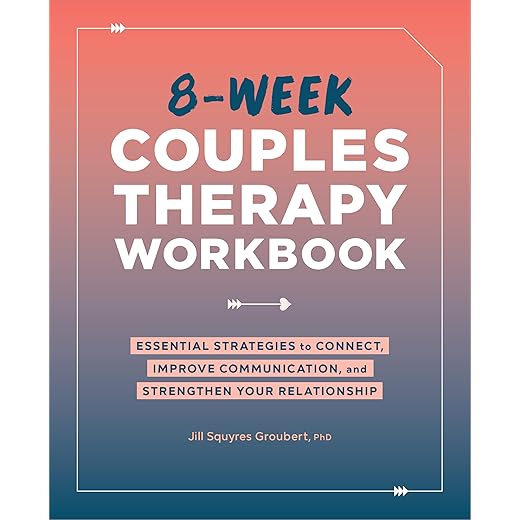
When families face the upheaval of addiction, it’s crucial to create an environment where open dialogue can thrive. This is often the first step towards healing. Below the surface, feeling resentments can grow, leading to distance between spouses. Trust, once broken, needs to be rebuilt through honest conversations and shared strategies. Commit to creating a safe space where anyone can express their thoughts without fear of judgment.
Open communication can help in navigating the troubled waters of addiction. Start by asking meaningful questions that invite your partner to share their feelings. For example, instead of saying, “I expect you to stop using your device,” consider, “What do you feel when you use your device the most?” This simple shift can turn a confrontation into a supportive dialogue, helping both spouses find a shared path toward recovery.
Include activities like family dinners or date nights to reinforce these discussions. Making time to connect over a meal can be an amazing way to foster openness. You might even watch a video or read a book together about overcoming addiction to spark further conversation. For those who find it challenging to start these dialogues, consider tools like self-help books from Amazon to guide you. Titles such as “The Language of Letting Go” and “Healing the Child Within” provide snapshots into the emotional struggles faced in relationships marked by addiction.
Remember, this is not a dance that can be rushed; it’s a lifelong commitment to mutual respect and understanding. As partners move through this journey together, it’s essential to avoid pushing each other away. Instead, focus on building skills that reinforce trust and commitment. Effective methods aren’t about changing anyone overnight but rather about creating a space where growth can happen naturally. Relationships might not look the same after dealing with infidelity or addiction, but with dedication and meaningful conversation, they can become stronger.
Q&A:
What are some common signs that my marriage is in trouble?
Common signs of a struggling marriage include frequent arguments, emotional distance, lack of communication, and feelings of dissatisfaction. Other indicators might be a decline in physical intimacy or spending significant time apart without a clear reason. If you find that you and your partner are not connecting as you once did or are avoiding discussions about your relationship, these may be red flags that your marriage needs attention.

What strategies can I implement to improve communication in my marriage?
To enhance communication, consider scheduling regular check-ins with your partner, where both of you can openly discuss feelings and concerns in a safe environment. Practice active listening, which involves truly hearing what your partner is saying without interrupting or planning your response while they are talking. Additionally, use “I” statements to express your feelings without sounding accusatory, such as “I feel upset when…” instead of “You always…”. This shift in language can help foster understanding and connection.
How can we rebuild trust after experiencing betrayals in the relationship?
Rebuilding trust takes time and honesty. Start by openly discussing what led to the betrayal and ensuring that both partners feel heard. Transparency is key; both partners should be willing to share thoughts and feelings without defensive reactions. Establish clear boundaries moving forward, and be patient with each other as you navigate the healing process. It may also be helpful to seek relationship counseling, where a neutral third party can guide the discussions and help both partners address underlying issues.
What role does forgiveness play in saving a marriage?
Forgiveness is a crucial component of healing in any marriage that has faced challenges. It allows couples to let go of resentment and move forward together. While forgiveness does not erase the past, it enables both partners to release negative emotions and focus on rebuilding their relationship. It’s important to remember that forgiveness is a process that often takes time; practicing empathy and understanding towards each other can facilitate this journey.
Are there specific activities couples can do together to strengthen their bond?
Yes, engaging in shared activities can significantly enhance your relationship. Consider establishing a regular date night to reconnect and enjoy each other’s company without distractions. Additionally, trying new activities together, such as cooking classes, hiking, or even volunteering, can create new shared experiences that foster teamwork and intimacy. Another effective approach is participating in workshops or retreats designed for couples, which can provide tools and strategies for lasting improvement.
What are some practical strategies to improve communication in a struggling marriage?
Improving communication in a marriage that is facing challenges involves several practical strategies. First, it’s important to create a safe space for open dialogue. This means choosing a comfortable environment where both partners feel secure to express their thoughts and emotions without judgment. Active listening is another key component; each partner should focus on truly hearing what the other is saying, paraphrasing and reflecting back to show understanding. Setting aside dedicated time for conversations, free from distractions, can also enhance communication. Additionally, using “I” statements instead of “you” statements can help avoid placing blame and instead express feelings and concerns constructively. Regular check-ins or date nights focused on discussing the relationship can help keep communication lines open and healthy.
How can couples rebuild trust after experiencing a betrayal in their marriage?
Rebuilding trust after a betrayal is a challenging but possible endeavor. It begins with acknowledging the betrayal openly and honestly. Both partners need to discuss the event and the emotions that arose from it. The person who has betrayed needs to take responsibility for their actions and show genuine remorse. Transparency is crucial; this might involve sharing feelings and being open about daily activities to help rebuild a sense of security. Therapy or counseling can offer a supportive environment for navigating these discussions and healing. It’s also important for both partners to set new boundaries and create a plan together for moving forward, which can include rebuilding routines and habits that promote a positive connection. Finally, patience is key, as rebuilding trust takes time and consistent effort from both sides.

Other Articles


Tips for Building Strong Friendships and Creating Meaningful Connections
12 Comments
Comments are closed.


Encouraging and thoughtful. This is an encouraging and thoughtful book, pleasant even, without being soppy. It is not radical, the approach per se is not new, but it is well packaged and presented, with real life examples, constructive exercises and helpful affirmations. Recommend it as an easy read about a complex subject.
Great book and provided me a new outlook on recovery and how my authentic self can affect that! Great Book. New way to look at my addiction and what might be behind it. Not the same old recovery bs but a straightforward quick read with some incredible insight and wisdom. There is something to be said for learning to be more authentic. I think a lot of addicts have this problem because we get so used to trying to make sure everyone thinks we are sober and doing well and ya I’m doing great and all this bs when on the inside I was breaking apart. I need a lot of different outlooks and perspectives when it comes to trying to treat my addiction or should I just say keep it at bay really as nothing as worked for me yet and it’s not because I don’t try or want it. This is an epidemic and a disease that is becoming more and more prevalent and fatal and something has to be some. Between us, or the the addicts and alcoholics and the professionals, and the government need to come together and figure out how to beat this because I think it’s going to take lots of research and patience but with time I think it will become easier to treat. Medications that they have out that are condemned sometimes like methadone and others are what I believe is going to be the end of addiction one day. Once they really figure it out and how to calm those cravings with a medication or type of therapy of whatever but that will be the happiest day of my life because I have watched this disease ruin my dads life, my sisters, my brother in laws, my girlfriend of over five years and then my poor mother who isn’t addicted but has to deal with all of us and this book was actually just as good for her. She’s a hardcore al anon-er (12 step meetings for family or friends of afflicted ones) and is literally way stronger than any of us addicts. The addict gets his sleep and escape and fix and as bad as that sounds at least we get that while family and friends are just hurt and don’t have that escape. It kills me what I have dome to my family and other s*** I’m not proud of but this book allowed me to see the genuine authentic me when I’m not in active addiction and is a helpful tool to forgiving yourself if you have a lot of shame or a hard time being your real self around new people or the people you love or whoever. OmceAgain it’s short but it’s better that way
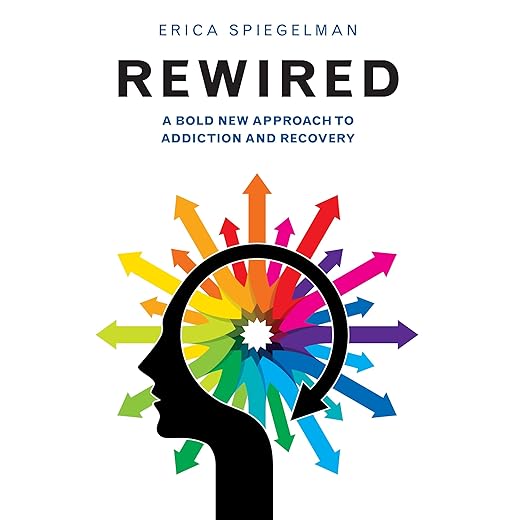
A BOLD new approach that delivers SUCCESS. Rewired by Erica Spiegelman provides a practical approach to addiction recovery, focusing on the recovery of body, mind and spirit through focal points such as: self-care, gratitude, time management, and my personal favorite– authenticity. The author clearly communicates pragmatic addiction recovery philosophies, making it suitable for both newly recovering addicts and seasoned veterans. She connects to the reader on a personal level, revealing her personal hardships with addiction, triumphs, and success with helping other addicts through her private practice. She commands an authentic tone that demonstrates her knowledge of addiction recovery, which corresponds to her practical approach that can be applied to a variety of life situations. Furthermore, her “Real Recovery” stories showcase the success of her clients and provides hope to the reader that addiction can be defeated. This book provides the reader with a strong foundation of recovery philosophies, both wisdom and clinical based knowledge of addiction, and practical methodologies that can not only benefit a recovering addict, but any person in life.
Great Conversation Starter. Are you looking for an interesting way to connect with your partner? The Couple Connect card deck is a perfect way to get to know a new partner or to reconnect with a long-term partner. Created by a Psychologist, the game includes cards in multiple categories with prompts to engage you in conversation that can be thoughtful and deep. The cards make you think and process your life in a fun way while gaining a better understanding and perspective of yourself and your partner’s thoughts, ideas, and feelings. I also really like how the box is set up with dividers as well. It’s easy to identify cards you have already discussed, ones you have skipped, and the ones left to do. The only change I made to the dividers was to put the “to do” cards behind the divider instead of in front as suggested. Give this card deck a try if you want to deepen your relationship with your partner.
A good conversation starter for akward people. Okay, this “game” was designed by a doctor to bring families closer together. Having cancer is honestly boring af, so I decided to play a game with my household. It was a nice break from caregivers and work. We laughed and learned new things about each outer.I’m pretty sure my sister is an imposter now, because her answer to the conversation starter “When I don’t feel good about something I see or hear I can…” wasn’t “listen to my little sister sing.”I really like the layout and design of the “game” itself. The seporators for questions already asked, skipped or favorited is pretty cool. With so many cards, its nice that we wont be repeating the question. Definitely gonna play this once a week if only to check in with my family.Also, purchasing sponsors meals and plants trees, putting people and planet over profit.
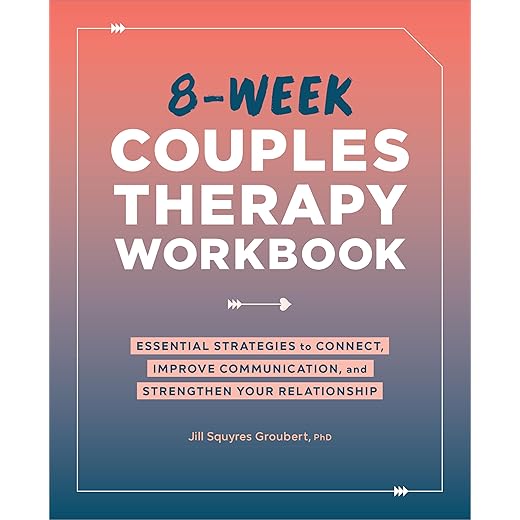
I cannot say enough good about this book. This book has been absolutely the best book to work on communication with my partner. It allows you to talk about hot topics that would be in every relationship in a safe way. it allows/helps you to communicate your perspective on hot topics without the conversation turning into an argument. It has helped us talk about things we have avoided for years and I felt 90% of the exercises in this book were relatable. While it didn’t solve world peace in our relationship, it has been monumental and helping us communicate and hear each other’s perspectives on things we disagree on. I would recommend this for premarital counseling as well as anybody just trying to Grow closer. Even if your partner is not willing to do the book with you, I think this would be a tremendous help to any relationship.
I cannot say enough good about this book. This book has been absolutely the best book to work on communication with my partner. It allows you to talk about hot topics that would be in every relationship in a safe way. it allows/helps you to communicate your perspective on hot topics without the conversation turning into an argument. It has helped us talk about things we have avoided for years and I felt 90% of the exercises in this book were relatable. While it didn’t solve world peace in our relationship, it has been monumental and helping us communicate and hear each other’s perspectives on things we disagree on. I would recommend this for premarital counseling as well as anybody just trying to Grow closer. Even if your partner is not willing to do the book with you, I think this would be a tremendous help to any relationship.
Great book for couples must read. This book is very helpful for couples that are going through a difficult time in their marriage. It helped my daughter and her husband get back together after two months of separation. I would recommend this book for anybody. Let’s have a marriage problems or relationship problems.
Great book for couples must read. This book is very helpful for couples that are going through a difficult time in their marriage. It helped my daughter and her husband get back together after two months of separation. I would recommend this book for anybody. Let’s have a marriage problems or relationship problems.
GREAT CONVERSATION STARTER. These card are great conversation starters. The questions and or prompting.., really cause you to think outside of the box. Definitely, brings you and your significant other closer together.
Lovely book. I bought this for a family member who is struggling right now. The book is very pretty, and the spiral binding allows it to lay flat. It seems to cover many topics and has worksheets for “homework” assignments. My family member was very pleased with the gift and looks forward to applying its principles.
Lovely book. I bought this for a family member who is struggling right now. The book is very pretty, and the spiral binding allows it to lay flat. It seems to cover many topics and has worksheets for “homework” assignments. My family member was very pleased with the gift and looks forward to applying its principles.