


Showcase Your Soft Skills on Your Resume is the key to standing out in today’s competitive job market, where employers value not only technical expertise but also strong communication, adaptability, and emotional intelligence. Knowing how to present your soft skills effectively can turn your resume into a powerful personal brand statement that highlights your personality, work ethic, and ability to thrive in any team environment. In this guide, you’ll learn how to identify, structure, and showcase your soft skills in a way that attracts recruiters, boosts your credibility, and increases your chances of landing interviews.

To effectively communicate personal traits that matter in recruitment, candidates must include specific experiences that highlight their teamwork and analytical capabilities. For example, when posting on platforms like LinkedIn, draw attention to projects where you managed a group, showcasing not only your leadership skills but also your ability to build rapport with team members.
A well-crafted employment application that emphasizes a combination of interpersonal and technical abilities can drastically improve your market competitiveness. Candidates should be able to speak about their contributions in various roles, whether in healthcare settings or other fields, illustrating their productivity and the wins they achieved that extend beyond individual efforts.
Join online communities focused on professional development to find resources that enhance your understanding of how to effectively manage the presentation of your attributes. Utilize these platforms to connect with managers and industry leaders who recognize the importance of interpersonal qualities within their teams, as these traits not only develop within employees but can also lead to transformatively positive outcomes in any work environment.
How to List Soft Skills On Your Resume
Start by identifying your top abilities. Consider asking yourself questions like: What qualities do I bring to a team? What makes me a valuable contributor? Taking time to reflect will help you pinpoint the right attributes that resonate with potential employers.

When you describe these abilities, use specific examples. For instance, if you are showcasing communication talent, you could say, “Collaborated with a cross-functional team to improve project productivity by 20% through effective information exchange.” This approach not only explains your talent but also demonstrates the impact you’ve had.
Incorporate these traits into both your experience and skills sections. Instead of merely stating “team player,” detail how your intelligence helped improve team dynamics. Phrases like “led a team of five” or “coordinated with outside vendors” can provide a clearer picture of your contributions.
Including measurable achievements alongside your qualities can enhance your appeal. If you’re discussing conflict resolution abilities, you could mention resolving a difficult situation that resulted in better team morale and retention rates.
Additionally, when listing pertinent attributes, remember not to overload your application with too many descriptors. Seek to keep it concise and relevant. You want hiring managers to see exactly why you’re the right fit without wading through fluff.
Lastly, consider a template that aligns with industry standards, such as the RMIT format, to present this information effectively. A clean layout with distinct headings will further emphasize your talents and allow employers to find what they need quickly.
Stay engaged and adapt your content based on the specific role you’re targeting. Highlight why your abilities are ideal for the job at hand, increasing your chances of landing an interview. Tools like resume builders on Amazon can offer additional guidance.
- Reflect on your top talents.
- Use specific examples to illustrate your experience.
- Keep your descriptions concise and relevant.
- Use templates to provide a clear structure.
- Tailor your content for each job application.
Identifying Your Key Soft Skills
Start by reflecting on the truth of your experiences. Think about moments when you’ve navigated challenges at work or in daily life. Are you self-aware enough to identify situations where you demonstrated empathy or a strong work ethic? This thought process is crucial in pinpointing the abilities that set you apart from other job seekers.
Engage in action by seeking feedback from colleagues and friends. They might highlight qualities you’ve overlooked. For instance, consider how often you’ve found solutions to problems that didn’t require a technical approach. A logical mindset can encompass various skills, from creativity to being detail-oriented. Remember, it isn’t enough to list these traits; demonstrating them in real-world scenarios is essential.
When posting your achievements online, adding specific examples can create a stronger impact. For instance, if you led a team project, explain how your proactive communication helped the team stay on track. This not only highlights your skills but shows your capability in adapting to different technological environments.
Don’t forget that every detail matters. Whether it’s your ability to manage stress or your knack for creative problem-solving, articulate these skills clearly. A well-rounded professional can effectively balance these qualities, helping them navigate career paths effortlessly. For added convenience, consider tools available on platforms like Amazon, where you can find resources that focus on developing emotional intelligence and communication abilities.
By actively taking steps to identify and demonstrate your strengths, you create a solid foundation for your career. Equip yourself with the right resources and a proactive attitude that resonates with employers looking for skilled individuals who can contribute positively to their teams.
Sometimes identifying your true soft skills requires deeper self-awareness and emotional clarity. If you feel unsure about your strengths, motivation, or confidence, working with a qualified therapist can help uncover hidden patterns and develop emotional intelligence.
Services like Online-Therapy.com make professional support accessible from anywhere. Their guided programs help improve self-esteem, communication skills, emotional regulation, and personal growth — all of which are essential for confidently showcasing your soft skills on your resume and in interviews.

Online-Therapy.com
- Sign Up: Create an account by providing your name, email, password, and selecting a subscription plan.
- Complete Assessment: Log in and answer questions to tailor your therapy experience.
- Choose a Therapist: Browse profiles, check specialties, and schedule your first session with a selected therapist.
- Attend Sessions: Join video or chat sessions at the scheduled time, and engage openly with your therapist.
- Utilize Resources: Access online tools, worksheets, and community forums for additional support and self-help.
- Monitor Progress: Regularly check in with your therapist and reflect on your goals using journaling features.
- Provide Feedback: Share your experience and suggestions after sessions to improve the platform.
Using Action Verbs to Demonstrate Skills
Incorporate strong action words to effectively highlight your capabilities. Words like “solver” or “analyze” are essential for conveying problem-solving tactics and analytical skills. These verbs illustrate how you tackle challenges and create solutions in the workplace.
When rewriting experiences, opt for descriptions that stress your impact. For instance, instead of saying, “I worked on improving team productivity,” try “Boosted team productivity by implementing new workflows.” This approach clearly defines your role and accomplishments, making your statements more impactful.
Track metrics when explaining your achievements. Using phrases like “increased sales by 20% through comprehensive market analysis” provides concrete data, reinforcing your literacy and analytical skills. Numbers resonate well with potential employers, making your input quantifiable and persuasive.
It is also vital to listen to feedback from peers and supervisors. Include action verbs that capture your willingness to adapt. For example, “Adapted policies based on team feedback” or “Collaborated with colleagues to enhance project outcomes.” Such points reflect your positive attitude and flexibility in a diverse work environment.
Finally, consider utilizing resources like action verb lists available on platforms such as Amazon. Books on effective communication or productivity may provide further insight into different ways to frame your experiences. Tools like “The Elements of Style” can help refine your descriptions and elevate your writing.
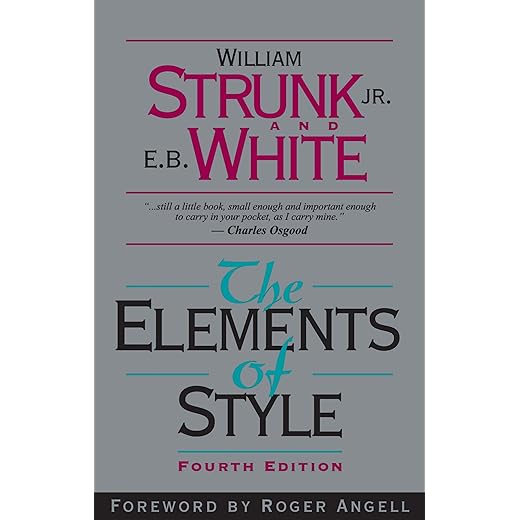
- The Elements of Style
- Crucial Conversations
- Getting Things Done
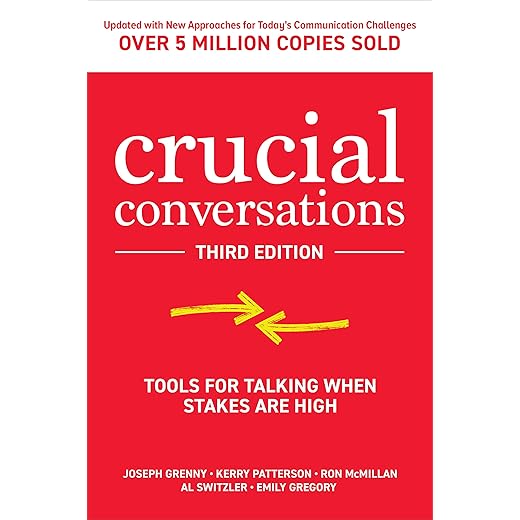
Choose action verbs that resonate with your experiences and confidently articulate your unique contributions through diligent reflection and revision. This approach will ultimately strengthen your professional narrative.

Tailoring Your Resume for Specific Job Descriptions
Focus on the key tasks outlined in the job description and match them with your own experiences. For example, if the position emphasizes teamwork, highlight your role in collaborative projects. Use specific numbers to illustrate your contributions, such as “increased team efficiency by 20% through weekly meetings.” This connection shows how you fit the requirements today.
Be a proactive communicator. If the job requires dealing with clients, mention situations where you successfully navigated complex issues. Perhaps you mentored a colleague through a challenging client transaction, leading to a positive resolution. Detail these moments below your work history, and make sure to use bullet points that reflect your accomplishments clearly.
Position your education and sub-skills strategically. For example, if you possess a degree related to the sector, list that prominently. If the role requires logical problem-solving, describe how you established a system that improved task management, enabling your team to tackle issues efficiently.
Don’t ignore the value of your soft abilities. They mean a lot to employers. Consider adding a section titled “Relevant Skills” where you can discuss traits like being comfortable in fast-paced environments or your ability to adapt to new challenges. This gives a comprehensive view of what you bring to the table.
Lastly, remember that your resume is an evolving document. As you take on new responsibilities or receive feedback from clients, update it. This will help increase your chances of landing the job you want by ensuring your profile reflects your most relevant qualifications and experiences.
Incorporating Soft Skills into Your Work Experience Section
Start by integrating interpersonal attributes within the details of your work background. For example, if you have experience in customer service, highlight how you effectively listen to customers’ needs, allowing for a more tailored approach to problem-solving. Use specific instances to demonstrate how having a positive attitude and optimism contributed to solving issues and enhancing customer satisfaction.
When outlining your previous roles, focus on how your educational background and training complement your profession. For instance, if you recently completed an online course in team collaboration tools, mention how you applied this knowledge in real-world scenarios. Being able to operate effectively in a team setting is crucial, and this shows potential employers that you are not only skilled but also adaptable.
Another effective method is to present a list of achievements that intersect with interpersonal competencies. In your job descriptions, incorporate phrases that refer to how you engaged with team members or facilitated communication. This could be as simple as stating that you were the point of contact for team meetings or that you organized training sessions to help peers improve their computer skills.
| Soft Skill | Example in Work Experience |
|---|---|
| Active Listening | Successfully addressed customer complaints by listening carefully and responding to feedback. |
| Adaptability | Adjusted project plans based on team input to meet critical deadlines. |
| Collaboration | Worked closely with colleagues to develop a new software feature that improved user experience. |
| Optimism | Encouraged the team during challenging projects, fostering a more positive and productive work environment. |
Ultimately, they want to see how these traits have given you an edge in interviews. Knowing how to describe your experiences with enthusiasm can create a lasting impression. Be open about what you have learned and the impact it has had on your career path, as this transparency can be refreshing and engaging to potential employers.
Using Quotes and Testimonials to Highlight Soft Skills
Incorporating quotes and testimonials from previous employers can effectively illustrate individual abilities and enhance the appeal of candidates. Short statements that emphasize attributes such as open-mindedness or the willingness to accept criticism not only provide social proof but also reflect a candidate’s desire to learn and grow in their field.
For example, a testimonial describing a developer as “able to handle conflict with a calm demeanor and an open mind” can signal to hiring managers the candidate’s strong interpersonal skills. This kind of feedback is particularly valuable in industries such as healthcare, where teamwork and communication are vital. Consider using phrases from supervisors that refer to specific moments of collaboration or innovation, as they paint a vivid picture of how candidates navigate relationships.
When selecting testimonials, take the time to choose a combination that highlights various facets of personality and work ethic. A well-rounded collection can encompass flexibility, adaptability, and the ability to tackle unexpected challenges effectively. Thus, make sure to request updates from former colleagues or managers, as they may have new insights or positive news about your contributions.
Additionally, showcasing feedback from known professionals or reputable sources adds credibility to the presented abilities. Platforms like LinkedIn can provide a space for such endorsements, which carry weight in today’s job market. For instance, a recommendation that praises a candidate’s quick learning and determination could be the deciding factor in landing a job.
In summary, leveraging quotes and testimonials effectively not only communicates personal attributes but also underlines the commitment to professional development, making potential employers more likely to consider candidates favorably. Remember, emphasizing these points can significantly impact one’s chances of success in a competitive environment.
Building strong soft skills starts from understanding yourself. If you need guidance, Online-Therapy.com can help you work through self-doubt, stress, and confidence challenges in a supportive and structured way.
Question-answer:
What are soft skills and why are they important to include on a resume?
Soft skills refer to interpersonal attributes that enable someone to interact effectively and harmoniously with others. These may include communication skills, teamwork, problem-solving, adaptability, and emotional intelligence. Including soft skills on a resume is important because employers often seek candidates who not only have technical expertise but also the ability to collaborate, communicate, and adapt in various situations. Highlighting these skills can set a candidate apart in a competitive job market.
How can I effectively showcase my soft skills on my resume without making it look cluttered?
To effectively showcase soft skills on your resume while maintaining a clean design, consider integrating them into your bullet points in the experience section. Instead of simply listing them, provide concrete examples of how you’ve demonstrated these skills in previous roles. For instance, instead of stating “good communication skills,” you might say, “Led a team project that enhanced interdepartmental communication, resulting in a 20% increase in project efficiency.” This method allows you to illustrate your soft skills within the context of your work experience.
Are there specific soft skills that are more desirable in certain industries?
Yes, different industries often prioritize different soft skills. For example, in the healthcare field, empathy and interpersonal communication are crucial for patient care. In technology, skills like adaptability and teamwork are vital due to the fast pace and collaborative nature of projects. In customer service, patience and conflict resolution are highly sought after. Researching the specific skills valued in your target industry can help you tailor your resume appropriately.
What should I avoid when listing soft skills on my resume?
Avoid vague or generic terms like “hard worker” or “team player” without context, as these phrases can come off as unsubstantiated and do not provide a clear picture of your capabilities. It’s also important not to overstate your skills; ensure that your claims are truthful and you are able to discuss them in an interview setting. Lastly, avoid cluttering your resume with too many soft skills; focus on a few that are most relevant to the job and can be evidenced through your experiences.


