


Depression: 12 Key Symptoms is a practical guide to understanding the most common warning signs of depression across different age groups. Depression is more than temporary sadness or stress—it is a serious mental health condition that can affect mood, behavior, physical health, relationships, and daily functioning. Because symptoms often develop gradually and vary from person to person, many individuals delay seeking help or misinterpret early signs.
In this article, we outline the 12 key symptoms of depression, explain how they appear in everyday life, and clarify when professional support may be necessary. Recognizing these indicators early can help individuals and families take informed action, seek appropriate care, and reduce the risk of long-term mental health complications.
If you experience a persistent, heavy emotional low that disrupts daily life for more than two weeks, consulting a healthcare professional is a critical first step. This isn’t simply profound sadness; it’s a complex psychological condition that alters brain chemistry and function, requiring a formal diagnosis and often a multi-faceted treatment plan. Modern tools, like light therapy lamps (e.g., the Carex Day-Light Classic Plus on Amazon), can help regulate circadian rhythms, but they are a supportive measure, not a substitute for professional evaluation.

Core manifestations extend far beyond mood. A deep-seated hopelessness about the future is common, alongside a paralyzing apathy where hobbies and relationships lose all appeal. This is frequently paired with a crippling mental and physical fatigue unrelieved by rest, making even small tasks feel insurmountable. Tracking these patterns with a journal or an app like Bearable can provide concrete data for your doctor, moving the conversation beyond vague descriptions.
Other key markers include significant changes in sleep and appetite, intense irritability, and difficulty concentrating–sometimes described as “brain fog.” To support focus, some find nootropic supplements like Mind Lab Pro useful, but they do not treat the underlying condition. The crucial point is this: when these symptoms coalesce and impair function, it signals that the brain’s regulatory systems need clinical intervention. Reaching out to a therapist or psychiatrist is an act of strength, opening the door to evidence-based therapies and, if needed, modern medications that can restore balance.
For many people, taking the first step toward professional support feels overwhelming. In these moments, accessible options can lower the barrier to getting help.
Online therapy services such as Calmerry’s depression therapy platform connect adults with licensed mental health professionals in a flexible, confidential format. While online therapy does not replace a medical diagnosis or emergency care, it can be a practical way to begin addressing depressive symptoms and explore evidence-based treatment options with professional guidance.

Online therapy for depression
Emotional and Mood Symptoms You Can’t Shake Off

Track persistent emotional shifts for at least two weeks; this duration is critical for a professional diagnosis. A pervasive sadness or hollow feeling that doesn’t lift with positive events is a core indicator.
Marked loss of interest, or apathy, transforms hobbies and social connections into burdens. This isn’t simple boredom but a deep disengagement from life’s texture.
Irritability and frustration over minor matters are common, often misinterpreted as a personality flaw rather than a psychological state. A crippling sense of hopelessness about the future makes planning feel pointless.
Chronic emotional fatigue is distinct from physical tiredness; it’s a heaviness that rest doesn’t remedy. Tools like the Moodfit app or the Daylio journal (available on Amazon) can help log these patterns objectively.
Concentration and decision-making suffer, turning simple choices into overwhelming tasks. If these experiences dominate your daily function, consulting a therapist or psychiatrist is the definitive next step.
Persistent Sadness or Feeling “Empty”
Distinguish this state from temporary low mood by its duration: it persists nearly all day, for more than two weeks, and feels fundamentally different from ordinary sadness. The “empty” sensation is often described as a numbing void or emotional flatline, where apathy replaces a full range of feelings.

Key psychological markers include anhedonia (loss of pleasure) and a deep sense of hopelessness about the future. This is not just a mood; it’s a pervasive shift in your emotional baseline that can manifest physically, often intertwining with unexplained fatigue. Tracking these experiences in a dedicated journal, like the Panda Planner Pro, can provide concrete data for a professional diagnosis.

| Common Experience | Practical Countermeasure (Example Product) |
|---|---|
| Emotional numbness making social connection difficult | Structured activity kits, such as the Modular Mindfulness Cube, can provide a tactile focus to gently re-engage the senses. |
| Overwhelming fatigue paired with sadness | Use a light therapy lamp, like the Carex Day-Light Classic Plus, for 20-30 minutes each morning to help regulate circadian rhythms and mood. |
| Persistent negative self-talk and hopelessness | Employ a Cognitive Behavioral Therapy (CBT) workbook, such as The Feeling Good Handbook by Dr. David Burns, to challenge and reframe automatic thoughts. |
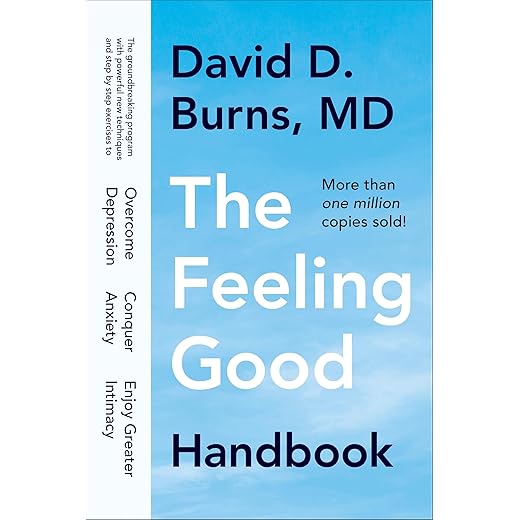
For a formal assessment, a healthcare provider will evaluate the constellation of your symptoms–including this persistent emotional state–against criteria in diagnostic manuals. This clinical step is crucial to rule out other conditions and create an effective management plan. Immediate action is required if this emptiness includes thoughts of self-harm.
Irritability and Frustration Over Small Matters
Track your reactions for one week using a journal like the Lemome Dotted Journal to identify specific triggers, such as a slow computer or a misplaced item.

This short temper is a common but lesser-known psychological manifestation, distinct from pervasive sadness or apathy. It often coexists with mental fatigue, creating a cycle where exhaustion lowers tolerance, and constant irritation drains energy further.
Differentiate this state from general stress by its link to a diminished sense of pleasure (anhedonia) and a background feeling of hopelessness. Ask yourself: “Is my frustration proportional, or is it a reaction to an accumulated emotional burden?”
Behavioral activation can disrupt this cycle. Schedule a daily, manageable rewarding activity, even for 15 minutes. Using a light therapy lamp like the Carex Day-Light Classic Plus for 20-30 minutes upon waking can help regulate circadian rhythms, directly impacting mood stability and resilience.
Consult a professional for a comprehensive evaluation if this pattern persists for over two weeks. A formal clinical assessment is crucial, as chronic irritability can be a primary indicator in a depression diagnosis, especially in men and younger adults, and may require a tailored treatment plan.
Loss of Interest in Hobbies, Like Your Once-Favorite Kindle Reads
If your Kindle Paperwhite gathers dust while you scroll mindlessly, this specific shift is a core indicator of anhedonia–the inability to feel pleasure. It’s not laziness; it’s a profound emotional and psychological change where your brain’s reward system is disrupted.
This apathy extends beyond books. You might ignore your Nintendo Switch, abandon a planned DIY project with Gorilla Glue, or skip your weekly soccer game. The key difference from simple fatigue is the absence of desire, not just energy.
To distinguish this from a temporary slump, track for two weeks:
- Your Kindle reading history shows zero finished titles.
- The thought of starting a new series, like on your Audible subscription, feels like a chore.
- You feel neutral or hopelessness about ever enjoying these activities again.
Actively re-engage your brain’s reward pathways with micro-tasks. Don’t aim to finish a book; commit to five pages of a familiar favorite on your Kindle Oasis. Pair a small activity with a sensory pleasure: listen to an audiobook while using a TheraGun on stiff shoulders.


This pervasive disinterest often coexists with other symptoms. It fuels a cycle where inactivity deepens sadness and low mood, which further kills motivation. Breaking this cycle requires treating the underlying condition. Consulting a therapist or doctor is crucial when this state persists, as effective strategies like behavioral activation therapy can specifically target this barrier.
Feeling Hopeless or Extremely Pessimistic
Distinguish this state from general sadness by its permanence and global negativity; it’s a fixed lens that colors all future events as doomed, regardless of evidence.
Key indicators include a firm belief that positive change is impossible for you, dismissing past successes as flukes, and viewing neutral events as confirmations of a negative outcome. This differs from apathy, which is an absence of feeling, whereas pessimism is an active, negative expectation.
This psychological pattern directly fuels other conditions:
- It drains motivational energy, leading to profound emotional fatigue.
- It can manifest physically as constant tiredness, as the mind is under chronic stress.
- It reinforces social withdrawal, as interactions seem pointless.
To challenge this cognitive pattern, use tangible tools for daily practice:
- Evidence Logging: Use a dedicated notebook like the Lemome Hardcover Dotted Journal to counter negative predictions. Each evening, write one small, observable fact that contradicted your pessimistic forecast for the day.
- Future Anchoring: Set a simple, timed distraction with a clear end point. For example, commit to listening to one uplifting podcast episode using the Echo Pop smart speaker while organizing a single drawer. The completion builds a micro-sense of agency.
- Sensory Interruption: Break the cycle of negative rumination with a strong sensory shift. A focused activity like using the Play-Doh Ultimate Color Collection for 10 minutes can ground you in the present physical world.


This outlook is a core target in professional therapeutic approaches like Cognitive Behavioral Therapy (CBT). A clinical evaluation focuses on the duration, pervasiveness, and impact of these thoughts on daily functioning. If this perspective has persisted for over two weeks and is affecting work, relationships, and self-care, consulting a mental health specialist for a comprehensive assessment is a critical step toward regaining a balanced viewpoint.
Changes in Physical Health and Daily Functioning
Track persistent physical shifts for at least two weeks, as they are core indicators of a clinical condition, not just laziness.
Unexplained aches, digestive issues, or a constant heaviness in your limbs are common. This bodily burden is distinct from typical tiredness; it’s an emotional fatigue that sleep doesn’t fix, making a morning shower feel like a monumental task.

Notice if managing basic needs becomes overwhelming. Skipping meals or relying solely on snack bars, neglecting personal care, or letting chores pile up for weeks signal a profound apathy. Practical tools like the Amazon Hatch Restore for sleep scheduling or a Philips Hue smart bulb to automate morning light can provide external structure when internal motivation fails.

This isn’t mere sadness; it’s your body manifesting the hopelessness. A professional diagnosis is crucial to rule out other medical causes like thyroid disorders or vitamin deficiencies. Document these changes concretely: “Struggled to get out of bed for 10 consecutive days,” or “No energy to cook, ordered takeout for 14 days.” This data is vital for your healthcare provider to see the full picture beyond the emotional pain.
Sleep Disturbances: Insomnia or Sleeping Too Much
Track your sleep patterns for one week using a journal or a device like the Fitbit Charge 6; note not just duration, but time to fall asleep and nighttime awakenings.

Persistent fatigue despite 10+ hours in bed or exhaustion after a restless night are critical clinical indicators. This isn’t simple tiredness but a profound energy deficit that rest doesn’t fix.
For insomnia, establish a non-negotiable wind-down ritual: one hour before bed, use blue-light blocking glasses and engage in a non-screen activity, like reading on a Paperwhite Kindle with warm light. Avoid “trying” to sleep; if awake after 20 minutes, get up and do a quiet activity in dim light.

In cases of hypersomnia (sleeping too much), set a consistent morning alarm even on weekends and expose yourself to bright light immediately upon waking, using a Verilux HappyLight therapy lamp. This helps recalibrate your circadian rhythm.

Consult a healthcare provider if these disturbances, coupled with other symptoms, persist beyond two weeks. They may assess for conditions like sleep apnea or restless legs syndrome, which often co-occur and require specific treatment beyond general sleep hygiene advice.
If the symptoms described in this guide feel familiar, you don’t have to manage them alone. Seeking professional support is not a last resort—it is often the most effective first step toward recovery.
Online therapy options such as Calmerry’s depression therapy service offer a way to connect with licensed mental health professionals at your own pace. While not a substitute for psychiatric care or emergency services, it can provide meaningful support, structure, and clarity as you begin addressing depression.
These tools are intended as supportive aids, not as replacements for professional diagnosis, psychotherapy, or medical treatment. Persistent or worsening symptoms should always be discussed with a licensed healthcare provider.
Question-Answer:
I just feel tired all the time and can’t get motivated to do anything. Is this laziness or could it be depression?
It’s a common concern to confuse persistent fatigue and lack of motivation with laziness. The key difference lies in desire and capacity. Laziness often involves a choice to avoid an activity in favor of something more pleasurable. Depression, however, frequently removes the capacity for pleasure and the mental energy required for action. A person with depression may desperately want to engage in their life, hobbies, or responsibilities but feels an overwhelming heaviness, a “paralysis” of will. This symptom, often called anhedonia (loss of interest) or avolition (lack of motivation), is a core sign of depression. If this state lasts for most of the day, nearly every day, for two weeks or more, and is paired with other symptoms like sadness, sleep changes, or feelings of worthlessness, it strongly suggests depression, not simple laziness.
My friend has been really irritable and snapping at people lately, but says they’re not sad. Can depression show up as anger?
Absolutely. While persistent sadness is a well-known symptom, depression can manifest as pronounced irritability, frustration, and anger, especially in men, teenagers, and young adults. This irritability isn’t just a bad mood; it’s a constant, low-grade agitation where a person has a very short fuse for minor annoyances. They may feel internally restless, tense, and easily set off. This happens because depression depletes emotional reserves, making it hard to manage normal stresses. The person may not identify their primary feeling as “sadness” but rather a constant state of being overwhelmed, drained, and frustrated with themselves and the world around them. This irritable presentation is a valid and serious warning sign of depression.
How can I tell the difference between normal grief after a loss and clinical depression?
Grief and depression share many features—intense sadness, sleep disturbance, loss of appetite. The distinction often lies in the nature of the pain and its progression. Grief typically comes in waves, often tied to memories or reminders of the loss. Between these waves, you might still experience moments of pleasure or humor. Your self-esteem is usually intact. Depression, on the other hand, tends to be more constant and pervasive, coloring every aspect of life with a flat, gray hue. A major red flag is a pervasive feeling of worthlessness, self-loathing, or guilt unrelated to the loss. While grief can sometimes trigger a depressive episode, a key indicator is if, over time, the intense pain of grief doesn’t gradually begin to shift or if it worsens, leading to a complete inability to function in daily life months after the loss.
Are physical pains, like constant headaches or stomach aches, really connected to depression?
Yes, physical symptoms are a very real and often overlooked part of depression. The brain and body are deeply connected. Depression affects neurotransmitters that manage both mood and pain perception. This can lead to a lowered pain threshold, making you more sensitive to aches. Common complaints include unexplained headaches, back pain, muscle aches, and digestive problems like nausea, cramps, or a change in bowel habits. These pains are genuine, not “all in your head.” Often, people visit multiple doctors seeking a physical cause before considering depression. If you have persistent physical complaints that don’t respond fully to standard treatments, and they coincide with emotional changes like low mood or fatigue, depression could be a contributing factor.
When is it time to actually seek professional help instead of trying to “snap out of it” on my own?
You should consider seeking help when your symptoms persist for two weeks or more and actively interfere with your ability to work, maintain relationships, take care of yourself, or find enjoyment in life. Specific signs that it’s time include: thoughts of death or suicide (even if you don’t have a plan), an inability to perform basic daily tasks like bathing or shopping, significant weight change without trying, pulling away from all social contact, or using alcohol/drugs to cope. The idea of “snapping out of it” is a myth about depression. It is a health condition, not a choice or a weakness. Seeking help is a sign of strength and the most direct path to recovery. A good first step is scheduling an appointment with your primary care doctor or a mental health specialist like a therapist or psychiatrist.
I’ve been feeling really tired and sad for months, but I still go to work and see friends sometimes. Can I be depressed if I’m not crying all day or unable to get out of bed?
Yes, absolutely. Depression doesn’t always look like severe, immobilizing sadness. What you’re describing aligns closely with a common experience of depression, sometimes called “high-functioning” depression. You might meet all your obligations, but feel empty, persistently tired, and find no joy in activities. This constant emotional fatigue and low mood, even while maintaining your routine, are significant signs. The key indicator is a change from your normal self—a lasting loss of interest or pleasure, and a heavy sense of fatigue that rest doesn’t fix. It’s less about constant crying and more about a pervasive, draining numbness that colors everything. This is a valid form of depression that deserves attention and care.

Other Articles


