


Depression is one of the most common mental health challenges worldwide, affecting millions of people regardless of age, lifestyle, or background. Learning practical steps to overcome depression and find professional support is essential for improving emotional well-being, restoring daily functioning, and building long-term mental resilience. While depression can feel overwhelming, evidence-based strategies, lifestyle adjustments, and timely professional help can significantly improve recovery outcomes.
Recognizing early symptoms, developing healthy coping mechanisms, and knowing when to seek professional support are critical parts of managing depression effectively. Modern mental health care offers multiple support options, including therapy, counseling, medical treatment, and digital mental health resources, making help more accessible than ever before. Understanding practical steps to overcome depression and find professional support empowers individuals to take proactive control of their mental health journey.
In this guide, we explore proven techniques, professional treatment options, and realistic action steps that can help individuals manage depression symptoms, rebuild emotional stability, and access the right support systems for long-term recovery.
Establishing a consistent sleep schedule is a foundational action. Research consistently links poor sleep hygiene with worsened mood regulation. Aim for 7-9 hours by using tools like the Hatch Restore 3 sunrise alarm clock, which uses gradual light to regulate your circadian rhythm, and enforcing a strict digital curfew an hour before bed.

Physical activity is a potent, evidence-backed intervention. Regular exercise, particularly aerobic movement, triggers neurochemical changes that elevate mood. This doesn’t require a gym membership; start with a daily 20-minute walk, following a YouTube yoga channel, or using resistance bands like the Fit Simplify Resistance Loop Set at home. The key is consistency, not intensity.

Your body’s chemistry is directly influenced by nutrition. A diet high in processed foods can exacerbate low energy and brain fog. Focus on integrating omega-3s (found in fish or supplements like Nordic Naturals Ultimate Omega), complex carbohydrates, and leafy greens. Simple swaps, such as replacing sugary snacks with nuts and berries, can stabilize blood sugar and, consequently, your emotional state.

Structured support is often necessary to dismantle deep-seated patterns. Engaging in talk therapy, such as Cognitive Behavioral Therapy (CBT) with a licensed therapist, provides strategies to challenge negative thought cycles. For many, this professional guidance is complemented by medication, like SSRIs prescribed by a psychiatrist, which can correct neurochemical imbalances, making other strategies more effective.
Accessing Professional Therapy Support Online
For people who find it difficult to access local mental health services, online therapy platforms can provide structured, licensed professional support from home. Services like Calmerry Depression Therapy offer access to licensed therapists through secure video sessions, messaging support, and personalized treatment planning.
Online therapy can be especially helpful for individuals experiencing persistent depressive symptoms who may feel overwhelmed by the process of searching for local providers, waiting lists, or travel barriers. Platforms like Calmerry focus specifically on evidence-based approaches such as Cognitive Behavioral Therapy and structured emotional support programs designed for depression management.
Finally, non-negotiable self-care is maintenance, not indulgence. This means scheduling activities that foster a sense of accomplishment and connection. It could be using a journal like the Intelligent Change Purpose Planner for five-minute daily gratitude entries, a ten-minute meditation with the Calm app, or a weekly video call with a trusted friend. These acts rebuild a sense of agency and worth, piece by piece.

Understanding Your Current State and Building a Foundation

Begin by tracking your daily patterns for one week using a simple notebook or an app like Daylio. Record your energy, mood on a 1-5 scale, sleep duration, and social interactions. This data reveals your personal baseline, not assumptions.
Anchor your day with non-negotiable biological fundamentals. Prioritize consistent sleep and nutrition; use blackout curtains or a weighted blanket (e.g., YnM Weighted Blanket) for rest and prepare simple, protein-rich meals. A 10-minute daily walk is a more achievable start than intense exercise.

Systematically assess your resources. Map your support network by listing people you can contact for specific needs–a listener, a practical helper. Research and list three local or online therapist profiles; the act of choosing is a foundational step, even before booking.
Integrate a single micro-practice of mindfulness into an existing routine, like focusing on breath for one minute while your coffee brews. Tools like the Headspace app offer guided five-minute sessions.
If a therapist recommends medication, understand its role as a stabilizer that can make other strategies–like therapy or behavioral changes–more effective. Discuss functions and potential side effects clearly during your consultation.
This foundation is not about immediate change, but creating a stable, observed platform from which dedicated work can safely begin.
Tracking your mood and triggers with a journal or an app like Daylio
Start by logging your emotional state twice daily, rating it on a simple scale from 1 to 5. Pair this with quick notes on your immediate activity. Apps like Daylio automate this, providing visual charts that reveal patterns invisible in daily chaos.
Record specific triggers: note social interactions, work deadlines, or even physiological states like low sleep or missed medication. A physical journal, such as the Panda Planner Pro, offers a tactile alternative for structured daily tracking.

Correlate your data with foundational health pillars. Chart your mood against hours of sleep logged with a Fitbit, adherence to a medication schedule, or a week of consistent nutrition. You might discover a direct link between skipped morning exercise and an afternoon mood dip.
Use insights to tailor your self-care strategy. If data shows anxiety peaks before meetings, preempt it with a 5-minute mindfulness session using the Calm app. Evidence makes your action plan objective, moving beyond guesswork.
Share anonymized charts with your therapist or support network. Concrete data makes discussions more productive, helping to adjust therapeutic approaches or identify when a specific coping mechanism fails. Tracking transforms vague feelings into manageable information.
Identifying physical health factors: Sleep patterns, diet, and lab tests
Schedule a comprehensive physical exam with your physician; underlying conditions like thyroid disorders or vitamin deficiencies can mimic or worsen depressive symptoms. Request specific lab tests: a complete blood count (CBC), thyroid panel (TSH, Free T4), and Vitamin D level are essential starting points.
Analyze your sleep architecture. Aim for 7-9 hours of consistent, quality rest. Use a sleep tracker like the Fitbit Charge 6 or Oura Ring Generation 4 to monitor sleep stages and identify disruptions. Poor sleep directly sabotages emotional regulation and the effectiveness of other strategies like therapy or medication.


Audit your dietary intake for three days. Focus on these nutritional pillars:
- Omega-3 Fatty Acids: Low levels are linked to mood disorders. Increase intake of fatty fish or consider a supplement like Nordic Naturals Ultimate Omega.
- Blood Sugar Stability: Avoid refined sugars and processed carbs that cause energy crashes. Pair proteins with complex carbohydrates at every meal.
- Gut-Brain Axis: Incorporate probiotic-rich foods (kefir, sauerkraut) or a broad-spectrum probiotic to support gut health, which significantly influences serotonin production.
Incorporate daily movement, even if minimal. Exercise is a potent neuromodulator; a 20-minute brisk walk can provide an immediate mood lift. Consistency trumps intensity. Use non-negotiable scheduling, treating it with the same importance as a therapist appointment.
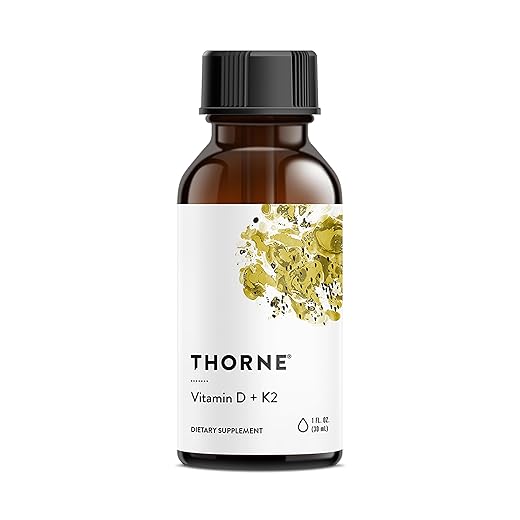
Address deficiencies systematically. If lab tests reveal low Vitamin D, a supplement like Thorne Vitamin D/K2 can be crucial. Never self-prescribe supplements; have your doctor interpret results and recommend precise dosages.
Integrate mindfulness practices to manage the physical stress response. Techniques like body scans or guided breathing, using apps like Calm or Headspace, can lower cortisol and improve sleep onset. This creates a positive feedback loop where better physical health supports your psychological support network and clinical interventions.
Setting a single, small daily goal (e.g., a 10-minute walk)
Commit to a single, non-negotiable 10-minute walk outside each day. This tiny act of self-care directly combats inertia by creating a predictable win, a crucial counter to the overwhelming nature of low mood states.

Pair the walk with mindfulness: notice five distinct sounds or feel the air temperature on your skin. Tools like the Fitbit Inspire 3 or a simple pedometer (e.g., Omron HJ325) provide objective data, turning an intention into a tracked achievement.

This micro-dose of exercise regulates circadian rhythms, indirectly supporting better sleep architecture without the pressure of a full workout. It is a behavioral activation technique that can work alongside a therapist‘s strategies or prescribed medication, not as a replacement.
If weather hinders an outdoor walk, a short indoor alternative like following a 10-minute “Yoga with Adriene” video on YouTube maintains the ritual. The goal’s power lies in its absolute achievability, building a foundation of self-trust and consistent support for your own well-being.
Immediate Actions to Shift Your Day
Step outside for five minutes of direct sunlight upon waking; this regulates your circadian rhythm, a core element of self-care. Pair this with a deliberate sensory check: name five things you see, four you feel, three you hear, two you smell, and one you taste.
Initiate a “body double” activity. Use a simple task, like loading the dishwasher or organizing a single drawer, to disrupt mental stagnation. The physical motion itself is a form of micro-exercise that can shift neurochemistry.
Employ a focused mindfulness tool for 90 seconds. Set a timer and concentrate solely on the physical sensation of your breath, or use a tactile object like the Fidget Cube from Amazon to ground your attention in the present moment, away from ruminative thoughts.

Consume a protein-centric snack, such as a handful of almonds or a Greek yogurt, within an hour of rising. This stabilizes blood glucose, which directly influences mood and energy, supporting any medication or therapy plan.
Execute a digital boundary. Silence non-essential notifications for one hour and physically place your phone in another room. This creates mental space, reducing the cognitive load that depletes your capacity for other self-care practices.
If persistent heaviness blocks action, vocalize it. Speak the feeling aloud to yourself or text a trusted contact a simple: “Feeling stuck today.” This externalization is a foundational skill often developed in therapy with your therapist.
Finally, select one “done is better than perfect” task. Make your bed with just the duvet, or wipe the bathroom sink. The completed act builds a micro-moment of accomplishment, countering the inertia that is a common barrier.
The 5-Minute Rule: Starting a task for just five minutes
Commit to an activity for only five minutes, with the permission to stop when the timer ends. This bypasses the mental barrier of a large, daunting commitment.
Set a visible timer, like the AMIR Digital Kitchen Timer, to create a concrete boundary. The physical act of starting the timer signals your brain to begin.

Apply this rule to stalled self-care. Promise yourself just five minutes of tidying one surface or preparing a healthy snack. This momentum often leads to continuing beyond the initial time.
Use the rule for tasks you avoid due to low energy. Tell yourself, “I will read for five minutes” or “I will step outside for five minutes.” Action, however brief, disrupts the cycle of inactivity.
This technique directly challenges the inertia common in low mood states. It builds evidence against the belief that you cannot accomplish anything, reinforcing a sense of agency.
Pair this with foundational support for your biology. Success with the five-minute rule is more likely when paired with consistent sleep and nutrition, creating a stable platform for action.
Using light therapy lamps for morning routine

Position a 10,000-lux light therapy lamp, such as the Verilux HappyLight Luxe, at a 45-degree angle about 16-24 inches from your face within the first hour of waking for 20-30 minutes.

Use the lamp while having breakfast to support consistent nutrition timing. This morning light signal helps regulate your circadian rhythm, directly improving sleep quality and depth at night. A stable sleep-wake cycle increases energy, making daily exercise feel more achievable.
For best results, ensure the light reaches your eyes indirectly; you can glance toward it periodically but do not stare directly. Consistency is more critical than duration–even 10-15 minutes daily is beneficial if 30 minutes is impractical.
| Key Factor | Specification | Purpose |
|---|---|---|
| Light Intensity | 10,000 Lux | Effective dose for circadian entrainment |
| Timing | Within 1 hour of waking | Resets internal clock, boosts morning alertness |
| Duration | 20-30 minutes | Standard therapeutic session length |
| UV Filter | 100% UV-free | Ensures safety for skin and eyes |
Combine this practice with other foundational health pillars: pair your session with a protein-rich breakfast for sustained nutrition, and use the energy boost to engage in brief morning exercise, like stretching. This creates a powerful, synergistic routine targeting mood regulation from multiple angles.
Question-Answer:
I’ve been feeling down for months. What’s the actual difference between just being sad and having clinical depression?
The main difference lies in duration, intensity, and how much it impairs your life. Sadness is a normal, temporary emotional response to a specific event, like a loss or disappointment. It comes in waves and often mixes with other feelings. Clinical depression (major depressive disorder) is a persistent medical condition. Its symptoms—such as a deeply low mood, loss of interest in all or most activities, changes in sleep and appetite, fatigue, feelings of worthlessness, or thoughts of death—last for at least two weeks and significantly interfere with your work, relationships, and daily functioning. Sadness is an emotion; depression is an illness that affects your body, mood, and thoughts.
Can I really do anything on my own to feel better, or is medication the only real solution?
Yes, self-directed actions are a core part of treatment, though their role varies per person. Medication addresses chemical imbalances in the brain, which for many is necessary and very helpful. Alongside or sometimes instead of medication, specific practices have strong scientific support. These include behavioral activation (forcing yourself to schedule and do small, rewarding activities), daily physical exercise (even a 10-minute walk), regulating sleep patterns, and challenging negative thought patterns through techniques from cognitive behavioral therapy. Think of it like a ladder: medication can help you get back on your feet to reach the first rung, and these practical steps help you climb higher. A doctor or therapist can guide you on the best combination.
How do I find a therapist that’s right for me, and what should I expect from the first session?
Finding a therapist involves a few steps. You can start by asking your doctor for a referral, using online directories from professional associations, or checking with your insurance provider. Look for licensed professionals (like psychologists, clinical social workers, or counselors) who list experience with depression. Many offer a brief free phone consultation. In the first session, expect questions about your history, current symptoms, and what you hope to achieve. It’s also your chance to ask questions: about their approach, how they measure progress, and what therapy with them is like. The most critical factor is whether you feel heard, understood, and comfortable. It’s acceptable to try a few therapists to find a good match.
In addition to local providers, many people now choose licensed online therapy platforms. Services like Calmerry Depression Therapy connect patients with licensed therapists specializing in depression treatment through secure video sessions and structured therapy plans. Online therapy can be a practical option for people with limited local access or busy schedules.
My friend is depressed but refuses to get help. How can I support them without pushing them away?
This is a common and difficult situation. Your role is to be a supportive presence, not to force change. Express your concern without judgment, using “I” statements: “I’ve noticed you’ve seemed really down lately, and I’m concerned about you.” Listen more than you advise. Avoid phrases like “snap out of it” or “just think positive.” You can gently suggest professional help by normalizing it: “Talking to someone who knows how to help with this might make things less overwhelming.” Offer practical help, like looking up therapists together or driving them to an appointment. Most importantly, stay connected. Invite them for low-pressure activities, like a short walk or watching a movie. Their refusal is often part of the illness; patience and consistent support matter greatly.
Are lifestyle changes like diet and sleep actually important for depression, or is that just minor advice?
They are far from minor; they are foundational. Think of your brain as a complex engine. Sleep is its maintenance cycle. Chronic poor sleep disrupts emotional regulation and stress hormones, directly worsening depressive symptoms. Aim for consistent sleep and wake times. Diet is the brain’s fuel. A pattern of high sugar and processed foods can increase inflammation, which is linked to mood disorders. Shifting toward more whole foods, vegetables, and omega-3 fats supports brain health. These changes don’t replace treatment, but they create a more stable physical base for therapy or medication to work. Improving sleep and nutrition is a direct way to care for your brain, making other recovery steps more possible.
I’ve been feeling down for months. What are the first, small things I can actually do today to start feeling a bit better?
The feeling of being stuck is common. A practical first step is to disrupt the cycle of inactivity. Choose one simple, physical action: take a five-minute walk outside, make your bed, or take a shower. The goal isn’t to solve everything, but to complete a single task. This can create a small sense of accomplishment. Next, focus on a basic physical need. Drink a full glass of water and eat a piece of fruit or some nuts. Low energy and poor hydration often worsen low mood. Avoid making big decisions or setting grand goals for today. Your only job is these one or two manageable acts. Write them down and check them off. This isn’t a cure, but it’s a way to prove to yourself that you can take an action, however minor, which can be a foundation for tomorrow.
How do I know if I need therapy or medication, and how do I find the right help?
Determining the need for professional help often depends on the intensity and duration of your symptoms. If low mood, loss of interest, fatigue, or changes in sleep and appetite are severe, last most of the day for over two weeks, and significantly interfere with your work, relationships, or daily tasks, it’s a strong indicator to seek help. A good starting point is a consultation with your primary care doctor. They can rule out underlying medical conditions (like thyroid issues) that mimic depression and provide an initial assessment. They can also discuss medication options, often antidepressants called SSRIs, which can help correct chemical imbalances in the brain. For therapy, search for licensed mental health providers (like psychologists, licensed clinical social workers, or psychiatrists) in your area. Use filters on provider directories for “depression” and your insurance. Many offer brief phone consultations. Ask them: “What is your typical approach to treating depression?” Look for methods like Cognitive Behavioral Therapy (CBT) or Interpersonal Therapy (IPT), which have strong research support. It’s okay to try a few sessions with someone before deciding if they are a good fit; the relationship with your therapist is key. Often, a combination of therapy and medication is the most successful approach for moderate to severe depression.

Other Articles


24 Comments
Comments are closed.


Fidget plus solid weight? Couldn’t ask for more. This fidget cube has some serious heft to it. Unlike the ones we’re more familiar with that are light, decorated plastic, this baby is solid and heavy. If I flip it around in my hands too long my hands actually get tired, which is really good for manual dexterity and keeping my poor, suffering hands. Chronic joint issues mean keeping my hands moving helps keep them from getting stiff, and this is something I can play with in one hand, or manage with both, which is great for keeping my anxiety brain happy too.This is more than just a fidget toy, it’s also got some serious weight, and has a nice, smooth texture that is incredibly pleasing to the anxious mind. It has a solid feel to it, so it’s easier to use as a focal point in a high stress state, and I’ve even used it to give me something physical to focus on while meditating because I’ve been unable to still myself. The added weight gives it an advantage because it’s harder to tune out. It’s also something to be more aware of, because dropping a plastic cube is annoying, but dropping this solid thing is significant, and while it certainly wouldn’t hurt anything, there’s this drive not to drop something heavy in case it breaks or breaks something else. This is a huge advantage for a toy for anxious people, or for people who need something to focus on during a high stress job.Given it’s size and function, this can work incredibly well in one hand, so you can use it while navigating your computer screen, or while taking calls and jotting notes for work. My job can be stressful and this helps keep me focused when I feel like I’m a bit run ragged. It is also fairly quiet, all considering, and doesn’t squeak and click as much as the plastic options generally do.Overall, I’d say this is well worth the money, and I would gladly by another if I ever had the need. I may just opt to do it so I can keep a couple stowed in various places, like my backpack, my car, and over at my boyfriend’s house, that way I don’t have to worry about forgetting them. They’re easy to pull out while bored and waiting for an appointment, waiting for my kids to get out of their classes, or for whatever else I might need, and the carry case means it stays clean and safe, ready to go at any time.For anyone who may consider this to be a good tool for their anxiety, ADHD, or sensory issues, I highly recommend this fidget over the other similar options out there. You won’t regret the choice.
Unlock Your Full Potential with the Intelligent Change Productivity Planner. The Intelligent Change 3-Month Productivity Planner is truly a game changer. It’s not just a planner, but an essential tool that promotes effective time management and mindfulness, seamlessly guiding you toward your goals and aspirations.This planner is beautifully designed, with its simple yet elegant beige cover, making it a pleasure to use daily. The quality of the A5 updated quarterly planner is clearly visible, indicating the thoughtful consideration Intelligent Change has put into creating this tool.The planner offers a daily to-do list that is easy to fill out, making it more manageable to keep track of tasks and goals. But it’s more than just a to-do list; it is thoughtfully designed to encourage reflection and mindfulness. It’s remarkable how this simple feature has made me more aware of my daily actions and their alignment with my overall goals.One thing that particularly impressed me was the flexibility of the undated format. It’s perfect for any time of the year, allowing me to start when I’m ready, which is fantastic for those spontaneous bursts of motivation.What I loved most about this planner:- Beautiful and elegant design that makes daily planning a joy.- High-quality materials and construction that promise durability.- Daily to-do list that enhances time management and mindfulness.- Flexibility of the undated format, ready for you to start at any time.In conclusion, the Intelligent Change 3-Month Productivity Planner is a worthwhile investment for anyone seeking to increase productivity and mindfulness. It has transformed my daily routine and has been instrumental in pushing me towards my goals. It’s not just a planner; it’s a journey to self-discovery and achievement. Highly recommended!
A great fidget gadget. This is a wonderful fidget gadget. I get more addictive to it the longer I use it. At first you might think it is a little loose, but I have found that this is how it was designed and aids tremendously in being able to manipulate it. It is quite easy to use with one hand and just as easy in either hand whether your left or right-handed. It is made of aluminum. The weight is perfect and allows gravity to help you in its manipulation. This is the first time I have tried one of these items and I have to admit it grows on you. I am using it now as I write this review. It is very sturdy and well made. The surfaces are very smooth and the corners and edges are rounded so it feels very good in your hand. The durability looks to be good, but I imagine the surface will eventually scratch up some since it is an anodized surface coating, not one solid color throughout. I am sure this will not affect the function and any scratches will give it some character. It looks good and is just the right size for your hand. There is just a slight noise as you manipulate it, but it does not bother me in the least, nor should it bother anybody else nearby. I can use it while watching TV, reading or just listening to music and not even think about it or use it while doing nothing and let it take your mind off anything bothering you. Easily 5 stars.
Good as a timer; poor magnetic attachment and stand. The timer functions are good. It’s very loud. But it does not hold very well magnetically, as the magnets are a tiny bit recessed into the plastic, so they don’t make direct contact with the metal surface and the weight of the timer can make it slide down if the metal surface is thin. The base is also angled to make it easier to see if it’s sitting on a counter, but it makes it a little unstable unless you flip the stand out of the bottom. But you have to close the stand to stick it back on the wall magnetically. It’s just a bit cumbersome having to flip the stand back and forth if you’re moving from room to room with the timer and want to sometimes stick it on a wall and sometimes on a table, or end up having it fall over if you don’t use the stand.
Replaced my Apple Watch with Charge 6, happy. Bought January 2024. So, I have had an Apple Watch since 2017. I LOVED it. But I didn’t love the battery time. The things I was interested in, like sleep tracking, I couldn’t do because it needed to charge or I couldn’t use it the next day. My mom has a Fitbit and for years was telling me to get one. After some health issues, I needed to start being more cognizant of my health. I didn’t want to spend another $5-600 on an Apple Watch that at most gets 2 days of battery now. I was interested in the Oura ring, but I have 60 lbs. to lose and those can’t be sized as you lose weight. So I researched and found the Fitbit Charge 6 was my best choice.Mostly pro’s.It is really comfortable. When I fell asleep accidentally with the Apple Watch my wrist was sore after. So far, I’m getting 6-7 days of charge out of it, which is a game changer. I now don’t miss days of tracking because I forgot to charge it.I feel like the screen size is appropriate and it’s well made. I’m not sure about the accuracy, but reviews I’ve watched where people test them they seem close enough. And that’s good enough for me, I want a baseline.You can adjust the haptics for notifications, I have it on the hardest vibration and it’s awesome. It’s easy to read the screen, just 2 taps. It says you can water lock it for swimming/shower but I haven’t utilized that yet.The app… okay so when I purchased this (January 2024) they offered the premium app for 6 months free, then $80 a year. I will be keeping the premium. It still can be used without, but I want ALL the metrics you can get as well as meditations and workouts. It has replaced MyFitnessPal because I can track everything in this app. It also links with my Bluetooth scale. You can track steps, miles, calories, exercise, activity minutes (150 minutes a week as recommended), standing activity by getting up every hour for 250 steps, (it reminds you). SpO2, HRV, skin temp., HR, sleep (including stages). I’m sure I’m forgetting something. I haven’t used the GPS function which I heard drains the battery significantly.Somewhat cons, or things I would appreciate it having. This device is logged in through Google. I do see messages and notifications from my iPhone 13, but are unable to respond which is fine. You can control YouTube music, but not your Apple Music. It’s Just an adjustment from my Apple Watch. I’m also not able to sync it with Apple Maps because I hate Google maps. And I haven’t figured out how to use that between my phone and the Fitbit yet even after watching tutorials. I wish they had more watch faces to choose from, I think there was about 12?. I just felt like the one I picked was as close to what I wanted, but it wasn’t. The time takes up a large portion of the screen which I feel like is unnecessary. What I feel the app is lacking is something to track when you’ve taken your meds. If they did, this app would literally be a one stop shop for my health/fitness tracking. Note: a comment someone made about med tracking was just set an alarm. The problem is that if you are someone like me that is never at the same place everyday, you could turn the alarm off and then forget later whether or not you took them. It’s a really quick fix they could do.I HIGHLY recommend the Charge 6, I wish I had listened to my mom and got it a while ago. The few things I gave up by switching from my Apple Watch is minor. I’m not missing them other than Apple Maps and Music.
More accurate than your “smart” watch. I bought this to replace another omron pedometer I had for many years that still worked. I gave it to my husband because he was going to start walking more and wanted a step counter. (Of course, that didn’t last very long, which is why I got the new one). This one works just as well and is very accurate – much more accurate than my watch step counter which counts every movement of your arm. You can rack up some seriously high number of steps in a day by making the bed, folding laundry, or dusting knick knacks.Now that I’m in my seventies, I have been trying my best to walk a minimum of 5000 steps a day (of course more is better). And I have accomplished that for over 9 months. It’s surprising how checking your pedometer and realizing you need just another 500 or even 1000 steps to reach your goal can make you jump up and get moving.
Accurate, tiny, weightless pedometer. An accurate tiny, superlight Pedometer. Easy to use. No real instructions, on-line instructions for multiple similar models not always relevant. For me, main thing was to get the stride right. I’m over 6′ tall, and initially kept the standard 32″ stride it was set for. Got real and admitted my stride was actually about 27″. My morning walk went from 2.1 miles to 1.9 miles, LOL! I deleted my basic health app on my iphone that was reporting my identical daily route with variances of more than a quarter mile for each identical walk. This so is small, un-noticeable in the pocket.
Addicting. I have anxiety and this really helps me take my mind off of things and relaxes me. It’s a bit noisy so if you’re in a setting where you need silence, this probably isn’t the fidget device for you. I use it mostly at work and I have my own office so the snapping noise isn’t a disruption for me.The size is pretty good and I don’t have large hands. Seems very durable and it moves smoothly. I ended up getting the black and red because it reminded me of the show Dexter.It’s also nice that this came with a case. I like to throw this in my purse so I can take it from home to work and then back. Everyone that I’ve shown this too also really loved using it. My only complaint is that this is a bit pricy but the cube feels of high quality so I’m not too worried about it.
I love it. I don’t like wearing wrist watches, so having a smart ring is PERFECT for me! I love how durable it is, it’s easy to clean, and the app that comes with it is GREAT! The tracking on this thing is flawless and it uses light sensors to track my vitals, so it doesn’t even feel like a smart device, just a regular ring! It also charges very quickly, so if I’m using the bathroom or taking a shower at home, I just pop it on the charger for 10-15 minutes and it’s good for a few days! I only do it daily just to establish a good routine, and I have forgotten before and let the battery get low, but still haven’t had the power die on me yet!I can see it being an issue for lifting weights since it’s coated in stainless still and a little bulky, but otherwise very comfortable for other forms of exercise! I can also see it being a problem because of the red and green light sensors at night, it might be disruptive to light sleepers in a dark room, but I just keep my hands under my blankets or pillows, and I sleep just fine! It doesn’t light up all the time, just periodically throughout the night. If the tiny lights at night might bother you, you can probably put a thick sock or a glove over your hand at night to block the light. I’m personally not inconvenienced by it at night, and I like that I can’t feel anything when it checks my vitals (heart rate, blood oxygen, temperature, just to name a few).I wound up subscribing to the app anually because I really liked how easy it was to set up and how thorough its analysis was for my overall health.UPDATE:Recently I noticed the ring was draining too fast between charges and I actually needed to charge it everyday! I reached out to customer service via the app, they asked a few questions, and shipped me another one immediately! It was refurbished, not brand new, but it works like new and I would never have known the difference if they didn’t tell me! I keep the old one as a backup just in case since they said I don’t need to send it back.I basically haven’t stopped wearing the Oura ring since I put it on, and I’ve used it on long walks, swimming (fully submerged in water), and for general daily activities and it works great! I wash it with soap and water when I wash my hands and take it off to give it an.wxtra good wipe down before popping it on the charger or putting it back on!
After trying all the main planners from various companies, this one is THE BEST ONE. I have used SO MANY different planners, by ALL the different popular companies over the last five years. This is the planner I settled with and is absolutely my FAVORITE!! I love the info at the beginning (do NOT make the mistake of thinking you already know the best way to use it and skip over these introductory pages!!!) I love the flexibility in the way you can use the planner to sometimes focus on getting the task just DONE-which is great for my procrastinater self, but is also designed to help you make daily progress on those elephant tasks where you can feel confident about your progress that day-even if you didn’t completely finish the massive project you are working on. It’s flexible for your different needs and mindsets. Some people complain about the money, but honestly it’s less expensive than many of the other planners/goal journals by other companies and yet more effective-so I find this planner absolutely worth it. The size is also great and not too big or bulky to carry it with you throughout the day to jot notes and spur of the moment ideas. The paper and binding is good quality though I do wish it came in a variety of colors, but that would just be icing on the cake. Overall it is my favorite design-especially the daily pages.
A noticeable difference in my skin, digestion, and joints. I’ve been using this Omega-3 from Nordic Naturals Ultimate Omega for about two months now, and I can genuinely tell the difference. I originally bought it to support my skin, digestion, and overall wellness, since I’ve tried other fish oils before but most gave me acid reflux or that unpleasant fishy aftertaste — not this one!These soft gels have no strong taste or smell, and I’ve had zero reflux, which was a big deal for me. They’re not tiny, but I’d rate them 3/5 for ease of swallowing — totally manageable, especially with water or juice.After a few weeks, I noticed my skin looking more hydrated, my digestion improving, and even my knees feeling less stiff (I have some issues with them, and I combine this with other supplements). The quality and purity feel top-notch, and for the price and quantity (210 soft gels), it’s honestly an excellent value.I’ll definitely keep buying this one — it’s one of the few omega-3 supplements that actually delivers results without side effects.
Great quality omega-3s with a pleasant lemon flavor. This is my third bottle of Nordic Naturals Ultimate Omega, and I keep coming back for a reason. The delivery was quick, and the product always arrives in perfect condition. I take this supplement for brain and heart health, and also as part of my routine to help manage PCOS along with a few other supplements. The lemon flavor really makes a difference because it completely covers the fishy smell or aftertaste that you would normally expect from fish oil. The soft gels are smooth and easy to swallow, and I have never had any issues with digestion or fish burps. I like that this brand focuses on quality and purity, and I feel confident knowing I am getting a reliable dose of omega-3s. Overall, this supplement has been consistent and effective, and I definitely plan to keep using it.
Nordic Naturals Ultimate Omega – Honest Review. I’ve been taking Nordic Naturals Ultimate Omega (lemon flavor) daily for a few weeks, and I’m genuinely impressed with the quality and overall experience. This supplement delivers a generous dose of EPA and DHA omega-3s, which are known to support heart, brain, and immune health.The lemon flavor is surprisingly pleasant for a fish oil product — I didn’t experience the typical fishy aftertaste or burps that I’ve had with other brands. It’s easy to swallow, and the soft gel size is manageable.Pros:• High potency omega-3 dose in each serving• Great taste for a fish oil supplement — minimal aftertaste• No noticeable digestive discomfort• Supports overall wellness based on daily useCons:• Slightly larger soft gels than some everyday vitamins• Shipping packaging a bit bulky for a small bottleOverall, this has become my go-to omega-3 supplement. It blends quality with a more enjoyable flavor than many fish oils on the market. Would recommend to anyone looking to support heart and brain health with a reliable daily dose.
Love, Love, Love. I’ve had the Oura ring for almost a year now and would recommend if you’re looking for a wearable that balances tracking your sleep & recovery while also looking minimal. In the beginning, it took some time getting used to having it on my finger but after a month of wearing it consistently, I barely notice it and really love how simple and sleek it looks. It also charges very quickly, so if battery life is a concern, I’d say there are few moments where I am without it.I was initially drawn to the Oura ring as I didn’t want another screen in my life, and I find that it meets the exact criteria I was looking for. I have heard that its fitness tracking isn’t the most accurate in terms of tracking your calories burned or steps walked, but I don’t really use it so much for those purposes. If fitness tracking is critical, I’d do some more research on all the options available. However, if you’re more concerned about sleep, recovery, and stress metrics, I would say it does a great job at monitoring.
Nice electronic timer. Timer is well made, with easy to read display. Works well. Magnets work but could be stronger. Good Price. Easy to use. Comes with 2 batteries.
I wear it everyday. Purchased this at the start of the year to help me keep track of some of my health goals. I love that the bands are adjustable. It does well to track the items I am focusing on, with options to track more, if desired. The finish on the band wears after awhile, but does not change the usefulness or wearability of the tracker. One charge lasts about a week. It will shut off and stop tracking items once it get down too low on battery percentage (varied between 5-7%), so be prepared.I have not tested whether the item is waterproof, so I am unable to comment of the effectiveness of that.
So darn good. Two days in and I’m hooked! Total game changer for my day. I’ve struggled with staying focused/task oriented considering my challenges with ADHD but I’m so glad I’ve found this planner! Now we just gotta stick with it!
Awesome addition to my gym bag. These bands are AMAZING!!!! There are five of them and just looking at them when opening, the colors are beautiful!! I am a sad beige person and all of my gym equipment is cream, so this was a perfect addition to my gym bag! The bands themselves kind of have a rubbery smell, its not too strong but I mean they are made of rubber so. The grip is good. They sometimes slide up and twist if they are on the thighs, but still work great. I LOVE that there are five different strengths. I have chronic hip pain and using these for my PT exercises is just chef’s kiss. They are a good length I would say, The lighter weight bands may be a little loose when standing but for side exercises they are fine. The versatility of these bands is awesome! I seriously love these!
Best health tracker I’ve used for sleep and recovery. The Oura Ring has been genuinely useful for tracking my sleep, HRV, resting heart rate and recovery trends. The data feels more accurate and meaningful than what I got from wrist trackers, and since it’s tiny and comfortable I forget I’m wearing it. The app breaks everything down in a clear way and makes it easy to spot patterns (stress, hydration, workouts, etc.). Battery life is solid and lasts several days before charging. It’s a premium device for sure, but if you care about sleep and recovery data more than steps and notifications, it’s worth it.
Good if you need a backup timer in the kitchen. Very simple to use and very loud enough to hear from other rooms in the house. I like that it retains the last setting used so you can easily repeat alarm for the same time frame. Attaches securely with a magnet to the refrigerator. I am no longer using my cell phone with sticky fingers as a timer. It works for me, because my microwave timer is often not available.
Received a USED one. Steps calculations are accurate.Works after being washed, oooops!I did receive a USED item. NOT happy about it, but to avoid the hassle of return I kept it.Overall happy with product.
Perfect for any workout. These exercise loop bands are fantastic, super portable and come with a nice little carrying bag, so I can take them anywhere. Whether you’re a beginner or already active, these bands are perfect for adding variety to your workouts. Definitely a great buy
Quality health tracker. Does all the things, gives you a trial of Fitbit premium. Has a number of different workout modes you can log and good for sleep tracking. Apple could never make me hate Fitbit ..I don’t like that google forces its way into your life and makes you log in to Gmail to use it.
Affordable, easy to use, travel friendly. Good quality. Easy to use. Great for travel or days I can’t get out to gym. I am older lady, helps with keeping myself flexible and maintaining my balance. Attractive case for storage.