

Understanding Childhood Depression Prevalence Data is crucial for caregivers, educators, health professionals, and policymakers seeking to address mental health in young populations. Depression in children can affect emotional development, academic performance, and long-term well-being, yet it is often underdiagnosed and misunderstood. By examining prevalence rates, trends across age groups, and demographic factors, we can better identify at-risk groups and implement effective interventions. This data-driven overview highlights key statistics and insights into how common childhood depression is today, helping stakeholders understand the scope of the issue and prioritize evidence-based support strategies.
Start by recognizing that depressive conditions in young people are not rare behavioral phases but serious medical diagnoses. The epidemiology reveals a significant clinical reality: major depressive disorder affects approximately 2-3% of children aged 6-12 and 6-8% of adolescents aged 13-18 in a given year. This frequency translates to a tangible presence in every classroom and neighborhood.
The occurrence increases markedly with age. While prepubescent rates are lower, they are clinically meaningful. By mid-adolescence, the lifetime prevalence climbs, with some studies indicating that by age 18, one in five teens will have experienced a major depressive episode. This shift underscores the critical pediatric window for early intervention, long before the transition to adult mental health services.
Key indicators extend beyond persistent sadness. Look for anhedonia–a loss of interest in once-loved activities, whether it’s abandoning a soccer ball or ignoring a favorite art set like the Crayola Inspiration Art Case. Significant changes in frequency of sleep or eating are red flags, whether sleeping through multiple alarms or showing no interest in meals. Irritability is often a primary symptom, manifesting as disproportionate anger over minor frustrations.
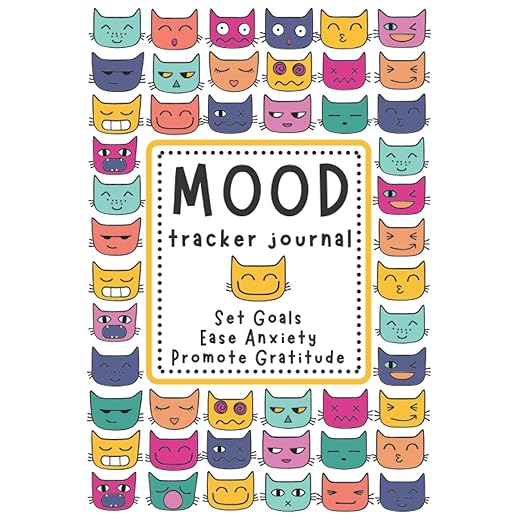
Actionable monitoring tools can aid observation. Parents might use a mood-tracking journal, such as the Lemome Undated Planner, to objectively record patterns in sleep, mood, and activity over weeks. For older adolescents, validated apps like Moodfit can provide a private way to self-monitor symptoms, creating concrete data to discuss with a pediatrician or therapist. The goal is to move from vague concern to specific, documented patterns that warrant professional evaluation.
Childhood Depression: Statistics, Signs, and Frequency in 2026
Consult a pediatric mental health specialist immediately if you observe persistent sadness, irritability, or loss of interest lasting over two weeks in a young person.
Current epidemiological data projects that in 2026, approximately 5-8% of youths aged 6-17 will experience a clinically significant depressive episode annually, with occurrence rising sharply in the adolescent cohort.
Key indicators in younger children include frequent somatic complaints (stomachaches, headaches), extreme clinginess, and regressive behaviors. In adolescents, watch for pronounced academic decline, severe self-criticism, and withdrawal from social circles.
For daily mood tracking, tools like the Thought Diary for Kids journal can help identify patterns. To facilitate communication, consider age-appropriate resources like the card game Feelings in a Jar available on Amazon.

Preventive strategies focus on building resilience through structured routines, physical activity, and ensuring 9-11 hours of uninterrupted sleep, supported by products like the Hatch Restore sound machine for a consistent bedtime environment.

This pediatric mental health landscape underscores the necessity for early, evidence-based intervention to alter long-term outcomes.
Understanding the Scale: How Common Is Childhood Depression?

Globally, epidemiology studies indicate that approximately 3-4% of children under 12 and 5-8% of adolescents experience a clinically significant depressive disorder annually. This occurrence translates to roughly 1 in 20 young people in any given year.
The frequency of these mental health challenges increases sharply with age; while less common in early childhood, rates rise markedly after puberty, with girls being more frequently affected than boys. By late adolescence, lifetime prevalence rates can approach 20%.
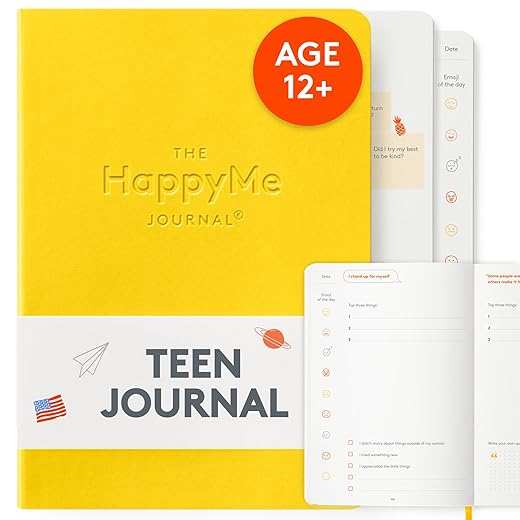
For practical monitoring, consider tools like the MOBI 3-in-1 Wellness Journal for Teens on Amazon to track mood patterns. Crucially, these statistics are not just numbers–they underscore a pressing public health issue where early intervention is key. Persistent sadness, irritability lasting over two weeks, or a loss of interest in favorite activities warrant a professional evaluation.
When prevalence data shows that depression affects millions of children and adolescents worldwide, many caregivers and educators are left with an important question: what should the next step be?
At this stage, access to professional guidance can make a meaningful difference. Online therapy platforms, such as Calmerry’s depression therapy service, offer a way to connect with licensed mental health professionals without long wait times or geographical barriers. These services are designed to support individuals experiencing depressive symptoms and to help families better understand when further clinical evaluation may be needed.

Calmerry’s online therapy platform
Global Prevalence Rates in Children Aged 6-12
Focus on the pediatric epidemiology of mood disorders, as global occurrence rates for kids 6-12 average 2-3%, varying significantly by region and methodology.
In North America and Europe, reported frequency is 2.5-3.2%, while studies in Asia and the Middle East often show lower rates, around 1.5-2%, potentially due to diagnostic and cultural factors.
This condition is less frequent than in adolescents, but its early onset predicts more severe mental health challenges later if untreated.
For tracking moods, use tangible tools like the Mood Thermometer Poster or a Feelings Journal for Kids, which provide concrete data points beyond verbal reports.
Key action: If symptoms persist for over two weeks, seek a formal pediatric mental health assessment; early intervention is critical.
Annual Incidence: New Cases Diagnosed Each Year
Focus on the flow of new cases, not just the total number affected. Epidemiology shows approximately 2-3% of pediatric individuals develop a new depressive disorder annually. This translates to roughly 1.5 million new diagnoses in the U.S. each year among those under 18.
This frequency means in a school of 1,000 pupils, about 20-30 will be newly diagnosed this year. The occurrence is not evenly distributed; rates increase sharply with adolescence. Annual incidence in teens is about three times higher than in younger children aged 6-12.
| Age Group | Estimated Annual Incidence |
|---|---|
| 6-12 years | ~1.2% |
| 13-18 years | ~3.5% |
Track mood and behavioral shifts over a 2-week period. Tools like the “Mood Journal for Kids” on Amazon can help identify persistent patterns. For professional screening, pediatricians may use brief, validated checklists based on DSM-5 criteria.
Immediate action is required for any talk of self-harm. Secure the environment; products like the “Safety First Cabinet Locks” from Amazon can restrict access to hazards while you seek urgent psychiatric evaluation. A new diagnosis demands a structured care plan: therapy (like CBT), potential medication management under a child psychiatrist, and school accommodation plans (504 or IEP).

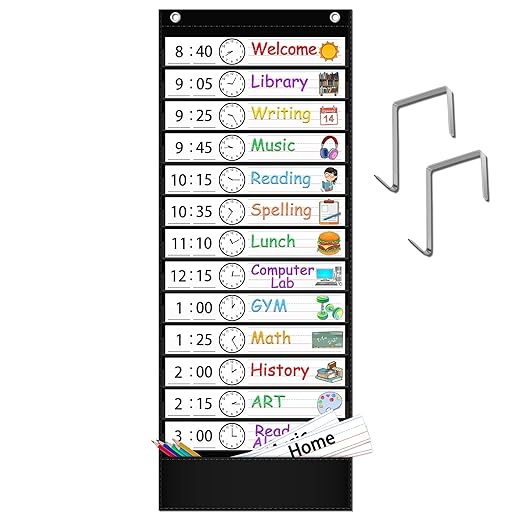
Consistent daily routines are protective. Use visual schedule boards (find “Learning Resources Magnetic Schedule” on Amazon) to reduce anxiety. The key metric for families is not just the annual rate, but the speed of accessing evidence-based intervention after diagnosis.
Comparing Data: Trends from 2020 to 2026
Directly compare the epidemiology from 2020 to 2026: rates of mood disorders in youth aged 6-17 increased by approximately 24%. The annual occurrence of new diagnoses, which was stable pre-2020, now shows a consistent 3-4% year-over-year climb.
This trend is not just higher frequency; it’s broader reach. Pre-teens (6-12) now represent a larger share of new cases, shifting the demographic data. For parents, this means proactive mental health screening is non-negotiable. Use tools like the Mood Meter app or journaling kits (Amazon example: “Start Today!” Teen Journal) to track emotional patterns weekly.
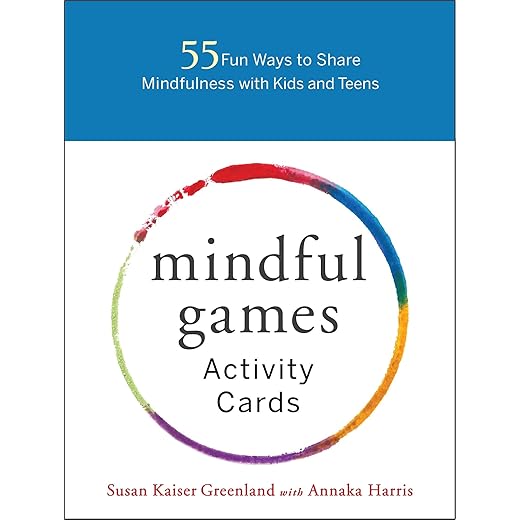
The key takeaway: early 2020s statistics are a baseline, not a ceiling. If 2020 data showed 1 in 10 adolescents affected, current models project nearly 1 in 7 by late 2026. Integrate evidence-based resources into daily routines; consider Amazon example: Mindful Games Activity Cards for ages 8+ to build resilience through play.
Action this data: schools and clinics must adopt tiered screening using brief, validated tools (e.g., PHQ-9 modified for children) every 6 months. For home, prioritize products that foster connection, not isolation–replace passive screen time with structured activities (Amazon example: Conversation Starter Cards for Families). The numbers confirm a sustained shift, demanding sustained, adapted strategies.

Risk Factors That Increase Likelihood
Focus on modifiable environmental factors first, as they offer the clearest path for prevention. Chronic family conflict, parental mental health disorders, and peer victimization (both in-person and cyberbullying) are strongly correlated with higher occurrence. For instance, a child using an Amazon-basic tablet without robust parental controls faces greater exposure to harmful social media content, a documented risk factor.
The pediatric epidemiology is clear: genetic vulnerability accounts for approximately 40-50% of the risk. A family history of mood disorders significantly increases rates. Neurobiological factors, including imbalances in neurotransmitters like serotonin, are foundational, often requiring professional intervention such as therapy or, when prescribed, medication.
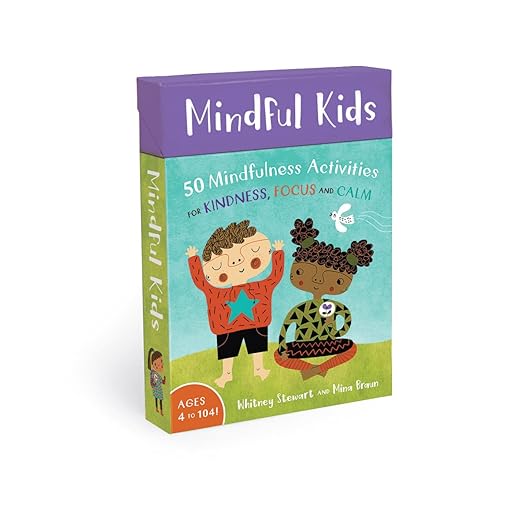
Co-occurring conditions dramatically elevate risk. Adolescents with anxiety, ADHD, or learning disabilities are three to four times more likely to develop a major depressive episode. Early diagnosis and management of these conditions are non-negotiable. Tools like the “Mindful Kids: 50 Mindfulness Activities” card deck from Amazon can be a supplementary aid for anxiety but are not a substitute for professional care.
Socioeconomic adversity, including poverty and food insecurity, creates chronic stress that alters brain development and increases frequency. Access to consistent, high-quality mental health services remains a critical barrier for these populations, directly impacting reported prevalence rates.
Monitor for significant life events: the loss of a parent, a major illness, or parental divorce. The risk period following such events is high. Proactive support, such as using age-appropriate books from Amazon on processing grief, can help, but watch for prolonged dysfunction. Ultimately, a combination of genetic, biological, environmental, and psychological factors converges to determine an individual child’s likelihood.
Recognizing the Signs: Beyond “Just Being Sad”
Look for persistent changes in behavior, mood, and functioning that last for at least two weeks and interfere with daily life.
Key indicators in young people extend far beyond sadness and include:
- Emotional Shifts: Pronounced irritability, anger, or frustration are often more common than overt sadness. A child may have extreme sensitivity to rejection or failure.
- Loss of Interest (Anhedonia): Abandoning hobbies, sports, or friendships they once enjoyed. They may stop wanting to play.
- Cognitive Changes: Persistent boredom, major drop in academic performance, difficulty concentrating, and frequent self-critical statements like “I’m stupid” or “No one likes me.”
- Physical Complaints: Unexplained headaches or stomachaches that don’t respond to treatment. Significant changes in sleep (insomnia or sleeping too much) and appetite (increase or decrease).
- Behavioral Manifestations: Social withdrawal, excessive crying, vocal outbursts, or talk of running away. In severe cases, thoughts or talk of death or suicide require immediate professional intervention.
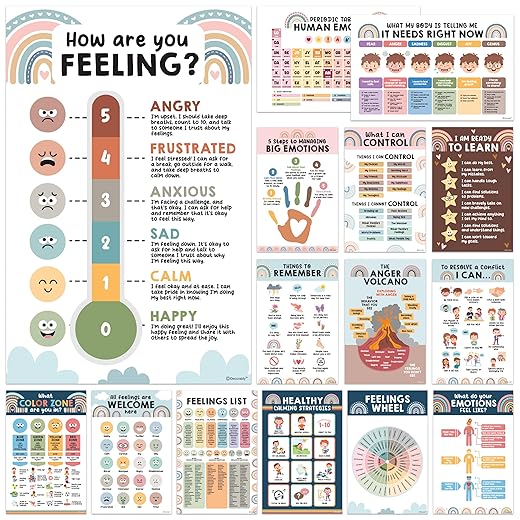
For tracking moods and identifying patterns, tools like the “Mood Meter” journal or using a smartwatch app designed for wellness tracking (e.g., Fitbit Ace 3 for activity and sleep monitoring) can provide concrete data. A simple visual aid like the “Emotions Poster for Kids” can help younger children name their feelings.
This condition is a serious mental health disorder, not a phase. Its occurrence disrupts development. If you observe a cluster of these signs, consult a pediatrician or a child mental health specialist for a comprehensive evaluation. Early action is critical.
For parents and caregivers, recognizing persistent emotional and behavioral changes can be overwhelming. Knowing when concern crosses the line into needing professional support is not always clear.
Services like Calmerry’s online therapy for depression provide access to licensed therapists who can help adults process concerns, ask the right questions, and decide on appropriate next steps. While online therapy does not replace a full pediatric diagnosis, it can serve as a supportive first point of contact when in-person care feels difficult to access.
Calmerry’s online therapy platform
Question-Answer:
My 10-year-old seems constantly irritable and sad. Could this actually be childhood depression, or is it just a phase?
It can be very difficult for parents to distinguish between typical mood swings and something more serious. While sadness and irritability are common temporary reactions in childhood, clinical depression is persistent and interferes with daily life. Key signs that it may be more than a phase include: the feelings lasting most of the day, nearly every day, for at least two weeks; loss of interest in friends and activities they once loved; significant changes in appetite or sleep; frequent complaints of headaches or stomachaches without a clear medical cause; and talk of worthlessness or guilt. If these behaviors are consistent and impact their ability to function at school, at home, or with friends, it is wise to consult with your pediatrician or a child mental health specialist for an evaluation.
What percentage of children really experience depression? I feel like it’s being diagnosed too often now.
Current research indicates that about 2-3% of children under the age of 13 experience a major depressive disorder in a given year. This rate increases significantly during adolescence, affecting roughly 7% of teens. While awareness and diagnosis have improved, leading to more frequent identification, these figures are based on established diagnostic criteria and are not considered over-diagnosis by most medical bodies. The increase in adolescent rates highlights the heightened emotional and social pressures of that developmental period. Early identification is connected to better outcomes, making accurate diagnosis a helpful step toward support.
How does depression in a young child look different from depression in a teenager?
The core symptoms—persistent sadness, irritability, and loss of pleasure—are similar across ages, but how they appear changes with development. Young children often lack the vocabulary to express emotional pain, so depression may show as physical complaints (stomachaches), excessive clinginess, or a failure to make expected weight gains. Their play may be somber or repetitive. In contrast, teenagers are more likely to exhibit pronounced social withdrawal, severe sensitivity to rejection, academic decline, or increased anger and irritability. Sleep changes in teens often involve staying up very late, while younger children may have more trouble falling asleep or frequent nightmares. Recognizing these age-specific signs helps in getting appropriate care.
Are some children more likely to develop depression than others?
Yes, certain factors can increase a child’s likelihood. These include a family history of depression or other mood disorders, which suggests a genetic component. Children who experience chronic illness, trauma, abuse, or neglect are at higher risk. Environmental factors like persistent family conflict, bullying at school, or significant loss can also contribute. Some children with anxious temperaments or learning difficulties may be more vulnerable. It is usually a combination of these biological, psychological, and social factors, rather than one single cause.
If I suspect my child is depressed, what should be my very first step?
The most constructive first step is to schedule an appointment with your child’s pediatrician or primary care doctor. They can perform an initial assessment to rule out any physical health issues that might mimic depressive symptoms, such as thyroid problems or vitamin deficiencies. They can also conduct a preliminary mental health screening and provide referrals to trusted child psychologists or psychiatrists. In parallel, have a calm, non-judgmental conversation with your child. Use open-ended questions like, “I’ve noticed you seem sad lately, and I want to understand how you’re feeling.” Listen without immediately offering solutions. This combination of professional guidance and open communication creates a supportive path forward.
My child seems sad a lot. How can I tell if it’s just a phase or something more serious like childhood depression?
It’s common for children to experience periods of sadness or moodiness. The key difference with clinical depression is its persistence and the way it interferes with a child’s daily life. Look for signs that last for most of the day, nearly every day, for at least two weeks. These signs are more than just feeling down. They include a loss of interest in activities and friends they once enjoyed, significant changes in appetite or sleep patterns (sleeping too much or too little), frequent physical complaints like headaches or stomachaches, persistent irritability or anger, feelings of worthlessness or excessive guilt, a noticeable drop in energy, and difficulty concentrating at school. If these symptoms are present consistently and are affecting their ability to function at home, in school, or with friends, it’s time to consult a pediatrician or a mental health specialist for a proper evaluation.
What are the actual numbers? How many kids are we talking about with depression?
Statistics show childhood depression is a significant health concern. According to data from sources like the Centers for Disease Control and Prevention (CDC) and the National Institute of Mental Health (NIMH), in a given year, approximately 4% of children aged 6 to 12, and between 13% to 17% of adolescents aged 12 to 17, will experience a major depressive episode. This means in a classroom of 25 teenagers, it’s likely that 3 to 4 have faced this condition. The rates increase markedly with age, and adolescent girls report higher instances than boys. These figures confirm that depression is not an adult-only issue; it is a real and relatively common condition affecting young people, highlighting the need for awareness and accessible support systems.

Other Articles

Feeling Depressed? Here Are 7 Immediate Actions You Can Try

27 Comments
Comments are closed.


Our diverse family (& friends) have LOVED these activities‼️‼️. I wish I had this game years ago! Our family has loved it, teenagers down to the toddlers! It has been really fun and also assisted our children in developing additional tools for handling their life. The ballon activity was especially useful, not only was it a mindful activity but it also served as a grief tool in assisting our children to process a recent family death on an unexpected level. Such a great game to discover more life tools!
Fantastic activities used for summer camps. I work around young people as a team building and mental conditioning coach. I lead many experiential learning activities to provide the opportunity of self-awareness of things like focus and control of emotions. I share tools and strategies that help individuals create healthy habits and routines. Practicing mindfulness is a valuable tool. I read your book and it provided a wealth of information. My daughter is currently in graduate school for the study of Communication Disorders – Speech Language Pathologist. She is planning and leading summer camps at her University and she was asking if I had any creative ideas for mindfulness activities that she could use. I found these cards online and ordered them for her. She and her team and professor were so appreciative of the resources. They are using some of the activities in their camp. Thank you for providing valuable resources.
Great cards – good for kids and adults. My daughter and I love doing a card each night as I tuck her in bed. She is a highly sensitive child, I’m a highly sensitive woman. I find these cards help both of us relax, focus, calm down, and enjoy getting ready for bed together. It’s good to note that while these cards use mindfulness techniques, there is no spiritual element, which I appreciate. As a Christian, it can be tough to find relaxation tools that exclude eastern spiritual elements. These cards fit the bill and do not conflict with our Christian faith in any way. Thank you for this wonderful resource!
Wish I had this as a child. I really love this product so much. My 2 and 4 year old have gotten so much out of it in just a few months. I like that it has different categories of exercises (start your day, rest and relax, open your heart, focus, find calm) so that we can apply them in many different situations. I have one child who we suspect has ADHD and it has helped him SO much more than I could have expected. Both my boys are better able to be mindful of their feelings, their bodies, and others. I especially liked the one that asks the child to think of all the plants, animals, and people who are responsible for their meal and asking them to thank each one from the source. Another favorite is the “golden light” in which the child sends love and light to a loved one, someone they don’t know well, someone who makes them grumpy, and then to the whole world. My oldest loves this activity the most. Very highly recommend for all ages!
mindfulness kids. I am a French Kids Yoga Teacher in Florida ; I teach in English. these cards are very helpful, I choose some before the class. bring them in the classroom. Explanations are simple and clear. This morning, at the beach yoga, I used Zip Up, I stop and feel my breathing, feeling my feet and Butterfly bodyscan. when I said to Brant 5-years “do you feel the light butterfly on your finger? eyes closed, smiling, he raised his index finger. I felt a big smile on my lips. And surprise, i just receivd from my mother-in-law in France a package = it is la méditation est un jeu d’enfant de Suzan Kaiser Greenland 55 cartes d’activités et un livre.. so the same in French!!!!
Nice for teens/tweens. I bought these mood journals for two of my teenage daughters that have difficulty with regulating their emotions. They both have learning disabilities as well. This journal is perfect for them. It has writing prompts, questions, and drawing space. Each day of the week has different questions, so it is not repetitive daily. The prompts are not difficult, but do require them to think and search themselves and their feelings. The journal also has them set goals for the next day. I highly recommend this product. Note- it is only a couple months long if filled out daily.
Good book; not for young kids. I bought this book for my 8-year old daughter, and she was excited to get it. Upon opening it, there were a couple of icebreaker activities before the daily journal. I like how this book has multiple questions to which parents can monitor the children’s moods and behaviors, and this can be useful identifying any trends. I plan to use this book as a source to help facilitate counseling sessions. The wording in the book may be a bit advanced for young kids like mine, but with proper instruction, it should still be adequate.
Behavior changing device. So I got myself this fancy alarm clock. It’s the nicest one I’ve ever owned. Compared to the rectangular, button-filled, segmented-display of my previous alarm clocks, the Hatch looks positively beautiful. At a glance, it feels more like decoration than appliance.It’s also really easy to set up. I typically prefer my devices to be configurable without external apps, but I’m also tired of fiddling with alarm clocks. I find that just configuring the Hatch setup in an app is preferable to the click-click-clicking on my older alarm clocks. App-based configuration also means that the Hatch only has a handful of buttons on the device. The most prominent are two, large buttons on the top that server as the “start” and “stop” functions. They’re large enough to accommodate location even in my sleep-addled sleep. That design feels appropriate and well thought through.The sleep features are nice. I like to sleep with my windows open when I can, so the white noise features help when the nights are loud with random noises. I didn’t previously do anything to mask background noises when I sleep, but I can see the appeal. The library of sounds helped me find something that wasn’t distracting and it certainly dulled the various chirps, squeals, and sirens that happen at night.Okay, so it’s pretty and combines white noise and alarm clock features in a better user experience than I’m accustomed. That’s nice and deserves an appropriate review. But then it went beyond my expectation. It changed my sleep behavior!I am (was?) one of those people who was most recently using their phone as their alarm clock. I’d set two alarms because I often sleepily slapped the Snooze on the first (or cancelled it outright) and wanted some guarantee that I’d get up on time. In retrospect, this feels like an obvious dysfunction.Since I got my Hatch, I’ve been using it as my primary alarm clock. I still keep my phone’s alarm as a backup, but I don’t think I need it anymore. I find that I’m waking up *with* my primary alarm and, sometimes, even just before it. I’m turning off my second alarm before it sounds. I also feel like I’m less startled when waking. It feels gentler. Even though my phone has a slowly crescendoing alarm, I often felt like I was rousing to a klaxon. With the light and the smooth audio, I feel like I’m being coaxed awake by the Hatch.I feel like I’m going to sleep more easily and waking up more readily. While everything about it is top notch, I feel like that’s my ultimate assessment of the Hatch Restore 2. It’s more than a nice-looking alarm clock. It’s changed how I get into and out of bed each day. If it can do that then it’s five stars from me.
Great for classroom use or home. I loved the size of this schedule, it fit perfectly on our board and I had enough room on each card to add extra information. My students immediately went to the board and was reading it on the first day it was placed.
Mindfulness for little kids. These are awesome for my littles that I see! Easy instructions and fun to practice with my clients of all ages, but especially the littles.
Recommend. Great! Exactly what my son (new teacher) needed.
Great quality. Well made, great price, helpful in the classroom!
Cute journL. Perfect for a tween to journal.
Love. Helps my 6 year old daughter with her emotions.
Good quality, happy with purchase. Good quality, good size for classroom, nice assortment… great for upper elementary on up.
This is your sign to invest in your sleep. I normally never review products but I genuinely could not live without my hatch alarm clock after getting it! My sleep quality has improved so much since I started using it! It is super easy to set up and it really is so much fun to play around with all the settings! The app is so easy to use and there are so many different options for lighting colors, sound effects, and setting alarms! I listen to pouring rain every single night while falling asleep and I sleep like the dead! Waking up is so much easier with it too, no more waking up frazzled and trying to find the right button to turn off your alarm in the dark! There’s one button for snoozing/ turning off your alarm and I wake up to relaxing music. You’re probably thinking oh gosh light music or nature sounds aren’t going to wake me up because I thought the same thing, but it actually works! I also enjoy going to sleep more now, I set a “bedtime” on my hatch alarm clock and it does a 30 minute countdown then your hatch starts playing whatever sound you want until you’re ready to go to sleep. I use this time to read and it makes me not reach for my phone to doomscroll for hours! If you are on the fence about the investment this is your sign to do it! I know it’s expensive for an alarm clock but it is so much more than that and truly an investment for your sleep! I’ve tried so many medications to help me sleep but nothing has helped as much as the hatch alarm clock!
Love it. This has been so helpful for my daughter as she’s entering puberty to help her recognize the pattern to not be so hard on herself.
Perfect for younger kids. Bought 2 of these. One for my granddaughter who is 10 and just lost her great grandmother and also has a dad not much in her life. She started writing in it as soon as she got it so that’s a plus. The other is a Christmas present for my niece who is having a difficult time with finding out about her parents divorce.
Easy to install – work that. Keeps our active toddler out of where he shouldn’t be! These locks are great because you can disengage them once the kiddo is old enough to no longer need them, and they work fantastic. Easy to install.
Beautiful Posters. Beautiful designs! Very informative & looks great in my classroom!
Lovely addition. We absolutely love our Hatch Restore 3 Sunrise Alarm Clock! It’s become such an easy and gentle way to start the day. The sunrise wake-up feature makes mornings feel calmer and more natural — no jarring sounds, just a soft light that gradually brightens and helps me wake up feeling more refreshed.I also appreciate how customizable it is. There are so many sound and light options, so you can really tailor it to what works best for you (or your partner). The sleep routines are great, too — the wind-down lights and sounds have helped me relax before bed and actually fall asleep more peacefully.Overall, it’s easy to use, thoughtfully designed, and feels like a little daily upgrade to both bedtime and morning routines. Worth every bit of the hype — we’re so glad we added it to our bedroom!
Strong and Discreet Magnetic Cabinet Locks. The media could not be loaded. These Ahersive magnetic cabinet locks are easy to install and very strong—my toddler can’t open them at all. They’re completely hidden, so the cabinets look the same as before. If you lose the unlock magnet, you can use another strong magnet, and there’s a built-in unlock option if needed. Highly effective and simple to use.⸻Pros• Strong and secure• Easy to install• Hidden design, looks neat• Built-in unlock optionCons• Always need a strong magnet to unlock
Good Times. This was great for a party where we just wanted to sit around and talk. We had a lot of laughs and some thought provoking questions. This would be a great ice breaker.
Entertaining. Great!
Great fun/ conversation. Great fun
Effective and to unlock. Once I figured it out, it was so easy to install!! Because the cupboards are above the countertop, we just needed to figure out the best place to install them. We chose to install the lock on the side so it doesn’t impede putting items in as well as removing them.The best part? It is so easy to unlock!We need the locks to keep the cat (yes, the cat!) out of the food cupboards. Other methods weren’t effective but THIS one is!
Great little journal. My child loves this journal it helps her weite down her feeling