


Childhood phobias are much more than just temporary fears or whims. They represent intense, irrational, and persistent fears of specific objects, situations, or activities that pose little to no real danger. While it is completely normal for children to experience fears as part of their development—such as fear of the dark, strangers, or loud noises—a childhood phobia significantly interferes with a child’s daily life, well-being, and family functioning. These overwhelming anxieties can trigger panic attacks, avoidance behaviors, and severe distress, often confusing and worrying parents.


From the moment of birth, children begin to develop their unique worldviews, shaped greatly by their early experiences. Some preschool-age individuals may display negative reactions to specific stimuli that evoke feelings of panic or anxiety. It’s essential for parents and caregivers to recognize these reactions, as understanding their child’s emotions can aid in addressing and alleviating these fears.

In a crowded environment, preschoolers can often feel overwhelmed, which might trigger anxious responses. Both environmental influences and individual temperament play crucial roles in shaping how a child reacts to various situations. Establishing a soothing atmosphere can help alleviate their distress and foster a sense of security as they learn to navigate their surroundings.
Talking to children about their feelings can also make a significant difference. It’s important to address their fears in terms that are age-appropriate and relatable. Specific treatments, such as gradual exposure to triggers or quality reassurance, can empower children to manage their anxieties more effectively. Understanding the climate of their emotional landscape can transform what seems to be a challenging journey into an opportunity for growth and resilience.
Defining Phobias in Children

Identifying strong fears in children is crucial for their well-being. Many young ones experience sudden anxiety around specific objects or situations, such as darkness, which can lead to intense feelings of fear. For instance, trypanophobia, the fear of needles, can affect a female child significantly during medical visits. Understanding how these fears manifest helps parents navigate the challenges they’re facing.
When a child is confronted with their fears, their brains may react with a range of symptoms, including rapid breath or panic attacks. These severe reactions often stem from limited coping strategies, making it important for adults to guide them constructively. For example, during a visit to the doctor’s office, parents can encourage their children to focus on an event or toy, helping to distract them from the perceived danger.
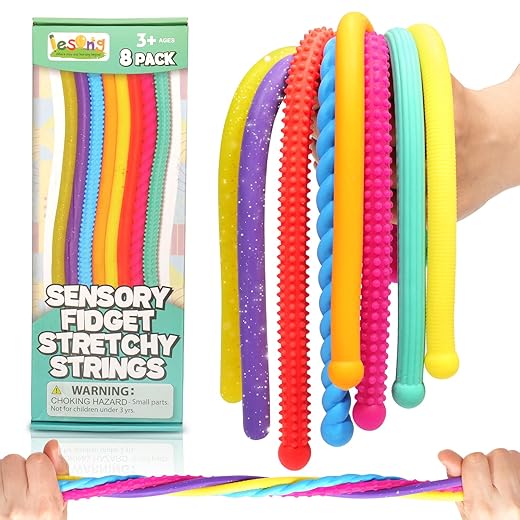
Over the years, children can develop notable strategies for dealing with their anxieties. Engaging in conversations about their feelings and experiences can make a significant difference. Products such as calming toys or stress relief gadgets available on sites like Amazon, like sensory fidget kits, can be effective. These tools provide a tangible way for children to manage their thoughts and emotions in safe environments.
Helping children feel secure in a world filled with potential fears, like vacuum cleaners or encountering strangers, involves consistent support. By addressing these fears in a patient manner, parents create a nurturing space, allowing their children to overcome obstacles and build resilience over time.
What distinguishes a phobia from a normal fear?
A fear becomes a distinct phobia when it leads to overwhelming anxiety and disrupts daily life. For example, while an infant may have a natural fear of the dark, a phobia involves an irrational response to it–making a child unable to enter a dark room altogether. This behavioral classification often affects environments like daycare or school, causing strong reactions such as tantrums.
Kids develop imaginative fears based on their surroundings or experiences. A child might express fear of large objects, like a vacuum cleaner, which can be quite common. However, if this fear escalates to a point where they cannot stay in the same room as the vacuum, it crosses into phobia territory. Reports suggest that these extreme fears may occur annually in a significant number of children attending programs like KidsVille or other daycare facilities.
The brain plays a vital role in processing these fears. A strong connectivity between certain areas can create heightened responses. In Southlake, parents might notice that after reading a frightening story, their kid’s imagination runs wild, making them fearful of everyday interactions–such as going to the store or a class. Providing reassurance and gradually exposing them to these fears can help them manage better.
It’s crucial to know the distinction to best help children. Initial fears are natural and often manageable, while phobias can require detailed strategies–such as professional help or gradual exposure therapies. Additionally, monitoring behaviors at home and in daycare settings can help parents identify when a simple fear evolves into a deeper issue.
To aid children in overcoming these challenges, consider therapy toys or relaxation tools available on sites like Amazon. Examples include fidget spinners or stuffed animals designed for emotional support, which can provide comfort during a stressful moment. Making small changes can significantly impact reducing anxiety surrounding objects or situations that elicit fear.
Common Types of Phobias in Children
It’s important to address common fears that may occur in young ones. Specific phobias can gradually take root, causing significant distress. A common type involves the fear of thunderstorms. Many children, regardless of age, may face this issue, particularly infants who might not fully understand the event. When a storm happens, some kids will react by becoming anxious and may cry or seek comfort. Behavioral strategies, like teaching them to practice meditation during storms, can help calm their minds.
Another prevalent form is the fear of flying. Many children worry about what happens during air travel, and sadly, this fear could worsen if not addressed. Parents should consider talking openly about flying experiences, reassuring them about safety measures. A pediatrician or psychologist can provide valuable options for easing these fears. Products like children’s books on flying, such as “The Berenstain Bears Go on a Plane,” can change their perspectives.
Fear of specific animals can also present challenges. For example, children may develop aversions to dogs or insects. Encouraging gradual exposure can help them see these creatures as harmless. Games like “I Won’t Be Scared” allow kids to face their fears in a controlled environment, which can be exciting rather than threatening.
It’s also helpful to note that these fears are closely related to developmental stages. They’re a normal part of growing up, and many children will outgrow them, often by middle school. However, if their fears won’t diminish, seeking help from a healthcare professional is advisable. Tools and resources abound online, including Amazon, where parents can find anxiety-reducing toys like stress balls or calming music CDs to aid relaxation.
How are phobias diagnosed by professionals?
Diagnosis of anxiety disorders begins with a clear assessment of the affected individual’s reactions to specific objects or situations. Professionals typically spend time understanding the person’s emotional responses, especially in crowded or stressful environments, which can reveal strong adverse reactions that may indicate a deeper issue.
A comprehensive evaluation often includes a structured interview. Practitioners ask about the history of feelings of panic or fear related to particular threats. This process may involve exploring the individual’s past experiences from birth to the present, highlighting how these reactions have evolved over time.
For teens, the reaction to stimuli can manifest differently than in females or adults. Experts pay close attention to the manner in which the individual reacts to nearby threats, assessing reflexes and responses in various situations. This nuanced evaluation helps differentiate between typical anxiety and something more significant.
Professionals might also use standardized assessment tools and questionnaires to gather more insights. Options provided in these tools help identify patterns and lasting fears, narrowing down specific disorders that may be at play. Following these assessments, a tailored plan can be developed to address the unique needs of the person, significantly improving their well-being.
For parents considering interventions, there are various resources available. Products like books on anxiety management or plush toys designed to comfort during anxious moments can be found on platforms like Amazon. These tools can serve as practical aids in helping children manage their fears more effectively.
Exploring the Causes of Phobias
Many parents notice that their children experience intense fear or nervousness about certain situations. They often wonder why this happens and how to help. Generally, these fears can be linked to both genetic and environmental factors. For instance, children with a family history of anxiety disorders are more likely to develop similar issues. A pediatrician who specializes in child psychology may help assess these needs effectively.
Unfortunately, specific events can also trigger these reactions. If a child has a negative experience, such as a fall or a loud noise, they might develop an intense fear of similar situations. Routines play a crucial role here; familiar schedules provide comfort. When these routines are disrupted, apprehension can build, making it challenging for them to feel secure.
Gentle exposure to the feared object or situation can create a more soothing experience over time. This technique, often called desensitization, helps reduce anxiety when done correctly. For example, if a child is afraid of dogs, allowing them to see a friendly pet from a distance can help them become more comfortable. Products like interactive plush toys or books about dogs are great tools available on Amazon to make this process fun and less intimidating.
It’s notable that some children don’t just outgrow these fears. They can develop into a broader anxiety disorder if not addressed early. Parents should remain proactive, talking to their child about feelings and reactions. A supportive environment that encourages expression can help alleviate fears while preventing them from escalating.
Genetic Factors: Are phobias hereditary?
Research indicates that phobias can have a hereditary component. A comprehensive study shows that if a parent has a specific fear, such as a fear of spiders or heights, children might be more likely to develop similar apprehensions. One in four children with a parent who has a fear may experience similar issues. Online resources suggest that grounding routines can help protect kids from excessive fears, especially when they are babies.
When kids encounter scary situations, such as noises or strangers, they may turn to avoidance as a way to cope. This is particularly common in very young children who tend to avoid what they can’t directly confront. It’s helpful for caregivers to create a plan that includes tips for reassuring kids, fostering open talk about their fears, and encouraging gradual exposure. Scary imaginations can be soothed by modeling healthy responses to apprehension.
Even those with a family history of fears can learn to confront them. Treatments often include therapeutic methods that encourage gradual exposure or cognitive behavioral strategies. Finding treatments that promote resilience is vital. Parents can also introduce imaginary scenarios in a safe environment to help their kids practice ways to manage their emotions. Engaging with children in this manner may decrease the likelihood of deep-rooted fears later on.
Don’t underestimate the power of positive distractions. Products available on platforms like Amazon, such as sensory toys or calming music compilations, can provide comfort during fearful moments. These items can support healthy coping mechanisms and transform fearful routines into positive experiences for young ones. Sharing these experiences can deepen bonds and encourage fortitude in facing deep-rooted anxieties.
Questions and answers:
What are the common symptoms of phobia in children?
Children with phobias often exhibit a range of symptoms, including intense fear or anxiety when faced with the object of their phobia. Physical responses can include sweating, trembling, nausea, or a racing heart. They might also avoid specific situations or places that trigger their fears, leading to significant distress or impairment in daily activities. In some cases, children may have tantrums or meltdowns when confronted with their phobia.
What are some common causes of phobias in kids?
Phobias in children can arise from various factors. One significant cause is a traumatic experience related to the feared object or situation. For instance, a child who had a negative encounter with a dog might develop a phobia of dogs. Genetics can also play a role; if a parent has anxiety or phobias, the child is more likely to experience similar issues. Additionally, environmental factors, such as parental anxiety or exposure to fearful situations, can contribute to the development of phobias.
How can parents help their children cope with phobias?
Parents can support their children in several ways when addressing phobias. It’s helpful to create a safe space for open conversations about fears, allowing kids to express their feelings without judgment. Gradual exposure to the feared object or situation, under controlled and supportive conditions, can help desensitize them over time. Seeking professional help from a therapist specializing in childhood anxiety can provide effective strategies and interventions tailored to the child’s needs.
At what age do phobias typically develop in children?
Phobias can develop at various ages, but they commonly appear during childhood, often between the ages of 5 and 10. This is a period when children’s imaginations are growing, and they may start to develop specific fears. However, it’s not unusual for some phobias to emerge during adolescence as well. Recognizing the timing of these fears can help parents understand their child’s emotional development.
Can phobias in childhood lead to problems in adulthood?
Yes, phobias that persist into adulthood can lead to significant challenges. If left unaddressed, childhood phobias may impact a person’s personal and professional life, affecting relationships and opportunities. Adults may avoid situations that trigger their phobia, leading to isolation or diminished quality of life. Treatment and support received during childhood can play a crucial role in reducing the likelihood of these phobias carrying into later life.
What are the common types of phobias that children may experience?
Children can experience various types of phobias, with some of the most common being fear of animals (such as dogs or spiders), fear of heights, fear of the dark, and fear of specific situations like going to the dentist or flying. Other phobias may include social anxiety, where children are afraid of interacting with peers, or fear of particular sounds. These phobias can range from mild to severe and may interfere with a child’s everyday activities.

Other Articles


Should Your Romantic Partner Also Be Your Best Friend?
6 Comments
Comments are closed.


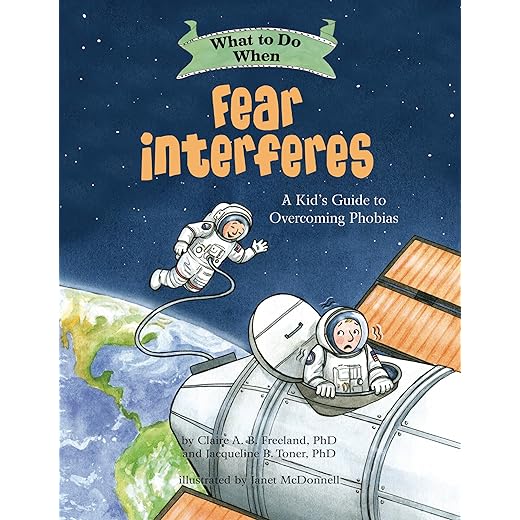
Excellent Resource. I am a Child and Adolescent psychologist working with clients inside my clinical practice and out at summer camps. What they come in for help, they need tangible things to do to manage their inner self talk and fears. This age group is used to being taught so workbooks fall right in line with their learning styles. I do not always use every page or chapter with each client but I have multiple sets of each series (they are ALL really really helpful) so we take 20 mins of each session to go through a chapter or two.What I like is that any parent, coach and patient adult can use these workbooks! Like I said, I have almost all of the “What to Do When…” series and have used them for years. This was just a new edition to my library. Highly recommend.
Great book for children and fear. My son was stress about different situations and this book was really good for him.
⭐⭐⭐⭐⭐ Review: Scientoy Fidget Toy Set – The Ultimate Sensory Experience. I recently purchased the Scientoy Fidget Toy Set, and I must say, it has exceeded all my expectations! This incredible set of 35 sensory toys is a game-changer for anyone looking to relieve stress and anxiety, whether you’re a child or an adult. Here’s why I believe this set deserves a full 5-star rating:Comprehensive and Diverse SelectionThe variety in this set is astounding. With 35 different fidget toys, there is something for everyone. From stretchy strings and squishy balls to intricate puzzles and motion timers, each piece offers a unique sensory experience. This diversity ensures that there’s always a new way to engage and calm the mind.High-Quality MaterialsOne of the first things I noticed was the superior quality of these toys. Each piece is made from durable, non-toxic materials, ensuring they can withstand extensive use without showing signs of wear and tear. This is especially important for kids who might be rougher with their toys.Perfect for Various NeedsWhether you have ADD, OCD, or autism, or you’re simply looking to alleviate stress and anxiety, these toys are incredibly effective. They provide excellent sensory stimulation that can help improve focus and concentration. The motion timer, in particular, is a favorite of mine – it’s mesmerizing to watch and incredibly soothing.Ideal for Educational SettingsThis set is perfect for classroom rewards or as a tool to help children manage their emotions and stay focused. The toys are engaging and fun, making them a great addition to any educational environment.Beautifully PackagedThe set comes in a lovely gift box, making it an excellent present for birthdays, holidays, or any special occasion. The presentation is top-notch, and it adds an extra touch of excitement when unwrapping the package.Outstanding ValueConsidering the number and quality of toys included, this set offers exceptional value for the price. It’s an affordable way to access a wide range of sensory tools that cater to different preferences and needs.ConclusionOverall, the Scientoy Fidget Toy Set is a fantastic investment for anyone seeking effective sensory toys. Its variety, quality, and thoughtful design make it a must-have for families, educators, and individuals looking to enhance their focus and reduce anxiety. I couldn’t be happier with this purchase, and I highly recommend it to anyone in need of a comprehensive sensory toy set. This product truly deserves its 5-star rating!
Photo copied inside. I was so disappointed as I expected colour illustrations inside. I returned mine as it was so much money for a photocopy. No way anyone is going to be engaged in black & white!
Figdets. I bought two of these for my speech therapy office. They have a good variety and keep my clients engaged during their sessions. Can really help to regulate and calm kids as well. I even find myself using them sometimes.
Awesome. Great toys! My 4 yr old grandson loves them! Great price!!