


Midlife often serves as a pivotal chapter where many individuals are invited to reflect on their past experiences and consider their future paths. This period, marked by a fresh perspective, allows for significant introspection that can lead to remarkable transformations. In a world that constantly promotes the hustle culture through platforms like Instagram, it’s essential to navigate the pressures without falling into feelings of resentment or regret. Acknowledging that life doesn’t unfold overnight is vital; instead, it’s about pursuing goals strategically and allowing ourselves the space to revisit our dreams.
As we delve deeper into the science of fulfillment, it becomes clear that achieving a higher sense of stability in life may require us to challenge long-held assumptions about success and happiness. Over the decades, many have turned to introspection, seeking to understand what truly brings joy and satisfaction. The journey of reinvention isn’t merely about abandoning the past but rather embracing it as a trusted source of knowledge that informs our next steps. This guide will highlight the importance of actively seeking experiences that resonate with our inner selves, ultimately allowing us to craft a personalized blueprint for this next chapter.
To embark on this journey, one must hold onto the belief that change is not only possible but necessary for growth. With several practical insights and relatable narratives, you will be equipped to pursue this transformative path. By the end of this exploration, you will be ready to embrace the fresh opportunities that midlife presents, discovering not just a new version of yourself but also a deeper understanding of what it means to live a fulfilling life.
Assessing Your Current Situation and Mindset

To begin the journey of self-reinvention in midlife, it’s essential to first assess your current situation and mindset. This step focuses on understanding where you stand in various areas of your life. Consider what has led you to this point, the experiences that have shaped you, and how much those experiences truly align with your interests and passions.
You may want to give yourself a timeline for this assessment. Reflect on what changes you are willing to adapt to in order to foster a healthier mindset. It’s easy to worry about the negative thoughts that may arise, but instead of getting stuck in those patterns, try to illuminate the light that comes from your achievements and aspirations. Celebrate the areas where you have seen growth and balance.
One effective approach is to write down your thoughts regarding your emotional wellbeing. Consider what changes you need to make in your daily routine to enhance your quality of life. Create a plan that includes opportunities for self-discovery. For example, if you’re interested in college courses, explore options that suit your evolving interests. This can lead to exciting transformations in both your personal and professional life.
It’s important to avoid sticking to the routines that are no longer serving you. Instead, foster a mindset that embraces change and new experiences. This could mean trying out new hobbies, engaging with others who share similar interests, or even taking on new challenges that push you outside your comfort zone.
Remember, the goal is to navigate this journey smoothly, allowing yourself to adapt and grow. The person you are becoming is not wrong; it is simply a version of you that is evolving to truly fit your aspirations. Each small step you take today can lead to larger transformations tomorrow, aligning your life with your true desires. Embrace the journey and look forward to what the future has to offer!
Identifying Your Core Values and Passions
When you’re in midlife and considering a reinvention, identifying your core values and passions is one of the most important milestones you can achieve. This process not only helps you assess what truly matters but also provides a supportive foundation for embracing change. Start by asking yourself some simple questions: What makes you feel fulfilled? What do you hold dear? These reflections can deeply influence your desired path and align your routines with what you genuinely want from life.
Consider creating a list of your core values. This might include things like family, health, creativity, or community. By doing this, you are intentionally stating what matters most to you. You can even assess how your current lifestyle aligns with these values. If there’s a stark contrast, that’s your cue to implement some fresh habits. For example, if creativity is a core value but your current job feels monotonous, it may be time to explore opportunities that nurture that passion. Engaging with like-minded friends or joining a mentoring group can provide the support you need to step outside your comfort zone.
It’s natural to feel scared when making significant changes, but embracing those feelings can lead to great rewards. Take a moment to reflect on past traumas or negative experiences–how can they inform your next steps? Marie Kondo’s approach to decluttering can serve as a metaphor here; just as you would rid your space of unnecessary items, consider eliminating the routines and notions that no longer serve your growth. For those looking to buy supportive materials, consider books or planners on Amazon that focus on personal development and finding passion. Options such as “The Artist’s Way” by Julia Cameron could be a great companion on your journey.
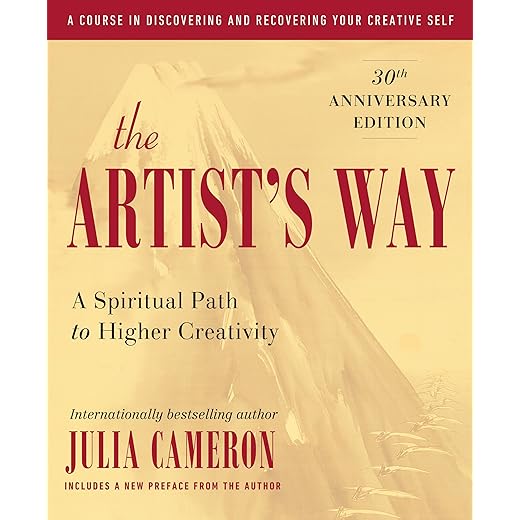
The Artist's Way: 30th Anniversary Edition
Self-introspection doesn’t have to be a lonely road. Engage with friends who inspire you and discuss your aspirations. Sometimes, just talking about your dreams with someone who cares can provide the motivation you need. Dares to pursue something new can turn scary experiences into rewarding adventures. Remember, you’re not alone in this. Almost everyone has faced issues with their core values at some point in their lives, but you have the power to redefine your narrative. Take the first steps and stay committed to the changes you desire–your journey to finding fulfillment is already happening!

Recognizing Limiting Beliefs and Their Impact
As you enter a new chapter of life, especially around your fortieth birthday, it’s essential to take a moment for introspection. Many individuals have already started reflecting on their beliefs and how these thoughts can significantly limit their potential. Acknowledging these limiting beliefs is the first step toward creating a fresh path where you can truly thrive. It’s not too late to bounce back and reassess the narratives you’ve been living by.
The truth is, many of us have been practicing certain routines that do not support our desired state of fulfillment. For example, a common belief is that it’s too late to make a major life change, which can prevent you from pursuing your dream career or personal aspirations. Remember, age is just a number, and you have the power to create the life you want, regardless of how long you’ve been on a particular path. Winning doesn’t mean that you have to adhere to the expectations that society has set; it means finding your own space to grow.
Understanding the impact of these beliefs matters greatly. When you vow to challenge the thoughts that hold you back, you open yourself to new possibilities. This means looking closely at what you think you know and asking yourself tough questions. What beliefs have you left unexamined that now affect your happiness and fulfillment? Monthly reflective practices can help you uncover what you truly want and deserve in life.

Start Where You Are: A Journal for Self-Exploration
For example, many men and women have turned to tools such as journals or guided prompts to facilitate their introspection. Products like the “The Five Minute Journal” or “Start Where You Are: A Journal for Self-Exploration” available on Amazon can guide you as you make this conscious effort to understand your inner dialogs. By maintaining a fresh perspective, you can begin to shift those thoughts into ones that build you up rather than tear you down.

Intelligent Change The Five Minute Journal - Original Daily Gratitude Journal 2025 for Happiness, Mindfulness & Reflection - Daily Affirmations - Undated...
Ultimately, recognizing and challenging limiting beliefs opens up a world where living your best life is not only a dream but a possible reality. The journey may take time, but with each small win, you’ll create a life that is aligned with your true self. Welcome this period of change and enjoy the path of self-discovery like never before.
Evaluating Your Current Skills and Interests
At midlife, it’s essential to revisit and evaluate your current skills and interests. This transitional phase can be challenging but also a meaningful opportunity to redefine who we are. Take a moment to understand what truly motivates you. Are you leaning towards a part-time job that allows for intimacy with your passions, or are you considering a full career overhaul? It’s crucial to concentrate on what makes you feel empowered and fulfilled.
Making improvements doesn’t have to be daunting. Start by listing your skills and interests. Break them into categories based on what you enjoy doing and what you’re good at. For instance, if you love makeup, there are excellent resources available, like makeup courses on platforms such as Udemy or even makeup kits on Amazon that can help you gain new techniques. By engaging in these activities, you not only pump up your self-confidence but also create a vision for your future.
Remember, moving forward often involves taking calculated risks. However, it’s perfectly okay to be patient with yourself and realize that not every step will be easy. Celebrate small milestones along the way to appreciate your progress. If you’re considering going back to college or learning a new skill, look for online programs that align with your interests. There’s a wealth of information available at your fingertips–just a search away on platforms like Instagram and other social media where you can connect with individuals who share your aspirations.
Define your boundaries based on your current lifestyle and make a plan. Whether it’s working half-time while embracing a hobby, or completely changing your path, the possibilities are endless. You’re meant to carve out a space for yourself that feels aligned with who you want to become at this stage in your life. Understanding and evaluating your skills and interests is the first step in a fulfilling reinvention journey.
Setting Clear Goals for Your Reinvention
In midlife, setting clear goals becomes an invaluable opportunity to reinvent ourselves. This process matters, as it allows us to pursue passions and embrace change confidently. Think about what fulfillment looks like for you. It could be starting a new career, taking up passion writing, or simply finding time for regular self-reflection. Whatever it may be, defining those goals is the first step towards making real progress.
When we finally decide to move towards something new, we need to be clear about what we want. Research shows that female professionals often face unique challenges during transitional periods. They may feel resentment about their past choices, especially if they are childless. By setting specific goals, we can overcome these feelings and claim our space in a world that serves our desires and ambitions. Tracking improvements will help us recognize successes and stay motivated.
While there are risks involved in making significant shifts, the potential for becoming happier and more fulfilled is very real. Financial goals, for instance, can enhance our stability as we pursue our dreams. It’s important to recognize what we want to enhance our lives. Each objective should be significant and actionable, allowing us to be confident in our journey of lifelong learning and development.
For those seeking inspiration, consider exploring tools available on platforms like Amazon. Items like planners or self-help books can assist in the goal-setting process. For example, you might find a planner designed specifically for tracking progress towards personal development goals. Remember, the journey of reinvention is ongoing, and enjoying the process is just as crucial as reaching the destination.
Defining Short-Term and Long-Term Aspirations
When we think about reinventing ourselves in midlife, it’s essential to clearly define our short-term and long-term aspirations. This distinction serves as a blueprint for personal growth and self-discovery. Short-term goals can often be less intimidating, allowing us to ease into change without feeling physically threatened. They might include things as simple as buying a new book on personal development or committing to a fitness routine for a few weeks. For instance, you might consider purchasing “Atomic Habits” by James Clear to fuel your ambition in improving your daily habits.

Amazon.com: Atomic Habits: An Easy & Proven Way to Build Good Habits & Break Bad Ones (Audible Audio Edition): James Clear, James Clear, Penguin Audio:...
On the other hand, long-term aspirations require deeper reflection and, sometimes, a shift in our notions about what is achievable. These goals are more aligned with our core values and can feel daunting. It’s here that the process may become challenging, as it may involve acknowledging certain losses or the occasional need for forgiveness, both for ourselves and for others. Understanding this dynamic can help anyone manage their expectations. Logically, if we take minutes each day to revisit our goals, we can keep our aspirations vivid and actionable.
Many people overlook the importance of boundaries when defining these aspirations. Boundaries allow us to protect our time and energy while pursuing self-improvement. For mothers, this is particularly critical; it takes courage to carve out time for oneself amidst family responsibilities. Yet, part of self-talk involves being forgiving of ourselves when we stumble or when things don’t go as planned.
In every field, there’s a common thread: success isn’t just about achieving the end goal; it’s about the journey, which can entirely change our lives. As we face short-term challenges, those victories can act as building blocks for the long-term vision we have for ourselves. Remember, it’s perfectly fine to make adjustments along the way–just don’t let the idea of failure become a veil that hides the potential for growth. In the end, the journey of self-discovery is one that takes time, effort, and a willingness to be flexible in the face of change.
Creating a Vision Board for Motivation
Creating a vision board is an exciting and fulfilling way to concentrate your goals and aspirations into a visual representation. This guide will help you design a board that reflects your personal vision, motivating you to take actionable steps toward your dreams. Whether you’re looking to enhance your fitness, switch careers, or embark on a new business venture, your vision board will serve as a constant reminder of what you want to achieve.

Begin by assessing your current state and identifying what you truly desire. What are your priorities? Are you contemplating heading back to college to change your major? Or perhaps you’re developing new fitness habits for a healthier lifestyle? List these goals and find images that symbolize them. You can easily source images and quotes from magazines or print them from online resources.
Your vision board should have columns for different areas of your life: finances, career, fitness, and personal growth. Each column represents something significant to you and influences your happiness. For instance, if you want to succeed in your fitness journey, include motivational quotes or pictures that inspire you to stay active. If entrepreneurship is on the horizon, find images representing your business ideas and future accomplishments.
Once you have gathered your materials, it’s time to turn your attention to assembling them on a board. Choose a central image or phrase that resonates with your journey, and arrange supporting images and words around it. This center piece acts as a focal point, guiding your concentration and motivating you daily. Remember, it doesn’t have to be perfect; it’s more about shaping a visual flow that reflects your dreams.
After completing your board, hang it in a spot where you can see it every day. This constant reminder will help you stay motivated and inspired to take steps towards your goals, whether that’s applying for a new class or prioritizing your finances wisely. Celebrate small successes along the way, as each step brings you closer to a life full of fulfillment.
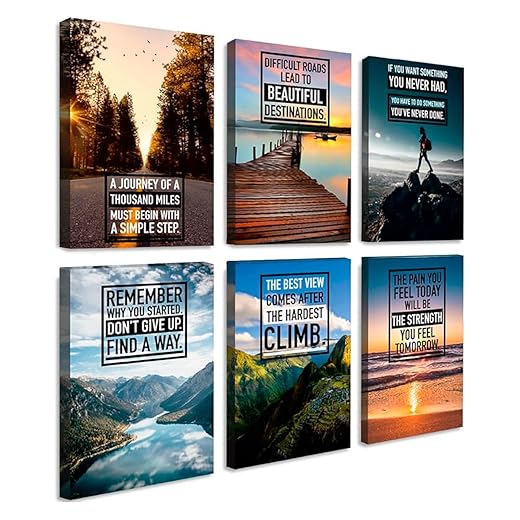
For those keen on enhancing their vision board experience, consider using products available on Amazon like motivational wall art or crafting supplies to personalize your project. By investing in items that resonate with your journey, you’re not just creating a board–you’re building an inspiring roadmap for your future. Remember, the journey of reinventing yourself doesn’t happen overnight; it’s a lifelong process filled with opportunities for growth and happiness.
Exploring New Opportunities and Paths
As you approach midlife, the idea of reinventing yourself can feel both exciting and daunting. Many people in your age group are stepping into the unknown, welcoming new opportunities that life presents. It’s essential to shift your view and embrace the changes around you. You may already have certain insecurities about pursuing something different, but remember that it’s never too late to embark on a new journey.
One of the smartest moves you can make is to take a moment for personal reflection. Think about what you genuinely love and what brings you joy. Whether it’s fitness, arts, or a new career path, identifying your passions can set the foundation for your new goals. Check out items on Amazon like fitness trackers or journals to help you stay focused on your journey. These tools can assist you in rating your progress and keeping emotional traumas at bay.
Don’t be afraid to start as a beginner. Each step you take is a celebration of your growth. Surround yourself with peers who also embrace change and are pursuing similar journeys. Together, you can share feedback, provide support, and navigate the occasional challenges that arise. Remember, change can feel scary, but it can also be incredibly rewarding.
With every year that passes, the world around you is evolving. Generations before us have faced similar transitions, and by taking cues from their experiences, you can turn your insecurities into strengths. Consider engaging in activities that enhance your skills, like online courses or workshops. The benefits of lifelong learning can span far beyond your midlife years.
Embrace the loss of what once was and focus on what lies ahead. If you’re contemplating a major change, such as switching careers or pursuing a passion project, know that it’s okay to feel both excitement and fear. The key is to maintain a consistent approach–step towards your goals, even if they feel distant. Whether you’re buying new books on self-improvement or investing in your health, each purchase is a step towards a richer life.
As you navigate this journey, celebrate each milestone. Whether it’s finishing a course, getting fit, or simply feeling more aligned with who you are, these moments contribute to a fulfilling life. Forgive yourself for past regrets or resentments; they don’t define your future. Remember, as you move towards forty and beyond, you have the power to shape your own narrative–live authentically and embrace the journey ahead!
Q&A:
What are some common challenges people face when trying to reinvent themselves in midlife?
Many individuals encounter obstacles such as fear of failure, uncertainty about their abilities, and resistance to change. Midlife can bring a range of emotions, including doubt and anxiety, particularly if a person feels stuck in their current situation. Additionally, balancing personal ambitions with family responsibilities can complicate the process. This period often requires a reevaluation of priorities, which can be daunting for many.
How can someone identify their passions and interests during midlife?
To pinpoint passions and interests, start by reflecting on what activities or subjects have historically brought joy and fulfillment. Journaling can be a helpful tool for self-discovery, allowing individuals to articulate their thoughts. Engaging in new hobbies, volunteering, or taking classes can expose one to different experiences and help in recognizing what truly resonates. Asking friends or family for their observations about your strengths can also provide valuable insights.
What practical steps should someone take to successfully change their career in midlife?
Transitioning careers at midlife involves several practical steps. First, assess your current skills and experiences to understand how they can be transferred to a new field. Conduct thorough research on industries of interest, and consider networking with professionals in those areas. Updating your resume and LinkedIn profile to highlight relevant experience is crucial, as is seeking out additional training or education if necessary. Setting achievable short-term goals can help maintain motivation throughout this transition.
How important is a support system when making significant life changes in midlife?
A support system plays a pivotal role during significant life changes. Friends, family, or mentors can provide encouragement, offer different perspectives, and help navigate challenges. Sharing goals with trusted individuals can increase accountability and motivation. Additionally, connecting with support groups or communities that share similar interests can foster a sense of belonging and bolster confidence as one pursues new ventures during this transformative phase of life.

Other Articles


15 Comments
Comments are closed.


essential reading for any creative person- easy to apply to ANY life perspective, spiritual or not. For years I have owned “Artist’s Way” but resisted reading it, even though several of my friends told me it was essential reading and kept sharing amazing insights from the book. Every time I started it, I got turned off by Julia Cameron’s writing style and I was a tiny bit wary about the spiritual aspect of the book. Also- morning pages being necessary… I couldn’t imagine how it would work for me.But as part of a book club I was asked to lead the reading and discussion of The Artist’s Way so I dove in.The first thing to know is that this book *is* essential reading. Despite my initial negative reaction to Cameron’s writing style (it seemed fussy), I quickly got used to her tone and way of approaching different subjects and ideas. There is some GREAT stuff in this book- things that all artists and writers and other “creatives” NEED to know and think about. I’ve been an artist now for more than half my life and there was some basic topics in this book that I never even considered before.The second thing is that while Cameron does put a bit of a spiritual spin on things, it’s absolutely NOT necessary to be in agreement with her spiritual philosophies to get a tremendous amount from this book. Take what you need, disregard the rest. For those who are spiritual and open to it, there’s a lot of great perspective in this book about how spirituality and creativity are tied together. For those who would rather keep their creative pursuits separate from spirituality, it’s very easy to “read around” the bits that do pertain to spirituality. Plus, the spiritual aspect of the book is VERY flexible- it’s not solely one path or creed. It’s easy to apply the spiritual philosophy to whatever your faith is (or isn’t).Third, and this may be horrifying to some, this book is STILL extremely useful and life-changing EVEN if you don’t do the morning pages. I’ve done the book with the morning pages and exercises and without doing the morning pages and exercises and I’ve had great success and insight both ways. So even though some may argue that the book/program is useless without the morning pages, I believe that if you can find an outlet similar *to* the morning pages in which you have the opportunity to clear the junk out of your brain and get to the creative stuff (mine wound up being collage, swimming, and gardening), Cameron’s advice still works.This is powerful, inspiring stuff. And I don’t say that lightly. No matter what your personal philosophy is, whether or not you can do the entire program (morning pages, exercises, and all) or just want a few pieces of “food for thought” to inspire your creative life, this book is essential.
I loved journals like this one. I ordered 2 of these journals for both of my nieces, ages 17 and 14. When I was growing up, I loved journals like this one. I think it’s important that teenagers explore their hopes and dreams and innermost thoughts, and it’s even better if they put it on paper. Now that I’m 30, I have so many journals like this one to look back on. I cringe at some of the comments I wrote in those things, but I also smile and become teary-eyed at others. It’s fascinating to look back at some of my dreams and to realize I’ve accomplished them and to marvel at the unique path my life has taken. I wanted to give both of my nieces a similar experience. I didn’t want to buy them something that they’ll use for a year or so and toss out when something new and more exciting comes along. I thought that this would make a perfect gift because it’s something that hopefully they keep for years and can reflect back on as adults. I’ve included a note in each journal that says something to that extent and lets them know how proud I am of both of them and that I love them.Now on to the book itself – first off, the artwork is gorgeous. Some of the drawings (they’re more like paintings) are absolutely frame-worthy. They appeal to both adult women and teens because they’re somewhat whimsical while still giving off a modern feel. The colors are so vivid and bright, they almost jump out at you. The quotes are all very thought-provoking. And the prompt questions really got me thinking myself… so often in life, we forget to explore ourselves, to ask ourselves important questions. We get caught in the rat race, in our everyday hectic schedules and we lose ourselves. Even though I bought this journal for my teenage nieces, it’s certainly something that I’d consider purchasing for myself as well. It really does appeal to women of all ages.It would also make a great meditation companion. As a writer, I find writing to be very meditative. It really assists me in my daily breathing exercises and meditation sessions. It helps me to clear my head, to focus on nothing but myself for a few minutes. I usually use a blank notebook, but this journal would be even more helpful.Buy this for all the women in your life who need a little bit of inspiration or encouragement, and then treat yourself to one as well!
Surprising depth, fresh insights, and appropriate for many stages of life. I was pleasantly surprised by this book. I thought it might be a bit trite or cheesy, but these prompts have surprising depth. The book eases you into asking tough questions, interspersing narrative-based reflection with mindfulness exercises and goal-oriented analysis. I highly recommend it.The watercolor drawings are really quite nice and many of the questions are derived from the content of the quotations. Some of the quotations are old standbys, others are fresher.This might be helpful – for books like these, I like to copy down the prompts in a separate sketchbook so I can write more and draw larger responses to the prompts. In addition, I can lend out the book to others this way.I bought this book after “How to Be Happy (Or at Least Less Sad)”. The two books complement each other well with very little redundancy between the two. Many of their themes are similar. I bought these books in a state of troubled mental health and I think they were very helpful for encouraging mindfulness and supplementing CBT.My only criticism is that I hope the author will publish a large print version of this book. There are people I know who would benefit from this book, but have visual or cognitive issues that mean they need larger print. The small text of this book is fine for my young eyes, but I think it’s important to be accessible.
Free yourself of endless to-do lists. It’s doing it for me. I heard about this planner from an open-to-new-ideas business consultant who helps big organizations. He had second-hand heard good things of this planner and suggested I check out the planner website.I was skeptical as it seemed too simple; but I was looking for something on the easy-to-have in hand or nearby, and not on my phone where I always get distracted.What you physically get is an elegant hardback journal-style book, with an attached cloth band and another page marker ribbon also attached. It fits easily in a small space on your desk or nightstand, or slips into a laptop bag without having to cram it.I only intended to look at the intro the first night I had it. But in an effortlesss 45 minutes the intro pulled me in, giving the how to and why -that’s all there is beside weekly and daily entries – and was prioritizing my first tomorrow.The secret sauce of the book is these introduction/how-to pages. They are a light, airy and an accessible guide that you can easily reference. While there are a few things to fill in, there are no questionnaires or worksheets. These pages quickly ground you on how to pick the right priority in clear managable first actions: in 25 minute bites at a time. Then it simply walks you up to and over a threshold; and you’re doing a few of those things you’ve avoided the next morning.Not sure this is for everyone, but if you’re one who puts too many things on a list and avoids the hard ones, give it a try. Within a few minutes you’ll winnow things down to the essentials. You can only write a handful of priorities to do each day. And in my case, that freed me to do what was truly rewarding.I am a believer. It was the best $25 I’ve spent in a long time. I’ve already sent it to a few others. Each time it was delivered faster than the shipping choice I picked. And Intelligent Change sent a full PDF of the how-to/intro in advance. It’s like they trust you with the full recipe in advance. These guys are committed to providing a quality experience.If I could make one suggestion to intelligent Change: offer the cover in a few different bright colors, so it stands out when looking for it. Other than that, you’ve crafted a superb planner.
This Planner is a Game Changer. While I am sure there are other planners out there similar to this one, and the methods employed throughout are not 100% unique to the Productivity Planner, I still give this planner two thumbs up. I have never been much of a “planner” person. I live and die by Google Calendar, but as far as actual planning goes – it was typically long and exhaustive lists in my Field Notes that had no rhyme or reason. The Productivity Planner has changed that. Here’s a basic rundown of what I like about the product:- Quality is great. The cover is very durable and feels great in the hand. The pages are strong and nice to write on. Typeface is very aesthetically pleasing. The bookmark ribbon and elastic book band are nice touches, as well.- I still get to brain dump at the beginning of the week with a list of tasks/goals. Those tasks then get prioritized on a daily basis as you plan your week out.- I like the integration of the Pomodoro Method. While I was aware of this method before getting the planner, I had never employed it and it helps. I am actually on my 15 minute break between pomodoros right now.- There is a lot of self-reflection and evaluation, which in theory will lead to better results. Every day, you rank your productivity 1-10 with a brief explanation. At the end of the week, you look back over the week and review what you’ve done. Very helpful.- There is a lot of explanation at the beginning of the planner, which I initially balked at because it’s like 20+ pages “wasted,” but as I read I realized this is actually a strength. Quality content, and kinda funny.- Motivating quotes on every day is a little added bonus.I can’t really think of anything bad to say about this planner. So far, it has made me a more productive person and helped me become more organized and mindful of my time. 10/10 would recommend.
A must buy. Love love love this journal. It is super affordable in my opinion. I love that it’s a guided journal so it asks a question or prompts you to do something – sometimes it’s more of a get out what’s in your head or heavy on your heart (which I found very helpful) or something that makes you think positively. The pages are in color and have cute graphics/images along with positive inspirational quotes on one side and a question or prompted activity with enough space to complete it. Most pages are quick to complete and for me can change my mind set in a positive direction by just pulling out the journal and completing a page when I am stuck in a rut. Highly highly recommend this journal!
Brought me a more positive outlook. Are you someone who does not have time to journal but wants to bring a more positive and grateful mindset everyday. Then this is for you. Try it!It really only takes 5 minutes. You can time it. It has two parts a morning section and night section. The morning has three entries and night has two entries to fill in. There are weekly challenges that show up on the pages that are fun but not too time consuming.For me I did it as the first thing in the morning BEFORE touching my phone. At night I was less strict and did it whenever it fit in my night schedule. My piece of advice is you can do it however you want as long as you do it everyday no matter if it’s a good day or a bad day.Personally it was a slow change, it was hard for me to come up with things to write but after two weeks I started to see my day differently. It was more positive and I felt more grateful for things. I noticed things in my day that should write down. Took time to enjoy them. There is a entry that says “what would make today great”. That for me was the hardest. I did not know what I could do that would make that day great. But it brought me more in tune with myself for that day and what I needed. Sometimes I wrote things down in that section and did not do them, other times I made sure to do all the things. It taught me a deeper more authentic version of self care. Doing things you need to do to feel better, more centered, happy etc. For example instead of “ go to the gym” it’s” if I move my body today” or instead of “ I will clean the kitchen today” it’s “ I will spend x amount of time cleaning my space today. It’s a small commitment to yourself for that day. It made me more kind to myself. Not an chore or something to dread doing. But a small commitment to better yourself. I know I read somewhere that’s you should be 1% better everyday and I believe this helps you do that.Good luck!In terms of quality it great. The cover, the pages the color. All great. Just like it’s pictured. However mine did start to fall apart after a couple months. I think this would make a great gift to yourself or someone else.As with most things if you don’t take it seriously ot can’t make the commitment it won’t help you.
A Creative Game-Changer. The Artist’s Way is more than just a book — it’s a 12-week journey to rediscovering your creativity. Whether you’re an artist, writer, musician, or simply someone who feels creatively blocked, Julia Cameron’s approach is both practical and inspiring.Her two core tools — morning pages and the artist date — sound simple but are incredibly effective. Morning pages helped me clear mental clutter and connect with myself, while artist dates rekindled a sense of play I hadn’t felt in years.What I appreciated most is that Cameron doesn’t make creativity feel exclusive. She reminds us that everyone is creative — it’s just a matter of nurturing that part of ourselves again.Some parts may feel a bit spiritual or repetitive, but if you commit to the process, the rewards are worth it. I finished the 12 weeks feeling more confident, energized, and open to new ideas. Highly recommend this to anyone feeling stuck or looking for a creative reset.
After trying all the main planners from various companies, this one is THE BEST ONE. I have used SO MANY different planners, by ALL the different popular companies over the last five years. This is the planner I settled with and is absolutely my FAVORITE!! I love the info at the beginning (do NOT make the mistake of thinking you already know the best way to use it and skip over these introductory pages!!!) I love the flexibility in the way you can use the planner to sometimes focus on getting the task just DONE-which is great for my procrastinater self, but is also designed to help you make daily progress on those elephant tasks where you can feel confident about your progress that day-even if you didn’t completely finish the massive project you are working on. It’s flexible for your different needs and mindsets. Some people complain about the money, but honestly it’s less expensive than many of the other planners/goal journals by other companies and yet more effective-so I find this planner absolutely worth it. The size is also great and not too big or bulky to carry it with you throughout the day to jot notes and spur of the moment ideas. The paper and binding is good quality though I do wish it came in a variety of colors, but that would just be icing on the cake. Overall it is my favorite design-especially the daily pages.
Functionality and Ease of Use in Journaling. I have only been journaling for a little over six months. The Five Minute Journal was purchased to help me get started with the journaling process. It has a very simple format to follow: Write 3 things you are grateful for. Write 3 things that would make the day great. Write a daily affirmation for yourself. Write 3 highlights for that day. Finish with what you learned from the day. This format helps focus your mind by getting you find things, regardless of how great or small they may be. The three things that might make the day even better act as markers that can help get you through the day. Will this journal change your life overnight? No. It will help you focus your outlook and expectations of life in more positive way. It is self reflective which can help identify and address things in your life that could use change.This Five Minutes Journal has helped make me more appreciative of life. My outlook is much better. The day goes a little smoother. It is easy to use. It does not give you a lot of writing space or require long drawn out passage. Using this tool is fun in the sense of its’ ease of use. Its’ functionality is what makes it a great tool for improving one’s mind set.I would recommend this journal and plan on purchasing another in the next five months.
A Thoughtful and Practical Framework for Lasting Personal Change. Atomic Habits: An Easy & Proven Way to Build Good Habits & Break Bad Ones offers a compelling synthesis of behavioral science, psychology, and practical strategy—presented in a remarkably accessible yet intellectually satisfying manner. James Clear distills complex ideas into a framework that is not only actionable but deeply reflective, making this work particularly resonant for readers who appreciate both clarity and substance.Drawing on research and real-world examples, Clear introduces the concept of marginal gains; the idea that small, consistent improvements can yield transformative results over time. His emphasis on identity-based habits invites a deeper philosophical consideration of how behavior shapes self-perception and vice versa, encouraging readers to align their actions with their values rather than short-term outcomes.For intellectuals seeking a well-structured approach to personal development, Atomic Habits offers more than productivity tips; it provides a lens through which to examine human behavior with rigor and compassion. It is a rare self-help book that respects the intelligence of its audience while offering genuinely useful guidance for meaningful change.
Practical advice that is easy to actually use. This book breaks things down in a way that makes habit building feel doable. The tips are simple, but they make sense, and you can start using them right away. It is not preachy or complicated, just clear ideas that help you make small changes that add up over time. A helpful read if you want something practical that sticks with you.
Upping my ‘Morning Pages’ practice. The media could not be loaded. Core concepts and toolsMorning Pages: A daily ritual of writing three pages of longhand, stream-of-consciousness text to clear the mind and unlock creative flow.Artist Dates: A weekly, solo excursion to a place that sparks your creativity and curiosity, designed to nurture your inner artist.Creative Blocks: The program helps identify and overcome obstacles such as limiting beliefs, fear, jealousy, and guilt that inhibit creative expression.Spiritual Connection: The book frames creativity as a spiritual practice, connecting it to a universal creative energy and personal growth.How it works12-Week Program: The book is structured as a 12-week course, with each week focusing on a different aspect of creative recovery.Exercises and Prompts: In addition to the core tools, it provides hundreds of exercises and prompts to guide readers through each chapter.Support System: It suggests forming a “Creative Cluster,” a support group of fellow artists to encourage and assist each other.Impact and receptionWidespread Influence: The book has been an international bestseller, inspiring millions of readers, including notable figures like Elizabeth Gilbert.Personal Transformation: Many readers report that the program has been life-changing, helping them to overcome creative blocks and find new passions.
Life-changing journaling tool. This journal has really helped me stay focused and positive. Taking just five minutes a day to write has made a noticeable difference in my mindset and daily routine. Easy to use and very well designed, I’m really happy with it. Good value for money.
Knowledge 📕. This book is inspiring and practical. It explains how small habits can lead to big changes in a simple, easy-to-understand way. The examples are relatable, and the advice is useful for everyday life. Highly recommend for anyone wanting self-improvement.