


Experts recommend limiting devices to less than two hours daily for recreational browsing. Specifically, keeping usage to about one hour can foster a healthy relationship with technology. Instead of continuous engagement with screens, consider scheduling outdoor activities to enhance well-being. This approach helps avoid boredom and promotes a more active lifestyle.
When it comes to younger users, specialists emphasize the importance of monitoring the specific amounts of time spent on phones and tablets. They suggest involving parents in the routine, ensuring that children stay focused on effective learning programs for shorter periods. By limiting sessions to 30 minutes or so, it becomes easier for kids to concentrate and retain information.


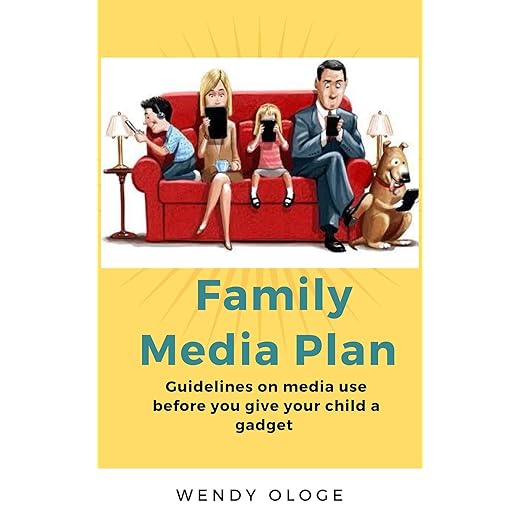

Another strategy is to replace mindless scrolling with intentional engagement in hobbies. Leaving screens behind and opting for activities that involve creativity or physical movement can build resilience against digital fatigue. Whether it’s reading, sports, or art, these alternatives cultivate a healthy mindset and balance within daily routines.
Understanding Screen Time Recommendations

For children aged 2 to 5 years, the recommendation is to limit exposure to screens to no more than one hour per day of high-quality programming. This ensures that their development remains a blend of creativity and engagement rather than passive consumption. Content should encourage active participation rather than just watching. Examples of recommended products include educational apps like ABCmouse and interactive toys available on Amazon.
For teens aged 14-18, it’s crucial to recognize that this age group often struggles with balancing their mood and emotions. Spending too long on devices can negatively impact their mental condition. Setting a timer can help manage sessions effectively. Encouraging breaks, such as stepping outside for fresh air or engaging in physical activity, usually facilitates a healthier relationship with technology. Products like the Focus@Will app can help teens engage with their tasks more efficiently.
For adults, finding a balance is just as important. Experts usually recommend following the 20-20-20 rule: every 20 minutes spent on a device, take a 20-second break and look at something 20 feet away. This strategy allows for better focus and reduces the risk of digital eye strain. Products like blue light blocking glasses can also assist in this endeavor, and they are widely available on Amazon.
From a developmental perspective, understanding the emotional impact of digital interaction is vital. Children’s social skills can change based on how much they engage in face-to-face communication versus online interactions. Therefore, involvement in real-life activities is essential. Encourage hobbies that focus on creativity, such as painting or building models, to balance out any screen-related activities.
| Age Group | Recommended Time | Example Products |
|---|---|---|
| 2–5 years | 1 hour of quality content | ABCmouse, interactive toys |
| 14–18 years | Varies, incorporate breaks | Focus@Will app |
| Adults | Limit as needed, follow 20-20-20 rule | Blue light blocking glasses |
In this reality of constant digital access, it’s important to set clear rules. By doing so, you foster a healthier viewing experience that encourages active learning and emotional well-being while reducing the likelihood of detrimental effects associated with excessive device use.
Recommended Daily Limits by Age Group

For children aged 2 to 5, it’s best to limit recreational screen exposure to about one hour each day. Regular engagement in outdoor activities is essential to keep them active and promote healthy development. Instead of allowing continuous use of phones or tablets, consider setting an alarm for this hour, encouraging exploration of other interests, like art or games that don’t involve screens.
Kids aged 6 to 12 may benefit from a limit of up to two hours daily. It’s crucial to line up screen activities with educational content, such as learning apps or documentaries, to improve their knowledge. Regular breaks, during which they can focus on meditation or outdoor play, help avoid boredom and keep them engaged in more meaningful activities.
For teenagers, the situation becomes a bit more nuanced. While social media platforms like Instagram are popular, it’s recommended to balance that by setting guidelines to limit total engagement to no more than two to three hours daily. Encourage them to seek outdoor adventures or hobbies that develop skills and build friendships. Engaging in face-to-face interactions is very important as it nurtures their social skills.
Lastly, adults should aim to avoid excessive use, often recommended to keep it under three hours daily. If work requires you to use devices often, schedule breaks and time dedicated to physical activity or hobbies. This approach helps concentrate better during work while also allowing space for relaxation and creativity. Always seek to engage in activities that benefit your well-being, such as meditation or hands-on projects, instead of remaining inactive after work.
The Impact of Screen Time on Health
It’s recommended to limit exposure to screens for children and teens to no more than two hours each day. For adults, intentional breaks are essential to minimize the impact of prolonged activity. A recent report highlights that excessive engagement can lead to various health disorders, including anxiety, depression, and obesity due to increased sitting and staring at devices.
The majority of individuals spend their weeks in front of screens. Studies show that a typical person could easily end up spending over 40 hours online each month. This extended duration often fills time that could otherwise be used for physical activities or face-to-face interactions, raising concerns among health experts.
Techniques like the 20-20-20 rule are valuable. Following this method, every 20 minutes of staring at a display, one should take a 20-second break to look at something 20 feet away. This practice helps to offset eye strain that can result from significant screen exposure. Experts say being intentional with screen use can help maintain a healthy balance.
Many families enjoy watching television together, yet it’s crucial to choose shows that encourage positive themes or educational content. Replacing mindless viewing with activities that spark curiosity or wonder can promote better well-being. Devices like blue light-blocking glasses can also aid in reducing the strain on your eyes, making evening use more comfortable.
In this constantly connected world, being aware of the potential detrimental effects is vital. Keeping track of usage and making adjustments can lead to a healthier lifestyle. Encourage regular outdoor activities to fill downtime and enhance overall health, ensuring a balance between online engagement and real-world interactions.
Differences Between Types of Screen Time
Focusing on educational engagement can have a significantly higher positive effect on health than recreational usage. For instance, when children are working on homework with resources from platforms like Google, they usually benefit more than during idle browsing. Being involved in educational content can enrich their learning experience, reducing the risk of diseases related to a sedentary lifestyle.
Rest is vital, and taking a break from screens each evening is strongly suggested. Screen-free activities, such as family board games or outdoor walks, can alleviate the strain on shoulders from prolonged usage. Additionally, they foster social connections and mental well-being, which are crucial for emotional health.
While technology makers are creating more educational offerings, it’s essential to be selective. For example, products like the Fire HD 10 Tablet can provide not just entertainment, but also access to learning apps. However, balance matters. Incorporating comprehensive development activities beyond digital exposure can lead to a healthier lifestyle.
Every family needs to evaluate their routines. Setting limits on recreational screen exposure while encouraging educational engagement can create a more harmonious home environment. Keep in mind that interactive learning tools have the potential to engage young minds, perhaps even more than passive entertainment options.
Expert Opinions and Guidelines
Families are encouraged to establish a balanced routine when it comes to screen activities. According to professionals, limiting recreational viewing to about two hours per day can lead to improved mental well-being. This means ensuring that movie nights or gaming sessions don’t interfere with other responsibilities, such as homework or family time.
There’s an understanding among experts that promoting educational content can be beneficial. Devices that track usage, like parental control apps, support families in keeping tabs on how long children engage with various media. For instance, using tools such as the Amazon Fire Kids Edition tablet can provide access to a wealth of educational resources in a controlled environment.
To reduce extreme usage, families might consider dedicating certain hours solely for offline activities. Consistent breaks during extended viewing can also help prevent retinal strain and keep everyone refreshed. In this context, timers or reminders can be effective. The use of apps designed to promote healthy habits, such as Screen Time Family Manager, can help everyone stay accountable.
Experts agree that supporting dialogue about digital consumption is essential. Engaging kids in conversations about what they watch or play can lead to improved understanding and choices. Access to platforms that facilitate educational viewing, such as Amazon Prime Video’s kid section, ensures families have options that align with their values.
In summary, families can take practical steps by tracking varied content and maintaining control over viewing habits. This strategy not only promotes balance but can also lead to lasting positive impacts on behavior and health.
Strategies for Parents and Caregivers
Establish clear purpose for device usage. Instead of allowing unrestricted access, set boundaries that prioritize meaningful interactions over passive consumption. This approach helps children develop healthier relationships with technology.
- Discuss specific reasons for using devices, such as educational tasks or staying connected with family.
- Encourage users to set goals for each session, reducing aimless scrolling and fostering productivity.
Further, create daily routines that include ample screen-free activities. This helps reduce anxiety linked to excessive exposure to screens. Designate specific times for outdoor play, reading, or crafts. Ensuring a balanced schedule can lead to improved well-being.
- For example, set aside an hour after school for sports or hobbies.
- Involve children in meal preparations to boost interaction and skill-building.
Consider using filters and tools to limit unnecessary browsing. There are several apps recommended for this purpose, such as Qustodio or Net Nanny, which provide reports on usage patterns and help manage risk.
Stay informed by regularly checking in with children about their experiences. Open conversations can help you understand any difficulties they’re facing. For children diagnosed with anxiety, it’s crucial to monitor their interactions closely and provide support.
Encourage them to share their thoughts on peer interactions and media content. This dialogue ensures they stay engaged and helps you identify any negative influences.
Promote screen-free zones. Creating spaces like bedrooms or dinner tables as off-limits for devices can foster deeper connections and reduce the risk of overexposure.
- Use products like the “Homelife Smart Plug” to control device usage in certain areas.
- Introduce family games or activities that require participation instead of observation.
By implementing these strategies, caregivers can help their children thrive in a digital world while ensuring they maintain a healthy balance between online and offline life.
Creating a Family Media Plan
Establishing a family media plan is essential for balancing technology use within your household. Start by identifying specific activities and their recommended durations. For instance, designating an hour for educational content like documentaries or e-learning courses during lunch can foster learning and problem-solving skills. This structured approach helps children concentrate on useful tasks while enjoying screen engagement.
Consider setting a daily limit on various activities, such as allowing two hours for entertainment and one hour for educational purposes. Regularly monitor these levels to ensure healthy habits. The number of hours spent can vary, but promoting interactive content encourages deeper connections with family and friends. Platform like Amazon offers products such as educational apps or games that can support your family’s learning goals.
In busy households, maintaining relationships during tech use is critical. Have discussions about what family members are watching or playing, fostering an engaged atmosphere rather than boredom. For example, using family group chats to share thoughts on a favorite show can build bonds, turning passive viewing into a collaborative experience. It creates a supportive environment where each member feels involved and valued.
It’s important to identify times when tech use goes off the rails, such as during meals or family gatherings. Replace those moments with device-free activities that strengthen interactions. Board games or outdoor play can help everyone stay connected while allowing space for creativity, while also offering a break from screens. This balanced approach nurtures a positive relationship with technology, making it a tool for both education and fun.
Remember, the goal isn’t to eliminate screen exposure but to create a healthy balance that meets today’s challenges. Utilizing resources like Amazon for educational products, from learning tablets to interactive books, can be vital in achieving this balance. Following these guidelines helps build a solid foundation for technology use in your family.
Monitoring and Setting Boundaries
Set clear limits on interaction with devices for younger family members. Create a daily schedule that includes specific times for recreational activities and technology use. For instance, agree on two hours after homework for playing games or chatting with friends. This structure helps maintain a balanced lifestyle and prevents longer, unmonitored sessions that can negatively impact mood and concentration.
Experts recommend limiting screen engagement, particularly for children under 12, as excessive use can lead to poorer physical health. Encourage alternative activities that promote movement, such as outdoor sports or creative hobbies. If they know that devices will be off after a certain time, it can motivate them to finish tasks sooner. Consider products like fitness trackers to monitor activity levels and encourage staying physically active.
Technology makers provide various options to help monitor usage. Applications that track hours spent can cause awareness and encourage cutting back. For example, parental control apps like Qustodio allow you to set exact limits on device access. Before introducing any new device, ask them about their preferences and agree on acceptable boundaries. This creates a sense of responsibility and ownership.
Maintaining a healthy distance from screens is essential. It includes designating tech-free zones at home where the whole family can engage in board games or reading instead. This helps reinforce the message that while technology is an important part of life, it shouldn’t dominate it altogether. Regular check-ins about their feelings regarding usage help them articulate their needs and make adjustments as necessary.
Remember, balance is key. Establishing a routine not only helps manage digital engagement but also creates a healthier environment where everyone thrives, both physically and mentally. Products like screen-time timers can be beneficial in visually displaying the time left for device use, motivating them to engage in other activities before time is up.
Questions and answers:
What are some recommended screen time limits for children of different ages?
Experts suggest that children aged 2 to 5 should have no more than one hour of high-quality programming daily. For children aged 6 and older, the American Academy of Pediatrics recommends setting consistent limits to ensure that screen time does not interfere with sleep, physical activity, and other healthy behaviors. It’s crucial to tailor the limits based on the child’s individual needs and family circumstances, promoting a balance between screen time and other activities.
How can parents effectively manage their children’s screen time?
Parents can manage screen time by establishing clear rules about when and where screens can be used. Creating a media plan that includes guidelines for the types of content children can access, as well as designated screen-free times (like during meals or before bed), can help. Additionally, engaging in co-viewing with children allows parents to discuss videos and games, making the experience more educational and social while setting a good example by regulating their own screen time.
What are the potential negative effects of excessive screen time on children?
Excessive screen time can lead to a variety of issues in children, including difficulties with attention, sleep disturbances, and reduced physical activity. There’s also potential for the development of problems with social skills, lower academic performance, and even behavioral issues due to overstimulation or exposure to inappropriate content. Addressing screen time management early can help mitigate these risks and promote healthier habits in children’s development.
Are there any guidelines for screen time for adults or seniors?
While specific guidelines for adults or seniors are less definitive, moderation is key. Adults should be mindful of their screen use, especially considering the potential for eye strain, sedentary lifestyle, and social isolation. Setting daily limits, taking regular breaks, and ensuring engagement in offline activities can promote better health outcomes. Seniors, in particular, can benefit from balanced screen time that encourages social connection, such as video chatting with family or participating in online classes.
What are some tips for creating a balanced digital life for the whole family?
To create a balanced digital life, families can designate tech-free zones or times, such as during family dinners or before bedtime. Incorporating physical activities together, such as outdoor games or sports, helps to break the cycle of screen use and encourages healthier habits. Keeping a family calendar that includes screen and non-screen activities promotes awareness of screen time and ensures a variety of engaging experiences for each member, allowing for meaningful interactions beyond the digital world.
What are the recommended daily limits for screen time across different age groups?
The American Academy of Pediatrics suggests various screen time limits depending on age. For children aged 2 to 5, it’s recommended to limit screen time to one hour per day of high-quality programming. For children aged 6 years and older, it’s important for parents to establish consistent limits that ensure screen time doesn’t interfere with sleep, physical activity, and other healthy behaviors. Teenagers can use screens more for educational and social purposes, but parents should still guide their usage to maintain a balanced lifestyle.


