


Navigating the challenges of parenting can be complex, especially when it comes to setting boundaries. Understanding five gentle approaches to disciplining young children is key to fostering a positive and respectful relationship with your child while guiding their behavior. These strategies are designed not to punish, but to teach valuable life skills, promote emotional regulation, and build a strong foundation for self-discipline. From positive reinforcement to natural consequences, this guide will provide you with practical, effective methods that respect your child’s development and maintain a loving connection. Discover how you can encourage good behavior through calm and consistent communication.


To foster a compliant and respectful environment, it is crucial to adopt approaches that prioritize healthy parent-child relationships. Consider using techniques that direct children’s responses toward positive behavior rather than relying on punitive measures. This method protects their emotional development and increases their willingness to cooperate.

Your thoughts on discipline should focus on meaningful interactions. For instance, during moments when a child may be misbehaving or testing boundaries, it’s important to keep the goal of learning in mind. Instead of reacting with anger, seek ways to understand their temperament and emotions. This type of understanding can work wonders in managing situations effectively.
Being aware of your own responses is also vital. When faced with challenging behavior, a reasonable and thoughtful approach not only sets a positive example but also reinforces the child’s self-regulation skills. Activities that encourage cooperation and understanding can form the basis for a strong and respectful connection between you and your child. This is particularly crucial as they develop in Calgary’s diverse environment.
Ultimately, it is essential to maintain a balance between expectations and support. By creating an atmosphere where healthy communication is prioritized, you not only protect your child but also contribute to their overall growth and learning experiences. Remember that the seeds of cooperation sown in early years will flourish into lifelong skills later on.
Understanding Gentle Discipline Approaches

First and foremost, it’s vital to establish clear and compassionate goals when guiding behaviors during childhood. Here’s a solution that focuses on improving the relationship with your toddler: use actions that promote understanding rather than control. Consult resources from Canadian parenting experts to find insight into building this connection.
For instance, here’s five effective strategies that can help you influence your child’s behavior positively. Start with the power of encouragement. When kids feel supported, they are more likely to carry out good actions and avoid negative ones. For example, praise your child when they share their toys, and you’ll likely see this behavior increase. The goal is to associate positive feelings with good actions.
Another approach is to create a consistent routine that provides stability. Children, particularly toddlers, thrive on predictability. By establishing daily schedules for meals, play, and bedtime, you can minimize frustration and the potential for rage stemming from chaos. Although it might seem tedious at first, the long-term benefits are crucial for their development.
It’s also important to remain open-minded to potential misinterpretations of your child’s actions. Often, what seems like defiance may simply be their way of exploring boundaries. Instead of reacting in anger, take a moment to listen to their needs. This practice fosters a nurturing environment where kids can learn and express themselves freely.
Lastly, keep in mind that every child is unique. Use tools like children’s books or educational toys available on platforms like Amazon to engage them in learning. These resources can support healthy behaviors in playful ways, strengthening your efforts. Understanding these approaches can lead to a happier parenting journey, where love and respect are the foundation of your interactions.
What is Gentle Discipline?
Imagine a situation where your toddler is throwing blocks across the room. Instead of reacting with frustration, consider staying calm and taking a moment to redirect their energy. This approach is possible without resorting to harsh measures. It’s important to remember that supervision and staying present can help guide children in a respectful way.
Literature on parenting often discusses alternatives to traditional methods. You can share certain guidelines that emphasize discovery and play, allowing children to learn through experience. For instance, when children are engaged in constructive play, they are less likely to get into “worse” situations. Please remember that having clear expectations, coupled with gentle guidance, is key.
Five effective strategies can be employed to navigate challenging behaviors. For example, when a toddler is acting out, take them away-from-the-moment and redirect their attention to a different activity. This technique not only helps them calm down but also fosters respect for boundaries. It helps children understand their feelings while exploring safe alternatives to express themselves.
Canadian parents often seek resources that align with these principles. Products like “The Whole-Brain Child” by Daniel J. Siegel or interactive toys from Amazon, such as “Melissa & Doug Wooden Building Blocks,” can facilitate engaging play experiences. These tools not only support development but also provide opportunities for positive interactions and conflict resolution.
Finally, please remember that gentle approaches do not mean ignoring negative behaviors. Instead, they invite a compassionate understanding of the child’s needs. It’s crucial to maintain consistency in your responses while allowing space for growth and learning. This method ultimately helps to build a stronger, more trusting bond with your child.
Why Choose Gentle Methods?
Understanding the importance of the right approach is crucial, especially when handling the emotional ups and downs of a toddler. Instead of resorting to hard methods like slapping, consider strategies that target emotional regulation and skill development. These tactics can lead to a significant difference in behavior and emotional health over time.
For families in Scotia facing daily challenges, incorporating five age-appropriate techniques can make a world of difference. Physicians and child development experts emphasize the need for safe, supportive environments that foster independence and self-control. Engaging in activities that promote this can turn potential chaos into constructive interactions.
One effective technique is “time-in,” where you spend focused time with your child to help them gain emotional skills rather than isolating them. This method not only promotes bonding but also teaches them to recognize and argue their feelings without feeling judged. Rather than feeling worse after an incident, they’ll learn to handle issues themselves.
When it comes to products that support this peaceful approach, consider items like emotional literacy books or calming toys available on platforms like Amazon.com. They can elevate your child’s ability to navigate feelings and express themselves appropriately. By investing in the right resources, you are not just navigating the present; you’re also preparing them for future challenges.
Ultimately, employing these methods not only makes managing toddler behavior easier but also nurtures their emotional well-being, ensuring they grow into resilient individuals. The time and energy spent on these effective techniques will pay off as they strengthen the parent-child bond and encourage thriving development.
The Role of Emotional Intelligence in Discipline
Understanding emotional intelligence is crucial when addressing challenging behaviors. When a child experiences a tantrum, it often reflects deeper feelings and needs. The first step is to recognize these emotions rather than react impulsively. By deciphering the situation, parents can effectively support their child’s emotional growth.
For example, when a child throws a tantrum because they want a toy, it might not just be about the toy. The child might be feeling frustrated or overwhelmed. A mature approach is to validate their feelings and engage in problem-solving together. This method keeps the child’s well-being at the forefront and nurtures their ability to manage emotions constructively.
In professional settings, emotional intelligence training emphasizes the importance of judgment and understanding in interactions. In Burlington, many workshops focus on teaching parents how to respond to their child’s current feelings while reinforcing the need for healthy communication. By setting this supportive environment, parents can foster a whole-brain approach, balancing emotional and cognitive development.
To support emotional learning, consider tools like the book “The Whole-Brain Child” available on Amazon. It provides actionable strategies for parents to help their children manage their feelings. Remember, dealing with difficult situations requires patience and practice, but it ultimately makes a significant difference in their lives. Teaching children how to react appropriately to their emotions is a lifelong gift.
Equipping your home with resources such as emotional intelligence cards or interactive games can also be beneficial. These tools can guide children in recognizing and expressing their feelings, paving the way for healthier relationships in the future.
Positive Reinforcement Techniques

Focus on consistently acknowledging positive behaviors rather than unwanted actions. When a child behaves well, it’s essential to carry this recognition into practice. Studies show that when you verbally express appreciation, kids are more likely to repeat those actions. For instance, if your child helps clean up, say, “I remember how you put your toys away, and that made me really happy!” This builds confidence and promotes a positive emotional environment.
Offering tangible rewards can also enhance the desired behavior. Consider using a sticker chart to create a visual representation of their achievements. Every time they accomplish a goal, such as sharing or being patient, they receive a sticker. Once they collect a certain number of stickers, reward them with a small prize, like a chair for their reading nook or a fun activity. This encourages them to expect more positive outcomes from their actions.
Different cultural backgrounds suggest varied methods, but the core principle remains: positive reinforcement builds understanding and engagement. Remember that the level of encouragement should match the behavior. For minor tasks, a verbal praise or a high-five would suffice. For more significant achievements, consider combining this with a small gift or privilege.
Staying patient during this process can feel like a battle against old habits. However, by consistently applying these strategies, parents can guide their children through this formative phase. Imagine creating a family time where everyone praises each other’s efforts–what a positive atmosphere that would foster!
- Sticker Charts – Great for visual learners and motivation.
- Reward Coupons – Fun way to offer privileges and treats.
- Kids Activity Chair – Encourages personal space for focused activities.
Keep in mind, the goal is to promote positive emotions and strengthen your relationship with your child, making the journey together enjoyable and effective.
How to Use Praise as a Tool?
Utilize specific compliments to reinforce positive behavior. Instead of generic praise like “Good job,” opt for “I love how you shared your toy with your friend.” This approach helps children understand exactly what actions are commendable. To implement this, caregivers should observe closely what actions truly deserve recognition, leading to a more targeted form of encouragement.
It’s important to be consistent with praise. If a child receives praise for specific behaviors one day but not the next, they may become confused. Consistency helps them understand what behaviors to repeat. For example, in Burlington, Ontario, educators often emphasize the importance of recognizing the cultural backgrounds of children. Some cultures may define emotional expressions differently, and understanding these nuances can enhance the effectiveness of praise.
Be mindful of not inadvertently using praise to compare children to one another, as this can lead to harsh feelings. Focus on each child’s unique temperament and progress. Offering individual insights into their achievements fosters a supportive environment. In fact, caregivers can consult with other caregivers or educators to share techniques that have worked well in recognizing children’s efforts effectively.
Lastly, try to create opportunities for praise during routine activities. Engaging together in daily tasks offers chances for encouragement. The emotional connection that develops during these moments helps reinforce positive behavior over time, ensuring that children feel appreciated for their actions.
Questions and answers:
What are some gentle methods to discipline young kids without using punishments?
There are several gentle methods to discipline young kids without resorting to punishments. One approach is to set clear and consistent boundaries. Children thrive when they know what is expected from them. Another method involves using positive reinforcement to encourage desired behaviors by praising or rewarding them. Time-ins, rather than time-outs, can also be effective; this allows children to calm down and reflect on their behavior with the caregiver present. Additionally, natural consequences can help children understand the impact of their actions without feeling punished. Lastly, open communication and discussing feelings helps children express themselves and understand the reasons behind their actions.
How can I implement positive reinforcement for my child?
Implementing positive reinforcement involves recognizing and rewarding good behaviors rather than focusing solely on misbehavior. You can start by observing your child and noting the behaviors you want to encourage, such as helping with chores or sharing toys. When you catch them behaving well, praise them enthusiastically or offer small rewards, like stickers or extra playtime. Consistency is key; the more regularly you acknowledge positive actions, the more likely they are to repeat those behaviors. Additionally, be specific in your praise, letting them know exactly what they did well, which helps reinforce those actions.
What role does communication play in disciplining young kids?
Communication plays a significant role in disciplining young children. Open dialogue allows kids to express their feelings and understand the reasons behind certain rules and expectations. Instead of simply telling them what to do or not to do, involving them in conversations about their behavior can help them grasp the impact of their actions. For instance, you can ask questions about how they felt during a particular situation and guide them to find solutions together. This not only builds their emotional intelligence but also strengthens the bond between parent and child, making discipline a collaborative effort.
What are time-ins, and how do they differ from time-outs?
Time-ins are a gentle alternative to traditional time-outs. Instead of isolating a child for misbehavior, a time-in involves sitting down with them to discuss what happened and why their behavior might need to change. This approach helps children process their emotions and understand the situation more clearly. During a time-in, a parent can offer comfort and guidance, creating a safe space for the child to reflect. Unlike time-outs, which can sometimes feel punitive, time-ins focus on emotional connection and understanding, fostering a more positive learning experience for the child.
Why is it important to set boundaries for young children?
Setting boundaries is important for young children because it provides them with a sense of security and stability. Clear boundaries help children understand what behaviors are acceptable and what might lead to consequences. This understanding is crucial for their development, as it teaches them self-control and allows them to navigate social situations more effectively. Boundaries also give children the skills to make choices within a structured environment, promoting their ability to develop independence while knowing there are limits. Without boundaries, children may feel lost or confused about expectations, which can lead to anxiety or challenging behavior.

Other Articles


12 Comments
Comments are closed.


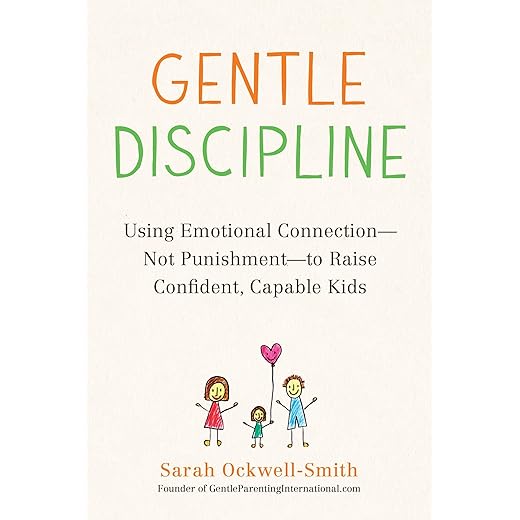
Gentle Discipline is a Crucial Book that Parents and Schools Need. Sarah Ockwell-Smith’s book is excellent as it provides not only information concerning why it is necessary to be gentle in disciplining children but demonstrates practical techniques to accomplish this task. She cited Banduras studies on role modelling that is the most important task as a parent and is not easy for those who were not parented well or maltreated as children. This is especially important in discussing the dangers of using corporal punishment. She has a chapter about school discipline which is timely as it is still legal in 19 US states to use corporal punishment, usually paddling on school children, with disastrous results overrepresented in punishing disabled, autistic or minority children. Congress over the last few years has rejected several bills to make this illegal and is currently rejecting a similar bill. I can vouch for the authors skill in advocating for gentle discipline without physical punishment. I have 32 years in this field of child protection and have written articles and a book on the subject. Her book richly deserves 5 stars.
Needed to read and learn of a different approach. Growing up in my generation it was always seen that disciplining had to be a means of punishment or reward. Never anyone batting an eye and thinking much of it. I truly have appreciated the insight this book has brought to me and my family, and I look forward to raising my son in a more gentler and more understanding way of life. Thank you!
Great! But could use an update. The media could not be loaded. 5 stars because this little thing packs a punch for just $18 (I got it on sale) this is a perfect hand held learning device for toddlers or young children. I could even see kiddos with some learning difficulties enjoying the animal and vehicle sounds. It comes with a cute little bag to hold both the device and the entire box of cards or just your favorite ones instead. The pronunciation of the cards is perfect aside from one which I’ll get into. My step daughter absolutely loves this, I was recommended it by my sister and I’m so glad I got it. She’s always asking for her cards. I’ve added photos of every single card as well as the negatives I talk about below. I’ve also added a video of “monkey” and “gorilla” which sound the exact same and IMO gorilla sounds like a chimpanzee with the clapping. The gorilla sounds nothing like a gorilla.Now here are my nit picks on this thing…ANIMALS- Butterfly, Dragonfly, octopus, lobster, crab, seahorse, starfish, jellyfish, snail and ant have no animal noise (which my daughter noticed and thought they were broken)- tortoise instead of turtle. Very confusing for learning children. I would’ve much preferred “turtle.”+ I like the addition of the dinosaur in the animal section, she LOVES dinos.CLOTHING- Sneakers instead of shoes (confusing for kids learning)- business suit is all black can be confusing as to what it is+ I appreciate different names for each article of clothing for example, jeans and pants as well as sweater and jacketNATURE- a red sun instead of yellow or orangeSHAPES- I wish there were more shapes instead of just circle, triangle, oval square and rectangle.FRUITS- the pear is yellow instead of a light green (inaccurate color IMO) especially for learning kiddos.- kiwi is listed as “kiwi fruit” instead of just kiwi, I would’ve preferred just the word kiwi (can be confusing for kids)- coconut is green instead of brown, while not inaccurate I’d prefer brownVEGETABLES+ I appreciate the accuracy here with the drawingsDAILY NECESSITIES”School bag” looks like a purse which is exactly what my daughter saidLETTERS- If your child is learning to write i could see the wonky silly shape of these causing some confusion.- the letter Z is said “zed” i would much prefer Z so my learning child doesn’t start saying Zed when we sing the alphabet.NUMBERS- 100 is said as “hundred” and 1000 is said as “thousand” without the one.- As much as I appreciate the actual numbers I think they should’ve put little circles on the back instead so kids could count which number it is while also showing the number above however many dots there are.- I feel like the entire number section was a giant missed opportunityJOBS+ While I know there are many jobs I appreciate the ones that they added especially for learning kiddos. The soldier is a perfect addition to this section.VEHICLES+ I love that most of these make sounds, my daughter loved it.My last nit pick is that it’s essentially upside down, it’s a cute little cat face but you need to hold it upside down to look at the cards correctly._Maybe future versions could include the solar system?Overall I do still love this little device and my daughter really enjoys it. I do recommend getting it for you kiddos if they’re learning but if you find anything that I said too big a negative I could understand that.
Fun, Educational, and Packed with Sounds – My Toddler Loves It. I bought these talking flash cards for my 16-month-old, and they’ve been a huge hit! Even at this age, my little one is completely fascinated by the animal and vehicle sounds—he gets so excited hearing the lion roar or the car beep or the fire trick siren. It’s a great way to introduce him to new words and sounds in a fun, engaging way.The cards are thick and durable, which is great for tiny hands, and the device is super easy to use. He’s already trying to mimic the words and sounds, and it’s helping a lot with early speech development.Highly recommend for younger toddlers! It’s a fun mix of learning and play, and it keeps him entertained while actually teaching something valuable
A must-read for anyone serious about self-growth and emotional clarity. This book on Emotional Intelligence isn’t just helpful — it’s transformational. If you’re someone who’s tired of reacting impulsively, struggling in relationships, or feeling misunderstood, this book offers real tools and mindset shifts that actually work.🧠💬 Why I recommend it:• Clear, practical strategies — It breaks down complex emotional habits into simple, actionable steps. I especially appreciated the sections on identifying emotional triggers and reframing self-talk.• Not just theory — real application — This isn’t one of those fluffy reads. It guides you through exercises to increase your self-awareness, manage stress, and communicate more effectively.• Great for both personal and professional life — I’ve already seen an improvement in how I respond to conflict at work and how I handle tough conversations at home.• Approachable tone — It reads like a conversation with a wise mentor, not a textbook. Even beginners to emotional development will find it easy to follow.If you’re working on becoming more grounded, mindful, and emotionally mature — this book is a powerful starting point. I’ll be referencing it often.
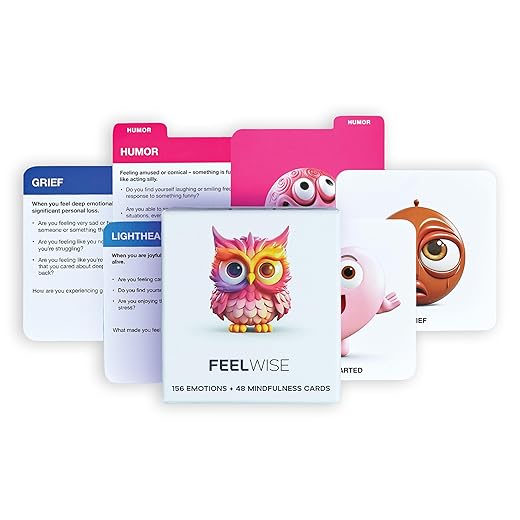
Love using these. For defining and supporting emotions these cards are fantastic. Beautifully illustrated and helpful instructions getting through difficult emotions. If you’re someone who has a difficult time identifying that feeling I would recommend the “internal family systems” card deck. These 2 decks compliments each other.
Excellent choice for easy to implement positive strategies. Can’t say enough good about this book. I’m using it as my study guide to train staff. Helps you concentrate on staying positive, utilize reinforcements that are actually helpful to the child. Positive affirmations is a dominate message throughout the book. Great for parents, teachers, daycare providers, & for anyone leading or teaching others.
Nice deck. Appreciated the emotions in one place and the coping with them.
A Must-Read for Anyone Leading People — or Just Living Life! 🌟🌟🌟🌟🌟. This book is a game-changer. Emotional Intelligence: How To Master Self-Awareness, Empathy, and Social Skills for Deeper Management is not just for managers—it’s for anyone who wants to grow personally and professionally. It takes the often abstract concept of emotional intelligence and breaks it down into clear, actionable strategies that actually stick.The sections on self-awareness and empathy are incredibly insightful. I found myself reflecting on my own behaviors and thought patterns in a way I hadn’t before. The book helps you recognize emotional triggers, manage reactions, and better understand how your emotions impact those around you—skills that are absolutely essential in any leadership role.It also dives into social dynamics and how to build stronger, more authentic connections with your team or peers. The communication tips alone are worth the read—direct, respectful, and built around trust. No fluff—just real, practical tools.What I loved most is that the writing is clear, focused, and free of jargon. You don’t need a psychology degree to follow along. Whether you’re managing a team, working in HR, or just want to better understand yourself and others, this book delivers value from page one.5 stars—insightful, practical, and empowering. Highly recommend to anyone who leads, mentors, or simply wants to become a better version of themselves.
Excellent book. Great for therapists and counselors or anyone else working to improve their emotional intelligence!
Wonderful for adults and children alike. This is such a wonderful tool. It is so helpful to be able to identify and understand our emotions. Our emotions are a natural and normal part of us, yet we have the tendency to suppress them. This beautiful deck allows us to explore and understand our emotions. It also helps us to process and work through said emotion and release it with the amazing mindfulness techniques.
Knowledge Is Power. This item is great for preschoolers and learners with disabilities. My grand- daughter loves this item. She is 2 and will not turn this learning toy out of her sight. Very durable item with talking sound and flash card. I would buy this toy again.