


In today’s fast-paced world, understanding and managing our emotions is more important than ever. We often find ourselves feeling anxious, particularly when faced with criticism or unexpected stimuli that can activate our emotional responses. This article aims to explore the essential steps required to take control of our emotional well-being. By embracing self-awareness and recognizing our emotional triggers, we can navigate our feelings in a more rational and constructive manner.


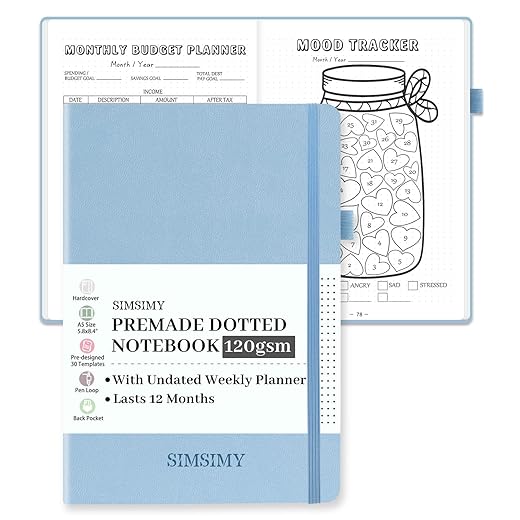

It is not uncommon to be reminded of past experiences that elicit sadness or even anger. Such feelings can emerge from various narratives we create about ourselves and the world around us. These stories can, at times, be non-judgmental reflections of our values or, conversely, they might lead us to a reserved state of mind. Regardless of how we interpret these emotions, understanding their effects and finding supportive relationships, including friends or a coach, can facilitate the healing process.
The journey towards emotional mastery begins with acceptance. We must learn to communicate our needs and feelings effectively, finding the right words to articulate our internal experiences. This not only helps us to connect with others but also reduces the strain of negative emotions. By following the five essential steps outlined in this article, you’ll discover practical strategies to manage your emotional responses, ensuring that you can find a sense of calm even in the most anxious and nerve-wracking moments.
Step 1: Identify Your Emotional Triggers

Identifying your emotional triggers is a crucial step in mastering your emotions. These triggers might be deeply rooted in past experiences, and recognizing them can help you develop healthier coping strategies. Start by looking at your routine and noting when your mood shifts unexpectedly. For example, you might feel sadness when certain memories surface or feel a sudden spike of fear in challenging situations.
Next, take a moment to reflect on what might activate these emotions. Is it a particular relationship, a stressful work situation, or even something as simple as a specific song? By recognizing these patterns, you can give yourself the tools to better manage your emotional responses. This practice is not always easy, especially when dealing with traumatic memories that snatch away your peace of mind. However, every little step you take towards identifying these triggers makes a difference.
As you start this journey, it’s helpful to keep a journal where you write down your feelings, noting what triggered them. Allaya, a popular self-care journal available on Amazon, can aid in this process. It offers insightful prompts that encourage introspection, helping you crystalize your thoughts and feelings. By documenting your experiences, you create reminders that can guide you in dealing with future emotional challenges.
Additionally, consider engaging in self-care practices that nurture your emotional well-being. Strategies such as meditation, deep breathing exercises, or regular physical activity can affect how you cope when your emotions are activated. These practices not only support your mental health but also help build a stronger personality that can deal with life’s unexpected twists.
In summary, identifying your emotional triggers is an ongoing practice that can help you navigate through life’s ups and downs more effectively. By taking the time to understand what affects you, you create a path toward a more balanced emotional state, allowing you to face each day with a clearer head and less nerve-wracking feelings.
Living with emotional triggers can be challenging and often leads to uncomfortable situations. Triggers are events, sounds, or even certain words that can cause strong emotional responses. For instance, betrayal can trigger feelings related to trust and abandonment. Understanding these triggers is an essential skill that can help you manage your mental well-being more effectively.
Friends can play a helpful role in identifying your triggers. After spending time with them, you might find that you’re feeling stressed or annoyed by some comments or situations. It’s beneficial to communicate openly with them about how certain events make you feel. This can significantly contribute to your ability to deal with stressful situations in a mindful way. When you publicly acknowledge your triggers, you create an opportunity to better understand your responses.
Misperceptions about situations can cause unwanted emotional upheaval. For example, if you have PTSD, certain memories might trigger intense feelings or reactions. Being patient with yourself is crucial. Rather than arguing with your feelings, take a moment to explore the underlying causes. Often, unexpected changes can prompt emotional responses that seem disproportionate at first glance.
Strategies like mindfulness can be therapeutic, helping you learn to deal with your emotions better. A simple practice like meditation can help calm your brain and allow you to think more clearly when faced with triggers. Products like guided meditation apps or journals dedicated to mindfulness can be found on platforms like Amazon. These tools are designed to support your emotional journey and can make dealing with difficult moments easier.
Finally, it’s important to remember that recognizing your triggers is an ongoing process. The more you practice being aware of your emotions and responses, the better you will become at managing them. By adapting to life’s changes and being mindful of your experiences, you can develop healthier ways to respond to emotional challenges. Living well means finding the right strategies that work for you, so take that chance to explore and deepen your self-awareness!
Keeping a Journal to Track Your Emotions
Keeping a journal is one of the most therapeutic practices you can adopt to manage your emotions effectively. Every time you sit down to write, it gives you the opportunity to begin a process of identifying your feelings. Whether you’ve had a stressful day or faced a moment of rejection, putting pen to paper can help release the weight of those experiences. The act of journaling invites you to explore your thoughts in a safe environment, where you can recall details that might otherwise be ignored.
The effectiveness of journaling lies in its ability to help you understand how your emotions influence your mood and behavior. For example, if you notice a pattern where your heart rate increases or your body feels tense after certain triggers, writing these insights down can lead to a deeper understanding of your emotional landscape. You’ve got the power to become aware of what affects your heartbeat and why. It’s impossible to underestimate how this simple tool can help you feel more grounded and aware.
Another valuable aspect of journaling is that it helps shift your attention from negative feelings to positive affirmations. Instead of focusing on sadness or pain, you can share a moment that made you smile or tease out the positive aspects of a seemingly hard situation. This shift can certainly have a therapeutic effect on your overall well-being and support the activation of the parasympathetic system, which promotes relaxation and calmness.
If you’re looking for a tangible way to start your journaling journey, consider checking out products on Amazon such as the Minimalist Leather Journal for a classic touch, or the Bullet Journal Kit which might help you organize your thoughts more visually. No matter which option you choose, these tools can assist in creating a meaningful space for your emotions.
Aaron, a personal coaching expert, often hints at the importance of making journaling a daily habit. Though it might seem hard at first, dedicating just a few minutes a day can lead to amazing insights and a clearer mind. So why not explore this informational tool for your emotional health? You have every right to acknowledge your feelings and give yourself permission to grow through the process!
Understanding the Context of Your Reactions
When we talk about mastering our emotions, one of the first steps is understanding the context of our reactions. Each situation that triggers an emotional response is unique, and familiar experiences can significantly influence our feelings. For example, if someone has faced painful moments of sadness related to a past relationship, that individual might react strongly to similar situations in the future. By identifying these patterns, we can start addressing our emotional triggers more effectively.
Consider Jennifer, who often feels a wave of sadness when watching a movie that reminds her of someone she loved. Recognizing this reaction is essential in developing coping strategies. Coaches emphasize the importance of taking a step back and focusing on the values that matter most to us as individuals. By acknowledging our fears and the role of misperceptions, we can limit the emotional impact that situations have on us.
Moreover, being aware of how our emotional responses surface can help us deal with them better. For instance, practicing deep breathing can be a natural way to gain control when feelings of anxiety arise. This skill not only helps in stopping the cycle of negative thoughts but also promotes inclusivity in our interactions with others. Everyone has their struggles, and learning to manage our emotions is a universal challenge.
In academic settings or everyday situations, having reminders of our progress is essential. This could be through self-help books available on Amazon, which provide evidence and strategies to switch our thinking patterns. Investing in resources such as journals or guided workbooks can serve as effective tools to track our emotional journeys, ensuring we continue developing this vital skill.
Always remember, everyone faces emotional challenges, and it’s okay to seek help or look for examples of success from others. Whether through engaging with online communities or reading about personal experiences, we can find the strength to manage our emotions, build intimacy with those around us, and foster healthier relationships. So next time you feel triggered, take a moment to assess the situation and embrace the opportunity to grow.
Step 2: Explore Your Emotional Responses
Understanding your emotional responses is a journey that requires mindfulness and honesty. Often, our bodies manifest emotions in ways we may not fully recognize. For instance, when you feel fear or anxiety, you might notice a tightness in your chest or an increased heart rate. These physical sensations can be your body’s response to emotional triggers. Learning to identify these signs can help you manage your reactions more effectively.
To deeply explore your emotional responses, ask yourself important questions. What causes these feelings? Are they linked to past experiences, like post-traumatic stress, or current circumstances? Regularly taking the time to check in with your emotions and breathe can create a powerful opportunity for change. When you feel a wave of emotion, pause and take a moment to reflect. This simple act can switch your mindset, allowing you to respond rather than react impulsively.
It’s natural to feel overwhelmed at times, especially when dealing with life’s difficulties. You might find yourself sighing in exhaustion after a long day. Remember, inclusivity in your emotional experiences means recognizing that everyone goes through similar challenges. It can be comforting to trust that you’re not alone. Building a support network with friends, family, or professionals can significantly enhance your learning process. Services that promote mental health care can provide valuable resources for those particularly difficult moments.
Consider incorporating tools into your routine that help manage stress and improve emotional awareness. For example, a journal, such as the “Five Minute Journal” available on Amazon, can help you document your feelings and progress. Or, try a guided meditation app, like “Headspace,” that can assist you in developing a mindful practice. These resources not only support you in understanding your emotional landscape but also empower you to become more resilient over time.
Remember, exploring your emotional responses is a crucial step in mastering your emotions. By taking the time to understand your reactions, you’re giving yourself the chance to grow. The more you work on this, the easier it will become to manage your feelings and interactions with the world around you.
Distinguishing Between Emotional and Rational Responses
Recognizing the difference between emotional and rational responses is crucial for mastering our emotions. When an event occurs that triggers a strong reaction, our minds can often jump to conclusions based on painful past experiences or misperceptions. For instance, Jennifer might feel her heart raise and her palms sweat when she speaks publicly, not because of the audience itself, but due to a fear rooted in her beliefs about failure. This is a classic example of how our emotional responses can manifest without thorough processing.

Both emotional and rational reactions have their place in our lives, yet understanding them helps us engage in healthy self-care practices. Emotional responses are often immediate and can result from past experiences that we’ve yet to address. Rational responses, however, involve a slow and deliberate effort to assess what’s truly happening. They allow us to ground ourselves in our values and rights, leading to healthier relationships with ourselves and others.
It’s important to practice identifying our reactions in real-time. For instance, when something triggers a physiological response like increased heart rate or tension, we can ask ourselves: “What is the root cause of this feeling?” This practice not only enhances our self-awareness but also aids in building a deeper connection with our emotions. Services that focus on mental health, such as BetterUp, emphasize the importance of this kind of emotional processing and offer tools for managing these responses effectively.
If you feel overwhelmed by your emotional responses, consider incorporating grounding techniques into your daily routine. Items available on Amazon, such as mindfulness journals, breathing exercise guides, or even stress-relief toys, can help in calming your mind and offering a better understanding of your feelings. These tools allow us to take a step back and evaluate situations from a rational perspective, rather than letting emotions take charge.
In times where you find yourself struggling to balance emotions and logic, remember that you are not alone. It’s normal to feel this way, and with consistent effort and the right practices, you can still work towards more balanced reactions. November may be a month of reflection, but any time can be a good time to start this journey. Your commitment to understanding your emotional responses opens the door to healthier relationships and a more fulfilled life.
Q&A:
What are emotional triggers and how do they affect us?
Emotional triggers are specific events, situations, or stimuli that provoke strong emotional reactions. They can range from mild irritations to deep-rooted fears, and they often stem from past experiences. When we encounter these triggers, our bodies can respond with heightened emotional states such as anger, sadness, or anxiety. Understanding our triggers is important, as it helps us recognize patterns in our emotional responses and allows us to manage them more effectively.

Can you explain the first step in managing emotional triggers?
The first step in managing emotional triggers is self-awareness. This involves recognizing your emotional responses and identifying what causes them. Keeping a journal can be helpful in tracking your emotions and the situations that trigger them. By understanding your triggers, you can begin to address and reframe your reactions to them, leading to healthier emotional management.
How can one effectively reframe their emotional responses?
Reframing involves changing your perspective on a triggering situation. To do this, start by asking yourself questions, such as: “What am I feeling right now?” “Why am I feeling this way?” and “Is there another way to view this situation?” For example, if a colleague criticizes your work, instead of feeling defensive, consider it an opportunity for growth. By actively reframing your thoughts, you can reduce the intensity of your emotional reactions and approach the situation more constructively.
Are there specific techniques or strategies that can help me manage my triggers?
Yes, several techniques can assist in managing emotional triggers. Practicing mindfulness can help you stay present and aware of your feelings without being overwhelmed. Deep breathing exercises are also effective for calming your body during emotional upheaval. Additionally, developing coping strategies, such as talking to a trusted friend or engaging in physical activity, can provide constructive outlets for your feelings. Experiment with different techniques to see what works best for you.
What role does emotional regulation play in this process?
Emotional regulation refers to the ability to manage and respond to your emotional experiences in a healthy way. It plays a significant role in handling emotional triggers as it allows you to control your reactions instead of being controlled by them. Techniques for emotional regulation include identifying your feelings, employing coping strategies, and practicing self-soothing methods. Developing strong emotional regulation skills helps you respond to triggers with greater calmness and clarity.

Other Articles


12 Comments
Comments are closed.


Buy it right now. I am currently on week 5 and so very thankful that I bought this book almost a year ago now. It took me some time to finally start it, but once I did I have done it every day since! The prompts are so simple, and sometimes repetitive, but it gets me to stop and think for a moment, relax my mind and journal! I never enjoyed or could constantly journal before. With the prompts and different weekly tools to work on I am finally gaining back control in my life. The biggest blessing was buying this book and digging in. It jump started the next chapter in my life and I’m forever grateful!
work miracles. I love the fact that I started using this and the very first night I was able to fall asleep fast and relaxing. I am so glad and happy I have been doing this. Give it a try if you haven’t already
Great Planner. I love this planner. The paper is thick and I can use all kinds of markers and pens with little to no ghosting or bleed through. It has a lot of catergories and premade trackers. I also appreciate the extra paper in the back of the book. I was able to add a step tracker, house cleaning chart, weight loss tracker, year at a glance, and a debt tracker. I still have several pages left to add more if I want. Very customizable to your lifestyle. I will definitely purchase again.
Almost Perfect. This is one of my favorite relaxation apps. It has a good choice of meditation, hypnosis and/or yoga relaxing sets with a variety of issues to choose from. Some guides are female while there are also male guide available. The list for issues one wishes to address is divided into the many separate difficulties one wishes to address and change. Although I may not like the voice of a couple of narrators I have definitely found several that work for myself. I judge the teachers or therapist not specifically by male or female but rather by how the full session works for me to find the depth of relaxation I am looking for, a deep and lasting experience. The best way to determine what will work for you is trying it out for yourself. You can work on whatever part you wish to change, improve. Doing these relaxation every day is crucial for any change to happen.Thanks everyone for a great group of therapy choices.
Good for beginners. I haven’t used it enough to give an opinion, but I like it. It has good options to choose from.
Wonderful. This is perfect! Practically everything I wanted to record is already set up and in a logical way, plus there is plenty of room at the end to make my own pages as I see fit. So much easier than starting with all completely blank pages. And it came with dual tipped markers, stickers, and stencil templates! The cover has a soft leather feel, pages are sufficiently thick, and there are 3 built-in bookmark ribbons to help keep track of various sections, along with an attached band to keep the journal closed when not in use. I plan to continue purchasing each year, but in a different color.
Finding peace and joy in a journal. This is an absolutely simple, yet powerful, journal. The short reflections, for each week, give such clarity and strength in understanding mindfulness. The weekly topics somehow cover so much of our daily life, and the writing prompts just invite you in to write. I have only completed a few weeks, and yet I have the inspiration of the prompts and reflections, readily available in my memory when needed. Prior to this journal, I was getting more and more stressed and worried. After just a few pages, I learned to relax and focus. I have already ordered the book for one friend.
Great workbook to increase mindfulness. This is a wonderful workbook that will help you better enjoy your life. As a retired therapist I think it is well done, comprehensive, and easy to use.
Amazing planner. I love my planner. It’s really helped me getting habits on track and keeping myself organized. It also has so many other pages for exercise, books, movies, etc.
Attractive and useful. Good quality. Good weight. I have them in my therapy office and clients appreciate them. Help soothe stress and anxiousness. Easy to wipe off between clients
Worth it. Love it!! Perfect for my small hands, relieving the wrist pain due to I typed a lot in the day.
Perfect stress relief. Absolutely wonderful! Great for stress plus hand strength and recovery of muscles.