


The concept of the “Mother Wound” involves recognizing the often hidden emotional issues that can develop in the absence or presence of a maternal protector. This wound can manifest in various forms, affecting self-esteem and behavior long into adulthood. Understanding this psychological landscape is critical for anyone seeking to heal and empower themselves, regardless of their current situation. It requires a deep dive into past experiences, learning how familial dynamics, particularly those involving mothers and fathers, inadvertently shape emotional responses.
Healing the Mother Wound is a journey that begins with recognizing the patterns in our lives that stem from early interactions. Once we identify these behaviors, it becomes crucial to approach them with compassion rather than blame. This article will guide you through the recommended steps of treatment, including self-soothing practices and journaling, which allow for the exploration of neurochemical responses tied to emotional wellness. By consciously observing and understanding these dynamics, individuals can learn to cultivate their own validation and empowerment.
📘 Healing the Mother Wound
Category: Psychology · Emotional Healing
Best for: Understanding maternal trauma
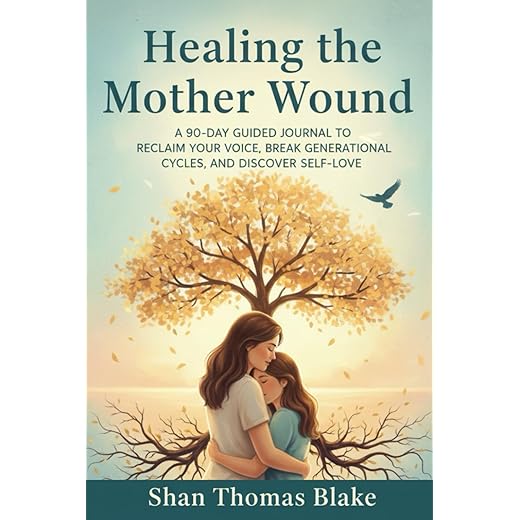
Description:
A foundational book that explores how unmet emotional needs in childhood—especially in the mother-child relationship—shape self-worth, attachment, and adult behavior. Helps readers recognize inherited emotional patterns and begin the healing process with compassion.
Why read:
✔ Explains the core concept of the Mother Wound
✔ Helps identify emotional patterns
✔ Supports long-term emotional healing
This process involves a psychodynamic approach to understanding how these issues may have developed. It encourages individuals to reflect on their experiences and feelings, recognizing that it’s okay to seek help–whether from friends, professionals, or through personal practices. The goal is to navigate through this intricate web of emotions and behaviors, empowering oneself to heal and achieve a greater sense of safety and self-worth. As we embark on this journey, we learn that healing is not just about identifying what went wrong, but also about embracing the ability to reshape our narratives.
Origins of the Mother Wound

The concept of the “Mother Wound” often manifests from various forms of trauma experienced during childhood. These wounds are not always obvious and can come from a series of expectations that children feel they must meet. Before understanding how these emotional scars are formed, it’s essential to acknowledge that they are rooted deeply within our early experiences, serving as a foundation for how we perceive love and security.
There are multiple types of mother wounds, each shaped by their unique scenarios. For instance, some individuals identify with families that uphold stereotypical gender roles, leading to a scenario where emotional expression is discouraged. This avoidance can turn into practices that hinder well-being, fostering a mindset where they believe their feelings are less important than societal expectations. The phrase “big boys don’t cry” or similar sentiments can create a landscape where emotional distress is constant.
Thinking alongside these expectations, many try to foster their well-being through practical measures like meditation or journaling. For example, Marie Kondo’s popular organizing practices aim to bring emotional clarity by creating a serene environment, which is something many find beneficial. Products like guided journals or emotional wellness books available on platforms like Amazon could provide valuable insights into addressing these wounds.
Creating emotional security involves recognizing the origins of these feelings. It’s crucial to be supported in this journey, whether through therapy or self-help practices. By understanding the roots of the mother wound, individuals can start to heal and break free from unhealthy cycles. Seeking advice from trusted sources, like mental health professionals or supportive communities, can further foster healing and cultivate a deeper sense of emotional wellness.
📕 The Mother Wound Workbook
Category: Workbook · Self-Reflection
Best for: Practical healing steps

Healing the Mother Wound For Women: A 60-Day Workbook With Prompts To Help Adult Daughters Heal From Their Toxic Mothers
Description:
A hands-on workbook designed to guide readers through journaling, emotional awareness, and self-soothing practices. Ideal for those who want structured exercises rather than theory alone.
Why read:
✔ Guided prompts and exercises
✔ Focus on self-compassion
✔ Suitable for independent healing work
Identifying Maternal Influences in Childhood
Understanding how maternal influences shape our beliefs and behaviors is crucial for emotional wellness. When we begin to recognize these influences, we can take steps towards healing. It’s often expected that a mother acts as a protector and nurturer, but inconsistent behaviors can lead to emotional challenges later in life. This acknowledgment of maternal history allows us to explore how our childhood experiences have influenced our current relationships and self-perception.
Many people struggle with feelings of dependency or blame that stem from their interactions with their mothers. For instance, if a mother was overly critical, one might develop a belief that they are never good enough. Conversely, a nurturing mother can help reinforce a positive self-image. Strategies for identifying these maternal influences include reflecting on your childhood memories and recognizing the types of communication that were prevalent. Were the messages you received supportive or abusive?
One way to begin this process is by keeping a journal, where you can express your feelings about your relationship with your mother. Speaking your truth can be a powerful tool. For example, consider writing about moments when you felt empowered by your mother or, conversely, when you felt diminished. This practice can help you move forward instead of blaming external factors for your struggles.
It’s also important to prioritize trust–both in yourself and in others. When we give ourselves permission to trust, we begin to heal. Healthy communication can reinforce this trust. Developing a dialogue with somebody who understands the complexity of these feelings, whether through therapy or support groups, can be invaluable.
Moreover, it’s beneficial to identify any abusive or unhealthy patterns from your past. If you find yourself repeating these patterns in romantic relationships, consider seeking help. Books like “Healing the Mother Wound” available on Amazon can provide insights and strategies for overcoming these challenges.
As you delve into your history, please remember that it’s okay to feel a mix of emotions. Healing is rarely linear, and every step forward is a step towards empowerment. Begin confronting these feelings and remember that your past does not define you; it’s merely one piece of your story.
📗 Attached: The New Science of Adult Attachment
by Amir Levine & Rachel Heller
Category: Psychology · Relationships
Best for: Understanding attachment styles
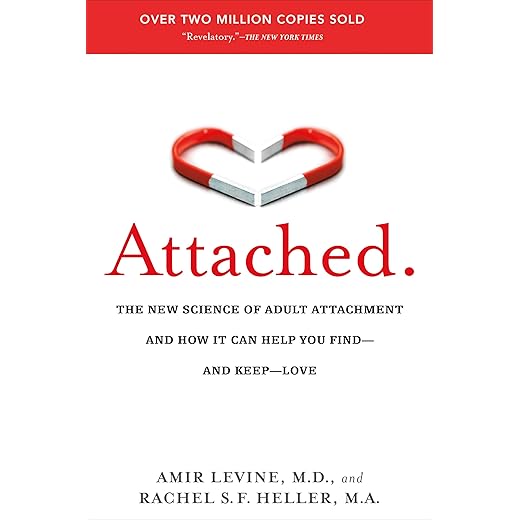
Description:
A widely recommended guide explaining secure, anxious, and avoidant attachment styles and how early caregiving shapes adult relationships. Especially helpful for recognizing relational patterns linked to the Mother Wound.
Why read:
✔ Clear explanations of attachment theory
✔ Practical relationship insights
✔ Research-backed approach
How Attachment Styles Develop from Early Relationships
Attachment styles are deeply influenced by our early relationships, primarily with our parents or primary caregivers. Experts in psychology often refer to these dynamics as the foundation of our emotional wellness. From the moment we are born, the way our parents respond to our needs can shape our ability to form relationships throughout our lives. If parenting is nurturing and consistent, children are likely to develop secure attachment styles. However, if parents struggle with issues like alcohol or drugs, they may not be able to provide the safety that children need, leading to insecure attachment styles.
Sometimes, these attachment styles manifest in adulthood in ways that we may not fully understand. For instance, individuals who experienced neglect or abusive behavior may find themselves overly guarded or unable to form intimate relationships. They may truly believe that vulnerability equals danger. This history can create a cycle of trouble, as the inability to relate well with others can further influence their current behaviors.
Kate, a therapist, points out that regardless of whether one comes from a biological or adoptive background, the emotional environment during childhood is crucial. Statements like “I didn’t know how to open up” often come from adults who are still navigating these early wounds. Acknowledging this history is a first step toward healing, as it helps us understand the reasons behind our current difficulties in relationships.
Seeking help from a therapist can be an invaluable part of the healing process. Experts can provide advice and techniques to help individuals work through their emotional struggles, particularly when it comes to intimacy and trust. By understanding the attachment styles developed during childhood, adults can better manage their relationships and avoid falling into patterns that lead to further emotional pain.
For those who are experiencing trouble with attachment, there are numerous resources available to aid in the developmental journey. Books on emotional wellness or guides specifically focused on healing attachment wounds can be found on platforms like Amazon. Items like “Attached: The New Science of Adult Attachment” and “The Body Keeps the Score” are excellent starting points for learning about this complex issue.
📙 The Body Keeps the Score
by Bessel van der Kolk
Category: Trauma Psychology
Best for: Deep trauma understanding

The Body Keeps the Score: Brain, Mind, and Body in the Healing of Trauma
Description:
A landmark book on how trauma is stored in the body and nervous system. Essential reading for understanding why emotional wounds persist even when we “know better” intellectually.
Why read:
✔ Explains mind–body trauma connection
✔ Highly trusted clinical perspective
✔ Useful for therapy-supported healing
The Role of Cultural Expectations in Shaping Motherhood
Cultural expectations play a profound role in shaping the experiences and identities of mothers. These societal messages dictate how mothers should behave, what they should prioritize, and even how they should feel about their caregiving roles. Anyone who has experienced the challenges of motherhood may acknowledge that these expectations can often lead to unmet needs and feelings of inadequacy. The pressure to conform can result in hurt and self-doubt, especially for those mothers who may struggle to connect with traditional ideals.
The dynamics of mother-child relationships are deeply influenced by these cultural contexts. For example, the concept of a mother’s role as a nurturing caregiver often clashes with a father’s involvement, creating a scenario where expectations about gender roles can limit a wholesome family dynamic. This can lead to feelings of isolation for mothers who desire a more intimate connection but feel pressured to prioritize other responsibilities instead. In this case, they’ve become a product of intergenerational expectations that do not serve their emotional wellness. Acknowledging and breaking these cycles is crucial for anyone aiming to improve their mother’s or their own emotional health.
The knowledge of these cultural expectations allows mothers to reflect on their unique style of parenting. By understanding the societal messages they have received, they can work toward healing and establishing a healthier foundation for their children. For example, using resources such as self-care books or workshops can provide the necessary skills and reassurance needed to foster better attachment bonds with their sons or daughters. Products like the “Mindful Self-Care Journal” available on Amazon can help mothers regain clarity and regularly prioritize their mental health.
🧘 Mindful Self-Care Journal
Category: Self-Care · Emotional Wellness
Best for: Burnout & emotional fatigue

Self-Care Check-In: A Guided Journal to Build Healthy Habits and Devote Time to You
Description:
Encourages consistent self-care habits, boundary setting, and emotional check-ins. Especially useful for readers recovering from people-pleasing and chronic emotional exhaustion.
Why read/use:
✔ Focus on boundaries and rest
✔ Helps rebuild emotional safety
✔ Gentle, non-overwhelming format
In scenarios where cultural norms add strain, mothers are often left navigating emotional disorders that stem from societal pressure. By committing to their own well-being, mothers can learn to establish routines that prioritize stability and care in their homes, allowing for a healthier environment for everyone involved. The journey of healing from the mother wound involves not just personal acknowledgment but also actively seeking reassurance that it’s okay to break away from harmful norms. When mothers approach their roles with renewed clarity and a sense of freedom, they set the stage for a healthier future for their children.
Recognizing Patterns of Behavior Passed Down Generationally
Understanding and healing the mother wound often involves exploring the patterns of behavior that have been passed down through generations. Many people grow up in environments where their caregivers were unavailable emotionally, leading them to adopt certain coping mechanisms and communication styles. These behaviors can form the foundation of how one interacts with the world, impacting self-esteem and emotional security throughout life.
When attempting to recognize these patterns, it’s essential to calm the mind and create a safe space for self-exploration. This can be done through recommended strategies such as journaling or speaking with a therapist. A psychologist may suggest steps to identify which types of behavior were internalized from family dynamics. For example, someone might realize they’ve learned to suppress their feelings, believing that expressing emotions could lead to rejection or further unavailability from others.
As you move forward in understanding these patterns, it’s crucial to reflect on how your past shapes your present. Observe how you respond to stress or conflict. Are you attempting to maintain peace, even at the risk of your own needs? By asking yourself whether your responses are a learned behavior or an authentic expression of your feelings, you can begin to dissect what has been perceived as normal. This insight can empower you to form healthier connections in your life.
Additionally, exploring different communication styles can enhance your emotional wellness. Consider engaging in activities that promote secure connections, such as joining support groups or attending therapy workshops in places like Scottsdale. Books available on Amazon, such as “The Body Keeps the Score” by Bessel van der Kolk or “Healing the Child Within” by Charles L. Whitfield, can offer further insights and tools for healing. Ultimately, understanding these generational patterns is a step toward breaking the cycle and creating a healthier emotional system for future generations.
📘 Healing the Child Within
by Charles L. Whitfield
Category: Inner Child Healing
Best for: Childhood emotional repair

Description:
Focuses on identifying and healing the wounded inner child. Especially relevant for readers who experienced emotional neglect, inconsistent parenting, or lack of safety during childhood.
Why read:
✔ Inner-child focused approach
✔ Clear, compassionate tone
✔ Supports long-term self-repair
Emotional Impacts of the Mother Wound
The emotional impacts of the mother wound can be profound and far-reaching. One of the primary risks associated with this issue is a diminished sense of self-esteem. When a mother figure, who is supposed to be a source of unconditional love and support, fails to provide that nurturing environment during upbringing, children may grow into adults who constantly feel inadequate. This sense of inadequacy can lead to a myriad of challenges in life, influencing how they connect with others and perceive their self-worth.
Often, individuals experiencing the mother wound find themselves in a constant battle between self-compassion and self-criticism. It’s hard to practice self-compassion when the internal narrative suggests that they aren’t good enough. Note that this process isn’t about blaming parents; rather, it’s about identifying patterns that reinforce negative beliefs. For instance, common stressors in adult relationships, such as avoiding conflict or feeling unworthy, can often be traced back to the absence of healthy, nurturing interactions in childhood. Recognizing this connection is the first step in breaking the cycle.
Healing the mother wound involves making conscious choices that empower individuals to move forward. Simple practices, like journaling about one’s feelings or engaging in mindfulness activities, can help in the process of growth. These steps encourage self-reflection, allowing individuals to document their experiences and emotions. This practice not only helps them identify patterns but also reinforces the importance of establishing healthy relationships with themselves and others.
It’s essential to note that these emotional wounds don’t have to define one’s life. While the journey of healing is often hard, it’s important to focus on building a framework for healthy interactions with family and caregivers. For those looking to enhance their journey toward emotional wellness, check out resources like “The Mother Wound Workbook” available on Amazon.com that offers guided steps and insights tailored for this specific challenge. Such resources can help individuals on their path to empowerment and self-discovery, making their healing process more accessible and meaningful.
Signs of Emotional Distress Linked to Maternal Relationships
Understanding the signs of emotional distress related to maternal relationships is crucial for individuals seeking to improve their emotional wellness. Often, women who have experienced challenges during their formative years may feel a lack of confidence that seems to stem from their relationship with their mothers. This behavior could manifest as difficulties in forming intimate connections or feelings of being caught between expectations and reality.
Research suggests that women who internalized abusive behavior from their mothers may struggle with intimacy and emotional expression. The difference between those who have had nurturing maternal figures and those who have not is often apparent in their adult relationships. For instance, a woman taught to suppress her feelings may find it challenging to express love, leaving her feeling distant and alone.
Further, the wounds left by these early interactions can lead to various disorders, including anxiety and depression. Individuals may exhibit small signs of distress that, if left unaddressed, could snowball into more significant issues down the line. It is essential to recognize these signs and seek growth through therapeutic interventions or self-help resources.
Moving toward a healthier emotional state involves acknowledging and validating one’s feelings. Books, such as “The Mother Wound: How to Heal and Thrive” available on Amazon, can provide comprehensive insights and strategies for healing. Products like emotional wellness journals or guided meditation aids can also facilitate the journey of self-discovery and healing.
Ultimately, recognizing the behaviors that may indicate emotional distress linked to maternal relationships is the first step in the healing process. By learning to express feelings and challenge internalized expectations, individuals can gain a sense of empowerment and move toward a more fulfilling emotional experience.
Understanding Shame and Guilt in Adulthood
Shame and guilt are profound feelings that many people carry into adulthood. These emotions often stem from the early years, where seeds of insecurity were planted in a child’s mind by parents or caregivers. Styles of interaction, and the absence of meaningful support, can make these emotions particularly intense. For instance, Becca might feel an anxious tug in her chest whenever she makes a mistake, stemming from a childhood where perfection was expected. Understanding this connection is crucial for anyone on the healing journey.
For many, gender plays a role in how these feelings are expressed. Women, for example, might face societal stressors that amplify feelings of guilt and shame, affecting their self-image and mental health. It’s likely that these emotional struggles manifest differently between genders, but they are part of the human experience. Mindfulness practices can help individuals manage these feelings. Choosing to self-soothe can create a safe space to explore feelings of guilt and shame without the pressure of immediate resolution.
As adults, reaching a deeper understanding of these emotions might involve reflection and journaling about past experiences. This process can be instrumental in identifying patterns and triggers. For example, if someone struggles with guilt after asserting their needs, they might find it helpful to list those feelings in their journal. Over the years, this awareness cultivates a sense of security that can transform your self-perception.
It’s essential to recognize that healing is a journey and not a destination. There will be difficulties along the way, but each moment of honest reflection can lead to meaningful change. By confronting the anxiety associated with shame and guilt, you might discover your potential and learn how to truly feel like yourself. Something as simple as choosing a guided mindfulness journal can provide the structure necessary for this exploration. Products like “The Mindfulness Journal” on Amazon can aid in this process, offering prompts designed to unpack complicated emotions. Remember, it’s perfectly okay to reach out for help or resources during this journey; you’re not alone in this experience.
📓 The Mindfulness Journal
Category: Journal · Mindfulness
Best for: Daily emotional regulation

The Mindfulness Journal: Daily Practices, Writing Prompts, and Reflections for Living in the Present Moment
Description:
A guided journal with prompts designed to reduce anxiety, process guilt and shame, and build emotional awareness through mindfulness and reflection.
Why read/use:
✔ Simple daily practice
✔ Supports self-soothing
✔ Easy entry point for beginners
Q&A:
What is the concept of the Mother Wound and how can it affect emotional wellness?
The Mother Wound refers to the emotional pain and issues that arise from a troubled relationship with one’s mother. This can manifest in various ways, such as feelings of unworthiness, fear of abandonment, or difficulty in nurturing oneself and others. When individuals carry this wound, it can influence their mental health, self-esteem, and relationships throughout their lives. Understanding this concept is vital for improving emotional wellness, as it allows individuals to recognize and address patterns that stem from their early experiences.
How can someone begin the process of healing from the Mother Wound?
Healing from the Mother Wound involves several steps. Firstly, it is essential to acknowledge and validate one’s feelings and experiences related to this wound. Journaling can be a valuable tool for reflecting on these emotions. Seeking therapy or support groups can provide a safe space to process these feelings. Additionally, establishing healthy boundaries with the mother or, if necessary, distancing oneself from toxic dynamics can be crucial. Engaging in self-care practices, such as mindfulness, nurturing hobbies, and self-compassion exercises, can also aid in the healing process. Ultimately, the journey is personal and may take time, but it is possible to work towards emotional wellness.
What role does self-compassion play in healing the Mother Wound?
Self-compassion is a key element in healing the Mother Wound. It involves treating oneself with kindness and understanding, rather than judgment. When individuals experience the Mother Wound, they may engage in negative self-talk or blame themselves for their experiences. By practicing self-compassion, they can learn to break this cycle and replace critical thoughts with supportive ones. Techniques such as positive affirmations, guided self-compassion meditations, and surrounding oneself with positive influences can reinforce this practice. As self-compassion grows, individuals often find it easier to navigate their emotions and foster healthier relationships.
Are there specific signs or symptoms that indicate someone may be struggling with the Mother Wound?
There are several signs that may indicate someone is dealing with the Mother Wound. Common symptoms include persistent feelings of unworthiness or inadequacy, an intense fear of rejection, difficulty in forming close relationships, or a tendency to overcommit or people-please. Others may experience a recurring cycle of self-sabotage or find themselves replicating unhealthy dynamics in their relationships. If these patterns resonate, it may be beneficial to explore the connection to the Mother Wound and seek support for healing.

Other Articles


15 Comments
Comments are closed.


Look no further, this is as good as it gets ~ The finest book ever written about trauma & PTSD. This is unquestionably the finest and most useful book ever written on the subject of trauma. Bessel van der Kolk M.D. has the incredible gift of being able to write a book on the subject of PTSD, and doing so in a way that is useful for clinicians, as well as for the general population. He does so in a matter of fact way, and makes the reader feel as if he/she is sitting by his side listening to him telling a story. He has the extremely rare ability to get through to the masses, and to do so without any pretense whatsoever. He seems like the kind of guy you could become friends with after meeting for just 5 minutes.The author speaks unequivocally about the dangers of trauma, and the lifelong suffering of individuals. He provides concrete solutions and a plethora of resources to help those who’ve been suffering for years, decades or even lifetimes.His ability to simplify the complex, is the cornerstone of this watershed book. Without doubt, the material presented by the author will be life changing, in that it provides brilliantly written examples of patients who’ve suffered from PTSD, and having been cured by using his methodologies.This book is living proof that it’s possible to present vital information in a format that provides for easy assimilation by a person suffering from PTSD, and enabling them to adapt to a new environment of freedom from harrowing nightmares and flashbacks. A seemingly impossible or at least improbable resolution to the above issues is made a whole lot easier by following the guidelines of the author.The writing style of Bessel van der Kolk M.D., is one of empathy and compassion throughout. There are no condescending remarks, nor anything other than some of the most useful and accessible information that I’ve ever come across. This is not just a brilliant book, it’s a once in a lifetime read, that in my opinion will be the go to resource on the subject of trauma and PTSD for generations to come.The author goes out of his way to provide easy to understand and follow explanations that will be universally helpful to both patients and mental health professionals. This is hands down, the most readable and accessible book about PTSD ever made available to the general population.Having a background in psychology, I was in total awe at the material presented in this book. It’s a must read for all clinicians in the field, and is written in such an accessible style that patients suffering from PTSD will find it the most valuable resource they’ve ever been presented with. It’s simplicity and usability leaves material listed in lesser books in the dust. It takes an exceptional talent to be able to write a book that is equally valuable for both clinicians and their patients. This is a book for the ages.Not just providing case histories and methodologies for conquering the devastating effects of PTSD, this book also provides invaluable resources for both clinicians and patients. Bessel van der Kolk M.D. has written the most informative, and highly readable book on PTSD ever published, period. Look no further, this is as good as it gets, a truly impressive and exceptionally well written book.
Captivating. After being struck by trauma – combat, auto accident, assault, abuse – why do the dreams come and come and come? From where does the anxiety, distractedness, or outburst originate? Are there reasons for the gut balling up into a knot and the chest squeezing tight and feeling like it will implode when unwanted memories of the distress invade? Why does the recall come in pieces, chunks, or flashes? And then there’s the inability to communicate, the mental shut-down, the emotional-frigidity; what is that all about? Is there any way to move from the trauma and its aftermath to some sense of genuine wellbeing? All of these subjects, and more, are covered by Bessel van der Kolk, founder and medical director of the Trauma Center in Brookline, Massachusetts, professor of psychiatry at Boston University School of Medicine, and director of the National Complex Trauma Treatment Network, in his 464 page paperback, “The Body Keeps the Score: Brain, Mind, and Body in the Healing of Trauma”. This volume is written for both the helping-professions technician and therapist, as well as for the traumatized and their families. With thousands of book reviews already posted and published, I’ll make this review brief.“The Body Keeps the Score” unpacks the way trauma affects us, mind, brain, and body. The author looks at multiple forms of therapy, showing their strengths and limits. He recognizes that there are “fundamentally three avenues [of therapy]: 1) top down, by talking, (re-) connecting with others, and allowing ourselves to know and understand what is going on with us, while processing the memories of the trauma; 2) by taking medicines that shut down inappropriate alarm reactions, or by utilizing other technologies that change the way the brain organizes information, and 3) bottom up: by allowing the body to have experiences that deeply and viscerally contradict the helplessness, rage, or collapse that results from trauma” (3). Van der Kolk addresses each of these approaches while explaining in detail what harrowing ordeals do to people.The author’s proposition through the pages is that the anguish of assault and abuse “changes brain development, self-regulation, and the capacity to stay focused and in tune with others…experiences change the structure and function of the brain – and even affect the genes we pass on to our children…devastates the social-engagement system and interferes with cooperation, nurturing, and the ability to function as a productive member of the clan” (349, 351). One of the aspects that surprised me was how the “ventral vagal complex” – the vagus nerve that interfaces with other nervous systems – takes what my brain is experiencing (even re-experiencing through PTSD, etc.) and mobilizes muscles, heart, lungs and other body parts, so that I feel the alarm – or helplessness – or grief in my brain all the way down into my chest and stomach! Which means my body begins to take on muscle-memory (as we put it in martial arts)! Therefore, if “the memory of trauma is encoded in the viscera, in heartbreaking and gut-wrenching emotions, in autoimmune disorders and skeletal/muscular problems, and if mind/brain/visceral communication is the royal road to emotion regulation, this demands a radical shift in our therapeutic assumptions (88). It’s this “radical shift in therapeutic assumptions” that dominates the authors final eight chapters, where he methodically explains different “paths to recovery”. This is truly a captivating read!Van der Kolk weaves into the technical aspects of the book biographical and autobiographical tales that help the reader to see what has gone on, and not gone on, in the world of psychiatry and psychology regarding trauma. The stories also help to cement into the imagination and comprehension what he is trying to communicate. The book is reasonably technical with neuroscience, brain studies, physiology, professional acronyms and so forth. But the author is careful to not leave anyone in the dark. It is a fascinating read that treats the audience as mature enough to handle the subject and grasp the material. I disagreed with the evolutionary explanations of how the brain develops and found the little political rant in the epilogue disappointing. But beyond these, I was almost mesmerized by the book!“The Body Keeps the Score” is a whole textbook on physiology, brain studies and neuroscience, as well as therapeutic theories. It is not a self-help book, but readers who are looking for help will likely find it beneficial. Helping professionals may also find it advantageous as the author has a plethora of notes on various studies and articles. But I think that the biggest value will be for those who have family members, friends, and parishioners that have been through violent experiences. It gives a bigger and better perspective on what s going on, and they will be able to draw from the various paths to recovery approaches they can take as they seek to be part of the remedy and not the trauma. I highly recommend the book.
I didn’t realize that there were so many things to journal about. I really like this journal. I like that the author breaks down each journal exercise into three parts: focus, reflect and do. I know when I journal it is easy to focus on the problem at hand. So I am glad that the author encourages the reader to not stop there by giving an area of focus and then a challenge to move forward. I’ve flipped through this book and see so many topics that resonate with me. The topics can be used for writing in a personal journal notebook. I work in mental health and think this would be a good resource to share with clients who might want to journal to help them reflect and move their pain. I do wish that the pages were numbered but I am not sure if it’s common for the pages in journals like this to be unnumbered. And the graphics are al beautiful! The graphics go well with each journal exercise. I am enjoying this and have already shared it with others on social media!
So good. I chose this book after sifting through tons on Amazon and it’s exactly what I wanted. Most books I didn’t go for because most of them were too basic, or very “Live, Laugh, Love” woo woo stuff.I got this book as part of a self-care maintenance routine I’m building. I have done CBT for about 7/8 years and I’m transitioning into more self-sufficient self work, because I’m in a place where I’m feeling really good and like it’s time to move on from doing therapy (for now; part of what I’m working on is also creating a list of red flags that I need to stay aware of, that way if I ever DO need to go back to regular therapy, I’ll know what to look for.)I was looking for some kind of prompt-based journal to make into a weekly habit that had these qualities:1.) Simple. Something I won’t stress out over doing every single day, because then I won’t do it. Something that lends itself to being done at my own pace. I didn’t want to add assignments into my life that I can use as a weapon to beat my head against for not “keeping up”.2.) Meaningful, practical, insightful prompts appropriate for someone who has already done self work/therapy. A lot of the stuff out there is pretty 101 basic, which is absolutely awesome for beginners in therapy/self care stuff, but I needed something beyond that.*I do want to note that this book is still suitable for beginners, too! I would feel comfortable recommending it to anyone regardless of their experience with working on their mental health. The prompts are so well done that they can be valuable to anyone at any level of learning self care.3.) None of that “positive vibes” nonsense.So far, I’ve done a few of the prompts and I am SO absolutely stoked about this book. The prompts genuinely accomplish their purpose, and I can follow along and answer the questions as they are, rather than pushing myself to think beyond what is being presented to me. The prompts can be trusted to do the work they are meant to do. The consistent format is powerful. It’s great that not only do you reflect on your experience and feelings, you demonstrate and observe real examples to/of yourself. Even though the prompts are so thought-invoking, they are still simple and un-intrusive, and I take a lot of comfort in that. I have found the most therapeutic practices end up being the most simple, and more simplicity=less mental exhaustion. Perfect for me, because I have a tendency to take healthy things and hobbies, and make them into jobs that stress me out.I just ordered a copy for my best friend who has similar experience with therapy and I am so happy I can give her a gift like this. Absolutely adore it, and feel super grateful towards this author, who is also a WOC and I love that. Will def look into getting more stuff from her.If you aren’t sure if it’s for you, just fill out the sample prompts they have on here in the book preview on a piece of paper and see how it makes you feel. There’s a few on here, so you can give the book a ‘test-run’ over a few days/weeks. I feel great about this purchase and the contribution it’s making to my life. Also, if you’re looking into getting stuff like this, you’re awesome!!! It’s so wonderful that you’re taking care of you. You deserve it and we all deserve it.
Buy it right now. I am currently on week 5 and so very thankful that I bought this book almost a year ago now. It took me some time to finally start it, but once I did I have done it every day since! The prompts are so simple, and sometimes repetitive, but it gets me to stop and think for a moment, relax my mind and journal! I never enjoyed or could constantly journal before. With the prompts and different weekly tools to work on I am finally gaining back control in my life. The biggest blessing was buying this book and digging in. It jump started the next chapter in my life and I’m forever grateful!
Great book. Easy to follow prompts
Not a workbook just a journal. I thought this was a workbook. I guess the definition has changed and I wasn’t informed.There are questions that one can answer pertaining to the subject.
A powerful book for those wanting a deep dive into the sicience of trauma and recovery. As a Behavioral Health Pharmacist, I work with many patients dealing with PTSD and other trauma-related mental health issues. I wanted to read The Body Keeps the Score to better understand how trauma affects the brain and body, and to be able to explain to my patients why sticking with their prescribed medications can be an important part of their healing process.This book is packed with information. Dr. van der Kolk does a wonderful job of explaining how trauma changes brain chemistry, often leaving people stuck in a cycle of stress and emotional distress. I found the discussions on fight, flight, or freeze especially interesting, as they really helped connect the dots between mental health symptoms and physical reactions. The book also explores different treatment approaches, including traditional therapies and alternative methods like yoga, drama, and neurofeedback, which I found useful.That said, this book isn’t the easiest to read. It’s dense, and at times, I felt like it could have been more concise. Some of the detailed trauma accounts were difficult to get through and might be triggering for some readers. I also think it could have done a better job acknowledging resilience—many people do recover from trauma without extensive therapy, and that wasn’t really addressed.Overall, I’m glad I read it. It gave me valuable insights that will help me guide my patients and explain why managing trauma often requires a combination of medication, therapy, and lifestyle changes. While it may not be for everyone, it’s a powerful book for those wanting a deep dive into the science of trauma and recovery.
Love The Book. This book I like because it ask questions, gets you to think so you can document and reflect, very interactive and will buy more to give to others
Finding peace and joy in a journal. This is an absolutely simple, yet powerful, journal. The short reflections, for each week, give such clarity and strength in understanding mindfulness. The weekly topics somehow cover so much of our daily life, and the writing prompts just invite you in to write. I have only completed a few weeks, and yet I have the inspiration of the prompts and reflections, readily available in my memory when needed. Prior to this journal, I was getting more and more stressed and worried. After just a few pages, I learned to relax and focus. I have already ordered the book for one friend.
Great workbook to increase mindfulness. This is a wonderful workbook that will help you better enjoy your life. As a retired therapist I think it is well done, comprehensive, and easy to use.
Helpful workbook. Wonderful workbook! Love the critical & creative thinking questions.
This article provides valuable insights into the importance of acknowledging and healing emotional wounds stemming from mother-child relationships. Self-compassion and mindfulness practices are essential tools in this journey of healing and self-discovery.
This article sheds light on the importance of understanding maternal influences and attachment styles in shaping our emotional wellness. It’s crucial to reflect on our past experiences to heal and improve our relationships. Therapy and resources like the mentioned books can be helpful tools in this journey.
This article emphasizes the importance of understanding maternal influences on our beliefs and behaviors. It’s crucial to reflect on our childhood experiences to heal and move forward. Seeking help from a therapist and utilizing resources like books can aid in this healing process.