


Raising a sensitive child in a fast-paced, often overwhelming world requires a unique blend of understanding, advocacy, and tailored strategies. Helping your sensitive child thrive in a challenging environment means recognizing their deep empathy and acute perception not as weaknesses, but as strengths to be nurtured. This guide offers compassionate, practical approaches to build resilience, create safe emotional havens, and teach coping skills that empower your child to navigate sensory overload, social complexities, and big emotions with confidence and grace.




To ensure that your little one thrives in an environment filled with various stimuli, it’s crucial to create a nurturing and secure atmosphere. Begin by establishing clear rules that can help them feel more anchored. This approach allows them to see boundaries not as restrictions but as a framework within which they can explore without anxiety. Parents often encounter challenges when navigating the harsh realities of life with their specific little ones. Understand that a compassionate approach is key; your voice can significantly shape their perception of the world.
We recommend focusing on the type of content your child interacts with daily. Limit exposure to overly stimulating media, which can blur the lines between reality and fantasy, creating unnecessary stress. Instead, share age-appropriate books or engaging activities that promote a sense of calm and encourage a more mature outlook. For example, consider creating a toolkit filled with activities that allow your child to express their feelings, fostering emotional intelligence and resilience in the face of criticism.
Take a moment to reflect on your child’s unique fixations and interests. These can be harnessed as tools for learning and self-expression, creating a bridge between their inner world and the external environment. By delving into their passions, you can provide a sense of accomplishment and clarity that will help light their path. When your child recognizes their strengths, they are better equipped to handle challenges, transforming potential difficulties into opportunities for growth.
Understanding Sensitivity in Educational Settings
Co-regulation is essential in creating a supportive atmosphere for young learners. Educators and caregivers can work together to perceive signs of emotional stress in children. This simple practice helps in recognizing when a student needs a calming space or a gentle push toward participation. For instance, having a designated quiet area with light textures like sensory pillows can transform the environment into a safe retreat for those moments of overwhelm.
Young individuals, when faced with challenging situations, might withdraw or express their feelings through behavioral changes. It’s important for teachers to recognize what this means in terms of emotional health. Engaging in conversations that explore students’ interests can illuminate their thoughts, showing them that their feelings are valid. This care fosters a connection that allows children to share openly without fear of judgment.
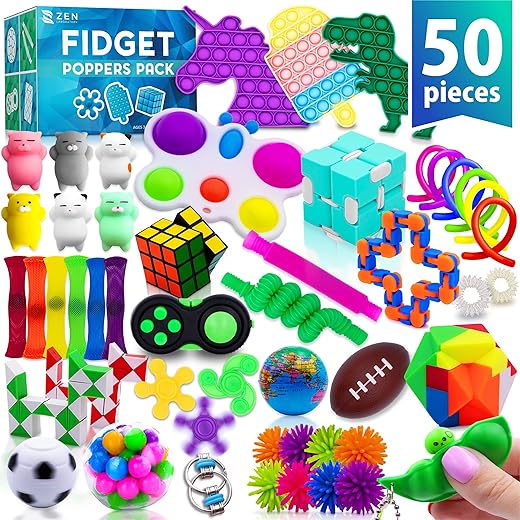
Sometimes, it’s beneficial to apply specific practices that help students manage their emotions. For example, using tools such as fidget toys or stress relief balls can help them stay grounded. Available on amazon.com, items like the “Tangle Jr. Fidget Toy” or “Sensory Stress Balls” are excellent options to keep in the classroom. Such tools can serve as physical aids that promote concentration and emotional stability.
Working toward emotional awareness involves helping students recognize their triggers and responses. By implementing strategies such as mindfulness exercises or guided breathing techniques, educators can assist children in developing their emotional intelligence. This kind of engagement not only supports a safer educational environment but also cultivates profound personal skills that benefit students both in and out of the classroom.
Recognizing Sensory Overload Signs in the Classroom
One effective way to address sensory overload is by observing key indicators that may suggest a student is struggling. An expert in child development, like Dr. Greenberg, highlights how a child’s reactions can be amplified in busy environments. Look for signs like fidgeting, covering ears, or withdrawing from peers. These reactions can be subtle but deeply revealing of a child’s internal state.
Creating a quieter classroom environment can significantly help. Allowing for designated calm zones or quieter areas can provide relief for someone who feels overwhelmed. For instance, a soft sensory pillow or noise-cancelling headphones available from Amazon can be great tools to help manage stress. It’s important to understand that expectations can sometimes add pressure, leading to bursts of frustration. Therefore, a supportive atmosphere is vital.
Encourage communication within families about these subtleties. Use phrases like, “I feel overwhelmed,” to normalize the experience. This openness allows families to develop strategies without falling into the trap of criticism. For instance, sensory toys like stress balls or fidget spinners available online can offer a constructive outlet for pain and anxiety during stressful moments in class.
Addressing sensory overload involves understanding the deeper aspects of a child’s needs. Experts suggest regular check-ins, allowing children to share their feelings. By doing so, someone may feel more secure and supported, leading to better self-regulation and coping processes. Ultimately, staying attuned to signs of discomfort can create a more harmonious classroom environment.
Tailoring Learning Environments to Sensitive Needs
Creating a safe learning atmosphere is essential for kids who naturally feel the intensity of their surroundings. Recognizing that you’re dealing with a child who perceives the world differently can help tailor their environment to foster comfort and creativity. For instance, when choosing a classroom setting, consider designating a quiet corner equipped with calming elements, like noise-canceling headphones or soft lighting. These tools help avoid overwhelming situations, allowing children to take a break when needed.
It’s crucial to acknowledge that the kind of noise present in a traditional classroom can be challenging for sensitive learners. Introducing sound-dampening materials, like carpet tiles or acoustic panels, can create a more peaceful area where kids can focus without distraction. Products such as the Acoustic Panels from Amazon effectively minimize sound intensity, making the environment more manageable.
As children grow older and transition from early childhood to higher grades, their learning needs evolve. Incorporating flexible seating options, like wobble stools or bean bags, can empower them to manage their own comfort while still engaging in productive activities. This promotes a sense of autonomy, as kids can choose what works best for themselves. Check out the Wobble Stools for an example that enhances focus while accommodating their innate sensitivity.
Playing an active role in the learning process is often more effective for these children. Consider using hands-on activities that accommodate different learning styles. These methods not only provide extra engagement but also minimize the stress of traditional listening and sitting still. For enthusiasts of tactile learning, items like sensory bins can introduce an element of fun while educating simultaneously.
Ultimately, it matters to recognize and adapt to the unique needs of these learners. Key takeaways include creating safe spaces, minimizing tough noise, and introducing flexible learning tools. By addressing these aspects, you can help sensitive children thrive in their learning journeys, giving them the confidence they need to face each challenge ahead.
Collaborating with Teachers for Better Support
Establish open communication with teachers. Schedule regular meetings to discuss your little one’s progress, needs, and emotional state. Share specific examples of how they react in different situations at home, whether during structured activities or while trying new foods. This will help educators better understand your child’s triggers and create a supportive environment.
Encourage your child to participate in classroom activities that promote positive emotional experiences. These can include group projects or hands-on learning sessions. When they engage in predictable routines, they often feel more comfortable and secure. A structured schedule can be a source of comfort, allowing your child to thrive emotionally and academically.
When conflicts arise, work with teachers to develop strategies that help your child manage their emotions. For example, if they struggle with transitions, consider implementing a visual schedule to clarify what comes next. Tools like these can help alleviate anxiety during school activities and allow them to focus on learning instead of worrying about changes.
Acknowledge and celebrate small victories with the teacher. Every positive experience your child has, no matter how small, can build their confidence. Encourage your child to express how they feel about their accomplishments, even if it’s just a simple “I did it!” Elaine emphasizes the importance of recognition in a child’s development, showing that these moments can deeply influence their emotional well-being and motivation.
Lastly, connect with families who share similar experiences. You’ll find that many parents need support as they navigate their children’s emotional landscapes. Sharing resources, such as books and educational toys from Amazon like “The Color Monster: A Pop-Up Book of Feelings” or “My Many Colored Days” by Dr. Seuss, can provide you with tools to manage emotions in a constructive way. Empowering each other enhances your child’s journey in every setting.
Building Social Skills for Sensitive Children
Start by creating predictable environments where your little one can feel safe. Using calming spaces can help reduce anxiety. For example, setting up a cozy reading nook with noise-canceling headphones allows them to escape overwhelming sounds and recharge for a few minutes.
Practice simple social interactions throughout the day. Role-play different scenarios, whether it’s introducing themselves or joining a group activity. This way, they can know what to expect and adjust their approach accordingly. Remember, it’s a process that takes time, so validate their feelings along the way.
Encourage assertiveness by guiding them to express their thoughts and feelings. When trying different activities, look for opportunities where they can practice this–whether it’s sharing a toy or suggesting a game during playdates. Adjusting to intense social situations can be easier when they feel supported.
Help them feel calm by using tools such as fidget toys or stress balls. These items can provide a tactile way to manage feelings. Brands like Tangle Creations or Sensory Genius have excellent products that can assist in calming processes.
Lastly, encourage your child to experience different group settings. This could mean joining a class or a local community club. Here, they can gain clarity on social dynamics and understand how to navigate various situations. Every little step counts, so celebrate their progress, no matter how simple it seems.
Encouraging Participation in Group Activities
Start by identifying the interests of your little ones. When they show enthusiasm for a particular activity, encourage them to take part. For instance, joining a local art class can provide a creative outlet while also fostering social interactions. Expert advice suggests that finding a match between a child’s interests and the activity can significantly boost their willingness to participate.
Before introducing group activities, consider the sensory stimulation involved. Some children may need a quieter environment to ease into group dynamics. Offering extra time for adjustment, especially during initial encounters, can reduce anxiety. If a gathering seems overwhelming, explore options that involve light sensory stimulation, like crafts or music, which can be more appropriate for a sensitive nature.
Address emotions directly when they arise. Teach them to express their feelings, which not only aids in their emotional development but also enhances adaptability in varying situations. Encouraging them to communicate about their worries or excitements can help build a stronger connection with their peers. For example, using a feelings chart can assist in identifying emotions effectively.
Incorporate light-hearted games that involve movement and group participation. Activities that involve teamwork can build trust and camaraderie among participants. Consider items like the “Giant Jenga” set or “Telestrations” for fun group interaction available on Amazon. Such games offer an engaging way to connect while focusing on the joy of shared experiences.
The brain’s development is also influenced by assorted group engagements. Encourage your child to partake in sports or group classes, such as swimming or martial arts. These activities not only promote physical well-being but also help with impulse control and social skills. The repetitive nature of these activities can also aid in calming sensory overload, making them ideal for sensitive children.
Practicing Social Scenarios at Home
Role-playing different situations at home can be an effective way to build confidence. Start by identifying common social scenarios that your little one might encounter, such as greeting new friends or sharing toys. This practice could help them adapt and feel more comfortable when the time comes to face similar situations in real life.
- Choose a quiet time for playing these scenarios to prevent any sensory overload.
- One way to begin is by selecting a few characters for your exercises, using toys like animal figurines or action figures.
- Encourage your child to take turns leading the play, allowing them to express how they feel in these scenarios.
Sometimes, children with neurodevelopmental differences can feel more anxious in social interactions. Thus, practicing in a controlled environment means that they can communicate more honestly without the pressure of an audience. Encourage them to use their innate ability to connect by discussing how they might feel and what they would say in different situations.
- Start with simple scenarios and gradually progress to more complex situations.
- Provide feedback during role-playing, offering suggestions on how to handle feelings of anxiety when socializing.
- Reinforce quieter, thoughtful methods of communicating, which could be beneficial for children who feel overwhelmed.
For example, consider incorporating a social skills game that is designed to work on interaction skills while having fun. This could make learning feel less daunting and more enjoyable. Remember, practicing these steps at home not only prepares your child for what they will face but also strengthens the bond between you.
Identifying and Nurturing Friendships
Start by observing how your little one interacts with peers. Notice what types of interactions lead to joyful moments. Building kind connections can transform the experience of socializing. Encourage them to communicate their feelings about friendships and identify what makes them comfortable or uneasy. This adaptability can bring about a better understanding of their own social needs.
Consider the kinds of clothing they wear. Some kids might feel scratchy materials uncomfortable, causing them to withdraw. Providing options that feel good on their skin, like soft cotton shirts, can make a significant difference in their willingness to engage socially. Products such as the “Hanes ComfortSoft T-Shirt” available on Amazon might be ideal for this purpose.
It’s vital to set clear and intuitive rules about friendship that help your child feel secure. Discuss with them how to navigate disagreements or misunderstandings. Teach them breathing exercises to calm down during stressful interactions. Simple approaches to conflict can lead to deeper, more meaningful connections as they learn adjusting methods to resolve issues with peers.
Encourage your child to reflect on what they enjoy doing with friends. Engaging in activities that they passionately love promotes authentic connections. For example, whether it’s art supplies from the “Crayola Inspiration Art Case” or engaging with board games from Hasbro, these tools can be a great way for them to build strong friendships.
Maintain awareness of their tendencies. If they seem to shy away from group situations, provide opportunities for one-on-one playdates instead. Over time, this invitation to social interaction can help them feel more at ease and confident. Leading with kindness and understanding is essential in nurturing those friendships that matter most in their lives.
Questions and answers:
What specific strategies can I implement at home to help my sensitive child feel more secure?
Creating a nurturing environment at home can make a significant difference for your sensitive child. Start by establishing routines that give them a sense of predictability. Incorporate quiet time during the day where they can retreat to a calm space with their favorite activities, such as reading or drawing. Encourage open communication, allowing them to express their feelings without judgment. You might also consider using soothing techniques, such as mindfulness exercises or relaxation techniques, to help them manage overwhelming emotions.
How do I recognize when my child’s sensitivity is affecting their ability to socialize?
It’s important to observe your child’s behavior in social situations. Signs that their sensitivity may be affecting their social interactions include reluctance to engage with peers, frequent withdrawal from group activities, or heightened anxiety in unfamiliar settings. Additionally, look for physical responses like fidgeting, avoiding eye contact, or becoming easily upset. If these behaviors persist, it might be beneficial to discuss strategies with a teacher or a counselor who can provide support and guidance tailored to your child’s needs.
What resources are available for parents of sensitive children?
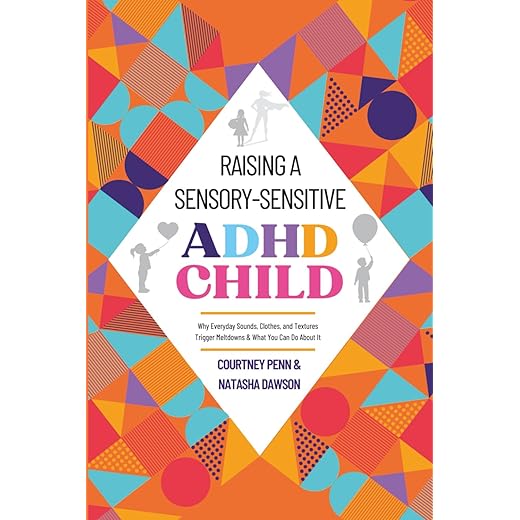
There are several resources that can assist parents of sensitive children. Books like “The Highly Sensitive Child” by Elaine Aron offer insights and strategies tailored to support sensitivity in kids. Online communities and forums, such as those found on parenting websites or social media groups, can be great for sharing experiences and advice. Additionally, workshops and support groups organized by child psychologists or counselors can provide valuable knowledge and connect you with other parents facing similar challenges.
How can I communicate my child’s needs to teachers and caregivers effectively?
When communicating your child’s needs to teachers and caregivers, clarity and specificity are key. Prepare a brief overview of your child’s sensitivity traits and how they manifest in different environments. It’s helpful to share successful strategies that you’ve used at home. Consider scheduling a meeting to discuss these points in person, allowing for a two-way dialogue. Be open to their observations as well, as they may have valuable insights into your child’s behavior in a school setting. Building a collaborative relationship is essential for your child’s support.
What role does self-care play in supporting my sensitive child, and how can I practice it?
Self-care is crucial for parents of sensitive children, as it helps maintain your emotional well-being, which directly impacts your ability to support your child. Taking time for yourself allows you to recharge and manage stress effectively. This can include activities like exercising, pursuing hobbies, or spending quiet time alone. Consider setting boundaries to ensure you have time to unwind. Practicing self-care not only sets a positive example for your child about the importance of managing emotional health but also equips you with the patience and energy needed to navigate challenges together.

Other Articles


3 Comments
Comments are closed.


Best for school class bags or bday goodie bags for kids. This 50-piece fidget toy pack is an absolute lifesaver for keeping kids entertained and stress-free! We bought it as a bday goodie bag item, and it was a huge hit with the kids—and even the adults! The variety in the pack is fantastic, with so many different types of fidget toys to choose from, including pop-its, squishy toys, spinners, and more.The toys are great for keeping little hands busy during car rides, at home, or even while waiting in line. They’re also a big help for stress relief and focus—perfect for kids with ADHD or sensory needs, and honestly, I’ve found myself using them too during work breaks!The quality is better than I expected for such a large set. They’re sturdy, colorful, and hold up well to daily use. It’s also a great value for the price—perfect for party favors, classroom prizes, or just to have on hand for fun. Highly recommend.
Autism friendly. The product has a lot of different options for my niece to play with. She loved them and so did the other children.
Well made. Suitable for kids