


Identifying the symptoms of overstimulation is crucial. Look for signs like excessive movements, meltdowns, and a distressed demeanor. A toddler may display repetitive behaviors, struggling to find balance in their activities. Environments with added noise and distractions can lead to higher cortisol levels, making little ones feel stuck and overwhelmed, like they’re unable to process what’s happening around them.


During times of stress, moments of quietude are essential. A quick break can be a cool strategy to help create a safe space. Activities that encourage oxytocin release, like hugging or gentle movements, can alleviate stress and restore a sense of security. Reading together can also serve as a calming ritual, helping youngsters engage with stories and keep their minds down in a way that feels positive.
Days filled with multi-tasking aren’t always suitable for developing minds. Ensuring that activities don’t become chaotic can promote their overall health. By introducing structured play and allowing for downtime, it becomes easier for them to understand and regulate their feelings. Whether it’s a party or just playtime at home, monitoring environmental factors is key to fostering a nurturing atmosphere.

Recognizing the Signs of Overstimulation
It’s essential to recognize the signs of overstimulation early. Good indicators include behavioral changes such as irritability or difficulty focusing. When frustration peaks, emotions can manifest in different ways, including meltdowns or sudden withdrawal. These responses often occur during playtime, especially when toys are too loud or too many people are around. Picking the right environment is crucial.
An effective strategy involves reading the cues that indicate when higher levels of stimulation are affecting well-being. For instance, if a little one starts to feel overwhelmed while engaging with electronic toys, it could be a sign that they need to rest and self-regulate. The first step is to create a balance in daily activities by planning quieter moments amidst more stimulating ones.
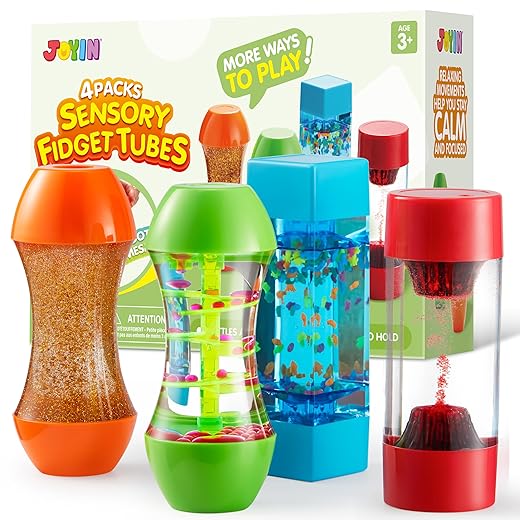
To help manage these feelings, consider providing calming tools. Fidget toys, like a sensory stress ball from Amazon, could help them transfer excess energy. These simple items actually allow kids to communicate their needs without verbal explanation. Adults should encourage them to identify what they feel and learn how to manage emotions better.
In general, keeping playtime structured while introducing breaks can aid in emotional regulation. Make room for down-time in the schedule – this could be reading a book or engaging in mindful activities that promote relaxation. With thoughtful planning, children can learn to recognize their feelings and manage themselves effectively.
Changes in Behavior: When to Be Concerned
Look for frequent tantrums or heightened anxiety in daily activities. These behaviors indicate that something may be amiss with processing sensory information. If distress becomes a regular part of life, consider consulting a specialist for targeted advice.
Observe the situations in which these individuals experience distress. If they demonstrate a thirst for sensory experiences–like seeking out loud sounds or tactile sensations–recognize this as a part of their sensory processing systems. These tendencies may indicate a sensory-seeking behavior that can be addressed with appropriate strategies.
Reading the signs early makes a significant difference. For instance, if a person becomes overly distressed or anxious in typical environments, removing certain stimuli might help. Products like noise-canceling headphones or sensory toys can assist in creating a more balanced experience.
The brain’s cortex plays a vital role in thinking and processing experiences. When this area becomes overwhelmed, it can lead to confused communication and challenges in expressing feelings. Offering tools that help regulate sensory input can prevent future struggles, aiding in the development of coping strategies.
It’s essential to distinguish between typical behavior and signs that something deeper is happening. When everyday activities become overwhelmingly challenging, consider reaching out for expert consultation. The goal is to support growth and understanding without making experiences more daunting.
Physical Symptoms: What to Look For
Engaging with certain stimuli can lead to physical symptoms in individuals. Teachers might notice signs of fatigue in the afternoon, which could indicate that a child is experiencing sensory overload. It’s helpful to monitor these reaction points closely. For example, if a student becomes increasingly restless or fidgety during a particular task, it could be a signal that sensitivity to stimuli is occurring.
Some common symptoms include changes in clothing preferences. If a child suddenly refuses to wear certain clothes, it might point towards difficulties in regulating sensory input. The role of comfort is significant; choosing soft, tagless, or loose-fitting garments can ease discomfort. Products like tagless t-shirts or sensory-friendly leggings, available on platforms like Amazon, can be beneficial.
Understanding these physical symptoms is essential for effectively handling stimulation. Individuals might express irritation or discomfort when faced with overwhelming environments. Removing excessive stimuli–like loud noises or bright lights–can support their ability to stay focused. Parents and educators should be aware of fluctuations in tolerance levels, so they can better assist in creating a conducive learning environment.
If a child exhibits signs of distress or disengagement during activities, it isn’t merely a behavioral issue; it’s a sign that extra support might be required. Picking engaging tasks that match their interests can make a significant difference. Remember, recognizing and responding to these signs is key to maintaining balance and well-being.
Emotional Responses: Understanding Your Child’s Feelings
Identifying signs of emotional distress is crucial in effective parenting. Regular check-ins can help assess how different stimuli affect mood and behavior. For instance, a calm evening routine might ease the transition from an overwhelming day, allowing emotional transfer to occur more smoothly.

Consider incorporating engaging activities that promote oxytocin release, such as cuddling or playing together. These moments can help reduce anxiety and strengthen bonds. Products like weighted blankets found on amazon.com can ease sensory overload, making them beneficial for children struggling with stress and emotional regulation.
Understanding that each individual has a unique capacity for managing information is essential. Some might thrive in busy environments, while others could feel overwhelmed by noises and crowds. Engaging a therapist can provide tools for coping strategies that address specific behavioral issues, making it easier for affected individuals to navigate daily life.
Look for signs that indicate someone may feel stuck, such as withdrawal or tantrums. In older children, this could manifest as irritability or trouble concentrating. Regular communication can alleviate difficult feelings and promote healthier coping mechanisms. The right emotional support is indispensable, ensuring that those experiencing challenges are not left alone.
Books about emotional intelligence aimed at children–available on platforms like amazon.com–could provide helpful information for parents. These resources deliver valuable messages and practical tips that strengthen emotional resilience, ensuring that difficulties can be navigated effectively.
Creating a Calming Environment
Establish a soothing atmosphere by incorporating elements that help reduce anxiety and promote relaxation. For instance, using cool colors in decoration can create a calming visual space. Consider items like soft blue or green wall paint, which are often associated with tranquility. Adding blackout curtains like the “NICETOWN Blackout Curtains” available on Amazon can also minimize outside noise and light, helping to create a serene environment.
Choose soft textures in furniture and accessories. Items such as plush rugs or cozy blankets promote comfort and relaxation. Products like the “Chanasya Fleece Blanket” not only look inviting but also encourage physical comfort, turning a restless moment into a calming one. Prioritize creating a space that feels safe and secure, as this is crucial in reducing cortisol levels during nervous times.
Incorporate nature to enhance the environmental quality of the space. Plants can improve air quality and contribute to a sense of peace. Consider adding an easy-care plant like the “Pothos Plant” or “Snake Plant,” both found on Amazon, which requires minimal maintenance and is cool for indoor spaces.
Minimize clutter, as an organized environment helps create mental clarity. Create a plan for tidying up regularly and implement storage solutions like decorative boxes. This not only keeps things neat but also teaches problem-solving skills in maintaining a calm space.
| Product | Purpose |
|---|---|
| NICETOWN Blackout Curtains | Minimize external light and noise |
| Chanasya Fleece Blanket | Provide comfort and warmth |
| Pothos Plant | Enhance air quality |
| Decorative Storage Boxes | Reduce clutter and organize space |
When developing a relaxing environment, keep in mind that many times, it’s about small adjustments that add up to significant changes. As the atmosphere becomes calmer, nervous moments may lessen, allowing for better focus and emotional well-being. Communicating with toddlers about these changes, like asking them what they find cozy, will also play a good role in ensuring the environment continues to meet their needs.
Minimizing Noise and Visual Distractions
Regulating the environment for kids involves minimizing noise and visual distractions that can overwhelm their sensitive brains. One effective way to achieve this is by establishing a calm space for relaxation. In this area, select sound sources like white noise machines or gentle music to create a soothing atmosphere. These help drown out distracting noises, allowing little ones to unwind after busy days.
Incorporating downtime into daily routines is essential. Consider scheduling quiet activities such as reading or drawing that promote focus and creativity. Activities like yoga mats or weighted blankets can help calm anxious limbs and offer sensory comfort. For instance, check out the weighted blankets available on Amazon, which help kids feel secure while engaging in downtime.
Think about the visual stimuli present in play areas. Bright colors and flashy toys can be overwhelming, especially during high-energy play. Opt for simpler, more calming designs instead. Toys like sensory balls not only engage, but also protect against overstimulation by providing an adjustable level of interaction without excessive noise or chaotic visuals.
Behavioral adjustments play a big role as well. Set a regular schedule for tech-related activities, and limit screen time to prevent constant scrolling through distracting content. For many kids, a few hours a day of tech-free time can vastly improve concentration and promote emotional balance. Utilize activities that encourage interaction without distractions, such as board games or puzzles, which can be found in various styles on retail sites like Amazon.
Ultimately, by prioritizing quieter, organized environments and behaviors, each day can become a more enriching experience for children. Limiting noise and visual overload not only supports a child’s heart and brain but fosters healthy growth during these formative years. Consider the balance that works best, and tailor strategies to meet the unique rhythm of each little one.
Designing a Relaxation Space at Home
First, create a designated area where little ones can enter and unwind after feeling overwhelmed. A simple and cozy corner with soft cushions or bean bags can help. Think about incorporating a colorful playmat that feels inviting and comfortable.
Choose calming colors for the walls and decor, as these can influence emotions. Soft blues and greens are relaxing, while warm tones can feel comforting. Use sound elements, like a white noise machine or gentle music player, to mask jarring noises that might disrupt relaxation.
Incorporate tactile experiences by adding soft toys and squishy pillows that toddlers can hug during moments of fatigue. Items like a weighted blanket can offer a sense of security, helping them feel safe and supported, especially during times when they might be inconsolably upset.
Establish a verbal routine to explain the purpose of this space. For example, set aside time for deep breathing exercises and moments to talk about feelings. You can transfer playtime into this serene setting; instead of engaging in typical activities, encourage quiet games or storytime to foster a calming atmosphere.
Consider adding sensory items such as fidget toys, which can help kids process their emotions and alleviate jerking movements associated with stress. A simple collection of stress balls or sensory bottles can serve this purpose well.
- Weighted Blanket – Provides a calming effect.
- Sound Machine – Helps mask disruptive noises.
- Sensory Toys Set – Offers various textures and fidget options.
- Cozy Floor Cushions – Perfect for creating a relaxing nook.
The role of a relaxation space is to provide an escape. With these simple strategies, moments of calm can become a regular part of their routine, reducing the struggles that come from overstimulation.
Incorporating Natural Elements for Serenity
Creating a serene environment that incorporates natural elements is a simple yet effective answer to help an individual who becomes distressed from overstimulation. Consider adding plants like snake plants or peace lilies to the space. These not only purify the air but also contribute to a calming atmosphere.
Engaging in activities that utilize natural materials can enhance moments of tranquility. For example, a sand tray can be a wonderful tool. It provides a sensory-seeking outlet and encourages creative movements while doing tasks like sculpting or writing. This increases tolerance toward frustration, as the individual learns to focus on the tactile experience.
Incorporate soft, natural light through cotton curtains that filter harsh sunlight. This simple change could make a significant difference. Using lamps with warm-colored bulbs can also ease the intensity of daily activities. It becomes essential to communicate feelings during these moments, ensuring that needs are recognized.
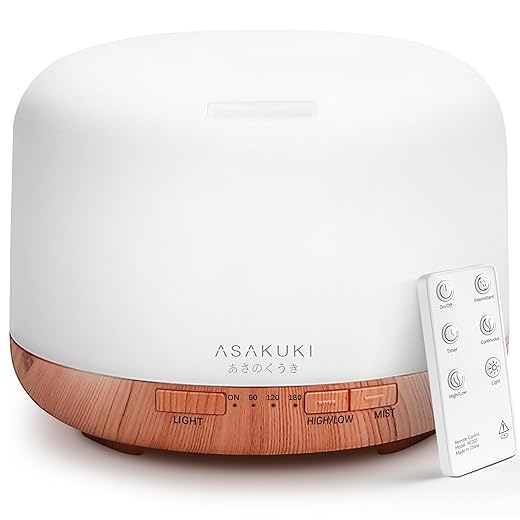
Try infusing scents from essential oils. Lavender and chamomile are known to calm the mind and body. Using a diffuser can create a peaceful atmosphere that promotes relaxation after busy days. Additionally, consider replacing high-energy toys with simpler, nature-inspired ones like wooden blocks or nature puzzles. These activities can shift focus from constant stimulation to more mindful engagement.
Remember, it’s vital to observe how different elements affect mood and behavior. Tailoring the environment to suit the specific needs of the individual helps in building a supportive space that fosters well-being. Explore options on platforms like Amazon, where items such as wooden sensory toys or plush blankets are readily available to enhance daily experiences.
Questions and answers:
What are the signs that my child may be overstimulated?
Signs of overstimulation in children can manifest in various ways. Common indicators include irritability, mood swings, difficulty focusing, withdrawal from activities they usually enjoy, and changes in sleep patterns. You may also notice heightened sensitivity to noise or light, and your child might exhibit signs of fatigue or become easily frustrated. It’s important to observe their behavior in different environments to identify triggers that may contribute to overstimulation.
How can I help my child if I notice they are overstimulated?
If you suspect your child is overstimulated, there are several approaches you can take to help them. First, create a calm environment; reduce noise and visual distractions by turning off unnecessary electronics and providing a quiet space for them to relax. Encourage breaks from high-energy activities and incorporate downtime into their routine. Activities such as reading, art, or listening to soothing music can help them unwind. Additionally, consider setting limits on screen time and structured activities to allow for more unstructured play, which can be restorative.
Are there particular activities that can help prevent overstimulation?
Yes, certain activities can help mitigate the risk of overstimulation. Engaging your child in outdoor play, where they can run and explore, can provide a healthy outlet for energy. Arts and crafts can encourage creativity while providing a calming effect. Mindfulness exercises, such as deep breathing or gentle yoga, can also promote relaxation. Limiting screen time and encouraging imaginative play with toys that don’t require screens can promote a more balanced experience. Creating a predictable routine with scheduled downtime can also contribute to preventing overstimulation.
How can I communicate with my child about their feelings of overstimulation?
Open communication is key when addressing feelings of overstimulation. Start by creating a safe space for your child to express their emotions. Use simple, age-appropriate language to ask how they are feeling and what they think might be making them feel overwhelmed. Encourage them to share their thoughts and reassure them that it’s okay to feel overstimulated. Provide examples from your own experiences to help them relate. Additionally, validate their feelings and collaborate on possible solutions together, reinforcing that it’s important to listen to their needs.
Can overstimulation affect a child’s development, and if so, how?
Yes, chronic overstimulation can affect a child’s development in various ways. It may lead to heightened anxiety, trouble with emotional regulation, and difficulties in social interactions. Long-term overstimulation can impact attention spans and learning abilities, as children may struggle to process information in busy or chaotic environments. To promote healthy development, it’s crucial to balance stimulating experiences with opportunities for quiet time and reflection. Recognizing and addressing signs of overstimulation early on can foster better emotional and cognitive growth.
What are some common signs that my child might be overstimulated?
There are several indicators that can suggest your child is feeling overstimulated. You might notice increased irritability, tantrums, or difficulty focusing on tasks. Physical signs can include fidgeting, covering their ears, or withdrawing from activities they usually enjoy. Your child may also show signs of fatigue or be easily overwhelmed in busy environments. Recognizing these behaviors can help you identify when your child needs a break or some calming strategies.
What strategies can I use to help my child when they are overstimulated?
There are various strategies to support your child during times of overstimulation. Providing a quiet space where your child can relax is one effective method. Encourage calming activities such as reading, drawing, or listening to soft music. Setting up a routine can provide a sense of security and help manage their stimulation levels. You might also want to limit screen time and encourage more outdoor play, as nature can have a soothing effect. Engaging in deep breathing exercises together can also help them learn to self-regulate their feelings. Understanding your child’s unique triggers and adjusting their environment accordingly is key to helping them feel more comfortable.


