


Managing Depression is a vital step toward regaining emotional balance, improving mental well-being, and building a healthier, more fulfilling life. In this guide, we explore practical strategies, proven techniques, and supportive resources that help you understand your emotions, reduce daily stress, and develop stronger coping skills. By learning effective ways of managing depression, you can take control of your mental health, strengthen resilience, and create a more positive, stable future.

Begin by establishing a non-negotiable daily anchor, a simple ritual like using a light therapy lamp for 20 minutes each morning. This isn’t about a cure, but stability. Consistent, small actions directly target symptoms like low energy and disrupted circadian rhythms, creating a foundation for productivity. Think of it as building a scaffold that holds up your day, even when internal resources feel depleted.
Effective management is a multi-system approach. It integrates professional treatment–which may include medication and therapy–with tangible tools for daily coping. For instance, leveraging technology like the Hatch Restore sleep system can regulate rest cycles, a critical factor in mood regulation. Pair this with behavioral activation: schedule a 10-minute task using a physical planner like the Panda Planner, focusing on completion, not perfection, to counteract inertia and build momentum.

For professional support, online therapy platforms make mental health care more accessible and flexible. Services like Calmerry provide licensed therapists who specialize in depression treatment, allowing you to start therapy from home without long waiting lists. Calmerry’s depression therapy programs combine evidence-based approaches such as CBT and talk therapy, helping you build coping strategies while fitting treatment into your daily routine.
Using a platform like Calmerry supports the idea of Managing Depression as a long-term process: you don’t have to wait for a crisis to get help, and you can maintain consistent therapeutic guidance alongside your personal management tools.

Calmerry’s Online Therapy Platform
The path of recovery is nonlinear, defined by skill acquisition, not just symptom absence. It involves learning to deconstruct overwhelming emotions using a tool like the How We Feel journal app, transforming vague distress into identifiable patterns you can address. This process builds emotional granularity, a key component of long-term well-being. Your goal shifts from “feeling good” to “functioning with competence” across your personal, professional, and social domains, even amidst fluctuating internal states.
Understanding Depression as a Manageable Condition
Establish a non-negotiable daily foundation: consistent sleep, nutrition, and physical movement. This triad directly regulates mood and energy, forming the bedrock of stability. For sleep, consider tools like the Hatch Restore 2, a smart light and sound machine that structures your wind-down routine.
Modern management is precision-based. Use apps like Daylio or Moodfit to track your symptoms, identifying specific triggers and patterns. This data transforms vague feelings into actionable insights, allowing you and your therapist to tailor your treatment with accuracy, moving beyond trial-and-error.
Reframe productivity. It is not about output volume, but the consistent execution of small, sustainable actions that support your well-being. Use a visual planner like the Panda Planner to break goals into daily steps, celebrating completion as a victory for your coping system.

Integrate technology-assisted coping into your routine. Devices like the Apollo Neuro, which delivers calming vibrations to improve focus and relaxation, or the Forfeit app, which motivates task completion, provide concrete, modern support for neurological regulation.

Understand that effective treatment is a hybrid ecosystem. It combines professional therapy (consider online platforms like BetterHelp for accessibility), possibly medication, and your curated toolkit of self-management practices. This ecosystem aims not for the absence of symptoms, but for their reduced impact, enabling a fulfilling journey.
Recovery here is defined as improved command over your internal state. It is the expanding gap between a triggering event and your regulated response, achieved through practiced management techniques. This progress is measurable and real.
Moving Beyond the “Cure” Mindset: Management as a Goal
Start by tracking your symptoms and energy levels daily using a dedicated app like Bearable or a simple notebook; this data is crucial for identifying patterns and triggers, making your treatment proactive rather than reactive.
Integrate micro-tools for immediate coping into your routine, such as a fidget ring for anxiety or a light therapy lamp for morning lethargy; these are not cures but functional aids that support daily stability.

Redefine productivity through energy budgeting: use a planner like the Panda Planner to schedule demanding tasks for high-energy windows and protect low-energy periods for rest, ensuring consistent output without burnout.
Engage in therapy modalities like Acceptance and Commitment Therapy (ACT), which focuses on building a valued life alongside symptoms, rather than solely on their elimination, fostering a sustainable form of recovery.
Build a personalized coping toolkit with tangible items–for example, a curated playlist on a simple MP3 player for overwhelming moments, or a weighted blanket for grounding–and practice using these tools even on good days to strengthen neural pathways.
Measure success by metrics of well-being and function–like consistent sleep tracked by an Oura Ring, the ability to maintain social plans, or reduced symptom intensity–not by the absence of bad days.

Collaborate with your healthcare provider on a long-term treatment plan that includes periodic medication reviews and skill-building workshops, treating condition management as an ongoing project central to your overall health.
How Your Brain’s Neuroplasticity Supports Long-Term Improvement
Consistently practice a new, non-depressive thought or behavior for a minimum of 6-8 weeks to initiate measurable structural change in your neural pathways.
Neuroplasticity is not abstract; it’s the biological mechanism behind every learned coping skill. When you use cognitive behavioral therapy (CBT) techniques to challenge negative thoughts, you are physically weakening the synaptic connections of the old pattern and strengthening new, adaptive ones. This rewiring directly reduces the intensity and frequency of depressive symptoms over the long term.
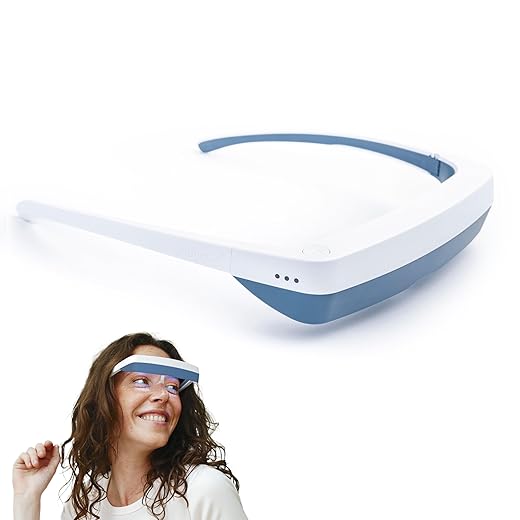
Your daily management plan is the architect of this change. Tools like the Pavlok 3 habit-tracking wearable can deliver a gentle vibration cue to practice a grounding technique, physically reinforcing a new neural circuit. Similarly, using a Luminette 3 SAD therapy lamp at a consistent morning time can help regulate circadian rhythms, demonstrating how external tools guide internal plasticity toward stability.

Productivity is a reliable metric for this neural remodeling. Start with a “micro-productivity” task, like organizing a single drawer for five minutes. Completing it successfully creates a small dopamine release, which your brain learns to associate with the initiated action, making it easier to repeat. This builds a functional neural highway for motivation that bypasses the old depressive rut.
Therefore, effective treatment is less about erasing a condition and more about diligent, repetitive training. Every instance of applying a management strategy–whether a breathing exercise from a Headspace subscription or a scheduled social interaction–is a rep for your brain, forging durable pathways that ultimately support sustained wellness and functional recovery.
Recognizing Your Personal Depression Patterns and Triggers
Start a dedicated observation journal, either digital or physical. The Moleskine Classic Notebook is a reliable tool for this. For two weeks, log daily: energy peaks and crashes, specific thoughts before a mood dip, social interactions, sleep quality, and even dietary habits. Look for correlations, not just daily moods.
Identify your unique warning signs, which are often behavioral shifts. These are not just “feeling sad.” Track measurable changes like a sharp decline in your usual productivity, increased irritability over minor issues, abandoning hobbies, or a pattern of negative self-talk. These signs are your early-alert system.
Systematically catalog your triggers. Separate them into categories: situational (e.g., work deadlines, family conflict), internal (e.g., perfectionistic self-criticism, ruminating on past events), and physiological (e.g., poor sleep, skipped meals). This categorization makes your management plan actionable.
Use this data to create a personalized pre-emptive plan. If a trigger is unavoidable, like a stressful quarterly review, deploy pre-planned coping strategies beforehand. This could involve scheduling a walk after the meeting or using a cognitive-behavioral therapy (CBT) app like Woebot to challenge anticipatory anxiety.
Share your documented patterns with your mental health professional. This concrete data transforms therapy sessions from general discussions into targeted strategy meetings. It allows for precise adjustments to your treatment, whether it’s tweaking medication timing or focusing on specific cognitive distortions.
Recognizing patterns is a core skill for sustained stability. It moves you from passively experiencing symptoms to actively engaging in your long-term well-being. This proactive observation is a non-negotiable pillar of sustainable recovery, empowering you to intervene before a minor dip becomes a major episode.
Building Your Daily Management Toolkit (2026 Edition)
Start your day with a 5-minute “Neuro-Reset” using a light therapy lamp like the Verilux HappyLight Luxe. Morning light exposure, even on cloudy days, directly regulates circadian rhythms, a proven non-pharmacological intervention for mood stability.

Your toolkit is not about eliminating low moods, but about creating a foundation of stability that makes professional treatment more effective. Think of it as essential maintenance for your well-being.
Track your energy and mood in real-time with a dedicated app like Bearable, not just your sleep. Correlate data from your Oura Ring (sleep stages, heart rate variability) with self-reported entries. By week three, you may discover your “productivity” window is actually 10 AM – 12 PM, not the afternoon as you assumed, allowing for smarter task scheduling.
Implement the “Two-Minute Anchor” rule: when overwhelmed, perform a single, tangible action that takes 120 seconds or less–organize one desk drawer, water one plant, write one thank-you note. This builds momentum against inertia.

| Tool Category | Specific 2026 Example | Primary Function for Stability |
|---|---|---|
| Sensory Regulation | TouchPoints Basic (wearable BLAST tech) | Bi-lateral alternating stimulation tactile units to reduce acute anxiety in under 30 seconds. |
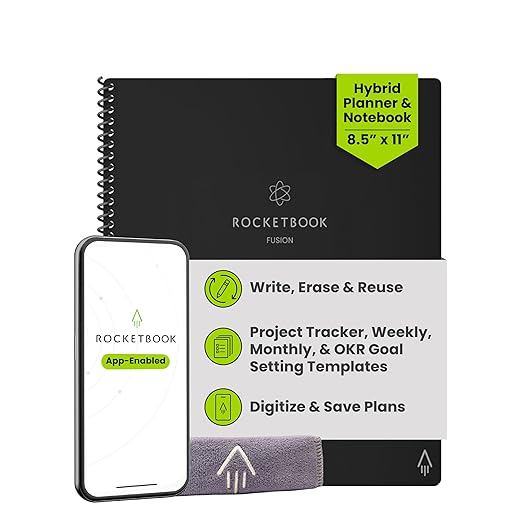
| Cognitive Offload | Rocketbook Fusion Smart Notebook | Digitize to-do lists & worries via app, then physically erase them with a damp cloth for a symbolic “clear slate.” |
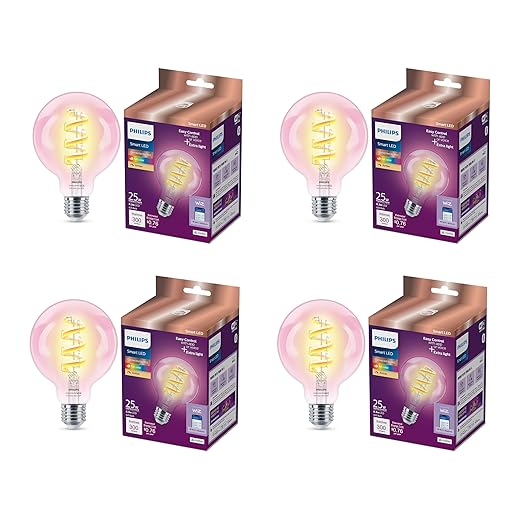
| Environmental Cue | Philips Hue Smart Bulbs + Gradient Lightstrip | Automated sunrise simulation wake-up and pre-sleep wind-down light sequences to reinforce rhythm. |
| Physical Grounding | Gaiam Premium Slow-Flow Yoga Mat | Dedicated, inviting space for 10 minutes of restorative floor-based poses or simple breathwork. |

Schedule “well-being appointments” in your digital calendar with the same priority as a work meeting. Block 20 minutes on Tuesday for a walk, 15 minutes on Thursday for a guided meditation using the Insight Timer app. This institutionalizes self-care as non-negotiable infrastructure.
Redefine “productivity.” A productive day with depression may consist of three critical tasks: taking your medication, attending your therapy session, and preparing a nourishing meal. Celebrate these as core victories that directly fuel your recovery journey.
Curate a “Distress Diversion Kit.” Assemble a physical box containing items like a fidget cube, a vial of calming essential oil, a list of uplifting podcasts, and a photo that evokes a positive memory. When verbal therapy feels impossible, this kit offers an alternative pathway to regulation.
Finally, audit your toolkit quarterly. What worked in winter may not fit your summer patterns. The goal is a dynamic, personalized system that evolves with you, ensuring your management strategies remain as current as your understanding of your own condition.
Structuring Your Day: From Morning Routine to Wind-Down
Begin your day with a non-negotiable 5-minute physical anchor, like making your bed or stepping outside for sunlight; this small win builds momentum against morning apathy.
Schedule a low-barrier activity immediately after waking, such as using a Philips Wake-Up Light Alarm paired with five minutes of a calming podcast, to create a gentle transition from sleep.

Implement time-blocking with a physical planner, like the Panda Planner Pro, assigning specific 90-minute blocks for focused work followed by mandatory 20-minute breaks to prevent cognitive depletion.
Redefine productivity to include self-care tasks; logging “took medication,” “had a nutritious meal,” or “attended therapy session” in your tracker is a valid accomplishment.
Integrate a 3 p.m. sensory reset using a handheld TENS unit for a five-minute wrist massage or a brief walk–this directly counters the common afternoon energy crash linked to mood disorders.

Your evening wind-down must start 90 minutes before bed: use an Amazon Smart Plug to automatically dim lights and activate a Hatch Restore sound machine, signaling to your nervous system that the day is ending.

Conduct a 10-minute “brain dump” in a dedicated notebook, transferring worries and tomorrow’s tasks from your mind to paper; this ritual is a core component of cognitive behavioral treatment techniques.
End the day with a gratitude or evidence log, noting one instance where you effectively managed a symptom, reinforcing the neural pathways of capability supported by neuroplasticity.
Digital Tools for Mood Tracking: Apps Beyond Basic Journals
Begin by pairing a dedicated mood app with a physical smart journal like the Rocketbook Core for analog brain-dumps that sync digitally, capturing nuances text fields miss.
Modern platforms use passive data collection. Bearable automatically imports your sleep scores from a Fitbit Sense 2 or workout data from Apple Health, correlating them with your logged energy levels to reveal hidden patterns between activity and your state.

Focus on apps that analyze context, not just mood scores. Effecto excels here, using AI to pinpoint which specific factors–like caffeine intake, weather, or a particular social interaction–most significantly impact your metrics over time.
For structured cognitive work, use Sanvello. It integrates guided CBT journeys, mood tracking, and community support, moving beyond tracking into active skill-building based on your recorded trends.
Maximize utility with these steps:
- Enable all passive data imports from your smartwatch or calendar to reduce logging burden.
- Set a recurring daily reminder for just 2 minutes to log; consistency beats detail.
- Review insights weekly with a therapist or coach to adapt your management plan.
- Export monthly reports to visualize progress in areas like social connection frequency versus low mood days.
These tools transform raw data into actionable insight, directly informing your daily toolkit and supporting your brain’s adaptive capacity through proven behavioral adjustments.
Question-Answer:
Is it really possible to feel “normal” while having depression?
Yes, it is possible. “Normal” in this context doesn’t mean the absence of depression or never having a bad day. It means building a life where depression does not hold absolute control. It involves creating routines, using treatment plans, and developing coping skills that allow you to work, maintain relationships, and find enjoyment. Many people with depression lead full, productive lives. Their experience of “normal” includes managing a chronic condition, much like someone with diabetes manages insulin. Good days will outnumber the hard ones, and you can have a stable, meaningful life.
What are the first practical steps I can take this week to start managing my depression better?
Begin with two small, concrete actions. First, schedule one daily activity for yourself at a fixed time, like a 10-minute walk or making a cup of tea. The consistency matters more than the activity’s size. Second, write down three specific things you will do if a wave of low mood hits, such as calling a pre-selected friend, listening to a particular playlist, or doing five minutes of breathing exercises. Having this plan ready removes the need to decide when you’re feeling low. These steps create immediate structure and a sense of agency.
How do I explain my depression to my partner or family without scaring them or feeling like a burden?
Choose a calm moment and use clear, simple language about your experience, not just the diagnosis. You could say, “Sometimes my brain chemistry makes me feel very low and tired, even when things are okay. It’s an illness I’m working on. What I need from you is sometimes just company, or help with chores when it’s hard. I’ll let you know how you can support me.” This focuses on specific symptoms and needs, which is less abstract and frightening than the term “depression” alone. It invites support rather than demanding a solution, and makes them part of your process.
I’ve tried therapy and medication, but I still have bad periods. Does this mean I’m not recovering?
No, it does not mean you are failing. Recovery from depression is rarely a straight line upward. It is common to have setbacks or difficult periods, even with consistent treatment. These episodes are not a sign that your efforts are wasted. Think of it like learning a physical skill: you will still stumble sometimes after years of practice. The key is to notice if these periods are becoming less severe, shorter, or you’re bouncing back faster. That is progress. Talk to your doctor about adjusting your treatment, but view these challenges as part of the process, not evidence against it.
Can you have a successful career while managing chronic depression?
Many people do. Success often comes from finding work environments and roles that accommodate your needs. This might mean a job with flexible hours, a supportive manager, or clear boundaries between work and home. Practical strategies like breaking tasks into very small steps, using calendars rigorously, and having honest, limited conversations with HR about accommodations can make a big difference. Your career path might look different—perhaps with slower progression or different choices—but depression does not erase your skills, intelligence, or ability to contribute meaningfully. Building a sustainable work life is a central part of living well with depression.
How can I possibly have a ‘normal’ day when even getting out of bed feels like a huge task? What does a realistic daily routine look like?
A ‘normal’ day with depression often means a modified routine that acknowledges your current energy levels. It’s not about matching the productivity of someone without depression. A realistic day might start with a very small goal, like sitting up on the edge of the bed for a minute. Instead of a full shower, washing your face could be the win for the morning. Structure is helpful, but it should be flexible. You might plan a short walk, but if that feels impossible, standing outside for a few breaths can be the alternative. The key is to break tasks into tiny, manageable steps and to include moments of something neutral or slightly pleasant, like a favorite warm drink. A successful day is one where you met yourself where you were, not where you fought against your symptoms every second. Over time, these small steps rebuild a framework for your life.
My family says I should just “try to be happier” and that medication is a crutch. How do I explain that recovery is more complex than that?
You can explain that depression is a medical condition, not a mood choice. Compare it to a physical illness: you wouldn’t tell someone with diabetes to just “try to make more insulin.” Treatment addresses a physiological imbalance. A “crutch” is an accurate analogy, but not in the way they mean. If someone breaks a leg, a crutch is a necessary support that allows healing and movement while the bone mends. Antidepressants or therapy serve a similar purpose—they are tools that support brain chemistry and thought patterns while you work on recovery. Mention that strategies include many parts: professional treatment, daily habits, social support, and sometimes medication. True recovery is building a life that manages the condition, which requires multiple tools, not just willpower. Asking for help to use these tools is a sign of strength and commitment to getting better.


