


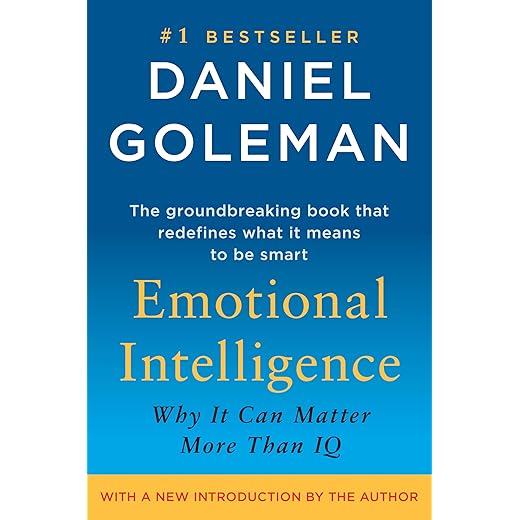
Emotional intelligence (EI) is a skill considered crucial for both personal and professional success. In today’s fast-paced world, where employees are constantly confronted with various issues, the ability to understand and manage emotions can lead to more meaningful interactions. It isn’t just about being aware of one’s feelings; it involves an accurate reading of others’ emotions and responding appropriately. As the renowned psychologist Daniel Goleman wrote, emotional intelligence comprises several key skills that can be developed over time.

Almost everyone has experienced peak events that evoke strong emotional responses, whether it’s anxiety in a high-stress meeting or the exhilaration of a job well done. In these moments, it’s essential to engage in self-talk that fosters inner calm and facilitates effective decision-making. Unlike traditional intellectual skills, emotional intelligence requires a conscious effort to tune into the emotions of oneself and others. This skillfulness enables individuals to navigate tense situations and react constructively rather than impulsively.
The three primary emotional intelligence skills–awareness, self-regulation, and empathy–play a significant role in managing interpersonal dynamics. Employees who excel in these areas tend to build long-term relationships, maintain mental health, and contribute positively to workplace culture. It’s no longer sufficient to rely solely on technical know-how; the ability to relate to others and understand their perspectives is becoming increasingly important. In this article, we will delve into these essential emotional intelligence skills and explore how they can transform your professional life while enhancing personal well-being.
Key Emotional Intelligence Skills

Emotional intelligence (EI) skills are essential for both personal and professional success. When you’ve developed these skills, it helps you navigate through life’s challenges with a calm and balanced approach. The journey to enhancing your emotional intelligence often requires grounded techniques. In this field, the following five key skills stand out.
The first skill is self-awareness. This involves understanding your own emotions and how they influence your reactions. Regularly taking time to meditate or write can open a door to discover your thoughts and feelings. When you take a break from daily chaos to center yourself, it leads to healthier emotional management. It’s a game-changer because it helps you understand your potential in dealing with stressful situations.
The second is self-regulation. It involves managing your emotions in a way that avoids negative reactions, especially during peak moments of stress. For instance, when you’re angry or frustrated, finding a calm space or practicing breathing exercises helps maintain a balanced state. This skill is particularly crucial for leaders, as it sets the tone for trust and respect in relationships.
Third, empathy is vital in building connections. Being able to read the body language and emotions of others allows you to respond in a compassionate way. Regularly considering the perspectives of those around you can strengthen interpersonal relationships. For example, when you show genuine interest in others’ feelings, it fosters a sense of trust and loyalty.
Next, motivation is a crucial emotional intelligence skill. It doesn’t merely mean driving yourself to succeed; it’s about influencing others positively and finding ways to motivate your team. You can make use of various programs that cultivate resilience and encouragement. Whether it’s through inspirational books available on Amazon or leadership workshops, these resources can greatly enhance your motivational skills.
Finally, social skills play a significant role. This includes everything from effective communication to conflict resolution. The ability to engage in constructive conversations and build supportive networks is vital. Developing strong social skills ensures you can maintain and nurture relationships, which are foundational to success across all areas of your life.
| Emotional Intelligence Skill | Example Resources |
|---|---|
| Self-Awareness | Journals, Meditation Apps |
| Self-Regulation | Breathing Aids, Relaxation Guides |
| Empathy | Books on Emotional Intelligence |
| Motivation | Leadership Workshops, Inspiring Biographies |
| Social Skills | Communication Courses |
In conclusion, developing these five emotional intelligence skills not only enhances your relationships but also empowers you to navigate through life’s ups and downs. By actively working on them every day, you can cultivate a more resilient and fulfilling life. Start today and consider how these skills can transform your personal and professional interactions!
Recognizing and Understanding Emotions
Recognizing and understanding emotions is a fundamental component of emotional intelligence that can very much impact both personal and professional success. While some people may naturally excel in this area, it is a skill that anyone can develop with practice. Goleman emphasizes that being able to perceive and name emotions correctly is crucial. This means you’re more likely to build strong connections and manage stress effectively, allowing you to stay composed in challenging situations.
One way to enhance your emotional recognition skills is by observing nonverbal cues. These include body language, facial expressions, and even tone of voice. For instance, imagine you’re in a sales meeting and somebody looks tense or distant. Recognizing this nonverbal cue might lead you to adapt your approach. You could choose to share a constructive story to ease the tension, making a significant difference in how the conversation unfolds.
Practicing emotional recognition can also improve your ability to manage adversity. For example, when facing tough times, you must be aware of your own feelings and motivations. Acknowledging your emotions allows you to respond rather than react, helping you maintain focus on your goals. This proactive management is key to achieving success, especially in professional environments where stress is a common factor.
Moreover, being able to recognize others’ emotions means you can tap into their strengths. By understanding what drives somebody else, you can offer support that resonates with them, building a chain of trust. Areas like teamwork and leadership thrive on empathy and recognition of emotions. For instance, you could use tools found on Amazon, like emotional intelligence books or guides, to further augment your skills. Items like “Emotional Intelligence 2.0” by Travis Bradberry and Jean Greaves can provide insights to refine these important skills.
Remember, the journey to emotional awareness is ongoing, and you’ve got to keep practicing. The more you engage in understanding emotions, the more effective you’ll become in both your personal life and professional standings. In essence, this skill goes hand-in-hand with achieving your aspirations, leading to greater achievements in every area of your life.
Empathy in Daily Interactions
Empathy is a crucial competency that deepens our connections with others, both personally and professionally. When we actively engage in empathetic interactions, we are not just reacting to others’ emotions; we are fostering a deeper understanding of their experiences. Research shows that individuals who master empathy have a greater ability to navigate conflicts with ease, as they can reflect on the emotions and thoughts of those around them. This willingness to attune to others’ feelings is not an impossible trait to develop; rather, it is an intrinsic skill that anyone can cultivate.
The goal of empathy is to create meaningful connections. When we pay attention to others and inspire positive interactions, we build a circle of trust and understanding. Whether we are in a team meeting or catching up with a friend, maintaining a steady mindset helps us remain self-aware and prevents us from dwelling on our own concerns. This self-awareness makes it easier to break down barriers and connect with others on a deeper level. It’s important to recognize that the ability to empathize with others is not just about feeling what they feel; it’s about understanding where they are coming from and considering their perspectives in our decisions.
Consider the practice of meditation, which has been shown to increase our self-awareness and, by extension, our ability to empathize with others. Spending at least a few minutes each day to reflect can transform how we approach our daily interactions. For example, using guided meditation apps like Calm or Headspace can help nurture these skills, making us more likely to react positively in challenging situations.
In literature and everyday life, individuals who embody empathy often inspire change. They create constructive dialogues that lead to solutions and shared growth. Therefore, the next time you find yourself in a conflict, remember that breaking the cycle of negativity starts with you. By practicing empathy, you will not only improve your relationships but also master the art of emotional intelligence, which can significantly enhance both your personal and professional success.
Managing Stress in Difficult Situations
Managing stress during tough times is crucial for both personal and professional success. When faced with challenges, the way we respond can significantly affect our outcomes. Active stress management is more than just a reaction; it’s a process that includes understanding our feelings and developing emotional competencies.
Tasha, a psychology expert, once wrote about how our human instincts often drive impulsive reactions to stress. Instead of letting our emotions take control, we should aim to regulate our responses effectively. For instance, when a setback happens at the workplace, practising techniques such as deep breathing or taking a moment to step back can help maintain a calm demeanor. This is about managing our impulses, allowing us to view situations more clearly.
A great way to improve your stress response is by establishing a regular routine that includes activities to help you unwind. Imagine taking a few minutes each day to meditate or connect with your network of support. These moments of calm can prepare you to tackle life’s downs more intelligently and constructively. For someone who finds it hard to stay calm under pressure, discovering these practices can be highly beneficial.
There are also tools available to aid in stress management. For example, products like guided meditation apps or stress relief gadgets (you can find a variety on Amazon) can enhance your ability to stay centered. Engaging with these resources before a challenging situation arises can make a world of difference. They help you understand that high-stress moments can be managed differently when you’re equipped with the right skills.
Ultimately, stress management entails more than just reacting; it’s about a proactive approach to developing a strong emotional intelligence skill set. By understanding your feelings better and learning to manage your responses, you can truly transform those stressful moments into opportunities for growth.
Effective Communication Techniques
Mastering effective communication is an essential skill that can significantly influence your personal and professional relationships. It all starts with a simple approach. When you communicate clearly and empathetically, you can reduce stress and anxiety in conversations, making it easier to connect with others. For instance, maintaining eye contact while speaking can help to highlight your sincerity and attentiveness.
One of the first steps towards achieving this competency is to truly reflect on your own emotions and developed skills. Understanding your feelings and how they affect your interactions allows you to stay calm, even in tense situations. When emotions arise, looking for solutions instead of becoming overwhelmed will help you maintain a positive outlook.
To foster stronger connections, it’s beneficial to genuinely listen to others’ opinions and perspectives. When you’ve taken the time to empathize with someone else’s view, you can create a more supportive environment. This approach not only eases anxiety but also strengthens the relationship. You can use tools like active listening guides, available on platforms like Amazon, to improve your communication skillfulness and become an effective negotiator or leader.
Tips for effective communication also include being aware of your body’s language and how it plays a role in conveying your message. Almost everything you say could be influenced by non-verbal cues, so being mindful of this can benefit your interactions greatly. A product like the Non-Verbal Communication Book on Amazon offers a wide range of insights into the psychology of gestures and facial expressions, enhancing your ability to connect.
In conclusion, effective communication isn’t impossible to achieve; it requires practice, skillfulness, and a commitment to understanding others. By developing these essential techniques, you not only improve your professional interactions but also foster deeper, meaningful relationships in your personal life.
Building Resilience to Change
In today’s fast-paced world, building resilience to change is more important than ever. Employees often face stressful situations that can leave them feeling overwhelmed. The ability to handle these changes effectively relies heavily on emotional intelligence. Remember, it’s not just about coping; it’s about thriving through change.
One of the key traits of resilient individuals is their ability to interact actively with their feelings and those of others. When changes arise, rather than dwelling on the negative, resilient people are able to see the situation differently. They might hear challenging news and respond with a phrase like, “What’s the opportunity here?” This shift in perspective deepens their emotional management skills and drives personal growth.

Here are three essential strengths that can help in building resilience:
- Intellectual Flexibility: Being able to adapt your thinking allows you to approach problems from different angles.
- Emotional Awareness: Understanding your own feelings better helps you to navigate through tense situations with ease.
- Support Systems: Surrounding yourself with supportive colleagues can provide the emotional backing needed during stressful times.
The journey of developing resilience is not a solo endeavor. It involves engaging with others and strengthening ties, which can have a high emotional effect on your overall well-being. For instance, actively communicating with your team can create a more supportive environment where everyone feels valued and understood. This, in turn, makes it easier to stick together through tough times.
So, if you find yourself going through changes, remember these traits and consider how you can apply them in your daily routines. Choosing the right tools can also assist in this journey. For example, items like stress relief balls or guided journals available on Amazon can serve as great resources in managing feelings during overwhelming moments. With the right basis of emotional intelligence, you can experience anything life throws your way and emerge stronger.
Impact of Emotional Stability
Emotional stability plays a significant role in both personal and professional success. When you are emotionally steady, you are more likely to respond to challenges with confidence and calmness. This quality helps you navigate the ups and downs of life without letting anxiety take over. Having knowledge about your emotions can benefit you greatly, as it allows for a more accurate understanding of yourself and others, making your interactions more empathetic and constructive.
Research has shown that individuals who maintain a high degree of emotional stability are often healthier and more fulfilled. They’re capable of listening actively and responding in a manner that deepens their relationships. This style of communication can inspire those around them to adopt a similar approach, creating a more positive environment. For instance, consider products like stress-relief techniques offered on Amazon, such as calming essential oil diffusers or guided meditation apps, that can help enhance your emotional wellness.
It’s essential to remember that emotional stability can be developed over time. If you’re experiencing particularly tough moments, take a step back and avoid reacting in a negative manner. Instead, practice letting your thoughts flow like water. This makes it easier to reflect on your feelings and articulate your views accurately. The literature suggests that being aware of your emotional states and understanding your weaknesses can lead to higher levels of resilience.
When you’re calm, you’re better equipped to face the daily challenges of work and life. This not only improves your well-being but also boosts productivity. For example, utilizing resources like mindfulness journals or supportive self-help books available on Amazon can help you stay on track and reinforce your emotional stability. As you deepen your understanding of yourself, you’ll find that the benefits extend far beyond just individual success; they naturally enhance your interactions with others as well.
How Emotional Stability Influences Decision-Making
Emotional stability plays a critical role in decision-making processes, particularly in high-pressure environments. When individuals exhibit steady emotional behavior, they are better equipped to manage their reactions and impulses. This skill is essential for leaders who often face complex situations where quick decisions are necessary. Research shows that leaders who maintain emotional stability tend to interpret situations more accurately and stick to their goals, which can greatly affect their team’s effectiveness and morale.

Practicing emotional stability is a journey that includes daily exercises to improve one’s ability to stay calm under stress. For example, spending time on mindfulness or engaging in therapy can help individuals create a stable emotional foundation. These experiences allow them to react confidently rather than impulsively, which is crucial for making sound decisions. Tips for improving emotional stability include identifying your triggers, utilizing nonverbal communication effectively, and understanding your weaknesses without being afraid to acknowledge them.
Moreover, effective emotion management helps avoid poor decision-making that can arise from being too busy or overwhelmed. The more you practice staying steady in your emotional responses, the better your thinking process becomes. This can mean the difference between making informed choices and falling into reactive behavior that jeopardizes success. Research indicates that whether we’re handling personal or professional challenges, emotional stability is a source of strength that supports effective decision-making.
For those looking to enhance their emotional skills, products available on platforms like Amazon can aid this journey. Books such as “Emotional Intelligence 2.0” or planners designed for stress management can provide valuable input. Investing in these resources can help you not just in your current role but also as you grow into a confident leader capable of inspiring others through kindness and thoughtful decision-making.
Q&A:
What are the key emotional intelligence skills mentioned in the article?
The article highlights five key emotional intelligence skills: self-awareness, self-regulation, motivation, empathy, and social skills. Each of these skills plays a significant role in enhancing both personal and professional interactions. Self-awareness helps individuals understand their own emotions, while self-regulation allows them to manage those emotions effectively. Motivation relates to the drive to pursue goals, empathy enables understanding of others’ feelings, and social skills aid in building strong relationships.
How can self-awareness improve personal relationships?
Self-awareness is the ability to recognize and understand one’s own emotions. By being aware of how feelings influence behavior, a person can communicate more openly and honestly, which strengthens personal relationships. For instance, knowing that you tend to react defensively when stressed can help you pause and respond more thoughtfully, fostering better conversations with loved ones. This clarity encourages authentic interactions and reduces misunderstandings.
Why is empathy considered a critical skill in the workplace?
Empathy is crucial in the workplace because it fosters collaboration and builds trust among colleagues. When an individual can recognize and understand the emotions of others, it promotes a supportive environment. This understanding leads to effective teamwork, where employees feel valued and heard. Additionally, empathetic leaders can inspire their teams, as they are more attuned to employees’ needs and challenges, thereby enhancing morale and productivity.
Can improving emotional intelligence skills lead to career advancement?
Yes, enhancing emotional intelligence skills can significantly impact career advancement. Professionals who demonstrate high emotional intelligence are often better communicators, more adept at conflict resolution, and possess stronger leadership qualities. Employers value these traits because they contribute to a positive workplace culture and improved team dynamics. Individuals with developed emotional intelligence are more likely to build meaningful networks, seek out leadership opportunities, and navigate challenges successfully, which can lead to promotions and career growth.
What are some practical ways to develop emotional intelligence skills?
To develop emotional intelligence skills, individuals can engage in several practical activities. Reflective practices such as journaling help increase self-awareness by allowing one to analyze emotions and reactions. Participating in active listening exercises can enhance empathy by training individuals to fully engage with others. Setting personal goals around emotional responses can promote self-regulation, while seeking feedback from peers can provide insights into social skills. Additionally, reading literature on emotional intelligence and attending workshops can aid in understanding and applying these concepts in daily life.
What are the key emotional intelligence skills that can contribute to personal success?
The five key emotional intelligence skills that contribute to personal success include self-awareness, self-regulation, motivation, empathy, and social skills. Self-awareness involves recognizing your own emotions and their impact on your thoughts and behavior. Self-regulation is the ability to manage your emotions and reactions in various situations. Motivation refers to being driven to achieve personal goals, often through a passion for growing and improving. Empathy is the capacity to understand and share the feelings of others, which fosters stronger connections. Lastly, social skills help individuals to effectively communicate, build relationships, and navigate social complexities.
How can emotional intelligence skills benefit someone in a professional setting?
Emotional intelligence skills can significantly enhance professional interactions and success. For instance, increased self-awareness allows individuals to understand how their emotions influence their behavior at work, leading to better decision-making. By practicing self-regulation, professionals can maintain composure during stressful situations, which positively impacts teamwork and collaboration. Strong motivation spurs productivity and perseverance, making employees more resilient in facing challenges. Empathy helps in resolving conflicts and building stronger relationships with colleagues, while effective social skills facilitate communication and networking. Together, these skills create a more harmonious work environment and contribute to career advancement.

Other Articles


15 Comments
Comments are closed.


Flavors of intellect. “Academic intelligence offers virtually no preparation for the turmoil – or opportunity – life’s vicissitudes bring”There is a difference between knowledge and wisdom. Knowledge is about the facts. Wisdom is about understanding and applying those facts. Miles Kington quipped, “Knowledge is knowing that a tomato is a fruit. Wisdom is not putting it in a fruit salad.”Without understanding, everything we know is useless. We need more understanding and that is where emotional intelligence comes in.I love working in higher education because I get to interact with so many students majoring in a variety of fields. I get to learn about so much just by association. But I also get to see students connect the dots throughout their liberal arts education. The English major may not like his chemistry class and the Biology major probably abhors here art class, but I enjoy seeing these students expand their minds and gain perspectives connecting academic fields together.Additionally, I enjoy seeing students live in community, learning to connect their academics to the lives. In life changing moments to the mundane of the everyday, this is where students learn emotional intelligence.Emotional Intelligence is one of those foundational works that everyone needs to read. It simply shapes how you think about everything you do and everything you are.Though the whole book as great, I greatly enjoyed the section on optimism. How optimistic you are about life has a huge impact. Your sense of optimism is more predictive of your success than your intelligence. Giving someone optimism is crucial. “People’s beliefs about their abilities have a profound effect on those abilities. Ability is not a fixed property”I also found the section on dealing with tragedy or difficult memories particularly interesting. I already knew about the chasm between our emotions and the inability to communicate them effectively. (This is why it is hard to explain the reasons you love someone and why listing pros and cons seems absurd). But I never thought about the importance of communicating terrible emotions into words. “People’s emotions are rarely put into words; for more often they are expressed through other cues.” This is probably why just going to therapy just once can be beneficial. Putting horrible memories into words can help you confine and control the emotion.This book is a new favorite. It is a must read.
Fantastic book for learning about emotional intelligence. In “Emotional Intelligence”, Daniel Coleman justifies the importance of emotional intelligence (or E.I.) in all areas of life. To help us understand what is happening when emotions occur, the book begins with an explanation of emotions and neural circuitry. As Coleman goes further into the topic, we learn why emotional literacy is extremely valuable in our love, family and work lives. Most importantly, this book offers helpful approaches on how to improve one’s emotional aptitude and fix negative emotions.I would recommend this book to anyone interested in psychology, well-being, or personal development. Likewise, I believe that this book would be extremely useful for emotional personalities who are affected by chronic anger, anxiety, or depression, and who are looking to improve themselves by better-understanding their emotions and learning how to handle them.My brief takeaways from the book:What Is E.I.?Coleman discusses emotional intelligence as one’s ability to identify, understand, and handle emotions in oneself and in others. There are two aspects to E.I.: internal and external. Internally, competencies include self-awareness, self-management, impulse control, mood regulation and more. Externally, E.I. relates to empathy, social awareness and the capacity to manage emotions in others.The BrainColeman explains how emotions are highly dependent upon one’s neural circuitry; in particular, the balance between her “feeling” amygdala and “thinking” prefrontal cortex. The amygdala is the part of the brain that triggers emotional impulses and fight-or-flight responses. The prefrontal cortex is the emotional damper that inhibits impulses while simultaneously facilitating attention and working memory.An amygdala overwhelmed by emotion and unable to be regulated by one’s prefrontal cortex can trigger what Coleman calls “neural hijackings”. Neural hijackings contribute highly to emotional deficiencies such as anxiety, anger and depression. A portion of one’s neural circuitry is genetic, but Coleman argues that temperament is not destiny. The brain is continuously shaped throughout a lifetime due to its neuroplasticity.The EmotionsEmotions are physiological responses of the brain. Good moods and emotions help us stay motivated, optimistic, resilient, and resourceful. They contribute towards an ideal state or flow and facilitate our ability to think flexibly and associatively.“Laughing, like elation, seems to help people think more broadly and associate more freely, noticing relationships that might have eluded them otherwise…”On the other hand, negative emotions such as anger, anxiety and depression can drastically impede our working memory, intellect and performance. “Emotional Intelligence” focuses on the most common negative emotions: anger, anxiety, and depression. Each of these emotions is a different type of emotional hijacking on the brain. Coleman discusses, in detail, the treatment for such concerns. In short, solutions include methods such as self-awareness, cognitive reframing, and distraction techniques to fight toxic trains of thought before they ruminate further.“Anyone can become angry – that is easy. But to be angry with the right person, to the right degree, at the right time, for the right purpose in the right way – that is not easy.”In The Real WorldA significant portion of “Emotional Intelligence” discusses the effects of emotionally illiteracy on the most important areas of our lives: relationships, family, work, school, and health. These chapters include numerous studies and examples on how emotional competencies affect one’s ability to be an effective manager, teammate, spouse and parent.Most importantly, emotional states play a significant role in one’s physical and mental health. Coleman discusses the correlation of negative emotional states, such as stress and depression, with one’s susceptibility to (and ability to recover from) disease. For example, social isolation can affect mortality rates as much as smoking, high blood pressure, high cholesterol and obesity!E.I > I.Q.“Those who are at the mercy of impulse – who lack self-control – lack a moral deficiency: The ability to control impulse is the base of will and character.”Without discounting the fact that I.Q. is indeed important, especially for lower-rung technical jobs, Coleman debates that E.I. contributes significantly more to one’s overall success and quality of life, especially in “soft” domains such as health, love and relationships. In a family, it’s E.I., not I.Q., that influences how long a marriage lasts or how a child handles adversity. At the workplace, everyone at the top of the ladder is already filtered by technical expertise. So it is E.I. that helps the best and most effective leaders stand out. From a societal standpoint, an emotionally intelligent community will breed a moral culture where decisions are influenced by empathy and moral instincts as opposed to uncontrollable impulses.“Academic intelligence offers virtually no preparation for the turmoil – or opportunity – life’s vicissitudes bring. Yet even though a high IQ is no guarantee of prosperity, prestige or happiness in life, our schools and our culture fixate on academic abilities. Ignoring emotional intelligence, a set of traits – some might call it character – that also matters immensely for our personal destiny”If you’ve found this summary interesting. You should definitely go deeper into this lovely, informational book!
Great app. The app is great it goes from one thing to another I sleep all night
work miracles. I love the fact that I started using this and the very first night I was able to fall asleep fast and relaxing. I am so glad and happy I have been doing this. Give it a try if you haven’t already
Almost Perfect. This is one of my favorite relaxation apps. It has a good choice of meditation, hypnosis and/or yoga relaxing sets with a variety of issues to choose from. Some guides are female while there are also male guide available. The list for issues one wishes to address is divided into the many separate difficulties one wishes to address and change. Although I may not like the voice of a couple of narrators I have definitely found several that work for myself. I judge the teachers or therapist not specifically by male or female but rather by how the full session works for me to find the depth of relaxation I am looking for, a deep and lasting experience. The best way to determine what will work for you is trying it out for yourself. You can work on whatever part you wish to change, improve. Doing these relaxation every day is crucial for any change to happen.Thanks everyone for a great group of therapy choices.
Good for beginners. I haven’t used it enough to give an opinion, but I like it. It has good options to choose from.
Great for Adults too. This book I bought it for me (40yr old) and did it with my daughter (6yr old). Because of personal trauma I was stuck in the emotional brain of a 15 yr old and this book helped me a lot. Super recommended, and it becomes a handbook to come back to often when you need regulation help.
Perfect for Relaxation and Focus. These stress balls are a simple but effective tool for relieving tension and keeping my hands busy during the day. They have just the right amount of firmness — soft enough to squeeze comfortably but firm enough to provide resistance that actually helps with stress relief.I use them while working at my desk, during meetings, or even while watching TV. They’re also great for improving hand strength and flexibility. The material feels durable and doesn’t lose its shape even after a lot of use.Overall, they’re a fun, affordable way to manage stress, stay focused, and even get a little hand exercise. Definitely a great buy!
NOPE. App meet liking me out.I hate it and I have tried red own loading it many times its just not a good app for kindles
Helpful. This book is great for explaining different situations and creating thoughtful ways to discuss emotions with your child. The activities are in the moment and throughout the week to keep them thinking of the topic at hand.
Attractive and useful. Good quality. Good weight. I have them in my therapy office and clients appreciate them. Help soothe stress and anxiousness. Easy to wipe off between clients
Fun and easy for kids to do and understand. My two granddaughters love the ideas in the book. Smart activities to make learning about emotions fun.
The book cover is in great condition.
Simple but it works. this app is pretty great when you just want to calm down for a few minutes or clear your head. The guided sessions have really soothing voices, the background music is super relaxing, and it’s nice to have something you can pop on when you’re stressed, trying to sleep, or just need a mental reset. That said, some of the meditations feel a little too short — just when you’re starting to settle in, they’re already wrapping up. And the ads can totally kill the vibe, especially when you’re mid-meditation and suddenly get blasted with something loud or random. A few of the tracks also sound a lot alike, so after a while it can feel a bit repetitive. Still, for a free meditation app, it does a pretty solid job, and it’s an easy, no-frills way to squeeze a little peace into your day without paying for a subscription
Pleasantly surprised- nice quality. Excellent quality and like the motivational saying on each stress ball. Would order again