


Parents Supporting a Child Through Depression is one of the most important steps toward helping a child feel understood, safe, and emotionally supported during difficult times. When parents know how to recognize early signs of depression, communicate with empathy, and create a stable environment, they become a powerful source of strength and reassurance. With the right approach, guidance, and patience, families can build a foundation of trust that encourages healing, resilience, and long-term emotional well-being.

Begin by prioritizing direct, non-judgmental communication. Instead of asking “What’s wrong?” which can overwhelm, use observational statements like, “I’ve noticed you’ve seemed quieter this week, and I’m here to listen.” This approach opens dialogue without pressure, making it easier to identify subtle shifts in mood or behavior that may be symptoms of deeper distress. Your consistent, calm presence is a foundational parental strategy, more powerful than immediate solutions.
Accurately recognizing these signs is crucial for seeking the right professional path. Persistent sadness, irritability, changes in sleep or appetite, and loss of interest in favorite activities are key indicators. Documenting these patterns provides concrete data for healthcare providers. For practical daily coping, integrate tools like the Mood Meter app for emotional literacy or consider sensory aids; a weighted blanket, such as the YnM model available on Amazon, can offer grounding comfort during moments of high anxiety, serving as a tangible support alongside emotional strategies.

Engaging with a professional is not a last resort but a proactive step. Effective treatment often involves specialized therapy like Cognitive Behavioral Therapy (CBT), which equips children with skills to manage negative thought patterns. Your role is to collaborate with clinicians, reinforcing these strategies at home. This partnership is vital, as sustainable recovery is a gradual process built on consistent support, not a single intervention.
For parents who want to start therapy quickly and without long waiting lists, online platforms can be an effective option. Services like Online-Therapy.com provide evidence-based CBT programs, licensed therapist support, and flexible scheduling, making professional help more accessible for families who may not have immediate local resources.
Your home environment is a primary healing space. Establish predictable routines that foster security. Co-regulate emotions through shared activities; building a model kit or using a journal like the Q&A a Day for Kids journal (found on Amazon) can facilitate connection. Remember, your own resilience is part of the ecosystem–managing your stress through support networks ensures you have the capacity to provide the steady, unwavering guidance essential for this journey.

Recognizing the Signs Beyond “Just Being Sad”
Look for persistent changes in behavior that last two weeks or more, not just a low mood. Key indicators include a drastic shift in academic performance, loss of interest in beloved activities like sports or gaming, and significant alterations in sleep or eating patterns, such as sleeping all day or skipping meals.
Irritability and anger are often more prominent than sorrow in young people. Observe for disproportionate rage over minor frustrations, frequent conflicts with family and peers, or a constant state of being “on edge.” Physical complaints like recurring stomachaches or headaches, with no clear medical cause, are common somatic symptoms.
Pay close attention to verbal cues and social withdrawal. Statements hinting at hopelessness (“Nothing matters”), self-blame (“I’m a burden”), or vague goodbyes (“You’d be better off without me”) require immediate action. A social retreat from friends, coupled with neglect of personal hygiene, signals deep distress.
Effective parental response starts with calm, non-judgmental communication. Use direct observations: “I’ve noticed you haven’t touched your guitar in weeks and seem tired all the time. I’m here to listen.” Avoid dismissive phrases like “snap out of it.” Tools like the “Mindful Moments Cards” deck from Amazon can facilitate conversations about emotions.

Documenting these patterns is crucial for a professional evaluation. Note the frequency, duration, and triggers of the behaviors you see. This concrete log is invaluable for a pediatrician or mental health specialist during assessment, moving the process faster toward an accurate diagnosis and treatment plan.
Early intervention is critical. A therapy approach like Cognitive Behavioral Therapy (CBT) can equip a young person with practical coping skills. Workbooks like “The CBT Workbook for Teens” on Amazon can supplement clinical work. Remember, your role is not to diagnose but to connect your youngster with experts who can guide the journey toward healing and recovery.

If in-person therapy is hard to access, online therapy services like Online-Therapy.com can help families begin treatment sooner. Their CBT-based approach is especially effective for managing depressive symptoms and building emotional regulation skills.
Changes in School Performance and Attendance
Monitor grades and teacher reports for a sudden, uncharacteristic drop; this is a critical symptom often preceding verbal communication from the young person.
Initiate a structured, non-confrontational dialogue with school counselors, framing absences or missed assignments as potential health indicators requiring a coordinated approach between home and school.
Explore academic accommodations formally, such as a 504 Plan, which can adjust deadlines and testing environments to alleviate pressure during active treatment.
Integrate practical coping tools into the daily routine; products like the Mindful Maze breath board or Time Timer visual clock (available on Amazon) can build focus and manage task-related anxiety before homework sessions.

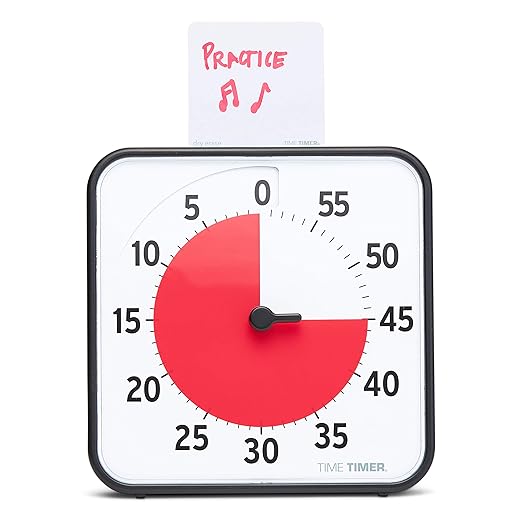
Prioritize consistent attendance over perfect performance; getting the adolescent to school, even if late or for a partial day, maintains routine and social contact, which are foundational for long-term recovery.
Schedule therapy sessions strategically, outside of core academic hours when possible, to minimize disruption and reinforce that therapeutic work is part of the overall wellness plan, not a punishment.
Observe patterns: repeated requests to visit the nurse or calls to come home early often signal overwhelming distress, not mere physical illness.
Shift parental communication from criticism to collaborative problem-solving, asking, “What part of the school day feels most impossible?” to identify specific triggers for targeted intervention.
Physical Complaints with No Clear Medical Cause
First, schedule a pediatrician visit to rule out underlying conditions; a clear bill of health is a crucial data point, not a dismissal of the youth’s experience.
Understand that persistent headaches, stomachaches, or general fatigue are legitimate somatic expressions of psychological distress. The brain’s stress response directly impacts digestive and nervous systems.
Initiate non-judgmental communication by linking the physical sensation to emotional states. Say, “I notice your stomach hurts more on Sunday evenings. I wonder if that’s when worries about the school week start.”
Track these symptoms alongside mood and events using a simple journal or an app like “How We Feel” to identify patterns invisible in the moment.
Equip your teen with somatic coping tools. A weighted blanket, like the YnM Weighted Blanket from Amazon, can provide deep pressure input to calm the nervous system. Encourage paced breathing using a physical guide, such as the “Breathing Buddha” toy.

Engage a mental health professional skilled in somatic therapies. Modalities like Cognitive Behavioral Therapy (CBT) or Acceptance and Commitment Therapy (ACT) specifically address the mind-body connection, teaching skills to decouple physical sensations from catastrophic thinking.
Shift the family focus from symptom elimination to function. Collaborate on a plan: “If a headache starts, we’ll try 10 minutes with a cold pack and quiet time before discussing school absence.” This reduces secondary gain and builds resilience.
Your consistent, calm validation–”I believe this pain is real, and we will learn to manage it together”–is foundational. This parental stance prevents the adolescent from feeling they must escalate complaints to be heard, creating safety essential for long-term healing.
Shifts in Social Behavior and Friendship Patterns
Observe and document specific changes, such as a teen declining three consecutive weekend invitations or abruptly leaving group chats, rather than relying on general impressions.
Initiate low-pressure communication during parallel activities, like a car ride, using observations: “I’ve noticed you haven’t gamed with Alex lately. Want to talk about it?” This avoids direct interrogation.
Social withdrawal is a core symptom requiring professional treatment. A therapist can provide targeted therapy, like social skills training or Cognitive Behavioral Therapy (CBT), to address the anxiety and negative thought patterns driving isolation.
Facilitate manageable social interaction without pressure. Use tools like the “Uno Card Game” or “Throw Throw Burrito” for structured, low-verbal engagement. For an adolescent, cooperative video games or shared movie-watching via Teleparty can bridge connection gaps.


Understand that friendship dissolution is common. The parental role shifts to coaching coping strategies for loneliness and rejection, rather than forcing reconciliation.
| Observed Shift | Possible Underlying Cause | Immediate Action |
|---|---|---|
| Dropping out of a long-standing group or team | Overwhelm, anhedonia (inability to feel pleasure), or perceived social failure. | Discuss a temporary “pause” instead of permanent quit. Validate their effort. |
| Conflict with multiple friends simultaneously | Increased irritability or projecting negative self-view onto others. | Role-play conversations and focus on emotional regulation tools before conflict resolution. |
| Exclusive online interaction, rejecting in-person meets | Anxiety masked by controlled digital communication. | Gradually blend online/offline: game online together, then invite the friend over for the same activity. |
Monitor digital social patterns. A sudden 80% reduction in posting/messaging or a shift to exclusively negative content can be as significant as in-person withdrawal. Consider apps like “Molehill” for tracking anxiety triggers around social media.
Collaborate with the school counselor to create a discreet lunch or club plan, mitigating the anxiety of unstructured social spaces which can hinder recovery.
Model healthy social behavior and discuss your own coping mechanisms after a taxing social event. Normalize that social energy is variable and recharge is essential.
Alterations in Sleep, Appetite, and Energy Levels
Track these three physical markers for two weeks using a simple journal or app like Bearable; objective data is crucial for a professional assessment.
Sleep disturbances often manifest as:
- Hypersomnia: The young person sleeps 10+ hours yet remains fatigued. Consider a sunrise alarm clock (like the Hatch Restore 3) to gently regulate circadian rhythm.
- Insomnia or Fragmented Sleep: Frequent waking or an inability to fall asleep. Weighted blankets (e.g., YnM Weighted Blanket) can provide deep pressure stimulation, aiding nervous system regulation.

Appetite changes are significant. Do not force meals. Instead:
- For decreased appetite, offer high-nutrient, low-effort snacks like nut butter pouches or smoothie ingredients readily available.
- For increased intake, ensure healthier options are accessible over processed foods. The focus is on nourishment, not control.

Persistent low energy is a core symptom, not laziness. Adapt expectations:
- Break tasks into 5-minute increments. Use a visual timer (Time Timer) to make time tangible.
- Schedule demanding activities for when energy is typically highest, even if that’s late morning.
- Prioritize one daily “energy expenditure” (e.g., a short walk) over a full schedule.
Direct communication about these shifts should be observational and non-judgmental. Say, “I’ve noticed your sleep schedule has shifted a lot recently,” not “You’re sleeping your life away.”
These alterations are biologically driven. A pediatrician must rule out medical causes (e.g., thyroid issues, vitamin deficiencies). Present your tracking data to them. This information is vital for a mental health professional to tailor a treatment plan, which may include therapy, lifestyle adjustments, or, in some cases, medication to regulate these systems.
Parental response should focus on environmental scaffolding, not criticism. Creating predictable routines for meals and sleep, even if the adolescent initially resists, provides a framework for the body to recalibrate. Consistency in the home environment directly supports neurological and physiological recovery.
Initiating the First Conversation About Their Feelings
Choose a low-pressure time and place, such as during a side-by-side activity like driving or preparing a meal, to reduce direct eye contact and perceived pressure.
Use observational “I” statements: “I’ve noticed you seem more tired lately, and I’m wondering how you’re really doing.” This focuses on specific behaviors, not labels.
Practice reflective listening. If your teen says, “School is pointless,” respond with, “It sounds like you’re feeling really overwhelmed by it right now.” Avoid immediate problem-solving.
Normalize their experience by mentioning that many young people struggle with big feelings, and seeking clarity is a sign of strength, not weakness.
Introduce the concept of professional therapy as a skill-building tool. Frame it as: “Sometimes talking to someone with special training in adolescent feelings can provide better coping strategies, just like a coach for your mind.”
Utilize tangible tools to bridge the communication gap. The “Let’s Talk! Conversation Starters” card deck available on Amazon can provide neutral, engaging prompts for deeper dialogue.

If met with resistance, prioritize connection over content. Say, “I’m here when you’re ready. Maybe we could just watch a show together?” This maintains an open door.
Schedule a follow-up. End by saying, “Can we check in again this weekend during our walk?” This shows sustained commitment to their recovery journey without demanding immediate disclosure.
Choosing the Right Time and Setting for Talk
Initiate dialogue during parallel activities, like assembling a LEGO set or coloring, to reduce pressure. Side-by-side interaction often feels safer for a young person than direct face-to-face questioning.
Schedule talks after positive moments, such as finishing a favorite snack or watching a funny video clip. Avoid times of high stress, like right before school or after a failed test.
Create a designated “talk zone” with comfortable, sensory-friendly items. A weighted blanket, like the YnM Weighted Blanket from Amazon, or soft lighting can regulate the nervous system and make open communication more achievable.
Utilize car rides; the lack of eye contact and defined end point provides a natural structure for difficult conversations. This setting is effective for broaching topics like starting therapy or discussing progress in their healing journey.
Keep initial exchanges brief–under 10 minutes. Use a visual timer, such as the Time Timer MOD, to provide clear boundaries, assuring your youngster that the conversation has a manageable end.
Always prioritize privacy. Ensure siblings are occupied with an activity elsewhere and digital devices are on silent. This signals that your full attention is devoted to listening, a cornerstone of effective family communication.
If words fail, use tools like conversation starter cards or a shared journal left in a common space. The “Let’s Chat: Conversation Starters for Kids and Parents” deck from Amazon can bridge gaps when direct questioning stalls.

Question-Answer:
My 12-year-old seems constantly sad and irritable. How can I tell if this is normal moodiness or something more serious like depression?
Look for changes that last for two weeks or more and affect their daily life. Key signs are not just sadness, but a loss of interest in activities they used to enjoy, like sports or hobbies. Watch for shifts in sleep patterns—sleeping too much or too little—and changes in appetite. A drop in grades, social withdrawal from friends, frequent complaints of headaches or stomach aches, and statements of worthlessness or hopelessness are strong indicators. If low mood and irritability are their most common states, rather than occasional reactions, it’s time to seek a professional opinion.
I’m afraid of saying the wrong thing. What should I actually say to my child when I think they’re depressed?
Use simple, direct, and non-judgmental language. Try starting with observations: “I’ve noticed you seem really down lately, and I’m concerned about you.” Then, invite them to talk: “I’m here to listen if you want to tell me what that’s like for you.” Avoid phrases like “Cheer up” or “You have so much to be happy about,” as they can feel dismissive. Instead, validate their feelings: “That sounds really hard,” or “It’s okay to feel this way.” The goal isn’t to fix it immediately, but to show you see their pain and are a safe person to talk to.
We’ve started therapy, but what can I do at home to support the process?
Your role at home is foundational. First, follow the therapist’s guidance, which may include establishing consistent routines for meals and sleep, as structure provides security. Encourage small amounts of physical activity, like a short walk together, without framing it as a cure. Practice patience with tasks they find difficult. Most of all, focus on creating moments of low-pressure connection. Sit with them, watch a show, or play a quiet game. This consistent, calm presence communicates safety and love, which supports the work done in therapy sessions.
Some families also benefit from structured online therapy platforms such as Online-Therapy.com, which provide CBT tools, therapist guidance, and worksheets that parents and children can use between sessions to reinforce progress.

Are medications safe for children with depression, and how do I decide about that option?
The choice to use medication is made carefully with a child psychiatrist. Medication is generally considered for moderate to severe depression, often when therapy alone hasn’t led to enough improvement. A psychiatrist will explain the potential benefits and possible side effects of any recommended drug. The decision is collaborative. You should ask about the expected timeline for seeing effects, how side effects will be monitored, and the plan for regular check-ins. Medication is not a standalone solution; it’s most effective when combined with ongoing therapy and family support.
This is taking a toll on our whole family. How do I take care of myself and my other children while helping my depressed child?
Supporting a depressed child can be draining. It’s necessary to maintain your own well-being. Seek your own support, whether through a therapist, a support group for parents, or trusted friends. Schedule regular one-on-one time with your other children to reassure them of your love and to listen to their experiences. Be open with them in age-appropriate ways about their sibling’s struggle. For yourself, protect small pockets of time for rest or activities that replenish you. You cannot pour from an empty cup; your stability is a key resource for your entire family during this time.

Other Articles


15 Comments
Comments are closed.


I was skeptical, but i think there is something to weighted blankets. I’ve struggled with insomnia for years and years, in part due to what i call “runaway brain” and the inability to fall asleep for over an hour or more. I thought it would get better with retirement but it didn’t. I’ve tried CBD, THC, antihistamine, melatonin, white noise, listening to podcasts with a pillow speaker, turning off blue screens by 8 pm, all to no avail.So while watching the morning news recently there was mention of the benefits of weighted blankets, which I had heard of before but considered them to be a gimmick. But this news report talked about the how they release serotonin levels. So I thought, what the hell, and went off and did some research online. I eventually choosing this YnM bamboo blanket after reading many reviews.Because I weigh 115 lbs I bought the 12 lb blanket. (The proper weight is 10% of your body weight). At first i thought it might be too heavy – it does take a bit of getting used to, and I probably would have done well with a 10 lb too, but it’s not enough for me to exchange it for the lighter blanket. I do feel that i am getting used to the weight after two weeks.What happened right away is that the first time i used it I fell asleep within 30 minutes. And even though i still had to get up to use the bathroom in the middle of the night, i went right back to sleep. It was my first night of 8 hours of sleep in months and months! However, I didn’t credit the blanket just yet because it was particularly cold that evening and sleep is always better during winter weather. But second night, same thing. While I did get a little warmer in the middle of the night and threw it off, I later put it back on and slept until 8 am. Again, i had 8 hours of sleep, without runaway brain and also falling asleep faster. This is unprecedented for me.I’ve now been sleeping with this blanket for a couple of weeks and have decided there is indeed something to weighted blankets and better sleep. I am having vivid dreams that tells me i am getting deeper sleep. At times in the morning i don’t want to get out of bed because it feels so cozy. (I’m so glad I’m retired!)Observing my experience, my husband is now interested in getting one as he too suffers from insomnia, so we are going to get 20 lb twin size for him. That way i can get rid of the blanket under the quilt which I believe will help us from getting too warm.I do love the soft satiny feel of the fabric and the color gray that I ordered is a beautiful light gray. It was surprising how flat it lays when folded (see photo) as I was expecting it to be bulky. I may do an update here later and give the blanket 5 stars but it’s still a bit early and i want to see if it holds up and how it washes. I decided against buying the duvet cover as reviews show that it doesn’t fit that well. Also i want the blanket to look nice when folded and i don’t want to struggle every day getting it off and on.Edited to add on 7-11-20. I changed my review to five stars after sleeping with this blanket for months. It’s amazing. And is still like new. I am even using it in summertime and it does not make me hot (we do have air conditioning and cool air keeps the blanket fabric cool.) my husband loves his too. I’ve recommended this to many friends.
Great for Elementary Counselors. I use these in my calm down corner. They really help the kids calm down and focus on their breathing. They enjoy tracing the shapes while breathing. They really help kids calm down and they are very well made. This is my second set. I bought one set at a previous campus and when I moved I bought another set.
Best one of its kind. Excellent resource. One of the best CBT books I have read. Highly recommend.
“Must have!”. Great quality! Very happy with this. Our child has been using it regularly for more than a year already. Works great for breathing exercises and calming down – both for a child and for grown-ups. Also uses them for art activities – like rubbing plates to make a pictures.
Teaches Kids Emotional Regulation Skills. These are a hit for the children in my Montessori program. I have long worked on teaching self regulation through taking deep breaths, and this visual and tactile set helps my 3-6 year olds to understand this better and practice it on their own. I give a lesson at opening circle time then store it in a calming box. Even older children like to use them and asked if they can have a set in their room too!I love how sturdy and attractive they are, not to mention that there are six designs/breathing patterns to level up and for novelty. A couple of parents even bought them for their children’s use at home.
Perfect for My Autistic Child. This timer has been a game-changer for our daily routines. The visual countdown makes it so much easier for my autistic child to understand how much time is left, which reduces stress and helps transitions go smoothly. It’s quiet, easy to see from across the room, and built very well. We use it for everything — from homeschool lessons to bedtime routines. Highly recommend it to any parent of a neurodiverse child!
BEST SLEEP EVER. I have owned this weighted blanket for over 2 years now. It is hands down the best weighted blanket i have ever owned. I love how the glas beads are in small pockets so they dont end up bunching up together making the blanket have big buldges in it …. It is comfortable and definitely does what its supposed to do. I can’t sleep without my weighted blanket. The color is beautiful,,, the thickness adds to the comfort of the blanket this is a wonderful quality blanket. They say you get what you pay for. But in this case you get way more than what you pay for.
Excellent Elementary Tool. As an elementary teacher with ADHD, I couldn’t live without this! I do a lot of subbing now that I’ve retired, and the Time Timer is invaluable. It helps me pace my lesson, and I always know how much time I have left to cover various concepts. It helps students know how long they have to complete an assignment. This product is much better made than the old one; it’s more durable, streamlined, and has an alarm. Love this product!
Glorious. Where have you been my whole life?!!! This is a restless-leg-sufferer’s dream-come-true (pun intended)! No more endless nights of tossing and turning. Nearly instantly, the restless-leg is silenced! I originally went with a different brand blanket. It was too hot and the 7” pocket size made it too awkward and floppy to manage. This YnM Cooling Weighted Blanket has 2” pockets for the beads; not only for more even weight distribution throughout the blanket, but makes it much easier to manage. The maneuverability may not be as necessary of a consideration with a smaller or less-weighty blanket, but with the queen-size at 25 pounds, it sure makes a difference. The charts are very helpful for deciding blanket weight recommendations for body weight as well. The cooling side on this blanket also really does help from getting too warm. While the blue and grey blanket itself is beautiful and soft, I would strongly recommend a cover, to help protect the blanket from less-frequent washing (my washing machine thanks me). I read many reviews on different blankets and covers, and many were displeased; stating a need for more ties on both the blankets and the covers. This blanket has an ample 16 loops! I paired this blanket with this 16-string cover: YnM Exclusive Cooling Rayon Derived from Bamboo & Cozy Velvet Dual-Sided Duvet for Weighted Blankets with 16 Strings (60”x80”) – Blue Grey. I have tactile sensitivities, so I was a bit skeptical with how the cooling-side fabric would feel on my skin. I ran the cover through the wash, and it feels soft! I am so delighted with my purchase!! I appreciate the Certified OEKO-TEX STANDARD 100. So many thoughtful details were obviously considered in the design of this blanket. A worthwhile investment for my sleep and my health. Now, you’ll have to excuse me…. I’m going to sneak off for a nap! 😉
Very nice deck of cards. These cards are fantastic to help you journal and focus on your actions and feelings throughout the day and reflect on your day each night
Fun product. Really cool prompts and make you think. I like the variety.
Super cute. Was a gift, she loved it
Recommend by our therapist. Great workbook for teens. My daughter is using it in therapy and it has helped a lot.
Works perfect for my class. Works well. Perfect for my class, can be hung
Great addition for my resources. I just received the book and so far I like it. I think it will be really useful with my younger clients. I’m excited to use it this week!