


Procrastination is a common challenge that affects individuals regardless of their personality traits or life circumstances. However, understanding the deeper psychological dynamics at play can lead to effective strategies to combat this aversive behavior. The disconnect between our long-term goals and the immediate distractions we face can be breaking, making it difficult for us to perform at our best. Many people tend to fall into a cycle of watching time pass while their to-do list grows longer, creating feelings of depression and anxiety.
To address procrastination, it is crucial to identify the various factors that contribute to this habit. Research by psychologist Pychyl suggests that intrinsic motivation and self-evaluation are vital in bridging the gap between our desires and our actions. This article will explore three practical strategies you can implement today to make progress on your tasks–strategies that will empower you to move outside your comfort zone and tackle your responsibilities head-on. Targets will be set, limits challenged, and a path toward higher productivity will be laid out.
By focusing on realistic goals and breaking tasks into manageable parts, we can mitigate the unpleasant effects of procrastination. The typical response to daunting tasks is to avoid them, yet it is essential to realize that the real challenge lies in taking that first step. As the famous sage once said, “The journey of a thousand miles begins with one step.” This article will provide you with the tools you need to make that crucial first move, ensuring that you’ll be capable of completing your tasks without falling victim to the distractions of modern life.
Understanding Procrastination and OCD

Procrastination is a common problem that many face, and it often carries a cost-benefit analysis in our mind. We weigh the immediate avoidance of a task against the long-term consequences of not completing it. This internal struggle can lead to a destructive cycle, where the worry about tasks builds, causing us to freeze instead of taking action. It lets us continue in a lazy state, thinking, “I’ll do it soon,” while time passes.
For those dealing with OCD (Obsessive-Compulsive Disorder), the reasons behind procrastination might be more pronounced. The aversive reactions to certain tasks can lead to additional delays. People with OCD might feel compelled to perform specific rituals before they can jump into work, adding more items to their to-do list that seem insurmountable. This situation often feels like a large burden and can make completing even basic tasks seem overwhelming.
To break free from this cycle, it’s important to have strategies in place. One effective method is psychotherapy, which can help individuals understand the exact reasons for their procrastination. Engaging in therapy can lead to breakthroughs that reduce the anxieties surrounding task completion. For instance, cognitive-behavioral therapy focuses on changing the reactions we have towards our workload, ultimately making the decision to act more manageable.
Another useful approach involves setting rewards for completing tasks. By making the completion of an item rewarding, we can kick procrastination to the curb. For instance, if you complete a monthly report, treat yourself to something you enjoy, like a new book or a gadget from Amazon, such as a Kindle Paperwhite. This combination of happiness and reward encourages a more proactive mindset.

Amazon Kindle Paperwhite 16GB (newest model) – 20% faster, with new 7" glare-free display and weeks of battery life – Black
Having consistent reminders can also help keep procrastination at bay. Whether it’s a daily planner, an app, or a simple sticky note, these reminders can assist in carrying out tasks that might otherwise get pushed aside. Reference points like, “That’s my second reminder,” can make the decision to act feel more urgent. Without these nudges, it’s easy to fall back into the habits of avoidance.

It’s essential to understand procrastination in the context of individual differences. Every person might have their own reasons and reactions, and that’s okay. The first step is acknowledgment. From there, exploring options using willpower, supportive tools, and possibly seeking professional help can lead to a happier and more productive life.
How OCD Influences Procrastination
Many people don’t realize the exact connection between obsessive-compulsive disorder (OCD) and procrastination. This relationship is particularly interesting, as it involves intrinsic motivations and how we manage our thoughts and fears. In countries like the United States, where mental health awareness has grown, psychologists have named these patterns and highlighted their impact on productivity.
For those with OCD, the tendency to procrastinate can often be triggered by stressful thoughts or self-doubt. For example, a person might feel overwhelmed by the need to complete a task perfectly, which makes them sit there and overthink, limiting their ability to act. This leads to hours of putting off meaningful decisions simply because they are afraid of making mistakes. In this way, procrastination becomes not only a symptom of OCD but also a coping mechanism for dealing with anxiety.
Caring about the quality of our work can be a part of human nature, but for someone with OCD, it tends to transcend into an unhealthy obsession. Updates on the latest studies suggest that individuals may feel the pressure to constantly re-evaluate their performance, leading to further delays in decision-making. A longitudinal study by Diedrichsen showed that these patterns are not just a short-term phase; they can affect one’s productivity for years if left unaddressed.
To combat this issue, it’s essential to adopt rock-solid strategies that help manage OCD symptoms while also tackling procrastination. This requires understanding our triggers and taking steps to ensure that we recognize them before they impact our workflow. Simple items, like planners or stress-relief tools available on Amazon, can be beneficial. For example, planners with built-in self-evaluation sections can assist in creating a structured approach to tasks, limiting the chaos that often leads to procrastination.
In conclusion, both OCD and procrastination are complex issues that require thoughtful attention. By recognizing their connection and employing effective strategies, we can enhance our productivity and decrease the doubt that holds us back. Whether through professional help or practical tools, taking proactive steps can make a significant difference in our daily lives.
Common Triggers for Procrastination in OCD
Procrastination can be a chronic issue for many, particularly for those dealing with OCD. Common triggers often stem from specific thoughts that create anxiety or discomfort. One major area of concern is the tendency to overthink situations. This is where the internet can become a double-edged sword. For many, browsing online can feel like a temporary escape, but it often leads to more procrastination as you engage with boring content that only amplifies feelings of inadequacy. The takeaway? Recognize this cycle as a primary trigger and find healthier alternatives to occupy your time.
Another profound force at play is the mood fluctuation caused by self-evaluation. Individuals might have skewed expectations of themselves, imagining tasks as far more overwhelming than they really are. Chris, a talented friend of mine, often finds himself putting off starting a project because he worries about the end result, letting his perfectionism become a barrier. A great step is to set smaller, manageable goals and track your progress. This technique helps in kicking the tendency to procrastinate, offering moments of satisfaction rather than anxiety.
Awareness of your emotional state can be crucial. Many people experience heightened procrastination during times of stress–an emergency can throw your entire calendar off. You might find yourself ignoring emails or deadlines until the last minute, creating a vicious cycle. To combat this, remind yourself of the importance of completing small tasks regularly. Monthly check-ins can help keep you accountable, ensuring you’re not just letting things pile up.
Lastly, consider the role of mindfulness practices like Buddhism, which encourages a deep awareness of your thoughts. By unpacking your mind and observing where your thoughts lead you, you can start to identify common triggers. Instead of letting negative thoughts vitiate your productivity, try redirecting them. Starting with simple breathing exercises can be an excellent first step. You’ll be amazed at how these practices can lessen the impact of those procrastination triggers.
The Role of Anxiety in Delaying Tasks
Anxiety can often feel like a heavy burden that we carry around, making it difficult to focus on goals and complete tasks. For many persons, the feeling of being overwhelmed can freeze them into inaction, creating a cycle of procrastination that is hard to escape. This is particularly true for students who are juggling multiple commitments and appointments. In fact, many have admitted that anxiety is a significant cause of their procrastination-action. They find themselves checking their phones or getting distracted by simple tasks instead of tackling what truly matters.
Having chronic anxiety can make the environment feel hostile against productivity. When emotions run high, it becomes challenging to engage in self-evaluation and maintain consistency in work. You might hear your colleague’s voice suggesting that it’s time to get back to work, but instead, you feel like you are stuck in your hometown, unable to move forward. This disconnection from your responsibilities can lead to feelings of guilt, especially if you think about how a loved one, like a wife or a friend, feels about your habits.
Fortunately, there are helpful strategies to fight against anxiety-driven procrastination. One effective approach is to break down tasks into smaller, manageable steps. Instead of thinking about the entire project, you can measure your progress by focusing on one simple thing at a time. This not only reduces the overwhelming feeling but also allows for a more positive self-discipline practice. It’s like changing from pajamas to pants; it makes a big difference in your mindset!
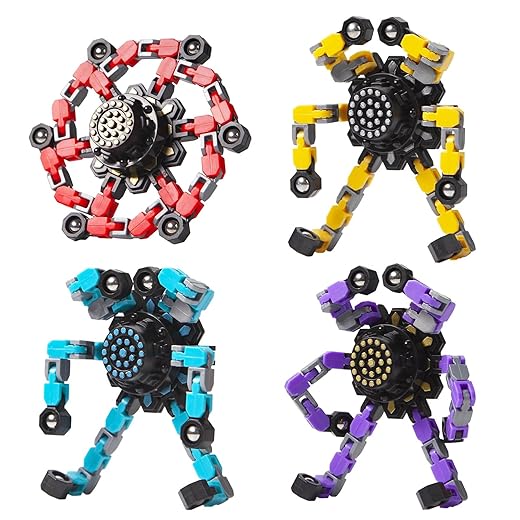
Consider tools that can aid in managing anxiety and boosting productivity. For example, planners and organizational tools available on Amazon can be particularly helpful. They allow users to check off completed tasks and visualize goals more clearly. There are even anxiety relief items, such as stress balls or fidget spinners, which you might find supportive in staying grounded while you work through your responsibilities.

Remember, it’s completely natural to feel anxiety when facing tasks, but with the right strategies, you can reclaim control. Let’s focus on the journey of self-discipline and build habits that help us move beyond procrastination, one step at a time!
Practical Techniques to Overcome Delays
Procrastination is a common hurdle that many people face, often leading to unpleasant feelings of guilt and anxiety. To tackle procrastination effectively, one must understand the benefits of taking action early. A woman, for example, might spend hours thinking about starting a book or tackling a household item that needs attention. However, once she starts, she often discovers that the process is much easier than expected. This realization can be a game-changer in one’s productivity.
One practical technique is to break tasks into smaller, more manageable parts. If you’re looking at a project that feels overwhelming, consider how much easier it could be if you focused on just one item at a time. For instance, a mother might break down the task of organizing her children’s books into twenty-minute sessions. This way, she can make significant progress without feeling burdened by the entire task. Remember to check your progress along the way and celebrate small achievements!
It’s essential to stick to a schedule and set limits on how long you will engage in procrastination. If you frequently talk about wanting to change your habits but never do, it may be time for a serious self-analysis. Reflect on what holds you back. Is it fear of failure, or perhaps a belief that you don’t have enough time? Understanding these feelings can empower you to take action. The point isn’t to reach perfection but rather to start taking steps, no matter how small.
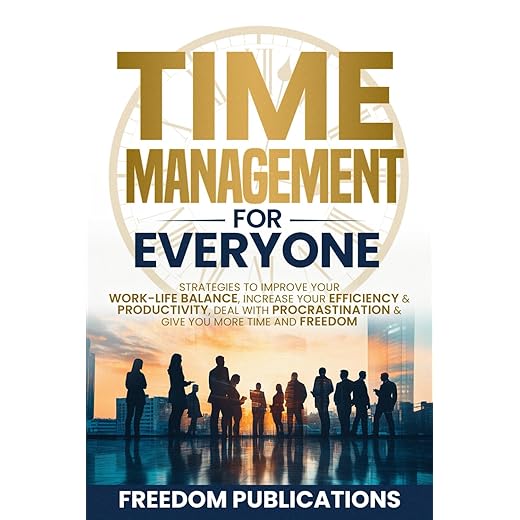
Consider this: each time you delay, you’re allowing procrastination to dictate your reality. The threat it poses can mean more pain down the road. Look at your goals and remind yourself why you wanted to achieve them in the first place. This can reignite your passion and propel you into action. For those who find themselves easily distracted, tools like time management books available on sites like Amazon can offer concise strategies to stay on track.

In summary, overcoming procrastination is about changing our perception of work. It’s not about hating a task, but learning to see it as a step toward something better. By taking actionable steps, you will transform how you handle responsibilities and, ultimately, improve your productivity. Remember, the right mindset and techniques can mean the difference between staying stuck and moving forward. So, what are you waiting for? Take that first step today!
Setting Specific and Achievable Goals
One of the most effective strategies to stop procrastinating is setting specific and achievable goals. When you define clear intentions, it becomes easier to begin tasks without the usual excuses that often prevent progress. Interestingly, research has shown that goal-setting can significantly impact our lives, adding structure to our daily activities and improving our performance in various projects.
For instance, the three-time author and productivity expert, Diedrichsen, suggests breaking down larger projects into smaller, manageable tasks. This approach can mitigate feelings of being overwhelmed. By focusing on these smaller tasks, you not only maintain your interest but are also likely to see completion more quickly, which can be very rewarding. Consider creating a list of your goals and reviewing them regularly to stick with your plan.
Moreover, it’s essential to be caring about your relationships with others as you pursue your goals. With the demands of work and family life, it can be easy to feel haggard. Thus, balancing your professional and personal lives is crucial. For example, if you have a goal to declutter your home, you might set a specific intention to do one room per week, rather than trying to take it all on at once. This not only allows you to make progress but also to enjoy the journey along the way.

To give you an idea of useful tools, consider utilizing organizational planners that help you track your goals. Products like the “SMART Goals Workbook” available on Amazon can provide valuable frameworks for setting intentions and ensuring they are achievable. Another item, the “Productivity Planner,” could help you prioritize tasks effectively while keeping your heart in the right place. These tools can lead to better reactions and interactions among peers and students alike, creating supportive environments in countries all over the world.
In conclusion, by starting with specific and achievable goals, you’re not just taking steps against procrastination, but you’re also paving the way for a brighter, more productive future. Remember, every small completion can lead to larger victories and transformations in your daily habits.
Breaking Tasks into Smaller Steps
When it comes to fighting procrastination, breaking tasks into smaller steps is an important concept that can help you regain your self-control. Many people, including both men and women, have admitted that large projects often seem overwhelming. This can lead to a cycle of beating yourself up for not starting. A smart way to kick this habit is to consider what parts of your task can be divided. For instance, instead of saying, “I need to complete my portfolio,” tell yourself, “I’ll write one section today.” This approach helps minimize the pressure that often interrupts our productivity.
Imagine a woman named Sarah, for example, who works online and has a long to-do list filled with stuff ranging from responding to emails to working on her projects. She felt especially overwhelmed until she started breaking everything down into five smaller tasks each day. By doing so, she could check one item off her list almost immediately, which made her excited to tackle the next. This effective technique not only helped her overcome procrastination but also allowed her to see progress where she once felt stuck.
In some cases, especially when distractions arise, it’s important to take action rather than letting the tasks pile up like spam in your inbox. A good rule of thumb is to spend a little time each day setting small goals, rather than stressing about the bigger picture. You might find it helpful to create a timeline outlining each step, so you won’t feel lost. Something as simple as using a planner can help you visualize your progress, making the process feel less like a mountain and more like a series of small hills you can easily climb.
Also, consider tools available online, like time management apps or planners that help you stay organized and focused. For example, a great Amazon product is a green digital planner that allows you to easily track tasks. Instead of writing down everything on paper, this gadget helps you zip through your daily planning. By taking this smart approach, everybody can see the positive effects of reducing procrastination.

LOOFII 10.1 Inch Smart Digital Calendar – HD Touchscreen Family Planner & Calendar with Chore Chart & Meal Planner (Black White)
In summary, remember that breaking down tasks into smaller, manageable steps can significantly outweigh the anxiety of tackling larger projects. Whether you’re a mother managing household duties or a professional seeking to improve your portfolio, implementing this strategy could be just what you need to keep moving forward. So kick procrastination to the curb and get excited about your productivity journey!
Utilizing Timers for Focused Work Sessions
Using timers can be a game-changer when it comes to managing procrastination and boosting productivity. The concept is simple but effective: break your work into short, focused sessions, which helps to reduce the tendency to feel overwhelmed. Experts recommend a range of intervals, but a popular method is the Pomodoro Technique, which suggests working for 25 minutes and then taking a five-minute break. This structure not only keeps you moving but also helps in maintaining a full focus on the task at hand without letting distractions creep in.

Imagine the satisfaction of starting a new project, say, creating a sales presentation or drafting a blog post. If you set a timer, it becomes a challenge. You’re likely to notice that the pressure to meet a deadline can significantly increase your effectiveness. Once you admit that procrastination is a behavior you want to change, you might find it easier to stick to your intentions. In one focused session, you can produce more quality work than if you were to allow yourself to feel lazy and distracted.
A simple table can help you visualize your focused sessions and breaks, keeping your mind clear about your goals. This desk setup can also act as a visual reminder of your commitment to productive habits. Here’s a sample table:
| Session | Task | Duration | Break |
|---|---|---|---|
| 1 | Draft Sales Report | 25 minutes | 5 minutes |
| 2 | Review Project Plan | 25 minutes | 5 minutes |
| 3 | Answer Emails | 25 minutes | 5 minutes |
By using timers, you allow yourself to push past the initial resistance to start working on tasks. Remember, the longer you let procrastination take over, the more critical it becomes to take a solid decision to act. You might feel the urge to join a party or binge-watch a film at night, but once you start associating the timer with productive sessions, you’ll likely begin to prioritize work over leisure time comfortably.
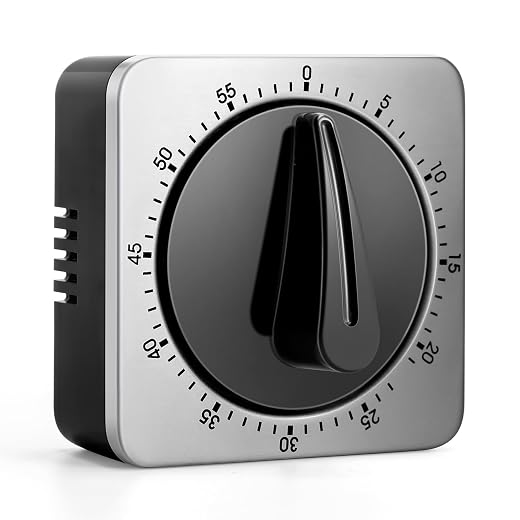
In summary, implementing a timer for focused work sessions is not just a nice trick; it’s a science-backed strategy that numerous experts recommend. It enables you to work efficiently while creating nice habits that ultimately reduce feelings of laziness. Furthermore, by creating a structured approach to your responsibilities, you are giving yourself the best chance of succeeding. So, grab a timer today–a simple mechanical one or a digital option from Amazon, and start moving towards a more productive mindset!
Q&A:
What are some common reasons people procrastinate?
Procrastination can stem from various factors, including fear of failure, perfectionism, lack of motivation, feeling overwhelmed by tasks, or even a lack of clear goals. Some individuals may struggle with managing their time effectively, while others might avoid tasks that they find boring or uninteresting. Understanding the root cause of procrastination can help in addressing it more effectively.
How can I create a productive environment to help reduce procrastination?
Creating a conducive workspace involves minimizing distractions and organizing your environment. This can include decluttering your desk, turning off notifications on your phone, and setting boundaries with people around you. Also, choosing a space that you associate with productivity, such as a quiet room or a library, can enhance focus and motivation. Using tools like to-do lists or productivity apps may also help to streamline your tasks.
What techniques can I use to stay motivated and avoid putting off tasks?
Several techniques can encourage motivation, including breaking tasks into smaller, manageable parts and setting deadlines for each part. Making a list of the reasons why a task is important and visualizing the end result can also boost motivation. Additionally, rewarding yourself after completing a task, such as taking a break or enjoying a treat, can reinforce positive behavior and keep you on track.
How does setting specific goals help with procrastination?
Setting specific, measurable goals allows you to define what you want to achieve and gives you a clear direction. Instead of feeling lost or unsure about where to start, specific goals break tasks into achievable steps. This makes it easier to see progress, which can motivate you to keep going. Furthermore, having a timeline for these goals can create a sense of urgency and help prioritize tasks effectively.
What role does self-discipline play in overcoming procrastination?
Self-discipline is crucial for overcoming procrastination as it involves making choices to stick to your plans, even when distractions or unease arise. Developing self-discipline requires practice and consistency. Strategies like establishing routines, practicing time management, and holding yourself accountable can strengthen your self-discipline over time. By reinforcing your commitment to goals and tasks, you can reduce the tendency to procrastinate.
What are some practical methods to overcome procrastination?
To tackle procrastination, you can try several techniques. One effective method is breaking tasks into smaller, manageable segments. This makes daunting projects seem less intimidating and can help you build momentum. Additionally, setting specific deadlines can create a sense of urgency, prompting you to take action. Another useful strategy is to minimize distractions in your environment. This could mean silencing your phone, using website blockers, or finding a quiet space to work. Finally, establishing a routine can reinforce productive habits, making it easier to focus on your tasks consistently.

Other Articles


21 Comments
Comments are closed.


Great Value for Quality Product. My business goes through way too many sticky notes, so buying them in a large package is perfect for us! I love the Post-it brand because they always adhere properly. I like that I can even take the note off a paper or desk and reattach it to something else with no issue.Super color options, so everyone can have their specific color and it is easy for me to tell who wrote the attached note. We have had some sticky notes in the past where the color was so dark, it was difficult to read the writing. That has not been an issue with these notes. The colors seem to be light enough for most pen colors to show up well.
Great Size. Nice large pack of Post It Notes. Nice size, great stick quality, easy to remove and re-stick, and the colors are nice. I would recommend these.
perfect for all things note worthy. Post It notes are a must in our place of business. This pack is our go-to and we always have them stocked. We use them in white-boarding, kind messages for our fellow employees, reminders on the fridge for clean-out day, and we use them in our paper calendars as well as work journals. These are the perfect size and they stick well. Also, they are packed conveniently in a box so as to not spill out during shipping or in the drawer at the office. They are a good purchase for all things note worthy.
Hold A Thousand Books in Your Hand. Imagine holding a thousand books in your hand. Imagine wearing your jammies while getting that next book in your series, and starting into it a minute later. Imagine reading at night in bed without needing a lamp because your book is backlit (and the light doesn’t hurt your eyes). Imagine having your kindle read to you (even if you don’t have audiobooks) with text to speech while you drive or fold laundry.The 12th edition of the Kindle Paperwhite is a fabulous device and well-worth considering if you read a lot. It’s not too big, not heavy, waterproof, and easy to carry in your purse or backpack. Note that if you get a cover with it (highly recommended), when you open the cover the Kindle turns on automatically to the last page you were reading. With the cover open it feels like you’re holding a thin book — or fold back the cover if you prefer.The Kindle E-reader is not a computer. It’s not a tablet or a phone. It is a gizmo that acts like a book with a black-and-white flat e-ink screen showing typed sentences and paragraphs. You turn pages one at a time, just like a book. There is no movement on the page and no distraction or advertisement*. It is just text, plus any images that the author has included to illustrate his book.*NOTE: The advertisements on the Kindle are on the main page not the individual book pages and just show books you might like. They are unobtrusive.The backlighting, unlike a computer, tablet, or phone, is gentle because the Kindle’s light is directed onto the screen, not into your eyes. You can change lighting level and add warmth (yellow lighting), decide on dark screen or light screen, and change the size of the print to make your reading experience “just the way you like it.”It’s super-simple to access your own ebooks or to find new ones either on your computer or directly on the Kindle. They load in less than a minute onto the Kindle, ready for reading. Keep in mind if you are a reader that ebooks tend to be half or less the price of the same books in print. You can even find FREE ebooks and audiobooks on Amazon and/or use the Libby app (libbyapp.com) to borrow LOCAL LIBRARY books. You may want to consider subscribing to Kindle Unlimited for $12/month so you can download an even wider selection of free ebooks, audiobooks, and magazines from Amazon to keep as long as you want.Can you tell I love my Kindle? I am wowed by having so many books so easily accessible — not like the time I took that 5-hour flight with one crummy poorly written book and nothing else to do. This 12th generation Kindle is fantastic. The battery lasts a long time. The screen is plenty sensitive for page turns and navigation. I go through one or two books a week easy with this little device.Ebooks have revolutionized the publishing industry, and if you are a reader, the Kindle may be exactly what you’re looking for. If you read many ebooks on your phone or a tablet, consider being kind to your eyes with a Kindle. If you are resisting because you aren’t sure you’ll like ebooks as well as print books, I say what the heck, the Kindle may be worth a try. It’s like driving a racing car rather than a horse and buggy. You might decide you love it.*NOTE: To enable TTS (text to speech) so that your kindle can read to you without audiobooks, turn on your wireless headphones or speaker. Then on your Kindle, tap the top of the screen, then hit the three dots on the right. Go to Settings. Hit Wi-Fi and Bluetooth, then Bluetooth Devices. Select your device so your Kindle will recognize it.Next, close the window and go back to Settings. Hit Accessibility, then turn on Voiceview screen reader. The Kindle should start talking to you. If it’s glitchy, just turn off your bluetooth device then turn it on again. Remember that you have to give double taps not single taps on the Kindle to navigate actions. If you want to change the volume or reading speed (I like 1.25x) just double tap on Voiceview screen to show and customize your settings.
Highly Reccomend! Worth every penny. I absolutely love this!! I love the design, and how clear it is. I can’t recommend this little e calender enough, worth every penny. I had been looking for months but couldn’t justify the other brands, spending $500+ and then having to pay for a subcription for features I wanted is absolutely insane. This calender does everything I want it to and then some. No need for a subcription. Super easy to set up, functionality is perfect. This helps me stay organized with my families busy schedule. I love the option of the app and the option of being able to sync it with maybe a calender you’ve already got logged. Whatever you add on the actual calender or through the app is synced up together. This makes it so easy to plan everything even way ahead of time. I am a paper gal, always have been an actual calender girl and this made me switch. I highly recommend it! You can also add pics of your family and have them displayed on the screen. My one and only gripe (and this could be user error on my part) is that when I’m logging stuff in the calender and let’s says its July and I go to the month of September and click on a date or click the plus button to add something it takes me back to July which is super frustrating because I constantly have to go into the date section and click the right arrow to get to September so I often find myself accidentally setting events for the wrong month. Aside from that I do really love this calender, not super expensive and still does everything I need. 10/10
Function & Good Looking. Was looking for a GOOD kitchen timer that works when I get it home and I found it. This timer is well constructed, hefty but not cumbersome, large digital read out without an overloud sound when it goes off. Easy to use. I like the all black with white digital read numbers. One handed operating because it has a magnetic back. Just put it on the frig which is in reach of my stove, turn the dial to set my time and tap the start all with one hand. I don’t have to use two hands to hold, then turn to time, then press start, then set it down somewhere that I’ll be able to find in a busy kitchen. All for under $20. I bought other timers for more and ended up throwing them out because they don’t work.Plus it looks good in my kitchen – sleek, modern look that blends into any decor.I like to so much, I gift it to friends & family. Highly recommend.
Not mental exhaustion. An ideal book for me, especially at this time when I’m working and studying. I liked the tips and strategies for preventing procrastination and completing my homework on time, as well as habit stacking to maintain those organizational habits; and learning how to save energy and not exhaust my body so quickly. The advice in the book gave me a better idea for finding a better balance between work and my studies, since I need to create time to review and better understand the subjects I’m studying, and due to work exhaustion, I haven’t found that time. I will also follow the advice to better balance my time for my family and my personal life. It is an excellent and very useful book. I recommend it
More Balance, Less Burnout. This book offers practical, no-nonsense strategies for managing time and energy without burnout. It helps you prioritize what really matters, overcome procrastination, and balance work with personal life. With helpful techniques like habit stacking and micro-tasking, it’s perfect for busy people who want to feel more in control and less overwhelmed.
Meet deadlines without the stress. This was the best book I’ve read on time management. I love that it takes a more holistic approach and explains the psychology behind our productivity problems. It breaks down bio rhythms and how to find ours and implement the best schedule for that particular rhythm. I have adhd so procrastination and burnout are big issues for me, but the methods described here, like micro-tasks and habit-stacking, make so much sense and seem easy to incorporate. I’m excited to begin using these techniques to improve my productivity, overcome procrastination, meet my goals, and achieve a better work-life balance.
All-in-One Smart Calendar. I absolutely love this Smart Digital Calendar! The Full HD touchscreen is super clear and responsive, and the large display makes it easy to see everyone’s schedule at a glance. Setting it up was quick, it automatically synced with all our Google, Outlook, and Apple calendars, so now we don’t miss a single appointment or event.What really stands out is how useful it is for family reminders and daily organization. We use it for chore tracking, grocery reminders, and even flight information notifications, which has been incredibly convenient. The auto-sync feature updates instantly whenever we make changes on our phones or laptops.It’s also wall-mountable, which makes it look modern and tidy in our kitchen almost like a smart home control center. The chore chart and meal planner are fantastic for keeping everyone on the same page.Overall, this digital planner has made our household much more organized and stress-free. Highly recommend it for any busy family or anyone who wants to simplify their daily routine!
Don’t Stress, Squeeze. These are very good quality. They have a soft fabric cover, and are well stitched. I like having three different density. I had hand surgery, which then led to trigger finger. These have been a great help in getting my hand back to full strength, and helps greatly with resolving the triggering. They do have a very gentle and very pleasant smell.Update: these are also perfect size and feel for juggling!
Decent. Works fairly well, it can be annoying to set. You Set it by scrolling and it’s how hard or soft you scroll it that controls minutes and seconds. But it’s really hard to transition between them, and a lot of times it will not count up very fast. If you’re patient it works fine. Don’t know if I’d say it’s worth it for the money
Good Fabric/Stitching Quality, Great Hand Training, Squeezing Releases Nice Scent. My primary reason for picking up these stress balls was to find a healthy outlet for fidgeting. I tend to scratch my skin or scalp during stressful situations, so my benchmark for these was to provide enough satisfying sensory feedback to keep my hands busy and distract me from those bad habits.The set comes with three balls of varying firmness, effectively creating a progression system. I started with the softest ball, which offered just the right amount of give for casual squeezing. The build quality feels generally durable with tight stitching, though I did notice a few loose fabric strands sticking out on the orange ball. This appeared to be purely cosmetic and hasn’t affected the structural integrity, so I was able to ignore it. A nice bonus is that the fabric doesn’t attract dirt easily and smells pleasant, staying fresh even after frequent handling.In terms of function, the progression aspect is genuinely useful. As the soft ball became too easy to squeeze over time, having the medium and hard options allowed me to naturally increase the resistance and train my hand strength. More importantly, they succeeded as a fidget tool; the act of squeezing is satisfying enough to effectively redirect my focus and prevent me from scratching during stress.After a month of consistent use, these have proven to be a solid investment. They are durable, easy to keep clean, and serve their purpose as both a hand strengthener and a stress relief tool perfectly. If you are looking for a simple, durable way to keep your hands occupied, these are a great choice.
Quality. Very nice quality. I like the feel of the outside and inside. Overall great little stress balls
Great gym timer. I use this as a gym timer, attached to my rack. Magnet is powerful and the device does not slip/slide from where I place it. Easy to set a countdown, and the notification beeps are loud and clear. Has a nice feature that it will shut off when unused, which should save the time between charges. Recommend!
Fantastic eReader — Bright, Fast, and Easy on the Eyes. The Amazon Kindle Paperwhite is an outstanding eReader that’s worth every bit of the hype. The display is crisp and glare-free, so reading indoors or outside in bright sunlight is comfortable for long sessions. The adjustable warm light and fast page turns make it feel much more book-like than a tablet.With 16 GB of storage, I can carry thousands of books — perfect for travel or everyday reading. Battery life is excellent; I go weeks between charges. Lightweight and comfortable to hold for hours.Whether you’re a casual reader or a bookworm, this Kindle delivers. Highly recommend!
A Multitasking Dream. This is a fantastic addition to our home to help us stay organized and on top of schedules, chores, menus, and grocery lists! I had always used dry erase and/or paper for lists and calendars and this is a game changer. It’s size, design, and style are perfect for our needs. The screen quality is amazing. The set up and use is easy and convenient too. I was able to sync our Google calendars with ease. I like the app to add things to the task list or grocery list when I’m not at home. I also really like that I can use the photo feature without a subscription. And that I can give tasks/chores a star value without an added subscription or charge.
Infinite library that fits my hands. I needed something non digital to occupy my time before bed, as you see I am focused on improving my sleep. I need to calm my mind. I took up reading but physical books take up space and require light, which is fine until it was closer to bedtime or I woke up in the middle of the night (it’s not good to lay there thinking).The kindle is perfect. The low display brightness, light weight, and unlimited library size it checked all the boxes.The e-ink display is non digital (like an iPad that is bright, full of notifications, colorful, rewarding, etc.), very comfortable on the eyes, and dimmable. I find it incredibly easy to read and comfortable to hold in my hands.I now have access to all the books I could want covering any subject. Instead of computer games, watching TV, or eating; I myself reaching for my kindle to read, learn, and grow. I’m not using this time to increase the depth of my knowledge, improve my thinking, and develop richer communication skills. Experiencing how others express their ideas in words helps clarify the frameworks I use to think, write, and speak.
Setting specific goals and practicing self-discipline are great ways to overcome procrastination. Breaking tasks into smaller segments and minimizing distractions have been helpful for me in staying focused and productive.
Great tips! Breaking tasks into smaller steps and setting specific goals can really help with productivity and overcoming procrastination. Thanks for the advice!
Setting specific, measurable goals is so important for staying motivated and overcoming procrastination. Breaking tasks into smaller steps and creating a timeline really helps me stay on track. Self-discipline is key in sticking to these goals and overcoming distractions.