


Parenting a strong-willed child can feel like an endless power struggle, a daily test of wills that leaves you feeling exhausted and questioning your approach. Yet, what if that very stubbornness and determination are not obstacles, but indicators of incredible potential—the makings of a resilient, independent, and passionate future leader? The key lies not in “breaking” their will, but in channeling it positively. Managing a strong-willed child at home is not about winning battles; it’s about teaching cooperation, respect, and emotional intelligence through connection and clear, consistent strategies.

This definitive guide moves beyond theory to deliver actionable, proven tactics specifically designed for the strong-willed child. We will explore how to shift from reactive discipline to proactive connection, transforming defiance into cooperation and arguments into opportunities for teaching. You’ll discover how to set unshakeable limits your child will actually respect, leverage the power of choices within boundaries, and use natural consequences that teach responsibility without fueling rebellion.


Before tackling daily battles with your headstrong little one, it’s crucial to understand what drives their persistent behavior. This understanding can make all the difference in your parenting journey. High emotions often lead to tears at bedtime, but with the right approach, you can navigate these challenges with compassion and grace.
When your child chooses to act against your wishes, it’s easy to feel guilty or weary. Instead of resorting to control or pressure, honesty is essential. Communicate openly about their feelings, which can help them express themselves rather than acting out. Sometimes, all it takes is a simple snack or a moment of calm to turn the situation around.
Recognizing the underlying problem allows you to develop effective strategies. Trust in your ability to guide them gently, understanding that change is a process. With persistence and support, both you and your child can live in harmony, turning potential conflicts into opportunities for growth and connection.
Establish Clear Boundaries
Creating clear boundaries is essential to help your lively one thrive. Before setting limits, consider what really matters. Sit down with your child and discuss what they like and dislike. This communication helps your little one feel involved and respected. By including them in the decision-making process, you’re establishing a steadfast connection that will encourage them to listen more deeply.
When it comes to setting limits, think about areas where behaviors tend to run wild. Whether it’s screen time or bedtime, the difference becomes noticeable when you’re able to define those boundaries. For instance, if your child fears missing out on their favorite show, remind them how cool it is to have time to unwind. You might say, “Here’s a great compromise: we can watch the show in 30 minutes after tidying up the clothes.” This way, you’re still in charge without losing their interest.
It’s also valuable to remember that children live in a social world where their peers might test boundaries too. Dads and moms alike can help their kids navigate these interactions. You can say, “You have the power to choose what you want to do, but remember, we have family rules to keep our health in check.” Highlighting family values will reinforce that these limits aren’t just restrictions but guidelines that protect and serve them.
Finally, don’t hesitate to reward good behavior! Positive reinforcement can motivate your child to stay within the established limits. For instance, if they handle a challenging situation well, consider giving them a little extra playtime or choosing a fun activity together. This shows them the benefits of respecting boundaries, reinforcing their understanding step by step.
Defining Acceptable Behavior for Your Child
To navigate the complexities of defining acceptable behavior, it’s critical to establish clear boundaries while allowing for flexibility. Begin by discussing your expectations with your child. For instance, simply stating that wearing clothes is a necessity can help them understand the limits of acceptable behavior. Choosing options together can make the process more manageable and less of a fight. This could include letting them select their clothes from a few pre-approved outfits.
Many parents find it easier to set rules when they align with a child’s developmental stage. Have conversations throughout the day to reinforce positive behavior. For example, when your child decides to share their toys, acknowledge their efforts. This recognition plays a vital role in their development and encourages them to continue behaving well. If they feel supported, they may be more willing to embrace expectations rather than resist them.
When facing tough moments, remember to pick your battles wisely. Some children are picky when it comes to their preferences, and trying to control every decision can lead to weariness for both parents and children alike. Instead of losing ground on minor issues, focus on what truly matters. Once you establish clear guidelines, it may get challenging, but your child will gradually learn the importance of cooperation.
Belief in a child’s potential is essential. Try speaking to them about the advantages of following acceptable behavior, like making friends or enjoying group activities. Encouraging a willingness to adapt is a powerful tool. Explain that while they can voice their opinions, there are limits that help everyone navigate life together smoothly. This approach reduces resistance and fosters mutual understanding.
Throughout this process, your relationship with your child can grow stronger. As they learn to navigate the complexities of behavior expectations, they gain valuable skills that benefit them in the future. The journey may be tough at times, but with dedication and care, you can cultivate a respectful and understanding environment.
Communicating Boundaries Clearly and Consistently
When setting limits, it’s crucial to be clear and consistent. Start by writing down your expectations, which helps you stay focused. For example, you might say, “Homework needs to be done before screen time” to establish a straightforward boundary.
Listening plays a significant role in this process. Encourage your child to express their feelings about the rules you’ve set. This deep connection gives them a chance to share their perspective. You can approach this by asking open-ended questions, allowing them to articulate their needs and likes.
Using practical examples can be beneficial. For instance, if a boundary involves driving limits, explain why it matters. Share your belief that following rules ensures safety and peace. This way, your child understands the importance of these limits beyond just compliance.
It’s important not to label your child negatively when they test boundaries. Instead, provide encouragement. Acknowledge their feelings and show respect for their opinions, which can reduce the likelihood of a fight. Reinforce the idea that having discussions about rules is part of positive parenting.
Be sure to remain consistent. Children thrive on routine and predictability. Whenever you say something, make sure to follow through. This consistency removes confusion and builds trust. Over time, they will adapt to the expectations set.
Look for opportunities to positively reinforce good behavior. A reward system can be very effective. For example, if they complete a week of homework on time, consider an extra hour of screen time as a reward. This creates a sense of achievement and helps them associate following rules with positive experiences.
Certain products can assist in implementing these strategies. Consider using a chore chart or an interactive planner available on Amazon, like the “3-Subject Spiral Notebook,” to help kids organize their tasks and understand their responsibilities better. This tool can empower them, making it easier to grasp their expectations and boundaries.
Ultimately, it’s about balance. Establishing boundaries while openly discussing feelings fosters a healthy environment. With respect and understanding, you’ll build a more peaceful relationship, making parenting challenges easier to navigate together.
Incorporating Flexibility Within Set Limits
When you’re facing a determined child, acknowledge their feelings while establishing appropriate boundaries. Instead of saying “no” outright, consider making a suggestion that allows for some flexibility. For example, if your child is set on having a peanut butter sandwich for dinner, you might say, “How about we make a peanut butter sandwich together in the kitchen and then choose a fruit to go with it?” This way, you’re providing options while still guiding the situation.
By incorporating some ideas into your discipline approach, you can reduce the likelihood of annoying power struggles. If they express strong feelings about not wanting to wear a coat, instead of pushing the point, offer choices: “You can wear this red coat or the blue one, your choice!” This respects their determination while keeping you in control of the situation.
At times, your child may push back because they feel guilty about not being independent enough. It’s crucial for adults to recognize that a strong-willed child’s behavior can often stem from a desire for autonomy. Allowing them to make minor decisions helps boost their confidence and fosters respect between you. Instead of being frustrated by their stubbornness, consider this an opportunity to teach them about making decisions.
In moments when conversations get heated, remember that correction doesn’t have to feel punitive. Turning a potentially confrontational situation into a dialogue can be transformative. For instance, saying, “I understand that you really want to stay up later, but we still need to stick to our bedtime. How about I read you an extra story first?” shows your child that their feelings matter while keeping the essential structure intact.
Lastly, ensure that your child understands that flexibility within limits can be part of their childhood development. Discuss with them how they can express themselves through fun activities, like choosing which game to play with peers or what movie to watch as a family. This creates a sense of involvement rather than a feeling of being controlled.
Using Visual Aids to Reinforce Rules
One incredible idea is to use visual aids like charts or posters. They can help your child understand the rules clearly. For example, a colorful snack time chart showing when it’s time to eat can reduce pressure around meals. Kids tend to respond better when they see what’s expected. If you use fun graphics, they’ll likely trust the guidelines more because it feels cool and engaging.
Sometimes, a clear visual representation can stop defiant behavior before it starts. Hang a set of rules on the fridge with pictures representing each rule. When your child tests boundaries, you can point to the visual aid instead of telling them verbally. This helps them see the expectation without pushing back against your words, reducing potential tears or angry reactions.
When they make decisions, visual aids can show what happens when they follow or break rules. If they know they’ll lose screen time for not following the guidelines, they might think twice. Use a reward chart that visually shows their behavior; a star for good behavior or a reminder stick for moments of defiance can be incredibly valuable for teaching responsibility.
Trust in your belief that visuals can pave the way for more positive moments. Products like “The Nanny Can’t Stop Me” chart or playful rule cards on Amazon can help add a fun element to reinforcing your message. Here’s the link to a great color-coded reward chart: Reward Chart. With these tools, it’s easier to give your child the structure they want while minimizing conflicts.
Strategies for Enforcing Consequences When Boundaries Are Crossed
When someone crosses established boundaries, it’s crucial to enforce consequences calmly and consistently. Here’s how to handle those challenging situations effectively.
Firstly, clear communication is key. Make sure your expectations are understood. A simple saying can guide the conversation: “If you choose to do X, then Y will happen.” This approach sets the stage for responsibility. For example, if a child chooses not to do homework, the consequence may be losing screen time that day.
Secondly, remain calm even in moments of frustration. A busy schedule often leads to quick tempers, but staying collected shows a strong example. When you’re relaxed, you communicate more effectively, leading to better outcomes. If your child sees you losing control, it can lead to a battle rather than a resolution.
- Use visual aids, such as charts or calendars, to illustrate expectations and consequences clearly.
- Consider tools like behavior tracking apps, available on Amazon, which help monitor and reward positive behavior.
- Behavior games can reinforce lessons in a fun way; check out products like the “Calm Down Jar” for moments of heightened emotions.
Moreover, be consistent with consequences. Inconsistency can confuse children and lead to negative behavior. If a friend oversteps a boundary, talk to someone about it later to ensure your approach aligns with your expectations. They might provide new tips or insights.
Remember, mistakes are part of education. When your child learns that mistakes lead to consequences, they are more likely to think twice before repeating them. This builds resilience and self-control, necessary traits in today’s society.
Finally, reward good behavior to reinforce your expectations positively. Recognizing and celebrating success, however small, encourages the best actions and decisions. Look for reward charts and fun tokens on platforms like Amazon to motivate and track progress.
In summary, calm communication, consistency, and positive reinforcement are vital when handling boundary issues. They’re not just strategies but essential tools for developing a successful upbringing.
Books for Parental Strategy & Guidance
(To deepen understanding and learn proven tactics)
-
“Raising Your Spirited Child” by Mary Sheedy Kurcinka: The classic guide for strong-willed children
-
“The Explosive Child” by Ross W. Greene: Focuses on collaborative problem-solving
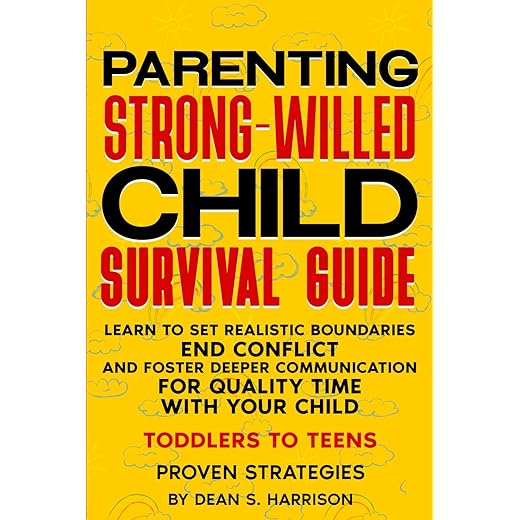
Must-Have Survival Guide for Parenting Strong-Willed KidsEffective strategies for deeper communicationLearn to set realistic boundaries and foster open dialogue with your strong-willed child. This guide helps parents build empathy and connect on a deeper level. -
“How to Talk So Little Kids Will Listen” by Joanna Faber & Julie King: Full of actionable communication scripts
-
“Setting Limits with Your Strong-Willed Child” by Robert J. Mackenzie: Directly addresses enforcing consequences
Questions and answers:
What are some strategies to manage a stubborn child effectively?
Managing a strong-willed child can be challenging, but several strategies can help. Firstly, it is important to establish clear and consistent boundaries. Children respond well when they know what is expected of them. Secondly, try to remain calm and patient during conflicts. Responding with frustration can escalate the situation. Another useful tactic is to offer choices instead of commands; for example, let the child choose between two options for chores. This gives them a sense of control while still guiding them toward desired behaviors. Lastly, positive reinforcement works wonders. Acknowledge their efforts and successes, no matter how small, to encourage cooperation.
How can I encourage my strong-willed child to listen without resorting to punishment?
Encouraging a strong-willed child to listen can be approached positively. Instead of punishment, try engaging them in discussions about why certain behaviors are needed. Involve them in problem-solving when issues arise, which can help them feel valued and heard. Use storytelling or relatable examples to illustrate your point. Additionally, setting up routines can greatly aid management; children thrive on predictability. Likewise, incorporating their interests into instructions can also encourage them to follow through. Rather than demanding compliance, working collaboratively often results in better outcomes.
What role does communication play in managing strong-willed children?
Communication is key when it comes to managing a strong-willed child. Open and honest dialogue helps build trust between the parent and child. Listening actively to their concerns and feelings shows that their opinions matter, which can encourage better behavior. Using a calm and respectful tone when discussing rules or discipline can help prevent power struggles. Moreover, explaining the reasons behind rules helps the child understand expectations and the importance of following them. Good communication fosters mutual respect and can mitigate many conflicts.
Are there specific activities or methods that can help strong-willed children feel more in control?
Yes, certain activities can empower strong-willed children and make them feel more in control. Allowing them to participate in decision-making processes, such as family choices or activities, helps them feel valued. Engaging in role-playing games can also be beneficial; they can practice listening and cooperative behaviors in a fun context. Additionally, creative outlets like drawing, music, or dance allow them to express themselves freely. Establishing a reward system for collaborative behavior can motivate them to participate positively in family dynamics.
How do I know if my strong-willed child is just being stubborn or if there is an underlying issue?
Determining whether a child is simply being strong-willed or if there are underlying issues requires careful observation. Note the contexts in which they exhibit stubbornness—are there particular triggers or stressors present? Look for patterns in behavior that might indicate deeper concerns, such as anxiety or difficulty adapting to change. Consulting with teachers or counselors can provide insight into their behavior in social settings. If you suspect there may be an issue, discussing your observations with a pediatrician can also provide additional guidance and support.
What are some strategies for dealing with a strong-willed child?
One effective strategy is to offer choices instead of issuing direct commands. For example, instead of saying, “Clean your room,” you can ask, “Would you like to clean your room now or in 10 minutes?” This gives your child a sense of control. Establishing clear boundaries is also important; outline what behavior is acceptable and what is not, and be consistent with consequences. Regularly practicing active listening can help too; ensure your child feels heard by acknowledging their feelings and frustrations. Additionally, using positive reinforcement when your child displays desired behaviors can encourage them to repeat those actions.

Other Articles


Maternal Gatekeeping: Examples, Impact & How to Avoid
6 Comments
Comments are closed.


Must read for parents and a FAR cry from child abuse. This is an amazing book for any parent struggling with a strong willed child. Dr Dobson is a great help and has much wisdom to share on this topic! Despite what the previous reviewer says (I am doubtful that she read the book) this is the opposite of child abuse. She seems to wrongly assume that any time a parent spanks a child that they are “out of control”. Dr Dobson strongly states in this book that a parent should NEVER spank a child in anger. It’s almost as if she has some sort of axe to grind and is giving an unfair and illogical review of this wonderful book. Dr Dobson has been a champion of children and families for decades and helps parents know how to have healthy boundries and fair boundries for their children. Sometimes “love must be tough” to be effective and to keep a child safe from his own destructive behavior… The idea that any form of spanking is child abuse is ridiculas at best and ignorant at worst. The key is to spank only when the child has directly disobeyed and to NEVER do it in anger, which is what Dr Dobson carefully explains. This type of spanking is NOT “out of control” and is always followed up by affection and reconcilliation between the parent and child…Dr Dobson helps parents know how to deal with a strong willed child so that they do not lose control but still have boundries and structure in the home. I think the previous reviewer who says she is the wife of a Pediatrician must not have had any strong willed children in her own household…Her recommendations would not “fly” with this type of personality. There are MANY parents that will attest to the fact that “time out” does not work with their strong willed child. If a strong-willed child feels that they control the home and dont have to obey authority, they grow up to be self indulgent and disliked by all and their future will be severly affected…This is just as much child abuse as someone who spanks out of control…There is a BIG difference between “spanking” and “hitting”. She incorrectly assumes they are one and the same. Dr Dobson will teach you the difference in this important book! I also highly recommend his book called “Dare To Discipline” for those struggling with parenting. Dr Dobson is a God send in todays permissive culture!
I knew it but my wife really needed this. If you have a wonderful girly-girl wife but your child is hell-on-wheels, this may bring her down to earth. It’s a nice reality check, especially if you are getting advice from modern therapists… fortunately she didn’t let me dismiss them because they provided some excellent insights, but frankly they don’t know your child or ours and shouldn’t hold themselves out as more than advice-givers.The News in this book was a shock to my wife, who is sugar-and-spice. I knew our boy was all about winning at his games from birth because I was the same way and even after 50 years (yes, we’re old for first-time parents) I remember all to well tormenting my mother who was essentially sugar-and-spice as well. But had I been any different, I would have been clueless. If you are reading this you have a sense of what I am writing about.Buy it, read it, and believe it. If you are inclined, skim over the Fundamentalist Christian sounding parts but do not be deterred – this is the real thing and will tell you like it is. We’re half-inclined to begin the laying-on-hands though (I’m being half-facetious here) us Catholics don’t go for that sort of thing and t was not necessary. Believe me, I pray every hour I’m with our little hellion.I believe that this book and Dr. Dobson have been inspired by God. It spoke to us – to me as someone with knowledge but no idea how to use it and to my wife as something completely new. Dr. Dobson has transcended time and geography to speak in two different languages at the same time to two very different people, to help us make good choices raising our very disturbed “normal” little Strong Willed boy. That’s the kind of miracle I can believe in. This book was God-sent, and from my post here you can get the idea that I’m not prone to religious hyperbole.
Excellent book! Do not be deterred by negative reviews. I almost didn’t purchase this book because of some of the awful reviews I read. I questioned whether I wanted to waste my time and money on something that some reviewers claimed advocates child abuse. So I began with the free sample, was pleased and decided to purchase it. After reading this book in it’s entirety I am absolutely shocked at some of the awful things people wrote about this author! Dobson’s advice is far from abusive and I worry about a society so permissive that it would label it as such. He stresses the importance of protecting the spirit of the child while helping to control the will. He warns against discipline that is demeaning or done in anger. He gives advice for creating a home filled with love and how to discipline a difficult child while making it evident to the child that they are loved, special, and cared for. Dobson stresses the importance if finding a balance between a household that is too harsh and too permissive as both ends of the spectrum can be harmful to a child. He does advocate swatting a child on the behind one or two times for clear acts of defiance and only after other measures have failed. He writes that spankings should be rare, never done in anger, and always followed by holding the child and lovingly telling them what they did wrong and assuring them that they are loved. However, if you disagree with spanking this book can still be beneficial to you. It is filled with an abundance of helpful information, most of which has nothing to do with spanking. Read it and take away what is useful for your situation and toss what isn’t. If you have a strong willed child then I think you’ll find it very beneficial!
Paper like. Not the vintage, legit pogs, but areStill usable. My kids left them all over the house. Love the variety and value pack!
Great for motivational. Great looking, compact. Only downside, the chips were misspelled in the phrase “Send your smile out to the would”. The correct phrase is “Send your smile out to the world”.
Satisfied. Kids are loving these as motivational tokens for behavior. They save their tokens and buy prizes each week. Only negative is a few tokens the writing is already rubbing off and we’ve only used them for 1 month. These are thick and durable material.