


Understanding emotional maturity is essential for anyone looking to improve their relationships and overall quality of life. It is a skill that develops over time and is often influenced by our experiences, including our interactions with kids and social groups. Recognizing the subtle yet significant signs of emotional maturity can help you identify whether you or someone close to you is living a balanced and fulfilling life. In this article, we will explore the key indicators that signify emotional maturity and highlight why they are worth acknowledging.

Emotional maturity involves being aware of your limits and the emotions you experience, regardless of the external circumstances. Therapists often emphasize the importance of this self-awareness, as it is a skill that can help you navigate through life’s struggles with grace. Learning to rely on healthy methods of communication and emotional expression is crucial for building successful relationships that bring genuine satisfaction and contentment.
Importantly, anyone can develop emotional maturity with the right support and willingness to engage in self-improvement. By exploring these eight signs, you will gain insight into how to fulfill your dreams and live a life that is not only happy but also truly compatible with your values. Whether you are seeking help or striving to become more self-aware, acknowledging these signs is a critical step towards achieving emotional health and stability.
Understanding Emotional Maturity
Emotional maturity is a critical aspect that shapes how you navigate life’s challenges and build lasting relationships. It involves the ability to actively handle your emotions and regulate them effectively. A person who has reached this milestone typically shows strong signs of compassion and humility, creating a positive union with others. For example, a certified approach to emotional maturity can help in parenting, as it allows parents to deal with their children’s emotions with grace and understanding.
When looking to enhance your emotional maturity, it’s essential to take into consideration various methods that promote learning and growth. Early intervention is key; by actively seeking evidence of emotional maturity in yourself and others, you can pursue strategies that lead toward a healthier emotional state. This might mean engaging in practices that allow for real and significant healing, whether through mindfulness techniques or group therapy sessions.
In late adolescence and early adulthood, individuals often experience significant emotional growth. During these times, you are pretty much stuck learning how to handle complex social situations. Here’s where having a strong support system can make a difference. The involvement of peers, or a partnership with someone like Madison or Jean, can aid in navigating these tricky waters with a sense of grace. Remember, you’re not alone in this journey, and seeking help is a sign of strength, not weakness.
Consider seeking out products that encourage emotional development. Books like “The Emotional Intelligence Workbook” available on Amazon can provide valuable insights and exercises. Moreover, meditation aids or journals are excellent tools for self-reflection, allowing your body and mind to engage in a dialogue that enhances emotional awareness. By actively participating in your growth journey, you will live a more fulfilling life, equipped to engage and heal in your relationships.
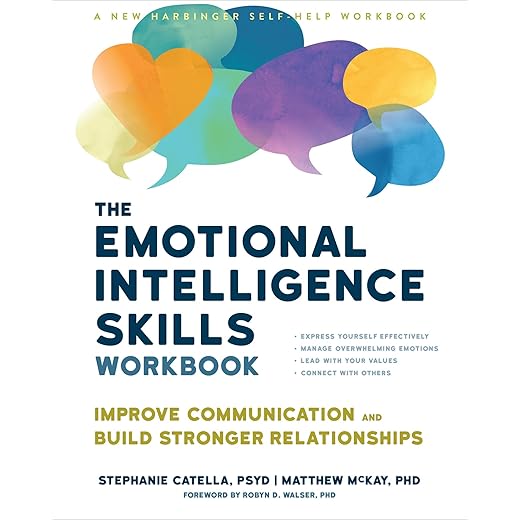
The Emotional Intelligence Skills Workbook: Improve Communication and Build Stronger Relationships
Defining Emotional Maturity: What It Is and Isn’t
Emotional maturity is an essential quality that we must recognize and strive for in our lives. It encompasses how we respond to our feelings, how we communicate in relationships, and how we deal with challenges. Irrespective of our age, emotional maturity is about being reliable partners in our interactions. It’s important to understand what it truly means and what it doesn’t. For instance, emotional maturity is not about suppressing your desires or feelings; instead, it’s about acknowledging them and being willing to learn from your experiences.
One significant aspect of emotional maturity is the ability to engage in meaningful conversations. We tend to carry our past experiences into our current relationships, which can sometimes lead to misunderstandings. However, emotional maturity allows us to take a step back, show humility, and respond with open-mindedness. We must learn to communicate our wants and needs while also being receptive to our partners’ perspectives, creating a mutual foundation of trust and respect.
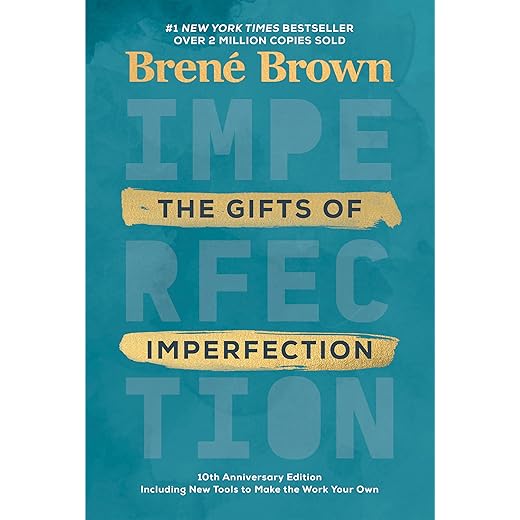
Accountability is another critical component. When we encounter situations that challenge us, it’s our responsibility to own up to our flaws and take action towards improvement. This act of acknowledgment leads to significant growth over the years. For example, if someone wishes to prioritize their well-being, they might invest in self-help books found on Amazon, such as “Emotional Intelligence 2.0” or “The Gifts of Imperfection,” which can assist in the learning process.
Forgiveness plays a vital role in demonstrating emotional maturity. It does not mean forgetting past grievances but acknowledging them and choosing to move forward. By being willing to forgive ourselves and others, we can form deeper connections and enhance our relationships. When we practice this, we ultimately cultivate a healthier mindset and a supportive environment. Therefore, it’s crucial to remain open to learning and adapting, as emotional maturity is an ongoing journey, not a destination.
In summary, emotional maturity is a blend of accountability, humility, and effective communication. It requires us to be willing to face our flaws, engage in deeper discussions, and prioritize actions that reflect our emotional well-being. Today, it is more important than ever to cultivate these traits, as they lead us to more fulfilling and reliable relationships in all areas of our lives.
Why Emotional Maturity Matters in Relationships
Emotional maturity is a vital component in building strong relationships, whether in marriages, partnerships, or friendships. It’s about being capable of expressing your feelings while also being accountable for your behavior. When you’ve developed emotional maturity, you can handle issues without resorting to name-calling or other immature behaviors. This creates a foundation of trust that allows communication to flow smoothly.
For instance, consider a scenario where a couple faces political disagreements. An emotionally mature partner approaches the topic with respect, demonstrating loyalty and self-understanding. Instead of hurting each other’s feelings with harsh words, they practice calm communication, focusing on understanding each other’s opinions. This not only elevates their level of satisfaction but also strengthens their bond, turning potential arguments into opportunities for growth.
On the flip side, immaturity in a relationship can lead to destructive patterns. If one partner resorts to name-calling or avoids accountability, it creates a toxic atmosphere at home. Emotional intelligence becomes crucial here, as it allows each partner to recognize when emotions run high and to step back, trying to find a solution rather than escalating the issue. Sometimes, this means apologizing or working on self-improvement, which can greatly enhance relationship dynamics.
Moreover, when individuals prioritize emotional maturity, they set the stage for a brighter future. It becomes easier to handle life’s ups and downs, and the partnership flourishes under mutual respect and understanding. Investing in emotional maturity is not just beneficial for current relationships; it also prepares you for healthier connections in the future, whether you are single or in a committed partnership.
In conclusion, working on emotional maturity offers many rewards. It leads to better communication, satisfaction, and the ability to handle challenges together. For anyone interested in developing emotional maturity, consider resources such as therapy books or courses available on Amazon.com. Look for titles like “The Emotionally Intelligent Marriage” or “Self-Understanding for Couples” to enhance your journey.

Common Misconceptions About Emotional Growth
Emotional growth is often misunderstood, leading to significant misconceptions. Many people struggle with managing their emotions and may think that emotional maturity comes easily or naturally. However, emotional growth is really about taking effort and being accountable for one’s feelings and reactions. It requires a willingness to examine the contents of one’s emotional life and to confront the factors that contribute to immaturity.
One common misconception is that emotional maturity means suppressing emotions. This is far from the truth. Instead, a mature person understands their feelings, allowing them to develop self-understanding and handle emotions in a balanced way. For example, someone dealing with anger may feel the need to hold grudges, but emotional growth involves letting go of those resentments and moving forward for a greater sense of independence and safety.
Another myth is that emotional growth is a quick process. People often expect results without considering the effort involved in handling their emotional struggles. This journey can be stressful, but it’s essential to recognize that it’s a pivotal part of personal development. Embracing discomfort and addressing subtle emotional issues often leads to a more successful and healthy emotional life.
Additionally, some may feel that if they haven’t made progress by a certain age, they’re unable to develop emotionally. This is not true. Emotional growth is a lifelong process and can start at any point in life. Therapists often emphasize that experiences from childhood can have a lasting impact, but that doesn’t mean you can’t change or improve later on.
- Invest in books like “Emotional Intelligence” by Daniel Goleman, which can help you understand emotions better.
- Learnyoga mats are perfect for creating a balanced environment for personal reflection.
- Check out calming essential oil diffusers to aid in managing stress and promoting emotional well-being.

In conclusion, while emotional growth may seem daunting, it is achievable and essential for personal development. Taking the leap to confront and manage your emotions can lead to healthier relationships and a happier life. With the right tools and mindset, anyone can develop emotional maturity, regardless of their past experiences.
Recognizing Signs of Emotional Maturity
Emotional maturity is a vital aspect of personal development that many people overlook. It involves acceptance of oneself and of others, leading to healthier relationships with friends and family. When someone becomes emotionally mature, they start to clearly understand their own feelings, which allows them to pursue what fulfills them. This journey often requires spending years in self-reflection and reading about behaviors that contribute to emotional growth.
Imagine living in a city where the hustle and bustle often makes it hard to feel comfortable. It’s important to find your own space, a “jean” that fits just right, where you can think and develop your values away from distractions. When you’re in a respectful relationship, you can discuss differences openly without going apart. For example, if a disagreement comes up, an emotionally mature person seeks justice rather than conflict, showing understanding toward the other person’s perspective.
Therapists often emphasize the importance of being open-minded. They guide their clients to recognize that emotional maturity doesn’t mean having all the answers; instead, it’s about being willing to explore beliefs and recognize that everyone is at different stages of development. It’s about understanding that your growth is personal and that the support of someone you trust can lead you to a more fulfilling life. For instance, consider a mindfulness book from Amazon, which can help you think clearly about your emotions and behaviors.
Over the years, individuals who display signs of emotional maturity will notice a shift in their relationships. They become more capable of showing appreciation and thankfulness, acknowledging that everyone around them plays a role in their journey. It’s not just about themselves; it’s about fostering a community of respect and support, where everyone feels safe to express emotions. There’s something truly fundamental about this development that enriches life itself.
If you find yourself questioning whether someone in your life is emotionally mature, observe how they handle challenges and interact with those outside their immediate circle. Someone who is emotionally mature embraces whatever comes their way, adapting and learning from each experience. This is the essence of growth–becoming the best version of yourself while fostering meaningful connections with others.
Sign 1: Effective Communication Skills
Effective communication is an essential sign of emotional maturity. It enables you to express your thoughts and feelings clearly, allowing you to connect with others in a meaningful way. When you communicate well, you create a space for understanding, which is crucial for healthy relationships. This skill helps you avoid misunderstandings and resentment, paving the way for a harmonious union with family and friends.
Today, many people recognize the importance of managing their emotions and articulating their needs. Emotional maturity gives you the grace to respond to situations with thoughtfulness rather than impulsiveness. You don’t just dictate your feelings; you express them in a way that others can understand. For instance, if someone feels hurt, communicating these feelings rather than bottling them up ensures that issues are addressed before they can harm the relationship.
To develop effective communication skills, you need a willingness to grow and self-acceptance of your flaws. This process involves overcoming the hurt from past experiences and learning how to articulate your needs without fear of judgment. It’s almost like a journey that requires you to step outside of your comfort zone and hold others accountable for their actions–while also being accountable for your own behavior.
An important aspect of this skill is knowing how to listen actively. Good communication is a two-way street. By being present and engaged, you demonstrate that you value the other person’s perspective, which strengthens your emotional bonds. Courses and books on communication skills, such as “Nonviolent Communication” or “The Art of Communicating” on Amazon, can help you enhance this essential skill.
![Nonviolent Communication [3-in-1]: 137 Techniques & Hacks to Have Difficult Conversations Without Fighting. Set Boundaries and Take Charge of your Life by Speaking Up, Saying No, and Defining Limits](https://m.media-amazon.com/images/I/61kigR5iQnL._SS520_.jpg)

In summary, effective communication skills are paramount for emotional maturity. They provide a solid basis for navigating life’s ups and downs. By taking a proactive approach and fostering these skills, you not only improve your relationships but also create a more fulfilling emotional landscape for yourself and those you love.
Sign 2: Ability to Handle Conflict Constructively
Recognizing the ability to handle conflict constructively is a key sign of emotional maturity. Although disagreements are a natural part of any relationship, how individuals navigate these moments speaks volumes about their maturity levels. A psychologist might say that effective conflict resolution creates deeper connections and fosters a respectful environment. For instance, instead of letting hurt feelings bubble below the surface, emotionally mature people are comfortable discussing their thoughts and emotions openly.
Consider a situation where political differences arise during a conversation. Instead of escalating tensions, a mature individual would take a balanced approach. They might listen to the other person’s perspective, effectively communicate their own, and actively seek a resolution that respects both parties’ feelings. This not only resolves the immediate conflict but also strengthens the relationship.
It’s essential to remember that handling conflict doesn’t mean avoiding difficult conversations. Kids, too, can learn these skills early on. When they see adults managing their flaws and feelings respectfully, they understand that conflicts are opportunities for learning and growth. Maybe you’ve seen this play out in daily life – a family navigating a tricky discussion about boundaries, where everyone feels heard and loved.
According to Marcia, a therapist who specializes in family dynamics, the key to resolving conflicts is in the choice of words. Using respectful language, even during heated debates, is crucial. They demonstrate that you wish to understand and wish to be understood. This doesn’t mean you need to agree on everything; rather, it’s about tolerating differences and finding compatible solutions.
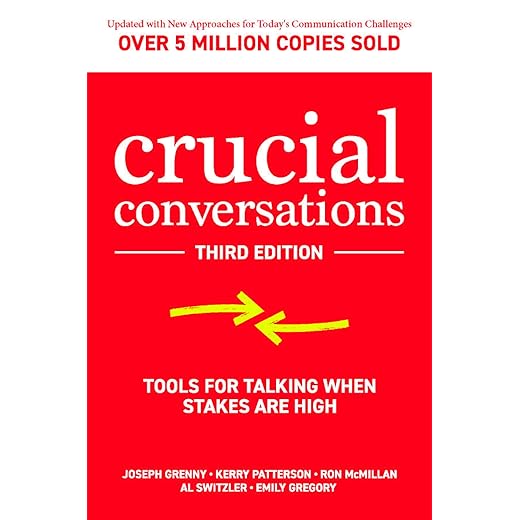
If you’re looking to improve your conflict resolution skills, consider resources available on platforms like Amazon, such as books on emotional intelligence or communication strategies. Titles like “Crucial Conversations” or “The Anatomy of Peace” can provide valuable insights into the dynamics of effective conflict handling.

Amazon.com: The Anatomy of Peace (Fifth Edition): Resolving the Heart of Conflict (Audible Audio Edition): The Arbinger Institute, Kaleo Griffith, Ascent...
In essence, emotional maturity plays a pivotal role in how individuals deal with conflicts. By engaging with others respectfully, recognizing their feelings, and adapting to various challenges, they ensure that the relationships they cherish remain strong and healthy.
Sign 3: Taking Responsibility for Actions
Taking responsibility for your actions is a critical sign of emotional maturity. It means acknowledging how your behavior impacts those around you. Women and men alike can sometimes struggle with this; it’s pretty common to want to shift blame or let immaturity guide responses. However, recognizing this pattern helps us grow. Today, we’ll explore how responsibility can lead to a healthier, more fulfilling life.
When we talk about taking responsibility, it is essential to listen to feedback from others. This can be tricky, especially when pride gets in the way. There’s a subtle but important distinction between being defensive and being humble. When you respond to feedback well, it shows a desire to improve. If you regularly examine your actions and their consequences, you’re on the right path to flourishing emotionally.
Sometimes, it helps to reflect on our actions–what worked and what didn’t. For instance, if you find yourself in a conflict, ask yourself, “What role did I play in this situation?” This kind of self-reflection is critical. If we make a mistake, acknowledging it, rather than fighting it, allows for better resolutions. It’s about creating equal ground for discussions rather than placing blame on ‘the other side’.
Consider something simple, like a self-help book you might find on Amazon that focuses on emotional intelligence. Books like “Emotional Intelligence 2.0” can give you modern insights on how to manage your feelings and relationships more effectively. Engaging with these materials prepares you to take ownership of your decisions and behavior through a more informed lens.

Emotional Intelligence 2.0
In your everyday interactions, being careful about how you express your feelings plays a huge role. Clear communication is a vital part of taking responsibility. It’s not just about knowing what went wrong; it’s about feeling comfortable enough to address it. There may be difficulty in moving forward, but with practice and a willingness to change, we can certainly improve.
In summary, taking responsibility for your actions is not just about admitting wrongs; it’s about a commitment to personal growth. By listening, responding to feedback, and addressing your behavior patterns, you can pave the way for a _happier_ and more fulfilling life. Remember, the amount of effort you put into understanding your actions directly impacts your emotional maturity.
Q&A:
What are the key signs of emotional maturity that I should look for in myself or others?
Emotional maturity can be identified through several key signs. First, a mature person typically demonstrates self-awareness, which means they understand their emotions and how these affect their behavior. Second, they take responsibility for their actions and do not blame others when things go wrong. Additionally, emotionally mature individuals are able to handle criticism and respond to it constructively. They usually exhibit empathy, easily understanding and relating to the feelings of others. Another sign includes the ability to adapt to change without becoming overly stressed. Lastly, mature individuals often engage in healthy communication, sharing their thoughts and feelings openly while also respecting the views of others.
How can recognizing emotional maturity in myself improve my relationships?
Recognizing emotional maturity within yourself can lead to improved relationships in several ways. When you acknowledge your feelings and responses, it helps you communicate more effectively with others. This clarity can reduce misunderstandings and conflicts, fostering a more harmonious interaction. Additionally, when you take responsibility for your actions, others are more likely to trust you and feel safe around you. As you develop empathy, you will connect more deeply with others, enriching your relationships. Emotional maturity also enables you to remain calm in stressful situations, which can help to diffuse tension and promote healthier discussions.
What are some practical steps I can take to improve my emotional maturity?
Improving emotional maturity involves a few practical steps. Start by practicing self-reflection; take time to think about your emotions and actions and how they impact others. Journaling can be a helpful tool for this process. Additionally, seek feedback from trusted friends or family members about how you handle various situations. Practice active listening in conversations, which involves really hearing what others are saying rather than just waiting for your turn to speak. Lastly, embrace challenges as opportunities for growth; this mindset can help you adapt more easily and respond to difficulties with a level head.
Can emotional maturity change over time, and what influences that change?
Yes, emotional maturity can change and develop over time. Various factors influence this growth, including life experiences, personal relationships, and intentional efforts toward self-improvement. For example, facing challenges such as loss or relationship difficulties often provides opportunities for reflection and learning. Additionally, surrounding yourself with emotionally supportive people can encourage maturity as you adopt healthier patterns of behavior. Engaging in continuous learning, whether through reading or therapy, can also significantly contribute to your emotional growth. It’s important to recognize that emotional maturity is a process, and each experience can contribute to your development.

Other Articles

Exploring Attachment Styles and Their Influence on Relationship Dynamics

6 Comments
Comments are closed.


A hard pill to swallow. I got, and finished, this book in two days. I initially ordered it as a book to be read for work but found it to be an absolutely easy read that has changed the way I think about my everyday actions.First, I completed the EQ test/survey that’s included with the book, which gave me my EQ scores in the 4 areas this book covers: self-awareness, self-management, social awareness, and relationship management. This is the hard pill… if you’re honest, I think you’ll be surprised at how low some of these might be. While I found the test a bit short to give me a wholistic score like it did, it did at least give me the motivation to read about how I can improve.The book then breaks down each section, and talks about how to identify short-comings, how to think about each these categories, and gives a ton of thoughtful advice.While I initially picked this up as a requirement for my sales job, I’ll be recommending it to anyone I know starting a career and trying to move up the ladder – the book goes into great detail on how important EQ is in all aspects of life, but definitely has a focus on career success.Highly recommend, I only wish it was longer!
Empowering and practical. This valuable resource was packed with evidence-based strategies to navigate challenging conversations while nurturing meaningful relationships with friends, family, and colleagues. I am a sucker for PRACTICAL support, and the worksheets were incredibly useful in helping me apply the strategies to my everyday life. I have ADHD, and my emotions can feel overwhelming and intense at times. I recently had an upsetting interaction with my boss and used “Situation-Specific Coping Thoughts” for distressing situations with intense emotions. It helped me “ride the wave” of emotional intensity and return to an emotionally regulated state. Having a go-to guide (and worksheets!) at my fingertips has been a game changer. I cannot think of one person who does not need these strategies. Life is stressful; emotional dysregulation makes it more challenging, so get some practical tools and coping strategies with this book!
Comprehensive book that supports emotional intelligence. The emotional intelligence skills workbook is an amazing tool for folks seeking a self help book, clients already in therapy and wanting a supplement to their work and clinicians alike.The book synthesizes all of the most salient skills from emotion efficacy therapy (an approach grounded in skills to expose self to difficult emotions and act in more values aligned ways) and Acceptance and Commitment Therapt to help people learn how to ride emotional waves, manage the emotions that can get in the way of connecting in a values aligned way and learn how to communicate more skillfully.So many of us think we are “good communicators” and have “emotional intelligence” because we are successful at work or have been told we are empathic. However, nearly all of us could benefit from learning more skills to support emotional intelligence.This book encourages folks to dig deeper and recognize that true emotional intelligence is linked to the ability to identify, cope and regulate emotions, and connect thoughtfully and skillfully with others.
Excelente. Muy productivo
A must-read for leaders who want to build emotionally intelligent teams (not just individuals). Value:This book has paid for itself many times over in better communication, calmer decision-making, and stronger team culture. Emotional Intelligence isn’t a fluffy read: it’s a practical guide to how emotions affect productivity, relationships, and leadership.Practical Application:As a business owner, I started using the five EI domains (self-awareness, self-regulation, motivation, empathy, and social skill) as a framework for coaching my team. When conflicts arise, I now ask: Which domain is missing here? That simple shift has improved accountability and reduced burnout across the board.What Most Reviews Miss:• Use this book like a leadership diagnostic, identify patterns in behavior and trace them to an EI gap instead of a performance issue.• Measure emotional “defects.” Track recurring frustrations, communication breakdowns, or reactivity under stress. Treat them like process metrics, not personal flaws.• Apply EI in hiring and onboarding. Ask candidates situational questions that reveal emotional awareness and control, it’s a better predictor of success than technical skill alone.• Revisit the book quarterly. Emotional capacity shifts with workload and stress; what resonates once will land differently six months later.Who It’s For:Owners, managers, and anyone leading humans under pressure from manufacturing floors to start-ups. If you already live by metrics and KPIs, this book helps you do the same for emotional culture.Final Thoughts:Emotional intelligence is a business advantage. The sooner leaders treat it as a system to be developed, not a personality trait to be admired, the faster their organizations evolve.
Great book. A must read.