


Recognizing childhood depression early is crucial for protecting a child’s emotional well-being and long-term development. Unlike adults, children often express depression through changes in behavior, mood, or school performance rather than clear verbal complaints. These signs can be subtle and easily mistaken for normal phases of growing up, which is why understanding what to look for makes such a powerful difference.
In this guide, we explain the most common symptoms of childhood depression, how they differ from typical emotional ups and downs, and when it’s important to seek professional support. By learning to recognize the warning signs early, parents, teachers, and caregivers can provide the understanding, care, and stability children need to recover and thrive.
If you notice persistent sadness or irritability in your youngster that lasts for weeks, disrupting their daily rhythm, it’s crucial to consult a pediatrician or child psychologist. This isn’t just a phase; early intervention is key. For instance, tools like the Mood Meter journal available on Amazon can help a child and caregiver track daily emotions to identify patterns for a professional.

Look beyond a bad day. Key indicators include a marked loss of interest in playdates and hobbies, leading to social withdrawal. You might see a steep decline in academic performance or a refusal to attend school altogether. This is often paired with significant changes in sleep patterns–either constant fatigue and sleeping all day or an inability to rest. Products like weighted blankets, such as the YnM Weighted Blanket, have shown promise in aiding sleep regulation for some anxious or restless kids.

The most critical signs involve a deep sense of hopelessness about the future and, alarmingly, talk of death or suicidal ideation. Comments like “I wish I wasn’t here” must be taken with utmost seriousness. In these moments, immediate action is non-negotiable. Remove any potential hazards and contact crisis services like 988. Resources like the Safety Plan Template Workbook can be a vital tool for families to create an emergency protocol.
Symptoms of Depression in Children: A Parent’s Guide for 2026
Track your youngster’s mood and energy patterns for two weeks using a dedicated journal like the Lemome Dotted Journal; note specific shifts in sleep (consistently under 8 hours or over 12) and appetite (refusing favorite foods or sudden overeating).

Observe academic engagement: a sharp decline in grades or frequent visits to the nurse may signal distress beyond typical school stress. Tools like the Emotion Wheel for Kids Poster can help them articulate feelings of hopelessness they struggle to name.
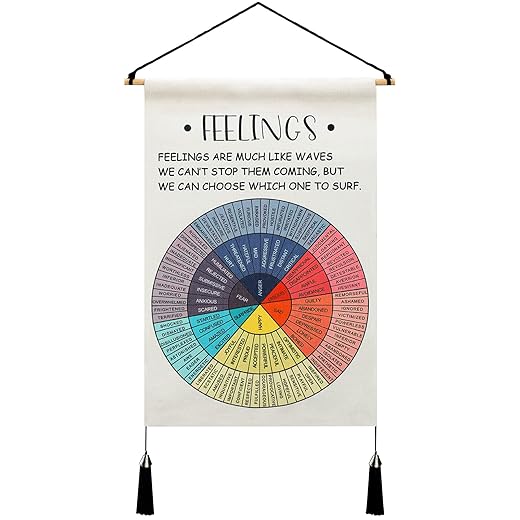
Prioritize evaluating persistent irritability that manifests as angry outbursts over minor frustrations, which is often misinterpreted as defiance. This constant state of alert can lead to profound emotional withdrawal from family and peers, and physical fatigue unexplained by activity.
If symptoms persist for more than two weeks or begin to interfere with daily life, professional support is essential. For families who may struggle with access to in-person care, online therapy platforms like Calmerry can provide licensed mental health professionals experienced in treating depression. Calmerry offers flexible, confidential therapy sessions that can be a first step toward consistent support when local options are limited.

Calmerry’s online therapy platform
How Childhood Depression Looks Different from Adult Sadness

Look for persistent irritability and anger instead of overt sadness. A young person is more likely to have explosive outbursts or appear constantly grumpy than to verbalize feeling down.
Key differences in presentation include:
- Mood Expression: Irritability is a primary mood state, replacing the typical adult presentation of pervasive hopelessness and verbalized despair.
- Physical Complaints: Frequent, unexplained stomachaches or headaches are common, often leading to avoidance of the classroom.
- Social Withdrawal: Pulling away from friends and family is a red flag, but in youth, this may coincide with a sharp drop in academic performance or refusal to attend school.
- Behavioral Shifts: Noticeable changes in sleep patterns (sleeping too much or too little) and appetite are core signs, impacting daily routine.
- Risk Communication: Expressions of suicidal ideation in the young can be more impulsive or tied to specific, acute frustrations rather than a philosophical sense of hopelessness.
Actionable steps for caregivers:
- Monitor changes in sleep using a simple log or a device like the Fitbit Ace 3 activity tracker for kids to observe patterns objectively.
- Address appetite shifts by keeping nutritious snacks accessible; products like Amazon Fresh delivery can ensure a steady supply of healthy options.
- Combat social withdrawal by engaging in parallel, low-pressure activities. A shared project like a LEGO Classic set can facilitate connection without demanding intense conversation.
- Create a safe space for discussing school-related distress. Tools like the “How Was Your Day?” conversation starter cards can help move beyond one-word answers.
- Immediately seek professional evaluation if any mention of self-harm or suicidal thoughts occurs, even if it seems casual.


Understanding these distinctions is crucial for early and effective intervention, as the young mind manifests emotional pain through behavior and physical changes more often than words.
Irritability and Anger as Primary Mood Signs
Look for a pattern of explosive reactions to minor frustrations, like snapping over a dropped pencil or a changed dinner plan, that is severe and lasts most of the day. This persistent grumpiness or rage is often the core emotional experience for young people, overshadowing typical sadness.
Key behavioral markers include:
- Irritability that disrupts family routines and peer interactions consistently.
- Verbal or physical anger outbursts disproportionate to the trigger.
- Chronic arguing with authority figures and siblings.
- A noticeable shift from a child’s baseline temperament.
This mood state directly fuels other changes. You might observe a sharp withdrawal from social activities they once enjoyed, not out of quiet shyness, but from a hostile sense that “everything is stupid.” Physical signs like changes in appetite and sleep (insomnia or excessive sleeping) are common, as is constant fatigue that makes completing homework or chores a battleground. Performance and behavior at school often deteriorate, with reports of conflicts or refusal to participate.
Actionable steps for caregivers:
- Track the triggers, frequency, and duration of outbursts in a simple notes app or journal to identify patterns.
- Frame conversations around the observed emotion: “I’ve noticed things have been feeling really frustrating lately,” instead of “Why are you so angry?”
- Establish predictable, calm routines to reduce environmental stress. Tools like visual schedule charts (e.g., Melissa & Doug Magnetic Responsibility Chart) can provide structure.
- Prioritize safety. Any mention of hopelessness or suicidal thinking requires immediate consultation with a healthcare professional.

For co-regulation, consider sensory tools to help manage intense feelings before they escalate, such as the ThinkPsych Fidget Cube for discreet use at home or weighted blankets like the YnM Weighted Blanket for bedtime anxiety. These are aids, not solutions; professional evaluation is crucial for addressing the root cause of these profound mood shifts.

Physical Complaints with No Medical Cause (Stomachaches, Headaches)
When a youngster repeatedly reports stomach pains or headaches that medical exams cannot explain, consider these sensations as potential expressions of emotional distress. The brain can manifest profound inner turmoil, like feelings of hopelessness, as tangible physical pain.
Track the pattern. Does the discomfort spike before school or social events? Use a simple logbook, like the Lemome Dotted Journal, to note timing, intensity, and context. This data is crucial for healthcare providers to differentiate between psychosomatic patterns and potential organic issues.
Address the physical need for comfort while exploring the emotional root. A heating pad for stomach cramps, such as the Sunbeam Renue Heating Pad, can offer immediate soothing. Simultaneously, create low-pressure opportunities for conversation during shared activities, like a calm walk, to gently explore underlying worries.

Prioritize foundational health routines, as physical complaints are often intertwined with disrupted basics:
| Complaint | Linked Disruption | Actionable Step |
|---|---|---|
| Morning stomachache | Disrupted sleep or appetite changes | Establish a consistent wind-down routine using a weighted blanket like the YnM Weighted Blanket for kids. |
| Constant headaches | Mental fatigue and emotional withdrawal | Schedule mandatory, non-negotiable breaks for quiet, screen-free activities to reduce cognitive load. |
| General “feeling sick” | Chronic fatigue and low energy | Focus on nutrient-dense foods; involve them in preparing meals using fun tools like the OXO Good Grips Salad Spinner to engage a fluctuating appetite. |

Never dismiss these pains as “just for attention.” Persistent physical complaints, especially when combined with increased social withdrawal or expressions of worthlessness, require a professional evaluation. This approach ensures the young person feels heard and can access comprehensive care for both body and mind.
School Refusal and a Sudden Drop in Academic Performance

Observe for a pattern of resistance to attending school, which is often more profound than simple truancy and rooted in overwhelming dread or a sense of hopelessness about coping with the school day.
A sharp decline in grades, particularly in a previously consistent student, frequently stems from an inability to concentrate and profound mental fatigue, not laziness.
Link this behavior directly to core emotional states: the sadness may manifest as school avoidance, while changes in sleep and appetite directly sabotage the energy and focus needed for learning.
Implement immediate, practical strategies: establish a non-negotiable, consistent sleep routine using tools like the Hatch Restore 3 Sunrise Alarm Clock to regulate circadian rhythms, which directly impact daytime functioning.

Collaborate with the school to create a re-entry plan, possibly starting with a shortened day, and utilize organizational aids like the Clever Fox Academic Planner to break assignments into manageable steps, countering feelings of being overwhelmed.

Address the underlying emotional void by helping the young person connect with a sense of purpose; structured activities like the “You Are a Badass” journal can guide them to identify small, achievable goals beyond academic metrics.

This cluster of behaviors–avoidance, declining performance, coupled with shifts in sleep and eating–is a critical signal that the child’s internal resources are depleted, requiring supportive intervention focused on rebuilding capacity, not punishment.
Extreme Sensitivity to Rejection or Failure
Observe if a minor setback, like a missed goal in a game or a corrected homework error, triggers a disproportionate reaction of profound sadness or withdrawal that lasts for hours or days. This isn’t typical disappointment; it’s a pervasive pattern where the young person internalizes any critique as a fundamental personal flaw.
In the school environment, this may manifest as a refusal to participate in group projects, extreme anxiety before tests, or consistently assuming peers are excluding them. They might abandon new activities, like learning an instrument, after the first minor mistake, consumed by a sense of hopelessness about ever improving.
Actionable step: Reframe feedback using “yet.” For example, “You haven’t mastered this math concept yet” separates the failure from their identity. Introduce activities with no “wrong” outcome to rebuild tolerance. Consider open-ended building kits like Magna-Tiles or art supplies such as Crayola Model Magic, where the process, not a perfect product, is the goal.


Monitor social interactions digitally. A pattern of repeatedly seeking reassurance via messages (“Are you mad at me?”) after benign interactions is a key data point. This hypersensitivity often coexists with a decline in academic effort, as avoiding trying becomes a safer strategy than risking perceived failure.
Tracking Changes in Daily Behavior and Routines
Start a dedicated, simple log. Use a shared digital calendar like Google Calendar or a notes app to mark shifts in sleep, eating, and activity patterns with one-word codes (e.g., “up-late,” “no-snack,” “no-soccer”). Objectivity is key; note what you see, not interpretations.
A sudden disinterest in long-loved activities is a critical data point. If a young one who built intricate Lego sets for hours now leaves kits untouched, or a passionate dancer skips practice repeatedly, document the duration of this withdrawal. The Hatch Restore 2 smart light can help track sleep-wake cycles non-invasively, providing concrete data on insomnia or excessive sleeping.
Monitor personal care neglect. This goes beyond messy rooms; look for a consistent decline in basic hygiene like showering, brushing teeth, or changing clothes. A tangible drop in energy for the smallest tasks–needing encouragement to get off the couch, walk the dog, or clear a plate–is significant.
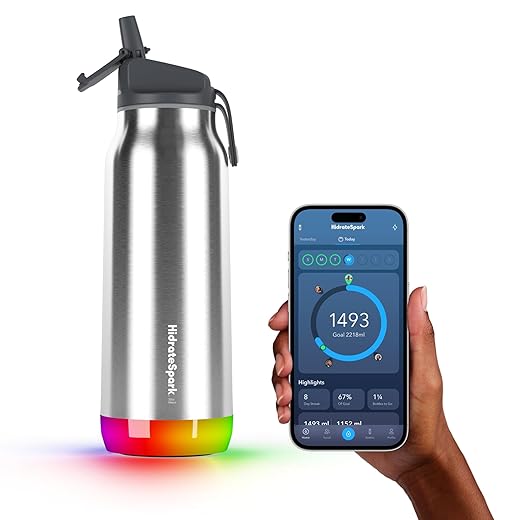
Pay acute attention to any disruption in eating routines. Log instances of skipped meals, loss of appetite, or a new pattern of secretive nighttime eating. A smart water bottle like the HidrateSpark STEEL can track fluid intake, as dehydration often accompanies a breakdown in routine.
Verbal or written statements about self-harm or suicidal ideation are medical emergencies. Phrases like “I wish I wasn’t here” or drawings depicting self-harm must be taken with utmost seriousness. Do not delay; contact a crisis helpline or seek immediate professional evaluation.
Recognizing childhood depression is not about labeling a child — it’s about opening the door to support. Whether through a pediatrician, school counselor, or licensed online therapist, early guidance can make a lasting difference. If accessing in-person care is difficult, platforms like Calmerry offer a convenient way to begin professional depression therapy in a safe, confidential setting.
Finally, share your documented observations with a pediatrician or therapist before a crisis. Presenting a two-week log of behavioral shifts provides far more actionable information than a vague “seems sad,” leading to faster, more accurate support.
Question-Answer:
My 9-year-old used to love soccer, but now he doesn’t want to go to practice and says he’s tired all the time. Could this be depression or just a phase?
It can be difficult to tell the difference between a temporary phase and something more serious. While children naturally lose interest in activities sometimes, a key sign of depression is a persistent change that affects multiple areas of their life. If your son is not only skipping soccer but also seems consistently sad, irritable, or withdrawn at home and school for more than two weeks, it’s a stronger signal. Fatigue and a loss of pleasure in previously enjoyed activities are core symptoms. It would be a good idea to gently talk with him about how he’s feeling and schedule a check-up with his pediatrician to rule out any physical causes for the tiredness and discuss the behavioral changes.
What does irritability look like as a sign of depression in a child, versus normal childhood anger?
All children get angry or frustrated. In depression, irritability is more constant, severe, and seems out of proportion to the situation. A child might have frequent, intense outbursts over minor disappointments, seem perpetually grumpy or annoyed, and be easily set off throughout the day. This mood isn’t just occasional; it’s a prevailing state that replaces their typical personality. You might notice they are snappy with family members, hostile towards friends, and cannot be soothed as easily as before. This persistent irritable or cranky mood is often the primary emotional symptom in depressed children, sometimes more noticeable than sadness.
Can depression in a child cause physical symptoms?
Yes, depression often shows up as physical complaints in children, who may not have the words to describe emotional pain. Common issues include frequent stomachaches or headaches that have no clear medical cause. You might also see changes in eating patterns, like a significant loss of appetite or overeating. Sleep problems are very common—this could mean trouble falling asleep, waking up often at night, sleeping too much, or having nightmares. A child may also report general aches and feel constantly low on energy. It’s important to have a doctor evaluate these symptoms, but if no physical illness is found, depression should be considered as a possible cause.
My daughter’s teacher says she’s quiet and distracted in class. Her grades are dropping. Should I be concerned about depression?
A noticeable decline in school performance is a significant warning sign. Depression can directly impact a child’s ability to concentrate, remember information, and find motivation. What the teacher describes—withdrawal from class participation and difficulty focusing—aligns with depressive symptoms. The child may be preoccupied with negative thoughts, feel hopeless about schoolwork, or be too fatigued to engage. This isn’t about a single bad test; it’s a pattern of change. You should arrange a meeting with the teacher to understand the full scope of the behavior change and observe if similar patterns of sadness, lack of interest, or fatigue are present at home. Sharing these observations with your child’s doctor is a recommended step.
How do I talk to my child if I think they might be depressed?
Choose a calm, private time and use simple, direct, and non-judgmental language. You could say, “I’ve noticed you’ve seemed very sad/upset/tired lately, and I’m concerned about you. Can you tell me how you’re feeling?” Listen more than you talk. Avoid dismissing their feelings or immediately offering solutions. Validate their experience by saying things like, “That sounds really hard,” or “I understand why that would make you feel sad.” Reassure them that you love them and that you will work together to get help. If they are not ready to talk, let them know you are always available. The goal of this first conversation is to open a door, not to force a confession. Based on their response, your next step is to contact their pediatrician or a mental health specialist for a professional evaluation.

Other Articles


