


Teen Depression Key Warning Signs are critical for parents, educators, and caregivers to recognize early, as depression during adolescence often presents differently than in adults. Mood changes, withdrawal from friends, declining academic performance, and unexplained physical complaints can signal deeper emotional distress rather than typical teenage behavior. Because adolescence is a period of intense emotional and neurological development, untreated depression can significantly impact long-term mental health, relationships, and self-esteem.
In this guide, we outline the most important warning signs of teen depression, explain how they differ from normal mood fluctuations, and highlight when professional support may be necessary. Understanding these key indicators helps families respond early, provide appropriate support, and reduce the risk of serious mental health consequences.

If you notice persistent shifts in your adolescent’s behavior–withdrawal from social circles, a sharp decline in academic performance, or expressions of hopelessness–initiate a calm, non-judgmental conversation immediately. These observable changes are often the most reliable indicators of a deeper struggle, moving beyond typical moodiness. Key symptoms to monitor include significant changes in sleep or appetite, loss of interest in previously enjoyed activities, and verbal cues about worthlessness. Early recognition is the critical first step toward effective intervention.
For many parents, recognizing these warning signs raises difficult questions: Is this serious? Am I overreacting? What should I do first?
In situations like this, professional guidance for adults can be invaluable. Online therapy services such as Calmerry’s depression therapy platform offer access to licensed mental health professionals who help parents process concerns, manage anxiety, and decide on appropriate next steps. While this support does not replace adolescent clinical care, it can help caregivers feel more grounded and informed as they navigate the process.
Establishing open communication is not a single talk but a continuous practice. Frame discussions around specific observations using “I” statements, such as “I’ve noticed you seem tired lately,” to avoid defensiveness. This approach builds a bridge, making it safer for a young person to share their internal experience. For parents and caregivers, utilizing tools like the Gottman Institute’s “Raising an Emotionally Intelligent Child” book or journals designed for parent-teen dialogue, available on Amazon, can provide structured pathways to foster these essential conversations.

Professional treatment is often necessary and is a sign of strength, not failure. Modern therapy options extend beyond traditional talk therapy; for instance, Cognitive Behavioral Therapy (CBT) workbooks adapted for adolescents can serve as a supplementary resources. In a crisis situation involving immediate safety concerns, action must be direct: secure the environment, do not leave the individual alone, and contact emergency services or a crisis hotline immediately. Having a plan before a crisis strikes is paramount.
The journey toward wellness is collaborative. It involves coordinating with school counselors, exploring evidence-based therapeutic modalities, and potentially, under medical guidance, considering psychiatric evaluation. Support tools, such as light therapy lamps for seasonal mood patterns or mindfulness apps with family plans, can be integrated into daily life. Remember, your steady support and informed advocacy are the most powerful resources in navigating this path toward recovery and resilience.
Teen Depression: A Parent’s Action Guide for 2026
Immediately schedule a consultation with a licensed mental health professional specializing in adolescent care; this is the critical first step toward effective intervention.
Modern treatment integrates multiple approaches. Expect a combination of modalities like Cognitive Behavioral Therapy (CBT) delivered via secure telehealth platforms and, if a physician recommends, pharmacogenomic testing to inform medication choices. Digital tools are now core resources. Utilize FDA-authorized apps like Pearl for mood tracking between sessions, and consider validated devices such as the FeelBetter Ring to monitor sleep and activity patterns objectively.


| Parent Action | Purpose & Modern Tool Example |
|---|---|
| Master Non-Judgmental Dialogue | Foster open communication. Use conversation decks like “The Big Talk Card Game” from Amazon to structure discussions. |
| Create a Shared Safety Plan | Prepare for crisis. Draft a digital document listing emergency contacts, coping strategies, and local crisis text line (text HOME to 741741). |
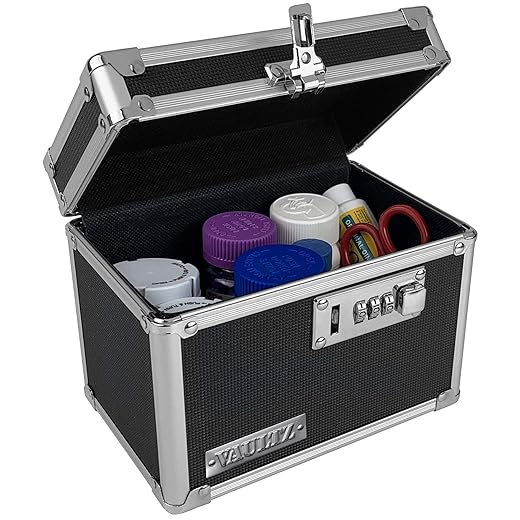
| Audit the Home Environment | Mitigate risk. Use a biometric lockbox, like the VaultBox sold on Amazon, to securely manage medications. |
| Coordinate a Support Network | Ensure consistent care. Use a shared, HIPAA-compliant portal (e.g., CareCircle) to align with therapists, school counselors, and pediatricians. |
Persistent low mood, loss of interest in virtual and real-world activities, drastic changes in sleep or appetite, and expressions of worthlessness are key symptoms requiring prompt attention. Your role is not to diagnose but to observe, connect, and advocate. If your young person mentions suicidal ideation, treat it as a crisis: do not leave them alone, remove potential means, and contact their therapist or escort them to the nearest emergency department for immediate evaluation.
Curate a list of vetted, local resources before they’re needed. This list must include professionals who offer sliding-scale fees, intensive outpatient program (IOP) facilities, and peer support groups for caregivers. Your own education is vital; read current books like “The Connected Parent in the Digital Age” to understand the unique pressures facing adolescents in 2026.

Recognizing the Signs: Beyond Typical Teen Moodiness
Look for a constellation of symptoms lasting over two weeks, not isolated bad days. Key differentiators are pervasive loss of interest (anhedonia) and functional impairment. While moodiness is reactive, depressive patterns are persistent and seep into all areas.
Monitor academic performance: a sudden, unexplained drop in grades or multiple missed assignments is a red flag. Social withdrawal is critical; note if they abandon long-standing friend groups or activities they once loved, like sports or art. Observe changes in fundamental behaviors: significant shifts in sleep (insomnia or sleeping 12+ hours), appetite (weight loss/gain), or personal hygiene. Unprovoked irritability or anger is often more present than sadness.
Listen for verbal cues beyond “I’m sad.” Statements like “I’m a burden,” “Nothing matters,” or “I can’t handle this” require immediate attention. Increased sensitivity to rejection or failure is common. Apathy towards future plans, like college or driving, signals hopelessness.
Direct, calm communication is your first intervention. Use observations: “I’ve noticed you’re sleeping more and haven’t touched your guitar. I’m concerned.” Avoid accusations. Validate their feelings without immediately trying to fix them. This opens the door for discussing professional help.
Early professional intervention is crucial for recovery. The first step is a thorough assessment by a pediatrician or mental health specialist to rule out medical causes. Effective treatment often combines therapy (like CBT or DBT) and, if recommended, medication. Tools like the Moodfit app or a Happify subscription can supplement clinical work. A simple product like the Five Minute Journal can help challenge negative thought patterns.

Know your crisis protocols. Have the 988 Suicide & Crisis Lifeline saved in your phone and theirs. Remove or secure access to means of self-harm. If you sense immediate danger, do not leave them alone; go to the nearest emergency room or call 911.
Your role as parents is to be a steady, non-judgmental support system. Educate yourself using reputable sources. Recovery is a process with ups and downs; patience and consistent support are your most powerful tools. Your proactive engagement can change the trajectory of their journey.
Behavioral Changes You Might Notice at Home
Document specific shifts in daily routines for one week to identify patterns; use a simple notebook or a dedicated app like Bearable for tracking.
Key household behavioral symptoms often manifest as a withdrawal from family life and a neglect of personal space. This is distinct from a desire for privacy.
- Domestic Withdrawal: Consistently eats meals alone in their room, avoids common areas like the living room, and ceases participation in customary family activities, such as weekend outings or game nights.
- Neglect of Environment: Noticeable decline in personal hygiene. Their bedroom may become unusually chaotic, with old dishes, unwashed laundry, and general clutter accumulating for weeks, signaling a loss of energy for basic upkeep.
- Altered Sleep/Wake Rhythms: Sleeps through weekend mornings until 3 PM, then remains awake past 4 AM on school nights. This severe dysregulation is a critical data point for a professional.
- Agitation Over Minor Tasks: Demonstrates disproportionate frustration or anger over small requests, like taking out the trash or coming to dinner, which were previously non-issues.
When communication attempts are met with hostility or silence, shift your approach. Use non-confrontational “I observe” statements and engage in parallel activity.
- Instead of direct questioning, try: “I’ve noticed the guitar hasn’t been played in a while. I miss hearing it,” while you are doing a quiet task nearby.
- Offer concrete, low-pressure alternatives: “I’m running to the store. Do you want to ride along with no talking required, or is there a specific snack you want?”
- Implement a “signal” system. A product like the Echo Glow smart lamp can be used non-verbally–a specific color might mean “I’m not up to talk, but I’m okay,” reducing confrontational check-ins.

Immediate intervention is required for behaviors that threaten safety. Create a clear, pre-written crisis plan.
- If you find hidden alcohol, prescription pills not their own, or evidence of self-harm (e.g., unexplained cuts, discovery of tools like blades), this constitutes a crisis.
- Your plan must list: the phone number for the 988 Suicide & Crisis Lifeline, the address of the nearest emergency room with psychiatric services, and the contact for a trusted therapist. Keep this plan accessible, like on the refrigerator.
- Secure potentially dangerous items. Consider a lockbox for medications or a tool like the Kensington Privacy Screen to create digital boundaries if online activity is a source of distress.

Your role is to act as a bridge to professional resources, not as the therapist. Prepare for the first therapy appointment by providing your documented observations of home behavior, as this gives the clinician crucial context the adolescent may not offer. The path to recovery is a process where guardians provide stability and access to care, while the clinical work happens between the young person and their specialist. Investigate modern support resources, such as peer support groups for caregivers through organizations like NAMI, which offer guidance specific to your journey.
Shifts in Academic Performance and School Engagement
Directly request a meeting with educators to review graded assignments and attendance patterns, as a sudden drop in a core subject often precedes verbal reports of struggle.
Monitor for a disproportionate increase in time spent on homework with declining results, a key indicator of cognitive fatigue. Tools like the Amazon Basics Weekly Academic Planner can help track deadlines versus actual time invested, creating objective data for discussion.
Note disengagement from group projects or extracurriculars they once valued; this social withdrawal in the school environment is a critical symptom. Initiate a communication with the school counselor about observed changes, framing it as a collaborative intervention for academic support, not just discipline.
If a young person expresses feeling overwhelmed by a specific subject, proactive parents can supplement with learning aids. For instance, a TI-84 Plus CE Graphing Calculator can demystify advanced math, while a Kindle Paperwhite reduces the physical burden of heavy textbooks, addressing minor hurdles before they escalate.

Avoid attributing all changes to laziness. A previously diligent student missing multiple deadlines may be experiencing impaired concentration, a core symptom requiring professional assessment. Structured therapy, such as Cognitive Behavioral Therapy (CBT), can directly target these executive function challenges as part of a comprehensive treatment plan.
In a crisis where school refusal becomes severe, prioritize psychological safety over immediate attendance. Your immediate step is to contact a mental health professional to develop a phased recovery plan for reintegration, which the school should support with accommodations.
Physical Symptoms Often Overlooked
Directly link persistent physical complaints to emotional distress and seek a pediatrician’s evaluation to rule out medical causes. Unexplained headaches, stomachaches, or general pain lasting over two weeks warrant a conversation about mood.
Monitor for significant shifts in energy and movement. This includes constant fatigue despite adequate sleep or noticeable psychomotor agitation, like an inability to sit still. A sleep tracker, such as the Fitbit Charge 6, can provide objective data on rest patterns for discussion with a healthcare provider.

Observe pronounced changes in appetite and weight. Both a sharp decline or increase are relevant. A sudden disinterest in food or secretive binge eating are physical symptoms that signal internal crisis.
Note if a young person is perpetually “cold” or reports vague, shifting body pains without a clear origin. These somatic complaints are the body’s expression of psychological pain.
Present these observations calmly to your adolescent and their doctor. Frame it as concern for their overall well-being: “Your frequent migraines concern me; let’s discuss how you’re feeling overall.” This approach integrates physical and mental health for accurate diagnosis.
A comprehensive treatment plan must address these physical manifestations. Effective therapy, like CBT, often includes strategies for managing somatic symptoms. Parents can support recovery by creating routines for regular meals and sleep. Tools like the Hatch Restore 3 sunrise alarm clock can gently regulate sleep cycles.

Immediate intervention is crucial if physical decline is rapid, such as drastic weight loss or complete insomnia. These indicate escalating risk. Connect with resources like the Crisis Text Line (text HOME to 741741) or the 988 Suicide & Crisis Lifeline for 24/7 support.
Social Withdrawal and Digital Clues in Online Activity
Monitor for a persistent decline in real-world social engagement, such as refusing family dinners or abandoning long-standing hobbies, which differs from typical adolescent desire for privacy.
Scrutinize online behavior for digital symptoms: a sudden, complete purge of social media profiles, or conversely, an obsessive, hours-long scrolling through curated happy images of peers, which can deepen feelings of isolation.
Note passive consumption over interaction; a young person may watch streams or videos incessantly but cease all direct messaging, group chats, or gaming with friends, indicating a loss of motivational energy.
Track changes in digital creation. A once-active user who posted art, memes, or thoughts may stop entirely, or their content may become uniformly dark, filled with themes of hopelessness, self-harm, or cryptic goodbyes, which constitutes a potential crisis signal.
Implement practical monitoring tools like the Amazon Kasa Smart Wi-Fi Plug to gently track patterns of late-night online activity without invasive screen checks, providing data on sleep disruption.

Encourage a balanced digital diet using tools like the Amazon Kindle Paperwhite to promote low-stimulus, narrative-based engagement, which can be a stepping stone in recovery by rebuilding focus and calm.

This digital evidence provides critical context for professional assessment; share specific observed patterns, not assumptions, with a therapist to inform a targeted treatment plan.
A key parental intervention is to co-view content without immediate judgment. Ask, “This playlist seems really sad; do these songs resonate with how you’re feeling?” to open dialogue grounded in their digital reality.
Recognize that aggressive online conflict or seeking out toxic communities can be a maladaptive cry for connection, underscoring the need for professional therapy to address the root loneliness.
Ultimately, the goal is to translate digital observations into real-world support, using the online world as a window into internal struggles, thereby enabling timely and effective intervention.
Taking the First Steps: How to Initiate a Supportive Conversation
Choose a low-pressure time, like during a car ride or while preparing a meal together, to minimize direct eye contact and perceived confrontation.
Frame observations with “I” statements. Say, “I’ve noticed you seem more tired lately, and I’m concerned,” instead of “You’ve been acting so lazy.” This focuses on specific symptoms without accusation.
Prepare a list of local mental health resources before talking. Having concrete options, such as contact information for counselors who specialize in adolescent therapy, shows you are offering solutions, not just identifying problems.
Use parallel activities to ease dialogue. Engage in a simple task together, like assembling a model kit (e.g., LEGO Art or a GUNDAM model from Amazon) or walking the dog. The shared focus can make discussing difficult feelings feel less intense.

Normalize seeking help. Mention that consulting a professional is a sign of strength, similar to seeing a coach to improve a skill. You could say, “Talking to someone with training can give you tools we might not have at home.”
If met with resistance, prioritize connection over correction. Respond with, “I hear you’re not ready to talk. I’m here when you are,” and leave a pamphlet for a confidential teen support line, like a card for the Crisis Text Line, on their desk.
Follow up with actionable support. After the conversation, send a text: “I booked an appointment with Dr. Smith for next Thursday. We can grab a smoothie after if you want.” This moves the discussion toward practical resources.
If this guide reflects what you are currently experiencing, remember that you do not have to navigate this alone. Seeking professional support for yourself is a proactive and responsible step—not a sign of failure.
Online therapy options such as Calmerry’s depression therapy service allow parents and caregivers to access licensed mental health professionals in a flexible and confidential format. While it is not a substitute for adolescent psychiatric care or crisis services, it can provide essential emotional support and clarity as you take the next steps for your family.

Online therapy services are intended for adult support and are not a replacement for emergency care or direct adolescent mental health treatment.
Question-Answer:
My teenager is often irritable and snaps at us over small things. Could this be a sign of depression, or is it just normal teenage moodiness?
It can be difficult to tell the difference. While mood swings are a typical part of adolescence, persistent irritability is a very common, and sometimes the primary, sign of depression in teenagers. Unlike temporary grumpiness, this irritability is a constant, low-grade anger or frustration that seems ever-present and is often directed at family. It’s more than just being in a bad mood; it’s a change in their fundamental temperament. If this irritable state lasts for most of the day, nearly every day, for two weeks or more, and is paired with other changes like withdrawal from friends, loss of interest in activities, or changes in sleep and appetite, it’s a strong indicator to seek a professional evaluation. Normal moodiness comes and goes; depressive irritability lingers and weighs them down.
I think my child might be depressed, but I’m afraid asking directly will make things worse or put ideas in their head. What should I do?
Your concern is understandable, but asking about depression does not create it. In fact, opening the conversation shows you care and are paying attention. Choose a calm, private time without distractions. Use “I” statements focused on your observations, not accusations. For example, “I’ve noticed you seem really tired and distant lately, and I’m concerned about you. I’m here to listen if you want to talk about how you’re feeling.” This is less confrontational than “Are you depressed?” Be prepared for them to shut down or deny it; that’s okay. The goal is to plant the seed that you are a safe person to talk to. If they do share, listen without immediately trying to fix the problem. Validate their feelings by saying things like, “That sounds really hard. Thank you for telling me.” This first conversation is often just the beginning of a longer process.
We’ve decided to get help. What type of professional should we see first, and what does treatment usually involve?
A good first step is to schedule an appointment with your child’s pediatrician or a general practitioner. They can perform a physical exam to rule out any medical conditions that might mimic depression (like thyroid issues or vitamin deficiencies) and provide an initial assessment. They will likely refer you to a mental health specialist. For teenagers, treatment most often involves psychotherapy, specifically approaches like Cognitive Behavioral Therapy (CBT) or Interpersonal Therapy (IPT). A therapist will work one-on-one with your child to develop coping skills and address thought patterns. In many cases, especially for moderate to severe depression, therapy may be combined with medication, such as antidepressants, which must be prescribed and monitored by a psychiatrist or a doctor with specific training. The process is collaborative, and finding the right therapist and, if needed, the right medication, can take some time.
How can I support my child at home while they are getting professional help?
Your support at home is a critical part of their recovery. First, educate yourself about depression so you understand it’s an illness, not a choice or a weakness. Practice patience; progress is rarely a straight line. Encourage small, manageable routines, like sharing a meal or going for a short walk, without forcing them. Avoid phrases like “snap out of it” or “just think positive.” Instead, offer practical help with daily tasks that may feel overwhelming to them. Most importantly, continue to express your love and presence. Simple statements like “I’m here for you,” or “We will get through this together,” hold great power. Take care of your own mental health as well, so you have the energy to be a steady support for them.
What are the specific warning signs that my depressed teen might be considering suicide?
It is necessary to take any mention of suicide seriously. Immediate warning signs include talking about wanting to die or kill themselves, looking for ways to do so (like searching online for methods), or talking about feeling hopeless or having no reason to live. More subtle signs can include giving away prized possessions, saying goodbye to people as if for the last time, a sudden, unexplained lift in mood (which may indicate they have made a decision to end their life), or engaging in extremely risky behavior. If you observe any of these signs, do not leave your child alone. Remove any immediate means, such as medications or firearms from the home. Seek immediate help by contacting their therapist, a crisis hotline (like 988 in the U.S.), or taking them to the nearest emergency room. Asking them directly, “Are you thinking about suicide?” does not increase the risk; it opens a door to getting them the urgent help they need.


