


Identifying the critical signs of a toxic family member can be a challenging yet essential process for anyone trying to maintain their emotional and mental well-being. Sarah, like many others, found herself constantly questioning her self-esteem and safety within her family dynamics. The subtle behaviors of toxicity often go unnoticed, masking themselves as normal interactions or even expressions of love. When people refuse to address these issues openly, it can leave those affected feeling like victims, guilt-ridden and confused.
This article describes ten clear signs of a toxic family member that you might recognize in your own situation. By utilizing the method of open conversation and honest reflection, individuals can begin to acknowledge the critical needs that arise when navigating a dysfunctional family environment. Some may wonder what steps to take when seeking support, and whether consulting organizations focused on family dynamics can provide the answers they need.
Addressing toxicity often requires setting firm boundaries, as it’s crucial to ensure your emotional safety. The process may even involve conversations that could lead to withdrawal from those who mock or undermine your feelings. While it’s never easy to confront family members about their behavior, being ready to show your voice and share your feelings is vital for coping with trauma and reclaiming your sense of self. By recognizing these signs and taking appropriate steps, you can begin to create a healthier environment for yourself and your loved ones.
Understanding Toxic Family Dynamics

Toxic family dynamics are complex and can deeply influence your mental health. These relationships often involve behaviors that cause emotional harm, such as guilt-tripping, controlling actions, and drama that seems impossible to escape. When you begin to recognize these patterns, it’s essential to gain clarity about what they mean for you and how they affect your daily life.
One sign of a dysfunctional relationship is how family members insist on keeping you under pressure. Whether it’s about making decisions or expressing feelings, you’re often caught in a cycle where it feels like your actions are constantly being scrutinized. Having the confidence to express your perspective can be challenging, especially when confronted with someone who seems to thrive on controlling the narrative. Understanding this means you can start to track your feelings and recognize the influence of such dynamics on your mental state.
After analyzing these interactions, you may feel more like a victim than a participant in your relationships. Take Sarah, for instance, who always felt obligated to attend family gatherings, even when she was exhausted. The guilt-trip tactics used by her family made her question her priorities. Now, she’s learning to set boundaries, which is incredibly freeing. It’s important to remember that you are not alone in this; many people experience similar pressures, and support groups or guided learning resources can be invaluable in navigating these tough topics.
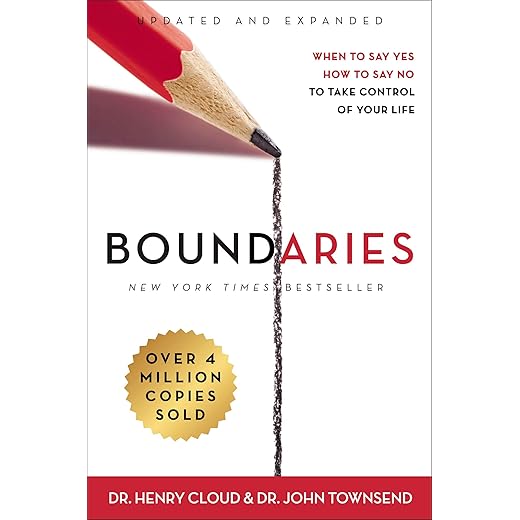
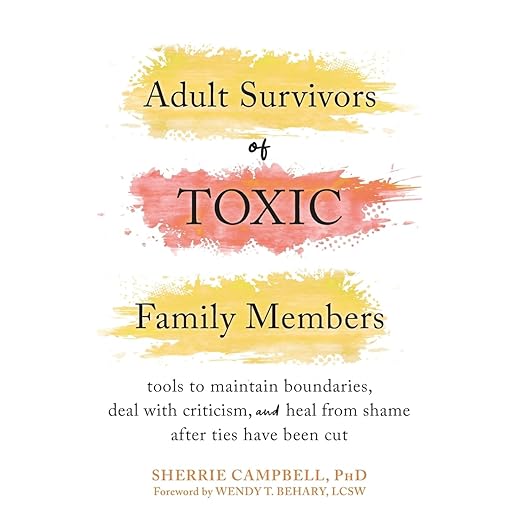
For those ready to take action, evidence-based materials can help. Media representation in books and documentaries highlights these dynamics, providing a broader perspective. A simple search on Amazon can yield helpful resources, such as “Adult Survivors of Toxic Family Members” or “Boundaries: When to Say Yes, How to Say No,” which can aid in your understanding and provide practical steps for change.
Learning about these topics isn’t just about awareness; it’s about empowering yourself to make choices that enhance your well-being. You don’t have to feel trapped in a family dynamic that no longer serves you. Starting to express your thoughts candidly can mark the beginning of a healthier relationship with yourself and, by extension, with your family. Remember, nurturing your mental health is as important as giving love to those around you.
Recognizing Manipulative Behaviors
Manipulation can take many forms within family dynamics. It often stems from a place of control and can be both subtle and overt. One common type of manipulation is when a family member uses triangulation, involving a third party to create conflict. For example, if someone talks behind your back to another relative, they could be attempting to undermine your relationship and create drama. These behaviors can leave you feeling confused and questioning your self-esteem.
Another sign of manipulation is when family members don’t acknowledge your feelings or experiences. They may respond to your concerns with self-blame or try to turn the conversation back on you, making you feel that you’re the real issue. This tactic can easily lead to depression or a chronic sense of inadequacy. It’s crucial to recognize that your feelings are valid and deserve to be heard.
Manipulation often involves controlling behaviors. Whether it’s limiting your social interactions or dictating what topics are appropriate for discussion, manipulative family members aim to keep a tight grip on you. This may manifest in physical ways too, with a family member wanting to dictate your actions, which can feel especially abusive in nature. In times of crisis, such as during stressful events, these behaviors can intensify, making it harder for you to maintain a sense of normalcy.
Learning how to identify these flags of manipulation is essential for your mental health. If you’re ready to change the dynamic, consider having an honest conversation with the family member. Be prepared for conflict, as they may not respond well to your attempt at addressing the issue. It’s important to approach this with a sense of supportive strength, rather than anger or blame. When you do this, you encourage healthier interactions in the future.
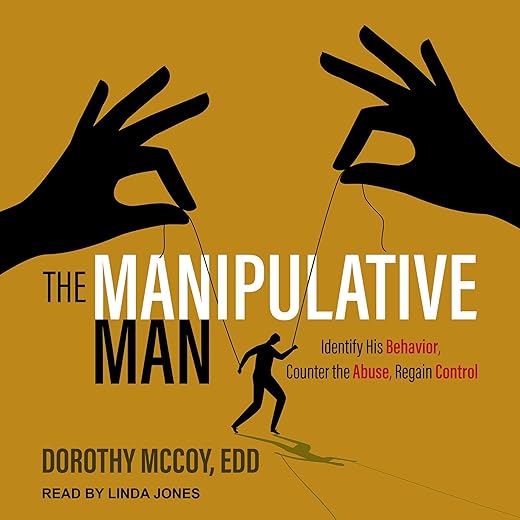
If you find it challenging to navigate these situations, there are resources available that can help you track your feelings and develop better coping strategies. Consider self-help books on Amazon, such as *”The Manipulative Man”* by Dorothy McCoy, which dives deeper into understanding manipulation and how to deal with it. Remember, recognizing manipulation is the first step towards reclaiming your power and improving your family relationships.
The Impact of Toxic Relationships on Mental Health
Toxic relationships can have a chronic effect on your mental health, shaping your reality in ways that may not be evident at first. When you are constantly surrounded by manipulative family members or friends, it can create an environment filled with drama and conflict. These relationships often describe a whole range of aggressive behavior that limits your self-worth and can lead to feelings of isolation.
Imagine having someone in your life who excels at emotional manipulation. Their tactics might include making you feel guilty or undermining your needs and desires. This kind of aggressive behavior can be draining, both mentally and physically. The impact is profound, affecting everything from your ability to enjoy food to your general sense of safety. If you navigate these relationships into adulthood, you may find yourself constantly second-guessing your rights and your feelings.
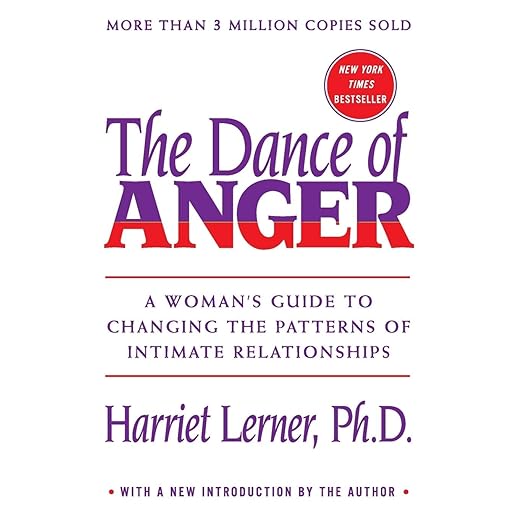
Readers, it’s essential to understand that you are not alone in this. Toxic relatives often make you feel like there’s no way out. However, instead of succumbing to their influence, seek ways to create a support group. Having a circle of trust can help you clear your mind of the negativity. Additionally, following resources, such as mental health books or self-help guides available on websites like Amazon, can inform your journey towards healing. For example, “The Dance of Anger” by Harriet Lerner is a great resource for understanding conflict in relationships.
Ultimately, moving away from toxic influences is vital for your mental well-being. You deserve a life where your needs are met and your self-worth is nurtured, rather than constantly challenged. In doing so, you make space for healthier relationships that truly support your emotional and physical health.
When toxic family dynamics begin to affect your mental health, professional support can become a powerful step toward healing. Online therapy platforms such as Online-Therapy.com make it easier to access licensed therapists and evidence-based CBT programs from home. This is especially helpful if in-person therapy feels overwhelming or unavailable. Structured guidance, worksheets, and therapist feedback can support you while you work on boundaries, self-esteem, and emotional recovery.

Online Therapy for Individuals and Couples
Why Toxicity Often Goes Unnoticed
Toxic family dynamics can be subtle yet profoundly affect individuals, often leading victims to believe the problem lies within themselves. This type of self-blame is further compounded when relatives engage in behaviors like gaslighting, which might make a person question their own reality. For example, a sibling might dismiss your concerns, saying, “You’re just too sensitive,” invalidating your feelings and creating a chronic state of trauma.
Many individuals refuse to trust their own perspective and become so accustomed to hurtful behaviors that they might not recognize them anymore. They often feel proud of maintaining family ties, despite these dynamics, not realizing how these relationships undermine their self-worth. It’s essential to understand that the fault does not lie with the victim but rather with the toxic behaviors exhibited by those family members.
Professional support can be a valuable resource for those navigating such situations. Engaging in practices like meditation can help individuals regain their voice and perspective, allowing them to respect themselves and create healthier boundaries. Some might require examples to identify toxicity clearly–scenarios from childhood, such as a parent who always blames the child for family problems or a relative who routinely disparages their achievements, can serve as wake-up calls.
For those ready to take a step toward healing, considering supportive products available on platforms like Amazon, such as journals for self-reflection or books on psychological well-being, can help. Learning to trust oneself again and standing up against toxic behaviors can transform one’s life. In this journey, recognizing that the toxicity is not intended can help shift the mindset from self-blame to empowerment. Letting go of the need for family approval is a crucial step in becoming the healthiest version of oneself.

Signs of a Toxic Family Member
Understanding the signs of a toxic family member is crucial for maintaining a healthy environment within families. According to experts in psychology, there are several red flags that can indicate problematic behaviors. For example, a family member may start making you feel guilty for your choices, which can leave you feeling helpless and questioning your own decisions. Sarah, who is learning more about these dynamics, highlights that toxic individuals often use conditional love to control their relatives. This type of environment can be detrimental to your mental health.
Another common sign is the tendency for these individuals to invalidate your feelings. When you express concerns or emotions, they might dismiss them, leading you to seek answers elsewhere. Professionals in therapy suggest that such invalidating behavior can erode your self-esteem over time. Spending time with a controlling family member can make you worry about complying with their wishes, leading to further complications.
Strategies for navigating these issues include setting clear boundaries and seeking guidance from registered professionals. Books on Amazon, such as “Toxic People: 10 Ways of Dealing with the Difficult People in Your Life,” can offer informative insights on how to maintain your sense of self and respect. These resources provide valuable examples and techniques to protect yourself from emotional manipulation. Consulting with therapy can also empower you to move forward, allowing you to address the issue effectively.
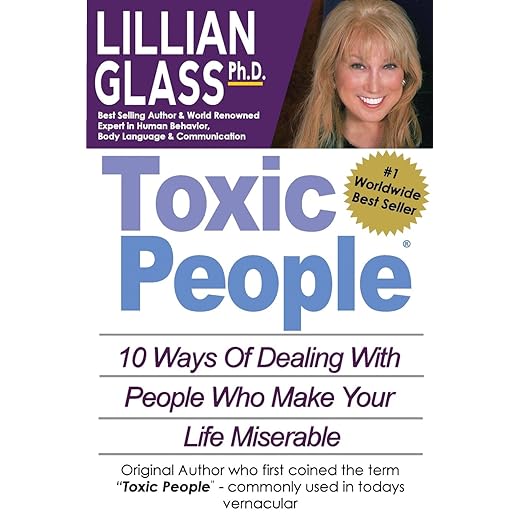
Toxic People: Toxic People: 10 Ways Of Dealing With People Who Make Your Life Miserable
In addition to books and self-help resources, many people find it helpful to work with a professional therapist. Services like Online-Therapy.com provide affordable, flexible access to licensed therapists and CBT tools, allowing you to process toxic family dynamics, practice boundary-setting, and rebuild confidence at your own pace.
In conclusion, recognizing the signs of a toxic family member is the first step in navigating complicated relationships. By focusing on your well-being and implementing effective strategies, you can lessen the power that toxic individuals hold over you and create healthier ties within your family.
Constant Criticism and Judgment
Constant criticism and judgment from family members can be deeply damaging. It often manifests through subtle forms of manipulation, such as gaslighting, where one is made to feel anxious about their self-worth. For example, a parent might mock your achievements or make dismissive comments, leading you to second-guess your abilities. These manipulative tactics not only limit your growth but also create a toxic environment filled with self-blame and worry.
It’s essential to recognize the flags that these toxic dynamics raise. If a family member consistently refuses to support your choices or belittles your aspirations, you are likely dealing with a conditional form of love that can leave you feeling targeted and misunderstood. This constant judgment may lead you to believe that you are not enough, affecting your mental health and well-being. According to articles on the subject, many victims of such manipulation find themselves in a cycle of self-doubt and anxiety.
To break free from this, learn to set healthy boundaries. Strategies for reclaiming your self-esteem include expressing how their words make you feel. Creating a dialogue can sometimes lead to valuable conflict resolution. If the criticism persists, it might be necessary to limit your interactions with these family members, or even seek out supportive groups that understand your situation. Many find solace in sharing their experiences in online communities or reading insightful books that provide guidance on healing.
Remember, navigating family dynamics can be hard, but recognizing these patterns is the first step towards a healthier relationship with yourself and your loved ones. You’ve got the strength to take control of your narrative and prioritize your well-being.
Q&A:
What are some common behaviors of a toxic family member?
Toxic family members often display a range of harmful behaviors. They may exhibit consistent negativity or pessimism, belittle others, manipulate situations to their advantage, and lack respect for personal boundaries. They might also engage in criticism that feels more like an attack than constructive feedback, causing emotional distress. Recognizing these traits is crucial for identifying toxicity within family dynamics.
How can I tell if I am dealing with a toxic family member?
Identifying a toxic family member can be challenging. Look for signs such as feeling drained or anxious after interacting with them, consistently receiving negative feedback that affects your self-esteem, and noticing a pattern of selfishness or manipulation. If you find that your interactions leave you feeling unvalued or emotionally hurt, it may be indicative of a toxic relationship. It’s important to assess how this person impacts your mental and emotional well-being.
What steps should I take to manage my relationship with a toxic family member?
Managing a relationship with a toxic family member requires careful consideration and boundaries. Start by setting clear limits on what behaviors you will tolerate. Communicate these boundaries firmly but respectfully. It can also be helpful to reduce the amount of time spent with that person and to seek support from other family members or friends. If necessary, consider professional help from a counselor or therapist to navigate the emotional challenges that arise. Prioritizing your own mental health is key in dealing with toxicity.
Is it possible to improve a relationship with a toxic family member?
While it’s possible to improve a relationship with a toxic family member, it often requires commitment from both sides. Begin by having an open and honest conversation about your feelings and experiences. However, be prepared for resistance or denial, as toxic individuals often prefer to avoid accountability. Encouraging changes in behavior might take time and patience. It’s important to focus on establishing healthy boundaries, and if the toxic behavior continues, you may need to reassess the relationship altogether for your own well-being.

Other Articles


9 Comments
Comments are closed.


Excellent Book. Keep it on hand for future reference. I originally borrowed the book from the local library. I was so impressed by it that I bought a copy of my own through Amazon. This book gives clear descriptions of the different types of toxic people, and specific ways of dealing with them. This is one of those books that you will want to read with your highlighter handy and keep around for future reference. Like death and taxes, toxic people are inevitable. It also gives advice on how to cut off toxic relationships when thing trying to mend them doesn’t work. She also asks that you do a self check to see how toxic you are. I can not give enough praise for this book. It has been a major eye opener for me. It has helped me deal effectively with the toxic people in my life and made me realize that I behave in a toxic manner to some people as well. I highly recommend it. psychology, boundries, self-help
Knowledge is power. A library borrow lead me to buying this book. It will become one of my bibles. In need of answers in the area of liars and toxic people this one popped out at me on the library shelf. An angel must have been sitting on my shoulder pointing right to it.Knowledge is power. Once you can identify the problem and see it for what it is, then face it, you CAN fix it…not before. Lillian Glass has given us a great gift in sharing, with all of us, her hard lessons learned both in academia and real life. I, for one, can’t thank her enough.In addition to answering a lot of questions about the toxic people in my life, I also identified how they have toxified me. I also identified how toxic I have become because of others’ toxic influences on me. Now I can fix all of it. Thank you. Thank you. Thank you.And thanks to the little angel sitting on my shoulder.
Saving salvageable relationships. Manipulative individuals say and do things to control and undermine others. In its extreme form, manipulation is a form of emotional abuse. The Manipulative Man by Dorothy McCoy, EdD, is essential reading for everyone who wishes to work on problematic relationships with flawed, manipulative individuals who are not full-fledged personality disordered. All human beings are flawed yet most of us still manage to have close relationships with our family members and romantic partners. Many have tendencies of personality disorders; few have full-blown personality disorders, however.While as Sandra Brown, M.A. explains in How to Spot a Dangerous Man, personality disorders are not fixable and relationships with such individuals are very dangerous and damaging, what do we do about the rest: namely, our relationships with 90 percent of the population, who, like us, has human flaws that can be worked on and improved? This is where Dorothy McCoy’s book, The Manipulative Man: Identify His Behavior, Counter the Abuse, Regain Control, offers very useful coping strategies that can strengthen our ties to our significant others and mend our relationships.McCoy first explains the manipulative personality types and his (or her) strategies of manipulation, which include: excessive flattery (especially at the beginning of the relationship), deceit, bullying, stonewalling, pity play, and projecting blame upon the victim, among others. She then offers a typology of manipulative men that women are likely to encounter and have problems with. These include: the Mama’s Boy (characterized by dependency and need for caretaking and adulation); the Workaholic (who is a perfectionist, often suffers from Obsessive Personality Disorder and defines himself in terms of his work); the Eternal Jock (who relives his glory days and can’t move on and deal with the responsibilities of his life); the Dependent Man (who can’t make decisions and defines himself excessively in terms of his relationship to his partner, thus draining her time and energy); the Antisocial (who engages in risk-taking, transgressive and even criminal behavior, with no remorse, for the thrill of it); the Womanizer (who is often a love or sex addict, whose appetite for new conquests can never be satiated); the Passive-Aggressive man (who wallows in self-pity and constantly undermines his partner’s self-esteem and accomplishments); the Narcissist (who essentially worships his own altar and views others as a mirror that reflects his perfection and greatness); the Psychopath (the social predator who charms his way into women’s lives with flattery and deceit in order to use and harm them) and the Violent Manipulator (who engages in domestic violence).The Manipulative Man explains each of these manipulative types by including not only descriptions, but also case studies that offer concrete examples and engage the reader. The book also offers coping strategies for such troubled relationships and outlines the difference between problematic traits and full-blown personality disorders. In other words, the author distinguishes between character deficiencies that can’t be fixed–the best one can do in such situations is escape the relationship with minimal harm–and tendencies that may be able to be improved by working together, as a couple, on the relationship.Even in those relationships that can be ameliorated, McCoy emphasizes that both partners have to be willing to make changes for the sake of their relationship and sustain those improvements consistently, over time. The Manipulative Man makes an important contribution to the field of couples’ counseling and offers an excellent supplement to therapy. This book tells readers in a clear and entertaining manner how to save salvageable relationships while not shying away from advising not trying to save the unsalvageable relationships with personality disordered individuals.Claudia Moscovici, psychopathyawareness
For Every Woman or Man. For anyone who is in a tumultuous relationship this is a must have book. It may help you to understand your mate and address issues that they may have. If you know you are a manipulative man or think you may be, please read this book and get the help you need so that any relationship you have will be a good one.
Should be required reading for all Women. I found this book to be very informative and educational on the different personalities and behaviors of men. Definitely teaches you what to look out for.
Charming and fun. Love, love, love this journal! It makes me pause, reflect, and not take life so seriously. I use pencil so I can come back and laugh at my own notes later. Happiness really is a lifelong project, and this book makes the work a little more fun.
Highly recommended. Everybody should read this book
Gimmicky Approach Undermines Genuine Self-Improvement Potential. Let That Sh*t Go” attempts to combine humor with meaningful personal development, but the execution feels more focused on shock value than substantive growth tools. While the irreverent tone initially seems refreshing compared to overly earnest self-help materials, the novelty wears thin quickly and begins to feel gimmicky rather than genuinely helpful.What appealed to me initially was the promise of a no-nonsense approach to letting go of negativity and creating positive change. The concept of using humor to make personal development more accessible has real potential, and there are moments where the casual tone does help normalize difficult emotional work.However, the heavy reliance on profanity feels forced and distracting rather than empowering. Instead of creating a relaxed, authentic atmosphere for self-reflection, the constant crude language becomes a barrier to taking the content seriously. The journal prompts themselves are fairly generic and don’t offer unique insights or approaches that justify the edgy branding.The physical quality is adequate with decent paper that handles various pen types, but the overall design lacks the thoughtfulness you’d want in a tool meant for meaningful personal work. The layout feels rushed, and the prompts don’t build on each other in ways that create genuine momentum for change.For the price point, there are far better self-reflection journals that offer more substantial guidance and lasting value without relying on shock tactics to maintain interest.Skip this unless you’re specifically drawn to the profanity-laden approach – better options exist for genuine personal development work.
I love these journals. This journal is just great! All of the journals by Monica Sweeney are! I’ve bought 3 so far plus a planner and I’ll definitely be on the lookout for more! The pages are colorful and funny yet positive and thought provoking. If you have a sense of humor at all you’ll love her stuff! I plan to give these as gifts and buy some for myself!