


Establishing healthy boundaries is a crucial concept that includes protecting your mental health and fostering positive relationships. The association between personal well-being and the ability to express yourself cannot be overstated. When you set limits, you are not only prioritizing self-care but also allowing for deeper connections with others who respect those boundaries. This article will explore the fundamentals of boundary-setting and provide insights into how to effectively communicate your needs without feeling guilty or losing yourself in the process.

In relationships–whether with a husband, a friend, or colleagues–recognizing the signs that boundaries need to be established is essential. Much like exercise, setting boundaries requires practice and maturity. It involves learning when to say “no” and understanding the difference between healthy engagement and harmful interaction. Katherine and the Gottman method both teach valuable lessons on how to navigate these spaces effectively. By learning to identify the possibilities of healthy conduct, we are better equipped to engage in positive dialogues and minimize conflict.
Additionally, the current fast-paced world inundated with emails and texts can often blur the lines of personal space. Ignoring your own limits in favor of always being available for others can lead to mental overload and emotional distress. That is why it’s important to enroll in this journey of self-discovery–deciding where your boundaries lie and what you are comfortable accepting. Remember, it’s okay to take a step back and focus on what feels right for you.
In conclusion, learning how to set healthy boundaries is not only an investment in yourself but also a means to enhance your relationships. By committing to these practices, we have the opportunity to create a more fulfilling and positive environment for ourselves and those we care about. Join us as we delve deeper into the five essential steps for establishing boundaries that enhance rather than harm your connections.
Understanding the Importance of Boundaries
In our current world, we’ve come to realize that healthy boundaries are essential for maintaining positive relationships. Whether it’s with friends, family, or colleagues, understanding how to communicate our needs is key to growth and respect. Many professionals, including therapists, emphasize the importance of honoring our own space and recognizing the limits we require for our well-being.
When we think about boundaries, it often relates to personal space, time, and emotional well-being. For instance, if somebody repeatedly asks you to attend events that don’t interest you, it’s perfectly fine to say no. You shouldn’t feel pressured to sacrifice your own preferences for the sake of others. That said, learning to manage these situations in a calm manner is crucial. We want to ensure that our friendships and partnerships are based on mutual respect and understanding.
We often hear quotes about boundaries from well-known figures, and although they might seem simple, they carry a profound truth. They remind us that setting limits isn’t about being selfish; it’s about preserving our dignity and maintaining healthy relationships. The majority of the time, those who respect their own boundaries encourage others to do the same, creating a more flexible and supportive environment.
For example, if you’re struggling to keep up with regular social events, perhaps consider some self-care products from Amazon that can help you unwind. Items like planners or relaxation tools can assist with managing your time and emotional needs. After all, understanding our own motives can help answer the question of what we truly want in our relationships.
🗂️ Weekly Planner for Mental Clarity
Category: Productivity · Self-Care
Best for: Time boundaries & burnout prevention

Deluxe 2026 Planner Weekly and Monthly | Law of Attraction Planner with Productivity App | 12-Month for Productivity, Gratitude & Goal Setting | Includes...
Description:
A structured weekly planner that helps prioritize tasks, protect personal time, and avoid overcommitment. Useful for managing work, relationships, and rest without mental overload.
Why it helps:
✔ Supports time boundaries
✔ Encourages realistic scheduling
✔ Reduces stress from over-availability
Ultimately, the aim is to create relationships where both parties feel safe and valued. It’s all about finding that balance where we can be ourselves while also honoring the other person’s space. When we respect boundaries, we enrich both our lives and the lives of those we care about. So, let’s not be afraid to set those limits; they are not just a duty, they are a critical part of nurturing our emotional health.
What Are Boundaries and Why Do They Matter?
Boundaries are essential guidelines that help us navigate our relationships with others while still prioritizing our own well-being. They define what is acceptable and what is not, helping you safeguard your time, energy, and health. Every individual has unique boundaries that should be respected, whether in personal relationships with friends and family or in professional settings with colleagues and clients. Learning to express these boundaries is key for a fulfilling life.
Practicing healthy boundaries allows you to better enjoy your daily interactions. For example, if you’re a coach or therapist, establishing limits on your time with clients or patients can prevent burnout. A fair approach might be to schedule sessions within a specific timeframe, ensuring you have enough time for yourself. This way, you’re not constantly feeling disconnected from your own needs. The practice of boundary-setting helps you support others without losing sight of your own well-being.
Over the years, many have discovered the value of boundaries, recognizing that they are not only a form of self-care but also a way to enhance relationships. When you limit requests from others, it doesn’t mean you don’t care; it simply means you’re prioritizing your health. For instance, if a colleague consistently asks for help after hours, you might need to explain that you need personal time to recharge. This doesn’t have to be a difficult conversation. Just being straightforward can help both parties understand each other better.
🧘 Guided Self-Care Journal
Category: Emotional Wellness · Journaling
Best for: Emotional boundaries & self-reflection

Self Care Journal – Guided Daily Reflection Notebook to Support Mental & Physical Health Habits – Self Love Manifestation & Affirmations Planner - Personal...
Description:
A guided journal with prompts focused on emotional awareness, self-validation, and boundary reflection. Helps recognize when emotional limits are crossed and how to respond calmly.
Why it helps:
✔ Improves emotional regulation
✔ Builds self-trust
✔ Encourages compassionate self-dialogue
Reflecting on your boundaries can be a helpful exercise, whether you’re with friends, siblings, or in a work environment. Consider what makes you feel comfortable and what leads to stress. You might find that some relationships thrive when boundaries are in place, allowing both people to be their best selves. A product like a planner might help you keep track of your schedule and prioritize your time effectively. You can find options on Amazon that cater to personal organization needs, ensuring you take control of your daily life.
In summary, understanding and practicing boundaries is crucial for positive relationships. It helps you avoid unhealthy dynamics and keeps your mental health in check. Boundaries are not merely restrictions; they’re a way to express care–for yourself and for others. By making a conscious effort to establish and maintain them, you reflect a commitment to both your own happiness and the well-being of those around you.
The Impact of Healthy Boundaries on Relationships
Healthy boundaries play a crucial role in defining the quality of our relationships. When we establish clear and appropriate boundaries, we honor our individual needs and ensure our partners understand our intentions. This understanding fosters a respectful atmosphere, which is vital for any partnership. It’s essential to remember that boundaries are not about controlling others; instead, they’re about identifying what we need to feel safe and supported.
Imagine a scenario where one partner frequently oversteps boundaries, causing feelings of frustration and burnout. This is a common problem that can lead to emotional exhaustion if not addressed. Professionals, including therapists, often recommend a worksheet approach to help individuals check their boundaries and evaluate their reactions in various contexts. By investing time in this self-care practice, you can find a balance that allows both partners to feel respected and honored.
In a healthy relationship, both parties should feel they have a duty to communicate openly about their needs. This flexibility can define how well a partnership flourishes. If you wish to build strong relationships, consider taking courses or masterclasses on communication and boundary setting. These resources can help you navigate the complexities of personal and shared dreams, ultimately leading to more enjoyable interactions.
📓 Boundary Setting Workbook
Category: Self-Help · Personal Growth
Best for: Learning to say “no” without guilt
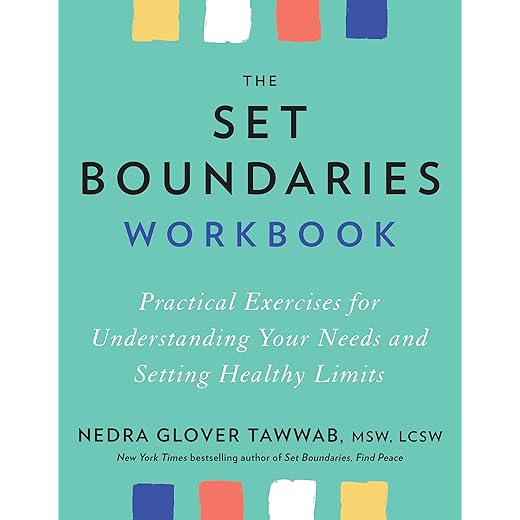
Description:
A practical workbook designed to help identify personal limits, recognize boundary violations, and practice assertive communication. Includes reflective exercises and real-life scenarios for emotional, time, and relational boundaries.
Why it helps:
✔ Step-by-step boundary exercises
✔ Reduces guilt and people-pleasing
✔ Ideal for beginners in self-work
Ultimately, healthy boundaries can make a significant difference in how we connect with others. By defining what works for you and your partner, you create a space where both individuals feel valued. This mutual respect leads to deeper understanding and more fulfilling relationships.
Common Misconceptions About Boundaries
Setting boundaries is often misunderstood, leading to confusion in relationships. One common misconception is that having strong boundaries means being uncompromising. In reality, boundaries are about knowing what you need for your well-being. According to relationship expert John Gottman, healthy boundaries can actually improve your relationships with partners and friends, helping you create a safe space for both parties to grow.
Many people feel guilty when they establish boundaries, fearing they might hurt someone’s feelings. However, it’s important to understand that expressing your needs is a normal part of healthy relationships. You’re not being selfish by investing in yourself through self-care. In fact, when you set a standard for how you want to be treated, you protect yourself from potential abuse, whether it’s emotional or physical.
Another misconception is that boundaries should be rigid. While it’s normal to want to stop negative reactions from others, there’s value in regular communication and negotiation. You can still be flexible and adjust your boundaries based on the situation, allowing for growth and understanding. It’s about finding a balance that works for you, and knowing when to stand firm or when to exercise compassion.
People often get caught up in “therapy-speak,” feeling pressure to define boundaries in concrete terms. Remember, your boundaries don’t need a perfect label. They can grow and change over the years as you learn more about yourself. What’s important is that you feel comfortable and can clearly communicate what you need. For example, if you’ve wanted more time for yourself, it’s okay to let your boss know you need to leave work at a certain time to care for your mental health, without feeling guilty.
Ultimately, setting boundaries is a duty you owe to yourself. By not taking things personally and watching for signs of pushback, you can diffuse tensions and conduct healthy conversations. The goal is to protect your space while maintaining positive connections. So take the plunge, and start practicing those useful boundary-setting exercises today!
📘 Set Boundaries, Find Peace
by Nedra Glover Tawwab
Category: Psychology · Relationships
Best for: Clear, healthy boundary communication

Description:
A bestselling guide on setting boundaries in relationships without damaging connection. Focuses on communication, self-respect, and emotional responsibility.
Why it helps:
✔ Clear language, no therapy jargon
✔ Real examples from daily life
✔ Excellent for family & work boundaries
Identifying Your Personal Boundaries
Understanding your personal boundaries is a legitimate step towards building better relationships. Although it might seem challenging, defining what you are comfortable with is essential for your emotional well-being. Personal boundaries outline the spaces that are important to you in interactions with others. This could mean saying “no” when you’re overwhelmed or setting limits on how much time you spend with friends and family.
When you create these boundaries, you begin to notice how they affect your daily life. You might find that some friends respect your limits while others constantly push against them. This can lead to feelings of being violated or upset, especially if you feel that your vulnerability is not being honored. It’s important to decide what your standards are and what behaviors you will accept. For instance, if somebody’s actions make you uncomfortable, it’s okay to express that clearly.
Your reactions to boundary violations can vary. Some might feel upset, while others might withdraw. A helpful piece of advice from therapists and professionals is to approach these situations with a reasonable tone. Phrases like “I need some space” or “Let’s reschedule” can help convey your needs without sounding harsh. Touching on your own personality traits can also help articulate what you want. If you’re someone who values personal time, make that known to others.
It’s common to feel guilty after setting boundaries, but remember it’s a part of self-care. By identifying what works for you, you’ll encourage healthier interactions. As you progress in these practices, consider keeping a journal or using texts to remind yourself of these boundaries. For example, if sudden trips or events disrupt your schedule, don’t hesitate to communicate your limits. In a world filled with possibilities, finding what truly suits you will contribute to positive frientimacy with others.
In conclusion, recognizing your personal boundaries is essential for maintaining healthy relationships. As you establish these limits, you’re taking a powerful step towards ensuring that your emotional needs are met. Keep in mind that boundaries are flexible and can change over time, which is a normal part of personal development.
🧠
by John Gottman
Category: Relationships · Communication
Best for: Couples & emotional safety

The Relationship Cure: A 5 Step Guide to Strengthening Your Marriage, Family, and Friendships
Description:
Based on the Gottman Method, this workbook teaches healthy communication, mutual respect, and boundary awareness within close relationships, especially marriages and long-term partnerships.
Why it helps:
✔ Research-based relationship tools
✔ Improves conflict management
✔ Strengthens emotional boundaries
Recognizing Your Limits: Emotional, Physical, and Time Boundaries
Setting healthy boundaries is crucial for maintaining positive relationships. It’s essential to recognize your limits–whether emotional, physical, or time-related. This awareness helps you communicate effectively with others and protects your well-being. One important tip is to practice self-compassion. Understand that it’s acceptable to say no or to wait before committing to plans that don’t serve you.
Consider the different kinds of boundaries you may need. Emotional boundaries involve understanding your feelings and recognizing when you’ve been violated, whether by a friend’s comments or situations that drain your energy. Physical boundaries relate to your personal space and comfort levels. For example, if you’re feeling overwhelmed by constant texts or calls, it’s okay to communicate that you’re not available right now. You can explain your need for time or space without feeling guilty. Being respected in these scenarios is vital for your well-being.
Time boundaries can be challenging, especially if you’re a people-pleaser. You may feel eager to take on tasks for others, leading to burnout. Learning when to negotiate your time can be incredibly beneficial. For instance, if a friend often reaches out for help after hours, let them know that you need some time for yourself. You might say, “I appreciate you thinking of me, but I can’t handle that right now.” This way, you give yourself some breathing room while still being a beloved friend.
Using tools such as reminders can help you watch yourself as you set these boundaries. Consider using a planner or a productivity app, like the Time Block Planner available on Amazon, which assists you in organizing your time effectively and helps you allocate time for self-care. By maintaining these boundaries, you’re more likely to cultivate mutual respect in your relationships.
In conclusion, learning to recognize and communicate your limits is a lifelong curriculum. It requires practice and patience, but the benefits of having healthy boundaries are undeniable. Remember that it’s okay to prioritize your own feelings and well-being. This proactive approach will not only enhance your mental health but will also improve the quality of your relationships.
Reflecting on Past Experiences to Define Your Boundaries
Setting healthy boundaries is essential for building positive relationships. To do this, it’s crucial to reflect on past experiences that may have shaped your understanding of what healthy boundaries look like. Everyone has their unique experiences, and many of us have faced situations where our feelings were unmet or disregarded. By examining these moments, we can clarify what is appropriate for us moving forward.
One concept to consider is “frientimacy,” which describes the deep emotional connection between friends. This requires mutual respect and understanding. According to relationship experts like John Gottman, the standard for healthy relationships involves open communication and mutual support. These aspects help us define our boundaries, ensuring they reflect our needs without compromising our integrity.
While it might feel normal to keep the peace, thinking we should avoid conflict can lead to unresolved problems. It’s okay to express when something hurts or makes us uncomfortable. For instance, if a friend tends to yell during discussions, reflecting on this behavior can open the door for calm communication. By using techniques from flextalk–like expressing feelings clearly and respectfully–we can establish boundaries that empower both parties rather than causing further tension.
⏱️ Time-Blocking Planner
Category: Productivity · Focus
Best for: Protecting personal space in a busy world
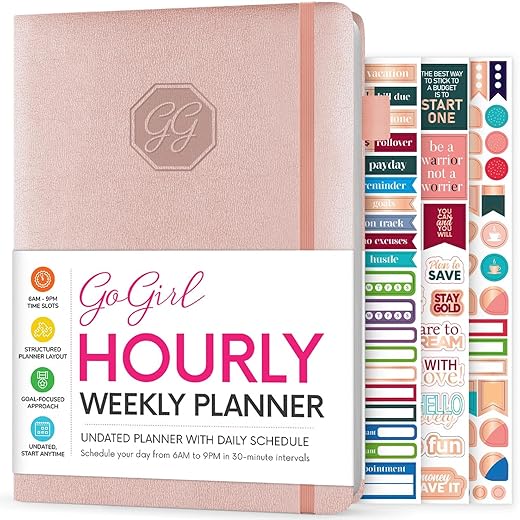
GoGirl Weekly Schedule Planner – Hourly Work & Life Planner with Time Slots – Vertical Agenda Organizer for Daily Productivity, A5 (Rose Gold)
Description:
A planner built around time-blocking techniques to help users protect focus time, reduce email/text overload, and maintain clear work-life boundaries.
Why it helps:
✔ Prevents constant availability
✔ Encourages intentional breaks
✔ Ideal for remote work & caregivers
As we exercise our communication skills, it’s essential to remember that boundaries aren’t meant to push people away; they’re meant to protect our well-being. Relationships thrive when both individuals are able to share their thoughts without fear of rejection or the need for constant approval. For instance, if you wish to discuss a recurring problem with a couple’s dynamics, initiating a frank conversation can lead to healthier outcomes.
In psychotherapy, clients often discover that the most lasting change comes when they realize the importance of their feelings. Recognizing what we wish to protect guides us in defining our boundaries better. It’s important to have room for misunderstandings but to also be clear about what we need to feel secure. Reflect on your past experiences, pinpointing those moments that helped you grow, and let them guide your current relationships.
Ultimately, setting uncompromising boundaries based on self-reflection isn’t just beneficial for you; it positively influences everyone around you. When we show others that we prioritize our emotional health, we not only empower ourselves but also lead by example. By fostering relationships that respect personal space and feelings, we pave the way for a healthier, more fulfilling connection with others.
Q&A:
What are some signs that I need to set boundaries in my relationships?
Recognizing when boundaries are needed can be crucial for maintaining healthy relationships. Signs include feeling overwhelmed or stressed when interacting with certain individuals, experiencing discomfort or resentment in specific situations, and realizing that your needs or feelings are consistently overlooked. If you find yourself frequently needing to please others at the expense of your well-being or if your personal space is being invaded, these are strong indicators that it’s time to establish clearer limits.
How can I communicate my boundaries effectively to others?
Communicating boundaries requires clarity and assertiveness. Begin by identifying what specific limits you want to set. Use “I” statements to express your feelings and needs, such as “I feel overwhelmed when people drop by unannounced, and I need some time to myself.” It’s important to remain calm and composed during the conversation. Be open to feedback but stay firm in your limits. Ensuring that your tone is respectful can help lessen potential defensiveness from the other person. It may also help to practice your wording beforehand for increased confidence.
What should I do if someone does not respect my boundaries?
If you find that someone continues to disregard your boundaries after you’ve communicated them clearly, it’s important to reassess the relationship. Start by having another conversation to reiterate your limits and the importance of them to your well-being. If disrespect persists, you may need to distance yourself from that person or reconsider the relationship altogether. Remember, healthy relationships require mutual respect, and it’s okay to prioritize your needs.
Are there emotional benefits to maintaining healthy boundaries?
Absolutely, setting and maintaining healthy boundaries can lead to numerous emotional benefits. For one, it can reduce feelings of anxiety and stress, as you are more in control of your personal space and interactions. Clear boundaries help you feel more respected and valued, which can enhance your self-esteem. Additionally, it fosters healthier communication and relationships—allowing for more genuine connections since both parties understand and respect each other’s limits.
Can boundaries differ between personal and professional relationships?
Yes, boundaries can differ significantly between personal and professional relationships. In personal relationships, boundaries might be more emotional and could include aspects like privacy, time commitments, and emotional availability. In contrast, professional boundaries often focus more on conduct within the workplace, including communication styles, workload expectations, and personal space. It’s important to tailor your boundaries appropriately based on the context to ensure mutual respect and understanding in each type of relationship.
What are some practical steps to establish healthy boundaries in my relationships?
Establishing healthy boundaries begins with self-reflection. Consider what your personal limits are regarding emotional, physical, and time-related aspects of your life. You can then communicate these boundaries clearly and assertively to others. For example, if you need time for yourself after work, express this to friends or family without feeling guilty. Consistency is key; make sure you uphold these boundaries, as it reinforces their importance. Additionally, practice saying “no” when necessary and encourage open dialogues about boundaries with your loved ones, creating an environment of respect and understanding.
How can I build positive relationships while maintaining my boundaries?
Building positive relationships while maintaining boundaries requires openness and mutual respect. Start by engaging in honest conversations about your feelings, needs, and limits. Show genuine interest in others, listen actively, and validate their feelings as well. It’s important to be transparent about your boundaries in a way that is respectful rather than defensive. This creates a safe space for both parties to express themselves freely. Additionally, take the time to appreciate and support each other’s boundaries; this reciprocity fosters trust and strengthens the relationship. Remember, positive relationships thrive on clear communication and mutual respect for personal limits.

Other Articles


15 Comments
Comments are closed.


good content, small font. As always, John Gottman’s books are wonderful and clear, providing tangible facts and tools for building a better relationship. I’ve grown so much just by reading his material. My only complaint about this particular book is that the print is SO small!! The small print makes the content more daunting and difficult to read. It must be about 8pt. font. This is thick reading to start with, but add the small font and it becomes arduous. I might buy the Kindle version just so I can enlarge the font. Don’t worry…I’m not some old foggy with bad eyesight. Just a person that doesn’t want to work so hard to digest this great information!
AWESOME< INCREDIBLE BOOK: Best relationship book of alltime. If applied this book will change your life. Will help your relationships even if your significant other does not read it! Why do I know this? Because the only person you can change is yourself. When you decide to change and if you decide to use the techniques in this book to do so then your relationships have no other choice but to change…. for the better if that is your goal. iI was absolutely blown away by the accuracy of this book and its uses. I found out so many things about my relationship with my husband. I knew it was bad .. but I had no idea how bad or how to fix it. This book gave me exact step by step instructions if you will, to apply into my daily life. . While he or she may be the problem. I can assure you that whatever you are doing as a result of it is most likely not making it better or you wouldn't be looking for this type of book. This takes Dr. Phil's (Oprah Winfrey's friend on tv) advice much further and gives you not only the reasons but the conversations you can have and the things you need to know about each other for change to take place. A true must for couples looking to get married, or recently did get married, or have been married and are looking for the door. Even you happy folks can gain by the knowledge that your doing things right by the book so you don't need to be worried.I have been making changes everyday which are affecting all the people I deal with for the better, even though for me I KNEW he was and still is the problem. LOL!Cream of the crop of relationship books and for the past 20 years, I thought that I had read them all .. This book is better than all of those put together!!Not a quick or fast read. It is more of a study book and a life guide book.
Road map to success in one book. I have had several planners that promise life changing result, encouraging exercises, yada yada yada. I always lose interest and then I’m back to adding to the collection of journals and planners that were more of an impulse buy than truly helping me stay on track and organized.I took some time to find a planner that had a lot of what I was needing, wanting in quality, and feel for a book that I would be proud to write in. I wanted to keep up with the daily exercises and the overall encouragement so that I could stick to the small goals that would help me reach the larger picture. Yes, I’ve had this book for a short time, so maybe I’ll have to come back and report a 6mo and 12mo review down the road, which I’ll be happy to do, but something is very special about this planner. The well organized and thoughtful notes you can include and write work so great for me (i like to make a ton of side notes and ideas). I really like the stickers, that somehow know my life and needs…they are little dots of encouragement for organizing my monthly chaos and I’ve already used most of them as I added to my calendar.My goal with this planner is to make the year more for myself… to focus on myself, improving on myself and to really strive for the little things that will add up to big things for me that I’ve not prioritized enough. My life is super busy, constantly moving and caring for everyone else, it’s a blessing and curse to be this nice (haha), so this journal/planner has already organized my thoughts on how to set small, achievable, realistic goals, so I’m not leaving MYSELF out. I have to do the work, but this beautiful book helps organize the madness in my head so I can focus on manifesting bigger and better things along the way. I can declutter my mind, leave the negative in the past and have energy and focus for a better version of how I know I’m capable of living my best life. More organized, more focused on the important things, and yes it’s worth every penny putting into this blue planner. The small quotes here and there are beautiful and encouraging, the feel of the binding and cover is like butter. The crisp and clear charts, extendable pages, and road maps to plan are impressive. I went through the book and can’t find something that I disliked.I’m excited to see how the year turns out, and i’m already filling up the months with all the dates that are important all while looking ahead to achieve goals I have mentally set for myself. I love having this new visual reminder. I like the old school pen to paper way, it always works better for me than relying on my phone or computer. I just needed a different and more encouraging layout. It’s not lacking space for creative writing. I’m able to make side notes and even doodle, which is nice. I find that it helps me think to write and it holds more value when I’m committing something on paper. There are plenty of bullet journal pages in the back for additional note taking or doodling.
This book should be required reading in high schools; an absolute must-read for everyone. Disclaimer: I received an advance copy of this book as part of the launch team, but I was not required to write a positive review. My thoughts are my own.I wish I had the words to adequately express how much this book has helped me in my journey towards finding true peace and empowerment within myself.I grew up in a very enmeshed family where boundaries were completely non-existent. My impulse to do whatever I could to please everyone, and to try to be everything to everyone, was ingrained in me since birth. I gave pieces of myself away every day, and as I got older, I realized that I was empty. I had nothing left to give; but somehow, I just kept on giving.Around eighteen years old, I had an epiphany when I learned what ‘codependency’ and ‘boundaries’ were. It hit me like a ton of bricks: I needed boundaries in my life. This was terrifying to me, because even just the thought of saying ‘no’ to people would leave me with feelings of excruciating guilt and anxiety. I imagined it would be unbearable.I started to collect every book I could find on the subject of codependency and boundaries; and although I learned many new and enlightening things about these subjects, I still kept reverting back to old patterns. I had an understanding of codependency, and I knew I needed to start setting boundaries, but I still couldn’t figure out how to do it.Last year, I discovered Nedra on Instagram. Every one of her posts were so on point. It was like, all this time, the lightbulb was dangling over my head, but her words finally switched it ON. I was ecstatic when I learned she was writing a book. I thought, “Well, if her book is anything like these posts, that is what I need!”. I signed up to be a part of the book’s launch team, and that was one of the best decisions I’ve made for myself in a very long time.The reason ‘Set Boundaries, Find Peace’ has been so much more helpful to me than all the other books I’ve read on boundaries, is that it is so clear and direct – which is exactly what Nedra explains you have to be when setting boundaries. The way the chapters are organized is very clean and simple, and the exercises really challenge you to connect with yourself, and get to the heart of the matter you’re trying to work through. She emphasizes pushing through the feelings of guilt, and explains so concisely how guilt can trick us into believing we’re doing something wrong simply by saying ‘no’, or asking for help.On page 252, she says, “Remember: there is no such thing as guilt-free boundary setting. If you want to minimize (not eliminate) guilt, change the way you think about the process. Stop thinking about boundaries as mean or wrong; start to believe they’re a nonnegotiable part of healthy relationships, as well as a self-care and wellness practice.”She also gives you the exact words to use when setting a certain boundary, and she doesn’t leave anything to ambiguity. Not only does she include examples of real life scenarios where certain boundaries are necessary, she tells you precisely how to go about setting these boundaries in your own life. This is what every other book I’d read before was lacking. This is where the other books fell short. Nedra doesn’t just give you the tools; she tells you, clearly and directly, how to use them.I am so grateful that I got to be a part of this book’s launch team, and even though I wish this book existed years ago, I am so grateful that it exists in the world now.Give yourself one of the greatest gifts you ever could, and read this book. While I was reading it, there were times I had to put it down for a couple of days and really face some hard truths, but this is how we grow; this is how we ultimately find peace. We push through the tough stuff, and come out on the other side feeling more empowered than we ever thought possible; and this book will guide you through it, every step of the way.
Compact & Priced Right. Great little planner to pick up where your last one left off. My previous planner was great but paying $50+ was getting a little much. This planner provides the basics in a more compact size. Not a huge fan of having to date it myself, but worth it for the layout and price point I wanted. The months are all upfront and then the weekly layouts in the back – I wasn’t sure I’d enjoy that as I’m used to the month followed by each week. However it comes with ribbon so you can quickly flip to your current space and that I love! There’s enough space on the monthly calendar to plan and the week layouts let me get more detailed as I need. The paper is thicker so I haven’t noticed ink bleeding. Always an A+. Last but not least, I love the soft cover texture and color options were great!
Good planner. I was sad to see my previous planner was not longer available. Got this one to try out. I like the feel of the cover, it’s sturdy and the design is perfect to stay organized. I can track appointments with the time slots. I like that’s not dated in case you want to start at a different month than January. The stickers are nice addition. The size is perfect for my purse or work bag, great value for the money.
Just buy the planner. I am an ADHD stay at home mom who homeschools my kids. I require a planner to function! I am also really picky and hard to please when it comes to planners and agendas, I’m a tough critic. I really love hourly vertical set ups, but I need the planner dated which is already hard to come by. I am a very visual person, I am a very spiritual person. I’m a Christian so I’m sure some really religious tight wads won’t like the fact that it’s called law of attraction planner- not realizing it is God who hand crafted that law- but that’s a story for another day 😉back to the planner. I typically like a smaller one that I can more easily toss in my bag like an A5 type size- but the size of this does not put me off at all! It is full sized, but it’s incredible. I got the white and rose gold tree of life design and it’s absolutely beautiful! The packaging is gorgeous, the foiling is perfect, the pages are soft and buttery, the leather is soft to the touch. It has so many extra goodies inside, user guide, bookmark, discount codes, stickers. It’s not just a planner. It’s a perfect planner, calender, journal, visualization tool, reflection tool. It makes you want to use it. It’s almost so beautiful and well made I don’t want to write in it 🤣 but I’m definitely going to sit down this afternoon and start filling it in. I don’t leave a ton of reviews but I am so so impressed with this planner. It is easily a five star, really it’s beyond a five star. I’ve bought hundreds of dollars in planners from dollar tree to hundreds of dollar boujee leather agendas and printed my own inserts and this planner is by far my favorite. I don’t think I will ever start a year without one! Enjoy!
Absolutely love it. I absolutely love this weekly hourly planner. It works perfect for my work schedule to plan out appointments for my clients. I love the texture and color too! The rose gold is so pretty! It looks exactly like the photos and it has plenty of writing space. I will definitely buy again when needed.
I wish I’d read this many years ago – would have saved me a lot of problems. What a great book! Incredibly practical with so many great tools. I’ve learned so much. It’s improved communication in one particularly difficult relationship even though I’m the only one reading the book. I’ve shared it with a few friends and they’ve raved about how the tools have been so helpful in difficult relationships – whether or not the other partner is reading the book, but even more so when both are working and discussing it together. Great for if you’re having communication problems or if you already have a good thing going with your partner and just want to go deeper.
It tells you exactly how to set boundaries. I’ve read a lot of self-help/therapy books, and this is in my top 3. It is extremely detailed but also easy and interesting to read. Every form of boundary problem is very clearly explained, and it includes tons of real-life, applicable examples of what to say in specific situations. She also offers really strong reasons to implement boundaries that will resound if this is something you struggle with. So many books explain WHY you need to do something but not HOW. This book covers both.
A Gentle but Powerful Read on Boundaries. This book was such a needed read. Set Boundaries, Find Peace explains boundaries in a way that’s clear, compassionate, and very relatable. It doesn’t feel harsh or judgmental—it feels supportive, like someone guiding you through how to protect your peace without guilt.I appreciated how practical it is. The examples made it easy to reflect on my own life, relationships, and habits, and I found myself highlighting and rereading certain sections. If you’re someone who struggles with saying no, over-giving, or feeling drained, this book is absolutely worth buying. It’s empowering without being overwhelming.
Staircase to your best life. Thank you. I had no idea that love could come in such beautiful pages. I bought this calendar system seven times and improved my focus every year. It is tactical, inspiring, empathetic, strategic and compelling. Clearly you put the time and attention into the product that you expect the client to put into their dreams.
Setting boundaries is essential for maintaining healthy relationships. It’s important to communicate your needs assertively and prioritize your well-being. Boundaries show self-respect and are crucial for creating genuine connections with others.
Setting boundaries is an important part of self-care and maintaining healthy relationships. It’s okay to put yourself first sometimes.
Setting healthy boundaries is crucial for maintaining positive relationships and protecting our mental well-being. It’s important to learn how to communicate our needs effectively and prioritize self-care without feeling guilty. This article provides valuable insights into the significance of boundaries in our daily lives.