


In a world that often emphasizes conformity and compatibility, the journey to self-acceptance can be particularly challenging. I walked back through my past, reflecting on how I became a people-pleaser, and it’s evident that this issue is more global than we tend to acknowledge. For many, the desire to keep friends and maintain partnerships can lead to neglecting one’s own feelings and desires, resulting in deeper emotional struggles.
Importantly, authenticity requires more than just a passive acceptance of oneself; it demands active self-disclosure and a commitment to honest relationships. When I finally decided to return to my own emotional limits, I began to recognize the hidden qualities in myself that I had long neglected. This approach not only connected me to my true self but also made me realize that I could become capable of sustaining meaningful connections without the constant need to please others.
Through this process, I recognized that sometimes we feel ashamed of our true selves because we worry it won’t align with someone else’s expectations. Apologizing for who we are is a hard limit to overcome. However, embracing authenticity brings bigger, lasting results that can redefine every interaction and partnership. Join me as I describe my journey toward self-acceptance and the better relationships that have stemmed from it.
Understanding People-Pleasing Behavior

People-pleasing behavior is often rooted in a desire to be liked or accepted, which can lead to negative patterns in our lives. This behavior, especially when excessive, can leave us feeling scattered and stuck in a cycle of unwelcome requests from others. We often invite these situations because we fear rejection or conflict, and we struggle to set healthy boundaries.
A specific number of studies show that those who exhibit people-pleasing tendencies may not be aware of how their choices affect their self-esteem and overall well-being. They can be so focused on accommodating others that they forget about their own feelings and needs. This lack of self-awareness can lead to a thin line between being generous and sacrificing too much of ourselves.
Understanding these patterns begins with raising our awareness. Next time you find yourself bending over backward to please someone, take a step back. Consider how you can be assertive without being rude. It’s important to communicate our own needs while also being thoughtful about others’ requests. We can’t always make everyone happy, and that’s okay. Instead, focus on what aligns with your values and limits.
In today’s industry, many encourage the idea of self-care and authenticity. These concepts are vital for thriving in our personal and professional lives. By taking the steps to assert ourselves, we can overcome the flight response to people-pleasing. Remember, it’s not about fearing the disapproval of others but rather about understanding what leads us to self-sacrifice.
📗 The Assertiveness Workbook
by Randy J. Paterson, PhD
Category: Boundaries · Communication Skills
Best for: Learning to say no without guilt
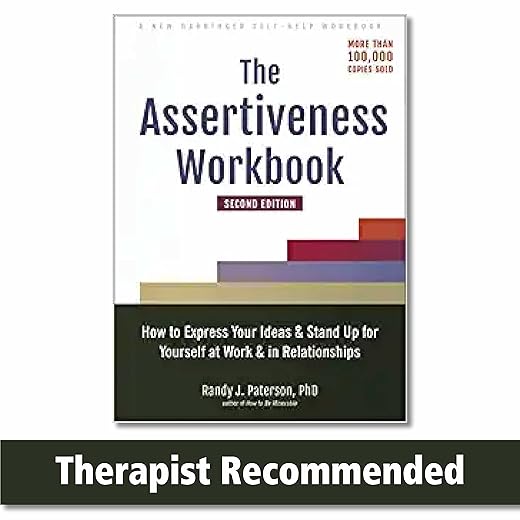
Description:
A practical workbook designed to help readers develop assertiveness, express needs clearly, and stop over-accommodating others. Includes exercises for real-life situations.
Why it fits:
✔ Helps break people-pleasing habits
✔ Step-by-step boundary practice
✔ Ideal for daily life and work situations
By recognizing these behaviors and working through them, we can begin to shift from people-pleasing to a more authentic way of living. Products like journals for self-reflection, or assertiveness training books available on Amazon, such as “The Assertiveness Workbook” or “The Gifts of Imperfection,” can be helpful tools in this process. Let’s focus on building a life where we can communicate our needs clearly and embrace the wonderful, authentic versions of ourselves.
📘 The Gifts of Imperfection
by Brené Brown
Category: Self-Acceptance · Personal Growth
Best for: Letting go of approval-seeking

Description:
A powerful book about embracing imperfection, vulnerability, and authenticity. Helps readers release shame, stop apologizing for who they are, and build self-worth beyond external validation.
Why it fits:
✔ Directly addresses people-pleasing
✔ Focuses on authenticity and self-acceptance
✔ Gentle, reflective, emotionally deep
Identifying Root Causes of People-Pleasing
Many individuals, like myself, constantly struggle with people-pleasing tendencies. Understanding these root causes takes some deep emotional work and awareness. It’s not just a matter of wanting to be liked; it often stems from deeper issues related to self-worth and fear of rejection. This behavior can be an adaptive strategy developed in various environments, especially during childhood, where meeting the expectations of others seemed necessary for acceptance.
People-pleasers are pretty adept at fawning over others, always trying to stay connected and avoid any conflict. This reaction can become so ingrained that it feels like a part of who you are. When I began to understand my own people-pleasing tendencies, I realized that they were often rooted in my fear of rejection. If I failed to meet someone’s expectations, the thought of disappointment or conflict caused me to feel resentful and emotionally drained.
The latest research indicates that these behavioral patterns can be learned responses to specific situations where social acceptance feels conditional. For instance, in meetings or social gatherings, some people might feel an overwhelming urge to agree with others, even when they have differing opinions. This struggle highlights a brilliant paradox: while trying to seek approval from others, you may unknowingly diminish your own self-worth.
One helpful strategy to break free from this cycle involves starting small. Begin by making decisions that prioritize your own feelings instead of defaulting to what others want. You can practice saying no in low-stakes situations, which gradually builds your confidence. This might mean choosing a book that resonates with you, like “The Gifts of Imperfection” by Brené Brown, available on Amazon, instead of what everyone else is reading.
It’s crucial to create a safe network of people who understand your journey. Surrounding yourself with those who encourage your authenticity can significantly impact your growth. As you keep learning about these dynamics, you’ll find yourself capable of making decisions from a place of self-acceptance rather than a need to please.
In conclusion, recognizing the root causes of people-pleasing is the first step toward change. Engaging with your emotions and challenging the thought patterns that drive this behavior can enable a healthier relationship with yourself and others. Embrace your journey, and remember that choosing yourself is not selfish; it’s essential for your emotional wellbeing.
Recognizing Signs of People-Pleasing in Daily Life
People-pleasing can manifest in various ways throughout our daily lives. One common sign is the constant doubt in our own decisions. For example, when making plans for dinner, someone who tends to please others might spend excessive time assessing what everyone else wants, rather than considering their own preferences. This behavior often leads to feeling accepted at the moment but can negatively affect our overall well-being in the long term.
Another indicator lies beneath our responses to others. If you notice that you often put others’ needs before your own, even if it means sacrificing personal time or important activities, it might be time to reevaluate your priorities. The need to live up to others’ expectations can be overwhelming. When we do not assert our own needs, it can lead to a constant cycle of feeling shamed or unworthy if we don’t meet those expectations. Through sociotropy, we might believe that our worth is defined by our ability to make others happy.
Additionally, in a corporate environment, people-pleasing can show up in our interactions with colleagues and clients. You might find yourself going out of your way to avoid conflicts or saying ‘yes’ to projects even when it interferes with your own growth. This could keep you stuck in a loop of pleasing others rather than advancing in your own career or personal life. Consider how often you compromise your own values just to fit into group dynamics.
Overcoming people-pleasing requires clarity about what we truly want. It is essential to look at the different ways we communicate and assess the accuracy of our thoughts. For instance, if we find ourselves agreeing with a colleague’s idea despite having doubts about its feasibility, recognizing this pattern can be the first step to reclaiming our voice in these discussions.
Ultimately, learning to identify these signs is crucial for personal growth and fostering a more authentic self. The next time you feel the urge to please someone, take a moment to reflect on your own needs and assert yourself. Growing out of this habitual behavior can open doors to stronger relationships, healthier community involvement, and a more fulfilling life where we feel empowered rather than shamed.
Exploring the Impact on Mental Health and Relationships
The journey of learning to stop being a people-pleaser is rooted in understanding how it affects our mental health and relationships. Many people, like Perry, often feel the need to fawn over others, hoping to gain approval. This behavior can lead to a lack of authenticity and a weak sense of self, impacting their overall well-being. It’s crucial to understand that while being nice to others seems favorable, it can create a sense of guilt when we let our own needs take a back seat.
For instance, imagine a scenario where an employee feels obligated to say “yes” to every additional task in a corporate setting. These moments may seem harmless, but over time, this habit can lead to burnout and resentment. Everyone faced with this dilemma might find themselves second-guessing their worth, constantly worried about disappointing others. If not addressed, it fuels issues deeper than just workload–it affects personal relationships and self-worth as well.
Importantly, the process of reclaiming your authenticity requires effort and learning. Friends like Sofia often share their insights on how to assert one’s boundaries without feeling guilty. By inviting open discussions about personal needs, we create a table for mutual respect and understanding. This is vital not only in friendships but also in professional environments, where asserting needs can enhance motivation and productivity.
In moments where you feel you’re looking to please everyone around you, take a break. Are you truly addressing your desires, or are you just fulfilling others’ expectations? This reflective question is the first step to breaking free from those chains. Today, more people are acknowledging the pressures of a global society that often expects conformity over individuality. So, whether you’re dealing with emotional responses or practical issues, knowing that it’s okay to prioritize your needs is a real breakthrough.
Ultimately, by learning to assert ourselves while keeping kindness intact, we cultivate healthier relationships. This balance not only helps us shed guilt but also strengthens our interactions, making them more complete and fulfilling. The journey might be challenging, but with time, anyone can develop a respect for their individuality, leading to a more authentic existence.
📘 Set Boundaries, Find Peace
by Nedra Glover Tawwab
Category: Emotional Health · Relationships
Best for: Replacing people-pleasing with healthy limits

Set Boundaries, Find Peace: A Guide to Reclaiming Yourself
End the struggle, speak up for what you need, and experience the freedom of being truly yourself.
Healthy boundaries. We all know we should have them--in order to achieve work/life balance, cope with toxic people, and enjoy rewarding...
Description:
A clear, modern guide on setting boundaries without guilt or drama. Focuses on emotional limits, communication, and self-respect in everyday relationships.
Why it fits:
✔ Practical, modern tone
✔ Strong focus on guilt & self-abandonment
✔ Easy to apply immediately
Steps to Embrace Authenticity
Embracing authenticity is a transformative journey that starts with understanding yourself. The first step is to take time for reflection. You can store your thoughts and feelings in a journal, which can help you articulate what matters to you. By keeping a record of your interests and values, you’ll start to describe what being true to yourself means. This practice not only measures your internal growth but also reduces anxiety about external expectations.
📓 Self-Reflection Journal for Authentic Living
Category: Journaling · Emotional Awareness
Best for: Identifying true needs and values

Within Us - A Self-Reflection Journal: 60-Day Guided Journey with Thoughtful Prompts on Gratitude, Self-Care and Inner Growth
Description:
A guided journal focused on self-discovery, values clarification, and emotional honesty. Encourages readers to reflect on where they suppress themselves to please others.
Why it fits:
✔ Supports inner awareness
✔ Helps reconnect with neglected parts of self
✔ Ideal companion for authenticity work
Once you have a clearer picture of your true self, it’s important to connect with those interests. Leaders in any field will tell you that performance often hinges on authenticity. Take the risk to express your thoughts, even if it seems awkward at first. For instance, technology-enabled tools like personal development apps can guide you through this process. The “The Power of Now” by Eckhart Tolle is a brilliant resource for those preoccupied with people-pleasing tendencies.
🧠 The Power of Now
by Eckhart Tolle
Category: Mindfulness · Inner Awareness
Best for: Reducing anxiety tied to approval

The Power of Now: A Guide to Spiritual Enlightenment
Description:
A well-known guide to mindfulness and presence, helping readers detach from fear-based thinking and external expectations.
Why it fits this article:
✔ Helps release shame and overthinking
✔ Supports emotional grounding
✔ Encourages inner validation
Next, manage your feelings about selfishness. Many people might worry that putting themselves first is a form of selfishness. In reality, it’s about self-preservation and being the best version of yourself, which ultimately benefits those around you. Remember, it’s okay to say no to someone’s request if it doesn’t align with your values or interests. For example, if a friend asks you to attend an event that you find dull, it’s perfectly fine to decline.
As you progress, you may feel frustration or anxiety at times. This is normal. The key is to keep pushing forward. Consider this: avoiding a risk of disappointing someone else can mean sacrificing your authenticity. So, when you’re wishing for more confidence, ask yourself if you’re still living under the weight of others’ expectations. If so, take a step back and reassess. The process will not only boost your self-esteem but also enhance your overall wellbeing.
Finally, celebrate your achievements, however small they may seem. Acknowledge the brilliant moments when you speak your mind or choose yourself over pleasing others. Like a certification achievement in your professional life, these small wins add up. The more you practice these steps, the more authentic you will become, and the more connected you will feel to your true self.
Defining Your Values and Beliefs
Understanding and defining your values and beliefs is crucial to stop being a people-pleaser. These personal traits form the foundation of your identity. They not only help you assert your boundaries but also provide a framework for decision-making. When you’re aware of what matters most to you, it becomes easier to deal with guilt and the urge to fawn over others’ expectations. For instance, let’s say you value honesty. This belief will guide how you communicate and interact with people, allowing you to express yourself authentically.
Physical manifestations of this process can often be seen in how you manage stress. If you’re constantly bending to others’ needs at the expense of your own, it can lead to feelings of burnout. By defining what makes you comfortable or uncomfortable, you can jump back into a world that aligns with your authentic self. One way to start is through daily affirmations or reflection periods, where you write down your values. This practice can help solidify what you stand for.
Several reasons exist why this is essential. First, it strengthens your self-esteem. When you know your beliefs and stand by them, you build confidence over time. You won’t feel the need to constantly seek approval or jump through hoops to gain acceptance. For example, if you believe that generosity is a key quality, you can give without feeling obliged to do so for others’ validation.
It’s also vital to recognize that tendencies to please others often stem from a deeper-root cause, one that may go back to childhood experiences. People usually accept behaviors consistent with their upbringing, but understanding this can lead to positive changes. You’ll find that asserting your boundaries doesn’t mean you’re being selfish; rather, it’s a way to maintain your identity in a world that tends to blur lines.
Letting go of the perfect image of what you think you should be is essential. It makes room for the authentic you to emerge. The world will generally respond positively when you embrace what you truly stand for. When you talk about your values and beliefs, you’ll attract like-minded individuals who respect and appreciate you for who you are. So, take the time to reflect, write down your values, and be willing to invest in your self-growth.
Consider exploring items like guided journals or affirmation card sets available on Amazon. These products can help facilitate your journey into self-discovery and value definition. Remember, engaging in this process isn’t just a phase; it’s a continuous journey toward becoming your best self.
🃏 Affirmation Cards for Self-Worth & Confidence
Category: Mindset · Daily Support
Best for: Reprogramming people-pleasing thoughts

Intelligent Change Mindful Affirmations, 52 Positive Affirmation Cards for Women with Display Stand, Daily Affirmations for Inspiration, Mindfulness & Self...
Description:
A deck of affirmation cards designed to reinforce self-worth, authenticity, and emotional safety. Useful for daily reminders when practicing saying no or choosing oneself.
Why it fits:
✔ Counters guilt and self-doubt
✔ Supports habit change
✔ Simple, non-overwhelming tool
Learning to Say No Without Guilt
Learning to say no is a vital skill if you’re aiming to embrace authenticity and build self-esteem. Often, people struggle with this concept due to various pressures from colleagues, friends, or loved ones. When someone asks for help on a project, it’s easy to feel obligated to say yes, even if it goes against your preferences or boundaries. This can lead to neglecting your own needs, which is not sustainable in the long run.
To maintain your peace and well-being, it’s essential to plan how you will respond when requests come your way. A well-crafted message can help you decline without feeling guilty. For instance, “I really liked the idea, but I’m unable to take on any new commitments at the moment,” can communicate your boundaries clearly. This way, you’re not pretending or making up excuses; you’re being honest about your capacity.
Each time you choose to say no, you’re raising your self-awareness and reclaiming your time. It’s important to recognize that saying no does not make you a bad person; in fact, it shows you’re aware of your limits and are willing to protect your mental space. If you’re nervous about how someone may react, remember that true friends and supportive colleagues will understand your need for boundaries.
When you go into environments that require interaction, have a plan to respond to unexpected requests. You might say, “I’m currently involved in another project, but I’d love to chat about it later.” Such affirmations show that you value your time, which ultimately leads to better results and more peace in your life.
In the end, the ability to say no teaches you important qualities that help you grow. It’s a hard habit to break, especially if you’ve walked down the path of people-pleasing for years, but taking small steps makes a significant difference. You’re not just rejecting a request; you’re making space for things that truly matter to you and allowing yourself to thrive without the burden of guilt.
Q&A:
What are some signs that I might be a people-pleaser?
People who tend to prioritize others’ happiness over their own often exhibit several key behaviors. Common signs include feeling anxious or upset if someone is unhappy with you, frequently apologizing even when it’s unnecessary, and finding it difficult to say “no” to requests. You might also feel a constant need for approval or validation from others, making it hard to assert your own opinions or desires. Recognizing these patterns is the first step towards embracing your true self.
How can I start building my self-esteem while moving away from people-pleasing behaviors?
Building self-esteem requires intentional practice and patience. One effective approach is to set clear boundaries. This means allowing yourself to decline requests that don’t serve your interests or values. Additionally, focus on self-reflection—make a list of your strengths and achievements, and remind yourself of them regularly. Engaging in activities you genuinely enjoy can also boost your confidence. It’s important to recognize that your worth is not defined by others’ opinions but rather by your own beliefs about yourself.
Are there specific strategies or techniques to cultivate authenticity in my daily life?
Yes, there are several strategies to help you cultivate authenticity. Start by practicing self-awareness; take time to identify your values and passions. Communicating openly and honestly with others about your feelings and needs can also enhance your authentic self-expression. Another technique is to surround yourself with people who support your genuine self. Engaging in personal hobbies, voicing your opinions, and making decisions based on what truly resonates with you are all ways to align your daily life with your authentic self.
How can I deal with the guilt that comes from not pleasing others after I’ve made a change?
Feeling guilt after shifting away from people-pleasing is common, but managing it is crucial for your well-being. Acknowledge that it’s normal to experience discomfort when changing long-standing habits. Remind yourself that taking care of your own needs is not selfish; it’s essential for your mental health. Journaling your thoughts can provide clarity and help you process those feelings. Additionally, consider discussing your concerns with a trusted friend or therapist who can offer support as you adjust to new boundaries and practices.

Other Articles


9 Comments
Comments are closed.


Priceless book, filled with wisdom. For the ones that are ready to understand the dept of this book. I love Eckhart Tolle, thus below my comments reflect my passion for his teachings. As you know everything is relative, in this case, my review is relative to my personal experience.The most profound book I have ever read. Finally I have touched the depth of consciousness. When you are ready, you may understand it. Otherwise, it may be a heavy book. It’s like giving a computer book to a technology savvy versus someone that is not familiar with computers. I have also read every other book of this author. I find this book to be the starting book into the author philosophy. This book will help you understand other books that may be more difficult without this base knowledge such as The New Earth. There are several other spiritual teachers, but this Author is the only one that is truly effective that contains substance making a difference in my life. Other authors always leave me with nothing, lot’s of words that don’t lead anywhere.This book was given to me from a friend and it was the best experience ever that changed my life. I am glad she pushed me to start reading it, because I kept it on my bookshelf for weeks. Once I started reading it I was astonished and since then my life changed, my eyes were opened. However, not everyone is ready to understand. I have tried sharing it with some other people, but not everyone was able to read it. Since my background of meditation, spirituality, and introspection, this book came easy to read and understand. For me this book was the missing block from my spiritual path.Thanks Eckhart Tolle for helping humans make it to the next stage of consciousness.Good luck and I hope that anyone coming across this book is ready to discover the realm of non-thinking, non-judging, non-labeling. I would say, this is a non-mystical, clear understanding of what’s behind religions. This can help any person to understand more their religious/spiritual path. The book is neutral, it doesn’t favor any religion over another. It brings everything together into one as it should be.My message to everyone:Gaining more knowledge doesn’t make people wise. Wisdom should be developed in pair with knowledge. Too much thinking stresses you out. Practice meditation. Discover the ego in you (we all have it), but you don’t have to listen to it. The mind wants to think taking you away from what you are currently doing. Be aware of compulsive-recurring thoughts that are draining your energy. You should be able to stop the flow of thoughts, regain energy, feel at peace, in between daily tasks. This will bring wisdom in your actions. Otherwise, stress can only led you to poor results, poor performance, poor outcome. Empower yourself with gaps of non-thinking, which will make you experience FREEDOM. That’s were you can find freedom, in your head only. It’s nice to stop the mind flow of thoughts. You’ll feel light, free, happy, and worry-free. Otherwise, your mind keeps generating thoughts causing you to be slave of recurring/compulsive thinking. That’s why people drinks or get drugs (legal and illegal), to experience freedom from your mind that never stop stressing you out. Alcohol causes more issues than benefits, same as some drugs. Learn how to become free from your mind and from addictions. Then you can start enjoy life and express yourself at your full potential. This book is a pointer to freedom. Here is the door, can you open it and discover what’s in it?
Must Read! It will change your life. Why do we all feel that something is missing? We feel discontent, unworthy, anxious, depressed, ashamed, and sometimes plain bored. Why do we suffer in these ways, and what can we do about it? Strangely enough, this small book holds the answers. It is a well-drawn map to freedom.I have read it four times, and each time it resonates as deeply as if I had written it myself – for me. I have also read many other similar books from the “self-help” shelf, but none of them do what this book does. Each reading, I understand more fully, and I walk away challenged to embody the lesson. Each time I become … more. This book transformed my life.Critics of this book claim it is full of “New Age,” woo-woo cliches. They’re right, in a way, although fear not: you will find no mention of crystals, astrology, or spirits here. The eclecticism and self-spirituality of the New Age movement inspired many to comb through world religions, mystic teachings, depth psychology, and philosophy to dig up gems of wisdom and free them of their dogma. I view this book as the culmination of their work. The result is a practical application of mysticism, drawn heavily from Zen, Advaita Vedanta, Sufism, and Gnosticism. Tolle compares his teachings most closely with those of Ramana Maharshi and Jiddu Krishnamurti, but what he delivers is uniquely authentic, insightful, and profound.We are not our mind. We are not our past. At our core, we are the “One Life from which all that exists derives its being.” We are the Source. All of our problems and most of our suffering stems from misplaced identification with the ego, our conditioned mental self-image, and the “pain-body,” the ego’s dark shadow of remembered pain. There are various methods we can use to shed this delusion: be intensely present in the Now, surrender full to what is, witness our thoughts to disidentify from the mind, and focus on the energy field of the “inner body.” In fact, to accomplish any of these tasks is to accomplish them all. And when we do, we experience stillness, peace, joy, love, and more.”Imagine a ray of sunlight that has forgotten it is an inseparable part of the sun and deludes itself into believing it has to fight for survival and create and cling to an identity other than the sun. Would the death of this delusion not be incredibly liberating?””When you are transformed, your whole world is transformed, because the world is only a reflection.”
This book should be required reading in high schools; an absolute must-read for everyone. Disclaimer: I received an advance copy of this book as part of the launch team, but I was not required to write a positive review. My thoughts are my own.I wish I had the words to adequately express how much this book has helped me in my journey towards finding true peace and empowerment within myself.I grew up in a very enmeshed family where boundaries were completely non-existent. My impulse to do whatever I could to please everyone, and to try to be everything to everyone, was ingrained in me since birth. I gave pieces of myself away every day, and as I got older, I realized that I was empty. I had nothing left to give; but somehow, I just kept on giving.Around eighteen years old, I had an epiphany when I learned what ‘codependency’ and ‘boundaries’ were. It hit me like a ton of bricks: I needed boundaries in my life. This was terrifying to me, because even just the thought of saying ‘no’ to people would leave me with feelings of excruciating guilt and anxiety. I imagined it would be unbearable.I started to collect every book I could find on the subject of codependency and boundaries; and although I learned many new and enlightening things about these subjects, I still kept reverting back to old patterns. I had an understanding of codependency, and I knew I needed to start setting boundaries, but I still couldn’t figure out how to do it.Last year, I discovered Nedra on Instagram. Every one of her posts were so on point. It was like, all this time, the lightbulb was dangling over my head, but her words finally switched it ON. I was ecstatic when I learned she was writing a book. I thought, “Well, if her book is anything like these posts, that is what I need!”. I signed up to be a part of the book’s launch team, and that was one of the best decisions I’ve made for myself in a very long time.The reason ‘Set Boundaries, Find Peace’ has been so much more helpful to me than all the other books I’ve read on boundaries, is that it is so clear and direct – which is exactly what Nedra explains you have to be when setting boundaries. The way the chapters are organized is very clean and simple, and the exercises really challenge you to connect with yourself, and get to the heart of the matter you’re trying to work through. She emphasizes pushing through the feelings of guilt, and explains so concisely how guilt can trick us into believing we’re doing something wrong simply by saying ‘no’, or asking for help.On page 252, she says, “Remember: there is no such thing as guilt-free boundary setting. If you want to minimize (not eliminate) guilt, change the way you think about the process. Stop thinking about boundaries as mean or wrong; start to believe they’re a nonnegotiable part of healthy relationships, as well as a self-care and wellness practice.”She also gives you the exact words to use when setting a certain boundary, and she doesn’t leave anything to ambiguity. Not only does she include examples of real life scenarios where certain boundaries are necessary, she tells you precisely how to go about setting these boundaries in your own life. This is what every other book I’d read before was lacking. This is where the other books fell short. Nedra doesn’t just give you the tools; she tells you, clearly and directly, how to use them.I am so grateful that I got to be a part of this book’s launch team, and even though I wish this book existed years ago, I am so grateful that it exists in the world now.Give yourself one of the greatest gifts you ever could, and read this book. While I was reading it, there were times I had to put it down for a couple of days and really face some hard truths, but this is how we grow; this is how we ultimately find peace. We push through the tough stuff, and come out on the other side feeling more empowered than we ever thought possible; and this book will guide you through it, every step of the way.
It tells you exactly how to set boundaries. I’ve read a lot of self-help/therapy books, and this is in my top 3. It is extremely detailed but also easy and interesting to read. Every form of boundary problem is very clearly explained, and it includes tons of real-life, applicable examples of what to say in specific situations. She also offers really strong reasons to implement boundaries that will resound if this is something you struggle with. So many books explain WHY you need to do something but not HOW. This book covers both.
Love these cards. These have been such a nice part of my mornings. The stand is simple but cute and the cards are thick and good quality. The affirmations don’t feel cheesy which I really like. I just flip one over in the morning and it gives me something positive to carry with me through the day.
Great affirmations. Fantastic cards. I love the mix of affirmations. The cards are made out of great quality card stock, thick, and do not bend. The wood card holder is an extra bonus!
So cute. Super cute and exactly as described. We love the simple display and the high-quality box. Just wish there were more cards!
A Gentle but Powerful Read on Boundaries. This book was such a needed read. Set Boundaries, Find Peace explains boundaries in a way that’s clear, compassionate, and very relatable. It doesn’t feel harsh or judgmental—it feels supportive, like someone guiding you through how to protect your peace without guilt.I appreciated how practical it is. The examples made it easy to reflect on my own life, relationships, and habits, and I found myself highlighting and rereading certain sections. If you’re someone who struggles with saying no, over-giving, or feeling drained, this book is absolutely worth buying. It’s empowering without being overwhelming.
I can reread this book multiple times with getting bored. This book enlightened me. I loved it so much I will be reading it again. It gives insight on how to rid your thoughts; that consume you and learn to live in the now. In the moment.