


Does the simple request to “put on your shoes” ever erupt into a full-blown meltdown? You’re not alone. For young children, navigating change—from everyday transitions like leaving the playground to major life events like starting school—can feel overwhelming and scary. The good news is that with the right approach, these challenging moments can become opportunities for connection and growth. This guide is packed with practical strategies for supporting young children during change and everyday transitions, offering you a clear roadmap to replace tension with calm, cooperation, and confidence.



Start by recognizing that transitions don’t have to be overwhelming. Micro-planning can bring about positive outcomes. Create environments that involve comforting routines, allowing them to feel secure. Begin by simply discussing upcoming changes, whether it’s moving to a new house or waiting for a special event. Packing can be a fun activity, transforming a potentially stressful situation into an engaging experience.
Model how to embrace movement and change by demonstrating your own positive feelings towards these transitions. This reassures little ones that these experiences can be exciting rather than frightening. On days when change occurs, involve them in the planning process; it could make all the difference in how they adapt. For example, a table activity where they draw or write about what they expect can be incredibly helpful in alleviating any fears.
Remember, feeling comfortable with transitions takes time. Don’t rush the process; instead, allow for play and conversation to foster understanding. The work you put into preparation now could pave the way for smoother transitions in the future. Below, you’ll find practical tips that can help your little ones navigate change with confidence and ease, ensuring they feel supported every step of the way.
Understanding the Emotional Responses of Children

Recognizing emotional reactions during periods of change is crucial. When little ones face new situations, looking for signs of stress can help adults respond effectively. For instance, using a timer can assist children in transitioning from one activity to another, such as leaving a favorite play area. This method makes the process more manageable by giving them a clear endpoint.
Playing with emotional themes from books can also be beneficial. Stories that depict characters undergoing transitions provide children the opportunity to explore their feelings. For example, introducing books like “The Kissing Hand” can help them relate their emotions to those of the characters, easing their fears about separation or new experiences.
Here, hands-on activities are key. Building projects or crafts can create a shared experience between the adult and the child, reinforcing a feeling of safety during times of change. Taking time for such activities can foster a supportive environment, allowing them to express feelings and understand self-regulation better.
After a period of adjustment, checking in with them about their feelings can promote healthy emotional development. Asking questions that encourage open dialogue about what they liked or didn’t like can illuminate their emotional state. The number of feelings they express can also indicate how well they are managing transitions.
Consider incorporating extra tools that aid emotional understanding, such as emotion flashcards or calming toys available on platforms like Amazon. These resources not only serve as conversation starters but also help children navigate the space between comfort and discomfort, making transitions smoother.
Recognizing Signs of Anxiety in Young Children
One key indicator of anxiety in little ones is when they create stories in their minds about an upcoming event. For instance, if a child shows reluctance or distress regarding their arrival at a new school, it could suggest they’re navigating anxious thoughts. It’s helpful for adults to discuss these feelings openly, allowing them to express what lies behind those worried bubbles.
Changes in behavior may include clinginess or sudden outbursts. When children turn to running away during transitions, it indicates discomfort with the situation. Observing their reactions in various areas can provide insight. For example, if a child enjoys music but becomes upset when it’s time to leave the playground, this could mean that they are struggling to adapt.
Books that tackle the subject of change can be beneficial tools. Titles like “The Kissing Hand” or “Llama Llama Misses Mama” could offer reassurance and foster conversation. Discussing these stories at the table can help children articulate their feelings and fears, making it easier for them to explore their emotions.
Consider crafting a simple plan for transitions that incorporates familiar routines. Introducing favorite items or activities, such as a beloved toy or a specific song during car rides, creates a sense of security. They may even feel better prepared for what comes next.
- The Kissing Hand by Audrey Penn – A touching story about separation.
- Llama Llama Misses Mama by Anna Dewdney – A relatable tale for children experiencing changes.
- Goodbye, My Write by Amy Krouse Rosenthal – A book about saying goodbye and handling anxiety.
Simply put, it’s crucial for adults to maintain an open forum for feelings, allowing a nurturing environment that helps children navigate their transitions smoothly. Recognizing signs early can make a transformative impact.
How Different Ages React to Change
Every age group exhibits unique patterns when encountering new experiences. Infants, for example, rely heavily on the love and comfort of caregivers to ease their transitions. During these early months, having familiar sounds, like music, can be a source of calm. Gentle melodies can help soothe babies as they navigate the wonders of their surroundings.
As toddlers begin to explore their world more actively, they may exhibit both excitement and anxiety during transitions. Encouraging them to pick out their clothes or having them participate in a daily routine can foster a sense of control. For example, a colorful, engaging toy from Amazon can keep them engaged while you prepare for outings.
Preschoolers often prefer predictability but still wonder about change. Introducing books that discuss transitions, like starting school or moving to a new home, can help them understand what to expect. In this stage, talking about feelings and taking time to process changes can be beneficial. For instance, a beloved storybook or a transitional plush toy can ease their worries.
When they reach school-age, children might not show their emotions as openly but can be sensitive to changes. Encouraging them to express how they feel about new situations is important. Simple tools, like journals or art supplies, enable them to articulate their experiences. After school, having conversations about their day helps them process any transitions they face.
| Age Group | Recommended Products | Benefits |
|---|---|---|
| Infants | Musical toys | Eases anxiety, promotes calm |
| Toddlers | Colorful engagement toys | Encourages exploration and participation |
| Preschoolers | Books about transitions | Helps understand new experiences |
| School-age | Journals and art supplies | Encourages self-expression and processing |
As they approach adulthood, what they think about transitions may shift. Encouraging a proactive mindset can be vital. Remind them not to wait for changes but to embrace new opportunities as they arise. With your guidance and the right tools, every transition can become an opportunity to discover their potential.
The Role of Attachment in Managing Transitions
To create a smoother shift from home to preschool, families can engage in meaningful rituals. Establishing a morning routine involving simple activities, like reading a story or having breakfast together, sets a positive tone for the day. This practice not only strengthens bonds but also prepares children mentally for the upcoming class environment.
Leveraging attachment can involve educators observing students during these early days. Watching how each child reacts to different situations helps in tailoring experiences that suit their emotional needs. If a child shows anxiety about a new environment, educators can respond by incorporating familiar elements from home, keeping something consistent in their routine.
During transitions, it’s vital for families and educators to ask important questions. Open discussions about feelings towards upcoming changes provide an opportunity for children to express concerns. This dialogue fosters a sense of balance, allowing children to feel secure while navigating new experiences. Educators can also introduce transitional objects–something the child can hold onto, making the journey feel less daunting.
Incorporating play activities can further facilitate adjustment. For instance, having a “goodbye” game during drop-off can help children learn that it’s okay to say farewell, making the process less intimidating. On Amazon, products like “The Kissing Hand” book or small plush toys that symbolize comfort can serve as practical tools to reassure kids that their families are always with them, even when apart.
Lastly, nurturing health involves recognizing each child’s unique path. The long journey ahead means having patience and remaining adaptable to each child’s individual pace. Whether children need several minutes to acclimate or might blossom with immediate connections, being attuned to their needs creates a supportive environment, making changes less overwhelming.
Practical Techniques for Preparing Children for Change
One effective way to help little ones adapt is by planning their experiences in advance. For instance, if they’re going to leave a familiar place like a park, you can create a simple visual schedule. Using pictures of the park and what follows can help make transitions more achievable. This way, kids know what to expect and can mentally prepare for the move.

Incorporating music during the process can work wonders. Sing songs that signal the changes ahead, making them feel fun and less difficult. You may also use a timer to show how long they have before leaving the current activity. This not only teaches time management but also provides a clear sign that something is about to change.
Educators and caregivers should share their own experiences of transitions so that kids see they’re not alone in their feelings. Sometimes, simply talking about how they felt during changes can help nurture a balance between emotions. For example, after moving houses, you can discuss the new wonders they can explore in their new home.
Including engaging items, such as transition storybooks available on Amazon, can divert focus from anxiety. These stories often feature relatable characters, helping to normalize difficult feelings. By relating to the characters in the books, they can process their feelings better and feel ready for new adventures.
Remember to keep communication open. Allow them to express their emotions freely. Sometimes, letting them express fears about upcoming changes makes them feel secure and understood. As they adapt, it’s important to provide reassurance that the changes, while sometimes challenging, are also opportunities for new and exciting experiences.
Using Visual Aids to Illustrate Upcoming Changes
To ease the transition for little ones, start by incorporating visual aids into your routine. Create a simple visual schedule that outlines daily activities, making sure to use colorful images or drawings to capture their interests. For example, you can find magnetic schedules on Amazon that are perfect for this purpose.
When preparing for significant changes, like starting school, invite children to engage with these aids. Take the time to walk through the steps together, highlighting what comes next. Use visual tools that are tactile, such as storyboards or picture cards, allowing them to touch and interact with the elements, which increases engagement.
Consider using a micro model to depict the new environment. Set up a small version of their new classroom with toy figures representing classmates and teachers. This hands-on approach creates an opportunity for them to visualize and feel more comfortable with the idea of leaving familiar surroundings.
In group settings, these techniques can also be adapted. You could organize a “transition circle” where each child shares something they look forward to in their new setting. This not only strengthens social bonds but also reinforces the excitement about what’s to come.
For a good balance between preparation and play, incorporate visual themes that relate to their everyday interests. For instance, if a child loves animals, introduce a visual chart featuring animals going to school. This playful connection can help make the upcoming changes feel less daunting and more exciting.
Creating a Transition Routine
To ease daily shifts for little ones, establish a clear timetable they can actually see and understand. Using a chart featuring pictures of activities encourages them to notice what comes next. For instance, you might create a visual schedule with images representing playtime, storytime, and snack breaks. A simple laminated sheet can do wonders, making the routine engaging for them.
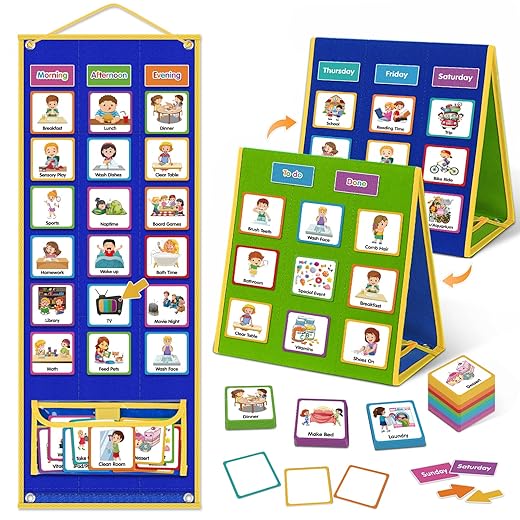
Consider incorporating a familiar song or chant that signals a transition. This can be a fun object to hold, like a toy or a book, that the adult uses to indicate the change ahead. When they hear the tune, they know it’s time to prepare for something new. This trick not only gives them a heads-up but also makes it easier for families to align their expectations during these moments.
For activities that require waiting, introduce a timer that visually counts down to the next event. Children could actually watch the time pass, allowing them to feel more in control of the situation. For example, a sand timer can show them how long to play and when to wrap up. Tools like these foster a sense of independence and help them adapt beautifully.
When including various environments like nurseries or playdates, remember to share these techniques with other adults involved. Keeping everyone on the same page makes the overall experience more cohesive for little ones. Change can be overwhelming, but small, consistent adjustments make a big difference in how well they navigate their world.
For inspiration, explore options like storybooks that focus on changes. Titles such as “The Very Hungry Caterpillar” or “Goodbye, Teddy” provide relatable narratives. These books can serve as perfect resources for discussing upcoming changes in a gentle way.
In summary, think about using sequences with tangible objects, music, and visual timers to make transitions smoother. These tactics not only lessen anxiety but also highlight their potential to adapt to new scenarios again and again.
Questions and answers:
What are some common changes children might experience that require support?
Young children may face various transitions such as moving to a new home, starting school, or welcoming a new sibling into the family. Each of these changes can bring about feelings of uncertainty or anxiety. For instance, starting school can be particularly daunting as children encounter unfamiliar environments, new routines, and different social dynamics. It’s crucial for caregivers to recognize these moments and provide the necessary reassurance to help children adapt.

How can caregivers prepare children for upcoming transitions?
Preparing children for transitions involves open communication and gradual exposure to the change. Caregivers can talk to children about what to expect in the new situation, using stories or activities to illustrate these experiences. For example, reading picture books about starting school can normalize the experience and help children visualize it. Additionally, visiting the new environment beforehand can also make them feel more comfortable and reduce anxiety.
What role does routine play in supporting children during transitions?
Routines provide a sense of stability and predictability, which can be very comforting for young children during times of change. Maintaining familiar activities, such as bedtime rituals or mealtime routines, can help anchor children emotionally. Even after a significant change, keeping certain aspects of their daily routine intact can offer children a reassuring sense of normalcy and control amid new experiences.
How can caregivers help children express their feelings about transitions?
Encouraging children to express their feelings is crucial during transitions. Caregivers can create a supportive environment by asking open-ended questions and validating the child’s emotions. Art activities, such as drawing or crafting, can also serve as a medium for children to illustrate their feelings about the changes they are facing. Role-playing scenarios can help them articulate their emotions and experiences, making them feel understood and less isolated in their feelings.

Other Articles


18 Comments
Comments are closed.


Using this for a class. It is a very. Using this for a class. It is a very old textbook but the information is correct. I think it is wroth having in my professional library.
Perfect for preschool pre-k letter tubs. Nice quality miniatures for letter tubs
Surprised how much my son and I bonded over this. I ordered this for my 10 year old son who was recently diagnosed with general anxiety. He just started meds and about to start therapy next week. I bought this to lay a foundation. When I pulled it out he said a book couldn’t help him and I said we had nothing to lose. We laid in bed for 45 mins last night, and he had the biggest smile reading this book and doing the activities. It was the first time we had really spoken in depth about all his worry thoughts, and I felt we bonded over it. He said he used some of the techniques to fall asleep. Can’t wait to bond again tonight. I rarely right reviews but I am so appreciative this book made him feel happy.
Parent/Educator Review. I have worked with children for years that experience or display anxiety. I am mostly working on helping them identify coping tools and in play therapy. Until my own child was displaying anxiety around the tween years…then everything changed. I purchased this book as a recommendation from another school counselor. I was shocked at how quickly my child took to this book. The first night he asked to keep reading it and the second night told me they looked forward to reading the “anxiety help book” all day. It was as if they were relieved that we could openly talk about it and identify what it was. I had, for years been trying to talk about emotions and self regulation tools but I was being shut down by them immediately. Maybe its the way the book is presented with interactive activities and relatable scenarios? There are activities which engage kids in understanding their anxiety and helping or deal with those strong emotions. This was a huge help and good bonding experience for us. I look forward to sharing this amazing resource with other professionals and parents of 8-13 year old children.
Great Resource. I learned a lot by studying this book. It made the complex easier to understand.
Best price out there. I use this product for language development and letter sound identification. We construct an alphabet floor puzzle and then match the items’ beginning sound to each letter. The set is comprehensive, the kids love it, and the price simply can’t be bea.
Great visual product for kids. These magnetic chore magnets for the fridge have been a wonderful addition to our household. The vivid pictures are not only visually appealing but also serve as fantastic motivators for getting tasks done. The quality of the magnets is impressive; they are robust and securely adhere to the fridge surface. They’ve made our chore organization and tracking a breeze, and I appreciate the durability that ensures they’ll withstand daily use. If you’re looking for a simple yet effective way to keep your household chores on track, these magnets are a great choice.
A good choice for our family. These are cute and practical. I saw in other sets that there were repeats, this set didn’t have many repeats but actually I would have liked more repeats on things like trips to the bathroom and drinks. I set up our schedule on the fridge and the kids took the extras to play with. The magnet strength is about average I guess. Quality is fine. They are nice looking. I consider this decent value for the money.
Solid Base, short on a few letters. Good little pieces, though the animals seem like the paint and features will rub off quickly. A, N, and B seemed short on items (one for A and N, I can’t remember for B) and I feel like some object choices confuse the early phonetic language learners (like Strawberry or Tree, so isolation of the S or T sounds). For the price, a good foundational start to build out a collection!
Love it. Got what I wanted Would order again
The Cutest Book for Your Anxious Little Ones. I got this book after a particularly difficult morning with my son. He’s always been anxious, since he was a toddler — now 8 yo. I looked through it before showing him and was so pleasantly surprised.There are activities that allow them (and you) to visualize their feelings in a way that, otherwise would be difficult or impossible to explain for kids & even some adults.They provide exercises for particular situations and a lot of visuals to aid in comprehension of something thats intangible.My son skimmed through the book and I could see his mind working, when I asked him what he thought he said it looked fun and that he hasn’t heard of some of the things he came across.If you’re on the fence, it won’t hurt to get it and have it as a tool if or when you need it. This is a great guide for us as parents and our little anxious babes to help them cope. I have dealt with anxiety my whole life and I really think something like this would have been SO beneficial — if only for someone to show they acknowledged my struggles and wanted to help. The reassurance alone will mean a lot to your child.
It’s great. Perfect for my three year-old to enjoy learning independence and having goals for the day! He gets really excited to move his magnets around and achieve his goals
Well-made Product and Safe for Children. What a great toy. I just was hoping it had controls where I could set it to play a few songs in a row. You will need to push the button for the next song to play.Good for a vhild who is of pushing buttons age. I bought it for my friend’s 3 month old. But when I babysit him I sit on the floor and show him I am pushing a certain button to hear the music and he enjoys it (and the company). 🥰
My kid’s favorite markers. I’ve given my kids lots of different coloring utensils, but Crayola fine line markers have come out on top if you ask my youngest kid. She always reaches for them, even though she only has the smallest pack with limited colors. So for Christmas this year she’s getting the big pack!! I like these markers because they last longer than the crayola “super tips” markers; that’s the markers I’d always buy for my oldest kid’s art. Keep in mind these are skinny markers, so the package of 40 is pretty small looking. If you’re getting as a gift just know it doesn’t look an impressive size.
SUCH a VALUABLE Company to support. Found the SCRIPTURES, But G’d…in my package when I opened the marking pens! It MADE MY DAY!!! Yesterday we had a very painful funeral. It was a GIFT from HEAVEN!!!!!!! THank Q~Love, A Friend of YESHUA!!!!
One of my better choices. My 6 month old grandson loves this cute red bird. It’s the perfect size for little hands to hold. It’s colorful and has a sweet face. Baby can chew on parts of it. The button for music is big, and situated in a place where he accidentally pushes it — and the music is fun, with the bird tweeting in between songs. Big smile. Happy baby.
Perfect baby gift. I wish I could get this product more than five stars. I have four children and I have bought one of these for each one of their children. It’s a baby favorite for sure. The lights are so bright and the music is fun. Little hands can easily push to make music. I will continue to buy this product ever time I need a gift for a new baby. First one I bought was 13 years ago, IT STILL WORKS.
Lots of great colors. We bought these for our granddaughter. She loved them. There’s four packs inside the big box so I took and invited them to her other grandparents house too.