


In the hustle and bustle of modern life, forming and maintaining healthy friendships can sometimes feel like an almost one-dimensional task. As cities grow and communication platforms evolve, the way we interact and build connections has significantly transformed. This article focuses on the essential principles that contribute to nurturing friendships, making it easier for individuals to spot and develop meaningful relationships that stand the test of time.


A longitudinal look into friendship dynamics clearly indicates that the depth of our connections plays a vital role in our overall well-being. According to researchers like Harasymchuk and Morelli, the measure of a friendship’s success correlates with the quality of communication and emotional support exchanged. This statement is not merely anecdotal; it’s made stronger through studies that show the best friendships are those where both parties feel understood and valued.
Furthermore, as Brannan and McGill suggest, being proactive in nurturing these relationships positively impacts one’s identity and life satisfaction. Engaging in regular, authentic conversations helps to transmit positive thoughts and feelings, reinforcing the bond between friends. Rather than conditioned responses to social interactions, a focus on genuinely connecting with others can lead to lasting friendships that enrich both parties’ lives. By understanding the secondary variables at play in friendships, individuals can foster connections that not only survive but thrive through every stage of life.
Key Practices for Fostering Strong Bonds

Building and maintaining healthy friendships involves several key practices that can strengthen interpersonal relationships. Whether you’re experiencing ups and downs in life or celebrating successes, these practices can help you create a resilient connection.

First, it’s essential to realize that relationships evolve through different phases, often shaped by life’s dynamics. While some friends become lifelong companions, others may fade away, especially during crises. Attention to these changes allows us to grow and adapt. For instance, loyalty is a significant component during times of adversity, as it helps to solidify the trust within a friendship.
Consider starting with open communication. Discussing feelings openly ensures that both parties understand each other’s needs. Resources like therapy books, such as “The Friendship Formula” on Amazon, can provide valuable insights into fostering these connections. Learning unique ways to share experiences, like cooking together, can also deepen bonds. Activities that involve teamwork often lead to better ratings in friendship satisfaction.
Additionally, the theory of cross-sectional relationships suggests that friendships are influenced by various cultures and living environments. Engaging in diverse activities can enhance personal growth and help you learn how to maintain those crucial bonds. For example, planning a fun date or a group activity can help create memorable experiences that bring friends together.
As you navigate through your career or other life phases, keep in mind the importance of supportive friendships. These relationships can serve as a valuable support system. If you feel that some connections have gone stale, it might be time to consider what interventions are needed to revitalize those bonds. Seeking out new friendships can also be a part of this growth journey.
In conclusion, fostering strong bonds requires intentional effort and understanding. By focusing on basic yet essential practices, you can cultivate relationships that withstand the test of time. Remember, every relationship is unique, and with the right attention and care, they can contribute significantly to your happiness and well-being.
Identifying Shared Values and Interests
Building lasting friendships starts with identifying shared values and interests. When you spot common ground with someone, it creates a foundation for a connection that can endure the test of time. Whether it’s through cultural activities, hobbies, or discussions about life experiences, these shared elements contribute to a strong bond. For instance, if you both enjoy outdoor activities like hiking or cycling, you can capitalize on that interest by planning regular outings together, fostering a sense of adventure and fun.
Research by Csikszentmihalyi and others highlights the multidimensional aspects of friendship. It doesn’t simply revolve around enjoying the same activities; rather, it is about understanding and supporting each other’s values. This might involve discussing family backgrounds, such as the differing ways mothers from various cultures raise their children, or about how one’s educational experiences shape them as adults. Such conversations help you navigate potential conflicts that can arise from differing views, a key element in distinguishing lasting connections from fleeting ones.
Many adults worry about making new friends, especially in adulthood. Don’t be afraid to look for informal settings to meet new people, like clubs or workshops. Social media can also be a valuable tool, allowing you to interact with others who have similar interests. For example, platforms like Meetup or local Facebook groups can help you find others who love the same things you do. Engaging in shared activities, like attending a summer workshop or participating in a book club, can lead to meaningful relationships. Plus, sharing these experiences will deepen your understanding of each other’s passions and aspirations.
Remember, finding shared interests is not just about avoiding conflicts; it’s also about enhancing joy in your friendships. You might even find yourself teasing each other light-heartedly about your different preferences, leading to playful banter that strengthens your connection. As pointed out in studies measuring the quality of relationships, adults who actively engage in shared activities report feeling a stronger sense of belonging and satisfaction in their friendships.
Select items that align with your new interests, such as outdoor gear or books on personal development from Amazon, to encourage your shared passions. For instance, consider the “Hydro Flask Water Bottle” for all your hiking adventures or a best-selling book like “The 5 Love Languages” to understand relational dynamics better. By investing in these experiences, you’re not just nurturing a friendship; you’re cultivating a significant part of your life’s journey. Each connection, grounded in mutual respect and enjoyment, leads to a richer, fuller life experience.
Communicating Openly and Honestly
In the beginning of our twenties, we often find ourselves expanding our social circles and forming new friendships. Engaging in open and honest conversations is crucial during this time. It not only helps us understand each other’s personalities better but also contributes to building a healthy relationship. Studies have shown that clear communication is a vital component of any lasting connection.
Moreover, regular hangouts with friends can lead to deeper discussions about our lives, plans, and even future goals like a wedding or retirement. For instance, when planning a trip together, openly discussing preferences can show compatibility and contribute to a more enjoyable experience. This mutual sharing of thoughts and feelings strengthens the bond.
It’s essential to regard every individual as a unique personality, and sometimes, differences might arise. Applying the theory that it’s okay to disagree and still maintain respect can shape healthier interactions. Engaging in these types of conversations helps alleviate misunderstandings and promotes wellbeing.
Furthermore, making time for these meaningful discussions can enhance not only our friendships but also our overall vitality as we age. As we navigate through life’s frontiers, embracing a vegetarian lifestyle together, for example, can be a fun topic that brings us closer. Every interaction offers an opportunity to teach each other something new and solidify the love we share.
In conclusion, embracing communication in friendships leads to strong and lasting connections. Let’s keep nurturing our closest relationships through honesty and openness. After all, the best friendships are built on a foundation of engaging and meaningful conversations.
Being Available and Present
Being available and present in friendships means much more than just showing up physically. It involves giving your time and attention to those you care about, ensuring that they feel valued and understood. Psychologists like Fehr and Kane have studied the significance of availability in building long-lasting connections. They highlight that active engagement in conversations and activities fosters trust and closeness, making friendships more meaningful.
In today’s fast-paced world, where distractions are rampant, making an effort to be fully present can lead to significant psychological changes. For example, when friends are gathered at clubs or parks, putting away phones and other distractions allows for deeper connections. This kind of availability nurtures responses that create lasting bonds. Remember, it’s not just about going out; it’s about the quality of interactions that matter.
Consider those moments when a friend left feeling down, and you took the time to listen actively. Your willingness to be there can make a big difference. A quick text or a call to check in can ensure that your friends know you care, which is especially important after life changes or challenges. In the fast-moving realms of urban life, like in Malaysian cities or American suburbs, small gestures of support can go a long way.
Furthermore, studies in cross-cultural psychology reveal that the definition of being present varies by culture. Those in Iran may value face-to-face time, while Americans might focus on quick check-ins. Whatever the style of communication, it’s essential to adapt your approach to what your friend values most. This unique understanding will strengthen your bond and enhance overall wellness.
Lastly, don’t forget the little things that bring joy to your friendships. Simple activities like cooking together or sharing hobbies actively contribute to deeper connections. Each shared experience can be a building block toward a more meaningful relationship. Explore some fun items on Amazon to enhance your gatherings, like cooking sets or game night kits, to make your time together even more enjoyable!
Showing Appreciation and Gratitude
In the journey of building healthy friendships, showing appreciation and gratitude is essential. The truth is that relationships thrive when both parties feel that they matter. This mattering creates positive bonds that can withstand the times of challenge and change. In our twenties, we often experience increased life demands, from work schedules to wedding planning, which can scatter our focus. Yet, finding small ways to express gratitude can really help in maintaining those important connections.
It’s essential to recognize that these gestures don’t require huge efforts. Simple acts, like sending a text or giving a call, can go a long way. For instance, you might send a thoughtful note to a friend after they’ve helped you out or even engage with them online by liking their posts. A study led by Wallace indicated that such engaging practices could improve emotional well-being over time, increasing the value of your friendship.
Having a flexible approach to friendship is also vital. Our lives are filled with various concerns and schedules that often collide. Remembering to express gratitude during these tumultuous times can help reinforce the bonds that already exist. And while social media might seem like a variable solution, it can scatter efforts. Instead, aim for daily, genuine interactions that matter. A thoughtful gift, like a personalized mug from Amazon, can also serve as a reminder of your appreciation during those busy days.
In the context of weddings and major life events, appreciation takes on a new meaning. Celebrating these milestones together not only strengthens existing friendships but also models the way for newer bonds. Sharing joy during a wedding, for instance, solidifies those spirals of connection, ensuring that you both work toward the common goal of a lasting friendship. Keep in mind that while the big moments are significant, it’s the little scatterings of gratitude that truly build a solid foundation over time. By taking the necessary steps to appreciate each other, friendships can flourish into something uniquely special.
Managing Conflicts in Friendships
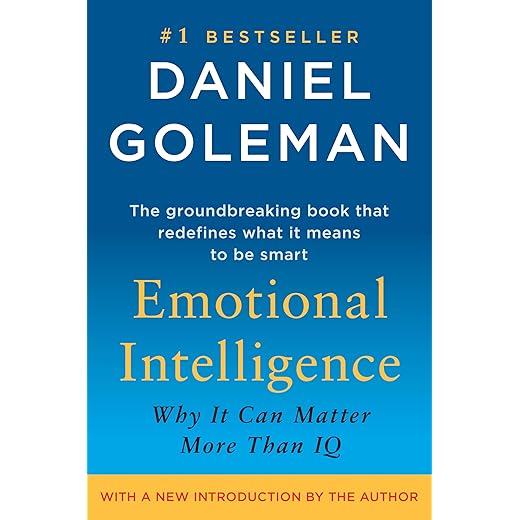
Conflicts are an inherent part of any relationship, including friendships. Understanding how to manage these conflicts effectively can help shed light on the fundamental aspects of companionship. When disagreements arise, it’s essential to approach the situation with an emotional intelligence model that focuses on both individuals’ feelings and perspectives. This intrinsic understanding can aid in keeping the friendship functioning smoothly.
When you’re interested in resolving a conflict, remember to make an assessment of the situation. It’s vital to account for the context and the rules that govern your friendship. For example, if a friend feels neglected during a busy period, this can lead to a perceived distance. In such cases, interventions, whether small acts of kindness or deeper conversations, can help reconnect your circle of friends.
Moreover, conflict resolution is often about effort. If you’re seeing the friendship as a bigger picture, it can be easier to navigate through tough times. The research by Diener shows that individuals who invest effort into their friendships are more likely to build lasting connections. In your twenties, when life is filled with changes, taking the time to integrate your emotional health with your social interactions can result in awesome friendships that withstand the test of time.
Sometimes it is necessary to break the pattern of conflict. This could involve discussing issues openly rather than letting them simmer. Believe it or not, even the first Americans had socio-emotional strategies to maintain harmony in their communities. In the context of friendships, being proactive rather than reactive can make a world of difference. When conflicts arise, never hesitate to express your feelings, as this is a vital statement in affirming your care for the relationship.
Therefore, always try to establish a safe space for discussions. This can be done by choosing the right time and place to talk, perhaps over a cup of coffee from Amazon. The right blend of understanding and support can turn any conflict into an opportunity for growth. Remember, you are never alone in this process. Your friends are all equally invested in nurturing a healthy connection.
Recognizing Different Perspectives
Building healthy friendships is about recognizing and valuing different perspectives. In meaningful dyads, understanding the diverse backgrounds and experiences of your friends can deepen the connection you share. Maybe you are familiar with the science behind friendship dynamics, as it can affect your emotional security and overall well-being. As you go along this road, it’s essential to listen and learn from the varying viewpoints of others.
Today, many people are investigating how friendships thrive under different conditions and contexts. For instance, financial stability and personal schedules can significantly influence the quality of interactions. Friends who prioritize spending time together, regardless of their busy days, tend to strengthen their bonds. Have you ever experienced a time when a friend reached out, even briefly, during tough downs? Such actions are crucial for maintaining contact and sharing support.
In terms of different cultures and communities, the dynamics of friendships may vary widely. Coviello and Rydgren suggest that recognizing these cultural variations can contribute to eudaimonic happiness, which is a deep sense of fulfillment. This requires an openness to learn and adapt, always seeking to understand what your friends truly need. Maybe consider investing in resources or tools from Amazon that facilitate communication, such as journals or conversation starter games, to encourage meaningful dialogue.
As you nurture your friendships, remember that breaking down barriers and experiencing varied perspectives will always lead to a stronger bond. It’s all about finding ways to listen and appreciate what makes each friendship unique. This will naturally help you navigate friendships today and in the future, leading to quality relationships that withstand the test of time.
Finding Common Ground During Disagreements
Building healthy friendships is vital, especially when disagreements arise. It’s essential to recognize that differences can actually strengthen connections if approached correctly. Several strategies can help you find common ground, ensuring that the conversation remains constructive rather than confrontational.

Firstly, it’s important to listen actively. When conflicts arise, we often feel pressed to defend our stance. Professionals like Christakis emphasize the significance of engaging with the other person’s perspective. Making an effort to read their emotions and understand what they feel can transform a conflict into a valuable dialogue. For instance, if you and a friend disagree about a childhood memory, ask them to share their version. This not only validates their feelings but also provides you with valuable information that might influence your understanding of the situation.
In accordance with effective communication practices, creating a relaxed environment can be beneficial. You might consider having these deep conversations over a good Korean meal or while engaging in a light activity. This provides opportunities for both parties to reflect without the fear of increased tension. According to studies by Tugade and Keyes, emotional relaxation during discussions often leads to closer connections. Tools like mindfulness apps available on Amazon can assist in achieving this state before engaging in tough conversations.
By focusing on elements that promote understanding and emotional closeness, you can navigate disagreements effectively. The key is to engage with empathy and a willingness to understand the other person’s feelings, creating high-quality connections that can thrive even under stress.
Q&A:
What key qualities should I look for in a healthy friendship?
A healthy friendship is built on trust, respect, and open communication. These qualities allow both individuals to feel safe to express their thoughts and emotions without fear of judgment. Additionally, mutual support during tough times and celebrating each other’s successes are essential components of a strong bond. Compatibility in values and interests can also enhance the friendship, creating a deeper connection over shared experiences.
How can I nurture a friendship over time?
Nurturing a friendship requires consistent effort and attention. Regular communication, whether through texts, phone calls, or in-person visits, keeps the connection alive. Making time for each other, even amidst busy schedules, shows commitment. Participating in activities together can strengthen the bond. Moreover, being there for one another during challenging times fosters deeper trust and understanding, solidifying the friendship as it evolves.
What are some red flags to watch out for in a friendship?
There are several warning signs that may indicate an unhealthy friendship. If a friend frequently dismisses your feelings or puts you down, it may suggest a lack of respect. Additionally, if the relationship feels one-sided or if you feel pressured to change who you are to maintain the friendship, these are concerning signs. It is important to assess how a friend makes you feel and whether they contribute positively to your life.
Is it okay to distance myself from a friend if the friendship is unhealthy?
Yes, it is completely acceptable to distance yourself from a friendship that negatively impacts your well-being. Prioritizing your mental health and emotional safety is important. You can gradually reduce contact or have an honest conversation with your friend about your feelings. Sometimes, friendships can be rekindled in a healthier way after taking time apart, but it is essential to ensure that your emotional needs are met in the process.
How can I make new friends as an adult?
Making new friends as an adult can be challenging, but it is certainly achievable. Consider joining clubs, classes, or community groups that align with your interests. Volunteering is another great way to meet like-minded individuals. Engaging in social activities, whether through work or local events, also provides opportunities to connect with others. Be open to initiating conversations and expressing genuine interest in getting to know new people, as this can lead to meaningful friendships.
What are some key traits to look for in a healthy friendship?
When evaluating a healthy friendship, several traits stand out as important. First, mutual respect is fundamental; each person should value the other’s feelings and opinions, allowing for free expression without fear of judgment. Trust is another core element; friends should feel comfortable sharing personal thoughts and experiences. Additionally, supportive behavior is crucial; friends should celebrate each other’s successes and provide comfort during tough times. Open communication is also significant, as it helps prevent misunderstandings and build a deeper connection. Lastly, shared interests and values can enhance the bond, making the relationship more enjoyable and enriching.
How can I maintain long-lasting friendships despite busy schedules?
Maintaining long-lasting friendships in today’s fast-paced world can be challenging but certainly manageable. One effective way is to prioritize quality time over quantity. Setting regular catch-up sessions, whether in person or through video calls, can help keep the bond strong. Even brief texts or voice messages can show that you care and are thinking of your friend. Being flexible with your plans also goes a long way; understanding that life can get hectic makes it easier to accommodate each other’s schedules. Lastly, be proactive in reaching out; don’t wait for the other person to make the first move. Small gestures, like sending a meme or an interesting article, can spark a conversation and keep the connection alive, no matter how busy life gets.


Other Articles


Master Habit Loops to Transform Your Life with Lasting Change and Growth
12 Comments
Comments are closed.


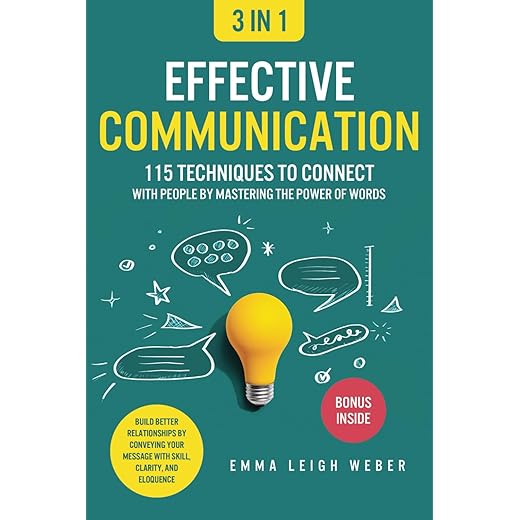
Essential to saving relationships. The author wrote this very well. The author put a lot of research into this book. I am grateful to have read it. The author talks about how to be an effective communicator. The author gave good suggestions in how to do this. This could save a lot of marriages, due to people fighting and arguing, I think that people who have an effective communication would do better in marriages and relationships.Being a survivor of abuse, The author gave a lot of good suggestions for being an effective communicator. It really helped me to see some things I could have done when I was married to someone, and they wouldn’t listen to me when I had something to say. He didn’t respect me. I feel this book was a great read, and excellent self-help book.This book was a great read, full of knowledge that I am glad I know now. It would have been great if I had known it before. I am glad I got to read this. It really helps. I would give this a 5-star rating!
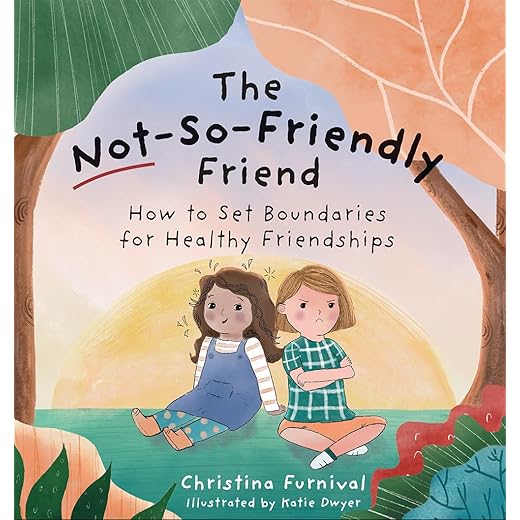
Perfect for my six year old daughter. This is one of the best books my daughter and I have read within her age group. I was so impressed with how easy it was to follow and my six year old’s ability to understand. The questions in the back of the book were great for starting the conversation around boundaries for an kiddo so young and was overall just a really good guide for parents. I am so excited to purchase more books from the Capable Kiddos Series!
Well researched and engaging book. This book surprised me with the amount of research and technical information contained within. I have read a number of books about communication and found many of them to repeat common knowledge rather but this book provided me with a lot of new and interesting information about communication. The author obviously put a great deal of time into ensuring that this book provides a comprehensive look at communication rather than just a list of tips. From communication disorders to storytelling and from theories of communication to real-life communication strategies, I learned a lot from this book and expect to revisit as a resource whenever communication issues may arise for me. I highly recommend this book for anyone who is looking to better understand communication in general and for those who are hoping to improve their own communication skills.
Mastering Communication. This book is a game-changer for anyone seeking to enhance their communication skills and forge deeper connections in both personal and professional spheres. Emma Leigh Weber’s meticulous research and clear, direct writing style make this book a valuable resource for anyone looking to improve their ability to communicate effectively. What sets this guide apart is its depth and breadth, offering a comprehensive exploration of communication theory, strategies, and practical techniques. From understanding the nuances of influence to mastering the art of storytelling, Weber provides readers with a wealth of insights and actionable advice that can be applied to everyday conversations and presentations. Whether you’re a novice looking to build your confidence or a seasoned communicator seeking to refine your skills, this book offers something for everyone. I highly recommend this book to anyone looking to take their communication skills to the next level and make every interaction count.
Excellent boundary learning tool. I bought this for my 5 year old for us to read together. We have family friends who have a child the same age as our daughter and that friend is not-so-friendly. This is the perfect book for my daughter to realize that not everyone can be a good friend and what to do in cases where someone is not-so-friendly. I love how the book is written and the illustrations with different scenarios really held my 5 yr old’s attention. We discussed all the pictures on each page as we read the book together. I love how the book shows how it makes you feel when someone is not-so-friendly and provides the tools to know what a boundary is, when to set a boundary and how to set & hold a healthy boundary. Excellent book!
Helpful for 3 year old dealing with bully. I bought this book for my 3 year old who had a mean girl bullying her at daycare. I wasnt sure how she’d respond to the book or if it would help. She responded really enthusiastically and I think enjoyed having a story to relate to. The book gives very simple lessons and tips for how to respond to kids who are being mean. She would ask to read it every night for a while. Highly recommend
Powerful Read For ALL of Us. This morning our book group discussed The Next Conversation: Argue Less, Talk More by Jefferson Fisher.As a leadership coach, I’m always looking for communication tools that don’t just sound good… but work. Jefferson Fisher’s explosive popularity on social platforms intrigued me—could his short-form insights survive the jump to a full-length book? The answer – Yes.What Sticks OutFisher organizes his framework into a memorable three-part system:• Say it with control – manage your emotions• Say it with confidence – express your needs clearly• Say it to connect – prioritize connection over “winning”Real-World, Everyday ApplicationThis isn’t leadership jargon. Fisher draws from courtroom scenes and personal life to surface simple, usable strategies—like the power of a well-timed pause or replacing “you” with “I” statements to reduce defensiveness.Speak Less, Connect MoreOne of the book’s most powerful insights: more words often devalue your message. Silence and clarity can be your strongest communicative tools.Why This Matters for Leadership• Empowers Calm, Purposeful Communication: Leaders often find themselves in emotionally charged rooms. Fisher gives tools to stay present, grounded, and effective.• Helps Avoid Win-Lose Traps: Arguments don’t build trust—intentional connection does. This book reorients communication toward lasting relationships.• Accessible Across Roles: Whether you’re mentoring a team, negotiating conflict, or just seeking more harmony at home—Fisher’s language and style land with clarity and warmth.The Next Conversation is a must-read for anyone who communicates—leaders, coaches, parents, partners alike. Its simplicity is its strength: no fluff, tangible tools, and a deeply human heart.#PeopleAlways #CommunicateWell
A Must Read. Critical reading for anyone thinking and speaking: to anyone, family, children, strangers, colleagues, EVERYONE, even yourself. All means all. It gives you the words to say in pretty much any situation in order to benefit all involved. It will give you more confidence. If everyone read this book we would have peace in this world. We would SEE the person we are speaking to. We wouldn’t take things personally, less pessimistic, less accusatory, more kind, professional….from the least to the greatest. Jefferson has wisdom beyond his years. I wish I could take one of his college courses, but this book was an eyeopener for me. I feel more confident when going into a difficult situation or greeting a stranger. A must read for middle and high schoolers. Purchased both hardcopy and audible. Will definitely listen to it again and read to highlight and absorb.
TMarie Conversations Chips Team Building Game. Love it, and my group loves it, too!
Great book. Great book! Well written and easy to follow. Good examples and keeps the reader interested. Provides very useful information on how to communicate in almost any situation, especially difficult or tense conversations. Author seems knowledgeable and well spoken, while not talking above the reader. I really appreciate the information and have applied it in my daily life.
How are you leading your workshops. I loved it. My team did too. It made our workshop more interactive and fun
Great team building tool. So popular with teams! Love the durability of the chips