
Understanding love languages is becoming a popular topic, with various generations increasingly curious about how these concepts can enhance their relationships. The main idea behind love languages tells us that individuals express and receive love in specific ways, which can create either intimacy or distance in relationships. Whatever your current approach to love may be, knowing how to navigate these languages can lead to deeper connections.
Research provides us with verification that these languages are not merely fictional notions; they stem from actual experiences that people share with their friends and partners. For some, holding hands or hugging is essential, while others may prefer verbal affirmations or acts of service. These primary forms of affection, they say, can either strengthen bonds or reveal compatibility issues, showing just how crucial it is to learn from others rather than relying solely on personal preferences.
In this article, we will delve into the principles of love languages, providing insights that are supported by both scientific studies and real-world examples. We will explore how these concepts apply not just to romance, but to friendships and family relationships as well. By understanding these various languages, we can improve the trust needed in our connections and ensure that the minimum efforts invested yield maximum rewards in our interactions. Through this exploration, we hope to find the right matching approach for those we care about, ultimately enriching our emotional lives.
The Science Behind Love Languages

The concept of love languages, popularized by Gary Chapman, describes how people express and receive love differently. A recent study published in 2023 finds that understanding these languages can significantly enhance relationships. High rates of satisfaction in partnerships are often seen in couples who genuinely apply love languages in their daily interactions.
Women, in particular, tend to exhibit distinct preferences when it comes to their love languages. For example, many would describe their ideal expression of affection as thoughtful acts or quality time. This iteration of love languages suggests that knowing what makes your partner feel valued can lead to more intimate connections. Doing so can often lead to a result where both partners feel truly understood and appreciated.



- Words of Affirmation: Compliments and kind words that validate feelings and bolster self-esteem.
- Acts of Service: Helping without being asked, which shows thoughtfulness and care.
- Receiving Gifts: Small tokens that show you’re thinking of them – it doesn’t have to be extravagant.
- Quality Time: Giving undivided attention to strengthen emotional bonds.
- Physical Touch: Expressions like kissing or holding hands that can convey love without using words.
However, love languages are not simply one-size-fits-all. Cultural factors can influence how people express love. For example, some might find affection through physical touch, while others could prefer more verbal expressions. This diversity in love languages supports the overarching idea that relationships should be approached with a framework that accommodates individual differences.
In the media, we often see a portrayal of love that doesn’t accurately reflect these principles. Sadly, some people believe that love should come naturally and without effort. In reality, maintaining a connection requires understanding and willingness to adapt. This is where love languages come into play, fueling the fire of genuine affection.
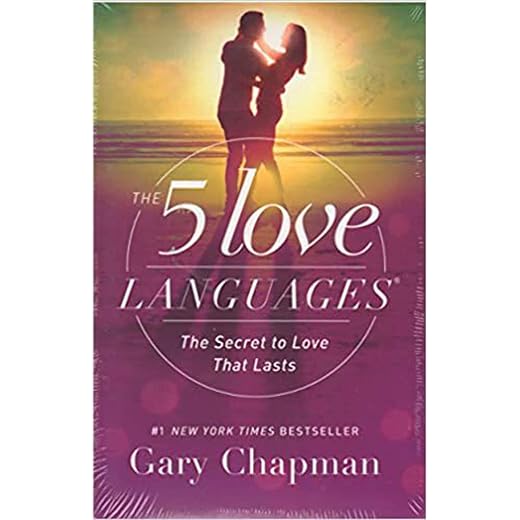
The 5 Love Languages and two companion journals
If you are interested in enhancing your understanding of love languages, products on sites like Amazon can be incredibly helpful. Items like the “Love Languages: The Secret to Love That Lasts” book by Gary Chapman or the “5 Love Languages” journal aid in exploring these concepts further. Such tools can help people validate their feelings and discover what truly resonates with their partners.
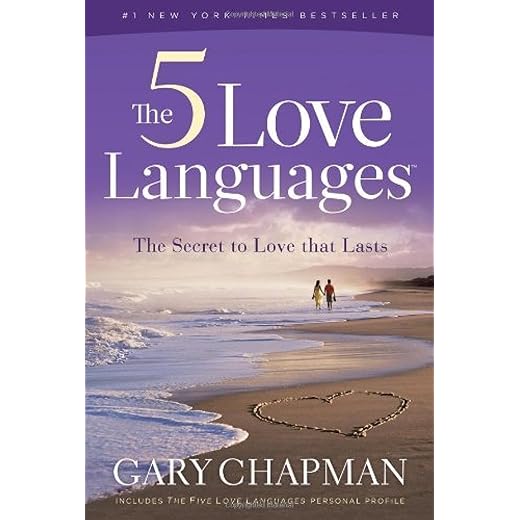
The 5 Love Languages: The Secret to Love That Lasts
Ultimately, applying the principles of love languages can change how couples interact. It’s a thoughtful way to ensure both partners feel appreciated, loved, and connected, whatever their unique expressions of love may be.
What Are Love Languages and Their Origins?
Love languages are essentially the different ways people demonstrate and experience love. They were popularized by Dr. Gary Chapman in his book “The Five Love Languages,” which describes various categories like words of affirmation, acts of service, receiving gifts, quality time, and physical touch. The problem people often face is the inability to communicate their feelings effectively, leading to confusion in relationships, whether it’s in marriages or friendships.
One reason love languages resonate with many is their central focus on individual needs. Once you understand your own love language and that of your partner or friends, you become better equipped to support each other. Inflexible dynamics can sometimes feel downright restrictive, but by recognizing these languages, individuals can save themselves from misunderstandings. For example, if you’re naturally focused on acts of service but your partner thrives on words of affirmation, you might find it helpful to adjust the way you express your affection.
Each love language offers unique insights into how people connect emotionally. Yet, people often find themselves confused, thinking that their way of expressing love is universal. Here’s a moment of clarity: no two people are the same. When friends or clients are needing guidance, it’s crucial to have conversations about these different languages. This way, they can develop a more supportive environment together, where each person feels valued and understood.
In the end, understanding love languages is a valuable tool in a large toolkit of relationship dynamics. Whether you’re looking to strengthen your marriage or deepen your friendships, grasping these concepts can be pivotal. So, the next time you feel a disconnect, consider revisiting the love languages. You might find that you’re more aligned than you initially thought. Plus, for those interested in tangible items, you can find helpful resources and books on Amazon, like “The Five Love Languages” or even charming gifts that reflect different love languages, ensuring that you can express your feelings in a way that resonates!
Research Supporting the Concept of Love Languages
The concept of love languages has gained traction in both personal and workplace relationships. Understanding how different individuals express and receive love is certainly not a new idea; it has roots that can be traced back to early studies on interpersonal dynamics. Numerous articles and papers have described these love languages, translating them into frameworks that everyone can use to improve their relationships. The primary appeal of love languages lies in their ability to replace existing models of communication with a more nuanced approach.
One of the earliest pieces of research suggest that understanding love languages can lead to healthier relationships. For instance, a study conducted in 2010 found that couples who recognized and adapted to similar love languages had significantly richer emotional connections. This aligns with the notion that love is not just an ideology but a practical skill that we can cultivate. Each language, whether it’s words of affirmation or acts of service, offers unique ways for individuals to feel valued and understood.
Moreover, secular environments, such as the workplace, can also benefit from the love languages concept. When team members understand how to show appreciation in ways their colleagues resonate with, collaboration thrives. A loving workplace environment can even lead to increased productivity, as employees feel supported and valued. In a year where many millennials and boomers are seeking more meaningful connections at work, integrating love languages can provide a framework for mutual respect and understanding.
Sadly, there’s an observable trend where many fail to recognize the importance of these connections. This inability to express loving gestures can lead to misunderstandings and strained relationships. However, teaching love languages is becoming increasingly useful, especially as we navigate a world where physical interactions are often replaced by virtual communications. In this moment, acknowledging each other’s love languages can help bridge the gaps formed by distance.
In conclusion, the evidence supporting the concept of love languages is undeniable. With a wealth of resources available–including books on platforms like Amazon–individuals can dive deeper into understanding their own love languages and those of the people around them. Whether you’re developing personal relationships or fostering camaraderie in the workplace, recognizing and applying these concepts can lead to stronger bonds and lasting connections.
How Love Languages Affect Relationship Satisfaction
Understanding love languages is essential for improving relationship satisfaction. It defines how couples express affection and what makes them feel loved. One helpful study retrieved from anthropology suggests that when partners acknowledge each other’s love languages, they can create a deeper, heartfelt connection. This framework tells us that everyone has a primary love language that resonates with their needs and desires in a relationship.
For example, if your spouse’s love language is acts of service, they might feel most appreciated when you tackle chores, like laundry or mowing the lawn, without them having to ask. On the other hand, someone who cares more about words of affirmation may find nothing is more meaningful than a simple “thank you” or a compliment after a hard day. This little expression of love can save relationships from the brink of becoming enemies. It’s the secret sauce that helps couples stay connected through the generations.
In practice, couples can benefit from a basic understanding of this theory. Studies have shown that those who engage in behavior aligned with their partner’s love language are generally happier. For example, if you wanted to show appreciation, you might consider gifting a heartfelt book about love languages, like *The Five Love Languages* by Gary Chapman, available on Amazon. Editions focusing on specific aspects, like Christian relationships, provide additional insights. You can find these helpful resources and more on Amazon, which reads through the various reviews that get posted.
In conclusion, recognizing and adapting to each other’s love languages can lead to a more satisfying marriage. By going beyond conventional expressions and taking the time to understand what means the most to your spouse, you build a relationship that feels secure and cherished. In this model of love, each act of kindness becomes a step towards a greener and more prosperous partnership.
Neuroscience of Love and Connection
The neuroscience of love dives deep into how we connect with others, particularly with our partners. Studies have shown that simply hugging someone can release oxytocin, often referred to as the “love hormone,” which fosters feelings of trust and affection. This biological reaction underlines the importance of physical touch and how it’s more than just a short moment of intimacy; it can help solidify the emotional bond you share with someone special.
Talking with your spouse about feelings, aspirations, and even mundane daily events can be very important. Engaging in meaningful conversations helps couples connect on a deeper level. This is where frameworks like the “Five Love Languages” come into play, emphasizing different ways partners express and receive love. Whether it’s through physical touch, words of affirmation, or acts of service, understanding these principles can significantly enhance compatibility and satisfaction in a relationship.

There’s even empirical evidence that suggests the act of saying “thank you” regularly can increase relationship satisfaction. When you’re speaking positively to your partner, it’s not just about empty words; you’re reinforcing the bond you share. It’s essential to frame these exchanges in a way that feels appropriate to your mutual experiences, rather than just superficial tokens.
In today’s fast-paced world, it’s easy to get caught up in money and work. However, taking the time to connect with your partner–whether that’s through a picnic in the park or cozy evenings at home–can be downright crucial for relationship health. Replacing negative arguments with affectionate dialogues fosters a more supportive ideology of love. Ashley’s views on love highlight how the simplest actions can deepen your connection.
So, before you argue or let the daily grind drag you down, remember that the most scientifically backed way to strengthen your bond is to prioritize speaking and spending time together. With the right balance of love languages tailored to your relationship, you can make any chapter of your life together more fulfilling and enriching.
Applying Love Languages in Daily Life
Understanding love languages can transform your relationships in significant ways. Dr. Gary Chapman, who developed this method, explains that recognizing and applying these different love languages can create deeper connections. Everyone has a preferred way to express and receive love, which can be comforting and validating in any partnership.
For example, if your partner thrives on acts of service, consider doing their laundry or prepping a meal after a long day. This simple gesture can show that you care and understand what they value. Conversely, if physical touch is their primary language, a gentle embrace or holding hands during a conversation can convey affection in a way that feels clear and heartfelt.
Many people might think that love languages are merely about romantic partnerships, but they also apply to friendships and family ties. Trust builds when you discover how your friends like to feel loved. For instance, if they appreciate words of affirmation, sending a thoughtful text or leaving a note can make them feel acknowledged and cherished. This approach can use various conversations to strengthen bonds.
It’s essential to consider how cultural and gender differences may influence these expressions of love. What feels right in one background might not resonate in another, so staying open-minded is key. This acknowledgment can prevent miscommunications and ensure everyone feels validated in their preferences.
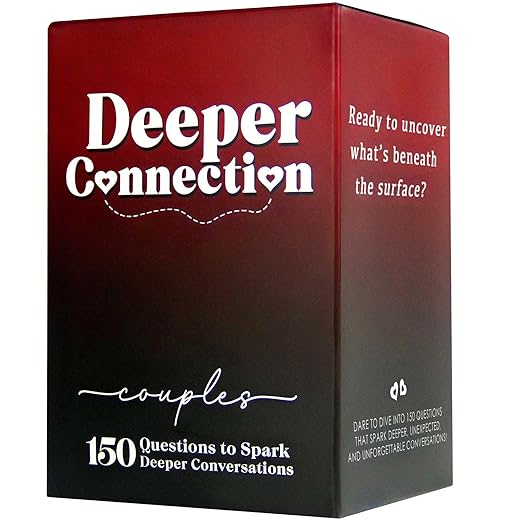
Utilizing love languages doesn’t have to be complicated. You can simply submit small acts that align with your understanding of what your loved ones appreciate most. For October gatherings, think of gifts like a cozy blanket (perfect for snuggling) or a book on love languages to spark deeper discussions around relationships. Online stores, like Amazon, offer many options, from relationship-building games to comfort items that can enhance your connections.
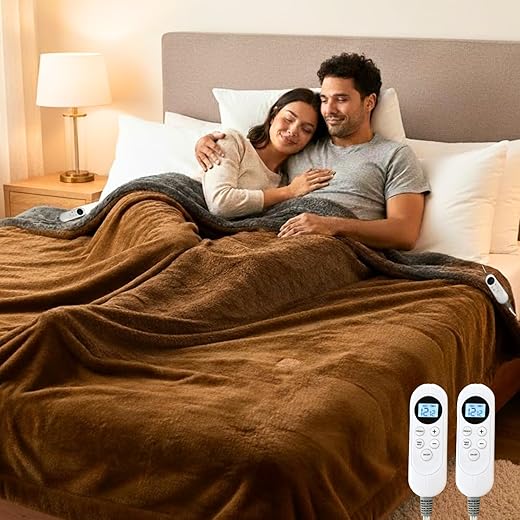
Heated Blanket Electric Blanket Dual Control Flannel Heating Blanket with 12 Heat Levels 12H Timer Auto Shut-Off Overheat Protection Soft & Cozy Machine...
In summary, applying love languages in daily life can lead to more fulfilling and enriching relationships. By being mindful of how you express love and making an effort to cater to your partner’s preferences, you can show them that you care in ways that matter most to them.
Q&A:
What are the main love languages discussed in this article?
The article outlines five primary love languages: Words of Affirmation, Acts of Service, Receiving Gifts, Quality Time, and Physical Touch. Each language represents a unique way individuals express and receive love, highlighting the diversity in emotional connections and personal preferences when it comes to relationships.
How can understanding love languages improve relationships?
By recognizing and understanding each other’s love languages, partners can enhance their emotional intimacy. This knowledge allows individuals to express love in ways that resonate more deeply with their partner, ultimately fostering greater connection and reducing misunderstandings that often arise from differing expressions of affection.
Can love languages change over time?
Yes, love languages can evolve based on life experiences, circumstances, and personal growth. For instance, a person may initially prefer one love language in their youth but gravitate towards another as they navigate relationships or face significant life events. Open communication about these changes is key to maintaining a healthy relationship.
How can someone identify their love language?
Individuals can identify their primary love language through self-reflection and by observing how they express love to others. They might also consider what makes them feel most appreciated in relationships. Taking online quizzes or engaging in discussions with partners about love languages can further aid in this discovery process, helping to clarify preferences and needs.
What are some practical tips for applying love languages in daily life?
To apply love languages effectively, individuals can start by recognizing their partner’s preferred language and making conscious efforts to speak it. For example, if quality time is their partner’s primary love language, planning regular date nights or moments of undistracted interaction can deepen the relationship. Writing notes for Words of Affirmation or assisting with chores for Acts of Service can also show love in meaningful ways. Regularly discussing and reassessing love languages can keep connections strong and responsive to changing needs.
What are the five love languages, and how do they impact relationships?
The five love languages, as identified by Dr. Gary Chapman, are Words of Affirmation, Acts of Service, Receiving Gifts, Quality Time, and Physical Touch. Each individual tends to have a primary love language that drives how they express affection and also how they prefer to receive it. Understanding these love languages can significantly enhance relationships by allowing partners to communicate their love in ways that resonate with each other. For example, if one partner values Words of Affirmation and another favors Acts of Service, conflicts may arise if they do not recognize and meet each other’s emotional needs. By being aware of and responsive to each other’s love languages, couples can strengthen their connections and reduce misunderstandings.

Other Articles


18 Comments
Comments are closed.


A must read for all couples with simple and practical steps to improve our relationships. I’ve never been one for relationship books and have this image in my head of them being perfectly fine reads, just cheesy, non-enlightening and not for me. I’m reminded of the Saturday my husband and I spent at our pre-marriage seminar with uncomfortable exercises, forced conversations and boring lectures. A healthy marriage is about communication, trust and mutual respect. It’s about showing appreciation and gratitude, not judging, complaining and criticizing. I get it. However, I had been hearing a lot about Chapman’s book and, without a book in my queue, I decided to give it a shot. I’m gad I did because the 5 Love Languages was a real eye opener for me. I devoured it in 2 days.Chapman says that we identify with one or more of 5 ‘love languages’ that represents the way that we show and appreciate love.1. Words of Affirmation2. Quality Time3. Acts of Service4. Gifts5. Physical TouchWe love the way we want to be loved. Picking up my husband’s dry cleaning (an `act of service’) is my way of showing him that I love him. It’s my love language. So when he fails to acknowledge my good deed and worse yet, reciprocate with simple chores around the house, I become a resentful nag. My husband, on the other hand, values `quality time’. He’d rather sit and have a glass of wine with me than do the dishes because that’s his way of giving love. I realize that i’m the first one to complain about his watching sports or playing golf, when I should instead take an interest in his teams and hobbies. Now I’m not going to hunker down and watch all 166 major league baseball games, but I will root for them. And maybe, just maybe, i’ll turn into an honest fan.Yes, much of Chapman’s book is common sense, but I appreciate his simple and straightforward style. I don’t need all of the science and the research and I’m a sucker for success stories. Working on your relationship should be a priority for all couples and Chapman gives us simple strategies on how to improve not only our communication, but also how to listen to one another and adapt your own behavior.
A must-read for all couples no matter how long (or little) they’ve been together. I’m not all that big on self-help books, although I’ve also read some of Dr. Gray’s Mars/Venus books to help me better understand how and why men and women are so different, and to embrace those differences and re-learn communication and conflict-resolution skills.This book by Dr. Chapman is entirely different and just as effective, in a different way. My boyfriend’s son had sent it to him a year before we met, when he (my BF) and his wife were about to split up, hoping that it might help and maybe they’d reconcile. My BF read it cover-to-cover, loved it, learned from it, and, while it didn’t save his marriage (his wife was leaving him for her new boyfriend no matter what), he highly recommended it to me and I bought it the next day. Wow, am I glad I did! It’s an easy read and makes so much sense. We all have our own “love language” – and if our partner doesn’t know it, and expresses his/her love a different way, it may not be the way that we need (and vice versa). My love language is Words of Affirmation (there are 5 major languages, and we all have one primary language that our partner should learn, and we should learn our partner’s). So when he tells me how much he appreciates me, loves me, tells me I look pretty, what a great mom I am, whatever, I positively glow. He also *shows* his love in so many ways, not just with words, so even if he doesn’t say it, he shows it, and I appreciate him so much for that (and for so many other things). But because my “language” is Words of Affirmation (probably stemming from my childhood, when I got little to no positive feedback or encouragement), his loving words mean more to me than anything else, even though the other languages are important too. By the way, the 5 Love Languages, according to Dr. Chapman, are: Words of Affirmation, Quality Time, Receiving Gifts, Acts of Service, and Physical Touch (in a non-sexual way, such as spontaneously giving an affectionate hug or squeeze on the arm while passing by, bear hugs, sitting with my legs on his lap while we watch a movie, cuddling – yes, guys, cuddling is great and I’m lucky that my BF loves to do it too – and he’s as masculine as they come!). While the other languages are very important, I determined that my primary language is Words. We all have different primary languages. But I realized that, despite his showing me his love in so many ways, if he never again said “I love you” to me, or told me I’m pretty when we go out, or gives me an atta girl when I accomplish something important to me, etc., I’d feel that something major was missing (and in the book you’ll read about how we all need our Love Tanks filled and the way to fill them is to speak our partner’s language regularly – that sounds silly maybe, but the book puts it into logical context). Quality time (one of the languages) doesn’t mean simply being in the same room watching TV together; it means things like sitting down and talking (and listening) to each other without multi-tasking (texting, glancing at the score on TV, reading the paper, etc.), even if only 20 minutes a day. Important? Absolutely. Acts of Service: I’d bought a house last summer and when my BF was over the other day he saw an 8-foot extension ladder in my family room and asked me about it. I told him that the light bulb in the ceiling fan in my 2-story family room had burned out and I needed the ladder to reach it. The ladder was still there last night and the bulb not yet changed because when I’d climbed up and tried to remove the fixture cover, the screws were too tight so I gave it up that night, planning to go up again the next day with a wrench, pliers or other grip to loosen them, but I hadn’t had a chance to yet. So without a word last night, he got right up on the ladder and unscrewed it for me (I love a strong man!). I was grateful, absolutely, yet I also could have done it myself, so Acts of Service isn’t my primary language, though it’s still important. Receiving Gifts isn’t my language either, although of course I appreciate them. Physical Touch: that comes naturally to both of us so it wasn’t even a consideration since we both do it regularly. Therefore, Words are my primary language. As for my BF, turns out that’s his language too, which doesn’t always happen that way; most of us have different love languages. Anyway, sorry to go on and on, but I highly recommend this book, whether you’re embarking on a new relationship or want to rekindle an existing one that may need a new spark.My grateful thanks to my BF’s son, who sent him the book, otherwise I wouldn’t have known about it. (By the way, just learning what each other’s language is isn’t enough. That’s only the first step. From there, Dr. Chapman goes on to share how to actually speak the language, to put it into practice. My relationship was fantastic from the start, and knowing what I know now from reading this well-written book will help ensure it stays that way! So stop thinking about it: Add it to your cart! 🙂 (And thank you, Dr. Chapman!)
Helped my marriage. First I must say I REALLY enjoyed this book. Me and my husband both. I heard about this book on Moody radio and decided to give it a try because I wanted a better marriage with less fighting and disagreements. I am soo happy I did. This book was right on point for me and my husband. I read it first, then got the audio version for him to listen to, which he did 4 times. It really gave me great insight into my self and my husband. It helped me to understand how to best express my love to my husband in the way he wants and understands most, and he was able to do the same for me. This hasn’t been a cure all, but it helps to understand each other much more than we ever have before and we have been together for 18 years.The book is very well written, its an easy read and you should are able to get through it quickly. The change comes with investing time to apply the principles you have learned. I personally had to go through the material more than once to really let it sink it. This has been a small financial but HUGE emotional investment in one of my most important relationships. The knowledge in this book has really help my husband (his words) to better navigate personal relationships, not just with me, as it is intended, but also with his sister, friends and even stranger. I have found I can use this information is so many interactions and encounters with people throughout the day, it really opens you up to a new perspective. Gary Chapman did a great job explaining the details of the love languages. Anytime in conversation with someone complaining of relationship or even just communication issues I make sure to recommend this book. Can’t say enough good things about it and we plan on checking out his other books as well.
Missing journals. The description states that the book is packaged with 2 journals. There was no journals with my order. For the price… I’d rather return.
No Workbooks included. $47 for the book (which I’ve heard it’s great) and 2 workbooks. NO workbooks were included in shipment. Very disappointing!
Missing items. There are no workbooks included as stated on the item description. It is only a paperback copy of the book.
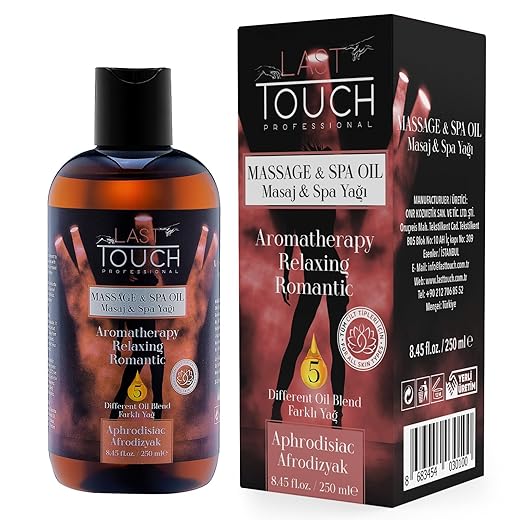
Lovely. Oil works as intended, but smells like engine oil.
Works great. Very good massage oil and smells good, too!
Good product. It has a pleasant smell, but you do have to reapply frequently, it is more of a dry oil and I like that it is good for massage but you have to use quite a bit
Tangent review but good. It’s really good. We do random picks during the week using a dice, or course most of the questions are kinda basic, I wish they had bother category or cars you could write your own questions. But that’s what pair is for LOL its a good activity to keep eachother interested and engaged.
Perfect snuggle. The material is amazingly soft and the blanket is just big enough to snuggle under. The plug and play is great for quick warmth and the control is very simple and easy to use. The color is great for a natural, neutral toned feel and the quality of the material is strong. The product is great for the value, however I don’t know how washable it is. I’ll have to try it out before I can mark it here.
Help build deeper connections. Helps to deepen conversations and understanding of each other. This is so fun to play and helps to create quality conversations. The game is a great idea for a gift to a couple at all stages. Many of these questions are not generally questions you would think to ask. The size is great for the value for sure.
Perfect Anniversary Activity. I just opened this game for the first time, and we used it for our wedding anniversary. It was perfect. We had a cozy night with wine and snacks, and the questions and dares made it really fun. Great game for couples who want something simple and enjoyable. Go buy it!
Fun game for couples. We have been looking for a fun game to play on the nights we decide to stay in, but wanted something that was fun, funny, exciting. This game ended up hitting all 3. We’ve enjoyed playing it several times since purchase. The questions and actions presented by the cards do not feel repeated. I actually plan on ordering some of the other packs.
Super fun and gets you talking. My partner and I loved this game! It’s great for getting conversations going and the prompts on the cards are so fun. We weren’t sure about the game at first and now it’s going to sit in my coffee table so we can pull it out whenever. We loved it so much!
Great quality. Great quality and questions. Easy to play and love the categories
It’s a great buy for the money. Very soft & comfortable. Heats up quickly & has a fantastic remote. Auto shut off with a max of 12 hours on. Totally worth it
It’s good but has somee problems. It heats well, the draw back is that it heats so well i could use only the 2 setting. the other draw back is that the control has cords out of each end, this makes it difficult to adjust if you are lieing in bed. It would be better if both cords came out the bottom end so it would be easier to hold up.