


If you’ve ever found yourself in a grocery store aisle, at the park, or in the comfort of your own home facing a sudden, intense meltdown from your little one, you’re not alone. Understanding toddler tantrums is one of the most critical—and challenging—aspects of early parenting. Far from being mere misbehavior, these emotional outbursts are a normal, healthy sign of development. Toddler tantrums represent the profound gap between what a young child wants to do, what they feel, and what they are actually able to communicate or achieve physically and emotionally.
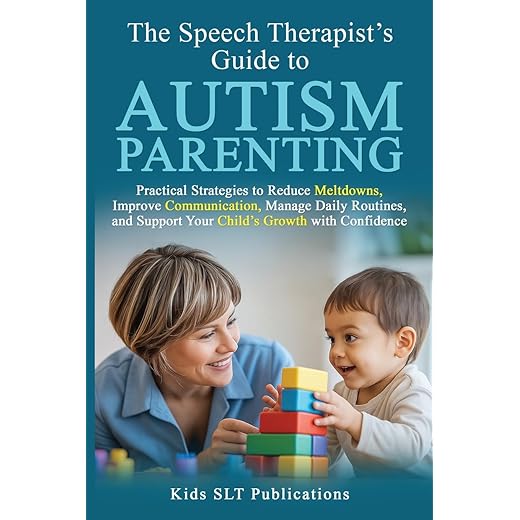

This guide dives deep into the science and psychology behind these powerful displays of emotion. We’ll explore the root causes of tantrums, from brain development and communication frustrations to overwhelming sensory input and unmet basic needs. More importantly, we’ll equip you with practical, evidence-based strategies to prevent, manage, and respond to tantrums effectively. By shifting your perspective from “managing a behavior problem” to “supporting a developing brain in distress,” you can transform these challenging moments into opportunities for connection, teaching emotional regulation, and strengthening your bond with your child.
When beginning to navigate the emotional landscape of young children, it’s essential to recognize that every individual experience is unique. Some infants will exhibit outbursts, and understanding the underlying triggers can provide valuable insights for caregivers. There’s often more behind these moments of anger than mere frustration; fatigue and overstimulation frequently play significant roles. A calm approach from the carer can sometimes change the dynamics, helping to limit further occurrences.
It’s important to explore special strategies that can give structure to emotional regulation. Creating a room where children feel safe to express themselves, yet also learn to calm down, is crucial. Celebrating small victories in managing emotions, rather than focusing solely on the challenges, could yield pleasant changes in behavior. Remember, everyone is entitled to moments of distress, but there’s power in demonstrating how to express feelings calmly.
As parents or guardians, understanding that these outbursts often stem from unmet needs can burn away frustration. Starting a dialogue with your little one about their feelings, even if it means just listening, can provide immense relief. By taking steps to recognize signs of discomfort early on, caregivers can transform explosive episodes into opportunities for growth and connection.
Identifying the Triggers of Tantrums
Recognizing what drives outbursts is key. It’s essential to observe your child closely. Some common triggers include hunger, fatigue, and frustration. When infants or younger children are unable to express their emotions logically, their amygdala responds with outbursts. They might not have the knowledge or vocabulary to communicate what they want or feel, leading to anger and other intense emotions.
- Hunger: Make sure meals and snacks are scheduled. When kids are hungry, they’re more likely to act out.
- Tiredness: Lack of sleep can cause irritability. Keep a consistent bedtime routine.
- Frustration: New experiences can be overwhelming. Offer help and encouragement when trying something new.
Pay attention to specific situations where the behavior occurs. For instance, if they lash out while playing with other kids, it could be about sharing or rules they don’t understand. Keep it pleasant. Surround them with supportive people who can help reinforce positive behavior.
As they grow older, the strategies you use will need adjustments. Building a clear system of rules that is easy for them to remember can help mitigate tantrums. Give advice and reminders when they seem close to an outburst. Use phrases like “let’s take a deep breath,” which can help them calm down.
When it comes to impulse control, it may help to offer alternatives like squeezing a stress ball or using a calming toy. These methods can channel their emotions without causing harm, like biting or hitting. Products like the stress ball or the scented calming sand can be beneficial.
Overall, managing these emotional moments takes patience and observation. Your ability to identify triggers will gradually improve as you understand their behavior better, leading to more effective parenting approaches.
Common Situational Triggers for Tantrums

Recognizing what leads to emotional outbursts is crucial for effective management. Many children struggle when their desires are denied. It’s important to build a routine where little ones know what to expect. For example, if snack time is predictable, it can prevent frustration and upset when waiting for food. Instead of simply saying “no,” try to suggest alternatives that will soothe their emotions while also respecting their needs.
Certain milestones like starting preschool or meeting new friends can be overwhelming. Kids may feel anxious and respond with upsetting behaviors. A good approach is to help them name their feelings. Teaching words for emotions can turn confusion into clearer expressions. This can reduce pent-up frustration and lead to fewer extreme reactions. Use stories or role-play to illustrate how they might express themselves better.
Sometimes, withdrawing from group settings or playdates can signal that they’re feeling overstimulated. Allow them to have quiet time, giving their minds a break. Products like sensory toys or calming activity books (available on Amazon) can be helpful tools. These can encourage good practices and give them a hand in managing their feelings effectively.
It’s also essential to remember that each child is different. What upsets one may not affect another. Observing your child’s unique triggers can help tailor responses. Work on building a resilient mindset and your reactions will improve as well. When such challenges arise, try your best to stay calm. Over time, this consistent approach will lead to more stable emotional responses from your little one.
Emotional and Developmental Factors
When children feel overwhelmed, they often struggle to express their emotions. It’s essential to provide a safe environment where they can feel comfortable. One effective way to guide them is through modeling calm reactions. For instance, when a child throws a toy out of frustration, demonstrate a calm tone and talk about feelings. A good starting point is products like the “Calm Down Ball” available on Amazon, which teaches children to redirect their energy when angry.
Sleep plays a significant role in emotional regulation. A child who hasn’t had adequate rest may feel increasingly stressed and have trouble containing their impulses. Consistent bedtime routines can help mitigate these issues. Note that creating a wind-down period can lead to a more peaceful night, which, in return, enhances their coping skills during the day. Consider items such as “Sleep Sound Machines” on Amazon for promoting better sleep quality.
Understanding the underlying reasons behind outbursts is crucial. Children could be expressing rage due to physical discomfort, hunger, or a need for attention. These situations can torment little ones, leading to impulsive reactions. Parents should identify special opportunities to check in with their child, ensuring they feel heard and understood. This practice fosters better emotional intelligence and reduces negative reactions over time.
Finally, encourage them to express their feelings more openly. When a child feels safe sharing their thoughts, they’re less likely to throw tantrums. Integrating simple emotional check-ins into daily routines allows them to express frustration before it builds up. Consider using visual aids like emotion cards from Amazon to make discussions more engaging.
Changes in Routine and Environment
To better manage your child’s emotional reactions, it’s effective to recognize when a routine change occurs. Children, especially those developing their sense of self, can become upset if their environment is altered unexpectedly. For instance, if you’re planning a trip or a family gathering, it’s wise to prepare your little one in advance, rather than springing it on them at the last minute.
Offering consistent spaces where your child can feel safe and secure can significantly aid in their emotional development. If a new setting is introduced, like a different play area, they may need time to adjust. Supply them with familiar toys or comfort items from home to burn off some of that initial anxiety. Items such as a favorite stuffed animal or a blanket from Amazon might help them regain their composure.
Developmentally, understanding your child’s temperament is vital. If they lean towards being sensitive, sudden changes might trigger a stronger reaction. Here, you can employ management techniques, such as creating a visual schedule that outlines their day. For example, use colored charts available on Amazon to illustrate different activities, which helps them anticipate what comes next and reduces anxiety over change.
During transitions, it’s crucial for parents to address their child’s needs with care. Encourage them to express their feelings verbally, stating things like, “I feel upset when we go to new places.” This approach enables emotional growth and helps them learn to handle their reactions. Practicing these skills in nearby safe spaces ultimately prepares them better for tests they’ll face as they grow.
Creating routines that integrate flexibility is also beneficial. While consistency is key, there should also be room for spontaneity. If they see that changes can be fun and not just upsetting, they develop resilience and a more adaptable mindset.
Strategies to Cope with Tantrums
One effective way to manage aggressive outbursts in little ones is to create a routine. When children know what to expect, it can reduce their anxiety and frustration. For example, having specific meal times, nap schedules, and play periods helps them feel secure. This predictable structure can lead to fewer emotional eruptions.
Offer opportunities for your child to express their feelings. When kids feel understood, they are less likely to react with rage. Encourage them to talk about what they need or want instead of screaming. For instance, if they are upset about sharing a toy, you can guide them to say, “I want to play with that.” This builds their communication skills and increases their emotional intelligence.
Fatigue often triggers behavioral issues. Ensure your child gets enough rest by keeping a consistent sleep schedule. If they miss a nap or go to bed late, the likelihood of troubles later in the day increases. A well-rested child is generally more manageable and less prone to emotional outbursts.
Consider enrolling your little one in a special class focused on social skills. Such environments allow children to learn about sharing, patience, and empathy through structured play. Look for programs that emphasize group activities where they can practice tolerance and develop friendships.
When your child does become upset, it can be helpful to remain calm yourself. Kids often mirror their parents’ emotions, so staying composed can help them settle down. If you feel overwhelmed, take a moment to breathe deeply and think about your response before engaging with your child.
It’s crucial to give your child the tools they need to cope with frustration. Use mindfulness techniques or calming exercises during playtime. Simple activities, like deep breathing or counting to ten, can help them learn to manage their emotions better.
Remember, children are always learning from experiences, so patience is key. Don’t rush the process; gradually, they will improve their behavioral responses. Over time, with guidance, they will learn to navigate their feelings with more grace.
Consider trying products available on Amazon that assist in emotional regulation. Items like fidget spinners or calming sensory toys can provide your child with a physical outlet for their feelings. These tools can become part of their routine, helping to reduce the intensity of emotional flare-ups.
Immediate Responses During a Tantrum
When a child experiences an outburst, it’s crucial for the carer to respond calmly and consistently. Taking a moment to breathe can help you regain your composure. Remember, you’re responsible for setting the tone in this overwhelming moment. Ignoring impulsive demands or behaviors can be effective, but ensure you’re fully aware of what the child is feeling.
Try redirecting their focus to something more logical or calming. For instance, you might point out a toy or a favorite book. This can help distract them and bring down the intensity of their feelings. If they’re not open to that idea, taking a step back can allow their strong emotions to settle without any further escalation.
Encourage growth by offering choices. Something as simple as asking, “Would you like to sit down or take three deep breaths together?” shows that you respect their autonomy, while also guiding them to regain control. This approach fosters tolerance for difficult situations and challenges their impulsive reactions.
In summary, when faced with challenging moments, maintain consistency and encourage simple, logical activities. This way, you help your child develop better emotional coping mechanisms, even in their most strenuous times. Remember to be patient; it’s a process, and little steps can lead to stronger emotional health.
Questions and answers:
What are the main causes of temper tantrums in toddlers?
Temper tantrums in toddlers typically arise from various factors. One main cause is their limited ability to express emotions, as young children often lack the vocabulary to articulate their feelings effectively. Frustration can build when they want something and cannot communicate it. Additionally, toddlers are still learning to navigate independence, and situations where they feel restricted can lead to outbursts. Fatigue, hunger, and overstimulation can also trigger tantrums, as children may not have the self-regulation skills to cope with these feelings. Understanding these causes can help parents address tantrums more effectively.
How can parents effectively manage temper tantrums when they occur?
Managing a tantrum can be challenging for parents, but there are several strategies that can help. First and foremost, staying calm is essential. Responding with anger or frustration can escalate the situation. Parents should try to acknowledge the child’s feelings and offer comfort, letting them know they are understood. In some cases, distraction can be effective—redirecting the child’s attention to a different activity or toy may help diffuse the situation. Keeping a consistent routine can also prevent tantrums, as children thrive on knowing what to expect. If tantrums happen frequently, it’s useful to assess whether the child is tired, hungry, or overwhelmed and to adjust accordingly.
Are there developmental stages that influence the frequency of tantrums?
Yes, toddlers go through various developmental stages that can influence the occurrence of temper tantrums. The ages between one and three years are particularly notorious for tantrums, as children are asserting their independence and often face frustrations in their daily lives. During these years, they are learning to articulate their desires and manage their frustrations, which can lead to outbursts. As children grow and develop better communication skills, they typically experience fewer tantrums, as they are better equipped to express their needs and emotions. Parental support during these stages is key to helping children learn healthier ways to cope with their feelings.
What parenting strategies can be implemented to reduce the occurrence of tantrums?
Several parenting strategies can help reduce the frequency of tantrums in toddlers. Establishing a clear and consistent routine can provide a sense of security for children, making them feel more in control. Offering choices in everyday situations, such as what to wear or what snack to have, allows toddlers to express their independence without leading to conflict. Setting clear expectations and consequences can also be beneficial—children thrive when they know what is expected of them. Positive reinforcement for appropriate behaviors can encourage toddlers to express their feelings constructively. Lastly, practicing patience and understanding as a parent is crucial, as tantrums are often a normal part of child development.
Can temper tantrums affect the parent-child relationship, and how can parents maintain a healthy bond during these times?
Temper tantrums can create stress for both parents and children, but they don’t have to damage the parent-child relationship. It’s important for parents to remain compassionate and responsive during their child’s outbursts. By validating their child’s feelings, parents can foster trust and emotional security. After a tantrum, discussing what happened in a calm and supportive manner can help the child process their emotions and understand that it’s okay to feel upset. Maintaining open lines of communication is vital for nurturing the relationship. Recognizing that tantrums are part of growing up allows parents to approach them with empathy and a focus on teaching emotional regulation skills, which ultimately strengthens the bond between parent and child.

Other Articles


6 Comments
Comments are closed.


Finally, Practical Help That Works. This book is a total game-changer! It’s easy to read, super practical, and actually understands what real parenting looks like. The meltdown strategies and communication tips helped us right away. I feel more confident, less overwhelmed, and way more connected to my child. So grateful
Compassionate, Practical, and Easy to Use. This guide offers a clear, empathetic roadmap for parents and caregivers navigating the challenges and joys of raising an autistic child. It blends professional insight with down-to-earth strategies, making complex concepts accessible without overwhelming jargon. The sections on managing meltdowns, easing sensory overload, and building smoother daily routines are especially valuable, offering step-by-step actions and visual tools that are easy to apply. Communication techniques, including AAC and scripting, are presented in a way that supports both verbal and nonverbal children. The inclusion of real family experiences adds warmth and relatability, while the quick-reference resources for IEPs and therapies give readers confidence in advocating for their child. Self-care tips for parents are a thoughtful addition, acknowledging the emotional demands of the role.
It is very practical. The book provides an experience similar to having an understanding friend who accompanies me through autism parenting challenges.It gives immediate application of evidence-based strategies which include co-regulation for calming meltdowns, flexible routine building, communication support, school, and therapy decision-making that respects individuality.The author rejects universal “fixes” by practical solutions while maintaining a positive view of neurodiversity. Also, it includes authentic family stories together with scripts and checklists which help readers implement the advice in their everyday lives. It helps our child thrive but simultaneously creates confidence and resilience that benefits our entire family.
Best sensory squishy I’ve ever had as a neurodivergent person. Being someone that is neurodivergent and has issues with certain textures, this product was introduced to me and tickles all the parts of my brain that I needed. It has a enough give (squishiness) but also enough pressure (firmness) to for those of us that need a bit of pressure. I really enjoy how it retains its shape and is durable. I’ve had multiple other products to burst or leak, not this one! Easy to clean after consistent usage. I would suggest this to anyone that is neurospicy, has to fidget or needs tactile/sensory stimulation, needs a concealable stress relief (I’m on camera daily for work), and that is also reasonably priced but a quality product!
A firm cube of coping. Are you a student or employed? Are a human who sometimes gets bored or frustrated, or someone who benefits from a fidget? Do you like to have something in your hand while you’re thinking or talking? This sensory squeeze cube is wonderful! The translucent clear blue color is entrancing and soothing, and the solidity of this particular squish is very satisfying! (For an even bigger, firmer squish, try their NeeDoh IceBerg.) My Nice Cube has had a place of honor on my desk, within easy reach, and has been in daily use for several months; It looks and feels like new! It hasn’t leaked or developed any cracks, breaks, or punctures; like Mary Poppins, it’s practically perfect in every way.
Perfect Desk Companion for Fidgety Hands. I absolutely love the Schylling NeeDoh Nice Cube. I tend to get fidgety while working or waiting for something to finish loading on my computer, and this cube has become the perfect little stress reliever in between typing sessions.I am a grown man and I love it lol.The texture and resistance feel amazing — firm enough to give satisfying feedback but soft enough to squeeze comfortably for long periods. It’s surprisingly durable too; after a few weeks of constant use, it still looks and feels brand new.What I Liked:Great texture — solid yet squishy and relaxingPerfect for focus or fidgeting at a deskFeels high-quality and durableWhat Could Be Better:Honestly, nothing major — it’s a simple product done rightIt has never cracked but I dont go to extreme with it. It gets fuzz on it but Im sure you can run it under water to get it off it seams easily cleanable. I would watch out if you have a dog that likes to chew things as they might REALLY enjoy this lolIf you’re the type who likes to keep your hands busy while thinking or working, the NeeDoh Nice Cube is fantastic. It’s simple, fun, and surprisingly satisfying.